Background: Exercise has positive effects on overall health and reduces risk for several chronic diseases. Diverse program modalities are growing as a potential intervention to improve physiological and psychological outcomes. Purpose: The present study examines the effect of a 10-week sprint interval training (SIT) and resistance training program on physiological and psychological variables in young women. Methods: 37 women (M Age = 24.9±4.3, BMI = 24.7±4.3) participated in a 10-week exercise intervention, consisting of a SIT treadmill protocol and resistance training three times a week for a total of 30 sessions. Participants were randomly assigned to one of two SIT programs (0% incline and 6% incline) and assessed at baseline and post testing for body composition, muscular strength and aerobic fitness. Enjoyment was assessed via a semi-structured interview following the intervention. Results: There were no significant group by time interactions. There was a significant reduction in body fat percentage (p<0.001, Δ 2.23% & 2.52% respectively), as well as a significant increase in lean mass (p<0.001, Δ 2.59 kg & 2.56 kg, respectively), bench press (p<0.001, Δ 25.87 kg & 24.4 kg, respectively), back squat (p<0.001, Δ 69.7 kg & 64.3 kg, respectively) following the intervention for both groups. There were no significant changes in aerobic fitness, kcal intake, and body fat mass. Overall participants reported enjoying the protocol but expressed apprehension of continuing the exercise on their own. Conclusions: Our current data suggest that a SIT and resistance program accounts for positive changes on physiological and psychological variables like percentage of body fat reductions and lean mass increments, muscular strength and exercise enjoyment.
Abstract Wadsworth, DD, Rodriguez-Hernandez, M, Huffman, LS, McDonald, JR, Spring, KE, and Pascoe, DD. Adaptations to a concurrent exercise training program in inactive aging women. J Strength Cond Res 36(11): 3217–3223, 2022—This study assessed the effect of a 10-week, sprint interval concurrent exercise training program on body composition and muscular strength in aging women. Sixty-five inactive women (age, 40–64 years) were randomized into 2 sprint interval exercise programs, 0% incline and 6% incline. Sprint interval training was performed to achieve 95% of each subject's age-predicted maximal heart rate for a series of 40 seconds of work followed by 20 seconds of passive recovery. An undulating resistance training protocol, composed of 30 sessions, was performed by each group throughout the study. Dual-energy X-ray absorption scans were assessed body composition, and 1 repetition maximum was performed to assess muscular strength. Subjects in both groups significantly reduced fat mass by approximately 0.35 kg (p = 0.002), and visceral adipose tissue by 0.05 kg (p = 0.032). There were significant increases in lean body mass by approximately 0.50 kg (p = 0.005), lower-body muscular strength by approximately 46.83 kg (p < 0.001), and upper-body muscular strength by approximately 11.68 kg (p < 0.001). No significant between-groups interactions were observed. A sprint interval training concurrent exercise training program is an effective strategy to improve body composition and muscular strength in inactive, aging women. Muscular strength improvements resulting from this intervention are particularly important because muscular strength losses are strong predictors of morbidity and mortality.
The purpose of this project was to examine the effect of a concurrent exercise program (sprint interval training and resistance exercise) on body composition in women with obesity and factors associated with continued exercise participation following the program. Twenty women (37.1 ± 7.4 y, height = 1.63 ± 0.09 m, weight = 98.22 ± 0.22 kg, BMI = 34.2 ± 2.50 kg/m2) participated in a 10-week exercise intervention consisting of a sprint interval treadmill protocol and resistance training three times a week totaling 30 sessions. Body composition was measured by dual-energy X-ray absorptiometry (iDXA) at pretest, 12 weeks, and six months post-intervention. Semi-structured interviews assessed participants’ perception of the program at both 12 weeks and six months. Participants significantly reduced fat mass (p < 0.001), gynoid fat mass (p < 0.010), android fat mass (p = 0.003), and visceral fat mass (p = 0.003) at 12 weeks post-test. At six months, participants maintained their reductions in fat mass (p = 0.015), visceral fat (p = 0.040) and gynoid fat mass (p = 0.032). There were no significant main time effects in lean mass (p = 0.099) or caloric intake (p = 0.053) at 12 weeks or six months. Themes that emerged from the semi-structured interviews at 12 weeks reflected enjoyment in the training, increases in competence and knowledge, as well as apprehension of continuing training on their own. At six months, themes that emerged reflected overcoming barriers, competence regarding high-intensity training, and a lack of competence to engage in resistance training. Sprint interval training coupled with resistance training is a feasible exercise protocol for women with obesity and results in reduced fat mass over six months. Improving women’s competence for training is imperative for continued participation.
Context Slips, trips, and falls are leading causes of musculoskeletal injuries in firefighters. Researchers have hypothesized that heat stress is the major contributing factor to these fireground injuries. Objective To examine the effect of environmental conditions, including hot and ambient temperatures, and exercise on functional and physiological outcome measures, including balance, rectal temperature, and perceived exertion. Design Randomized controlled clinical trial. Setting Laboratory environmental chamber. Patients or Other Participants A total of 13 healthy, active career firefighters (age = 26 ± 6 years [range = 19–35 years], height = 178.61 ± 4.93 cm, mass = 86.56 ± 16.13 kg). Intervention(s) Independent variables consisted of 3 conditions (exercise in heat [37.41°C], standing in heat [37.56°C], and exercise in ambient temperature [14.24°C]) and 3 data-collection times (preintervention, postintervention, and postrecovery). Each condition was separated from the others by at least 1 week and lasted a maximum of 40 minutes or until the participant reached volitional fatigue or a rectal temperature of 40.0°C. Main Outcome Measure(s) Firefighting-specific functional balance performance index, rectal temperature, and rating of perceived exertion. Results Exercise in the heat decreased functional balance, increased rectal temperature, and altered the perception of exertion compared with the other intervention conditions. Conclusions A bout of exercise in a hot, humid environment increased rectal temperature in a similar way to that reported in the physically active population and negatively affected measures of functional balance. Rather than independently affecting balance, the factors of exercise and heat stress appeared to combine, leading to an increased likelihood of slips, trips, and falls.
PURPOSE: The present study examined changes in self-regulation and self-efficacy in sedentary employees participating in a 10-week walking intervention. METHODS: 68 sedentary employees were enrolled in a 10-week walking intervention. Subjects were randomly assigned (based on initial BMI and gender) to one of three groups consisting of two walking protocols: intermittent walking (Age = 46±9, BMI= 30.33±5.79 kg/m2) continuous walking (Age = 48±9, BMI= 30.53±6.17 kg/m2) or control group (Age = 42±10, BMI= 27.66±5.11 kg/m2). The two experimental groups received self-paced walking programs that were time and intensity matched, as well as, a mobile health intervention with weekly strategies to improve self-efficacy and self-regulation skills via text messages, e-mails and videos. The control group received a self-pace walking program only. All groups completed a self-regulation and self-efficacy measured by questionnaire and walking behavior measured by a wrist worn accelerometer at baseline, week 6 and week 11. RESULTS: Results from the mixed ANOVA showed group and time interaction F(4,130) =8.017, p<.001, and a large effect n2= .198. The continuous group significantly improved overall self-regulation and its sub-scales from pre-test to week 6 and post-test (p<0.05). Self-efficacy decreased significantly from pre-test to week 6 (p=.047) and post-test (p=.008) for all groups. Walking activity changed significantly F(4,130)=2.526, p=.044, n2=.072, with the continuous walking group significantly increasing walking from pre-test to week 6 (p=.033), and a significant higher percentage of change compared to the control group from pretest to post test (p=0.042). CONCLUSIONS: For sedentary employees a continuous walking program is a better approach to improve self-regulatory skills and may provide a more feasible approach to prescribing exercise in sedentary office employees. Intermittent physical activity may have some positive impact on self-regulatory skills, however the amount of time and frequency of the bouts need to be tested to determine a feasible approach to include physical activity and meet daily obligations as well.
We investigated the effect of ischemic preconditioning (IPC) on performance of a 3 min maximal effort arm ergometer test in young women.
Physical activity is related to many benefits for metabolic impairments such as type 2 diabetes. However, it remains unclear whether different physical activity programs affect blood glucose in the same way. PURPOSE: The present study examined changes on HbA1c in sedentary employees exposed to two different walking programs during 10-week intervention. METHODS: 67 sedentary employees were enrolled in a 10-week walking intervention. Participants were randomly assigned to one of three groups: intermittent walking (Age = 46±9, BMI= 30.33±5.79 kg/m2), continuous walking (Age = 48±9, BMI= 30.53±6.17 kg/m2), or a no intervention control group (Age = 42±10, BMI= 27.66±5.11 kg/m2). Notably, the two walking groups were instructed to complete a program time and intensity matched. A1cNOW+ was used to test HbA1c from finger prick blood and accelerometer assessed physical activity. RESULTS: Statistically significant changes were observed in HbA1c as the overall analysis F(1,64) =4.229, p=.044) with a medium size effect of n2=062. Bonferroni Post-Hoc test shows that the continuous walking group was significantly affected, F=8.463, p=.009, with a large size effect n2=.297. There were no changes within the multiple break group or control group (p>0.05). Accelerometry showed a main effect of time by group interaction F(4,124) =5.091, p=.001) with a large effect size n2= .14, the Post-Hoc indicated that the continuous walking group took significantly longer bouts at moderate to vigorous intensity at week-6 compared to pre-test (p=0.009). There were no changes in the length of bouts in the intermittent or control groups (p>0.05). CONCLUSIONS: As preventive strategy, blood glucose may be better controlled by a continuous moderate intensity walking program compared to an intermittent walking program for sedentary office employees.
BACKGROUND:We sought to determine the effect of multiple walking breaks from sedentary behavior (SED) on glucose responses in sedentary obese women. MATERIALS AND METHODS:Ten women [aged = 36 (5) y, body mass index = 38.0 (1.6) kg/m2, body fat = 49.6 (1.4)%] completed 3 conditions (48-h "washout" in-between conditions) following a standardized meal in random order: 4-hour SED, 4-hour SED with 2 minutes of moderate-intensity walking every 30 minutes (SED + 2 min), and 4-hour SED with 5 minutes of moderate-intensity walking every 30 minutes (SED + 5 min). Measurements included continuous interstitial glucose concentration monitoring immediately before and during standardized conditions and accelerometry for physical activity patterns during and in-between the standardized conditions. Repeated-measures 1-way analyses of variance (α = .05) with Bonferroni correction for post hoc comparisons were performed. Effect sizes (d [95% confidence interval]) were calculated as mean difference from SED/pooled standard deviation. RESULTS:Sedentary time was similar in the 48 hours preceding each condition (P > .05). By design, sedentary time was different between conditions (P < .001). Compared with SED, 2-hour postprandial glucose positive incremental area under the curve was lower for SED + 5 minutes (P = .005; d = - 0.57 [-1.48, 0.40]), but not for SED + 2 minutes (P = .086; d = - 0.71 [-1.63, 0.27]). Four-hour postprandial glucose area under the curve was similar between conditions (P > .05). CONCLUSION:In sedentary obese women, 5 minutes of moderate-intensity walking breaks from SED each 30 minutes attenuate 2-hour postprandial glucose excursions.
Betalains are indole-derived pigments found in beet root, and recent studies suggest that they may exert ergogenic effects. Herein, we examined if supplementation for 7 days with betalain-rich beetroot concentrate (BLN) improved cycling performance or altered hemodynamic and serum analytes prior to, during and following a cycling time trial (TT).
The Wingate Test is a commonly used assessment of anaerobic capacity and power during cycling. Wingate Protocol involves participants reaching maximal pedal cadence prior to resistance being added to the cycling flywheel. PURPOSE: The purpose of this study was to create a method to correct power measures to account for the influence of inertial load during a Wingate Test. METHODS: This study was performed using a Velotron ergometer and the Velotron Wingate Software. Ergometers were pedaled up to three different cadences (130, 150, and 170 revolutions per minute) at five different loads (3.75, 5.25, 6.75, 8.25, and 9.75 kp). Pedaling force was removed immediately before resistance was added to the flywheel. Data were collected for a full 30-seconds as utilized in a standard Wingate Test. RESULTS: Peak power resulting from inertial load ranged from 482-1615 W. Average power resulting from inertial load over the first portion of the test varied between 282-735 W based on flywheel resistance and initial cadence while no work was performed. Statistical modeling allowed the development of a regression curve (r2 = 0.986) accounting for second by second predictions of the influence of inertial load on power output readings. CONCLUSION: The Wingate Test can be valuable tool in a participant’s work assessment. However, caution needs to be taken in the interpretation and application of power output as this study has demonstrated.
Background We sought to determine the effects of unilateral lower-limb external pneumatic compression (EPC) on bilateral lower-limb vascular reactivity and skin blood flow. Methods Thirty-two participants completed this two-aim study. In AIM1 (n = 18, age: 25.5 ± 4.7 years; BMI: 25.6 ± 3.5 kg/m2), bilateral femoral artery blood flow and reactivity (flow mediated dilation [FMD]) measurements were performed via ultrasonography at baseline (PRE) and immediately following 30-min of unilateral EPC treatment (POST). AIM2 (n = 14, age: 25.9 ± 4.5; BMI: 27.2 ± 2.7 kg/m2) involved 30-min unilateral EPC (n = 7) or sham (n = 7) treatment with thermographic bilateral lower-limb mean skin temperature (MST) measurements at baseline, 15-min of treatment (T15) and 0, 30 and 60-min (R0, R30, R60) following treatment. Results Comparative data herein are presented as mean ± 95% confidence interval. AIM1: No significant effects on total reactive hyperemia blood flow were observed for the treated (i.e., compressed) or untreated (i.e., non-compressed) leg. A significant effect of time, but no time*leg interaction, was observed for relative FMD indicating higher reactivity bilaterally with unilateral EPC treatment (FMD: +0.41 ± 0.09% across both legs; p < 0.05). AIM2: Unilateral EPC treatment was associated with significant increases in whole-leg MST from baseline during (T15: +0.63 ± 0.56 °C in the visible untreated/contralateral leg, p < 0.025) and immediately following treatment (i.e., R0) in both treated (+1.53 ± 0.59 °C) and untreated (+0.60 ± 0.45 °C) legs (p < 0.0125). Across both legs, MST remained elevated with EPC at 30-min post-treatment (+0.60 ± 0.45 °C; p < 0.0167) but not at 60-min post (+0.27 ± 0.46 °C; p = 0.165). Sham treatment was associated with a significant increase in the treated leg immediately post-treatment (+1.12 ± 0.31 °C; p < 0.0167), but not in the untreated leg (−0.27 ± 0.12 °C). MST in neither the treated or untreated leg were increased relative to baseline at R30 or R60 (p > 0.05). Finally, during treatment and at all post-treatment time points (i.e., R0, R30 and R60), independent of treatment group (EPC vs. sham), there was a significant effect of region. The maximum increase in MST was observed at the R0 time point and was significantly (p < 0.05) larger in the thigh region (+1.02 ± 0.31 °C) than the lower-leg (+0.47 ± 0.29 °C) region. However, similar rates of MST decline from R0 in the thigh and lower leg regions were observed at the R30 and R60 time points. Discussion Unilateral EPC may be an effective intervention for increasing skin blood flow and/or peripheral conduit vascular reactivity in the contralateral limb. While EPC was effective in increasing whole-leg MST bilaterally, there appeared to be a more robust response in the thigh compared to the lower-leg. Thus, proximity along the leg may be an important consideration in prospective treatment strategies.
PURPOSE: Previous research has shown that Sprint Interval Training (SIT) is effective in eliciting physiological responses comparable to continuous forms of training. Despite these physiological benefits, there is some evidence that vigorous exercise is linked to negative affective states and may discourage continued exercise participation or result in compensatory behaviors. Therefore, the purpose of this study was to determine if physical activity compensation occurred following a 10-week exercise intervention and to examine how compensation affective intervention variables examined. METHODS: 39 women aged 19-35 (25.4±4.5 years) completed a 10-week exercise training study consisting of SIT and resistance training three times a week for a total of 30 sessions. Pre and post assessments included body composition by iDXA, VO2max and an accelerometer measured physical activity and sedentary behavior for seven days. Validated cut points determined the percentage of time spent in moderate to vigorous physical activity and sedentary behavior. RESULTS: Participants spent on average 600 ± 50.5 minutes of each day (82% of the day) in sedentary behavior prior to the intervention. After posttest, participants spent on average 530.4 ± 101.4 minutes (78% of the day) in sedentary behavior, which is a 3.24% reduction (p<.001). There was no effect of MVPA on VO2max (p = .421), however, participants who lost fat mass over the course of the study spent significantly more time (p=.008) in MVPA outside of the study. CONCLUSIONS: Overall, participants did not compensate following an exercise intervention by increasing their sedentary behavior. However, differences in MVPA outside of the study affected changes in fat mass.
The importance of using infrared thermography (IRT) to assess skin temperature (tsk) is increasing in clinical settings. Recently, its use has been increasing in sports and exercise medicine; however, no consensus guideline exists to address the methods for collecting data in such situations. The aim of this study was to develop a checklist for the collection of tsk using IRT in sports and exercise medicine. We carried out a Delphi study to set a checklist based on consensus agreement from leading experts in the field. Panelists (n = 24) representing the areas of sport science (n = 8; 33%), physiology (n = 7; 29%), physiotherapy (n = 3; 13%) and medicine (n = 6; 25%), from 13 different countries completed the Delphi process. An initial list of 16 points was proposed which was rated and commented on by panelists in three rounds of anonymous surveys following a standard Delphi procedure. The panel reached consensus on 15 items which encompassed the participants' demographic information, camera/room or environment setup and recording/analysis of tsk using IRT. The results of the Delphi produced the checklist entitled "Thermographic Imaging in Sports and Exercise Medicine (TISEM)" which is a proposal to standardize the collection and analysis of tsk data using IRT. It is intended that the TISEM can also be applied to evaluate bias in thermographic studies and to guide practitioners in the use of this technique.
INTRODUCTION: Muscle biopsies have played a large role in the understanding of skeletal muscle physiology. While discomfort from the biopsy process is often reported, it is unknown if the activation of pain pathways and/or the administration of lidocaine during the procedure affects the motor control of the same muscle. PURPOSE: To examine the effects of a skeletal muscle biopsy on the motor unit firing properties of the vastus lateralis (VL) in young men. METHODS: Fifteen young men (Age: 22 ± 2 years) underwent skeletal muscle biopsies of the VL of the right leg. Prior to and following the biopsy, subjects completed a maximal effort contraction. Four surface electromyographic signals were detected from the VL during the maximal contraction and decomposed into their constituent motor unit action potential trains. The relationship between maximal motor unit firing rate (FRmax) and recruitment threshold (RT) were calculated for each subject pre- and post-biopsy. Separate Paired-Samples T-Tests were run to examine for changes in slope coefficients and y-intercepts. RESULTS: Our findings showed no significant change in slope (Pre: -0.40 ± 0.32; Post: -0.40 ± 0.21; p = 0.96) or y-intercept (Pre: 29.0 ± 7.3; Post: 30.8 ± 7.6; p = 0.26) following the biopsy process. Figure 1 below depicts the relationship between group mean FRmax (x-axis) and group mean RT (y-axis) both pre- and post-biopsy. CONCLUSION: Despite reports of discomfort, the results of the present investigation suggest that the motor unit firing properties of the VL of young males are minimally affected by the process of a skeletal muscle biopsy. Specifically, our data shows no significant change in the relationship between FRmax and RT. Researchers and scientists that utilize muscle biopsies can take comfort in knowing that the process does not affect the motor control of the muscle during subsequent contractions.Figure
Purpose Translating exercise-science methodology for determination of muscle bioenergetics, we hypothesized that the temporal voice-use patterns for classroom and music teachers would indicate a reliance on the immediate energy system for laryngeal skeletal-muscle metabolism. It was hypothesized that the music-teacher group would produce longer voiced segments than the classroom teachers. Method Using a between- and within-group multivariate analysis-of-variance design (5 classroom teachers; 7 music teachers), we analyzed fundamental-frequency data-collected via an ambulatory phonation monitor-for length (seconds) of voiced and nonvoiced intervals. Data were collected for 7.5 hr during the workday, over the course of several workdays for each teacher. Results Descriptive analyses of voiced and nonvoiced intervals indicated that over 99% of voiced segments for both groups were no longer than 3.15 s, supporting the hypothesis of reliance on the immediate energy system for muscle bioenergetics. Significant differences were identified between and within the classroom- and music-teacher groups, with the music-teacher group producing longer voiced segments overall. Conclusions Knowledge of probable intrinsic laryngeal skeletal-muscle bioenergetics requirements could inform new interdisciplinary considerations for voice habilitation and rehabilitation.
Background: We examined the acute effect of a red spinach extract (RSE) (1000 mg dose; ~90 mg nitrate (NO 3 − )) on performance markers during graded exercise testing (GXT). Methods: For this randomized, double-blind, placebo (PBO)-controlled, crossover study, 15 recreationally-active participants (aged 23.1 ± 3.3 years; BMI: 27.2 ± 3.7 kg/m2) reported >2 h post-prandial and performed GXT 65–75 min post-RSE or PBO ingestion. Blood samples were collected at baseline (BL), pre-GXT (65–75 min post-ingestion; PRE), and immediately post-GXT (POST). GXT commenced with continuous analysis of expired gases. Results: Plasma concentrations of NO 3 − increased PRE (+447 ± 294%; p < 0.001) and POST (+378 ± 179%; p < 0.001) GXT with RSE, but not with PBO (+3 ± 26%, −8 ± 24%, respectively; p > 0.05). No effect on circulating nitrite (NO 2 − ) was observed with RSE (+3.3 ± 7.5%, +7.7 ± 11.8% PRE and POST, respectively; p > 0.05) or PBO (−0.5 ± 7.9%, −0.2 ± 8.1% PRE and POST, respectively; p > 0.05). When compared to PBO, there was a moderate effect of RSE on plasma NO 2 − at PRE (g = 0.50 [−0.26, 1.24] and POST g = 0.71 [−0.05, 1.48]). During GXT, VO2 at the ventilatory threshold was significantly higher with RSE compared to PBO (+6.1 ± 7.3%; p < 0.05), though time-to-exhaustion (−4.0 ± 7.7%; p > 0.05) and maximal aerobic power (i.e., VO2 peak; −0.8 ± 5.6%; p > 0.05) were non-significantly lower with RSE. Conclusions: RSE as a nutritional supplement may elicit an ergogenic response by delaying the ventilatory threshold.
PURPOSE:We sought to compare the effects of external pneumatic compression (EPC) and sham when used concurrently with resistance training on performance-related outcomes and molecular measures related to recovery. METHODS:Twenty (N = 20) resistance-trained male participants (aged 21.6±2.4 years) were randomized to balanced sham or EPC intervention groups. The protocol consisted of 3 consecutive days of heavy, voluminous back squat exercise followed by EPC/sham treatment (Days2-4) and 3 consecutive days of recovery (Days5-7) with EPC/sham only on Days5-6. On Day1 (PRE), and Days3-7, venipuncture, flexibility and pressure-to-pain threshold (PPT) measures were performed. Vastsus lateralis muscle tissue was biopsied at PRE, 1-h post-EPC/sham treatment on Day2 (POST1) and 24-h post-EPC/sham treatment on Day7 (POST2). Isokinetic peak torque was assessed at PRE and POST2. RESULTS:Peak isokinetic strength did not change from PRE to POST2 in either group. The PPT was significantly lower on Days3-6 with sham, indicating greater muscle soreness, though this was largely abolished in the EPC group. A significant decrease in flexibility with sham was observed on Day3 (+16.2±4.6% knee joint angle; P<0.01) whereas there was no change with EPC (+2.8±3.8%; P>0.01). Vastus lateralis poly-ubiquitinated proteins significantly increased at the POST2 time point relative to PRE with sham (+66.6±24.6%; P<0.025) and were significantly greater (P<0.025) than those observed with EPC at the same time point (-18.6±8.5%). 4-hydroxynonenal values were significantly lower at POST2 relative to PRE with EPC (-16.2±5.6%; P<0.025) and were significantly lower (P<0.025) than those observed with sham at the same time point (+11.8±5.9%). CONCLUSION:EPC mitigated a reduction in flexibility and PPT that occurred with sham. Moreover, EPC reduced select skeletal muscle oxidative stress and proteolysis markers during recovery from heavy resistance exercise.
To compare the effects of external pneumatic compression (EPC) and sham when used concurrently with high intensity interval training (HIIT) on performance-related outcomes and recovery-related molecular measures.
Salom Huffman, L, Wadsworth, DD, McDonald, JR, Foote, SJ, Hyatt, H, and Pascoe, DD. Effects of a sprint interval and resistance concurrent exercise training program on aerobic capacity of inactive adult women. J Strength Cond Res 33(6): 1641-1648, 2019-The purpose of this investigation was to examine the effects of high-intensity concurrent exercise training (CET) consisting of sprint intervals (sprint interval training [SIT]) and resistance exercise (RET) protocols on aerobic capacity in recreationally active, adult women. A total of 53 participants were pair-matched according to preliminary maximal aerobic capacity (VO2max) Bruce protocol assessment into level-grade (SIT0) or 6% incline (SIT6) groups. This 12-week intervention consisted of 3 CET sessions per week. Sprint interval protocol consisted of 2 (weeks 1-6) then 3 (weeks 7-12) sets of three 40-second sprints at specific intensities to evoke responses equivalent to 95% of age-predicted maximal heart rate interspersed with 20 seconds of rest; with 1 minute of passive recovery between sets. An undulating periodization model consisting of lifts such as the back squat and bench press constituted the RET component. Protocol order alternated each session. Posttraining revealed significant improvements in both SIT0 and SIT6 (p ≤ 0.05) for VO2max (2.11 ± 0.390 to 2.29 ± 0.382 L·min; 2.03 ± 0.382 to 2.09 ± 0.561 L·min), Tmax (490.5 ± 102.3 to 542.7 ± 81.5 seconds; 503.2 ± 75.4 to 541.8 ± 77.0 seconds), and Vmax (5.1 ± 0.92 miles per hour [MPH] to 5.9 ± 0.90 MPH; 4.3 ± 0.68 MPH to 4.9 ± 0.64 MPH), respectively. No significant between-group interactions were detected for any of the variables. Our SIT-based CET intervention represents an effective strategy to induce significant cardiovascular adaptations in older women as evident by aerobic capacity improvements, beneficial to overall health and critical for functionality into old age; an important concern for aging women.
 Jeffrey N. Martin合作论文数San Francisco General Hospital;Department of Epidemiology and Biostatistics, University of California, San Francisco16
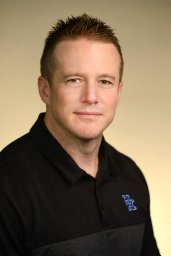 C. Brooks Mobley合作论文数School of Kinesiology, Auburn University14
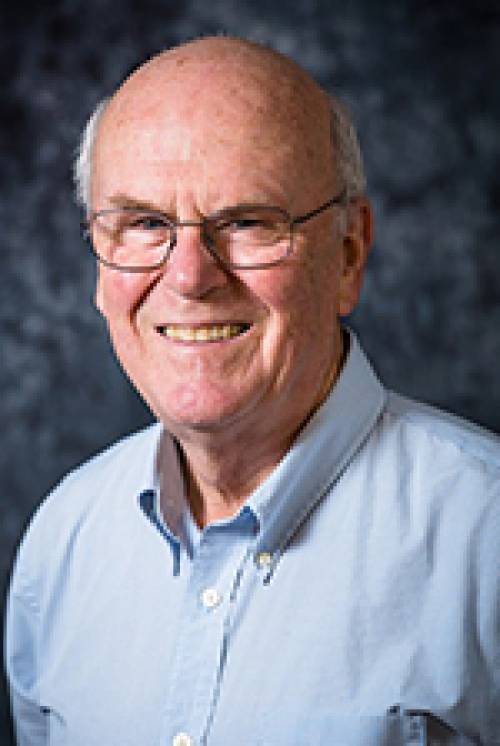 R. Michael Roberts合作论文数Department of Animal Sciences, University of Missouri14
 Wadsworth Danielle D合作论文数12
 Wesley Kephart合作论文数School of Kinesiology, Auburn University12
 Cody Taylor Haun合作论文数Fitomics, LLC11
 Mynor G. Rodriguez-Hernandez合作论文数10
 Petey W Mumford合作论文数Lindenwood University7
 JoEllen M Sefton合作论文数Neuromechanics Research Laboratory, Auburn University7Goodlett Michael D合作论文数7
 Kaelin C. Young合作论文数Department of Kinesiology;College of Education;Department of Kinesiology|College of Education7
 Johneric W. Smith合作论文数7
 Matthew A. Romero合作论文数Department of Microbiology, Immunology, and Molecular Genetics, University of California6
 Carlton D Fox合作论文数6
 James McDonald合作论文数Water Research Centre, School of Civil & Environmental Engineering, University of New South Wales6
 Shelby Osburn合作论文数School of Kinesiology, Auburn University5Paul A Roberson合作论文数5
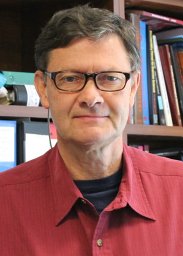 Bruce Gladden合作论文数Muscle Physiology Lab, School of Kinesiology, College of Education, Auburn University5
 Sandage Mary J合作论文数Department of Communication Disorders, Auburn University5
 Matthew D Barberio合作论文数5Richard H. Laird合作论文数4Shelby J. Foote合作论文数4
 David Elmer合作论文数4Richard G Anderson合作论文数4Jj Zachwieja合作论文数4
 Angelique N Moore合作论文数4Andreas N. Kavazis合作论文数4
 D. H. Passe合作论文数4Estevam Strecker合作论文数4Lorena P. Salom合作论文数3Anna E McCloskey合作论文数3
 Tyler W D Muddle合作论文数Dept Hlth & Human Performance, Oklahoma State Univ3
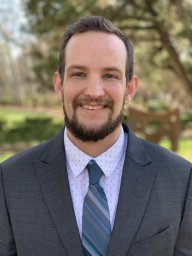 Ryan J. Colquhoun合作论文数Dept Hlth Kinesiol & Sport, Univ S Alabama3
 Cameron S. Mackey合作论文数Applied Neuromuscular Physiology Laboratory, Oklahoma State University3Yarar Ceren合作论文数3James B Mercer合作论文数3Healy James C合作论文数3
 Jenkins Nathaniel D M合作论文数3
 Jason M DeFreitas合作论文数Department of Health and Exercise Science, University of Oklahoma3
 Jordan R. Moon合作论文数Metabolic and Body Composition Laboratory, University of Oklahoma3Angelia M Holland合作论文数2Ernest B Foster合作论文数2Ashley Peart合作论文数2Joshua J Shake合作论文数2R. L. Schade合作论文数2T. J. Bradford合作论文数2trent j wilson合作论文数2Nadine Connor合作论文数2
 Khalil A. Lee合作论文数2




