1The Royal Free Hospital, London 2University College London Abbreviations: HE, hepatic encephalopathy; MASLD, metabolic associated steatotic liver disease; mmHg, millimetres of mercury; PPG, portal pressure gradient; TIPS, Transjugular intrahepatic portosystemic shunt; WHVP, wedge hepatic pressure measurement Correspondence Louise China, University College London, ; Royal Free London NHS, Foundation Trust. Email: [email protected]
Portal vein thrombosis (PVT) refers to the development of a non-malignant obstruction of the portal vein, its branches, its radicles, or a combination. This Review first provides a comprehensive overview of all aspects of PVT, namely the specifics of the portal venous system, the risk factors for PVT, the pathophysiology of portal hypertension in PVT, the interest in non-invasive tests, as well as therapeutic approaches including the effect of treating risk factors for PVT or cause of cirrhosis, anticoagulation, portal vein recanalisation by interventional radiology, and prevention and management of variceal bleeding in patients with PVT. Specific issues are also addressed including portal cholangiopathy, mesenteric ischaemia and intestinal necrosis, quality of life, fertility, contraception and pregnancy, and PVT in children. This Review will then present endpoints for future clinical studies in PVT, both in patients with and without cirrhosis, agreed by a large panel of experts through a Delphi consensus process. These endpoints include classification of portal vein thrombus extension, classification of PVT evolution, timing of assessment of PVT, and global endpoints for studies on PVT including clinical outcomes. These endpoints will help homogenise studies on PVT and thus facilitate reporting, comparison between studies, and validation of future studies and trials on PVT.
IntroductionIn liver cirrhosis, acute variceal bleeding (AVB) is associated with a 1-year mortality rate of up to 40%. Data on early or pre-emptive transjugular intrahepatic portosystemic stent–shunt (TIPSS) in AVB is inconclusive and may not reflect current management strategies. Randomised controlled trial of EArly transjugular intrahepatiC porTosystemic stent–shunt in AVB (REACT-AVB) aims to investigate the clinical and cost-effectiveness of early TIPSS in patients with cirrhosis and AVB after initial bleeding control.Methods and analysisREACT-AVB is a multicentre, randomised controlled, open-label, superiority, two-arm, parallel-group trial with an internal pilot. The two interventions allocated randomly 1:1 are early TIPSS within 4 days of diagnostic endoscopy or secondary prophylaxis with endoscopic therapy in combination with non-selective beta blockers. Patients aged ≥18 years with cirrhosis and Child-Pugh Score 7–13 presenting with AVB with endoscopic haemostasis are eligible for inclusion. The primary outcome is transplant-free survival at 1 year post randomisation. Secondary endpoints include transplant-free survival at 6 weeks, rebleeding, serious adverse events, other complications of cirrhosis, Child-Pugh and Model For End-Stage Liver Disease (MELD) scores at 6 and 12 months, health-related quality of life, use of healthcare resources, cost-effectiveness and use of cross-over therapies. The sample size is 294 patients over a 4-year recruitment period, across 30 hospitals in the UK.Ethics and disseminationResearch ethics committee of National Health Service has approved REACT-AVB (reference number: 23/WM/0085). The results will be submitted for publication in a peer-reviewed journal. A lay summary will also be emailed or posted to participants before publication.Trial registration numberISRCTN85274829; protocol version 3.0, 1 July 2023.
BACKGROUND AND AIMS:Since the introduction of SARS-CoV-2 vaccines, several cases of vaccine-induced immune thrombocytopenia and thrombosis (VITT) have been described, especially cerebral vein thrombosis. We aimed to retrospectively collect all new cases of acute onset first or recurrent splanchnic vein thrombosis (SVT) following a recent SARS-CoV-2 vaccination within the Vascular Liver Disease Group network. APPROACH AND RESULTS:New cases of SVT were identified from April 2021 to April 2022; follow-up was completed on December 31, 2022. Criteria to define VITT were derived from previous studies. Data from a pre-COVID cohort of patients with SVT (N=436) were used for comparison of clinical presentation, etiology, and outcome. Twenty-nine patients were identified with SVT occurring with a median of 11 days (range 2-76) after the first (48%), second (41%), or third (10%) vaccination (ChAdOx1 nCov-19 (n=12) or BNT162b2 (n=14), other (n=3) Only 2 patients(7%) fulfilled criteria for definite VITT. Twenty (69%) had SVT at multiple sites, including 4 (14%) with concomitant extra-abdominal thrombosis. Only 28% had an underlying prothrombotic condition, compared to 52% in the pre-COVID SVT cohort ( p =0.01). Five patients (17%) underwent bowel resection for mesenteric ischemia, compared with 3% in pre-COVID SVT ( p <0.001). Two patients died shortly after diagnosis (7%). CONCLUSIONS:Although definite VITT was rare, in 72% of cases, no other cause for SVT could be identified following SARS-CoV-2 vaccination. These cases were different from patients with nonvaccine-related SVT, with lower incidence of prothrombotic conditions, higher rates of bowel ischemia, and poorer outcome. Although SVT after SARS-CoV-2 vaccination is rare in absolute terms, these data remain relevant considering ongoing revaccination programs.
 Andrew K. Burroughs合作论文数Royal Free Hospital80
 James O'Beirne合作论文数Dept Gastroenterol & Hepatol, Sunshine Coast Univ Hosp54
 Emmanuel A Tsochatzis合作论文数40
 Evangelos Cholongitas合作论文数33
 Pinelopi Manousou合作论文数Digestive Diseases, Department of Metabolism, Digestion and Reproduction, Faculty of Medicine, Imperial College London33Dominic Yu合作论文数33Marco Senzolo合作论文数Department of Surgery, Oncology and Gastroenterology, University of Padova;Department of Surgery, Oncology and Gastroenterology, Padua University Hospital30Dhillon Amar P合作论文数24Laura Marelli合作论文数24Douglas Thorburn合作论文数22
 Vincenza Calvaruso合作论文数DIBIMIS, Università di Palermo19
 Christos Triantos合作论文数The Royal Free Sheila Sherlock Liver Centre and University Division of Surgery, UCL, and Royal Free Hospital17
 Rachel H Westbrook合作论文数16Louise China合作论文数15Burroughs Andrew Kenneth合作论文数15
 Dhiraj Tripathi合作论文数Department of Hepatology, University of Edinburgh15
 Juan Carlos García-Pagán合作论文数Liver Unit, Hospital Clínic de Barcelona15Ulrich Thalheimer合作论文数14
 Amine Benmassaoud合作论文数Division of Gastroenterology & Hepatology, Department of Medicine, Faculty of Medicine and Health Sciences, McGill University14
 Tu Vinh Luong合作论文数Royal Free London NHS Foundation Trust;Royal Free Hospital;Institute for Liver and Digestive Health, University College London;Specialist Histopathology Services Limited14
 Gioacchino Leandro合作论文数University College London;IRCCS Saverio de Bellis14Norman D. Grace合作论文数14
 Jaime Bosch合作论文数Hospital Clinic-University of Barcelona;Bern University14Andrew Burroughs合作论文数13Dhillon Amar合作论文数13
 Guadalupe Garcia-Tsao合作论文数Department of Medicine, School of Medicine, Yale University;Digestive Diseases Section, VA-Connecticut Healthcare System13
 Roberto J Groszmann合作论文数Department of Internal Medicine, Yale University13Elias Xirouchakis合作论文数12Jemima Finkel合作论文数12Neil Davies合作论文数12
 Angels Escorsell合作论文数Institut de Malalties Digestives, Institut d' Investigacio Biomèdica August Pi Sunyer12
 Dimitrios N. Samonakis合作论文数Liver Transplantation Hepatobiliary Unit, Royal Free Hospital12
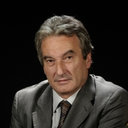 Ramon Planas合作论文数Department of Gastroenterology, Generalitat de Catalunya;Department of Gastroenterology, Hospital Germans Trias i Pujol;Liver Unit, Hospital Universitari Germans Trias i Pujol;Department of Medicine, Universitat Autònoma de Barcelona11Vibhakorn Shusang合作论文数11Daniel S. Matloff合作论文数11
 Manuel Rodriguez-Peralvarez合作论文数10Keith Rolles合作论文数Royal Free London NHS Foundation Trust10
 Nancy Rolando合作论文数10
 Brian R. Davidson合作论文数Department of Surgical Biotechnology, Division of Surgery and Interventional Science, UCL9
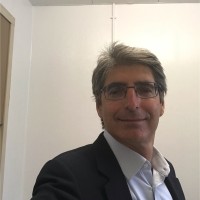 Alberto Quaglia合作论文数Royal Free London NHS Foundation Trust;Cancer Institute, University College London9Rosa Stigliano合作论文数9Sergio Maimone合作论文数8Chowdary Pratima合作论文数8
 Graziella Isgro合作论文数8
 Masson Steven合作论文数Institute of Cellular Medicine, Newcastle University8
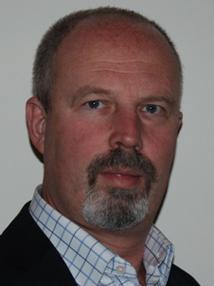 Mark Thursz合作论文数Department of Metabolism, Digestion and Reproduction, Faculty of Medicine, Imperial College London;St Mary's Hospital8
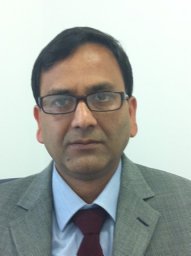 Banwari Agarwal合作论文数Royal Free Hospital8
 Ewan Forrest合作论文数School of Cardiovascular & Metabolic Health, University of Glasgow;Glasgow Royal Infirmary8Giacomo Germani合作论文数8




