Correlation between marker expression intensity and sample collection year. Corr. = correlation coefficient, A.U. = arbitrary unites.
Supplementary Table S1 (Excel file). TCGA datasets; Supplementary Table S2. CART cutoff points for each marker and the number of samples (N) in each category; Supplementary Table S3. Adjusted survival analysis; Supplementary Table S4. TCGA p16 expression data for HPV- and HPV+ HNSCC.
Purpose: Suspension laryngoscopy is a commonly performed procedure in otolaryngology. During the procedure, the laryngoscope applies direct force to the tongue. Postoperative tongue symptoms include pain, swelling, numbness, taste disturbance, and rarely motor deficits. Duration and magnitude of force applied have previously been associated with post-operative throat and tongue pain, respectively. We sought to correlate postoperative tongue symptoms with magnitude of force applied and/or duration of suspension and investigate any risk factors for tongue morbidity. Materials and methods: A sample of patients undergoing suspension laryngoscopy between 2015 and 2018 were prospectively recruited. Those with preexisting tongue symptoms, disease or surgery were excluded. Patients completed preoperative and postoperative questionnaires evaluating tongue swelling, numbness, motion and taste disturbance. Symptoms were subjectively scored on a visual scale from 0 to 10. Patient demographics, past medical and social history were also recorded. Intraoperative pressures were measured using a spring force scale, positioned between the suspension arm and Mayo stand. Initial and end suspension forces and duration of suspension were recorded. Results: 120 patients met inclusion criteria, of which 63 completed both preoperative and postoperative questionnaires. 6 patients (9.5%) experienced postoperative tongue symptoms. Suspension force and duration of suspension were not significantly predictive of postoperative tongue symptoms. While all symptomatic patients were current or former cigarette smokers, smoking status was not found to be a statistically significant factor. Conclusions: Neither suspension forces nor duration of suspension were predictive of postoperative tongue morbidity. Further research is needed to evaluate the role of smoking status on postoperative tongue symptoms.
Abstract Clinical decision making for human papillomavirus (HPV)-negative head and neck squamous cell carcinoma (HNSCC) is predominantly guided by disease stage and anatomic location, with few validated biomarkers. The epidermal growth factor receptor (EGFR) is an important therapeutic target, but its value in guiding therapeutic decision making remains ambiguous. We integrated analysis of clinically annotated tissue microarrays with analysis of data available through the TCGA, to investigate the idea that expression signatures involving EGFR, proteins regulating EGFR function, and core cell-cycle modulators might serve as prognostic or drug response–predictive biomarkers. This work suggests that consideration of the expression of NSDHL and proteins that regulate EGFR recycling in combination with EGFR provides a useful prognostic biomarker set. In addition, inactivation of the tumor suppressor retinoblastoma 1 (RB1), reflected by CCND1/CDK6-inactivating phosphorylation of RB1 at T356, inversely correlated with expression of EGFR in patient HNSCC samples. Moreover, stratification of cases with high EGFR by expression levels of CCND1, CDK6, or the CCND1/CDK6-regulatory protein p16 (CDKN2A) identified groups with significant survival differences. To further explore the relationship between EGFR and RB1-associated cell-cycle activity, we evaluated simultaneous inhibition of RB1 phosphorylation with the CDK4/6 inhibitor palbociclib and of EGFR activity with lapatinib or afatinib. These drug combinations had synergistic inhibitory effects on the proliferation of HNSCC cells and strikingly limited ERK1/2 phosphorylation in contrast to either agent used alone. In summary, combinations of CDK and EGFR inhibitors may be particularly useful in EGFR and pT356RB1-expressing or CCND1/CDK6-overexpressing HPV-negative HNSCC. Mol Cancer Ther; 15(10); 2486–97. ©2016 AACR.
OBJECTIVE:Routine endoscopic examination during primary surgery decreased the rate of residual cholesteatoma to 18% in our early experience. Based on this, we stopped performing routine second-look surgery in children who were endoscopically free of cholesteatoma at the end of primary surgery. We sought to investigate if second-look procedures after endoscopic-assisted surgery could safely be performed only in children at a high risk of residual disease (extensive inflammation, spontaneously ruptured or fragmented cholesteatoma, residual disease intentionally left).STUDY DESIGN:Case series with chart review.SETTING:Tertiary pediatric otolaryngology practice.SUBJECTS AND METHODS:Children aged 1 to 16 years who were treated for cholesteatoma over 15-year period by a single surgeon. Extent of disease and endoscopic findings were compared with rates of residual disease. Time to diagnosis of residual disease and prognostic factors were analyzed.RESULTS:Forty-two children underwent endoscopically assisted middle ear surgery for cholesteatoma. Of 42 children, 7 (17%) had additional disease found by endoscopy that was missed by microscopy alone. Twelve children at high risk had second looks; 5 (42%) had residual disease. Of 30 children, 2 (7%) presented with macroscopically evident residual cholesteatoma after no planned second look on office follow-up and subsequently underwent reoperation and were cured.CONCLUSIONS:Selective second-look surgery in high-risk children did not adversely affect outcome as compared with the low-risk group. Cholesteatoma was identified endoscopically in 7 of 42 (17%) children thought to be microscopically free of disease at initial surgery. The endoscope may aid in visualization of difficult middle ear recesses when used to complement microscopy. Further investigation with multicenter data is needed.
 Barbara Burtness合作论文数Department of Internal Medicine,Yale School of Medicine, Yale University;Yale Cancer Center, Yale School of Medicine, Yale University3
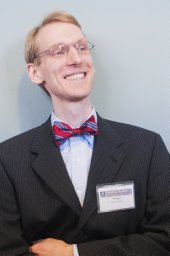 Beck Tim N合作论文数3
 Dubyk Cara合作论文数3Georgopoulos Rachel合作论文数3
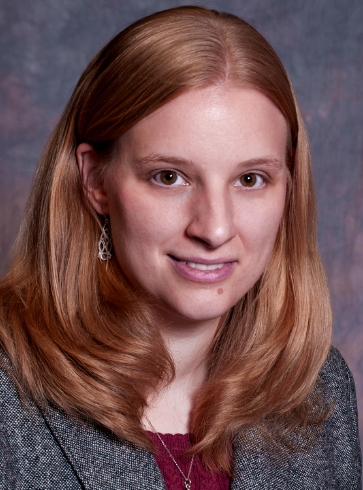 Elizabeth Handorf合作论文数Fox Chase Cancer Center, Temple University Health System, Inc.3
 Shagisultanova Elena合作论文数Department of Medical Oncology, Fox Chase Cancer Center3
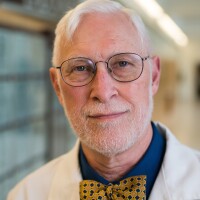 John A. Ridge合作论文数Temple University Lewis Katz School of Medicine;Fox Chase Cancer Center3
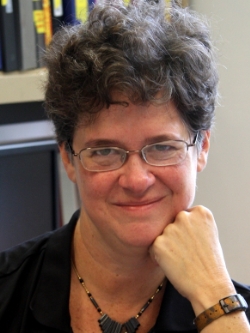 Erica Golemis合作论文数Department of Cancer and Cellular Biology, Lewis Katz School of Medicine, Temple University;Fox Chase Cancer Center3Miriam N. Lango合作论文数3
 Ilya Serebriiskii合作论文数Fox Chase Cancer Center3
 Ranee Mehra合作论文数School of Medicine, University of Maryland;Marlene and Stewart Greenebaum Cancer Center, University of Maryland3
 Ahmed Soliman合作论文数2
 Brandon Kamrava合作论文数2
 Igor Astsaturov合作论文数1Logan Lindemann合作论文数1Glenn Isaacson合作论文数1




