OBJECTIVE(S):National guidelines for HPV-associated head and neck squamous cell carcinoma of unknown primary (HNSCCUP) were adapted into a standardized institutional diagnostic algorithm. This study evaluated the impact of algorithm implementation on primary site detection, treatment selection, and oncologic outcomes. STUDY DESIGN:Retrospective implementation study. SETTING:Single tertiary-care cancer center. METHODS:We reviewed patients with clinically occult, PET/CT nonlocalizing HPV-associated HNSCCUP treated before (2014-2021) and after (2022-2023) implementation of the algorithm. RESULTS:Among 139 patients, those treated after algorithm implementation (n = 33) were more likely to undergo robotic ipsilateral lingual ± palatine tonsillectomy rather than bilateral palatine tonsillectomy, resulting in higher mucosal detection rates (88% vs 59%, P = .003). Postimplementation patients were more likely to receive primary surgical rather than nonsurgical treatment (54% vs 20%, P < .001) and unilateral radiotherapy without elective contralateral nodal irradiation (78% vs 43.5%, P = .002). Algorithm implementation was associated with a fourfold increase in the odds of primary site detection (OR 4.1, 95% CI 1.3-13.0, P = .018); however, detection rates also increased in HNSCCUPs not managed with robotic surgery, from 57% to 87% (P = .04). After implementation, 21.2% of patients received surgery alone compared with 5.7% prior, while postoperative chemoradiation was used in 9.1% versus 3.8%, respectively. No locoregional failures have occurred since implementation. CONCLUSION:Implementation of a standardized diagnostic algorithm for HPV-associated HNSCCUP significantly improved primary site detection and altered treatment without compromising disease control. Improvements in detection were not fully explained by the use of robotic surgery. Potential functional benefits warrant further study. LEVEL OF EVIDENCE: 4:
This phase II trial of transoral surgery (TOS) with deintensified postoperative management in human papillomavirus (HPV)-associated oropharynx cancer (OPC) enrolled patients with resectable cT1-2 stage III/IV American Joint Committee on Cancer (AJCC) seventh edition p16+ OPC without matted neck nodes. Those with clear margins, 0-1 + nodes (LN), and no extranodal extension (ENE) were observed (arm A); those with clear margins, 2-4 + LN, or ENE ≤1 mm were randomly assigned to 50 Gy (arm B) or 60 Gy (arm C); and those with involved margins, >4 + LN, or >1 mm ENE received weekly cisplatin and 60-66 Gy (arm D). Among 359 evaluable patients, the 54-month progression-free (PFS) and overall survival (OS) were 90.6% (90% CI, 87.2% to 93.1%) and 95.3% (93.0% to 96.9%), respectively. The 54-month PFS by arm was A 93.2% (79.6% to 97.8%; all four recurrences among N1 patients), B 94.9% (89.7% to 97.5%), C 90.2% (82.7% to 94.6%), and D 85.5% (77.5% to 90.8%). The 54-month OS by arm was A 97.1% (85.7% to 99.4%), B 97.9% (93.5% to 99.3%), C 95.1% (90.1% to 97.6%), and D 92.5% (86.9% to 95.7%). PFS or OS did not differ by primary site or smoking history. TOS and neck dissection with deintensified postoperative management results in outstanding 54-month PFS and OS. Among patients with favorable pathologic characteristics, those with N1 disease are at risk of late recurrence without radiation.
In a phase II trial, patients with local-regionally advanced human papillomavirus-positive oropharyngeal carcinoma (n = 35) received ipilimumab (anti-CTLA4) and nivolumab (anti-PD-1) as induction immunotherapy and concurrently with radiotherapy (NCT03799445). Coprimary endpoints included 6-month complete metabolic response rate (94%) and 2-year progression-free survival (84%). Induction yielded a 46% major histopathologic response rate. Single-cell profiling revealed responders had higher baseline intratumoral CD8+ T cells with a tumor-reactive, tissue-resident memory (TRM) phenotype and a treatment-related decrease in effector regulatory T (eTreg) cells. The eTreg decrease correlated with CD8+ T-cell clonotype transitioning from TRM to effector memory and IFNG+ effector cells. In nonresponders, clonotypes transitioned to exhausted TRM and proliferating cells. Multivariable regression modeling determined that the baseline feature most associated with reduction in tumor viability was the proportion of FCGR3A-expressing NK cells, which are capable of ipilimumab-dependent depletion of CTLA4high eTregs. eTreg depletion may be critical for major response to induction dual immune checkpoint blockade (ICB). SIGNIFICANCE:The relative contributions of CD28 costimulation restoration versus Treg depletion to clinical response to CTLA4 ICB is a matter of considerable controversy. In this study, we provide compelling data that eTreg depletion is critical to tumor clearance in patients treated with dual PD-1 and CTLA4 ICB.
Prognosis for patients with recurrent/metastatic (R/M) head and neck squamous cell cancer (HNSCC) remains poor. We hypothesized that the addition of an epidermal growth factor receptor (EGFR) tyrosine kinase inhibitor (TKI) to standard therapy would improve responses by inhibiting nuclear translocation of EGFR and designed a phase 2 trial of chemotherapy, cetuximab, and erlotinib in patients with R/M HNSCC. A 24 patients were enrolled and treated with carboplatin, paclitaxel, and cetuximab administered in 21-day cycles. Erlotinib was added with cycle 2. The primary end point was the objective response rate (ORR). The secondary end points were toxicity, overall survival (OS) and laboratory correlates. Median age was 65.5 years. Median duration on treatment was 4.6 months. ORR with cycle 1 of treatment was 33.3%, and for cycle 2 and beyond was 58.3%. Median progression-free survival (PFS) was 6.2 months, and median OS was 10.6 months. Most common treatment-related adverse events included anemia, neutropenia, skin rash, diarrhea, and hypomagnesemia. Dual EGFR blockade was tolerable and efficacious in this small patient sample. With an ORR of 58.3%, the study met its primary endpoint. PFS and OS were comparable to historical controls. Dual EGFR targeting without the chemotherapy backbone is worthy of further study. Trail Registration: ClinicalTrials.gov identifier: NCT01316757.
6009 Background: E3311 is a phase II trial of TOS by credentialed surgeons with pathology-driven deintensified post-operative management in HPV+ OPC. Intermediate risk patients were randomized between standard and reduced dose radiation. We present mature outcome data, at median follow up of 52.4 months (m). Methods: Patients were eligible who had resectable cT1-2 stage III/IV AJCC7 p16+ OPC without matted neck nodes. Those with clear margins, 0-1 + nodes (LN), and no extranodal extension (ENE) were observed (Arm A, N=38); those with clear margins, 2-4 + LN, or ENE ≤1mm were randomized to 50Gy (Arm B, N=100) or 60Gy (Arm C, N=108); those with involved margins, >4 + LN, or >1mm ENE received weekly cisplatin 40 mg/m2 and 60-66Gy (Arm D, N=113). Progression-free survival (PFS) and overall survival (OS) were estimated by the Kaplan-Meier method and compared using a log-rank test, stratified by arm for comparisons of primary site and smoking history. Results: Among 359 evaluable patients, 54-m PFS and OS were 90.6% (90% CI: 87.2%, 93.1%) and 95.3% (90% CI: 93.0%, 96.9%). 54-m PFS by arm was: A 93.2% (90% CI: 79.6%, 97.8%); B 94.9% (90% CI: 89.7%, 97.5%); C 90.2% (90% CI: 82.7%, 94.6%) and D 85.5% (90% CI: 77.5%, 90.8%). 54-m OS by arm was: A 97.1% (90% CI: 85.7%, 99.4%); B 97.9% (90% CI: 93.5%, 99.3%), C 95.1% (90% CI: 90.1%, 97.6%) and D 92.5% (90% CI: 86.9%, 95.7%). Among patients in Arm A, 11 had N0 and 27 N1 stage. Median Arm A lymph node yield (LNY) was 29 (11 to 91 LN) and did not differ for patients with/without recurrence (p=0.83). All Arm A recurrences were in N1 patients: 1 at 18 m and 3 at > 40 m. No significant difference in PFS or OS was observed by prescribed radiation dose for intermediate risk patients (Arm B vs. C). Outcome did not differ by primary site of tonsil vs. other OPC (oOPC): 54-m PFS Tonsil 89.3% (90% CI: 84.9%, 92.5%) vs. oOPC 92.9% (90% CI: 87.0%, 96.2%), p=0.28, and 54-m OS Tonsil 94.6% (90% CI: 91.5%, 96.6%) vs oOPC 96.6% (90% CI: 92.4%, 98.5%), p=0.35. Smoking history also did not impact outcome. 54-m PFS was 89.9% (90% CI: 85.9%, 92.9%) for those with ≤10 pack-years (PY) tobacco exposure and 91.7% (90% CI: 83.9%, 95.9%) for those with >10 PY. Conclusions: TOS, neck dissection with deintensified risk-based post-operative management results in outstanding 54-m PFS and OS across all subsites of T1-2 p16+ OPC, irrespective of smoking history. Late recurrence is not increased when post-operative radiation is reduced from 60 to 50Gy for intermediate risk patients. Pathologic >1mm ENE (N=87), involved margin (N=12) or >4 involved LN (N=30) accurately identify patients at increased recurrence risk and outcomes were favorable among such patients. Among patients with favorable pathologic characteristics, a subset with N1 disease are at risk for late recurrence and further characterization of these patients is warranted. Clinical trial information: NCT01898494 .
OBJECTIVE:Patients treated for oropharyngeal cancer (OPC) have historically demonstrated high feeding tube rates for decreased oral intake and malnutrition. We re-examined feeding tube practices in these patients. STUDY DESIGN:Retrospective analysis of prospective cohort from 2015 to 2021. SETTING:Single-institution NCI-Designated Comprehensive Cancer Center. METHODS:With IRB approval, patients with new oropharyngeal squamous cell cancer or (unknown primary with neck metastasis) were enrolled. Baseline swallowing was assessed via videofluoroscopy and Performance Status Scale for Head and Neck Cancer (PSSHN). G-tubes or nasogastric tubes (NGT) were placed for weight loss before, during, or after treatment. Prophylactic NGT were placed during transoral robotic surgery (TORS). Tube duration was censored at last disease-free follow-up. Multivariate regression was performed for G-tube placement (odds ratio [OR] [95% confidence interval [CI]) and removal (Cox hazard ratio, hazard ratio [HR] [95% CI]). RESULTS:Of 924 patients, most had stage I to II (81%), p16+ (89%), node-positive (88%) disease. Median follow-up was 2.6 years (interquartile range 1.5-3.9). Most (91%) received radiation/chemoradiation, and 16% received TORS. G-tube rate was 27% (5% after TORS). G-tube risk was increased with chemoradiation (OR 2.78 [1.87-4.22]) and decreased with TORS (OR 0.31 [0.15-0.57]) and PSSHN-Diet score ≥60 (OR 0.26 [0.15-0.45]). G-tube removal probability over time was lower for T3 to T4 tumors (HR 0.52 [0.38-0.71]) and higher for PSSHN-Diet score ≥60 (HR 1.65 [1.03-2.66]). CONCLUSIONS:In this modern cohort of patients treated for OPC, 27% received G-tubes-50% less than institutional rates 10 years ago. Patients with preserved baseline swallowing and/or those eligible for TORS may have lower G-tube risk and duration.
Objective. Head and neck cancer affects patient swallowing function. We set out to examine how objective measures of swallowing compare against subjective patient-reported outcomes in a cohort of head and neck cancer patients. Study Design. Retrospective analysis of data collected from a large dysphagia HNC registry. Setting. Tertiary Academic Cancer Center. Methods. Between 2006 and 2019, objective measures of swallowing as scored on Modified Barium Swallow Study or Fiberoptic Endoscopic Evaluation of Swallowing and subjective measures using the SWAL-QOL were collected. Objective measures were scored by the Penetration-Aspiration Score (PAS); subjective measures were assessed by the Dysphagia Domain Score (DDS), collectively forming paired data points. Data on tumor site, T-stage, and treatment modality was collected and evaluated. Results. A total of 253 paired data points were included in this study. A statistically significant relationship between PAS and DDS was observed across all patients (P < .05, chi sq). When stratified by tumor subsite, PAS and DDS relationships were strongest for oral cavity. When stratified by AJCC T-stage, T4 tumors had the strongest relationship between PAS and DDS. The relationship of PAS and DDS was less congruent the further removed from treatment completion. Conclusion. Objective and subjective measures of swallowing provide complementary evaluations of swallow function. The congruency of assessment varies by T stage and tumor subsite. Physicians and allied health professionals can use this information to better understand the value and limitation of objective and subjective swallowing assessments in evaluating head and neck cancer patients.
ABSTRACT In a phase 2 trial, local-regionally advanced HPV-positive oropharyngeal carcinoma (OPC) patients received ipilimumab (anti-CTLA-4) and nivolumab (anti-PD-1) as induction immunotherapy and concurrently with radiotherapy ( NCT03799445 ). Co-primary endpoints achieved included 6-month complete metabolic response rate (94%) and 2-year progression-free survival (84%). Induction yielded a 46% major histological response rate. Single-cell profiling revealed responders had higher baseline intratumoral tissue-resident memory (TRM) CD8 + T cells and NK cells expressing Fc Gamma Receptor IIIa ( FCGR3A ). Decreases in effector regulatory T (eTreg) cells, which highly expressed CTLA4 , occurred only in responders, suggesting ipilimumab-dependent depletion by FCGR3A + NK cells. eTreg depletion correlated with increased Interferon Gamma ( IFNG ) + effector CD8 + T cells. CD8 + T-cell clonotypes transitioned from TRM to effector memory and IFNG + effector cells in responders, whereas clonotypes transitioned to exhausted TRM and proliferating cells in nonresponders. We conclude that eTreg depletion is critical for major response to induction dual immune checkpoint blockade.
Importance:Extranodal extension (pENE) is a critical prognostic factor in oropharyngeal cancer (OPC) that drives therapeutic disposition. Determination of pENE from radiological imaging has been associated with high inter-observer variability. However, the impact of clinician specialty on human observer performance of imaging-detected extranodal extension (iENE) remains poorly understood. Objective:To characterize the impact of clinician specialty on the accuracy of pre-operative iENE in human papillomavirus-positive (HPV+) OPC using computed tomography (CT) images. Design Setting and Participants:This prospective observational human performance study analyzed pre-therapy CT images from 24 HPV+ OPC patients, with duplication of 6 scans (n=30) of which 21 were pathologically confirmed pENE. Thirty-four expert observers, including 11 radiologists, 12 surgeons, and 11 radiation oncologists, independently assessed these scans for iENE and reported human-detected radiologic criteria and observer confidence. Main Outcomes and Measures:The primary outcomes included accuracy, sensitivity, specificity, area under the receiver operating characteristic curve (AUC), and Brier score for each physician, compared to ground-truth pENE. The significance of radiographic signs for prediction of pENE were determined through logistic regression analysis. Fleiss' kappa measured interobserver agreement, and Hanley-MacNeil AUC discrimination testing. Results:Median accuracy across all specialties was 0.57 (95%CI 0.39 to 0.73), with no specialty showing discriminate performance greater than random estimation (median AUC 0.64, 95%CI 0.44 to 0.83). Significant differences between radiologists and surgeons in Brier scores (0.33 vs. 0.26, p < 0.01), radiation oncologists and surgeons in sensitivity (0.48 vs. 0.69, p > 0.1), and radiation oncologists and radiologists/surgeons in specificity (0.89 vs. 0.56, p > 0.1). Indistinct capsular contour and nodal necrosis were significant predictors of correct pENE status among all specialties. Interobserver agreement was weak for all the radiographic criteria, regardless of specialty (κ<0.6). Conclusions and Relevance:Multiobserver testing shows physician discrimination of HPV+OPC pENE on pre-operative CT remains non-different than blind guessing, with high interrater variability and low diagnostic accuracy, regardless of clinician specialty. While minor differences in diagnostic performance among specialties are noted, they do not significantly affect the overall poor agreement and discrimination rates observed. The findings underscore the need for further research into automated detection systems or enhanced imaging techniques to improve the accuracy and reliability of iENE assessments in clinical practice.
Rocco M. Ferrandino, MD, MSCR; Sida Chen, MD; Catharine Kappauf, MD; Joshua Barlow, BA; Brandon S. Gold, MD; Michael H. Berger, MD; William H. Westra, MD; Marita S. Teng, MD; Mohemmed N. Khan, MD; Marshall R. Posner, MD; Krzysztof J. Misiukiewicz, MD; Richard L. Bakst, MD; Kunal K. Sindhu, MD; Eric M. Genden, MD; Raymond L. Chai, MD; Scott A. Roof, MD
Correlation between marker expression intensity and sample collection year. Corr. = correlation coefficient, A.U. = arbitrary unites.
Supplementary Table S1 (Excel file). TCGA datasets; Supplementary Table S2. CART cutoff points for each marker and the number of samples (N) in each category; Supplementary Table S3. Adjusted survival analysis; Supplementary Table S4. TCGA p16 expression data for HPV- and HPV+ HNSCC.
PDF file - 194K, Supplemental Figure S1. A. Immunofluorescence staining: ERCC1 antibody of Sigma HPA029773 (upper row) and Lab Vision 8F1 (middle row) showed clear nuclear staining. Both cytoplasmic and nuclear staining of ERCC1 was seen using Santa Cruz FL297 (lower row), resulting in a more diffuse staining pattern. B. Correlation coefficient between AQUA and H scores for 8F1 staining, 0.69. Scores are read for each spot (plotted on X and Y axis). Supplemental Figure S2. ERCC1 expression using the antibody HPA029773 was localized in the nucleus of non-keratinizing (A) and keratinizing (B) squamous cell carcinoma (SCC). Upper panel: high ERCC1 AQUA score. Lower panel: low ERCC1 AQUA score. Note the staining intensity of cytokeratin and the nuclear stain DAPI are the same in all specimens.
Importance Counseling prior to thyroid cancer (TC) treatment is an essential component of informed consent. An informed patient affects treatment-related expectations and patient engagement, factors that contribute significantly to patient-reported quality-of-life outcomes. Objective To describe experiences with pretreatment counseling among survivors of TC and to test factors associated with self-reported treatment meeting expectations. Design, Setting, and Participants A cross-sectional survey was administered between October 18, 2019, and February 8, 2020, to members of ThyCa: Thyroid Cancer Survivors’ Association Inc, and to individuals accessing the public-facing ThyCa website. Survey respondents were asked 55 questions, including 4 free-text questions and 2 multiple-choice questions about pretreatment counseling. Main Outcomes and Measures Respondents self-reported (1) their unmet information needs, (2) rates of treatment meeting expectations, and (3) rates of treatment understanding. A mixed-methods analysis was performed, including qualitative content analysis of free-text responses and multivariable logistic regression of factors associated with self-reported levels of treatment meeting expectations. Results Of the 1412 survey respondents, 1249 were women (88.4%). The median age at diagnosis was 48 years (range, 18-85 years), and the median age at the time of survey completion was 60 years (range, 18-87 years). A total of 1259 respondents (89.2%) provided free-text responses to the question, “What would you tell someone newly diagnosed with your same condition?” Of these individuals, 526 (37.2%) reported inadequate pretreatment plan understanding and 578 (40.9%) reported that their treatment experience did not meet their expectations. Treatment met expectations for only 95 respondents (18.1%) reporting an inadequate pretreatment plan understanding. Of the 526 survivors of TC reporting a lack of understanding, 473 (90.0%) provided additional textual comments, most commonly in the categories of postoperative treatment, surveillance, and treatment effects. On multivariable logistic regression, self-reported failure to have an understanding of TC treatment was independently associated with failure of treatment to meet expectations (odds ratio, 5.1 [95% CI, 3.7-6.9]). Patients reporting a full understanding of their treatment plan were 5-fold more likely to indicate that their initial treatment experience was on par with expectations, independent of reported postoperative complications, age, sex, and other potential confounders. Conclusions and Relevance In this survey study, a substantial proportion of survivors of TC reported inadequate pretreatment understanding. This gap in understanding was associated with high levels of self-reported failure of treatment to meet expectations, which in turn is associated in other studies with poorer patient-reported quality-of-life outcomes. These outcomes may be improved by addressing gaps in patient understanding so expectations more closely match TC diagnosis and treatment pathways.
 John A. Ridge合作论文数Temple University Lewis Katz School of Medicine;Fox Chase Cancer Center65
 Barbara Burtness合作论文数Department of Internal Medicine,Yale School of Medicine, Yale University;Yale Cancer Center, Yale School of Medicine, Yale University34
 Ranee Mehra合作论文数School of Medicine, University of Maryland;Marlene and Stewart Greenebaum Cancer Center, University of Maryland34
 Galloway Thomas J合作论文数Department of Radiation Oncology, Fox Chase Cancer Center31
 Jeffrey M. Farma合作论文数Department of Surgery, Fox Chase Cancer Center18
 Jeffrey Chang-Jen Liu合作论文数Department of Surgical Oncology, Fox Chase Cancer Center;Department of Otolaryngology-Head and Neck Surgery, Lewis Katz School of Medicine at Temple University17
 Elizabeth Handorf合作论文数Fox Chase Cancer Center, Temple University Health System, Inc.15
 Steven Feigenberg合作论文数14H. Wu合作论文数12
 Aruna Turaka合作论文数Department of Radiation Oncology, Fox Chase Cancer Center11
 Neil D. Gross合作论文数Department of Head and Neck Surgery, Division of Surgery, The University of Texas MD Anderson Cancer Center10
 Douglas Flieder合作论文数Department of Pathology, Temple University;Fox Chase Cancer Center, Temple University Health System, Inc.10S. Movva合作论文数9Barbara Ebersole合作论文数9A. Olszanski合作论文数8Reddy Sanjay合作论文数8
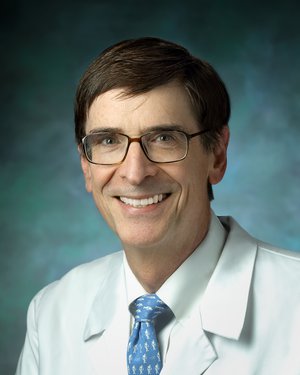 Wayne M Koch合作论文数Department of Otolaryngology, Johns Hopkins School of Medicine8Nicos Nicolaou合作论文数8
 Brian L. Egleston合作论文数Fox Chase Cancer Center8M. Renzetti合作论文数7T. Li合作论文数7
 Jessica Bauman合作论文数Department of Hematology/Oncology, Fox Chase Cancer Center;Division of Head and Neck Medical Oncology, Fox Chase Cancer Center7
 Jeffrey N. Myers合作论文数Department of Head and Neck Surgery, Division of Surgery, The University of Texas MD Anderson Cancer Center;Department of Cancer Biology, The University of Texas MD Anderson Cancer Center7
 Erica Golemis合作论文数Department of Cancer and Cellular Biology, Lewis Katz School of Medicine, Temple University;Fox Chase Cancer Center7
 Clifton David Fuller合作论文数Department of Radiation Oncology, Division of Radiation Oncology, The University of Texas MD Anderson Cancer Center, Houston7N. Nicolaou合作论文数6
 Renata Ferrarotto合作论文数6
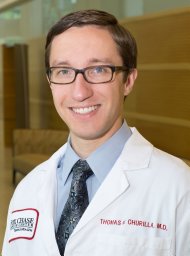 Churilla Thomas M合作论文数6
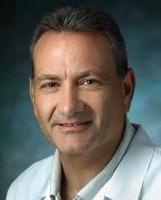 David Sidransky合作论文数The Sidney Kimmel Comprehensive Cancer Center, School of Medicine, Johns Hopkins University6
 Adam S. Garden合作论文数Department of Radiation Oncology, Division of Radiation Oncology, The University of Texas MD Anderson Cancer Center6
 Maura L. Gillison合作论文数Department of Thoracic/Head and Neck Medical Oncology, Division of Cancer Medicine, The University of Texas MD Anderson Cancer Center6Kathleen Moran合作论文数5N. Goel合作论文数5JoEllen Weaver合作论文数5I. Soliman合作论文数5B. Luo合作论文数5
 Roger B. Cohen合作论文数Division of Hematology and Oncology, Department of Medicine, Perelman School of Medicine, University of Pennsylvania5
 Anna S. Nikonova合作论文数Program in Developmental Therapeutics, Fox Chase Cancer Center5
 Jack Phan合作论文数5Dubyk Cara合作论文数5Goepfert Ryan P合作论文数5Tianyu Li合作论文数5
 Jennifer Grandis合作论文数School of Medicine, University of California, San Francisco5
 Harry Quon合作论文数5
 Katherine A. Hutcheson合作论文数Department of Communication Sciences and Disorders, Division of Surgery, The University of Houston College of Liberal Arts and Social Sciences;Section of Speech Pathology and Audiology, Department of Head and Neck Surgery, The University of Texas MD Anderson Cancer Center5H. Liu合作论文数4Yanqun Dong合作论文数4K. Ruth合作论文数4Cheuk Hong Leung合作论文数Univ Texas MD Anderson Canc Ctr, Dept Biostat, Houston, TX 77030 USA4




