Male same-sex sexual behavior (SSB) is widespread among animal species, but its proximate (mechanistic) and ultimate (evolutionary) explanations remain unclear. A prevailing view is that SSB reflects impaired sex recognition, especially in insects. By unbiased behavioral screening, we identified a Drosophila species, D. santomea, in which males seldom attack and spontaneously court males vigorously, in addition to females. Behavioral, chemical, and optogenetic neuronal manipulations indicate that D. santomea males can distinguish conspecific sex and retain functional aggression circuitry. Instead, male SSB reflects three evolved pheromonal changes affecting two separate signaling systems, resulting in both reduced pheromone production and behavioral valence reversal. One of these occurs unexpectedly in females and may have evolved to prevent hybridization with an interfertile, geographically overlapping sibling species. Remarkably, male SSB and similar pheromonal changes also selectively co-occur in D. persimilis, a geographically and phylogenetically distant species and member of another sympatric sibling pair, implying evolutionary convergence in the two young taxa. The results identify a pheromonal mechanism for rapid social evolution in Drosophila and suggest a plausible evolutionary origin for male SSB as arising in concert with female adaptations that ensure reproductive isolation during speciation.
Many insects manipulate plants by injecting effector proteins. In one extreme example of this molecular “hijacking,” Hormaphis cornu aphids inject bicycle proteins into Hamamelis virginiana , contributing to the development of novel organs called galls. Bicycle proteins share no amino acid sequence similarity with proteins of known function. Here, we report the crystal structures of two divergent bicycle proteins. Both proteins contain saposin-like folds: one with multiple disulfide bonds exhibits a swapped domain topology; the other has no disulfide bonds and possesses two distinct, tandem domains. To explore the structural evolution of bicycle proteins, we attempted to predict bicycle protein structures with Alphafold2 (AF2) and other deep learning programs. While AF2 did not recover the two experimental structures using existing databases, it succeeded when provided with multiple sequence alignments (MSAs) of protein sequences from newly sequenced closely related species. Using this approach, we generated 2,400 high-confidence bicycle protein predictions from seven aphid species. While all aphid bicycle proteins contain predicted saposin-like folds, they display a vast diversity of structural and physicochemical properties. While this diversity thwarts prediction of conserved functions encoded in structure, it suggests that bicycle proteins have evolved to target diverse plant processes and/or to evade plant immune surveillance. Our extension of AF2 with custom MSAs of proteins from closely related species provides a generalizable, powerful approach for predicting structures of rapidly evolving protein families.
The courtship song of Drosophila melanogaster has long served as an excellent model system for studies of animal communication and differences in courtship song have been demonstrated among populations and between species. Here, we report that flies of African and European origin, which diverged ∼13,000 years ago, show significant genetic differentiation in the use of slow vs fast pulse song. Using a combination of quantitative trait mapping and population genetic analysis, we detected a single strong quantitative trait locus underlying this trait and we identified candidate genes that may contribute to the evolution of this trait. Song trait variation between parental strains of our recombinant inbred panel enabled detection of genomic intervals associated with 6 additional song traits, some of which include known courtship-related genes. These findings improve the prospects for further genetic insights into the evolution of reproductive behavior and the biology underlying courtship song.
Here we describe a method to fix, antibody stain, clear, and mount plant gall tissue for light microscopy. The protocol was developed to visualize effector protein distribution within galls induced by the aphid Hormaphis cornu on leaves of Hamamelis virginiana (Witch Hazel). The protocol employs a partial cell wall digestion step to allow antibody penetration into 100 µm tissue sections. We also employed secondary antibodies tagged with DNA hairpin probes, which allows signal amplification with the Hybridization Chain Reaction, to visualize low-abundance proteins. Solvent-based dehydration, clearing, and mounting substantially reduced plant tissue pigmentation and autofluorescence.
Many motor control systems generate multiple movements using a common set of muscles. How are premotor circuits able to flexibly generate diverse movement patterns? Here, we characterize the neuronal circuits that drive the distinct courtship songs of Drosophila melanogaster. Male flies vibrate their wings toward females to produce two different song modes—pulse and sine song—which signal species identity and male quality. Using cell-type-specific genetic reagents and the connectome, we provide a cellular and synaptic map of the circuits in the male ventral nerve cord that generate these songs and examine how activating or inhibiting each cell type within these circuits affects the song. Our data reveal that the song circuit is organized into two nested feedforward pathways with extensive reciprocal and feedback connections. The larger network produces pulse song, the more complex and ancestral song form. A subset of this network produces sine song, the simpler and more recent form. Such nested organization may be a common feature of motor control circuits in which evolution has layered increasing flexibility onto a basic movement pattern.
Background Results Implications ### Competing Interest StatementThe authors have declared no competing interest.
Motor systems implement diverse motor programs to pattern behavioral sequences, yet how different motor actions are controlled on a moment-by-moment basis remains unclear. Here, we investigated the neural circuit mechanisms underlying the control of distinct courtship songs in Drosophila. Courting males rapidly alternate between two types of song: pulse and sine. By recording calcium signals in the ventral nerve cord in singing flies, we found that one neural population is active during both songs, whereas an expanded neural population, which includes neurons from the first population, is active during pulse song. Brain recordings showed that this nested activation pattern is present in two descending pathways required for singing. Connectomic analysis reveals that these two descending pathways provide structured input to ventral nerve cord neurons in a manner consistent with their activation patterns. These results suggest that nested premotor circuit activity, directed by distinct descending signals, enables rapid switching between motor actions.
Chromosome inversions are of unique importance in the evolution of genomes and species because when heterozygous with a standard arrangement chromosome, they suppress meiotic crossovers within the inversion. In Drosophila species, heterozygous inversions also cause the interchromosomal effect, whereby the presence of a heterozygous inversion induces a dramatic increase in crossover frequencies in the remainder of the genome within a single meiosis. To date, the interchromosomal effect has been studied exclusively in species that also have high frequencies of inversions in wild populations. We took advantage of a recently developed approach for generating inversions in Drosophila simulans, a species that does not have inversions in wild populations, to ask if there is an interchromosomal effect. We used the existing chromosome 3R balancer and generated a new chromosome 2L balancer to assay for the interchromosomal effect genetically and cytologically. We found no evidence of an interchromosomal effect in D. simulans. To gain insights into the underlying mechanistic reasons, we qualitatively analyzed the relationship between meiotic double-stranded break (DSB) formation and synaptonemal complex (SC) assembly. We found that the SC is assembled prior to DSB formation as in D. melanogaster; however, we show that the SC is assembled prior to localization of the oocyte determination factor Orb, whereas in D. melanogaster, SC formation does not begin until the Orb is localized. Together, our data show no evidence that heterozygous inversions in D. simulans induce an interchromosomal effect and that there are differences in the developmental programming of the early stages of meiosis.
Evolutionary analyses have estimated that ∼60% of nucleotides in intergenic regions of the Drosophila melanogaster genome are functionally relevant, suggesting that regulatory information may be encoded more densely in intergenic regions than has been revealed by most functional dissections of regulatory DNA. Here, we approached this issue through a functional dissection of the regulatory region of the gene shavenbaby (svb). Most of the ∼90 kb of this large regulatory region is highly conserved in the genus Drosophila, though characterized enhancers occupy a small fraction of this region. By analyzing the regulation of svb in different contexts of Drosophila development, we found that the regulatory information that drives svb expression in the abdominal pupal epidermis is organized in a different way than the elements that drive svb expression in the embryonic epidermis. While in the embryonic epidermis svb is activated by compact enhancers separated by large inactive DNA regions, svb expression in the pupal epidermis is driven by regulatory information distributed over broader regions of svb cis-regulatory DNA. In the same vein, we observed that other developmental genes also display a dense distribution of putative regulatory elements in their regulatory regions. Furthermore, we found that a large percentage of conserved noncoding DNA of the Drosophila genome is contained within regions of open chromatin. These results suggest that part of the evolutionary constraint on noncoding DNA of Drosophila is explained by the density of regulatory information, which may be greater than previously appreciated.
Chromosome inversions are of unique importance in the evolution of genomes and species because when heterozygous with a standard arrangement chromosome, they suppress meiotic crossovers within the inversion. In Drosophila species, heterozygous inversions also cause the interchromosomal effect, whereby the presence of a heterozygous inversion induces a dramatic increase in crossover frequencies in the remainder of the genome within a single meiosis. To date, the interchromosomal effect has been studied exclusively in species that also have high frequencies of inversions in wild populations. We took advantage of a recently developed approach for generating inversions in Drosophila simulans , a species that does not have inversions in wild populations, to ask if there is an interchromosomal effect. We used the existing chromosome 3R balancer and generated a new chromosome 2L balancer to assay for the interchromosomal effect genetically and cytologically. We found no evidence of an interchromosomal effect in D. simulans . To gain insight into the underlying mechanistic reasons, we qualitatively analyzed the relationship between meiotic double-strand break formation and synaptonemal complex assembly. We find that the synaptonemal complex is assembled prior to double-strand break formation as in D. melanogaster ; however, we show that the synaptonemal complex is assembled prior to localization of the oocyte determination factor Orb, whereas in D. melanogaster , synaptonemal complex formation does not begin until Orb is localized. Together, our data show heterozygous inversions in D. simulans do not induce an interchromosomal effect and that there are differences in the developmental programming of the early stages of meiosis.
The evolutionary expansion of sensory neuron populations detecting important environmental cues is widespread, but functionally enigmatic. We investigated this phenomenon through comparison of homologous neural pathways of Drosophila melanogaster and its close relative Drosophila sechellia , an extreme specialist for Morinda citrifolia noni fruit. D. sechellia has evolved species-specific expansions in select, noni-detecting olfactory sensory neuron (OSN) populations, through multigenic changes. Activation and inhibition of defined proportions of neurons demonstrate that OSN population increases contribute to stronger, more persistent, noni-odor tracking behavior. These sensory neuron expansions result in increased synaptic connections with their projection neuron (PN) partners, which are conserved in number between species. Surprisingly, having more OSNs does not lead to greater odor-evoked PN sensitivity or reliability. Rather, pathways with increased sensory pooling exhibit reduced PN adaptation, likely through weakened lateral inhibition. Our work reveals an unexpected functional impact of sensory neuron expansions to explain ecologically-relevant, species-specific behavior.
The evolutionary expansion of sensory neuron populations detecting important environmental cues is widespread, but functionally enigmatic. We investigated this phenomenon through comparison of homologous olfactory pathways of Drosophila melanogaster and its close relative Drosophila sechellia, an extreme specialist for Morinda citrifolia noni fruit. D. sechellia has evolved species-specific expansions in select, noni-detecting olfactory sensory neuron (OSN) populations, through multigenic changes. Activation and inhibition of defined proportions of neurons demonstrate that OSN number increases contribute to stronger, more persistent, noni-odour tracking behaviour. These expansions result in increased synaptic connections of sensory neurons with their projection neuron (PN) partners, which are conserved in number between species. Surprisingly, having more OSNs does not lead to greater odour-evoked PN sensitivity or reliability. Rather, pathways with increased sensory pooling exhibit reduced PN adaptation, likely through weakened lateral inhibition. Our work reveals an unexpected functional impact of sensory neuron population expansions to explain ecologically-relevant, species-specific behaviour.
Interspecies RNA-Seq datasets are increasingly common, and have the potential to answer new questions about the evolution of gene expression. Single-species differential expression analysis is now a well-studied problem that benefits from sound statistical methods. Extensive reviews on biological or synthetic datasets have provided the community with a clear picture on the relative performances of the available methods in various settings. However, synthetic dataset simulation tools are still missing in the interspecies gene expression context. In this work, we develop and implement a new simulation framework. This tool builds on both the RNA-Seq and the phylogenetic comparative methods literatures to generate realistic count datasets, while taking into account the phylogenetic relationships between the samples. We illustrate the usefulness of this new framework through a targeted simulation study, that reproduces the features of a recently published dataset, containing gene expression data in adult eye tissue across blind and sighted freshwater crayfish species. Using our simulated datasets, we perform a fair comparison of several approaches used for differential expression analysis. This benchmark reveals some of the strengths and weaknesses of both the classical and phylogenetic approaches for interspecies differential expression analysis, and allows for a reanalysis of the crayfish dataset. The tool has been integrated in the R package compcodeR, freely available on Bioconductor.
The density and distribution of regulatory information in non-coding DNA of eukaryotic genomes is largely unknown. Evolutionary analyses have estimated that ∼60% of nucleotides in intergenic regions of the D. melanogaster genome is functionally relevant. This estimate is difficult to reconcile with the commonly accepted idea that enhancers are compact regulatory elements that generally encompass less than 1 kilobase of DNA. Here, we approached this issue through a functional dissection of the regulatory region of the gene shavenbaby ( svb ). Most of the ∼90 kilobases of this large regulatory region is highly conserved in the genus Drosophila , though characterized enhancers occupy a small fraction of this region. By analyzing the regulation of svb in different contexts of Drosophila development, we found that the regulatory architecture that drives svb expression in the abdominal pupal epidermis is organized in a dramatically different way than the information that drives svb expression in the embryonic epidermis. While in the embryonic epidermis svb is activated by compact and dispersed enhancers, svb expression in the pupal epidermis is driven by large regions with enhancer activity, which occupy a great portion of the svb cis -regulatory DNA. We observed that other developmental genes also display a dense distribution of putative regulatory elements in their regulatory regions. Furthermore, we found that a large percentage of conserved non-coding DNA of the Drosophila genome is contained within putative regulatory DNA. These results suggest that part of the evolutionary constraint on non-coding DNA of Drosophila is explained by the density of regulatory information.
Homology-directed repair (HDR) is a powerful tool for modifying genomes in precise ways to address many biological questions. Use of Clustered Regularly Interspersed Short Palindromic Repeats (CRISPR)-Cas9 induced targeted DNA double-strand breakage has substantially simplified use of homology-directed repair to introduce specific perturbations in Drosophila , but existing platforms for CRISPR-Cas9-mediated HDR in Drosophila involve multiple cloning steps and have low efficiency. To simplify cloning of HDR plasmids, we designed a new plasmid platform, the Janelia Atalanta (pJAT) series, that exploits recent advances in dsDNA synthesis to facilitate Gateway cloning of gRNA sequences and homology arms in one step. Surprisingly, the pJAT plasmids yielded considerably higher HDR efficiency (approximately 25%) than we have observed with other approaches. pJAT plasmids work in multiple Drosophila species and exhibited such high efficiency that previously impossible experiments in Drosophila , such as driving targeted chromosomal inversions, were made possible. We provide pJAT plasmids for a range of commonly performed experiments including targeted insertional mutagenesis, insertion of phiC31-mediated attP landing sites, generation of strains carrying a germ-line source of Cas9, and induction of chromosomal rearrangements. We also provide “empty” pJAT plasmids with multiple cloning sites to simplify construction of plasmids with new functionality. The pJAT platform is generic and may facilitate improved efficiency CRISPR-Cas9 HDR in a wide range of model and non-model organisms.
Macrophage-lineage cells are indispensable to immunity and physiology of all vertebrates. Amongst these, amphibians represent a key stage in vertebrate evolution and are facing decimating population declines and extinctions, in large part due to emerging infectious agents. While recent studies indicate that macrophages and related innate immune cells are critically involved during these infections, much remains unknown regarding the ontogeny and functional differentiation of these cell types in amphibians. Accordingly, in this review we coalesce what has been established to date about amphibian blood cell development (hematopoiesis), the development of key amphibian innate immune cells (myelopoiesis) and the differentiation of amphibian macrophage subsets (monopoiesis). We explore the current understanding of designated sites of larval and adult hematopoiesis across distinct amphibian species and consider what mechanisms may lend to these species -specific adaptations. We discern the identified molecular mechanisms governing the functional differentiation of disparate amphibian (chiefly Xenopus laevis) macrophage subsets and describe what is known about the roles of these subsets during amphibian infections with intracellular pathogens. Macrophage lineage cells are at the heart of so many vertebrate physiological processes. Thus, garnering greater understanding of the mechanisms responsible for the ontogeny and func-tionality of these cells in amphibians will lend to a more comprehensive view of vertebrate evolution.
Sexually dimorphic courtship behaviors in Drosophila melanogaster develop from the activity of the sexual differentiation genes, doublesex (dsx) and fruitless (fru), functioning with other regulatory factors that have received little attention. The dissatisfaction (dsf) gene encodes an orphan nuclear receptor homologous to vertebrate Tlx and Drosophila tailless that is critical for the development of several aspects of female- and male-specific sexual behaviors. Here, we report the pattern of dsf expression in the central nervous system and show that the activity of sexually dimorphic abdominal interneurons that co-express dsf and dsx is necessary and sufficient for vaginal plate opening in virgin females, ovipositor extrusion in mated females, and abdominal curling in males during courtship. We find that dsf activity results in different neuroanatomical outcomes in females and males, promoting and suppressing, respectively, female development and function of these neurons depending upon the sexual state of dsx expression. We posit that dsf and dsx interact to specify sex differences in the neural circuitry for dimorphic abdominal behaviors.
While insects such as Drosophila are flying, aerodynamic instabilities require that they make millisecond time scale adjustments to their wing motion to stay aloft and on course. These stabilization reflexes can be modeled as a proportional-integral (PI) controller; however, it is unclear how such control might be instantiated in insects at the level of muscles and neurons. Here, we show that the b1 and b2 motor units—prominent components of the fly’s steering muscle system—modulate specific elements of the PI controller: the angular displacement (integral) and angular velocity (proportional), respectively. Moreover, these effects are observed only during the stabilization of pitch. Our results provide evidence for an organizational principle in which each muscle contributes to a specific functional role in flight control, a finding that highlights the power of using top-down behavioral modeling to guide bottom-up cellular manipulation studies.
Gut Month 2022 Vol 0 No 0 Gut microbiota changes are detected in asymptomatic very young children with SARS-CoV-2 infectionWe read with great interest the recent article by Yeoh et al, demonstrating an altered stool microbiome composition in patients with COVID-19 compared with controls, with greater dysbiosis correlating with elevated inflammatory markers. 1 Additionally, dysbiosis was seen after disease resolution. 1 To our knowledge, gut microbiome studies in young children with COVID-19 have not been reported.Critically, the developing gut microbiome of very young children differs from adults and establishes immune and inflammatory pathways. 2 3Moreover, children with COVID-19 can subsequently develop autoimmune and autoinflammatory diseases including Multisystem Inflammatory Syndrome in Children (MIS-C) 4 5 , which may in part be microbiome mediated, given recent findings by Yeoh et al. 1 It is difficult to study this in young children, as many with SARS-CoV-2 infection are asymptomatic and rarely tested. 6o address this, knowing that SARS-CoV-2 can be detected in stool, 7 we used an established study collecting longitudinal stool samples from before and throughout the pandemic to investigate the prevalence and associated microbiome changes of SARS-CoV-2 in very young children.We ran the CDC 2019-Novel Coronavirus Real-Time RT-PCR Diagnostic Panel assay on 769 serial stool samples from 595 children aged 0-24 months collected from February 2020 to February 2021.The prevalence of SARS-CoV-2 in faeces was 1.7% (13 samples from 13 separate children) with prevalence at <2 days and 2, 6, 12 and 24 months of 0% (0/1), 0% (0/21), 2.6% (4/156), 2.0% (7/357) and 0.9%,(2/234), respectively.Prevalence by month is shown in online supplemental figure 1A, with the first positive sample detected 31 days before the first reported case of COVID-19 regionally.No samples were positive in controls collected prior to the pandemic in 2019 (n=97 samples from 66 individuals).Of 13 positive children, 12 were asymptomatic with no personal or family history of SARS-CoV-2 (table 1A).Of 13 children, 1 was symptomatic with COVID-19 diagnosed 21 days before stool was collected.Hispanic
Perhaps the most valuable single set of resources for genetic studies of Drosophila melanogaster is the collection of multiply inverted chromosomes commonly known as balancer chromosomes. Balancers prevent the recovery of recombination exchange products within genomic regions included in inversions and allow perpetual maintenance of deleterious alleles in living stocks and the execution of complex genetic crosses. Balancer chromosomes have been generated traditionally by exposing animals to ionizing radiation and screening for altered chromosome structure or for unusual marker segregation patterns. These approaches are tedious and unpredictable, and have failed to produce the desired products in some species. Here, I describe transgenic tools that allow targeted chromosome rearrangements in Drosophila species. The key new resources are engineered reporter genes containing introns with yeast recombination sites and enhancers that drive fluorescent reporter genes in multiple body regions. These tools were used to generate a doubly inverted chromosome 3R in Drosophila simulans that serves as an effective balancer chromosome.
 Jeffrey S. Beck合作论文数ExxonMobil Chemical Company21
 Nicolás Frankel合作论文数Departamento de Fisiología, Biología Molecular y Celular, Universidad de Buenos Aires12
 Cande Jessica合作论文数Institut de Biologie du Développement de Marseille, Aix-Marseille Université;Janelia Farm Research Campus, Howard Hughes Medical Institute;Howard Hughes Medical Institute, Aix-Marseille Université11
 Crocker Justin合作论文数European Molecular Biology Laboratory, Janelia Research CampusGermany11Elizabeth Kim合作论文数8
 Yun Ding合作论文数Department of Biology, School of Arts & Sciences, University of Pennsylvania8
 Virginie Courtier-Orgogozo合作论文数8
 Robert K. Grasselli合作论文数University of Delaware8
 Gordon J. Berman合作论文数Dept Phys, Emory Univ8Jennifer A. Brisson合作论文数Molecular and Computational Biology, University of Southern California8
 Gregory K. Davis合作论文数Department Ecology & Evolutionary Biology, Princeton University8Bal K. Kaul合作论文数8
 Patricia Wittkopp合作论文数Department of Ecology And Evolutionary Biology, College of Literature Science, and the Arts, University of Michigan;Center for Computational Medicine and Biology, University of Michigan7
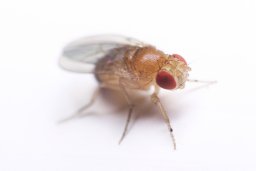 Alexander W Shingleton合作论文数Dept Zool, Michigan State Univ7McGregor Alistair P合作论文数7
 Barry Dickson合作论文数Queensland Brain Institute, University Of Queensland7
 Preger-Ben Noon Ella合作论文数7Peter Andolfatto合作论文数7J.S Buchanan合作论文数6Min Xu合作论文数6
 Sucena Elio合作论文数6
 Lillvis Joshua L合作论文数Neuroscience Institute, Georgia State University6
 Christian Braendle合作论文数Zoology, University of Cambridge Cambridge6Dayalan Gopal Srinivasan合作论文数6Benjamin J Arthur合作论文数5
 Troy R Shirangi合作论文数Corresponding author5
 Shuji Shigenobu合作论文数National Institute for Basic Biology, National Institutes of Natural Sciences5David H. Olson合作论文数5Shigeyuki Aoki合作论文数5
 François Payre合作论文数Centre de Biologie du Développement, UMR 9925 CNRS/UPS, 118 route de Narbonne, 31062 Toulouse cedex, France5crane a robert合作论文数4stephen h brown合作论文数4Daniela Ortiz合作论文数4
 Gonzalo Sabarís合作论文数4
 Jonathan Massey合作论文数Janelia Research Campus, Howard Hughes Medical Institute4
 Joshua Shaevitz合作论文数Department of Physics, Princeton University;Lewis-Sigler Institute for Integrative Genomics, Princeton University4
 Shiozaki Hiroshi M合作论文数Graduate School of Frontier Biosciences, Osaka University4
 Albert Tsai合作论文数Department of Pathology, Stanford University4Bickel Ryan D合作论文数4Shu Wang合作论文数4
 Yukai Wang (王昱凯)合作论文数Institute for Stem Cell and Regeneration, Chinese Academy of Sciences;Group of Reproductive Engineering, National Stem Cell Resource Center, Institute of Zoology, Chinese Academy of Sciences4Ronald J. Cimini合作论文数4
 Wayne B. Hunter合作论文数U. S. Department of Agriculture;Agricultural Research Service;U. S. Horticultural Research Laboratory;U. S. Department of Agriculture, U. S. Horticultural Research Laboratory4Sharon B. Mccullen合作论文数4Jeevan S. Abichandani合作论文数4carrie l kennedy合作论文数3
 Philip Coen合作论文数3sean c smyth合作论文数3




