570 Background: Hepatobiliary Carcinoma (HBC) ranks as the sixth most prevalent cancer worldwide. This study reports our institutional experience in patients with HBC who had received Immune Checkpoint Inhibitors (ICPI) prior to curative OLT. Methods: This retrospective cohort included 25 patients with HBC (17 with HCC, 7 with intrahepatic cholangiocarcinoma (IHCCA), and 1 with perihilar cholangiocarcinoma (PCCA) who received ICPI prior to OLT at a single institution from January 2019 to December 2024. Results: Twenty-five patients with HBC underwent OLT after neoadjuvant ICPI. Nineteen patients were male and 6 were female with a median age of 55 (interquartile range: 36–74) years at OLT. Etiologies included viral hepatitis (N = 8) or non-alcoholic steatohepatitis (NASH) (N = 6), ethanol (ETOH) cirrhosis (N = 1), chronic cholecystitis (N = 2), protein kinase cAMP-activated catalytic subunit alpha (PRKACA) gene rearrangement (N = 1), secondary biliary cirrhosis (N = 1), primary sclerosing cholangitis (N = 1), and unknown (N = 5). Tumor focality was multifocal in seventeen patients and unifocal in eight. Lymphovascular invasion was identified in ten patients while perineural invasion was noted in four patients. All patients received ICPI including combinations of PD-1 inhibitors, PD-L1 inhibitors, and CTLA-4 inhibitors. Liver-directed/ locoregional therapies were utilized in most cases, including transarterial chemoembolization (TACE), Yttrium-90 (Y90), stereotactic body radiotherapy (SBRT), and radiofrequency ablation (RFA). The median washout period was 4.5 months. All patients responded to ICPI and achieved a safe and successful OLT. Most patients received tacrolimus plus mycophenolate as immunosuppressant (IS) therapy post-OLT with seventeen patients requiring additional IS including prednisone or everolimus. One patient experienced immediate graft failure on the day of transplant, was made anhepatic, and successfully retransplanted the following day. Three patients experienced acute rejection during the first-year post-transplant (2 with liver rejection and 1 with kidney rejection following a deceased donor kidney transplant that was performed in conjunction with OLT). Conclusions: Our study highlights the potential of ICPI to achieve tumor downstaging prior to OLT in patients with HBC when given as a neoadjuvant therapy. In addition, this study illustrated the importance of timing for the administration of ICPI before OLT. Given the lack of conclusive evidence in this therapeutic area, these findings lay the groundwork for prospective trials to further examine the impact of ICPI in the pre-transplant setting.
Background. Perihilar cholangiocarcinoma (phCCA) has excellent outcomes following liver transplantation (LT). Neoadjuvant radiation-based locoregional therapy is standard-of-care. Gemcitabine and cisplatin (gem/cis) combination systemic therapies have improved outcomes in advanced settings, but their efficacy pre-LT has not been studied. Methods. We review our experience following neoadjuvant gem/cis alone versus radiation-based approaches. Patients with phCCA undergoing LT at a single center between January 2008 and February 2023 were identified retrospectively. Neoadjuvant therapy was categorized as gem/cis systemic therapy (ST) alone, or any ST and radiotherapy (RT). Outcomes were posttransplant overall survival (OS), recurrence-free survival (RFS), waitlist time, and pathologic tumor response. Results. During study period, 27 phCCA patients underwent LT. One patient decompensated with neoadjuvant therapy and was excluded. Median age was 61 y (interquartile range, 53–68 y) and 14 (54%) were male. Of 26 patients, 12 (46%) received ST and 14 (54%) RT. Six RT patients received gem/cis ST. Median waitlist time was 199 d (interquartile range, 98–405 d) and did not differ by neoadjuvant regimen. Explanted tumors were predominantly T1 stage, without lymphovascular invasion or nodal involvement. Neither pathologic features nor percent tumor necrosis differed by regimen. OS probabilities at 1 and 3 y were 84% and 55% for the cohort. There was no significant difference in OS and RFS when stratified by regimen. Conclusions. Post-LT OS, RFS, waitlist time, and tumor response were similar in the 2 groups. Patients with phCCA who do not undergo RT may still be considered for LT under appropriate institution-based protocols that adhere to other established criteria.
BACKGROUND:Cholangiocarcinoma (CCA) has rising incidence and mortality rates. Outcomes from combination systemic, loco-regional therapy (LRT) and liver transplantation (LT) are improving, but more granular data are needed to inform evidence-based management, including patient selection and immunosuppression. METHODS:Patients with peri-hilar (PH) and intrahepatic (IH) CCA who underwent LT at a single center between January 2008 and February 2023 were reviewed retrospectively. Primary outcomes were overall survival (OS) and recurrence-free survival (RFS) with significance determined by Cox proportional hazards model. RESULTS:During the study period, 53 patients underwent LT for either PH (n = 27), or IH (26). Cohort had mean age 58.5 years old (IQR, 47.0-63.0), body mass index (BMI) 25.9 (IQR, 22.9-30.0) kg/m2, and mean biologic MELD 9 (IQR, 7-17). Most frequent etiology was PSC (n = 12, 22.6%). Forty-nine patients (92.5%) received neoadjuvant therapy, including systemic (n = 48, 90.6%) and locoregional therapy (LRT) (n = 22, 41.5%), to which PH tumors were both most and least responsive (P = .03). On explant pathology, tumor were a median size of 3.5 cm and lympho-vascular invasion (LVI) was present in 13 (24.5%) cases. Median follow-up post-transplant was 910 days (IQR, 407-1509). Probabilities of OS and RFS at 3-years post-LT were 69.2% (95% CI, 56.9%-84.2%) and 57.4% (95% CI, 43.7%-75.4%). In multivariable analysis, OS was associated with tumor type and LVI, and RFS with age, BMI, PSC and LRT. After a median post-LT period of 38 days (IQR, 27-79.5), 39 (71.7%) patients started mTOR inhibition with lowered tacrolimus goal. Cox proportional hazard model showed significant association of OS with mTOR inhibition, though this was not validated by a time-dependent co-variate approach. CONCLUSIONS:In this single center cohort of CCA, post-LT outcomes were significantly greater for patients with IH tumors and no LVI. Immunosuppression with mTOR inhibition was not consistently associated with outcomes.
BACKGROUND & AIMS:Hepatorenal syndrome-acute kidney injury (HRS-AKI) is a life-threatening complication of decompensated cirrhosis. The US Food and Drug Administration approved terlipressin use for HRS-AKI based on the CONFIRM study, which demonstrated a significant improvement in HRS reversal with terlipressin versus placebo. The label notes elevated risk of respiratory failure in patients with volume overload or acute-on-chronic liver failure (ACLF) grade 3 and limited benefit when serum creatinine (SCr) exceeds 5 mg/dL. METHODS:We performed a post hoc analysis of CONFIRM excluding patients with ACLF grade 3 or SCr ≥ 5 mg/dL. This allowed us to assess the efficacy and safety of terlipressin in a population where the benefit-to-risk profile is more favourable. Efficacy outcomes included HRS reversal, renal replacement therapy (RRT), liver transplantation (LT), RRT-free survival, LT-free survival and overall survival. Changes in SCr, Model for End Stage Liver Disease (MELD) and sodium were also assessed. RESULTS:HRS reversal occurred in 43% (60/141) of patients with terlipressin versus 17% (13/75) with placebo (p < 0.001). Terlipressin was associated with significantly larger reductions (vs. placebo) in SCr (p < 0.001) and increases in serum sodium (p < 0.001). Importantly, LT rates were similar even though MELD scores decreased. 90-day survival was similar between treatment arms. Notably, selecting patients with a favourable benefit-to-risk profile led to a similar incidence of respiratory failure between treatment arms (11% with terlipressin vs. 7% with placebo; p = 0.360). CONCLUSIONS:In patients with HRS-AKI without baseline ACLF grade 3 or SCr ≥ 5 mg/dL, terlipressin improved clinical outcomes and was not associated with an increased risk of respiratory failure. TRIAL REGISTRATION:CONFIRM, ClinicalTrials.gov identifier: NCT02770716.
Background: Liver transplantation (LT) provides the best long-term survival outcomes for patients with liver cancer. As a result, the field of transplant oncology has grown greatly over the past few decades, and many centers have expanded their criteria to allow increased access to LT for liver malignancies. Center-level guidelines and practices in transplant oncology significantly vary across the world, leading to debate regarding the best course of treatment for this patient population. Methods: An international consensus conference was convened by the International Liver Transplantation Society and the International Liver Cancer Association on February 1-2, 2024, in Valencia, Spain to establish a more universal consensus regarding LT for oncologic indications. The conference followed the Delphi process, followed by external expert review. Results: Consensus statements were accepted regarding patient assessment and waitlisting criteria, pre-transplant treatment (including immunotherapy) and downstaging, living donor liver transplantation, post-LT patient management, and patient- and caregiver-related outcomes. Conclusion: The multidisciplinary participants in the consensus conference provided up-to-date recommendations regarding the selection and management of patients with liver cancer being considered for LT. Although participants deferred to center protocols in many cases, there was great interest in safely expanding access to LT for patients with larger tumor burden and biologically amenable lesions.
Background. Hepatocellular carcinoma (HCC) has a rising incidence and mortality in North America. Liver transplantation (LT) with adjunctive therapies offers excellent outcomes. However, HCC recurrences are associated with high mortality. We investigate whether adjuvant systemic therapy can reduce recurrence, as shown with other malignancies. Methods. Medical records of patients undergoing LT for HCC at a single center between January 2016 and December 2022 were retrospectively reviewed. Patients were stratified into 3 groups: (1) recipients of adjuvant sorafenib, (2) nonrecipients at high recurrence risk, and (3) nonrecipients at low risk by explant pathology features. The outcomes were overall survival (OS) and recurrence-free survival (RFS). Adjuvant sorafenib recipients were also propensity score matched 1:2 to nonadjuvant recipients based on recurrence risk features. Results. During the study period, 273 patients with HCC underwent LT and 16 (5.9%) received adjuvant sorafenib therapy. Adjuvant sorafenib recipients were demographically similar to nonrecipients and, on explant pathology, had greater tumor burden, lymphovascular invasion, and poorer differentiation (all P < 0.001). Adverse events were observed in 12 adjuvant sorafenib recipients (75%). OS was similar among the 3 groups (P = 0.2), and adjuvant sorafenib was not associated with OS in multivariable analysis (hazard ratio, 1.31; 95% confidence interval, 0.45-3.78; P = 0.62). RFS was significantly lower in sorafenib patients (hazard ratio, 6.99; 95% confidence interval, 2.12-23.05; P = 0.001). Following propensity matching, adjuvant sorafenib use was not associated with either OS (P = 0.24) or RFS rates (P = 0.65). Conclusions. In this single-center analysis, adjuvant sorafenib was not associated with OS. Recipients were observed to have shorter RFS, likely due to the increased prevalence of high-risk features, and sorafenib use was associated with high frequencies of adverse events.
 A. Saharia合作论文数67Sudha Kodali合作论文数61
 Mark Hobeika合作论文数Houston Methodist Hosp56
 Ashish Saharia合作论文数55Rafik M Ghobrial合作论文数54
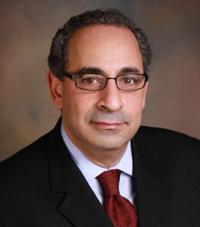 R. Mark Ghobrial合作论文数Houston Methodist Hospital53A. Osama Gaber合作论文数52
 Ashton Connor合作论文数Department of Surgery, Houston Methodist Hospital;Academic Institute;Weill Cornell Medicine49S. Kodali合作论文数48
 Linda W. Moore合作论文数Department of Surgery, The University of Tennessee-Memphis45
 Maen Abdelrahim合作论文数M. D. Anderson Cancer Center Orlando, Cancer Research Institute44
 Constance Mobley合作论文数41
 Edward A. Graviss合作论文数Dept Pathol & Genom Med, Houston Methodist Res Inst41Elizabeth W Brombosz合作论文数35C. Mobley合作论文数33
 Howard Monsour合作论文数30R. McFadden合作论文数28C. M. Mobley合作论文数27Boktour Maha R合作论文数26Tamneet Basra合作论文数25
 Milind Javle合作论文数Department of Gastrointestinal Medical Oncology, Division of Cancer Medicine, University of Texas MD Anderson Cancer Center23J. Galati合作论文数21Yee Lee Cheah合作论文数21Robert McFadden合作论文数20K. Heyne合作论文数20
 Duc Nguyen合作论文数Methodist Hospital for Surgery20V Ankoma-Sey合作论文数20C. Egwim合作论文数19Y. L. Cheah合作论文数19
 Norah Terrault合作论文数Division of Gastrointestinal and Liver Diseases, Keck School of Medicine, University of Southern California18
 George Therapondos合作论文数17Kirk Heyne合作论文数16Hyosun H. Han合作论文数16
 Mary E. Rinella合作论文数From the Departments of Medicine and Surgery, Northwestern University, Chicago, IL.15Sherilyn Gordon Burroughs合作论文数15
 Ahmed Elaileh合作论文数14Sadhna Dhingra合作论文数14
 Michael R. Lucey合作论文数Department of Medicine, School of Medicine and Public Health, University of Wisconsin14
 Oren K. Fix合作论文数Division of Gastroenterology, University of California14Christine C Hsu合作论文数13
 John Rice合作论文数Department of Medicine, School of Medicine and Public Health, University of Wisconsin-Madison12Akshay Shetty合作论文数12Eswaran Sheila合作论文数12Divatia Mukul合作论文数12Gene Y. Im合作论文数11E. Brombosz合作论文数11Duc T Nguyen合作论文数11Jacob Feagans合作论文数11
 Haripriya Maddur合作论文数Northwestern Memorial Hospital11




