Intracranial hypertension (ICH) is a well-recognized and potentially fatal complication of acute liver failure. It is rarely observed in patients with chronic liver disease or acute-on-chronic liver failure (ACLF). Only a few studies have investigated the management of ICH in ACLF. Here, we present an uncommon case of acute-onset severe hyperammonemia in a patient with cirrhosis who developed fulminant ICH. Rapid institution of renal placement therapy and therapeutic plasma exchange achieved a dramatic reduction in the serum ammonia level, but did not slow the patient’s rapid neurological deterioration.
In blastomycosis, immunosuppression such as that following solid organ transplantation appears to be a risk factor for the development of overwhelming lung infection fulfilling criteria for the acute respiratory distress syndrome. Our transplant center, located outside traditional endemic areas for Blastomyces spp, experienced a case of fatal acute respiratory distress syndrome secondary to blastomycosis pneumonia in a recipient of recent orthotopic liver transplantation. The patient expired despite support with veno-venous extracorporeal membrane oxygenation.
Veno-arterial extracorporeal membrane oxygenation (VA-ECMO) provides temporary life-saving support for patients in profound cardiogenic shock. Candidates for liver transplantation (LT) present various peri-operative cardiac challenges which may be driven by a combination of old age, renal insufficiency, cardiopulmonary disease, severe coagulopathy requiring multiple transfusions of blood products and extreme fluctuations in fluid balance. We present our experiences in two patients who were candidates for simultaneous LT and kidney transplantation (SLKT) and required placement of VA-ECMO. This series highlights the diverse and potential role of peripheral VA-ECMO support in SLKT candidates who developed profound cardiogenic shock peri-operatively or immediate post-operatively after initial LT, thereby mitigating the risk of peri-operative mortality and allowing for simultaneous or delayed kidney transplantation.
BACKGROUND The average age of recipients and donors of liver transplantation (LT) is increasing. Although there has been a change in the indications for LT over the years, data regarding the trends and outcomes of LT in the older population is limited. AIM To assess the clinical characteristics, age-related trends, and outcomes of LT among the older population in the United States. METHODS We analyzed data from the United Network for Organ Sharing database between 1987-2019. The sample was split into younger group (18-64 years old) and older group (≥ 65 years old). RESULTS Between 1987-2019, 155758 LT were performed in the United States. During this period there was a rise in median age of the recipients and percentage of LT recipients who were older than 65 years increased (P < 0.05) with the highest incidence of LT among older population seen in 2019 (1920, 23%). Common primary etiologies of liver disease leading to LT in older patients when compared to the younger group, were non-alcoholic steatohepatitis (16.4% vs 5.9%), hepatocellular carcinoma (14.9% vs 6.9%), acute liver failure (2.5% vs 5.2%), hepatitis C cirrhosis (HCV) (19.2 % vs 25.6%) and acute alcoholic hepatitis (0.13% vs 0.35%). In older recipient group female sex and Asian race were higher, while model for end-stage liver disease (MELD) score and rates of preoperative mechanical ventilation were lower (P < 0.01). Median age of donor, female sex, body mass index (BMI), donor HCV positive status, and donor risk index (DRI) were significantly higher in older group (P < 0.01). In univariable analysis, there was no difference in post-transplant length of hospitalization, one-year, three-year and five-year graft survivals between the two groups. In multivariable Cox-Hazard regression analysis, older group had an increased risk of graft failure during the five-year post-transplant period (hazard ratio: 1.27, P < 0.001). Other risk factors for graft failure among recipients were male sex, African American race, re-transplantation, presence of diabetes, mechanical ventilation at the time of LT, higher MELD score, presence of portal vein thrombosis, HCV positive status, and higher DRI. CONCLUSION While there is a higher risk of graft failure in older recipient population, age alone should not be a contraindication for LT. Careful selection of donors and recipients along with optimal management of risk factors during the postoperative period are necessary to maximize the transplant outcomes in this population.
Utilization of organs from donors with coronavirus disease 2019 (COVID-19) is increasing,1-3 but long-term outcome data regarding these transplants are limited. To date, no cases of transmission of SARS-CoV-2 have been reported from a positive donor to a negative recipient in nonlung transplantation.4 To address this knowledge gap, we present our data regarding donor and recipient characteristics, long-term, and short-term outcomes of solid organ transplantation when using organs from a donor with a positive SARS-CoV-2 polymerase chain reaction (PCR) test from upper respiratory tract and/or lower respiratory tract (COVID+ donor) at the time of organ recovery. All adult recipients who underwent transplantation of organs from COVID+ donors with at least 30-d follow-up between the period of March 2021 and February 2022 were included in the analysis. The study was approved by our Institutional Review Board. Donor, recipient characteristics, and outcomes are summarized in Table 1. Organs from 12 COVID+ donors were transplanted into 14 recipients (5 livers, 3 hearts, and 6 kidneys). Donors had a mean age of 34 (range: 13–65) y and were hospitalized for a mean 6 (range: 1–18) d before organ recovery. The first positive SARS-CoV-2 PCR test was on mean 12 (range: 1–80) d and last positive test was on mean 2 (range: 1–3) d before organ recovery. During the terminal hospitalization of donors, 3 (25%) had new onset symptoms suggestive of COVID-19, 1 (8%) had resolved symptoms, 2 (17%) were asymptomatic, and 6 (50%) had unknown symptoms. Cycle threshold (Ct) values were available for 9 (75%) of the donors with a Ct value of the last positive PCR test ranging from 22 to 42. None of the donors had critical COVID-19, and all had good function of the transplanted organ along with no other identified indirect complication related to COVID-19. The recipients were followed for mean 165 (range: 30–367) d posttransplant. Recipients had no clinical or molecular evidence of transmission of SARS-CoV-2 from the donor, regardless of their vaccination status. Clinical graft-rejection before discharge was noted in 1 (8%) liver recipient, which improved with increase in immunosuppression. Delayed renal-graft function (DGF), as defined by need for hemodialysis within 1 wk of transplant, was seen in 1 (17%) kidney transplant recipient. Excellent graft function was noted in all 13 of 13 (100%) recipients during 1-mo follow-up and in 7 of 7 (100%) recipients with >6-mo of follow-up (Table 1). These short-term and long-term outcomes regarding graft outcomes were comparable to recipients of COVID-negative donors in our institution during the study period (kidney DGF rate, 30%; liver rejection rate, 11%). TABLE 1. - Patient characteristics and outcomes of solid organ transplantation from donors with a positive SARS-CoV-2 test Donors D 1 D 2 D 3 D 4 D 5 D 6 D 7 D 8 D 9 D 10 D 11 D 12 Age (y) 29 34 32 39 65 28 50 13 20 37 32 31 Cause of death Anoxia Cardiac arrest Head trauma Anoxia Anoxia Head trauma Stroke Anoxia Anoxia Anoxic brain injury Intracranial bleed Anoxia LOS (d) 18 5 4 7 6 3 9 2 7 8 4 1 KDPI n/a n/a n/a n/a n/a n/a 43 23 n/a 50 33 75 Terminal Creatinine, mg/dL 0.9 2.9 1.1 0.8 3.0 0.8 1.0 0.9 0.5 0.3 0.7 1.2 AST/ALT, µ/L 48/58 48/63 n/a 15/27 24/40 9/11 n/a n/a n/a n/a n/a n/a LVEF (%) 50 n/a 70 n/a n/a n/a n/a n/a 66 n/a n/a n/a Site of positive PCR URT, LRT URT URT URT URT URT URT, LRT URT, LRT URT, LRT URT, LRT URT URT, LRT Last positive test to transplant (d) 1 1 1 2 3 2 3 3 3 3 1 1 Ct value 38.5, 40.5 33.0 38.5 n/a n/a 42.0 39.0 n/a 22.0 24.0 28.0 26.0 Symptoms New 1 d Resolved Unknown Unknown Unknown Unknown New Unknown New Unknown None None Recipients R 1 R 2 R 3 R 4 R 5 R 6 R 7 R 8 R 9 R 10 R 11 R 12 R 13 R 14 Organ Heart Liver Liver Heart Liver Liver Liver Kidney Kidney Heart Kidney Kidney Kidney Kidney Follow-up (d) 367 367 320 318 230 193 153 77 58 56 52 51 40 30 Age (y) 67 54 36 65 35 59 46 61 21 57 42 58 50 61 Vaccination No 2 doses 1 dose No No 2 doses 1 dose 3 doses 3 doses No 2 doses 3 doses 3 doses 2 doses Prior COVID No No No No Yes No No No No Yes No No No No Waitlist status Status 1 (ECMO) MELD 18 MELD 30 Status 2 (IABP) MELD 22 MELD 27 MELD 33 WL 4 y WL 3 y Status 2 WL 3 y WL 5 y WL 5 y WL 3 y CIT (min) 32 284 282 84 337 306 188 906 1166 152 975 975 1051 751 Induction Steroid Steroid Steroids Steroids Steroids Steroids Steroids ATG ATG ATG + Eculizumab ATG ATG ATG ATG Maintenance S+TAC+MMF S+TAC+MMF S+TAC S+TAC+MMF S+TAC S+TAC S+TAC S+TAC S+TAC+MMF S+TAC S+TAC+MMF S+TAC+MMF S+TAC+MMF S+TAC+MMF Treatment C-I C-I C-I n/a C-I C-I C-I n/a T-C T-C T-C T-C T-C T-C LOS (d) 50 11 12 n/a 7 10 16 13 4 n/a 5 12 6 5 Organ rejection before discharge No No No No No No Clinical, steroids + MMF No No No No No No No DGF n/a n/a n/a n/a n/a n/a n/a Yes No n/a No No No No Current organ function LVEF 75% LFTs normal LFTs normal n/a LFTs normal LFTs normal LFTs normal eGFR > 60 eGFR > 60 LVEF 60% eGFR 60 eGFR > 60 eGFR > 60 eGFR = 59 Other outcomes COVID 11 mo post-HT COVID 11 mo post-LT None Died of unrelated causes None None None None None Still hospitalized None None None None ALT, alanine aminotransferase; AST, aspartate aminotransferase; ATG, antithymocyte globulin; C-I, casirivimab-imdevimab; CIT, cold ischemia time; COVID, coronavirus disease; Ct, cycle threshold; DGF, delayed graft function; ECMO, extracorporeal membrane oxygenation; eGFR, estimated glomerular filtration rate; HT, heart transplantation; IABP, intraaortic balloon pump; KDPI, kidney donor profile index; LFT, liver function test; LOS, length of stay; LRT, lower respiratory tract; LT, liver transplantation; LVEF, left ventricular ejection fraction; MELD, model for end-stage liver disease; MMF, mycophenolate mofetil; n/a, not applicable; PCR, polymerase chain reaction; S, steroid; SARS-CoV-2, severe acute respiratory syndrome coronavirus 2; TAC, tacrolimus; T-C, tixagevimab-cilgavimab; URT, upper respiratory tract; WL, waitlist. A positive COVID test can signify a potentially false positive test to various stages of COVID-19 in the donor.4 A careful review of clinical, radiological evidence, and Ct values from the PCR test by a dedicated group of transplant team can help determine the risk of infectivity of the donor1 and then the donor organ is matched with a carefully selected recipient. Two recipients developed COVID-19 11 mo after the initial transplantation, thus highlighting the need for continuous counseling regarding safe practices, need for complete vaccination of the recipient and all household contacts, and/or use of pre-exposure prophylaxis in selected high-risk recipients.5
BACKGROUND:Direct-acting antiviral (DAA) therapy has transformed the outcomes of liver transplant (LT) with hepatitis C virus (HCV). This study aimed to analyze the effects of DAA treatment for HCV-associated hepatocellular carcinoma (HCC) in LT.METHODS:We included patients confirmed with HCC on explant, analyzed data from United Network for Organ Sharing, and defined the pre-DAA era (2012-2013) and DAA era (2014-2016).RESULTS:HCV-associated HCC cases totaled 4778 (62%) during the study period. In the DAA era, the median recipient age was older and the median days on the waiting list were longer. For the donor, median age, body mass index, and the rate of HCV significantly increased in the DAA era. In pathology, the median largest tumor size was significantly higher; however, the rate of completed tumor necrosis was significant higher in the DAA era. The 3-year graft/patient survival had significantly improved in the DAA era. In multivariable analysis, the DAA era (hazard ratio, 0.79; 95% confidence interval, 0.68-0.91) had significantly affected the 3-year graft survival.CONCLUSIONS:DAA has a significant beneficial effect on LT. In the DAA era, graft survival for HCV-associated HCC has been significantly improving.
BACKGROUND:Coronavirus disease 2019 (COVID-19) has affected all facets of life and continues to cripple nations. COVID-19 has taken the lives of more than 2.1 million people worldwide, with a global mortality rate of 2.2%. Current COVID-19 treatment options include supportive respiratory care, parenteral corticosteroids, and remdesivir. Although COVID-19 is associated with increased risk of morbidity and mortality in patients with comorbidities, the vulnerability, clinical course, optimal management, and prognosis of COVID-19 infection in patients with organ transplants has not been well described in the literature. The treatment of COVID-19 differs based on the organ(s) transplanted. Preliminary data suggested that liver transplant patients with COVID-19 did not have higher mortality rates than untransplanted COVID-19 patients. Table 1 depicts a compiled list of current published data on COVID-19 liver transplant patients. Most of these studies included both recent and old liver transplant patients. No distinction was made for early liver transplant patients who contract COVID-19 within their posttransplant hospitalization course. This potential differentiation needs to be further explored. Here, we report 2 patients who underwent liver transplantation who acquired COVID-19 during their posttransplant recovery period in the hospital. CASE DESCRIPTIONS:Two patients who underwent liver transplant and contracted COVID-19 in the early posttransplant period and were treated with hydroxychloroquine, methylprednisolone, tocilizumab, and convalescent plasma. This article includes a description of their hospital course, including treatment and recovery. CONCLUSION:The management of post-liver transplant patients with COVID-19 infection is complicated. Strict exposure precaution practice after organ transplantation is highly recommended. Widespread vaccination will help with prevention, but there will continue to be patients who contract COVID-19. Therefore, continued research into appropriate treatments is still relevant and critical. A temporary dose reduction of immunosuppression and continued administration of low-dose methylprednisolone, remdesivir, monoclonal antibodies, and convalescent plasma might be helpful in the management and recovery of severe COVID-19 pneumonia in post-liver transplant patients. Future studies and experiences from posttransplant patients are warranted to better delineate the clinical features and optimal management of COVID-19 infection in liver transplant recipients.
Transplantation in potential candidates who have recently recovered from COVID-19 is a challenge with uncertainties regarding the diagnosis, multi-organ systemic involvement, prolonged viral shedding in immunocompromised patients, and optimal immunosuppression. A 42 year male with alcoholic hepatitis underwent a successful deceased donor liver transplantation 71 days after the initial diagnosis of COVID-19. At the time of transplant, he was SARS-CoV-2 PCR negative for 24 days and had a MELD score of 33. His post-operative course was complicated by acute rejection which responded to intense immune-suppression using T-cell depletion and steroids. He was discharged with normal end-organ function and no evidence of any active infection including COVID-19. Prospective organ transplant recipients who have recovered from COVID-19 can be considered for transplantation after careful pre-transplant evaluation, donor selection, and individualized risk-benefit analysis.
 Roxana Bodin合作论文数23Seigo Nishida合作论文数School of Medicine, University of Miami17
 Hiroshi Sogawa合作论文数Faculty of Medicine, Kyushu University15Kenji Okumura合作论文数13Facciuto Marcelo E合作论文数11
 Abhay Dhand合作论文数11
 Thomas Diflo Md合作论文数10
 Manuel Rodriguez-Davalos合作论文数9Gregory Veillette合作论文数9Devon John合作论文数9Manoj K Singh合作论文数7Rochon Caroline合作论文数7Ryousuke Misawa合作论文数7Lakshmi Asritha Gollapudi合作论文数6
 Grigory Rozenblit合作论文数6Leona Kim-Schluger合作论文数6Makeda Dawkins合作论文数5
 Rajat Nog合作论文数5Patricia Sheiner合作论文数5Nabors Christopher合作论文数5
 Sachin Sule合作论文数Department of Medicine, New York Medical College5
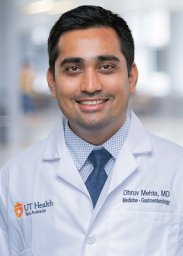 Mehta Dhruv合作论文数Digestive Disease Institute, The Cleveland Clinic5Chugh Priyanka合作论文数5Gregory R. Veillette合作论文数5
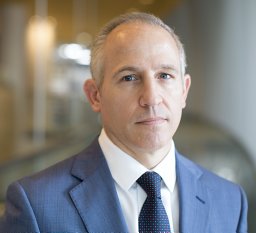 Juan P. Rocca合作论文数Westchester Medical Center, New York Medical College Liver Transplant & Hepatobiliary Service5Michael Marvin合作论文数4Lai Hoang M合作论文数4
 Solanki Shantanu合作论文数Cardiovascular division, Icahn School of Medicine at Mount Sinai4
 Wilbert S. Aronow合作论文数Division of Cardiology, School of Medicine, New York Medical College, Touro University;Center for Educational Innovations Project Quality Research at Westchester Medical Center, Westchester Medical Center4
 Edward Lebovics合作论文数4Maureen Burke-Davis合作论文数3Leona Kim Schluger合作论文数3Bernard Partiula合作论文数3tarun chugh合作论文数3Jyoti Sharma合作论文数3Jonathan Butler合作论文数3
 Khwaja Fahad Haq合作论文数3Dhaval Shah合作论文数3
 Nancy Gupta合作论文数Dept Gastroenterol, Univ Iowa3Suguru Ohira合作论文数3
 Rifat Latifi合作论文数3
 Bilal Mohammad合作论文数3Kaushang Gandhi合作论文数3Harshad Amin合作论文数3
 David Spielvogel合作论文数3Alan Gass合作论文数3Harit Desai合作论文数3Opeyemi Alli合作论文数2




