Purpose: The TalkBank platform, widely known for its research infrastructure, also offers educational resources and tools to enhance speech-language pathology education. In particular, the TalkBank Grand Rounds are freely available, online educational resources developed by experts that provide foundational information, multimedia illustrative cases, activities, and discussion questions to promote evidence-based learning and clinical decision-making. Currently available for adult neurogenic communication disorders, the Grand Rounds can be implemented in various learning environments, including classroom curricula, clinical instruction, and self-directed learning activities. Method: Following an expert panel of adult neurogenic discourse researchers and ensuing discussion at the 2026 International Cognitive Communication Disorders Conference, this tutorial was developed by a group of clinical researchers with expertise in discourse and experience teaching cognitive-communication disorders and developers within the TalkBank system. Situating Grand Rounds within a taxonomy of evidence-based teaching, this tutorial offers clinicians and educators a practical guide for effectively integrating and adapting these resources for their specific instructional or learning needs. Results: Using robust case examples, this tutorial illustrates how TalkBank Grand Rounds can support clinical reasoning, differential diagnosis, and intervention planning across populations with aphasia, traumatic brain injury, right-hemisphere brain damage, and dementia. Conclusion: This tutorial provides a brief history of TalkBank Grand Rounds and practical applications to ease the burden on educators and clinicians in creating and implementing instructional resources for adult neurogenic communication disorders.
Abstract Speech biomarkers could form a critical step in improving the accessibility, scalability, and early detection of Alzheimer's disease and related dementias. However, ethical and practical challenges remain across regulatory and cultural contexts. In this paper, we briefly review the challenges in adopting speech biomarkers, relate our experiences globally to recent advances in the neurodegenerative field, and consider how speech assessments could be integrated into clinical care. Insights from high‐ and low‐ and middle‐income countries (Taiwan, Ghana, Colombia, Brazil, Greece, UK, and US) demonstrate the potential impact of speech technology. While there are common benefits, risks, incentives, and hurdles, many aspects are specific to country or region. There is a need for more speech data sets (particularly in languages other than English), standardization in data collection and analysis, stronger collaboration between machine learning and neurodegenerative disease experts, unified privacy regulation, and finally, a consensus on the clinical interpretation of speech biomarker data.
Purpose: “Latent aphasia” describes an acquired language impairment (e.g., after stroke) that is not detectable on standardized language evaluations. Discourse tasks such as the Cinderella story are commonly used and are effective at revealing latent aphasia. However, that task, in particular, is limited by its childlike nature and assumption of shared cultural knowledge. Alternatively, a Neutral Cue task—drawn from the neuropsychology literature—provides participants with neutral cue words and prompts them to respond with a relevant autobiographical narrative. Like Cinderella, this task elicits abundant memory-based connected speech, yet does not suffer from the same set of limitations; it also engages first person positioning and establishing of common ground. Method: The Cinderella story task and the Neutral Cue task were administered to 72 individuals (26 with latent aphasia, 46 with no aphasia) on two occasions separated by 5-10 days. Sessions were videotaped and later transcribed for microlinguistic and psycholinguistic analyses to distinguish between groups and establish test-retest reliability. Results: Five metrics—mean length of utterance, number of tokens produced, words per minute, verbs per utterance, and percent word error—reliably distinguished between latent aphasia and language in individuals with no neurological impairments across both tasks. First person positioning and markers for establishing common ground were more pronounced in the Neutral Cue than the Cinderella task. Conclusions: These results suggest that the Neutral Cue task may be a viable complement to the Cinderella story for detecting latent aphasia, with particular strengths in investigating discourse skills critical to everyday life.
Purpose: An educational gap exists in content knowledge and clinical education for speech-language pathologists concerning the treatment and assessment of cognitive-communication disorders from mild cognitive impairment (MCI) or dementia due to Alzheimer's disease (AD). This gap may result in less effective speech-language pathology services for this population. The overarching goal of this project was to enhance graduate speech-language pathology education about MCI and dementia due to AD to improve the quality of future service providers. Method: To achieve this goal, this project had two objectives: first, to conduct a survey to understand speech-language pathology graduate school education practices in clinical and classroom settings regarding cognitive-communication disorders from MCI or dementia due to AD and, second, to conduct focus groups to guide the development of an online educational resource, informed by speech-language pathology graduate school educators. A knowledge-to-action (KTA) conceptual framework provided guidance to translate findings from the survey and focus groups into a highly implementable educational resource. Results: Educators of graduate speech-language pathology students reported a crucial need for additional accessible resources to assist them in teaching or supervising cognitive-communication disorders from MCI or dementia due to AD. The existing TalkBank educational resource, Grand Rounds, was explored through educator focus groups, and feedback directly informed the creation of a new educational resource tailored for this population. Conclusions: Overall, an educational resource, DementiaBank Grand Rounds, was successfully developed for cognitive-communication disorders associated with MCI and dementia due to AD, utilizing the KTA framework. DementiaBank Grand Rounds may serve as a resource to support learners and educators and address the current gap in content knowledge and clinical education. Supplemental Material: https://doi.org/10.23641/asha.31839664
Background:Examining discourse production during picture description performance holds great promise for understanding the nature of and the interconnectedness between visuospatial processing and language production in aphasia - a language disorder following acquired brain damage. There is a paucity of studies concurrently investigating the two processes in discourse production tasks, despite their potential clinical utility in aphasia rehabilitation. In the current study, we compared the core lexicon (CoreLex) word production performance of PWA and matched healthy control participants (HCP) along the dimensions of typicality of words (e.g., the words most frequently used by a normative sample of healthy controls), CoreLex word production timing, as well as the indirect visuospatial measures of order and spatial location of CoreLex word productions across the four quadrants of the Cat Rescue picture in a story telling task. Methods:A total of 319 transcripts from HCP and 400 transcripts from PWA, all of whom completed the picture description task of the Cat Rescue were drawn from the AphasiaBank database-the largest repository of aphasic discourse samples in the world. For each transcript, CoreLex scores and timing data of word production - including the elapsed time to produce each core lexicon content item and the first core lexicon content word in each quadrant-were indexed across the four quadrants of the Cat Rescue picture using the CLAN (Computerized Language ANalysis) program. Results:CoreLex analysis revealed that PWA were significantly slower compared to HCP in producing the first CoreLex word for each quadrant of the picture. PWA also demonstrated delayed CoreLex word production times across all the four quadrants, as well as lower rates of certain CoreLex word production compared to HCP. Aphasia severity was inversely related to the latency and accuracy of CoreLex production. Conclusion:Study findings offer preliminary evidence for the clinical utility of integrating concurrent visuospatial processing and language production tasks as part of discourse assessment in PWA. Future implications for further expanding and refining discourse-based visuospatial processing assessment tools in aphasia rehabilitation are discussed.
There is growing evidence that discourse (i.e., connected speech) could serve as a cost-effective and ecologically valid means of identifying individuals with prodromal Alzheimer’s disease. Specifically, metrics of semantic content appear to be sensitive to early mild cognitive impairment (MCI; Mueller, Koscik, Clark et al., 2018). These results were from spoken discourse samples from a brief, decontextualized picture description task (i.e., “Cookie Theft”) that may have task-specific language demands. This study aims to determine if discourse produced from other task types elicits different levels of semantic content. Discourse data were taken from the Delaware Corpus in DementiaBank, an open-access online database of multimedia interactions (Lanzi et al., 2023). Participants’ cognitive status was documented in the database: cognitively healthy (n = 24) or MCI (n = 43) based on NIA-AA and Petersen’s (2011) criteria. Using Zoom, participants completed six spoken discourse tasks including picture description (“Cookie Theft”), story narrative (“Cat Rescue”, “Rockwell”, “Cinderella”), procedural discourse (“PBJ”), and personal narrative (“Hometown”). Discourse samples were transcribed using an automatic speech recognition (ASR) pipeline and analyzed using CLAN software (Liu et al., 2023). Semantic content was measured by three variables: percent nouns, percent verbs, and pronoun index (Mueller, Koscik, Hermann et al., 2018). Interaction effects of cognitive status by task were evaluated for each semantic variable. Two-way ANOVAs yielded non-significant interaction effects (p>0.05). Therefore, we aggregated our task data across cognitive status to conduct one-way ANOVAs. Each semantic variable ANOVA produced a main effect of task: F %noun (5, 394) = 30.63; F %verb (5, 391) = 31.64; F pronoun (5, 391) = 23.68, all p value s<.001 (see figures). Post-hoc comparisons revealed that the highest level of each semantic variable was produced by a different discourse task (e.g., PBJ = highest percent nouns). This discourse study was efficiently executed with the use of remote data collection, an ASR transcription pipeline, and CLAN for analysis. Each discourse task elicited differing levels of semantic content. As efforts continue to study language as a non-invasive biomarker for cognitive decline, researchers should consider which discourse task(s) would best support their aims.
Background Cognitive-communication disorders are highly prevalent after traumatic brain injury and have significant impacts on rehabilitation outcomes. TBIBank Grand Rounds was developed as an online multimedia resource to support clinical education about cognitive-communication disorders. The objective of this study was to survey speech pathology educators to establish their views towards TBIBank Grand Rounds. Method An online survey with 37 items was distributed internationally to obtain a cross-section of international educators. The survey consisted of five sections covering (1) participant details; (2) awareness, interest, and use; (3) interface design and delivery; (4) content; and (5) overall impressions. The question formats included yes/no questions, multiple choice options, rating scales, and free text questions. Survey responses were analysed descriptively, with free text supporting interpretation. Results Twenty-five participants completed the online survey. Overall, most users agreed that the design and content of TBIBank Grand Rounds met their needs for supporting education about cognitive-communication disorders. The survey identified high interest but limited prior awareness of the resource. Survey respondents identified useful directions for updates, future enhancements, and dissemination of TBIBank Grand Rounds. Conclusions Incorporating feedback from educators has identified priorities for future enhancements, such as improving cultural diversity. High interest and positive feedback indicate that the TBIBank Grand Rounds is a valuable resource for education about cognitive-communication disorders. However, limited awareness internationally suggests the need for improved dissemination. Enhancing speech pathologists' knowledge about cognitive-communication disorders after TBI may lead to improved clinical care and outcomes.
PURPOSE:The NEURAL Research Lab data set was collected with the intention of improving the study of short-term variation in spoken language and co-speech gesture in persons with aphasia as well as cognitively healthy adults. The purpose of this short note is to introduce readers to the available data and present two use cases as examples of leveraging the data set. METHOD:The final data set will include a minimum of 75 adults with aphasia and 75 cognitively healthy adults, tested across two time points with a short time (about a week) between sessions. The focus was on capturing spoken discourse and manual gesture. RESULTS:For the purpose of demonstrating the data's potential, we examine two case studies: (a) evaluating test-retest reliability of fluency metrics derived from narrative spoken discourse and (b) characterizing communicative gesture use during spoken discourse. CONCLUSIONS:In this short research note, we methodically introduce a novel open data set, NEURAL-2, available on AphasiaBank, for the examination of naturalistic gesture and speech in persons with and without aphasia. The first example use case analysis provided evidence that persons with mildest aphasia are less fluent than cognitively healthy peers, despite being younger, and that fluency metrics appear to have good test-retest reliability. The second use case showed that gesture rates do not significantly differ between individuals with aphasia and cognitively healthy adults, do not relate to age or cognitive status, and are negatively related to aphasia severity. We intend to validate these analyses in the final large sample. Clinicians and researchers are encouraged to use this data set to improve the understanding of speech, language, and gesture in aphasia and aging. SUPPLEMENTAL MATERIAL:https://doi.org/10.23641/asha.30203545.
Background: Findings from language sample analyses can provide efficient and effective indicators of cognitive impairment in older adults. Objective: This study used newly automated core lexicon analyses of Cookie Theft picture descriptions to assess differences in typical use across three groups. Methods: Participants included adults without diagnosed cognitive impairments (Control), adults diagnosed with Alzheimer’s disease (ProbableAD), and adults diagnosed with mild cognitive impairment (MCI). Cookie Theft picture descriptions were transcribed and analyzed using CLAN. Results: Results showed that the ProbableAD group used significantly fewer core lexicon words overall than the MCI and Control groups. For core lexicon content words (nouns, verbs), however, both the MCI and ProbableAD groups produced significantly fewer words than the Control group. The groups did not differ in their use of core lexicon function words. The ProbableAD group was also slower to produce most of the core lexicon words than the MCI and Control groups. The MCI group was slower than the Control group for only two of the core lexicon content words. All groups mentioned a core lexicon word in the top left quadrant of the picture early in the description. The ProbableAD group was then significantly slower than the other groups to mention a core lexicon word in the other quadrants. Conclusions: This standard and simple-to-administer task reveals group differences in overall core lexicon scores and the amount of time until the speaker produces the key items. Clinicians and researchers can use these tools for both early assessment and measurement of change over time.
Chapter 11 Clinical Corpus Linguistics Davida Fromm, Davida FrommSearch for more papers by this authorBrian MacWhinney, Brian MacWhinneySearch for more papers by this author Davida Fromm, Davida FrommSearch for more papers by this authorBrian MacWhinney, Brian MacWhinneySearch for more papers by this author Book Editor(s):Martin J. Ball, Martin J. BallSearch for more papers by this authorNicole Müller, Nicole MüllerSearch for more papers by this authorElizabeth Spencer, Elizabeth SpencerSearch for more papers by this author First published: 08 January 2024 https://doi.org/10.1002/9781119875949.ch11 AboutPDFPDF ToolsRequest permissionExport citationAdd to favoritesTrack citation ShareShareShare a linkShare onEmailFacebookTwitterLinkedInRedditWechat Abstract Major advances in computer power and new technologies in machine learning have made it possible to study large corpora of language with increased efficiency and reliability. Manual transcription, coding, and analyses of large datasets require time and training that exceed the capacity of most research programs. Even the collection of the datasets themselves can be challenging, as they need to be large enough and representative enough across a variety of domains (e.g., type and severity of a particular disorder, demographic diversity) to conduct robust, powerful studies. The TalkBank project seeks to address these issues and to take advantage of these new opportunities. TalkBank ( https://talkbank.org ) arose as an extension of the already existing child language acquisition data system called CHILDES, established by Catherine Snow and Brian MacWhinney in 1984. In 2000, we began the construction of a more general, distributed, web‐based, data archiving system for transcribed video and audio data on communicative interactions in multiple forms. Since 2000, TalkBank has expanded to include 15 language banks, 7 of which focus on clinical data: AphasiaBank, ASDBank, DementiaBank, FluencyBank, PsychosisBank, RHDBank, and TBIBank. Additionally, the CHILDES and PhonBank databases have data from clinical populations that augment their corpora for the study of normal language and phonological development. This chapter will describe these clinical corpora and their impact on the study of language in a range of fields. First, we review the TalkBank principles which have been essential to its widespread adoption for advancing the study of spoken language. References Becker , J. T. , Boller , F. , Lopez , O. L. , Saxton , J. , & McGonigle , K. L. ( 1994 ). The natural history of Alzheimer's disease: Description of study cohort and accuracy of diagnosis . Archives of Neurology , 51 ( 6 ), 585 – 594 . 10.1001/archneur.1994.00540180063015 CASPubMedGoogle Scholar Bernstein Ratner , N. , & MacWhinney , B. ( 2018 ). Fluency Bank: A new resource for fluency research and practice . Journal of Fluency Disorders , 56 , 69 – 80 . https://doi.org/10.1016/j.jfludis.2018.03.002 10.1016/j.jfludis.2018.03.002 PubMedWeb of Science®Google Scholar Boyle , M. ( 2015 ). Stability of word-retrieval errors with the AphasiaBank stimuli . American Journal of Speech Language Pathology , 24 ( 4 ), 953 – 960 . https://doi.org/10.1044/2015_AJSLP-14-0152 10.1044/2015_AJSLP-14-0152 Web of Science®Google Scholar Casilio , M. , Rising , K. , Beeson , P. M. , Bunton , K. , & Wilson , S. M. ( 2019 ). Auditory-perceptual rating of connected speech in aphasia . American Journal of Speech-Language Pathology , 28 ( 2 ), 550 – 568 . https://doi.org/10.1044/2018_AJSLP-18-0192 10.1044/2018_AJSLP-18-0192 PubMedWeb of Science®Google Scholar Chang , S.-E. , Garnett , E. O. , Etchell , A. , & Chow , H. M. ( 2019 ). Functional and neuroanatomical bases of developmental stuttering: Current insights . The Neuroscientist , 25 ( 6 ), 566 – 582 . https://doi.org/10.1177/1073858418803594 10.1177/1073858418803594 PubMedWeb of Science®Google Scholar Clough , S. , & Gordon , J. K. ( 2020 ). Fluent or nonfluent? Part A. Underlying contributors to categorical classifications of fluency in aphasia . Aphasiology , 34 ( 5 ), 515 – 539 . https://doi.org/10.1080/02687038.2020.1727709 10.1080/02687038.2020.1727709 Web of Science®Google Scholar Coelho , C. , Youse , K. , Le , K. , & Feinn , R. ( 2003 ). Narrative and conversational discourse of adults with closed head injuries and non-brain-injured adults: A discriminant analysis . Aphasiology , 17 ( 5 ), 499 – 510 . https://doi.org/10.1080/02687030344000111 10.1080/02687030344000111 Web of Science®Google Scholar Cummings , L. ( 2019 ). On making a sandwich: Procedural discourse in adults with right-hemisphere damage . In A. Capone , M. Carapezza , & F. Lo Piparo (Eds.), Further advances in pragmatics and philosophy: Part 2 theories and applications (pp. 331 – 355 ). Springer . 10.1007/978-3-030-00973-1_19 Google Scholar Dalton , S. G. , Kim , H. , Richardson , J. , & Wright , H. H. ( 2020 ). A compendium of core lexicon checklists . Seminars in Speech and Language , 41 ( 01 ), 045 – 060 . https://doi.org/10.1055/s-0039-3400972 10.1055/s-0039-3400972 PubMedGoogle Scholar de la Fuente Garcia , S. , Ritchie , C. W. , & Luz , S. ( 2020 ). Artificial intelligence, speech, and language processing approaches to monitoring Alzheimer's disease: A systematic review . Journal of Alzheimer's Disease , 78 ( 4 ), 1547 – 1574 . https://doi.org/10.3233/JAD-200888 10.3233/JAD-200888 PubMedWeb of Science®Google Scholar Dietz , A. , & Boyle , M. ( 2018 ). Discourse measurement in aphasia: Consensus and caveats . Aphasiology , 32 ( 4 ), 487 – 492 . https://doi.org/10.1080/02687038.2017.1398803 10.1080/02687038.2017.1398814 Web of Science®Google Scholar Fergadiotis , G. , Wright , H. , & West , T. M. ( 2013 ). Measuring lexical diversity in narrative discourse of people with aphasia . American Journal of Speech-Language Pathology , 22 ( 2 ), 397 – 408 . https://doi.org/10.1044/1058-0360(2013/12-0083) 10.1044/1058-0360(2013/12-0083) Web of Science®Google Scholar Ferreira , F. ( 2007 ). Prosody and performance in language production . Language and Cognitive Processes , 22 ( 8 ), 1151 – 1177 . https://doi.org/10.1080/01690960701461293 10.1080/01690960701461293 Google Scholar Forbes , M. , Fromm , D. , & MacWhinney , B. ( 2012 ). AphasiaBank: A resource for clinicians . Seminars in Speech and Language , 33 ( 3 ), 217 – 222 . https://doi.org/10.1055/s-0032-1320041 10.1055/s-0032-1320041 PubMedWeb of Science®Google Scholar Fridriksson , J. , Hubbard , I. , Hudspeth , S. G. , Holland , A. , Bonilha , L. , Fromm , D. , & Rorden , C. ( 2012 ). Speech entrainment enables patients with Broca's aphasia to produce fluent speech . Brain , 135 ( Pt 12 ), 3815 – 3829 . https://doi.org/10.1093/brain/aws301 10.1093/brain/aws301 PubMedWeb of Science®Google Scholar Fromm , D. , Greenhouse , J. , Pudil , M. , Shi , Y. , & MacWhinney , B. ( 2021 ). Enhancing the classification of aphasia: A statistical analysis using connected speech . Aphasiology , 36 ( 12 ), 5 . https://doi.org/10.1080/02687038.2021.1975636 10.1080/02687038.2021.1975636 Web of Science®Google Scholar Fromm , D. , Katta , F. , Paccione , M. , Hecht , F. , Greenhouse , J. B. , MacWhinney , B. , & Schnur , T. T. ( 2021 ). A comparison of manual vs. automated Quantitative Production Analysis of connected speech . Journal of Speech, Language, and Hearing Research , 64 ( 4 ), 1271 – 1282 . https://doi.org/10.1044/2020_JSLHR-20-00561 10.1044/2020_JSLHR-20-00561 PubMedWeb of Science®Google Scholar Fromm , D. , MacWhinney , B. , & Thompson , C. K. ( 2020 ). Automation of the northwestern narrative language analysis system . Journal of Speech, Language and Hearing Research , 63 ( 6 ), 1835 – 1844 . https://doi.org/10.1044/2020_JSLHR-19-00267 10.1044/2020_JSLHR-19-00267 PubMedWeb of Science®Google Scholar Gerlach , H. , Totty , E. , Subramanian , A. , & Zebrowski , P. ( 2018 ). Stuttering and labor market outcomes in the United States . Journal of Speech, Language, and Hearing Research , 61 ( 7 ), 1649 – 1663 . https://doi.org/10.1044/2018_JSLHR-S-17-0353 10.1044/2018_JSLHR-S-17-0353 PubMedWeb of Science®Google Scholar Gordon , J. K. , & Clough , S. ( 2020 ). How fluent? Part B. Underlying contributors to continuous measures of fluency in aphasia . Aphasiology , 34 ( 5 ), 643 – 663 . https://doi.org/10.1080/02687038.2020.1712586 10.1080/02687038.2020.1712586 Web of Science®Google Scholar Herd , P. , Carr , D. , & Roan , C. ( 2014 ). Cohort profile: Wisconsin longitudinal study (WLS) . International Journal of Epidemiology , 43 ( 1 ), 34 – 41 . https://doi.org/10.1093/ije/dys194 10.1093/ije/dys194 PubMedWeb of Science®Google Scholar Holland , A. , Forbes , M. , Fromm , D. , & MacWhinney , B. ( 2019 ). Communicative strengths in severe aphasia: The famous people protocol and its value in planning treatment . American Journal of Speech Language Pathology , 28 ( 3 ), 1010 – 1018 . https://doi.org/10.1044/2019_AJSLP-18-0283 10.1044/2019_AJSLP-18-0283 PubMedWeb of Science®Google Scholar Hsu , C.-J. , & Thompson , C. K. ( 2018 ). Manual versus automated narrative analysis of agrammatic production patterns: The northwestern narrative language analysis and computerized language analysis . Journal of Speech, Language, and Hearing Research , 61 ( 2 ), 373 – 385 . https://doi.org/10.1044/2017_JSLHR-L-17-0185 10.1044/2017_JSLHR-L-17-0185 PubMedWeb of Science®Google Scholar Johnson , M. , Randolph , E. , Fromm , D. , & MacWhinney , B. ( 2019 ). Comparisons of narrative discourse in Right Hemisphere Brain Damage (RHD), aphasia, and healthy adults. Poster presented at the American Speech-Language-Hearing Association convention, Orlando, FL . Google Scholar Kennedy , M. R. , Strand , E. A. , Burton , W. , & Peterson , C. ( 1994 ). Analysis of first-encounter conversations of right-hemisphere-damaged adults . Clinical Aphasiology , 22 , 67 – 80 . Google Scholar Kim , H. , & Wright , H. H. ( 2020 ). Concurrent validity and reliability of the core lexicon measure as a measure of word retrieval ability in aphasia narratives . American Journal of Speech-Language Pathology , 29 ( 1 ), 101 – 110 . https://doi.org/10.1044/2019_AJSLP-19-0063 10.1044/2019_AJSLP-19-0063 PubMedWeb of Science®Google Scholar Kuijper , S. J. , Hartman , C. A. , & Hendriks , P. ( 2015 ). Who is he? Children with ASD and ADHD take the listener into account in their production of ambiguous pronouns . PLoS ONE , 10 ( 7 ), e0132408 . https://doi.org/10.1037/abn0000231 10.1371/journal.pone.0132408 PubMedWeb of Science®Google Scholar Kurland , J. , & Stokes , P. ( 2018 ). Let's talk real talk: An argument to include conversation in a D-COS for aphasia research with an acknowledgment of the challenges ahead . Aphasiology , 32 ( 4 ), 475 – 478 . https://doi.org/10.1080/02687038.2017.1398808 10.1080/02687038.2017.1398808 PubMedWeb of Science®Google Scholar Le , D. , Licata , K. , & Provost , E. M. ( 2018 ). Automatic quantitative analysis of spontaneous aphasic speech . Speech Communication , 100 , 1 – 12 . https://doi.org/10.1016/j.specom.2018.04.001 10.1016/j.specom.2018.04.001 Web of Science®Google Scholar Lin , D. , Crabtree , J. , Dillo , I. , Downs , R. R. , Edmunds , R. , Giaretta , D. , DeGiusti , M. , L'Hours , H. , Hugo , W. , Jenkyns , R. , Khodiyar , V. , Martone , M. E. , Mokrane , M. , Navale , V. , Petters , J. , Sierman , B. , Sokolova , D. V. , Stockhause , M. , & Westbrook , J. , Jenkyns , R. ( 2020 ). The TRUST Principles for digital repositories . Scientific Data , 7 ( 1 ), 1 – 5 . https://doi.org/10.1038/s41597-020-0486-7 10.1038/s41597-020-0486-7 CASPubMedWeb of Science®Google Scholar Luz , S. , Haider , F. , de la Fuente , S. , Fromm , D. , & MacWhinney , B. ( 2021 ). Detecting cognitive decline using speech only: The ADReSSo Challenge . arXiv preprint arXiv:2104.09356 . Google Scholar MacWhinney , B. , Fromm , D. , Forbes , M. , & Holland , A. ( 2011 ). AphasiaBank: Methods for studying discourse . Aphasiology , 25 ( 11 ), 1286 – 1307 . https://doi.org/10.1080/02687038.2011.589893 10.1080/02687038.2011.589893 PubMedWeb of Science®Google Scholar Minga , J. , Fromm , D. , Jacks , A. , Stockbridge , M. , Nelthropp , J. , & MacWhinney , B. (2022). The effects of right hemisphere brain damage on question-answering in conversation . Journal of Speech, Language and Hearing Research , 65 ( 2 ), https://doi.org/10.1044/2021_JSLHR-21-00309 10.1044/2021_JSLHR-21-00309 PubMedWeb of Science®Google Scholar Minga , J. , Fromm , D. , Williams-DeVane , C. , & MacWhinney , B. ( 2020 ). Question use in adults with Right-Hemisphere Brain Damage . Journal of Speech, Language, and Hearing Research , 63 ( 3 ), 738 – 748 . https://doi.org/10.1044/2019_JSLHR-19-00063 10.1044/2019_JSLHR-19-00063 PubMedWeb of Science®Google Scholar Minga , J. , Johnson , M. , Blake , M. L. , Fromm , D. , & MacWhinney , B. ( 2021 ). Making sense of right hemisphere discourse using RHDBank . Topics in Language Disorders , 41 ( 1 ), 99 – 122 . https://doi.org/10.1097/tld.0000000000000244 10.1097/TLD.0000000000000244 PubMedWeb of Science®Google Scholar Norman , R. S. , Mueller , K. D. , Huerta , P. , Shah , M. N. , Turkstra , L. S. , & Power , E. ( 2022 ). Discourse performance in adults with mild traumatic brain injury, orthopedic injuries, and moderate to severe traumatic brain injury, and healthy controls . American Journal of Speech-Language Pathology , 31 ( 1 ), 67 – 83 . https://doi.org/10.1044/2021_AJSLP-20-00299 10.1044/2021_AJSLP-20-00299 PubMedWeb of Science®Google Scholar Olness , G. S. , Ulatowska , H. K. , Wertz , R. T. , Thompson , J. L. , & Auther , L. L. ( 2002 ). Discourse elicitation with pictorial stimuli in African Americans and Caucasians with and without aphasia . Aphasiology , 16 ( 4–6 ), 623 – 633 . 10.1080/02687030244000095 Google Scholar Perez , M. , Aldeneh , Z. , & Provost , E. M. ( 2020 ). Aphasic speech recognition using a mixture of speech intelligibility experts . arXiv preprint arXiv:2008.10788 . Google Scholar Power , E. , Weir , S. , Richardson , J. , Fromm , D. , Forbes , M. , MacWhinney , B. , & Togher , L. ( 2019 ). Patterns of narrative discourse in early recovery following severe Traumatic Brain Injury . Brain Injury , 34 ( 1 ), 98 – 109 . https://doi.org/10.1080/02699052.2019.1682192 10.1080/02699052.2019.1682192 PubMedWeb of Science®Google Scholar Richardson , J. , & Dalton , S. G. H. ( 2020 ). Main concepts for two picture description tasks: An addition to Richardson and Dalton, 2016 . Aphasiology , 34 ( 1 ), 119 – 136 . https://doi.org/10.1080/02687038.2018.1561417 10.1080/02687038.2018.1561417 PubMedWeb of Science®Google Scholar Richardson , J. , Grace Dalton , S. , Greenslade , K. , Jacks , A. , Haley , K. , & Adams , J. ( 2021 ). Main concept, sequencing, and story grammar (MSSG) analyses of Cinderella narratives in a large sample of persons with aphasia . Brain Sciences , 11 ( 1 ), https://doi.org/10.3390/brainsci11010110 10.3390/brainsci11010110 PubMedWeb of Science®Google Scholar Sekine , K. , Rose , M. L. , Foster , A. M. , Attard , M. C. , & Lanyon , L. E. ( 2013 ). Gesture production patterns in aphasic discourse: In-depth description and preliminary predictions . Aphasiology , 27 ( 9 ), 1031 – 1049 . https://doi.org/10.1080/02687038.2013.803017 10.1080/02687038.2013.803017 Web of Science®Google Scholar Smith , K. G. , & Clark , K. F . ( 2019 ). Error analysis of oral paragraph reading in individuals with aphasia , Aphasiology , 33 ( 2 ), 234 – 252 . https://doi.org/10.1080/02687038.2018.1545992 10.1080/02687038.2018.1545992 Web of Science®Google Scholar Smith , M. , Cunningham , K. T. , & Haley , K. L. ( 2019 ). Automating error frequency analysis via the phonemic edit distance ratio . Journal of Speech, Language, and Hearing Research , 62 ( 6 ), 1719 – 1723 . https://doi.org/10.1044/2019_JSLHR-S-18-0423 10.1044/2019_JSLHR-S-18-0423 PubMedWeb of Science®Google Scholar Snow , P. C. , & Douglas , J. M. ( 2000 ). Subject review: Conceptual and methodological challenges in discourse assessment with TBI speakers: Towards an understanding . Brain Injury , 14 ( 5 ), 397 – 415 . https://doi.org/10.1080/026990500120510 10.1080/026990500120510 CASPubMedWeb of Science®Google Scholar Stark , B. ( 2019 ). A comparison of three discourse elicitation methods in aphasia and age-matched adults: Implications for language assessment and outcome . American Journal of Speech-Language Pathology , 28 ( 3 ), 1067 – 1083 . https://doi.org/10.1044/2019_AJSLP-18-0265 10.1044/2019_AJSLP-18-0265 PubMedWeb of Science®Google Scholar Stubbs , E. , Togher , L. , Kenny , B. , Fromm , D. , Forbes , M. , MacWhinney , B. , McDonald , S. , Tate , R. , Turkstra , L. , Power , E. ( 2018 ). Procedural discourse performance in adults with severe traumatic brain injury at 3 and 6 months post injury . Brain Injury , 32 ( 2 ), 167 – 181 . https://doi.org/10.1080/02699052.2017.1291989 10.1080/02699052.2017.1291989 PubMedWeb of Science®Google Scholar Tichenor , S. , & Yaruss , J. S. ( 2020 ). Repetitive negative thinking, temperament, and adverse impact in adults who stutter . American Journal of Speech-Language Pathology , 29 ( 1 ), 201 – 215 . https://doi.org/10.1044/2019_AJSLP-19-00077 10.1044/2019_AJSLP-19-00077 PubMedWeb of Science®Google Scholar van Nispen , K. , van de Sandt-Koenderman , M. , Sekine , K. , Krahmer , E. , & Rose , M. L. ( 2017 ). Part of the message comes in gesture: How people with aphasia convey information in different gesture types as compared with information in their speech . Aphasiology , 31 ( 9 ), 1078 – 1103 . https://doi.org/10.1080/02687038.2017.1301368 10.1080/02687038.2017.1301368 Web of Science®Google Scholar Wilkinson , M. D. , Dumontier , M. , Aalbersberg , I. J. , Appleton , G. , Axton , M. , Baak , A. , Blomberg , N. , Boiten , J. W. , da Silva Santos , L. B. , Bourne , P. E. , Bouwman , J. , Brookes , A. J. , Clark , T. , Crosas , M. , Dillo , I. , Dumon , O. , Edmunds , S. , Evelo , C. T. , Finkers , R. , Gonzalez-Beltran , A. , … Bourne , P. E. ( 2016 ). The FAIR Guiding Principles for scientific data management and stewardship . Scientific Data , 3 ( 1 ), 1 – 9 . https://doi.org/10.1038/sdata.2016.18 10.1038/sdata.2016.18 Web of Science®Google Scholar Yairi , E. , & Ambrose , N. G. ( 1999 ). Early childhood stuttering I: Persistency and recovery rates . Journal of Speech, Language, and Hearing Research , 42 ( 5 ), 1097 – 1112 . 10.1044/jslhr.4205.1097 CASPubMedWeb of Science®Google Scholar The Handbook of Clinical Linguistics, Second Edition, Second Edition ReferencesRelatedInformation
We present a novel benchmark dataset and prediction tasks for investigating approaches to assess cognitive function through analysis of connected speech. The dataset consists of speech samples and clinical information for speakers of Mandarin Chinese and English with different levels of cognitive impairment as well as individuals with normal cognition. These data have been carefully matched by age and sex by propensity score analysis to ensure balance and representativity in model training. The prediction tasks encompass mild cognitive impairment diagnosis and cognitive test score prediction. This framework was designed to encourage the development of approaches to speech-based cognitive assessment which generalise across languages. We illustrate it by presenting baseline prediction models that employ language-agnostic and comparable features for diagnosis and cognitive test score prediction. Unweighted average recall was 59.2% in diagnosis, and root mean squared error was 2.89 in score prediction.
The NEURAL Research Lab Dataset was collected with the intention of improving the study of spoken language and co-speech gesture in persons with aphasia as well as cognitively healthy adults, particularly adults over the age of 55. This short note introduces the dataset by describing, in detail, the demographic, neuropsychological, and language and gesture data acquired, and briefly describes currently available data. The final dataset will comprise over 75 adults with aphasia and 75 age- and gender-similar cognitively healthy adults.
Audrey Holland's core beliefs of respect for people and the quality of their lives informed her life's work. This examination of the ways she managed the academic, research, and clinical parts of her illustrious career shows how Audrey leaves a rich legacy and serves as a model for navigating an impactful career path and enhancing clinical interactions. First, she mentored more than 30 doctoral students who then mentored further generations of students, ran clinics, or shaped policy. She also regularly taught classes, supervised student clinicians, and traveled the world doing lectures and workshops. Second, her scholarship spanned more than 50 years and a range of subjects, such as assessment and treatment, self-determination and self-advocacy, pragmatics, counseling, coaching, and communication strategies. Third, her collaborations with many colleagues within the field and in related fields extended her impact even further. Finally, a close analysis of her clinical communication style shows how Audrey's simple, nonverbal behaviors (e.g., eye contact, body position) brought out the best in the people with whom she worked. On all these levels—mentorship, scholarship, collaboration, and communication style—Audrey's legacy leaves a vast array of powerful lessons that can be studied, emulated, and appreciated for years to come.
The ADReSS-M Signal Processing Grand Challenge was held at the 2023 IEEE International Conference on Acoustics, Speech and Signal Processing, ICASSP 2023. The challenge targeted difficult automatic prediction problems of great societal and medical relevance, namely, the detection of Alzheimer's Dementia (AD) and the estimation of cognitive test scoress. Participants were invited to create models for the assessment of cognitive function based on spontaneous speech data. Most of these models employed signal processing and machine learning methods. The ADReSS-M challenge was designed to assess the extent to which predictive models built based on speech in one language generalise to another language. The language data compiled and made available for ADReSS-M comprised English, for model training, and Greek, for model testing and validation. To the best of our knowledge no previous shared research task investigated acoustic features of the speech signal or linguistic characteristics in the context of multilingual AD detection. This paper describes the context of the ADReSS-M challenge, its data sets, its predictive tasks, the evaluation methodology we employed, our baseline models and results, and the top five submissions. The paper concludes with a summary discussion of the ADReSS-M results, and our critical assessment of the future outlook in this field.
The goal of this article is to introduce the Collaborative Commentary (CC) tool and explain how it can be used in conjunction with the many TalkBank shared databases to enhance research and teaching in many areas of language study. The CC tool and its features are described in a detailed example of an assignment for an introductory course on language development. Students are able to join a CC group set up by their instructor, open specific transcripts in the CHILDES database, watch an interaction on video, follow the interaction in the transcript, and insert comments or codes directly into the transcript which are only available to members of that CC group. Additional examples of teaching, research, and clinical applications are given for using CC with other TalkBank shared databases such as AphasiaBank, TBIBank, DementiaBank, FluencyBank, and ClassBank. CC is an innovative tool that opens the rich resources of the TalkBank shared databases for a variety of purposes. Instructors can use CC to give students the opportunity to apply what they are learning by identifying behaviors such as those associated with typical dysfluencies versus stuttering or typical language development versus late talking that they are learning about in academic classes. Clinical instructors can have students practice scoring various tests or describe the techniques used in a particular treatment program. Researchers can use CC to debate theories on language, refine definitions of commonly used terms, establish coding reliability, and code behaviors of interests such as gestures, errors, coherence, macrostructure, and pragmatics. The CC tool can open up many exciting new ways to investigate language in many disciplines.
PURPOSE:This study explored the use of an automated language analysis tool, FLUCALC, for measuring fluency in aphasia. The purpose was to determine whether CLAN's FLUCALC command could produce efficient, objective outcome measures for salient aspects of fluency in aphasia. METHOD:The FLUCALC command was used on CHAT transcripts of Cinderella stories from people with aphasia (PWA; n = 281) and controls (n = 257) in the AphasiaBank database. RESULTS:PWA produced significantly fewer total words, fewer words per minute, more pausing, more repetitions, more revisions, and more phonological fragments than controls, with only one exception: The Wernicke's group was similar to the control group in percentage of filled pauses. Individuals with Broca's aphasia had significantly longer inter-utterance pauses and fewer total words than all other aphasia groups. Both the Broca's and conduction aphasia groups had higher percentages of phrase repetitions than the NABW (NotAphasicByWAB) group. The conduction aphasia group also had a higher percentage of phrase revisions than the NABW and the anomic aphasia groups. Principal components analysis revealed two principal components that accounted for around 60% of the variance and related to quantity of output, rate of speech, and quality of output. The Gaussian mixture models showed that the participants clustered in three groups, which corresponded predominantly to the controls, the nonfluent aphasia group, and the remaining aphasia groups (all classically fluent aphasia types). CONCLUSIONS:FLUCALC is an efficient way to measure objective fluency behaviors in language samples in aphasia. Automated analyses of objective fluency behaviors on large samples of adults with and without aphasia can produce measures that can be used by researchers and clinicians to better understand and track salient aspects of fluency in aphasia. SUPPLEMENTAL MATERIAL:https://doi.org/10.23641/asha.25979863.
Purpose: Communication can be chronically impacted by severe traumatic brain injury (TBI), yet there is a critical lack of research investigating communication recovery beyond 12 months postinjury with discourse measures. This longitudinal study aimed to investigate quantitative and qualitative changes in important event recounts produced by a group of people with severe TBI up to 2 years postinjury. Method: A prospective observational design with an inception cohort was adopted. Thirty-four participants with severe TBI were asked to produce an important event recount at 6, 12, and 24 months postinjury. A mixed-methods approach comprised a quantitative analysis of microlinguistic and macrostructural measures, using the automated discourse command EVAL in Computerized Language Analysis (CLAN) and the CLAN Collaborative Commentary tool, respectively. Statistical analysis included a repeated-measures analysis of variance and the Friedman test. An independent qualitative content analysis was also conducted. Results: The measures revealed significant differences between 6 and 24 months, indicating a protracted recovery trajectory. The microlinguistic analysis showed increased use of revision and repetition over time. The macrostructural analysis indicated changes with orientation to recount characters, evaluative comments, and the number of events or complexity of the recount. The content analysis revealed categories of (a) childhood events, (b) family and relationships, (c) career and education, and (d) grief and loss. Topics at 6 months focused on childhood events and holidays, whereas career and education predominated at 24 months. Conclusions: This is the first study to explore important event recounts told by people with severe TBI as they recovered. Participants showed discourse recovery beyond 12 months, highlighting the need for equivalent timing of service provision. The important event recount shows good potential as an ecologically valid assessment tool to evaluate communication recovery that can also be integrated with advances in computerized analysis. Analyses additionally provided insights into potential therapy targets and content categories for chronic discourse impairments. Supplemental Material: https://doi.org/10.23641/asha.26499271
Purpose: Individuals with aphasia identify discourse-level communication (i.e., language in use) as a high priority for treatment. The central premise of most aphasia treatments is that restoring language at the phoneme, word, and/or sentence level will generalize to discourse. However, treatment-related changes in discourse-level communication are modest, are poorly understood, and vary greatly among individuals with aphasia. In response, this study consisted of a multilevel discourse analysis of archival, monologic discourse outcomes across two high-intensity Semantic Feature Analysis (SFA) clinical trials. Aim 1 evaluated changes in theoretically motivated discourse outcomes representing lexical–semantic processing, lexical diversity, grammatical complexity, and discourse informativeness. Aim 2 explored the potential moderating role of nonlanguage cognitive factors (semantic memory, divided attention, and executive function) on discourse outcomes. Method: This study was a retrospective analysis of archival monologic discourse outcomes after intensive SFA for n = 60 (Aim 1) and a subset n = 44 (Aim 2). Outcome measures included lexical–semantic processing (% semantic errors), lexical diversity (moving average type–token ratio), grammatical complexity (mean utterance length), and discourse informativeness (% correct information units). Bayesian generalized mixed-effects models were used to examine changes across four study time points: enrollment, entry, exit, and 1-month follow-up. Results: The present study found no evidence for meaningful or statistically reliable improvements in monologue discourse performance after SFA when measured using standard, general-topic discourse stimuli. There was weak and inconsistent evidence that nonlanguage cognitive factors may play a role in moderating treatment response. Conclusions: These findings indicate a clear need to pair theoretically informed treatments designed to facilitate generalization to discourse with intentional measurement paradigms designed to capture it. Furthermore, there is a clear need to examine how established treatments, restorative or compensatory, can better facilitate generalization to discourse-level communication. These priorities are critical for meaningfully improving everyday communication and reducing the profound communication and psychosocial consequences of aphasia. Supplemental Material: https://doi.org/10.23641/asha.26524081
 Brian MacWhinney合作论文数Department of Psychology, Carnegie Mellon University;Child Language Data Exchange System67
 Audrey Holland合作论文数Department of Speech, Language, and Hearing Sciences, College of Science, The University of Arizona29
 Margaret Forbes合作论文数23
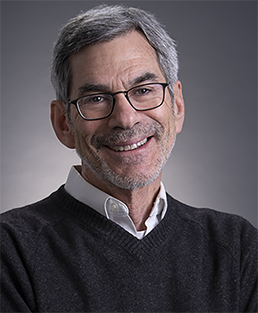 Joel B. Greenhouse合作论文数Department of Statistics&Data Science, Dietrich College of Humanities and Social Sciences, Carnegie Mellon University11
 Sarah Grace Dalton合作论文数Marquette Univ8
 Fasih Haider合作论文数Usher Institute, Edinburgh Medical School,The University of Edinburgh7Carol S. Swindell合作论文数7
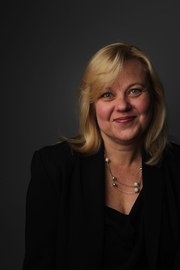 Leanne Togher合作论文数Faculty of Health Sciences, The University of Sydney7
 Saturnino Luz合作论文数Usher Institute, The University of Edinburgh;Edinburgh Medical School, The University of Edinburgh7Emma Power合作论文数6
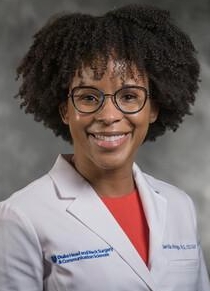 Jamila Minga合作论文数Minga Right Hemisphere Communication Laboratory, Department of Head and Neck Surgery and Communication Sciences, Duke University School of Medicine6Alyssa Lanzi合作论文数5
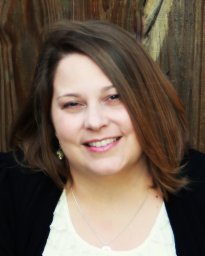 Jessica Richardson合作论文数5A L Holland合作论文数4
 Brielle C Stark合作论文数Department of Speech, Language and Hearing Sciences, Indiana University4
 Sofia De La Fuente Garcia合作论文数Usher Institute, Edinburgh Medical School,The University of Edinburgh4
 Joanne Steel合作论文数Speech Pathology, The University of Newcastle4Matthew L. Cohen合作论文数3Ioannis Kompatsiaris合作论文数3
 Anna K. Saylor合作论文数Department of Communication Sciences and Disorders, University of Delaware3
 Ioulietta Lazarou合作论文数Ctr Res & Technol Hellas CERTH, Informat Technol Inst ITI3Swindell C S合作论文数3
 Adam Jacks合作论文数Division of Speech and Hearing Sciences, Department of Allied Health Sciences, School of Medicine, The University of North Carolina at Chapel Hil3
 Amy E Ramage合作论文数Department of Speech and Hearing Sciences, University of Arizona3
 Elise Bogart合作论文数2Madyson Rowedder合作论文数2Kristen Apple合作论文数2Margie Forbes合作论文数2
 Houjun Liu合作论文数The Nueva School2
 Manaswita Dutta合作论文数Rush Univ2Tyson G Harmon合作论文数2
 Lucy Bryant合作论文数Grad Sch Hlth, Univ Technol Sydney2
 Elise Elbourn合作论文数School of Health Sciences, Faculty of Medicine and Health, The University of Sydney2Turkstra Lyn S合作论文数2
 Brunner Melissa合作论文数Faculty of Education and Arts, University of Newcastle2
 Yaning Chang (張亞寧)合作论文数Miin Wu School of Computing, National Cheng Kung University2
 Kenny Belinda J合作论文数2
 Skye Mcdonald合作论文数School of Psychology, Faculty of Science, The University of New South Wales2Jacquie Kurland合作论文数Harold Goodglass Boston University Aphasia Research Center, Boston University School of Medicine and the Veterans Affairs Boston Healthcare System2
 Heather Harris Wright合作论文数The University of Kentucky2Laura L. Murray合作论文数2Eugene Z. Oddone合作论文数2Yi-Chien Liu合作论文数1Sophia Hill合作论文数1gretchen beideman szabo合作论文数1
 Stephanie Gutierrez合作论文数1
 Steffi Chern合作论文数1Katy McKinney-Bock合作论文数Oregon Health & Science University1Katharine Aveni合作论文数Roxelyn & Richard Pepper Dept Commun Sci & Disord, Northwestern Univ1




