BACKGROUND Randomized trials of chronic total occlusion (CTO) revascularization vs medical therapy have yielded inconsistent results. OBJECTIVES The aim of this study was to evaluate outcomes with an initial invasive strategy (INV) vs an initial conservative strategy (CON) in patients with coronary computed tomographic angiography (CCTA)-determined CTO in the ISCHEMIA (International Study of Comparative Health Effectiveness With Medical and Invasive Approaches) trial. METHODS Participants in ISCHEMIA who underwent CCTA evaluated for CTO by the core laboratory (3,113 of 5,179 randomized patients [60%]) were categorized into subgroups with (100% stenosis) and without (<100% stenosis) CTO. Primary analysis compared outcomes in those randomized to INV vs CON using an intention-to-treat approach. Secondary analyses compared outcomes using inverse probability weighting to model successful CTO revascularization (REV) in all INV participants vs CON participants. RESULTS Of the 3,113 CCTA-evaluable participants, 1,470 had at least 1 CTO (752 INV and 718 CON). INV did not reduce cardiovascular (CV) death or myocardial infarction (MI) (5-year difference-3.5%; 95% CI:-7.8% to 0.8%) and resulted in more procedural MIs (2.5%; 95% CI: 1.0%-4.0%) but fewer spontaneous MIs (-6.3%; 95% CI:-9.7% to-3.2%) than CON. CTO REV modeled across INV had a high probability (>90%) of any lower CV death or MI, MI, spontaneous MI, unstable angina, and heart failure counterbalanced by a higher rate of procedural MI. CTO REV significantly improved angina-related quality of life (mean difference 4.6 points), Rose Dyspnea Scale score (rescaled) (mean difference 5.3 points), and EQ-5D visual analog scale score (4.6 points). CONCLUSIONS In the ISCHEMIA trial, the risks and benefits of INV compared with CON were similar among patients with and without CCTA-determined CTO (more frequent procedural MI, less frequent spontaneous MI, and significantly improved angina and dyspnea-related quality of life). In an observational comparison, successful CTO REV was associated with a high probability of lower CV death or MI (driven by lower MI) compared with CON.
This Viewpoint describes the diffusion of direct-to-consumer wearable devices capable of early atrial fibrillation detection and the unclear implications for initiation of anticoagulation therapy based on such findings.
BACKGROUND:In ISCHEMIA (International Study of Comparative Health Effectiveness With Medical and Invasive Approaches), an invasive strategy demonstrated better health status outcomes than a conservative strategy in patients with chronic coronary disease (CCD). Some previous studies have shown greater health status benefits with coronary artery bypass grafting (CABG) than percutaneous coronary intervention (PCI). Whether the health status benefits of invasive management in ISCHEMIA were driven primarily by participants treated with CABG is unknown. METHODS:The aim of this analysis was to describe the health status outcomes of participants treated with a conservative strategy (n=2232) compared with invasively managed participants treated with PCI (n=1198) or CABG (n=340) in ISCHEMIA. The Seattle Angina Questionnaire-7 summary score (SAQ-SS) and angina frequency score (SAQ-AF) were the primary outcomes, with higher scores indicating better health status. Proportional odds models comparing 1- and 3-year outcomes were fit, adjusting for demographic, clinical, and angiographic characteristics. RESULTS:SAQ-SS in the conservative, PCI, and CABG groups increased by 9.9±18.1, 15.7±19.3, and 16.1±19.1 points at 1 year and 11.5±20.2, 16.5±21.8, and 15.0±19.4 points at 3 years, respectively. Freedom from angina in the conservative, PCI, and CABG groups was noted in 61.4%, 73.3%, and 82.4% at 1 year and 70.4%, 76.1%, 81.4% at 3 years, respectively. In risk-adjusted analyses, PCI and CABG were each associated with a higher SAQ-SS and SAQ-AF at 1 and 3 years compared with conservative management. SAQ-AF was higher with CABG than PCI at 1 year (odds ratio, 1.54 [95% CI, 1.03, 2.31]), but no differences between CABG and PCI were observed in SAQ-SS (odds ratio, 1.11 [95% CI, 0.78, 1.57]) or SAQ-AF (odds ratio, 0.94 [95% CI, 0.58, 1.54]) at 3 years. CONCLUSIONS:In ISCHEMIA, both PCI and CABG were associated with better 3-year health status than conservative management. Better angina relief with CABG than PCI was seen at 1, but not 3, years. REGISTRATION:URL: https://www.clinicaltrials.gov; Unique identifier: NCT01471522.
BACKGROUND:Ablation of atrial fibrillation can restore normal heart rhythm, but its effect on clinical outcomes is uncertain. PURPOSE:To determine the effect of ablation on ischemic stroke at more than 30 days (primary outcome). DATA SOURCES:Search of 9 databases without language restrictions from 1 January 1987 to 13 September 2024, and bridge search of 2 databases to 1 May 2025. STUDY SELECTION:Randomized controlled trials of catheter or surgical ablation versus no ablation that had at least 1 month of follow-up and reported stroke and/or mortality. DATA EXTRACTION:Dual independent data extraction and risk-of-bias assessment. DATA SYNTHESIS:Compared with medical therapy, catheter ablation reduced risks for ischemic stroke after 30 days (relative risk [RR], 0.63 [95% CI, 0.43 to 0.92]), mortality (RR, 0.73 [CI, 0.60 to 0.88]), and heart failure (HF) hospitalization (RR, 0.68 [CI, 0.55 to 0.85]). However, catheter ablation increased the RR for ischemic stroke at or before 30 days (6.81 [CI, 1.56 to 29.8]) such that the RRs were 0.77 (CI, 0.55 to 1.09) for any ischemic stroke and 0.77 (CI, 0.57 to 1.05) for all strokes. Surgical ablation reduced the RRs for ischemic stroke (0.54 [CI, 0.34 to 0.86]) and stroke from any cause (0.54 [CI, 0.35 to 0.82]) but had uncertain benefit for other outcomes; RRs were 0.63 (CI, 0.37 to 1.06) for ischemic stroke after 30 days, 0.90 (CI, 0.70 to 1.15) for mortality, and 0.90 (CI, 0.60 to 1.35) for HF hospitalization. LIMITATIONS:Clinical heterogeneity of trials, lack of participant-level data, and inclusion of unblinded trials. CONCLUSION:Catheter ablation reduced the risks for ischemic stroke at more than 30 days, mortality, and HF hospitalization. Surgical ablation had uncertain benefit, except for stroke. PRIMARY FUNDING SOURCE:National Center for Advancing Translational Sciences of the National Institutes of Health (Awards TL1TR002344 and UL1TR002345). (PROSPERO: CRD42023409751).
In 2013, the Trial to Assess Chelation Therapy (TACT) reported that in 1708 patients with stable coronary disease and prior myocardial infarction (MI), oral multivitamins and multiminerals (OMVMs), in a factorial design with edetate disodium (EDTA) chelation therapy, did not reduce cardiovascular events relative to placebo OMVMs, but active EDTA combined with active OMVMs was superior to placebo OMVM/placebo EDTA. To compare OMVM vs placebo in terms of efficacy for reducing major adverse cardiovascular events in patients with diabetes and prior MI. The TACT2 randomized, multicenter double-masked 2 × 2 factorial clinical trial took place across 88 sites in the US and Canada. Participants were 50 years or older, had diabetes, and had an MI 6 weeks ago or more. TACT2 participants were enrolled between September 2016 and December 2020. Data were collected between October 2016 and June 2023. Six caplets daily of a 28 component OMVM or matching OMVM placebo, and 40 weekly infusions of an EDTA-based chelation solution or matching placebo, in a 1:1:1:1 allocation ratio. The primary end point was the composite of all-cause mortality, MI, stroke, coronary revascularization, or hospitalization for unstable angina. A total of 1000 participants were randomized (500 in the active OMVM group and 500 in the placebo group). The median (IQR) age was 67 (60-72) years, and 730 (73%) were male. Median (IQR) follow-up was 48 (34-58) months. The primary end point occurred in 175 participants (35%) in the active OMVM group and 175 (35%) in the placebo group (hazard ratio [HR], 0.99 [95% CI, 0.80-1.22]; P = .92). The 5-year event rate for the primary end point in the EDTA chelation + active OMVM group was 34.0%; in the EDTA chelation + placebo OMVM group, 35.7%; in the placebo infusion + active OMVM group, 36.0%; and in the placebo infusion + placebo OMVM group, 34.3%. The comparison of the active infusion + active OMVM with the placebo infusion + placebo OMVM was not significant (HR, 0.91 [95% CI, 0.67-1.23]; P = .54). Although nonsignificant, there was a numerically higher event rate of MI, stroke, mortality from cardiovascular causes in the active OMVM compared to placebo OMVM group. The results of this randomized clinical trial demonstrated that, for participants with chronic coronary disease, diabetes, and a previous MI, high-dose OMVM alone or in conjunction with EDTA-based chelation did not reduce cardiovascular events. ClinicalTrials.gov Identifier: NCT02733185
Importance:In 2013, the Trial to Assess Chelation Therapy (TACT) reported that in 1708 patients with stable coronary disease and prior myocardial infarction (MI), oral multivitamins and multiminerals (OMVMs), in a factorial design with edetate disodium (EDTA) chelation therapy, did not reduce cardiovascular events relative to placebo OMVMs, but active EDTA combined with active OMVMs was superior to placebo OMVM/placebo EDTA. Objective:To compare OMVM vs placebo in terms of efficacy for reducing major adverse cardiovascular events in patients with diabetes and prior MI. Design, Setting, and Participants:The TACT2 randomized, multicenter double-masked 2 × 2 factorial clinical trial took place across 88 sites in the US and Canada. Participants were 50 years or older, had diabetes, and had an MI 6 weeks ago or more. TACT2 participants were enrolled between September 2016 and December 2020. Data were collected between October 2016 and June 2023. Interventions:Six caplets daily of a 28 component OMVM or matching OMVM placebo, and 40 weekly infusions of an EDTA-based chelation solution or matching placebo, in a 1:1:1:1 allocation ratio. Main Outcomes and Measures:The primary end point was the composite of all-cause mortality, MI, stroke, coronary revascularization, or hospitalization for unstable angina. Results:A total of 1000 participants were randomized (500 in the active OMVM group and 500 in the placebo group). The median (IQR) age was 67 (60-72) years, and 730 (73%) were male. Median (IQR) follow-up was 48 (34-58) months. The primary end point occurred in 175 participants (35%) in the active OMVM group and 175 (35%) in the placebo group (hazard ratio [HR], 0.99 [95% CI, 0.80-1.22]; P = .92). The 5-year event rate for the primary end point in the EDTA chelation + active OMVM group was 34.0%; in the EDTA chelation + placebo OMVM group, 35.7%; in the placebo infusion + active OMVM group, 36.0%; and in the placebo infusion + placebo OMVM group, 34.3%. The comparison of the active infusion + active OMVM with the placebo infusion + placebo OMVM was not significant (HR, 0.91 [95% CI, 0.67-1.23]; P = .54). Although nonsignificant, there was a numerically higher event rate of MI, stroke, mortality from cardiovascular causes in the active OMVM compared to placebo OMVM group. Conclusions and Relevance:The results of this randomized clinical trial demonstrated that, for participants with chronic coronary disease, diabetes, and a previous MI, high-dose OMVM alone or in conjunction with EDTA-based chelation did not reduce cardiovascular events. Trial Registration:ClinicalTrials.gov Identifier: NCT02733185.
Background Clinical trials typically report average health status outcomes by treatment at single points in time, as opposed to participants’ trajectories (or journeys) over time. Although ISCHEMIA (International Study of Comparative Health Effectiveness with Medical and Invasive Approaches) demonstrated better mean health status at discrete times with an invasive treatment among those with baseline angina, the patterns of individual participants’ angina over time are unknown. Objectives The purpose of this study was to identify patterns of individual participants’ angina over time after invasive or conservative management strategies for chronic coronary disease. Methods In this secondary analysis of the ISCHEMIA trial, which enrolled participants with chronic coronary disease and moderate to severe ischemia from July 2012 to January 2018, we used ordinal latent trajectory analysis to assess angina frequency over a 2-year period, separately for participants assigned to the initial invasive and initial conservative arms. Angina frequency was defined using the SAQ-AF (Seattle Angina Questionnaire Angina Frequency) score, recategorized as daily/weekly (0-60 points), monthly (61-99 points), and no angina (100 points). Participants without baseline angina were excluded. Results Among 2,977 participants with baseline angina, 1,505 (50.6%) were randomized to initial invasive and 1,472 (49.4%) to initial conservative management; baseline characteristics were well balanced between groups. Six distinct patterns of angina trajectories were identified in each arm and were qualitatively similar: 1) rapid resolution; 2) gradual resolution; 3) early improvement with persistent infrequent angina; 4) severe angina with improvement; 5) modest angina with minimal change; and 6) severe angina without improvement. In the invasive group, the most common patterns included rapid resolution (27.1%) and early improvement with persistent infrequent angina (32.1%), whereas the conservative group more often showed modest angina with minimal change (42.1%) and fewer cases of rapid resolution (12.8%) or early improvement with persistent infrequent angina (10.2%). Conclusions Patients with chronic coronary disease and angina experienced diverse symptom trajectories, ranging from rapid resolution to severe or persistent angina. A greater proportion of conservatively managed patients experienced unfavorable angina patterns over 2 years compared with those treated invasively. When health status is monitored over time, such patterns may help identify patients with persistent symptoms who could benefit from additional therapy. (International Study of Comparative Health Effectiveness With Medical and Invasive Approaches [ISCHEMIA]; NCT01471522)
BACKGROUND:In the ISCHEMIA Trial, 5,179 patients with stable coronary disease were randomized to initial invasive or conservative management. METHODS:PCI was recommended with a SYNTAX score 0 to 22 (low) and CABG with a SYNTAX score ≥33 (high). Either could be recommended for intermediate scores. The composite primary outcome was cardiovascular death, MI, or hospitalization for unstable angina, heart failure, or resuscitated cardiac arrest. There were 2 cohorts in this analysis. The descriptive cohort included patients who underwent CABG or PCI within 180 days of randomization and had no primary outcome before revascularization. The comparative cohort excluded patients with prior CABG, single vessel disease, SYNTAX score ≥ 45, and without core laboratory assessment. We focused on the intermediate (23-32) SYNTAX comparative group for which either CABG or PCI could be recommended. RESULTS:For 1,935 patients in the descriptive cohort (485 CABG, 1,450 PCI), the SYNTAX score was 27.3 ± 11.0 in the CABG group and 15.3 ± 8.6 in the PCI group, P < .0001. Most patients with low SYNTAX scores underwent PCI (87.1%), while most with high SYNTAX scores underwent CABG (72.6%). For the 1,203 patients (385 CABG, 818 PCI) in the comparative cohort, the adjusted 4-year primary event rate was 14.5% for CABG and 13.2% for PCI (difference 1.3%, 95% CI, -4.9% to 7.7%). For the 346 patients (163 CABG, 183 PCI) in the intermediate SYNTAX group, the adjusted 4-year primary event rate was 10.6% for CABG and 18.3% for PCI (difference -7.6%, 95% CI, -16.1% to 0.9%). CONCLUSIONS:Selection of revascularization method resulted in more PCI in the low SYNTAX group and more CABG in the high SYNTAX group. There was no statistical evidence of a difference between PCI and CABG in the intermediate SYNTAX group but the CIs are broad, reflecting uncertainty. CLINICAL TRIALS: GOV IDENTIFIER:NCT01471522; https://clinicaltrials.gov/ct2/show/NCT01471522.
Background: Discrepancies often exist between patient-reported symptoms and diagnostic test findings in patients with suspected obstructive coronary artery disease (CAD). Objectives: To quantify the association between patient-reported symptoms and the diagnosis of severe stenosis in patients with suspected obstructive CAD. Methods: Two large-scale cohorts of patients with new-onset symptoms suggestive of obstructive CAD were evaluated. Chest discomfort was assessed by typicality, location, type, exertional/stress factors, and relief with rest/nitroglycerine. Patients underwent non-invasive diagnostic testing (coronary computed tomographic angiography (CCTA) or functional testing), followed by test-result-driven invasive coronary angiography (ICA). Severe stenosis was defined as >70 % diameter stenosis on ICA. Sensitivity analyses included CCTA stenosis, functional abnormalities, and revascularization. Results: Of 14,410 patients, 2093 (14.5 %) were referred for ICA, and 765 (5.3 %) were diagnosed with severe stenosis. Patients with typical angina (n = 224) had higher odds of being diagnosed with severe stenosis on ICA (OR and 95 % CIs: 2.84 [2.40-3.34]) than those with atypical or non-anginal symptoms. In patients diagnosed with severe stenosis on ICA, those with exertional/stress factors (n = 418; OR [95 % CI]: 2.50 [2.16-2.90]) and relief with rest/nitroglycerine (n = 318, 2.28; [1.96-2.65]) had higher odds compared to those without. Patients reporting pressure or burning pain had higher odds of severe stenosis. Associations were consistent across sex and age groups, and sensitivity references. Conclusions: Exertional/stress-related chest discomfort and relief with rest/nitroglycerine increased the odds of severe stenosis in patients with suspected CAD undergoing test-result-driven ICA, while location and type of chest pain were less associated, with no differences across sex or age groups.
Background: The MADIT-ICD Benefit Score (MIBS) predicts ICD VT/VF shocks vs. non-arrhythmic death and divides patients into three predicted ICD benefit groups. Objective: The actual utility of the MIBS in primary prevention ICDs clinical trial with a control has not been evaluated. Methods: MIBS continuous score and categories (lowest, intermediate and highest ICD benefit) were derived for patients in SCD-HeFT in ICD and control arms. VT/VF therapy (Shock) vs. non-arrhythmic death (NAD) was compared across risk categories. The observed ICD hazard ratio for all-cause mortality was calculated for categories. SCD-HeFT ICD programming was 18 of 24 beats with a single rate zone of 188 bpm. Comparison was made with the Seattle Proportional Risk Model (SPRM) quartiles (predicts proportion of sudden vs. non-sudden death). Results: MIBS ranged from 2-91 with mean of 54±18 with lowest (<25), intermediate (25-75), and highest (>75) ICD benefit categories of 17%, 68% and 15%. The first event was a Shock (62%) vs. NAD (38%). The MIBS Category with highest ratio of Shock/NAD was the intermediate group with 2-fold difference due to higher Shock rates. Shock vs. NAD was similar in the lowest and highest ICD benefit groups. SPRM had a 10-fold difference in the Shock/NAD, due 90% lower NAD. The ICD benefit was least in the Intermediate MIBS group (interaction P=0.69) and the lowest quartile of the SPRM (interaction P<0.001). The ICD hazard ratio was similar for MIBS <50 (n=503, 0.72) vs. >50 (n=1173, 0.76) with a nonsignificant interaction p value (0.78). Conclusion: The MADIT-ICD Benefit Score did not validate for VT/VF Shock and Non-arrhythmic death or predict a variable ICD benefit for all-cause mortality in SCD-HeFT. The SPRM had a 10-fold difference in the ratio of Shock/NAD and a significant difference in ICD benefit. Reasons for this difference may be due to different patient populations, therapies (CRT or not), ICD programming, or background medications. Application: MADIT-ICD Benefit Score should be validated in other ICD trials to ascertain the utility of the risk model in predicting ICD benefit.
Importance:Symptoms suggestive of coronary artery disease (CAD) often require noninvasive testing for diagnostic and prognostic evaluation. Objective:To determine long-term outcomes in patients randomized to functional (stress) vs anatomic (coronary computed tomographic angiography [CTA]) initial testing. Design, Setting, and Participants:This study is a 2025 follow-up analysis of mortality of participants in the PROMISE (Prospective Multicenter Imaging Study for Evaluation of Chest Pain) randomized clinical trial, which was conducted from 2009 to 2014, using a 2024 National Death Index search. Median (IQR) follow-up duration was 10.6 (9.9-11.3) years; maximum follow-up was 12.4 years. PROMISE was conducted at 193 multispecialty outpatient sites in North America among 10 003 symptomatic patients requiring testing for suspected CAD. Data analysis was conducted from August 2024 to March 2025. Intervention:Participants were randomized 1:1 to initial CTA or stress testing. Testing and subsequent care were performed by sites according to usual practices. Main Outcomes and Measures:The PROMISE trial's original primary end point was death, myocardial infarction, unstable angina hospitalization, or major procedural complication. The primary end point for extended follow-up was all-cause death, with cardiovascular (CV) death as a secondary end point. Results:At enrollment, mean (SD) participant age was 61 (8) years, 5270 participants (52.7%) were women, and 8762 (87.6%) had chest pain or dyspnea. Death occurred in 1128 participants (14.4%), including 558 (14.3%) in the CTA arm and 570 (14.5%) in the stress arm (unadjusted hazard ratio [HR], 0.98; 95% CI, 0.87-1.10). There was no demonstrable difference in cardiovascular mortality, although the point estimate favored CTA (HR, 0.84; 95% CI, 0.67-1.05; adjusted HR, 0.89; 95% CI, 0.41-1.94). There were no significant interactions between all-cause death or CV death and study arm by age (<60 or ≥60 years) (P value for interaction = .19), gender (P value for interaction = .60), or race and ethnicity (P value for interaction = .47). A CTA indicating any degree of abnormality, including mild (nonobstructive CAD), moderate, and severe findings, conferred elevated adjusted HRs of death (1.99-3.44; all P < .001) compared to normal study results. Among stress testing results, only a severe abnormality was prognostically significant (HR, 1.45; 95% CI, 1.10-1.91). In landmark analyses of those alive at 90 days, there were no interactions between randomized testing and use of statins (P value for interaction = .22), β-blockers (P value for interaction = .76), or antiplatelet agents (P value for interaction = .49). Conclusions and Relevance:In long-term follow-up of the PROMISE randomized clinical trial, initial noninvasive test selection in patients with stable symptoms of suspected CAD did not affect all-cause or CV mortality at 10 years. Trial Registration:ClinicalTrials.gov Identifier: NCT01174550.
Atrial fibrillation (AF) and heart failure with a preserved ejection fraction (HFpEF) frequently co-exist and are associated with high cardiovascular morbidity and mortality. The management of AF in HFpEF requires a multifaceted and integrated approach that includes the initiation of evidence-based medical therapies for heart failure, control of arrhythmia symptoms and burden with rhythm or rate control, assessment of thromboembolic risk with treatment, and aggressive control of common clinical comorbidities. The optimal management strategy of AF is uncertain though subanalyses of randomized trials and retrospective studies suggest an improvement in cardiovascular outcomes with a catheter ablation-based rhythm control strategy, especially in patients with HFpEF and paroxysmal or early persistent AF. In this review, we summarize this integrated approach to the management of AF in HFpEF, examine the evidence for recommending first-line rhythm versus rate control, and highlight key areas in need of further study.
Introduction: Bystander defibrillation remains low throughout the US (1-4%). The REciprocal InnovationS TO ImpRovE Cardiovascular CARE in Rural America (RESTORe-CARE) project is designed to develop and pilot a drone-delivered AED program in two counties. While partners may likely be supportive of a drone-delivered AED program, understanding differences in perceived challenges by organizational role may be critical to future adoption. Objectives: We sought to examine out-of-hospital systems of care perspectives and acceptability of the drone-delivered AED program to inform subsequent implementation. Methods: We developed a multiple methods survey informed by the Consolidated Framework for Implementation Research, which is a conceptual framework that guides the systematic assessment of implementation. Surveys were collected from Forsyth County, NC and James City, VA. We categorized partners by role (Emergency Medical Services (EMS), Sheriff/9-1-1, Medical/9-1-1, Fire/First Responders, and Other) and examined differences in responses by role and location. The survey data were analyzed using Pearson’s Chi-squared test. Qualitative data were reported by top salient themes. Results: From 4/2024-8/2024, 102 surveys were completed; 10% (EMS), 42% (Sheriff/9-1-1), 8% (Medical/9-1-1), 21% (Fire/Fire Responders), and 19% (Other). Experience with drones varied, with individuals expressing no experience with using drones and experience using drones in emergencies (Table 1). When queried about the extent implementing the drone program provided an advantage to their organization, responses varied by primary role (p=0.04; great extent: 22% EMS, 47% Sheriff, 50% Medical 911, 57% Fire, 18% Other) and location (p=0.01; great extent: 48% Forsyth County, 38% James City County). When asked about their expectation of drone-delivered AED program effectiveness, responses varied by primary role (p<0.01; Very effective/effective: 38% EMS, 41% Sheriff, 44% Medical 911, 68% Fire, 30% Other). Participants mentioned uncertainty in drone response times compared to those of traditional law enforcement units and concerns around insufficient staffing/resources and cost (Table 1). Conclusion: Perspectives of the drone-delivered AED intervention differed by organizational partner role. Understanding differences by role may inform future adoption of our developing drone-delivered AED program. This process may generalize to other innovative, emergent cardiac arrest interventions.
BackgroundThe ISCHEMIA trial found that patients with chronic coronary disease randomized to invasive strategy had better health status than those randomized to conservative strategy. It is unclear how best to translate these population-level results to individual patients.ObjectivesThe authors sought to identify patient characteristics associated with health status from invasive and conservative strategies, and develop a prediction algorithm for shared decision-making.MethodsOne-year disease-specific health status was assessed in ISCHEMIA with the Seattle Angina Questionnaire (SAQ) Summary Score (SAQ SS) and Angina Frequency, Physical Limitations (PL), and Quality of Life (QL) domains (range 0-100, higher = less angina/better health status).ResultsAmong 4,617 patients from 320 sites in 37 countries, mean SAQ SS was 74.1 ± 18.9 at baseline and 85.7 ± 15.6 at 1 year. Lower baseline SAQ SS and younger age were associated with better 1-year health status with invasive strategy (P interaction = 0.009 and P interaction = 0.004, respectively). For the individual domains, there were significant treatment interactions for baseline SAQ score (Angina Frequency, PL), age (PL, QL), anterior ischemia (PL), and number of baseline antianginal medications (QL), with more benefit of invasive in patients with worse baseline health status, younger age, anterior ischemia, and on more antianginal medications. Parsimonious prediction models were developed for 1-year SAQ domains with invasive or conservative strategies to support shared decision-making.ConclusionsIn the management of chronic coronary disease, individual patient characteristics are associated with 1-year health status, with younger age and poorer angina-related health status showing greater benefit from invasive management. This prediction algorithm can support the translation of the ISCHEMIA trial results to individual patients. (International Study of Comparative Health Effectiveness With Medical and Invasive Approaches [ISCHEMIA]; NCT01471522)
Introduction: Each year in the U.S., over 350,000 people experience out-of-hospital cardiac arrests (OHCA), with a survival rate of just 10%. Most do not receive bystander CPR before professional rescuers arrive. Telecommunicator CPR (T-CPR) allows dispatchers to guide callers in performing CPR, a practice recommended by the American Heart Association (AHA). This study investigates the association between T-CPR and time to first compression and clinical outcomes. Methods: This analysis included all OHCAs in North Carolina (NC) from July 1, 2022, to December 31, 2023, with data from the RACE-CARS trial embedded in the Cardiac Arrest Registry to Enhance Survival (CARES) dispatch module. Exclusions were pediatric, traumatic, EMS-witnessed arrests, cases in healthcare facilities, and cases where CPR was already in progress or data on dispatcher recognition of need for CPR were missing. The primary outcome was survival to hospital discharge with good neurological function (cerebral performance category 1 or 2). Results: Overall,1,903 OHCA cases met the inclusion criteria. Median (25 th - 75 th percentiles) age was 64 (50-75) years, 29.0% were Black, and 37.6% were female. Dispatchers recognized the need for CPR in 81.6% of cases and chest compressions were initiated in 63.0%. Median times from call receipt were: 87 sec (52-158) to recognition of cardiac arrest, 137 sec (88-215) to T-CPR instructions, and 213 sec (151-293) to first compression. Of the 997 cases with information available, 24.6% met the AHA-recommended time of <150 sec from call to first chest compression. Among patients meeting those criteria, there was a trend towards higher survival with good neurological outcomes compared to those that did not meet the benchmark (10.2% vs. 8.3%, p=0.4). Conclusions: In this contemporary OHCA population in NC, the AHA benchmark of median time from call to recognition of <90 sec was met while the benchmark for time from call to first chest compression <150 sec was not met in most cases. In patients with time to first chest compression of <150 sec, a numerically higher survival rate with good neurological outcome was observed but this was not statistically significant. These results emphasize the need for enhanced strategies to overcome barriers and improve T-CPR performance as part of the comprehensive strategy to improve cardiac arrest survival. Further analyses with adjustments for confounders are necessary to fully understand the implications of these findings.
Out-of-hospital cardiac arrest (OHCA) occurs in nearly 350,000 people each year in the United States (US). Despite advances in pre and in-hospital care, OHCA survival remains low and is highly variable across systems and regions. The critical barrier to improving cardiac arrest outcomes is not a lack of knowledge about effective interventions, but rather the widespread lack of systems of care to deliver interventions known to be successful. The RAndomized Cluster Evaluation of Cardiac ARrest Systems (RACE-CARS) trial is a 7-year pragmatic, cluster-randomized trial of 62 counties (57 clusters) in North Carolina using an established registry and is testing whether implementation of a customized set of strategically targeted community-based interventions improves survival to hospital discharge with good neurologic function in OHCA relative to control/standard care. The multifaceted intervention comprises rapid cardiac arrest recognition and systematic bystander CPR instructions by 9-1-1 telecommunicators, comprehensive community CPR training and enhanced early automated external defibrillator (AED) use prior to emergency medical systems (EMS) arrival. Approximately 20,000 patients are expected to be enrolled in the RACE CARS Trial over 4 years of the assessment period. The primary endpoint is survival to hospital discharge with good neurologic outcome defined as a cerebral performance category (CPC) of 1 or 2. Secondary outcomes include the rate of bystander CPR, defibrillation prior to arrival of EMS, and quality of life. We aim to identify successful community- and systems-based strategies to improve outcomes of OHCA using a cluster randomized-controlled trial design that aims to provide a high level of evidence for future application.
 Kerry L. Lee合作论文数Department of Biostatistics & Bioinformatics, School of Medicine, Duke University;Duke Clinical Research Institute182
 Robert M. Califf合作论文数Food and Drug Administration129
 Kevin Anstrom合作论文数Department of Biostatistics, Gillings School of Global Public Health, University of North Carolina at Chapel Hill;Collaborative Studies Coordinating Center, University of North Carolina at Chapel Hill101
 Db Pryor合作论文数90
 Jeanne E. Poole合作论文数University of Washington Medical Center86
 Mark A. Hlatky合作论文数Department of Health Policy, School of Medicine, Stanford University84
 Eric Peterson合作论文数Cardiology Division, Department of Internal Medicine, The University of Texas Southwestern Medical Center80
 Pamela Susan Douglas合作论文数Division of Cardiology, Department of Medicine, Duke University School of Medicine;Duke Clinical Research Institute, Duke University School of Medicine58
 Jill Anderson合作论文数55George Johnson合作论文数54
 Christopher Bull Granger合作论文数Department of Medicine, School of Medicine, Duke University;School of Nursing, Duke University54
 Anne (Sidlo) Hellkamp合作论文数Duke Clinical Research Institute53Gust H. Bardy合作论文数52
 Linda Davidson-Ray合作论文数Duke Clinical Research Institute, Duke University51
 Gervasio A. Lamas合作论文数Vagelos College of Physicians and Surgeons, Columbia University Irving Medical Center49
 James Gerard Jollis合作论文数Division of Cardiology, Department of Medicine, School of Medicine, Duke University;Wakemed Cary Hospital48
 Hussein Al-Khalidi合作论文数Department of Biostatistics and Bioinformatics, Duke University School of Medicine46
 Udo Hoffmann合作论文数Cleerly;Innovative Imaging Consulting, LLC45Er Delong合作论文数43Patricia Agnes Cowper合作论文数Department of Medicine, Duke University School of Medicine42
 Judith S. Hochman合作论文数Department of Medicine, Grossman School of Medicine, New York University42Kl Lee合作论文数41Lh Muhlbaier合作论文数39
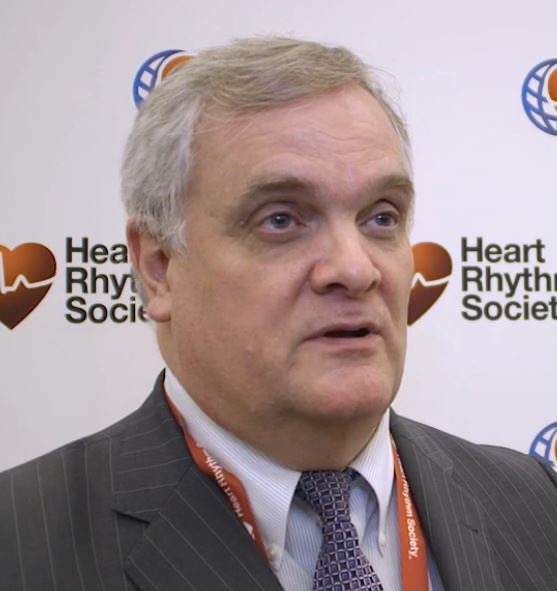 Douglas L Packer合作论文数Division of Cardiac Electrophysiology, Department of Cardiovascular Diseases, Mayo Clinic;Translational Electrophysiology Research Laboratory, Mayo Clinic39
 Harmony R. Reynolds合作论文数Department of Medicine, Grossman School of Medicine, New York University;Cardiovascular Clinical Research Center, Grossman School of Medicine, New York University37
 John A. Spertus合作论文数Healthcare Institute for Innovations in Quality, University of Missouri - Kansas City;School of Medicine, University of Missouri - Kansas City37
 Robin Boineau合作论文数37
 Eric Leo Eisenstein合作论文数Department of Medicine, Duke University School of Medicine36
 Gregg Stone合作论文数The Zena and Michael A. Wiener Cardiovascular Institute, Icahn School of Medicine at Mount Sinai36
 Sana Mustapha Al-Khatib合作论文数Department of Medicine, Duke University School of Medicine;Duke Clinical Research Institute, Duke University35
 Manesh Raman Patel合作论文数Division of Cardiology, Department of Medicine, Duke University School of Medicine;Division of Clinical Pharmacology, Department of Medicine, Duke University School of Medicine35
 Eric Topol合作论文数Department of Molecular Medicine, The Scripps Research Institute;Division of Cardiovascular Diseases, Scripps Clinic;Skaggs Graduate School of Chemical and Biological Sciences, The Scripps Research Institute33Yves Rosenberg合作论文数33
 Paul W Armstrong合作论文数Department of Medicine, Faculty of Medicine & Dentistry, University of Alberta;Virtual Coordinating Centre for Global Collaborative Cardiovascular Research, University of Alberta32Christopher M. O'Connor合作论文数32
 Sripal Bangalore合作论文数Department of Medicine, Grossman School of Medicine, New York University;Cardiac Catheterization Laboratory, Bellevue Hospital28
 David J. Maron合作论文数Division of Cardiovascular Medicine, Department of Medicine, Stanford University School of Medicine28Gillian D. Sanders合作论文数The Duke Clinical Research Institute28John Calvin Barefoot合作论文数Behavioral Medicine & Neurosciences Division, Department of Psychiatry and Behavioral Sciences, School of Medicine, Duke University27
 James Udelson合作论文数CardioVascular Center, Tufts University School of Medicine;Division of Cardiology, Tufts Medical Center, Tufts University27
 Erik Magnus Ohman合作论文数Department of Medicine, Duke University School of Medicine25Mona Fiuzat合作论文数25Cl Nelson合作论文数24Adrian Coles合作论文数24
 Ilene C. Siegler合作论文数Department of Psychology and Neuroscience, Trinity College of Arts & Sciences, Duke University24
 Frank E. Harrell合作论文数Department of Biostatistics, School of Medicine, Vanderbilt University Medical Center24Bardy Gust H合作论文数23
 Lawton S. Cooper合作论文数Division of Prevention and Population Sciences, National Heart, Lung, and Blood Institute, National Institutes of Health;Lawton Cooper Clinical Research Consulting23
 Karen Patton Alexander合作论文数Duke Clinical Research Institute, Duke University;Department of Medicine, School of Medicine, Duke University23




