The rapidity of change and increasing complexity of the academic medical center environment require a talented and engaged workforce with competencies in adaptability, capacity for working in empowered and diverse interprofessional teams, and self-efficacy. Radiology- a crosscutting field that interfaces with most other biomedical disciplines and that is often at the forefront of technological disruption-is a potentially ideal venue to focus professional and leadership development to create positive organizational value. In this report, we detail the design of and 9-year experience with a departmental leadership academy at a large academic center intended to foster team-based skills in early to midcareer faculty and staff. Over the past decade, 100 participants have completed the program with 80% retention, substantial professional growth, and increased capacity for mentoring others. This in-house, customized leadership development program is aligned with our strategic and cultural imperative to promote nimble, engaged, and empowered teams in a diverse and inclusive setting.
The redox potential of the plasma cysteine/cystine couple (EhCySS) is oxidized in association with risk factors for cardiovascular disease (CVD), including age, smoking, type 2 diabetes, obesity, and alcohol abuse. Previous in vitro findings support a cause–effect relationship for extracellular EhCySS in cell signaling pathways associated with CVD, including those controlling monocyte adhesion to endothelial cells. In this study, we provide evidence that mitochondria are a major source of reactive oxygen species (ROS) in the signaling response to a more oxidized extracellular EhCySS. This increase in ROS was blocked by overexpression of mitochondrial thioredoxin-2 (Trx2) in endothelial cells from Trx2-transgenic mice, suggesting that mitochondrial thiol antioxidant status plays a key role in this redox signaling mechanism. Mass spectrometry-based redox proteomics showed that several classes of plasma membrane and cytoskeletal proteins involved in inflammation responded to this redox switch, including vascular cell adhesion molecule, integrins, actin, and several Ras family GTPases. Together, the data show that the proinflammatory effects of oxidized plasma EhCySS are due to a mitochondrial signaling pathway that is mediated through redox control of downstream effector proteins.
Background - Recent in vitro studies have shown that disturbed flow and oxidative conditions induce the expression of bone morphogenic proteins (BMPs 2 and 4) in cultured endothelial cells. BMPs can stimulate superoxide production and inflammatory responses in endothelial cells, raising the possibility that BMPs may play a role in vascular diseases such as hypertension and atherosclerosis. In this study, we examined the hypothesis that BMP4 would induce hypertension in intact animals by increasing superoxide production from vascular nicotinamide adenine dinucleotide phosphate ( NADPH) oxidases and an impairment of vasodilation responses.Methods and Results - BMP4 infusion by osmotic pumps increased systolic blood pressure in a time- and dose-dependent manner in both C57BL/6 mice (from 101 to 125 mm Hg) and apolipoprotein E - null mice ( from 107 to 146 mm Hg) after 4 weeks. Cotreatment with the BMP antagonist noggin or the NADPH oxidase inhibitor apocynin completely blocked the BMP4 effect. In addition, BMP4 infusion stimulated aortic NADPH oxidase activity and impaired vasorelaxation, both of which were prevented either by coinfusing noggin or by treating the isolated aortas with apocynin. BMP4, however, did not cause significant changes in maximum relaxation induced by the endothelium-independent vasodilator nitroglycerin. Remarkably, BMP4 infusion failed to stimulate aortic NADPH oxidases, increase blood pressure, and impair vasodilation responses in p47phox-deficient mice.Conclusions - These results suggest that BMP4 infusion induces hypertension in mice in a vascular NADPH oxidase dependent manner and the subsequent endothelial dysfunction. We suggest that BMP4 is a novel mediator of endothelial dysfunction and hypertension and that noggin and its analogs could be used as therapeutic agents for treating vascular diseases.
Stem cell therapies will only become clinically relevant if the stem cells differentiated in vitro function as their in vivo counterparts. Here, we employed our previously developed techniques for deriving endothelial cells (>96% purity) from mouse embryonic stem cells (ESC) and compared these with mouse aortic endothelial cells (MAEC) obtained from thoracic aortas. Immunocytochemical analysis of ESC-derived endothelial cells (EC) demonstrates that both cell types are positive for the EC markers endothelial nitric oxide synthase (eNOS), Flk-1, Flt-1, vascular endothelial cadherin (VEcad), platelet-endothelial cell adhesion molecule-1 (PECAM-1), and CD34. However, ESC-derived EC express slightly lower levels of PECAM-1 and VE-cadherin, and significantly lower levels of acetylated low-density lipoprotein (LDL) uptake and von Willebrand factor. Although ESC-derived EC do express VE-cadherin, the VE-cadherin in the ESC-derived EC did not localize as well at the cell-cell junctions as in the MAEC. Interestingly, ESC-derived EC express much greater levels of the endothelial and hematopoietic stem cell marker CD34 and vasculogenic and angiogenic sprouting than MAEC. These results indicate that ESC-derived EC share some key characteristics of ‘mature’ EC, while retaining markers of alternate phenotypes including immature endothelium.
Reactive oxygen species (ROS) can stimulate nitric oxide (NO(*)) production from the endothelium by transient activation of endothelial nitric oxide synthase (eNOS). With continued or repeated exposure, NO(*) production is reduced, however. We investigated the early determinants of this decrease in NO(*) production. Following an initial H(2)O(2) exposure, endothelial cells responded by increasing NO(*) production measured electrochemically. NO(*) concentrations peaked by 10 min with a slow reduction over 30 min. The decrease in NO(*) at 30 min was associated with a 2.7-fold increase in O(2)(*-) production (p < 0.05) and a 14-fold reduction of the eNOS cofactor, tetrahydrobiopterin (BH(4), p < 0.05). Used as a probe for endothelial dysfunction, the integrated NO(*) production over 30 min upon repeated H(2)O(2) exposure was attenuated by 2.1-fold (p = 0.03). Endothelial dysfunction could be prevented by BH(4) cofactor supplementation, by scavenging O(2)(*-) or peroxynitrite (ONOO(-)), or by inhibiting the NADPH oxidase. Hydroxyl radical (()OH) scavenging did not have an effect. In summary, early H(2)O(2)-induced endothelial dysfunction was associated with a decreased BH(4) level and increased O(2)(*-) production. Dysfunction required O(2)(*-), ONOO(-), or a functional NADPH oxidase. Repeated activation of the NADPH oxidase by ROS may act as a feed forward system to promote endothelial dysfunction.
Reactive oxygen species (ROS) can stimulate nitric oxide (NOU) production from the endothelium by transient activation of endothelial nitric oxide synthase (eNOS). With continued or repeated exposure, NOUproduction is reduced, however. We investigated the early determinants of this decrease in NOU production. Following an initial H2O2 exposure, endothelial cells responded by increasing NO U production measured electrochemically. NOUconcentrations peaked by 10 min with a slow reduction over 30 min. The decrease in NOUat 30 min was associated with a 2.7-fold increase in O2 Uproduction (p < 0.05) and a 14-fold reduction of the eNOS cofactor, tetrahydrobiopterin (BH4, p < 0.05). Used as a probe for endothelial dysfunction, the integrated NOU production over 30 min upon repeated H2O2 exposure was attenuated by 2.1-fold (p = 0.03). Endothelial dysfunction could be prevented by BH4 cofactor supplementation, by scavenging O2Uor peroxynitrite (ONOO), or by inhibiting the NADPH oxidase. Hydroxyl radical (UOH) scavenging did not have an effect. In summary, early H2O2-induced endothelial dysfunction was associated with a decreased BH4 level and increased O2Uproduction. Dysfunction required O2U�, ONOO�, or a functional NADPH oxidase.
As a primary antioxidant, ascorbic acid (AA) provides beneficial effects for vascular health mitigating oxidative stress and endothelial dysfunction. However, the association of intracellular AA with NO production occurring inside the endothelial cells remains unclear. In the present study, we addressed this issue by increasing intracellular AA directly through de novo synthesis. To restore AA synthesis pathway, bovine aortic endothelial cells were transfected with the plasmid vector encoding l-gulono-1,4-lactone oxidase (GULO, EC 1.1.3.8), the missing enzyme converting l-gulono-1,4-lactone (GUL) to AA. Functional expression of GULO was verified by Western blotting and in vitro enzyme activity assay. GULO expression alone did not lead to AA synthesis but the supply of GUL resulted in a marked increase of intracellular AA. When the cells were stimulated with calcium ionophore, A23187, NO production was more active in the GULO-expressing cells supplied with GUL, in comparison with the cells without GULO expression or without GUL supply, indicating that intracellular AA regulated NO production. Enhancement of NO production by intracellular AA was further verified in aortic endothelial cells obtained from eNOS knockout mice that were cotransfected with eNOS and GULO constructs. GULO-dependent AA synthesis also elevated intracellular tetrahydrobiopterin content, implicating that this essential cofactor of endothelial nitric oxide synthase (eNOS) might mediate the AA effect. The present study strongly suggests that intracellular AA plays critical roles in vascular physiology through enhancing endothelial NO production.
 Hanjoong Jo合作论文数Department of Medicine, School of Medicine, Emory University;Wallace H. Coulter Department of Biomedical Engineering, College of Engineering, Georgia Institute of Technology6
 Sergey Dikalov合作论文数Division of Clinical Pharmacology, Department of Medicine, Vanderbilt University Medical Center4
 David Harrison合作论文数Department of Pharmacology, Vanderbilt University;Division of Clinical Pharmacology, Vanderbilt University;Center for Vascular Biology, Vanderbilt University3
 Dean Jones合作论文数Winship Cancer Institute, Emory University;Department of Biochemistry, Emory University School of Medicine;Division of Pulmonary, Allergy, Critical Care and Sleep Medicine, Department of Medicine, Emory University School of Medicine3
 Young-Mi Go合作论文数3Jon Allen合作论文数2Matthew S Reed合作论文数2
 Kara Mccloskey合作论文数Department of Chemical and Materials Engineering, School of Engineering, University of California, Merced2
 Michael Koval合作论文数Department of Medicine, School of Medicine, Emory University2Samuel C Dudley合作论文数2
 Jan Pohl合作论文数Ctr Dis Control & Prevent, Biotechnol Core Facil Branch, Atlanta, GA USA2
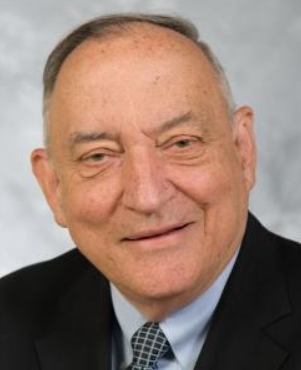 Robert M. Nerem合作论文数Georgia Institute of Technology2Yongliang Liang合作论文数2Beth M. Boulden合作论文数2Julian D. Widder合作论文数2Ruaa N. Al-Baldawi合作论文数2Christopher Mingone合作论文数1Maria C Gongora Nieto合作论文数1Sarah Tressel合作论文数1Narine Torosyan合作论文数1Karina Plakida合作论文数1Eugenia Elizarova合作论文数1Hyo Jung Kim合作论文数1
 Jennifer Johnson合作论文数Injury Prevention Center, Medical School, University of Michigan-Ann Arbor1Lee Duk-Hee合作论文数1Sorescu George P合作论文数1
 Mikhail Yurievich Menshikov合作论文数1Meltzer Carolyn C合作论文数1Bobik Alex合作论文数1
 Michael C. Orr合作论文数Stuttgart Naturkundemuseum1
 Julie Rice合作论文数1
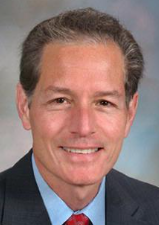 Bradford C. Berk合作论文数Department of Medicine, University of Rochester Medical Center1
 Elizabeth Krupinski合作论文数Department of Radiology and Imaging Sciences, School of Medicine, Emory University;Winship Cancer Institute, Emory University1Sang Il Lee合作论文数1Dorothy Nigro合作论文数1
 Kai Heckel合作论文数1
 V. V. Stepanova合作论文数Institute of Experimental Cardiology, Cardiology Research Center1Sean O. Hynes合作论文数1
 Olga S Plekhanova合作论文数1Sonja Schenkat合作论文数1Jinah Hwang合作论文数1
 Farshid Sharif合作论文数OLV Clinic, Cardiovascular Center Aalst1
 Yong Chool Boo合作论文数School of Medicine, Kyungpook National University1
 Herb Schellhorn合作论文数Department of Biology;McMaster University;Department of Biology, McMaster University1Martina Dörger合作论文数1
 Marta Scatena合作论文数Department of Bioengineering, University of Washington1Timothy O'Brien合作论文数1Yelena Parfyonova合作论文数Institute of Experimental Cardiology, Cardiology Research and Production Center1Ronan Cooney合作论文数1




