Grassland ecosystems play a crucial role in supporting food, water, and energy security, yet they are highly vulnerable to the invasion of non-native plant species. Grassland ecosystems are vital for maintaining security in food, water, and energy sectors, yet they remain highly susceptible to non-native plant invasions. Although the consequences of these invasions for these security domains are not yet fully established, this research utilizes a meta-analysis of 478 effect sizes derived from 52 field investigations across 19 countries to assess their influence on grassland functions. The study employed log response ratios (lnRR) to estimate effect sizes, with data analyzed using random-effects modeling and metaregression. The results revealed that plant invasions had the most substantial positive impacts on litter-fuel chemistry (lnRR 0.33) and the nitrogen cycle (lnRR 0.23). These results indicate increased fuel accumulation and nitrogen turnover. However, these changes may influence fire dynamics, nutrient retention, and soil-water interactions under specific ecological contexts. Within the context of the food-water-energy nexus, increases in biomass and nitrogen due to invasions may be interpreted as enhanced productivity, although underlying ecosystem stability may be affected. These findings suggest potential implications for ecosystem stability and, consequently, food, water, and energy security in grassland ecosystems.
The Gunung Dahu Man-made Dipterocarp Forest (GDMDF) is a rehabilitation initiative built using native Dipterocarp species that transformed unproductive land into a forested landscape. This study aims to determine the diversity and composition of understory plants, identify their potential invasiveness, and assess their ecological risks. Vegetation analysis was conducted at four Shorea species stands totaling 15 plots. Each plot covers an area of 1 ha, consisting of two 5 m & times; 100 m transects per plot. Importance Value, Shannon Diversity, Species Richness, and Similarity Indices were used to assess understory composition. Classification at the invasive level was based on CABI and IUCNGISD criteria, while risk assessment on the Ministry of Forestry regulation. Linear regression was used to analyze species distribution and community composition. Dicranopteris linearis had Shannon diversity index (H') from moderate to high (2.811-3.3692) at all plots. The similarity index (IS = 43.396-71.429) indicates differences in species composition with some potential invasiveness from exotic understory plants. Diplazium esculentum, Nephrolepis biserrata, Dicranopteris linearis, Scleria sumatrensis, and Themeda gigantea are found to have very high invasive potential. The greater the difference in exchangable potassium levels, the smaller the Similarity Index, and the more different the composition of understory plant species.
Bringing ecosystem services back to degraded areas through land restoration is a complex task across countries. For the establishment of vegetation, selecting high-performing plant species using ecological trait-based profiling was conducted to initiate restoration projects. Six-leaf ecological traits of twelve plant species were investigated, including Specific Leaf Area (SLA), Leaf Dry Matter Content (LDMC), Leaf Nitrogen Concentration (LNC), chlorophyll content, stomatal density, and stomata aperture size. The correlation between SLA and LNC, and also SLA and LDMC, indicated plant trade-offs in growth and life history strategy related to herbivory and flammability, respectively. SLA and LDMC are considered two strong predictors of plant performance which serve as the main requirement for selecting plant species in restoration, especially in growth performance (SLA), flammability, and herbivore resistance (LDMC). Moreover, according to the tropical Malesian region, leaf traits of exotic species Swietenia macrophylla and Ficus religiosa indicated a risk of invasiveness to some extent. Among ten native species, Protium javanicum, Syzygium polyantum, Canarium vulgare, and Artocarpus heterophyllus are considered the pioneer species in restoration. The pioneers with intensive weed control are Durio zibethinus and Cinnamomum sintoc. Whilst, the other native species Cynometra schefferi, Dimocarpus longan, Garcinia dulcis, Diospyros celebica are considered inserted species. We demonstrated that plant profiling using eco-physiological traits takes an important role in plant species selection, which serves as a critical stage in successful restoration programs.
Technological support is needed to ensure the sustainability of Red Calliandra (Calliandra houstoniana var. calothyrsus) as a biomass source for wood pellets. An alternative technology that can be applied is the use of functional, microbe-based biostimulants to optimize wood production while preserving the ecosystem. This study aims to evaluate the role of biostimulants derived from Rhizobium bacteria on the growth of Red Calliandra at the germination stage. The experiment was conducted by applying three types of inoculants, namely, Rhizobium rosettiformans InaCC B1074, Rhizobium calliandrae InaCC B1406, and root nodule extracts from Calliandra plants in situ. The percentage of germination was analyzed using a one-way analysis of variance (ANOVA) and Tukey HSD post hoc test (p<0.05) with R and RStudio. The results showed that all microbial inoculant treatments significantly increased the percentage of germination compared to the control (without biostimulant) confirming the effect of Rhizobium inoculant. These results indicate that applying functional microbes can be an innovative strategy to improve the efficiency of Red Calliandra seedling germination, thus potentially supporting the sustainability of energy wood production. Hence, this study contributes to the development of more effective and environmentally friendly germination techniques while opening opportunities for further research on the application of biostimulants to enhance the quality of Red Calliandra seedlings in energy plantations.
Diospyros L. (Ebenaceae) is an indigenous plant group consisting of persimmons and ebony, which play essential ecological roles in tropical and subtropical vegetation communities. Understanding endemism attributes will significantly contribute to biological perspectives and recommendations for species conservation. The purpose of this study is to identify the morphological traits of Diospyros attributable to endemism that indicate low competition, constraints of reproduction and dispersion, and specific adaptation to the environment. To do so, we performed trait filtering based on apomorphic principles. We identified 12 endemism attributes that were obtained from synapomorphic analysis of phenetic clusters, trait filtering of island endemism, and trait filtering of endemism categories. Based on the phenetic cluster analysis, six traits are attributed to endemism, namely, sericeous twigs, the absence of bark lenticels, leaf width 2-5 cm, fruit length and diameter 5-7 cm, seed width 1.5-2 cm, and hard-textured fruits. Trait filtering of island endemism strongly indicated that subcordate leaf tips were related to the endemism to Java and the Lesser Sunda Islands. Five plant traits obtained from trait filtering of island endemism are sericeous fruit and calyx trichomes (Java and the Lesser Sunda Islands), odorless fruits (Sulawesi), nonfleshy fruits (Bornean), and flat fruit calyces (Moluccan). Of the endemism categories, we obtained a leaf width of 2-5 cm as the attributable trait. Vegetative traits inherent to endemism indicated the specific adaptation to particular environments, while reproductive traits indicated seed dispersal limitations. Conclusively, species descriptions that were analyzed using phenotypic approaches provided important information on the endemism-related aspects of the Diospyros genus.
Nurlaeni Y, Junaedi DI, Iskandar J. 2024. Botany, morphology, ecology, cultivation, traditional utilization and conservation of andaliman (Zanthoxylum acanthopodium) in North Sumatra, Indonesia. Nusantara Bioscience 16: 68-80. This study examines the botany, ecology, cultivation, utilization, and traditional conservation of andaliman (Zanthoxylum acanthopodium DC.) in North Sumatra, Indonesia. This information were collected through in-depth interviews. The collected data consisted of primary and secondary data. Primary data were obtained in the field through in-depth interviews, participatory observation, and documentation. Meanwhile, to strengthen the results of the interviews, a literature study was conducted, which was obtained from academic sources that can be scientifically accounted for it grows naturally in relatively cool forests, foothills, and cultivated areas. Z. acanthopodium is distributed around Lake Toba at 800-1,300 masl (meters above sea level), a temperature 17-22(degrees)C, and a 5-40% slope. In North Sumatra, there are nine varieties: Siholpu, Siganjangpat, Sihalus, Sihorbo, Simanuk, and Sirangkak, and three varieties that have not been named yet. Z. acanthopodium is planted by maintaining wild plants, burning the land to be planted, collecting dead or old parts of the plant then burned, and collecting mature seeds as material for seeding then burned. The plant does not require fertilization and pesticides. The preservation of Z. acanthopodium in North Sumatra is based on local communities' traditional agricultural and ecological management.
Miconia crenata is a widely spread species that occurs in multiple ecosystems. However, there is limited information on M. crenata invasion biology, ecology, and anatomy, particularly in the context of mountainous tropical forest and biodiversity management. Therefore, we examined elevation effects upon leaf anatomical structure of exotic invasive M. crenata at Mount Gede-Pangrango National Park (MGPNP). We sampled the leaves at four different elevations i.e., 715 m asl, 800 m asl, 900 m asl, and 1,000 m asl. Cross section leaf anatomy specimens of M. crenata were obtained by using paraffin method and stained with safranin and fast green. This study found that M. crenata leaf anatomy was correlated with elevation shown by changes in leaf tissue thickness and stomata size. Further study is needed of leaf anatomical variation of exotic invasive species along driven by soil properties and the variation across different plant taxa and growth forms. Such studies are important to determine adaptation capacity of invasiveness.
Cibodas Biosphere Reserve, with Gunung Gede Pangrango National Park as the core zone area, has an enormous number of naturalized alien species spread within it. There are 88 alien plant species, and more than 50% are utilized for many purposes. This research documented the utilization of these naturalized alien plant species, particularly for traditional medicine. Data were obtained by interviewing 90 respondents in three locations around Cibodas Biosphere Reserve using questionnaire sheets. The questionnaire used the Index Cultural Significance framework to quantify the value of every species for traditional medicine. The results showed that the community used 41 naturalized alien plant species from 15 families. Asteraceae is the family with the most widely used species and has various medicinal benefits. The most frequently treated health problems are anti-inflammatory, dental and oral health, and fever. ICS value showed that the utilization rate is low, yet these plants have promising properties as sources of natural medicine. Moreover, the utilization of these alien plants can be an option in controlling these species to prevent the invasion of Gunung Gede Pangrango National Park. Keywords: alien plant species, Cibodas Biosphere Reserve, Index Cultural Significance, invasion risk, medicinal plant
Invasive alien / exotic species (IAS) are one of the major global threat that contributing to plant extinctions. Interestingly, there are also many exotic species that are threatened with extinction that are housed in Botanical Gardes throughout the world. We defined threatened species as plant species with Red List IUCN category of VU (vulnerable), EN (endangered), CR (critically endangered). We excluded other Red List catego-ries such as NT (near threatened), LC (least concern), DD (data deficient), and NE (not evaluated). We used Tropical Weed Risk Assessment Procedure (TWRAP) to estimate the risk of invasion of selected threatened exotic plant species in Indonesian Botanical Gardens. The climate suitability and seed traits were considered as the main source of scoring variability between assessors in this study that directly contribute to the TWRAP score results uncertainty. This study showed that rapid scoring risk assessment can be conducted practically and feasibly to support invasion risk management of threatened botanical garden species. Invasive species risk assessment is crucial to be conducted for botanical garden exotic species with important conser-vation status, to allow botanical garden management to properly managed the risk of invasion while also conserve these threatened species as botanical garden species.(c) 2022 SAAB. Published by Elsevier B.V. All rights reserved.
Abstract The spread of invasive alien species in Gunung Gede Pangrango National Park is considered causes disturbance and damage threats to ecosystems, habitats, and native plant species. There are three invasive alien plant species spread in Bodogol area, a part of Gunung Gede Pangrango National Park, namely Maesopsis eminii, Calliandra calothyrsus, and Austroeupatorium inulifolium. Two out of these three species, i.e Maesopsis eminii and Calliandra calothyrsus are well known as useful plants and have a high Index Cultural Significance (ICS). In 2019 a study was conducted to quantify the perception of the community in Bodogol towards Maesopsis eminii and Calliandra calothyrsus utilization. Data were collected through interview and filling out questionnaire by 42 respondents using tri-stimulus amar framework. The results of the study obtained total value of quantifying the perception is 2.24 out of 4.00 in Likert’s scale. The value shown that community in Bodogol had positive perception towards these invasive alien plant species. The factors that affected community perceptions are the level of knowledge about invasive species and the benefits of the species. Therefore, this study is important as input for decisions in determining appropriate management of invasive species in Gunung Gede Pangrango National Park area.
Anatomical characters of mangrove species have two important roles in mangrove studies that are as taxonomic supporting character and adaptation trait as a response to saline environment. Corks warts and sclereid are independent to environment, therefore those characters may be of taxonomic support. Mangrove species anatomical adaptation showed similar feature to drought stress or sclerophyll. The aim of this study is to distinguish anatomical characters of mangrove species that is taxonomical from habitat adaptation related anatomical characters. Fifteen true mangrove species from Banggai Kepulauan, Central Sulawesi and Banyuasin, South Sumatra were used to conduct this study. Paraffin method was used for leaf transversal section, while simple peeling using nitric acid was applied for epidermal section. The results showed that stomata distribution, cork warts, sclereid, and presence of water storage type were potential anatomical features for species identification. In addition, stomata type and epidermal cell walls also have the same potential but are still doubtful, therefore it will need to be studied further to ensure the useful of those characters. The use of anatomical characters for mangrove species identification, especially when they are in the vegetative stage, can quickly determine taxa at certain level. Those potential characters are such as glandular and non-glandular trichomes on the leaf surface.
Tropical mountain forests are relatively less disturbed and store a large amount of carbon in tree biomass. A high level of species diversity compared to the boreal and temperate forests is also maintained and indicates a positive relationship with tree biomass on a small scale or at plot level. This study aimed to estimate above-ground biomass stocks (AGB) and disentangle the influence of forest structure and attributes on AGB in a small mountain forest. Forty 400 m² plots were randomly established in Takokak Nature Reserve (TNR), a 60-ha protected area at an elevation between 1150-1560 m a.s.l., located in West Java, Indonesia. All trees within the plot were identified, and their respective diameter at breast height (DBH) was measured. AGB was calculated using a global allometric model. Five independent variables, i.e., stem density, stem density of large trees (DBH >50 cm), community weighted mean wood density, rarefied species richness, and Fisher’s alpha index, were analysed using a linear model. Our results showed that AGB in TNR was comparable to other forest types in Indonesia and acted as carbon storage in the mountain regions. AGB in the TNR reached 486 Mg ha-1, of which 75% was contributed by large trees (DBH >50 cm). Three species, i.e., Liquidambar excelsa (Altingiaceae), Schima wallichii (Theaceae), and Lithocarpus sp. (Fagaceae), represent at least 70% of the total biomass in the study site. We also found that forest structures and traits, i.e., stem density, stem density of large trees, and community weighted mean wood density, drive AGB variations but not tree diversity indices. However, although diversity indices were not correlated to AGB, we found that TNR is home for endemic and threatened species on the IUCN Red List. Therefore, we suggest that the management strategies of the tropical forests should include both the conservation of the carbon stock and biodiversity.
Castanopsis argentea (Blume) A.DC., commonly known as saninten, is an endangered evergreen tree species native to Sumatra and Java Islands, Indonesia. This study was carried out to assess the genetic diversity of C. argentea in Mount Gede Pangrango National Park (MGPNP) based on random amplified polymorphic DNA markers. The samples of C. argentea were collected from six locations in MGPNP. The results showed that from 19 selected random primers used, 13 primers, i.e. OPA-4, OPA-7, OPA-9, OPB-1, OPB-7, OPB-8, OPC-5, OPC-8, OPE-1, OPE-4, OPE-6, OPE-7, and OPE-8 gave reproducible amplification banding patterns. The polymorphic information content was highest for the primer OPE-6 (0.49) followed by the primers OPB-7 (0.41), OPC-8 (0.41), OPE-4 (0.38), and OPE-7 (0.38). The similarity coefficient varied from 0.57 to 0.92, indicated a high level of genetic variation among the genotypes. The cluster analysis showed that the species of C. argentea in MGPNP were clustered into two groups: the first cluster consisted of samples from six locations (Bodogol, Tapos, Cisarua, Cibodas, Tegalega, and Selabintana) and the second consisted of samples from two locations (Selabintana and Cisarua). Considering the conservation status and genetic diversity of C. argentea, it is necessary to implement conservation strategies such as conserve the habitat and propagation using resources from several locations.
B Botanic Gardens cultivates exotic species for the purpose of ornamental plants. Moreover, these exotic species have the probability to escape the garden area and naturalized in adjacent forests. Cibodas Botanical Garden (CBG) is adjacent to four remnant forests: Jalan akar, Bengkel, Lumut, and Wornojiwo forests. There are several reports of naturalized CBG collections in Wornojiwo, thus this study does the inventory of naturalized exotic CBG collections in Cibodas remnant forests and perform Tropical Weed Risk Assessment Protocol (TWRAP) of these species. We found 26 CBG exotic species naturalized in remnant forests and more naturalized exotic species in Lumut and Jalan Akar forests than Wornojiwo and Bengkel forests. We presumed the topographic condition in Bengkel forest inhibit the spread of exotic species, meanwhile Jalan akar forest was located in the center area of CBG therefore holds the greatest number of naturalized exotic species. We found the domination of Chimonobambusa qudrangularis in Wornojiwo forest inhibiting other exotic species growth. The largest figure of the naturalized species belong to the family of Asteraceae, followed by Solanaceae, Marantaceae, Fabaceae, and Acanthaceae. The TWRAP assessment score results of the 81% naturalized species were above 10. Therefore TWRAP can be used as an early screening for botanic gardens exotic species naturalization probability. CBG commits to support the post-2020 biodiversity CBD target, with this inventory CBG can monitor the spread of CBG exotic plant collections that threaten native plant diversity and prevent future spreading of other exotic species.
Cibodas Botanical Garden (CBG) maintains not only native plant species but also introduced plant species. Some of these have been naturalized from CBG to the adjacent Mt. Gede-Pangrango National Park (GPNP). One of the reported naturalized species is Bartlettina sordida. Understanding species traits will give information for the future management of B. sordida. This research investigates the distribution of B. sordida in the Cibodas hiking trail and studies leaf traits variation of this species along with an altitudinal change in the Cibodas hiking trail. Samples were collected along the Cibodas hiking trail from the entrance gate to the Cibeureum waterfall. At every survey location, we recorded B. sordida occurrences. In the sample plots we also collected leaf samples from detected B. sordida. The leaves were then fixated using the hands-free method to observed stomatal type, density, and size. The leaves were also treated for specific leaf area (SLA) measurements. Stomata size is significantly correlated along the altitudinal gradient. Stomata density is negatively correlated but not significant along the altitudinal gradient. Stomata size is positively correlated with SLA. These traits are related to water-efficient adapting to GPNP climate, which is very different from its natural habitat. The ability to adapt to altitudinal gradient helps B. sordida to dominate the Cibodas hiking trail.
Participants in scientific conferences have been traveling to the cities of conference venues. These mobilizations left carbon footprints due to carbon dioxide (CO2) emissions generated from the scientists' transportation to their conference venue. This study looks at the carbon footprint of scientists who attended scientific biodiversity conferences in Indonesia from 2015 to 2019. We have identified that 30 scientific biodiversity conferences were conducted in 17 cities on five different islands during the corresponding period. The conferences have published 3092 scientific articles written by 9617 authors from various disciplines. The estimated carbon emission due to those scientists' transportation was 622 tons CO2-eq. This emission figure is almost equivalent to the emission produced by a person circling the earth 91 times using a passenger aircraft. A new paradigm of virtual conference should be considered to minimize the carbon footprint resulted from the scientists' transportation to and from the conference venue. Thus, the CO2-eq emissions released by scientists' transport can be reduced significantly. These emission reductions may mitigate and minimize the magnitude and impact of climate change to some extent.
Cibodas Botanical Garden (CBG) is an ex-situ plant conservation institution, maintaining living collection from various taxa including Rubiaceae. Most of Rubiaceae ornamental plants are introduced species with regard to their attractive characters. However, introduced species of ornamental plants is one of significant global plant invasion pathways. The aims of this research was to conduct inventory study of CBG’s Rubiaceae collection, to determine native and introduced species, and to bring out CBG’s native Rubiaceae potential as ornamental plants. The research was divided into two methods, field study and literature study. Field study was conducted by making inventory of Rubiaceae living collections and plant morphology observations. Literature study was conducted by obtaining data of plant distributions, utilization as ornamental plants, and also comparing domesticated species with CBG’s living collections. Results showed that CBG has collected 20 genera, 50 species and 116 specimens of Rubiaceae as living collections. There are 22 native species, 15 introduced species and 13 species that can not be determined. There are 5 species commonly utilized and cultivated as ornamental plants, 8 species are not known for their aesthetic characters but has potential as ornamental plants. These species are Gardenia pterocalyx Valeton, Hypobathrum frutescens Blume, H. racemosum (Roxb.) Kurz, Mycetia cauliflora Reinw., Pavetta montana Reinw. Ex Blume, Psychotria angulata Korth, P. montana Blume, and Wendlandia densiflora (Blume) DC. This study demonstrated that there is a promising potential from these lesser-known native Rubiaceae species for ornamental use. CBG should conduct more research about native species’s potential as ornamental plants.
A primary objective of botanical gardens is to conserve threatened plant species from different regions and countries. However, such ex-situ conservation practices for exotic plant species may pose a significant plant invasion risks. In this study, we predict the naturalization probability of exotic threatened plant species of Cibodas Botanical Garden (CBG) collections based on leaf trait (specific leaf area, SLA) or as a function of invasion risk assessment scoring system (Tropical Weed Risk Assessment Protocol, TWRAP). We found that SLA and TWRAP were positively correlated with naturalization probability. The TWRAP model produced higher predictive probabilities with larger uncertainty compared to SLA model. Parmentiera cereifera and Burretiodendron hsienmu are two species that have highest naturalization probability based on SLA model. Chamaedorea oblongata has the highest naturalization probability based on TWRAP model. From practical and management point of view, we recommend the simultaneous use of SLA-based and TWRAP-based invasive species risk assessment to estimate the naturalization risk of exotic threatened collections of botanical gardens to adjacent mountain forests. Finally, given the important conservation value of threatened exotic collection of botanical garden, we need to be aware with the invasion risks of these species. The threatened condition of a plant species is not only caused by its natural characteristics but also may be caused (in fact mostly confounding with) by external disturbance either natural catastrophic or human related activities. Thus, a threatened species may not necessarily a non-invasive species outside their natural distribution ranges.
Abstract 1. The establishment of new botanic gardens in tropical regions highlights a need for weed risk assessment tools suitable for tropical ecosystems. The relevance of plant traits for invasion into tropical rainforests has not been well studied. 2. Working in and around four botanic gardens in Indonesia where 590 alien species have been planted, we estimated the effect of four plant traits, plus time since species introduction, on: (a) the naturalization probability and (b) abundance (density) of naturalized species in adjacent native tropical rainforests; and (c) the distance that naturalized alien plants have spread from the botanic gardens. 3. We found that specific leaf area (SLA) strongly differentiated 23 naturalized from 78 non‐naturalized alien species (randomly selected from 577 non‐naturalized species) in our study. These trends may indicate that aliens with high SLA, which had a higher probability of naturalization, benefit from at least two factors when establishing in tropical forests: high growth rates and occupation of forest gaps. Naturalized aliens had high SLA and tended to be short. However, plant height was not significantly related to species' naturalization probability when considered alongside other traits. 4. Alien species that were present in the gardens for over 30 years and those with small seeds also had higher probabilities of becoming naturalized, indicating that garden plants can invade the understorey of closed canopy tropical rainforests, especially when invading species are shade tolerant and have sufficient time to establish. 5. On average, alien species that were not animal dispersed spread 78 m further into the forests and were more likely to naturalize than animal‐dispersed species. We did not detect relationships between the measured traits and estimated density of naturalized aliens in the adjacent forests. 6. Synthesis: Traits were able to differentiate alien species from botanic gardens that naturalized in native forest from those that did not; this is promising for developing trait‐based risk assessment in the tropics. To limit the risk of invasion and spread into adjacent native forests, we suggest tropical botanic gardens avoid planting alien species with fast carbon capture strategies and those that are shade tolerant.
 Aisyah Handayani合作论文数Research Centre for Ecology and Ethnobiology, National Research and Innovation Agency9
 Taufikurrahman Nasution合作论文数7
 Dwinda Mariska Putri合作论文数Research Centre for Ecology and Ethnobiology, National Research and Innovation Agency6
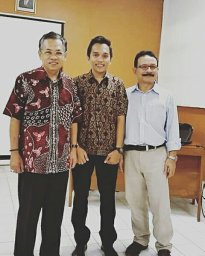 Vandra Kurniawan合作论文数Research Centre for Plant Conservation, Botanical Garden and Forestry, National Research and Innovation Agency (BRIN),5
 Zaenal Mutaqien合作论文数Indonesian Inst Sci LIPI, Cibodas Bot Gardens4
 Muhammad Efendi合作论文数Indonesian Institute of Sciences4
 Andes Rozak合作论文数Indonesian Institute of Sciences4
 Fitri Kurniawati合作论文数Indonesian Inst Sci LIPI, Cibodas Bot Gardens3
 Ervizal A.M. Zuhud合作论文数Bogor Agricultural University3Lily Ismaini合作论文数Indonesian Inst Sci LIPI, Cibodas Bot Gardens2
 Yati Nurlaeni合作论文数Center for Plant Conservation2R. Hendrian合作论文数2
 Ridesti Rindyastuti合作论文数Indonesian Institute of Sciences2Eka Fatmawati Tihurua合作论文数Indonesian Institute of Sciences2
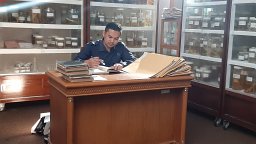 Yudi Suhendri合作论文数Cibodas Botanic Garden2
 Risha Amilia Pratiwi合作论文数Research Centre for Plant Conservation, Botanical Garden and Forestry, National Research and Innovation Agency (BRIN),2
 Imawan Wahyu Hidayat合作论文数Indonesian Inst Sci LIPI, Cibodas Bot Gardens2
 Musyarofah Zuhri合作论文数Indonesian Inst Sci LIPI, Cibodas Bot Gardens2
 Muhammad Imam Surya合作论文数Indonesian Inst Sci LIPI, Cibodas Bot Gardens2
 Johan Iskandar合作论文数National Taiwan University of Science and Technology2
 Gurutzeta Guillera-Arroita合作论文数Pyrenean Institute of Ecology, Spanish National Research Council2
 Mark Burgman合作论文数Centre for Environmental Policy, Faculty of Natural Sciences, Imperial College London2
 Jane A. Catford合作论文数Dept Geog, Kings Coll London2
 Michael McCarthy合作论文数School of BioSciences, The University of Melbourne2Ismail Apandi合作论文数1Esthi Liani Agustiani合作论文数1Lioni Carol合作论文数1Erika Lumbantobing合作论文数1
 Anggun Ratna Gumilang合作论文数UPT Balai Konservasi Tumbuhan-Kebun Raya Cibodas, LIPI#R##N#Sindanglaya1
 Janis Damaiyani合作论文数Indonesian Institute of Sciences1
 Prima Wahyu Kusuma Hutabarat合作论文数National Research and Innovation Agency (BRIN)1
 Kusuma Rahmawati合作论文数Indonesian Institute of Sciences1
 Titut Yulistyarini合作论文数Center for Plant Conservation1
 Syadwina H. Dalimunthe合作论文数Indonesian Institute of Sciences1
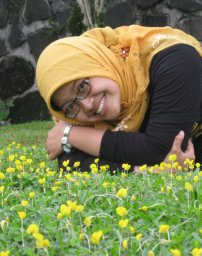 Suluh Normasiwi合作论文数Indonesian Institute of Sciences1
 Muhamad Nikmatullah合作论文数Res Ctr Biol, Indonesian Inst Sci1
 Rodiyati Azrianingsih合作论文数Universitas Brawijaya1
 Rajif Iryadi合作论文数Research Centre for Plant Conservation, Botanical Garden and Forestry, National Research and Innovation Agency (BRIN),1
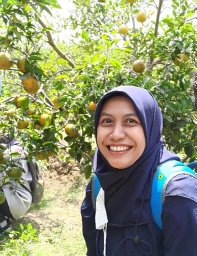 Abban Putri Fiqa合作论文数Indonesian Institute of Sciences1I Putu Gede P. Damayanto合作论文数1Yayan Wahyu Candra Kusuma合作论文数1
 Irfan Martiansyah Martiansyah合作论文数National Research and Innovation Agency (BRIN)1
 Dewi Ayu Lestari合作论文数Center for Plant Conservation1Apriyono Rahadiantoro合作论文数1
 Putra Agus Budiawan Naro合作论文数1
 Estri Laras Arumingtyas合作论文数Faculty of Mathematics and Natural Sciences, Brawijaya University1D. Suherman合作论文数1
 Peter Anton Vesk (Peter Vesk)合作论文数School of Ecosystem and Forest Sciences, University of Melbourne1
 Reni Lestari合作论文数Centre for Plant Conservation;Bogor Botanical Garden;Indonesian Institute for Science;Centre for Plant Conservation, Indonesian Institute for Science1




