Groundwater storage in many semi-arid areas is diminishing due to declining and more variable recharge. Managed aquifer recharge including water banking offers a potential response to sustain groundwater supplies. The effectiveness of this approach depends critically on how recovery credits are defined. A review of current recovery credit arrangements reveals that storage retention is currently not included in credit specifications for any jurisdiction. Storage retention depends on local hydrogeology and is often poorly defined. This paper applies a simple water balance equation to climate-driven sequences of water recharged to and recovered from a water bank. Two fundamental parameters, maximum recovery entitlement (anthropogenic) and storage retention (hydrogeological), are used to test drought-response performance of one conceptual and four historical managed aquifer recharge and water banking schemes in Australia and USA. These case studies have records of up to 67 years and all exhibit climatic change. They are used to illustrate the impact of the two parameters that could potentially be used to manage recovery credit, in securing future groundwater supplies. Results demonstrate the significant, but not always failsafe, ability of water banking to secure drought supplies under a non-stationary climate. These examples show that aquifer water retention characteristics, that are site-specific and currently rarely quantified, are very important for effective siting and operation of water banks for long-term groundwater security. Many of the reviewed jurisdictions prescribe a time limit of very few years in which a storage credit can be recovered, and thereby remove the incentive for banking water to buffer inevitable future drought. Where losses from an aquifer become desirable gains for streams, publicly funded water banking has distinct advantages over private water banking that focus on only the retained storage credits. Case studies demonstrate water banking potential under climate change at locations where aquifers have high storage retention.
Managed Aquifer Recharge (MAR) schemes are increasingly used to enhance water security, yet infiltration schemes are susceptible to clogging which consequently reduces operational efficiency. This study examines two full-scale Australian case studies: Jurien Bay (JB, Western Australia) and Lockyer Valley (LV, Queensland), representing treated wastewater (TWW) and surface water recharge, respectively. Recharge water at JB exhibited high clogging potential in relation to literature values proposed to manage clogging: total suspended solids (TSS) ranged from 100 to 176 mg/L (target <= 2 mg/L), turbidity 70-100 NTU (target <= 3 NTU), and total nitrogen (TN) 5-16 mg/L (target <= 10 mg/L). LV showed lower clogging risk with TSS 2-6 mg/L, turbidity 1-7 NTU and TN 0.5-1.4 mg/L. At both sites, recharge water was supersaturated with respect to carbonate minerals (SICaCO3:JB 0.5-1.7; LV 0.5-1.3), and algae were present (e.g., Chlorophyceae 4% at JB), indicating potential for chemical and biological contributions to clogging. Median infiltration rates (IRs) were 26 mm/d at JB and-50 mm/d at LV. At JB, desilting in 2019 increased median IR from 26 mm/d to 40 mm/d and increased disposal capacity from about 109,570 to 168,010 m3/year, demonstrating the benefit of reactive maintenance. At LV, long-term IR decline was consistent with progressive clogging but could not be separated from changes in hydraulic gradient associated with groundwater mounding beneath the weir. The results are therefore presented as two operational case studies that highlight the value of site-specific monitoring, uncertainty assessment, and cautious interpre-tation of mechanism inferences when evaluating clogging in full-scale infiltration systems.
As pressure on urban water resources grows, roof-harvested rainwater is increasingly used for drinking and domestic purposes. However, changing roof infrastructure and expanding vulnerable populations may be introducing under-recognised public health risks. This study assessed the microbiological and physicochemical quality of domestic roof-harvested rainwater across Adelaide and the Adelaide Hills, South Australia. One hundred rainwater tanks were sampled, and 97 households completed a survey on rainwater use, system characteristics, wildlife presence and rooftop solar infrastructure. Most households used rainwater for drinking (67%) and gardening (76%), and 62% had rooftop solar panels. Quantitative PCR detected enteric and opportunistic pathogens in a proportion of tanks, including Campylobacter jejuni (13%), Pseudomonas aeruginosa (12%), Salmonella spp. (10%) and Shigella spp. (3%), with pathogens also present in tanks used for drinking. Between 1 and 4% of tanks exceeded Australian Drinking Water Guideline health values for cadmium, iron, manganese, lead and arsenic, while 1-11% exceeded aesthetic values for zinc, manganese, aluminium and sodium. In unadjusted analyses, elevated metal concentrations were associated with solar panel presence (p = 0.004) and tank type (p = 0.004). However, multivariable analysis adjusting for tank material showed that households with solar panels had lower odds of elevated metal concentrations (aOR = 0.265, p = 0.026), while metal tank construction was associated with increased odds of elevated metal concentrations (p = 0.031). These findings indicate that domestic rainwater systems can act as reservoirs of microbial and chemical hazards with potential implications for human health. As climate change and water insecurity increase reliance on alternative water sources, understanding and managing these risks will become increasingly important. Further research is needed to examine how evolving roof infrastructure affects contamination pathways and emerging risks, including antimicrobial resistance, within domestic rainwater systems.
Circular economy green infrastructure, such as managed aquifer recharge (MAR), may alleviate groundwater pressures. MAR includes the circular economy principles of diversified water supply, nature-based solutions, and recharge and sustainable management of aquifers. However, globally, MAR adoption is significantly constrained by regulatory settings, causing free-rider problems, legal uncertainty, and high transaction costs. We review recent publications on MAR regulatory implementation barriers across six countries. Common barriers include a lack of MAR recovery water ownership, absence of MAR-specific legislation or policy, complex regulatory settings, and overlapping/unclear regulator jurisdiction. These barriers reduce incentives for private-sector MAR investment and can be addressed through streamlined approvals and dedicated recovery water rights. Addressing private sector underinvestment in MAR is paramount to fully realise this important nature-based solution’s potential to mitigate groundwater overextraction and quality challenges from climate change.
The development of constructed floating wetlands (CFWs) as a nature-based solution for water treatment has progressed over the last 25 years. However, full-scale CFW adoption remains relatively limited due in part to the uncertainty regarding the costs of CFWs in terms of capital and operational expenditure (CAPEX and OPEX) and treatment capacity. This study reports on the costs of 11 international CFW schemes including the factors affecting CAPEX and OPEX and levelized costs of nitrogen and phosphorus removal. The estimated levelized CAPEX and OPEX ranged from US$15/m2 to $2537/m2 and from $0.5/m2 y-1 to $181/m2 y-1, respectively, for CFW schemes of 55-3926 m2. Data from six full-scale CFWs showed that the costs per kg of nitrogen removed ($10 to $120/kg) by plant uptake were consistently lower than those of phosphorus ($15 to $3250/kg). CFW scheme scale was found to be a key influencing factor on cost, with cost per kg of nitrogen and phosphorus removed declining as CFW size increased. Use of this cost information can be generalized when considering nutrient removal and adoption of CFW technology compared to other engineered treatment options worldwide.
Given increases in climate change and surface water overallocation pressures in the future, groundwater will play an increasingly important role for water supply. This requires greater investment in water security, with the nature-based water management tool of managed aquifer recharge (MAR) a cost-effective alternative to more conventional choices such as dams or desalination. While MAR is a mature and safe technology that has been used for decades around the world, currently there is a lack of private and public sector investment in MAR in Australia. The main barriers to MAR implementation are not hydrogeological, but legislation and policy. Our study investigates MAR policy issues further by undertaking a thematic legislative analysis of 252 Australian state and territory water and environmental legislation and policy documents and conducting a focus group/interview discussion with state/territory MAR policy experts (n = 18). The legislative review finds that Australian MAR legislation is highly complex, providing no ownership of recovery water nor security from government opportunism, and leads to high regulatory costs, disincentivising private sector investment. The study concludes by providing targeted recommendations to reduce implementation barriers and regulatory and transaction costs through reducing regulatory risk, strengthening property rights, improving regulatory processes and providing better education and guidance.
Managed aquifer recharge (MAR) - through mitigating groundwater over-extraction - has been used as a tool to mitigate land subsidence in many regions around the world. However, given that to date, MAR has not been used to its full potential as a water resource management tool, then subsequently MAR for land subsidence mitigation (MAR-LS) is also underutilized. This paper reviews the MAR and MAR-LS literature using three approaches. Firstly, we review a global case study database of 314 MAR schemes from 172 studies to examine whether nontrial MAR-LS schemes are different to other MAR schemes in technology, management, and effectiveness. To explore socio-economic and other influences on MAR-LS effectiveness, we complement this with a comparison of economic assessments of MAR and MAR-LS schemes to explore potential unique economic and financial characteristics and how they influence effectiveness. And finally, we undertake a detailed case study review of the effectiveness and issues with MAR-LS schemes in Shanghai, Las Vegas, and Mexico City, shedding light on aspects not captured by the previous two assessments. A range of relevant MAR insights and findings are provided to foster future successful MAR-LS implementation.
Water availability and quality issues will only gain importance in the future, with climate change impacts putting increasing pressure on global water resources. Dealing with these challenges requires drawing on all available water management tools, including Managed Aquifer Recharge (MAR). Although MAR has seen increasing global implementation during the last half a century, it is still often overlooked as a management tool. While technical, bio-physical, and hydrogeological aspects of MAR are well researched, this cannot be said for socio-economic and other governance factors. Where information is available, this study seeks to understand the conditions necessary for MAR success. We apply fuzzy-set Qualitative Comparative Analysis on 313 world MAR applications, and also model separately for high- and low-middle-income countries. Results show that sophisticated hydrogeological site understanding and scheme operation is paramount for MAR success, as is utilizing natural water sources for high value end uses. Successful high-income country MAR schemes tend to be large and utilize natural water sources and sophisticated water injection and treatment methods to augment potable water supply; while successful low-middle-income country schemes are not large, older than 20 years, and use gravity infiltration methods and (limited) no water treatment. These findings will help inform the future suitability of MAR application design and its likely success within various contexts.
Cost distribution curves for well injection and infiltration basin recharge schemes. Probabilistic, time-varying, coupled water balance and net present value modelling. Disaggregated capital and operating expenses and global sensitivity analyses. Examples for increasing regional area town water security in Australia’s Murray Darling Basin. Drought risks exacerbated by climate change exposes water scarcity issues particularly in arid to dry subtropical areas globally. Recurring droughts have highlighted town water security deficiencies in regional Australia. Managed aquifer recharge (MAR) is proven internationally as an effective tool for increasing drought resilience and sustainability of water resources. Uncertainty concerning costs of MAR schemes has been a barrier to wider implementation. This study presents a framework for assessing costs of MAR for well injection and infiltration basin systems across a range of conditions and scales relevant to town water supply. Novel methods were developed to account for uncertainty, capture time-varying volume dependent operating costs, and examine disaggregated capital and operating expenses through global sensitivity analysis. Levelised costs were inversely proportional to scheme scale although diminishing rates of return were shown for larger capacity systems driven by increased volume-dependent operational costs. When accounting for aquifer storage losses, levelised costs of recovered water were up to double the costs of recharge. Global sensitivity analyses revealed input variables that determined the dominant disaggregated costs were also the most sensitive and that these changed in relation to scheme scales and operating conditions. The methods allowed estimated costs and sensitivities for conceptualised MAR schemes for six towns in Australia’s Murray-Darling Basin to be oriented within the envelope of results. This demonstrated the transferability and applicability of results for providing indicative costs and informing specific investigations to reduce uncertainty in viability assessments of MAR over a range of scales and conditions.
Managed aquifer recharge (MAR) is the intentional recharge of water to aquifers for subsequent recovery or environmental benefit. MAR can potentially increase security of water in drought more economically than new dams, can augment existing dams with higher efficiency storage (less evaporation), augment brackish groundwater desalination schemes, and facilitate conjunctive use of surface and groundwater resources. In Australia in 2023, there are currently 10 known operational MAR schemes used to increase agricultural activity in varying stages of development, providing a total capacity of similar to 70 x 10(6) m(3)/year. A review of these Australian MAR schemes identified several general principles which are more likely to lead to successful implementation, including: an ongoing demand for water for high value agriculture; availability of water for recharge; a suitable aquifer for storage with the capacity to store water for recovery and use; a suitable location for the MAR scheme typically in areas of low topographic relief; and the organisational capability, institutional arrangements and supportive policies to operate the scheme sustainably and economically. If MAR schemes are to be developed to support agricultural activity in Australia, site identification, project design, economic viability, and community and regulator consultation within an investment prospectus will be required. Operational demonstration schemes in a variety of agricultural settings will encourage wider adoption. Supportive policy development is required to ensure sustainable and equitable ongoing operation of MAR to support irrigated agriculture and for drought resilience.
Managed aquifer recharge (MAR) is the intentional recharge of water to aquifers for subsequent recovery or environmental benefit. MAR can potentially increase security of water in drought more economically than new dams, can augment existing dams with higher efficiency storage (less evaporation), augment brackish groundwater desalination schemes, and facilitate conjunctive use of surface and groundwater resources.In Australia in 2023, there are currently 10 known operational MAR schemes for agriculture in varying stages of development, providing a total capacity of ~70 GL/year. A review of Australian agricultural MAR schemes identified several general principles which are more likely to lead to successful agricultural MAR schemes in the future, including: an ongoing demand for water for high value agriculture; availability of water for recharge; a suitable aquifer for storage with the capacity to store water for recovery and use; a suitable location for the MAR scheme typically in areas of low topographic relief; and the organisational capability, institutional arrangements and supportive policies to operate the scheme sustainably and economically. If agricultural MAR schemes are to be developed, site identification, project design, economic viability, and community and regulator consultation within an investment prospectus will be required. Operational demonstration schemes in a variety of agricultural settings will encourage wider adoption. Supportive policy development is required to ensure sustainable and equitable ongoing operation of MAR to support irrigated agriculture and for drought resilience.
Managed aquifer recharge (MAR) is increasingly being adopted to improve water security internationally. However, clogging during MAR remains one of the greatest challenges for sustainable operations. This study examines the effects of iron on biological clogging processes using column experiments and suggests management options. The results indicated that the presence of iron limits the transport of bacteria through the column, and that concentrations <10 mg/L are correlated with increased bacterial growth. Conversely, the increased viscosity of biofilm subsequently limits the transport of iron through the column. Fourier transform infrared spectroscopy and x-ray photoelectron spectroscopy indicated that large iron-Pseudomonas sp. flocs formed which occupied the sand pore spaces. The effect of iron induced chemical clogging was most notable in the initial stage of the experiment while bio-clogging dominated later. There are many recommended values of iron concentration in water recharge, most of them are advised from the point of pollution perspective. Based on these laboratory results, iron concentrations in recharge water for MAR should be <0.3 mg/L to mitigate clogging effects. Furthermore, using non-corrodible materials for bore screen and pumps, and avoiding external oxidant inputs should be considered to prevent iron related chemical and biological clogging.
Managed aquifer recharge (MAR) can play an important role in agricultural water management and productivity where suitable aquifers exist. Yet while the benefits and costs of surface water storage have been extensively reported, the benefits and costs of MAR have been under reported and poorly conceptualised to date. In this study of ten potential MAR schemes in wet-dry tropical climates of northern Australia the estimated levelized costs ranged from US$0.04 to $0.36/m3 for MAR schemes of 0.6–5 Mm3/y capacity. The type of MAR scheme had the largest influence on cost, resulting in the following order of increasing cost for 1 Mm3/y schemes: recharge release, infiltration basin, recharge weir, aquifer storage transfer and recovery (ASTR), aquifer storage and recovery (ASR), seawater intrusion barrier. Infiltration type schemes were typically lower cost than well-injection. Scheme scale, end use and experience with similar schemes were also key influences on cost. A five-fold increase in scale reduced the levelized cost of ASR by 60%. Conceptualisation allows comparison across dissimilar schemes and revealed significant costs (20–100% of operating) associated with approvals and monitoring required for risk-based scheme development and operation. MAR can facilitate conjunctive use of surface and groundwater for improved agricultural water management. Dams typically provide considerably larger storages which results in lower levelized costs, with estimates of $0.03 to $0.18/m3 for options (annual yield 55–1248 Mm3) in the same study area. MAR is more favoured in areas of low relief, offers the benefit of reducing evaporative losses and is well suited to mosaic irrigation with incremental development and relatively low capital expenditure which may be attractive for agricultural irrigation.
Water quality is a key consideration for urban stormwater harvesting via aquifers. This study assessed catchment spill management options based on a calibrated dynamic wave routing model of stormwater flow in an urban catchment. The study used measured travel times, pluviometer and gauging station observations from 21 storms to calibrate a stormwater model to simulate transport of pollutants from spill locations to the point of harvest. The simulations considered the impact of spill locations, spill durations, storm intensities and storm durations on the pollutant concentration at the point of harvest and travel time of a pollutant spill to the harvesting point. During dry weather, spill events travelled slower than spills occurring during wet weather. For wet weather spills, the shortest travel times tended to occur in higher intensity storms with shorter duration, particularly when a spill occurred in the middle of the storm. Increasing the intensity of rainfall reduced the peak concentration of pollutant at the harvest point via dilution, but it also reduced the time of travel. On a practical level, due to the short response times in urban catchments, management of spills should be supported by automated detection/diversion systems to protect stormwater harvesting schemes.
Managed aquifer recharge (MAR) can improve water security by using aquifers to store water when it is abundant until required for future use and can increase the use of urban stormwater and treated wastewater to reduce the demand on traditional surface water and groundwater supplies. Recently, two Australian examples were showcased internationally as sustainable and economic MAR: Perth’s groundwater replenishment scheme (GWRS) with recycled water to increase security of urban water supply and a multi-site urban stormwater MAR scheme for suburban non-potable water supply in Salisbury, Adelaide. This paper provides a synopsis of these Australian exemplars of sustainable and economic MAR.
The Australian Managed Aquifer Recharge Guidelines, published in 2009, were the world’s first Managed Aquifer Recharge (MAR) Guidelines based on risk-management principles that also underpin the World Health Organisation’s Water Safety Plans. In 2015, a survey of Australian MAR project proponents, consultants and regulators revealed that in those states advancing MAR, the Guidelines were lauded for giving certainty on approval processes. They were also considered to be pragmatic to use, but there was feedback on onerous data requirements. The rate of uptake of MAR has varied widely among Australian state jurisdictions, for reasons that are not explained by the drivers for and feasibility of MAR. The states where MAR has progressed are those that have adopted the Guidelines into state regulations or policy. It was originally intended that these Guidelines would be revised after five to ten years, informed by experience of any hazards not considered in the guidelines, and by new scientific developments including advances in monitoring and control methods for risk management. As such revision has not yet occurred, this paper was prepared to give a precis of these Guidelines and review ten years of experience in their application and to identify issues and suggest improvements for consideration in their revision by Australian water regulators. This paper also discusses the factors affecting their potential international applicability, including the capabilities required for implementation, and we use India as an example for which an intermediate level water quality guideline for MAR was developed. This paper is intended to be useful information for regulators in other countries considering adopting or developing their own guidelines. Note that the purpose of these Guidelines is to protect human health and the environment. It is not a guide to how to site, design, build and operate a managed aquifer recharge project, for which there are many other sources of information.
Banking water in aquifers during wet years for long-term storage then recovering it in drought is an application of managed aquifer recharge (MAR) that minimises evaporation losses. This requires a suitable aquifer for long-term storage of banked water and occasional periods when entitlements to surface water are available and affordable. This has been widely practised in Arizona and California but thus far not in Australia, in spite of severe impacts on agriculture, society, and the environment during recent droughts in the Murray–Darling Basin. This preliminary study based on a simple area exclusion analysis using six variables, some on a 90 m grid, over the 1 million km2 basin produced a first estimate of the order of 2–4 × 10⁹ m3 of additional aquifer storage potential in surficial aquifers close to rivers. For 6 of the 23 catchments evaluated, banking capacity exceeded an average water depth of 0.3 m for the irrigated area. At one prospective site in the Macquarie River catchment in New South Wales, water banking operations at various scales were simulated using 55 years of historical monthly hydrologic data, with recharge and recovery triggered by dam storage levels. This showed that the estimated 300 × 106 m3 additional local aquifer capacity could be fully utilised with a recharge and recovery capacity of 6 × 10⁶ m3/month, and recharge occurred in 67% of months and recovery in 7% of months. A novel simulation of water banking with recharge and recovery triggered by water trading prices using 11 years of data gave a benefit cost ratio of ≈ 2. Data showed that water availability for recharge was a tighter constraint on water banking than aquifer storage capacity at this location. The analysis reveals that water banking merits further consideration in the Murray–Darling Basin. Firstly, management across hydrologically connected systems requires accounting for surface water and groundwater entitlements and allocations at the appropriate scale, as well as developing equitable economic and regulatory arrangements. Of course, site-specific assessment of water availability and hydrogeological suitability would be needed prior to construction of demonstration projects to support full-scale implementation.
Wastewater reuse coupled to managed aquifer recharge (MAR) provides a means to store and reuse treated wastewater (TWW) year-round. Determining the fate of nutrients in the subsurface during MAR remains challenging for environmental regulation due to the interaction of the MAR source water with site specific aquifer conditions. To facilitate the understanding of natural treatment processes, this study uses operational monitoring data from a full-scale aquifer storage and recovery (ASR) scheme using TWW to assess nutrient (N and P) transformation and fate. Analysis of median water quality injected into and recovered from the ASR wells for two complete ASR cycles (June 2014 to March 2016) was used to describe the removal of nutrients in an anoxic carbonate aquifer. Total nitrogen (TN) removal was dominated by redox processes, with median removal of 40 to 60% for TN and nitrate (the dominant N species) and higher removal of ammonia (95%) and total Kjeldahl nitrogen (TKN) (70%). Total phosphorous (TP) removal was also observed (~ 90%) due to sorption (filterable reactive phosphorous median removal of ~ 80%). A 40% increase in median salinity was evident within each ASR cycle due to recovery of the entire volume of injected water each year (ambient groundwater is 200% higher in TDS, on average). A reduction in salinity of the recovered water could be achieved by leaving a residual of source water in the aquifer to create a buffer zone between the ambient groundwater and the fresher source water.
Managed aquifer recharge (MAR) is the intentional recharge of water to suitable aquifers for subsequent beneficial use or to achieve environmental benefits. Well injection techniques for MAR, such as Aquifer Storage and Recovery (ASR), rely on implementing appropriate design and defining the operational parameters to minimise well clogging and maintain sustainable rates of recharge over the long term. The purpose of this study was to develop water quality targets and pre-treatment requirements for recycled water to allow sustained recharge and recovery in a medium-coarse siliceous aquifer. The recharge water is a blend of 40% Class A recycled water and 60% reverse osmosis (RO)-treated Class A recycled water. Four source waters for MAR were evaluated: (1) this blend with no further treatment, and this blend with additional treatment using: (2) a 20 µm sediment cartridge filter, (3) a 5 µm sediment cartridge filter, or (4) a 5 µm granular activated carbon (GAC) cartridge filter. All four treatment options were also further disinfected with chlorine. The four blended and treated recycled waters were used in laboratory columns packed with aquifer material under saturated conditions at constant temperature (20.7 °C) with light excluded for up to 42 days. Substantial differences in the changes in hydraulic conductivity of the columns were observed for the different treatments within 14 days of the experiment, despite low turbidity (<2 NTU) of the blend waters. After 14 days, the GAC-treated water had a 7% decline in hydraulic conductivity, which was very different from the other three blend waters, which had declines of 39–52%. Based on these results and consistent with previous studies, a target biodegradable dissolved organic carbon (BDOC) level of <0.2 mg/L was recommended to ensure a biologically stable source of water to reduce clogging during recharge.
 Joanne Vanderzalm合作论文数CSIRO Land & Water39
 Peter Dillon合作论文数Flinders Universities;Adelaide Universities;CSIRO Land and Water30
 Karen Barry合作论文数25
 Dennis Gonzalez合作论文数Waite Laboratories, CSIRO Land and Water24
 Konrad Miotlinski合作论文数CSIRO Land and Water Research Flagship13
 Simon Toze合作论文数Urban Water Futures;Hydrogen 2.0;The University of Queensland13
 Jatinder Sidhu合作论文数University of the Sunshine Coast, University of Queensland11
 Kerry Levett合作论文数8
 Peter J. Dillon合作论文数Trent University8
 David McCarthy合作论文数Department of Civil Engineering, Faculty of Engineering, Monash University7
 Ana Deletic合作论文数Water Research Centre, School of Civil and Environmental Engineering, Faculty of Engineering, Queensland University of Technology7KeFeng Zhang (张可锋)合作论文数6
 Paul Pavelic合作论文数CSIRO Land and Water6Regel Rudi合作论文数5
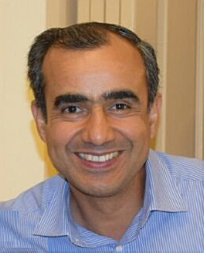 Saeed Torkzaban合作论文数Department of Chemical and Environmental Engineering;University of California;Department of Chemical and Environmental Engineering, University of California , Riverside5
 Cuan Petheram合作论文数CSIRO Land and Water5
 Constantin Seidl合作论文数Centre for Global Food and ResourcesFaculty of the Professions, University of Adelaide4
 Andrew Taylor合作论文数CSIRO Land and Water, CSIRO Water for a Healthy Country Flagship4Randelovic Anja合作论文数Faculty of Civil Engineering, University of Belgrade4
 Costantino Masciopinto合作论文数4
 Elise Bekele合作论文数4
 Sarah Ann Wheeler合作论文数Centre for Regulation and Market Analysis;University of South Australia;Centre for Regulation and Market Analysis, University of South Australia4
 Bettina Genthe合作论文数Dept Microbiol, Stellenbosch Univ3
 Scott A. Bradford合作论文数Agricultural Research Service, U.S. Department of Agriculture3
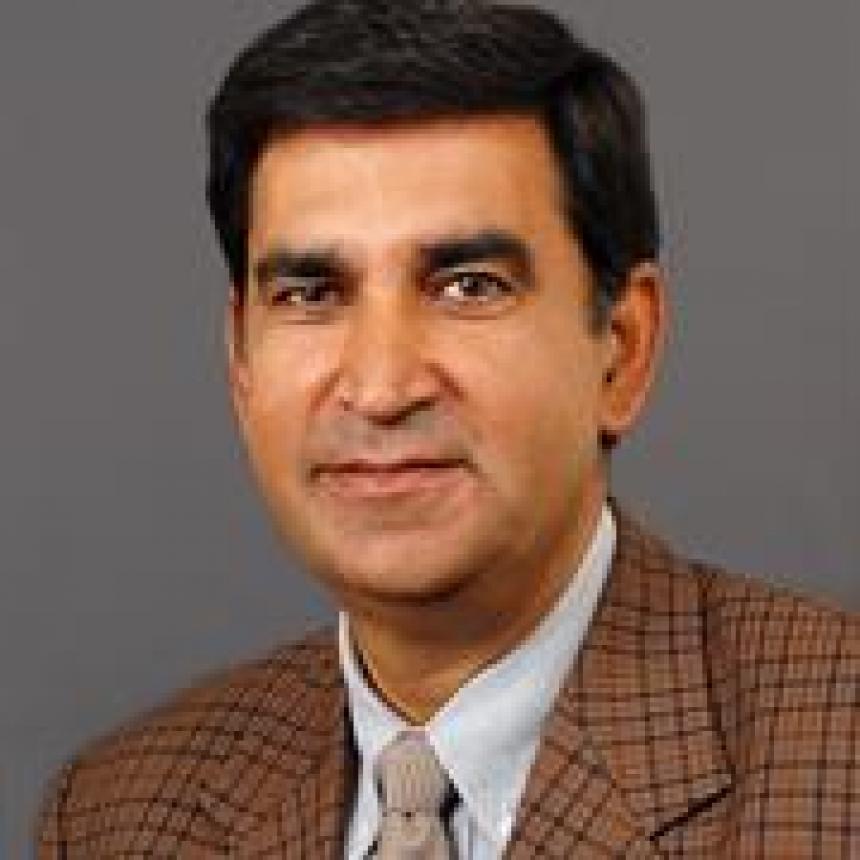 Rai Kookana合作论文数School of Agriculture, Food and Wine, University of Adelaide;Faculty of Sciences, Engineering and Technology, University of Adelaide;CSIRO3
 Thomas Wintgens合作论文数Department of Chemical Engineering, RWTH Aachen University3a r petrinca合作论文数2Anthony Knapton合作论文数2Nerida Horner合作论文数2Sarah Kremer合作论文数2
 John Awad合作论文数Univ South Australia2
 Blanca Jimenez合作论文数Comis Nacl Agua, Av Insurgentes Sur 2416, Ciudad De Mexico 04360, Mexico2
 Cook Stephen合作论文数2Higginson Simon合作论文数2
 Pascal Castellazzi合作论文数2Brodie Ross S合作论文数2
 Baden Myers合作论文数University of South Australia, University of South Australia2
 Peter Cook合作论文数National Centre for Groundwater Research and Training, Flinders University;Department of Hydrogeology, Flinders University2
 Graeme Dandy合作论文数School of Civil, Environmental and Mining Engineering, Faculty of Sciences, Engineering and Technology, The University of Adelaide2
 Ang Yang合作论文数School of Information Technology and Electrical Engineering, University of New South Wales2
 Xinqiang Du (杜新强)合作论文数College of New Energy and Environment, Jilin University2
 Xueyan Ye (冶雪艳)合作论文数Center for Water Sciences Research, Advanced Instttute of Natural Sciences, Beijing Normal University2
 Rosanna Gabrieli合作论文数2Caterina Levantesi合作论文数Water Research Institute, National Research Council (IRSA-CNR),2
 Steven A. Wakelin合作论文数Environmental Biogeochemistry, CSIRO Land and Water2Davide Bixio合作论文数2
 Warish Ahmed合作论文数Division of Land and Water, The Commonwealth Scientific and Industrial Research Organisation2
 Miquel Salgot合作论文数2
 Stuart J. Khan合作论文数School of Civil & Environmental Engineering, University of New South Wales2




