OBJECTIVE:Pregnant people with epilepsy are at increased risk of severe maternal morbidity (SMM). Cesarean birth is a known contributor to SMM; however, the factors driving cesarean rates in this population remain poorly understood. We evaluated whether primary cesarean births were increased among nulliparous, term, singleton, vertex (NTSV) live births in people with epilepsy and whether differences were explained by sociodemographic, clinical, or hospital factors. MATERIALS AND METHODS:This cohort study used linked data from NTSV live births in California from 2007 to 2018. International Classification of Diseases, Ninth Revision, Clinical Modification (ICD-9-CM) and International Classification of Diseases, Tenth Revision, Clinical Modification (ICD-10-CM) diagnosis codes were used to identify those with epilepsy, including subcategories of epilepsy (generalized, focal, and unspecified). Risk ratios (RRs) estimated the association between epilepsy subtypes and primary cesarean birth, adjusting for potential confounders. RESULTS:Of 1,550,586 NTSV births, 5,027 (0.3%) were among people with epilepsy. People with epilepsy had a higher risk of cesarean birth than people without epilepsy (32.1% versus 26.6%, RR: 1.21; 95% confidence interval [CI]: 1.16-1.25). After sequentially adjusting for sociodemographic, clinical, and hospital factors, the significant increase in cesarean birth among people with epilepsy persisted (aRR: 1.18; 95% CI: 1.13-1.23). When stratified by epilepsy type, the risk of cesarean birth was increased for people with unspecified epilepsies (aRR: 1.18; 95% CI: 1.13-1.23), which was the largest subgroup. CONCLUSIONS:The risk of NTSV cesarean birth was increased in people with epilepsy and was not explained by the measured sociodemographic, clinical, and hospital characteristics, suggesting that other unmeasured factors may be contributing. Understanding these factors is crucial for developing targeted strategies to safely reduce cesarean births and potentially improve maternal outcomes in people with epilepsy.
Abstract Introduction Impaired sleep experience in the postpartum period is associated with negative maternal and infant outcomes. Insomnia is common yet underdiagnosed following childbirth. Prevalence varies widely depending on the insomnia measurement tool used, and few have been validated in the postpartum population. We aimed to assess the diagnostic accuracy of sleep surveys (Bergen Insomnia Scale (BIS), PROMIS Sleep Disturbance (SD) and Sleep-Related Impairment (SRI)) compared to diagnostic clinical interviews for sleep disorders (SCISD-R). Methods After IRB approval, adults who delivered a live infant were recruited in a longitudinal prospective cohort study. Patients were approached during delivery admission at two hospitals (CA and AR) and invited to complete BIS, PROMIS SD and SRI at 6 weeks postpartum. Participants were also invited to complete virtual 1-hour SCISD-R interviews, the criterion standard for insomnia diagnosis, until 150 interviews were completed. Area under the ROC curve were analyzed for BIS, PROMIS SD and SRI scores against insomnia disorder. Sensitivity and specificity of PROMIS SD and SRI against SCISD-R-diagnosed insomnia disorder was evaluated with a cut-off T score of 55 (a recommended threshold) to distinguish abnormal SD and SRI cases. Results 150 of the 413 (36.3%) invited participants completed SCISD-R at mean 43.6±6.6 days postpartum, with mean interview duration 24.6±9.7 minutes. Of these, 144 (96.0%) participants completed PROMIS SD, SRI and BIS. 20 individuals (13.3%) met criteria for insomnia disorder. AUC for BIS raw score, PROMIS SD and SRI T scores were 0.73, 0.85 and 0.70 respectively. At a PROMIS SD cut-off T score of 55, sensitivity was 0.75 (95.0% CI 0.509, 0.913) and specificity was 0.758 (0.673, 0.830). For PROMIS SRI, sensitivity at cut-off T score of 55 was 0.75 (0.509, 0.913), and specificity was 0.45 (0.36, 0.54). Conclusion The ranked order of discrimination for insomnia disorder compared to criterion standard diagnostic interviews was PROMIS SD, BIS and SRI (best to worst). PROMIS SD should be considered for screening for insomnia disorder following childbirth. Support (if any) This study was funded by the National Heart, Lung, and Blood Institute (R01HL166253-01A1).
Placenta accreta spectrum (PAS) is associated with significant maternal morbidity, but inconsistent outcome reporting across studies hampers meaningful comparisons of management approaches. This statement proposes standardized criteria for measuring severe maternal morbidity and mortality (SMM) for PAS, distinguishing true complications from expected interventions in care. Traditional SMM definitions are problematic for PAS research because they classify anticipated interventions such as hysterectomy and blood transfusions as complications. Through collaborative expert consensus, we identified outcomes that represent unexpected events with significant health consequences for inclusion in a composite primary outcome. The proposed SMM for PAS definition includes maternal death, transfusion of 8 or more units of packed red blood cells, unplanned return to the operating room, specific organ injuries, prolonged mechanical ventilation, pulmonary complications, acute renal failure, prolonged vasopressor use, circulatory support requirements, acute coronary syndrome requiring intervention, cardiac arrest, thromboembolism, and neurologic events. This composite outcome avoids bias toward specific management approaches, relies on objective criteria to limit interpretation variations, and excludes procedures reflecting institutional protocols rather than complications. By standardizing outcome reporting in PAS research, this definition aims to facilitate meaningful comparisons between studies, to generate evidence-based guidelines, and ultimately to improve patient care.
Aims: We aimed to identify changes in United States practice patterns in gestational diabetes mellitus (GDM) diagnosis and treatment following publication of the 2008 Hyperglycemia and Adverse Pregnancy Outcomes (HAPO) study that supported transition toward a 2-hour oral glucose tolerance test. Methods: A total of 1,030 U.S. obstetric providers were surveyed in 2021 about GDM screening, diagnosis, and treatment, as well as perceptions surrounding preparation for the 1-hour, 50-g glucose loading test (GLT). Data were compared with data from a similar 2003 survey. The study was reviewed by the Institutional Review Board at Stanford University and was determined to be exempt. Results: Of 1,030 providers surveyed, 304 (30%) responded. Most respondents continued using the two-step screening method (95.0% versus 95.2% in 2003, p = 0.18). Fewer providers used insulin as a first-line medication (64.1% in 2021 versus 82.3% in 2003, p < 0.001). However, providers practicing for 0-10 years often used insulin as first-line compared with providers practicing for over 10 years (79% versus 55%, p < 0.001). Of 2021 respondents, 39.3% believed that fasting before the 1-hour GLT lowers the glucose result, 34.3% believed it increases the result, and 26.4% believed it would have no effect. Conclusions: Despite data from the HAPO trial, the majority of providers surveyed still use the two-step method for GDM screening. There is wide variability in perceptions and counseling regarding preparation for the 1-hour GLT.
Persistent racial and ethnic disparities exist in severe maternal and neonatal morbidity, which may be due in part to differences in labor and delivery unit practices across hospitals. We used data collected from 184 hospitals in California (2015-2018) to assess whether nulliparous individuals with low-risk pregnancies differ by race and ethnicity in giving birth at hospitals that tend to use lower-interventional labor and delivery unit practices, and whether such differences contribute to disparities in severe maternal and neonatal morbidity. We classified labor and delivery units as higher- or lower-interventional based on a latent class analysis of survey responses about the frequency of using lower-interventional practices. We used a modified doubly robust g-estimator to estimate counterfactual disparity measures, setting all hospitals to be lower-interventional. Among 348 990 low-risk livebirths, the proportion occurring at lower-interventional hospitals was lowest in Black and Latino individuals (17% and 16%, respectively) and highest in American Indian and Alaska Native (AI/AN) and White individuals (29% in both). Severe maternal and neonatal morbidity occurred most frequently among AI/AN individuals. Counterfactual disparity measures suggested that if all births occurred at lower-interventional hospitals, racial and ethnic disparities in the outcomes would modestly increase, except for severe neonatal morbidity among AI/AN individuals.
Background Existing patient-reported outcome measures (PROMs) evaluating outpatient postpartum recovery lack content validity and were mostly not designed for this population. A Delphi process was performed, aiming to develop a patient-reported outcome measure for outpatient postpartum recovery and then evaluate it in a multicenter cohort study. Methods Development of the Stanford Obstetric Recovery Checklist (STORK) involved 3 phases: (1) postpartum recovery questions were identified in published reviews; (2) after institutional review board approval, 16 multidisciplinary experts and patient stakeholders participated in 3 Delphi rounds (January 11 to April 12, 2021) to select items, resulting in the development of STORK (47 items; total score range, 0-188, with 0 indicating the worst recovery and 188 indicating the best recovery); and (3) cognitive debriefing interviews were conducted with 10 postpartum individuals to finalize STORK items. Individuals then completed STORK during their inpatient stay and at 2, 6, and 12 weeks post partum in a prospective, 3-center, US longitudinal cohort study conducted from June 13, 2022, to February 28, 2023. Recruitment occurred until 300 six-week STORK surveys were completed. STORK was evaluated at 6 weeks for validity (ability to measure recovery), reliability, and responsiveness. Validity included (1) structural validity (exploratory factor analysis using root mean square residual [RMSR]; <0.08 indicates a good fit); (2) convergent validity (correlation with global health visual analog scale score [GHVAS; scale, 0-100] and EuroQoL Five-Dimensions Three-Levels [EQ-5D-3L]); (3) discriminant validity (mean difference in STORK scores with GHVAS <70 vs >= 70); and (4) confirmatory telephone interviews with postpartum individuals scoring the highest and lowest 10th percentiles of STORK scores. Reliability (consistency of STORK scores) was evaluated using Cronbach alpha, interitem correlation, split-half reliability, and floor and ceiling effects. Responsiveness (ability of STORK to detect changes in recovery over time) was evaluated using percentage change in score from baseline to 12 weeks. Results A total of 525 individuals were recruited after all delivery modes (response rate, 62% [324 of 525] at 6 weeks); 498 (mean [SD] age, 33.3 [4.9] years) completed baseline inpatient postpartum surveys. STORK demonstrated validity: (1) a 4-factor model was the best fit (RMSR = 0.05); (2) correlation with GHVAS scores was rho = 0.52 (95% CI, 0.43-0.61), and correlation with EQ-5D-3L scores was rho = -0.67 (95% CI, -0.76 to -0.63); (3) STORK was able to discriminate between patients reporting good and poor recovery (good recovery: median STORK score, 151 [IQR, 136-163] vs poor recovery: median STORK score, 129 [IQR, 107-148]; P < .001); and (4) the highest and lowest scores corresponded to subjective assessments. STORK demonstrated reliability (Cronbach alpha = 0.92; interitem correlation r = 0.20; and split-half reliability rho = 0.98). It also demonstrated responsiveness: percentage increases in overall STORK scores from baseline to week 12 were 19% after spontaneous vaginal delivery, 31% after operative vaginal delivery, 27% after scheduled cesarean delivery, and 20% after nonscheduled cesarean delivery (P < .001). Conclusion In this cohort study of US individuals, STORK was found to be a valid, reliable, and responsive measure of outpatient postpartum recovery. Future clinical trials are needed to determine its clinical utility.
Placenta accreta spectrum (PAS) disorder poses significant risks to maternal health, given the complexities of screening, diagnosis, and management. To address these challenges, the Eunice Kennedy Shriver National Institute of Child Health and Human Development (NICHD) hosted a workshop on June 10–11, 2024, bringing together expert health care professionals, researchers, stakeholders, and patient advocates to identify knowledge gaps, with an overarching goal of informing future research and best practices for PAS. Key discussions revolved around the resources and infrastructure needed to advance screening, diagnosis, and clinical management of PAS, alongside ways to enhance collaboration across disciplines. Participants considered strategies to optimize existing research resources and explored opportunities to strengthen partnerships between the NICHD and key stakeholders to achieve mutual objectives. The workshop—attended by representatives from the Society for Maternal-Fetal Medicine, the American College of Obstetricians and Gynecologists, the Pan-American Society for the Placenta Accreta Spectrum, the National Accreta Foundation, the American Institute of Ultrasound in Medicine, and the Society of Gynecologic Oncology—aimed to foster consensus on essential PAS topics and to identify clinical and research priorities in all phases of PAS care. Additionally, a critical focus of the workshop was to enhance understanding of patient experiences and needs, recognizing that patient perspectives are essential for informing future research and improving outcomes.
Existing patient-reported outcome measures (PROMs) evaluating outpatient postpartum recovery lack content validity and were mostly not designed for this population. A Delphi process was performed, aiming to develop a patient-reported outcome measure for outpatient postpartum recovery and then evaluate it in a multicenter cohort study. Development of the Stanford Obstetric Recovery Checklist (STORK) involved 3 phases: (1) postpartum recovery questions were identified in published reviews; (2) after institutional review board approval, 16 multidisciplinary experts and patient stakeholders participated in 3 Delphi rounds (January 11 to April 12, 2021) to select items, resulting in the development of STORK (47 items; total score range, 0-188, with 0 indicating the worst recovery and 188 indicating the best recovery); and (3) cognitive debriefing interviews were conducted with 10 postpartum individuals to finalize STORK items. Individuals then completed STORK during their inpatient stay and at 2, 6, and 12 weeks post partum in a prospective, 3-center, US longitudinal cohort study conducted from June 13, 2022, to February 28, 2023. Recruitment occurred until 300 six-week STORK surveys were completed. STORK was evaluated at 6 weeks for validity (ability to measure recovery), reliability, and responsiveness. Validity included (1) structural validity (exploratory factor analysis using root mean square residual [RMSR]; <0.08 indicates a good fit); (2) convergent validity (correlation with global health visual analog scale score [GHVAS; scale, 0-100] and EuroQoL Five-Dimensions Three-Levels [EQ-5D-3L]); (3) discriminant validity (mean difference in STORK scores with GHVAS <70 vs ≥70); and (4) confirmatory telephone interviews with postpartum individuals scoring the highest and lowest 10th percentiles of STORK scores. Reliability (consistency of STORK scores) was evaluated using Cronbach α, interitem correlation, split-half reliability, and floor and ceiling effects. Responsiveness (ability of STORK to detect changes in recovery over time) was evaluated using percentage change in score from baseline to 12 weeks. A total of 525 individuals were recruited after all delivery modes (response rate, 62% [324 of 525] at 6 weeks); 498 (mean [SD] age, 33.3 [4.9] years) completed baseline inpatient postpartum surveys. STORK demonstrated validity: (1) a 4-factor model was the best fit (RMSR = 0.05); (2) correlation with GHVAS scores was ρ = 0.52 (95% CI, 0.43-0.61), and correlation with EQ-5D-3L scores was ρ = −0.67 (95% CI, –0.76 to –0.63); (3) STORK was able to discriminate between patients reporting good and poor recovery (good recovery: median STORK score, 151 [IQR, 136-163] vs poor recovery: median STORK score, 129 [IQR, 107-148]; P < .001); and (4) the highest and lowest scores corresponded to subjective assessments. STORK demonstrated reliability (Cronbach α = 0.92; interitem correlation r = 0.20; and split-half reliability ρ = 0.98). It also demonstrated responsiveness: percentage increases in overall STORK scores from baseline to week 12 were 19% after spontaneous vaginal delivery, 31% after operative vaginal delivery, 27% after scheduled cesarean delivery, and 20% after nonscheduled cesarean delivery (P < .001). In this cohort study of US individuals, STORK was found to be a valid, reliable, and responsive measure of outpatient postpartum recovery. Future clinical trials are needed to determine its clinical utility.
Study Objectives:Sleep as a construct in the postpartum period and its perceived importance to postpartum patients remain largely under explored. The aim of this concept elicitation study was to develop a conceptual framework for postpartum sleep based on the key themes (domains and subdomains) identified. Secondary aims were to determine the frequency of discussion of individual domains/subdomains among participants and provide exemplar patient quotes for the most frequently discussed subdomains. Methods:This study received Institutional Review Board approval from Stanford Lucile Packard Children's Hospital and the University of Arkansas for Medical Sciences. Semi-structured interviews were conducted with patients, partners and multidisciplinary experts until thematic saturation was achieved. All interviews were audio recorded and professionally transcribed and de-identified. Thematic codes (domains and subdomains of postpartum sleep) were derived from review of interview transcripts. Iterative thematic analysis of transcripts with constant comparison across cases was conducted systematically by ≥2 analysts. All transcripts were coded in Nvivo software and qualitatively analyzed to report frequency of domain/subdomain discussion and to identify exemplar patient quotes for individual subdomains. Results:Interviews were conducted with 42 patients, 13 multidisciplinary experts, and 6 partners over a total of 20 h. Median interval between delivery and interview for the recruited postpartum women was 8 weeks (interquartile range 6-10 weeks, range 3-52 weeks). Analysis of all 61 participant interviews resulted in derivation of 10 domains (psychological, pharmacological, non-pharmacological, sleep interference, medical factors, feeding of neonate, sleep disruption, social factors, societal and cultural factors, and infant related factors) and 85 subdomains related to the construct of postpartum sleep. The three most frequently discussed domains were sleep disruption, non-pharmacological interventions to improve sleep, and medical factors related to sleep. The top 10 most frequently discussed subdomains were breast feeding/feeding, maternal awakenings, social support, childbirth experience, infant sleep routine, day time sleep, infant care (bottles, milk, diapers), sleep arrangements, chronotype, and nighttime sleep. Conclusions:This study provides a conceptual framework based on 10 domains and 85 subdomains, which can be used to comprehensively describe and study the complex construct of postpartum sleep. These findings can be used to counsel patients regarding postpartum sleep experiences, facilitate patient discussion in the postnatal period when assessing postpartum sleep experiences, guide development of new measures, and assess content validity of existing sleep measures.
Placenta accreta spectrum (PAS) disorder poses significant risks to maternal health, given the complexities of screening, diagnosis, and management. To address these challenges, the Eunice Kennedy Shriver National Institute of Child Health and Human Development (NICHD) hosted a workshop on June 10-11, 2024, bringing together expert health care professionals, researchers, stakeholders, and patient advocates to identify knowledge gaps, with an overarching goal of informing future research and best practices for PAS. Key discussions revolved around the resources and infrastructure needed to advance screening, diagnosis, and clinical management of PAS, alongside ways to enhance collaboration across disciplines. Participants considered strategies to optimize existing research resources and explored opportunities to strengthen partnerships between the NICHD and key stakeholders to achieve mutual objectives. The workshop-attended by representatives from the Society for Maternal-Fetal Medicine, the American College of Obstetricians and Gynecologists, the Pan-American Society for the Placenta Accreta Spectrum, the National Accreta Foundation, the American Institute of Ultrasound in Medicine, and the Society of Gynecologic Oncology-aimed to foster consensus on essential PAS topics and to identify clinical and research priorities in all phases of PAS care. Additionally, a critical focus of the workshop was to enhance understanding of patient experiences and needs, recognizing that patient perspectives are essential for informing future research and improving outcomes.
OBJECTIVE:To perform metabolomic and lipidomic profiling with plasma samples from patients with placenta accreta spectrum (PAS) to identify possible biomarkers for PAS and to predict PAS with machine learning methods that incorporated clinical characteristics with metabolomic and lipidomic profiles. METHODS:This was a multicenter case-control study of patients with placenta previa with PAS (case group n=33) and previa alone (control group n=21). Maternal third-trimester plasma samples were collected and stored at -80°C. Untargeted metabolomic and targeted lipidomic assays were measured with flow-injection mass spectrometry. Univariate analysis provided an association of each lipid or metabolite with the outcome. The Benjamini-Hochberg procedure was used to control for the false discovery rate. Elastic net machine learning models were trained on patient characteristics to predict risk, and an integrated elastic net model of lipidome or metabolome with nine clinical features was trained. Performance using the area under the receiver operating characteristic curve (AUC) was determined with Monte Carlo cross-validation. Statistical significance was defined at P<.05. RESULTS:The mean gestational age at sample collection was 33 3/7 weeks (case group) and 35 5/7 weeks (control group) (P<.01). In total, 786 lipid species and 2,605 metabolite features were evaluated. Univariate analysis revealed 31 lipids and 214 metabolites associated with the outcome (P<.05). After false discovery rate adjustment, these associations no longer remained statistically significant. When the machine learning model was applied, prediction of PAS with only clinical characteristics (AUC 0.685, 95% CI, 0.65-0.72) performed similarly to prediction with the lipidome model (AUC 0.699, 95% CI, 0.60-0.80) and the metabolome model (AUC 0.71, 95% CI, 0.66-0.76). However, integration of metabolome and lipidome with clinical features did not improve the model. CONCLUSION:Metabolomic and lipidomic profiling performed similarly to, and not better than, clinical risk factors using machine learning to predict PAS among patients with PAS with previa and previa alone.
Background:Postpartum hemorrhage (PPH) is the leading preventable cause of maternal mortality. Most PPH cases are caused by uterine atony, which is inconsistently defined in clinical care. The electronic health record was used to prompt communication between the anesthesia and obstetric care teams about uterine tone using a validated 11-point numeric rating scale (NRS) at 0, 5, and 10 min after placental delivery for all cesarean deliveries at our institution. The primary hypothesis was that lower uterine tone NRS would be strongly associated with progression to major PPH.Methods:This was a single-center, prospective observational study conducted over a 1-yr period. The primary predictor was the 0 to 10 uterine tone NRS recorded 10 min after placental delivery, and the primary outcome was major PPH, defined as quantitative blood loss greater than or equal to 1,500 ml. Area under the receiver operating characteristic curves were created, and the relative risk of major PPH for each 1-point change in the tone score was estimated. Key secondary outcomes analyzed included associations between tone scores, PPH, and blood transfusion.Results:A total of 1,599 consecutive cesarean deliveries were performed by obstetricians from academic (39.3%), county public health (21.1%), and private practice (38.8%) services. Major PPH complicated 9.9% and transfusion 6.7% of cesarean deliveries. Uterine tone NRS was documented at 0 min after placental delivery in 91.6%, 5 min in 97.4%, and 10 min in 97.0% of cesarean deliveries. The 10-min NRS was a strong predictor of major PPH, with an area under the receiver operating characteristic of 0.78 (95% CI, 0.73 to 0.82). Each 1-point decrease in NRS increased the risk of major PPH by 71% (95% CI, 0.58 to 0.86). A 10-min uterine tone NRS less than or equal to 6 had high positive predictive value for major PPH (32.9%), as well as PPH (64.2%) and transfusion (20.6%).Conclusions:Standardized uterine tone assessments on a 0 to 10 scale are feasible to implement and strongly associated with progression to major PPH and blood transfusion. Future studies should investigate whether implementation of PPH interventions based on uterine tone NRS can reduce major PPH and hemorrhage-associated morbidity.
Background: The frequency of cervical insufficiency differs among the major racial and ethnic groups, with limited data specific to Asian American and Native Hawaiian/Pacific Islander (AANHPI) subpopulations. We assessed cervical insufficiency diagnoses and related outcomes across 10 racial and ethnic groups, including disaggregated AANHPI subgroups, in a large population-based cohort. Study Design: We performed a retrospective cohort study of all singleton births between 20-42 weeks' gestation in California from 2007 to 2018. Logistic regression models were performed to estimate the odds of cervical insufficiency and, among people with cervical insufficiency, the odds of cerclage and preterm birth according to self-reported race and ethnicity. Results: Among 5,114,470 births, 38,605 (0.8%) had a diagnosis code for cervical insufficiency. Compared with non-Hispanic White people, non-Hispanic Black people had the highest odds of cervical insufficiency (adjusted odds ratio [aOR] 3.07; 95% confidence interval [CI], 2.97, 3.18), for cerclage placement and higher odds for preterm birth. Disaggregating AANHPI subgroups showed that Indian people had the highest odds (aOR 1.94; 95% CI, 1.82, 2.07) of cervical insufficiency and had significantly higher odds of cerclage without increased odds of preterm birth; Southeast Asian people had the highest odds of preterm birth. Conclusion: Within a large, diverse population-based cohort, non-Hispanic Black people experienced the highest rates of cervical insufficiency, and among those with cervical insufficiency, had among the highest rates of cerclage and preterm birth. Among AANHPI subgroups specifically, Indian people had the highest rates of cervical insufficiency and cerclage placement, without increased rates of preterm birth; Southeast Asian people had the highest rates of preterm birth, without increased rates of cerclage. Disaggregating AANHPI subgroups identifies important differences in obstetric risk factors and outcomes.
BACKGROUND:The 10th revision of the International Classification of Diseases, Clinical Modification (ICD-10) includes diagnosis codes for placenta accreta spectrum for the first time. These codes could enable valuable research and surveillance of placenta accreta spectrum, a life-threatening pregnancy complication that is increasing in incidence. OBJECTIVE:We sought to evaluate the validity of placenta accreta spectrum diagnosis codes that were introduced in ICD-10 and assess contributing factors to incorrect code assignments. METHODS:We calculated sensitivity, specificity, positive predictive value and negative predictive value of the ICD-10 placenta accreta spectrum code assignments after reviewing medical records from October 2015 to March 2020 at a quaternary obstetric centre. Histopathologic diagnosis was considered the gold standard. RESULTS:Among 22,345 patients, 104 (0.46%) had an ICD-10 code for placenta accreta spectrum and 51 (0.23%) had a histopathologic diagnosis. ICD-10 codes had a sensitivity of 0.71 (95% CI 0.56, 0.83), specificity of 0.98 (95% CI 0.93, 1.00), positive predictive value of 0.61 (95% CI 0.48, 0.72) and negative predictive value of 1.00 (95% CI 0.96, 1.00). The sensitivities of the ICD-10 codes for placenta accreta spectrum subtypes- accreta, increta and percreta-were 0.55 (95% CI 0.31, 0.78), 0.33 (95% CI 0.12, 0.62) and 0.56 (95% CI 0.31, 0.78), respectively. Cases with incorrect code assignment were less morbid than cases with correct code assignment, with a lower incidence of hysterectomy at delivery (17% vs 100%), blood transfusion (26% vs 75%) and admission to the intensive care unit (0% vs 53%). Primary reasons for code misassignment included code assigned to cases of occult placenta accreta (35%) or to cases with clinical evidence of placental adherence without histopatholic diagnostic (35%) features. CONCLUSION:These findings from a quaternary obstetric centre suggest that ICD-10 codes may be useful for research and surveillance of placenta accreta spectrum, but researchers should be aware of likely substantial false positive cases.
 Stephanie A. Leonard合作论文数Department of Obstetrics & Gynecology, Stanford University47
 Aaron B. Caughey合作论文数Department of Obstetrics and Gynecology, School of Medicine, Oregon Health & Science University40
 Maurice Druzin合作论文数37
 Yair Blumenfeld合作论文数Department of Obstetrics and Gynecology, Stanford University36
 Yasser Nabawy Elsayed合作论文数33
 Suzan L Carmichael合作论文数Division of Neonatal and Developmental Medicine, Department of Pediatrics, School of Medicine, Stanford University;Division of Maternal-Fetal Medicine and Obstetrics, School of Medicine, Stanford University;Department of Epidemiology and Population Health, School of Medicine, Stanford University30
 Anna Girsen合作论文数Division of Maternal-Fetal Medicine, Department of Obstetrics and Gynecology, School of Medicine, Stanford University29
 Danielle Mari Panelli合作论文数Department of Obstetrics and Gynecology, School of Medicine, Stanford University19
 Alex Butwick合作论文数Department of Anesthesiology, Perioperative and Pain Medicin, School of Medicine, Stanford University19
 Gary M. Shaw合作论文数Department of Pediatrics, Stanford University19Irogue Igbinosa合作论文数17
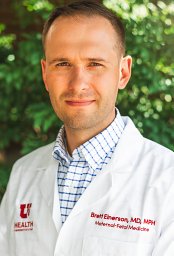 Einerson Brett D合作论文数Department of Obstetrics and Gynecology, Wake Forest University School of Medicine17
 Carusi Daniela A合作论文数Brigham and Women's Hospital, Harvard Medical School17
 Karin A. Fox合作论文数17
 Robert M. Silver合作论文数Farmington Health Center, University of Utah Health;The University of Utah16
 Yasser El-Sayed合作论文数Department of Obstetrics and Gynecology, School of Medicine, Stanford University15Amy Judy合作论文数14Tiffany Herrero合作论文数14
 Brendan Carvalho合作论文数Department of Anesthesiology, Perioperative and Pain Medicine, School of Medicine, Stanford University14
 Rachel Manber合作论文数Department of Psychiatry and Behavioral Sciences, School of Medicine, Stanford University12
 David K. Stevenson合作论文数Department of Pediatrics, Stanford University School of Medicine12Yasser El Sayed合作论文数11
 Y. Katherine Bianco合作论文数Department of Obstetrics and Gynecology, School of Medicine, Stanford University11
 Elliott Main合作论文数Maternal-Fetal Medicine and Obstetrics Division, School of Medicine, Stanford University;California Maternal Quality Care Collaborative11Shainker Scott A合作论文数Beth Israel Deaconess Medical Center, Harvard Medical School11
 Alireza Abdollah Shamshirsaz合作论文数Maternal Fetal Care Center, Harvard Medical School;Maternal Fetal Care Center, Boston Children's Hospital11
 Henry C Lee合作论文数10
 Rebecca J Baer合作论文数10Mayo Jonathan合作论文数10Laura L. Jelliffe-Pawlowski合作论文数10Kristin M. Pullen合作论文数9Yvonne W. Cheng合作论文数9
 Meena Khandelwal合作论文数Cooper University Hospital, University of Medicine and Dentistry of New Jersey9Robert J. Currier合作论文数9Amanda Yeaton-Massey合作论文数9Mary E. Norton合作论文数9Sanaa Suharwardy合作论文数8
 Bat Zion Shachar合作论文数8Akila Subramaniam合作论文数8
 Ciaran S. Phibbs合作论文数Health Research & Policy Department, Stanford University8Jeffrey B Gould合作论文数7
 Elizabeth Wall-Wieler合作论文数Dept Community Hlth Sci, Univ Manitoba7
 Vineet K Shrivastava合作论文数7
 Bentley Jason P合作论文数7William M. Gilbert合作论文数7
 Michael A Belfort合作论文数Texas Children's Pavilion for Women;Department of Obstetrics and Gynecology, Baylor College of Medicine7
 Kay Daniels合作论文数Department of Obstetrics & Gynecology, School of Medicine, Stanford University7
 Pervez Sultan合作论文数Department of Anesthesiology, Perioperative and Pain Medicine, School of Medicine, Stanford University6
 Brian T. Bateman合作论文数Department of Anesthesiology, Perioperative and Pain Medicine, School of Medicine, Stanford University6




