Abstract Purpose This study aimed to investigate vasculobiliary anatomical variations in living liver donors (LLDs) during pretransplant evaluation using magnetic resonance imaging (MRI). The accuracy of MRI in estimating graft weight was also evaluated. Methods Pre-operative MR imaging data of 100 LLDs were retrospectively assessed, and variations in the biliary, arterial, and venous systems were evaluated. Surgical records were used to identify discrepancies between MRI biliary findings and intra-operative cholangiograms. The image quality was classified as poor, fair, or good. The MRI-estimated weight was compared with the actual explant weight measured during surgery. Results Ninety-seven right lobe hepatectomies and 3 left lobe hepatectomies were performed, with 19 patients exhibiting classic anatomy in all three components. Pre-transplant MRI detected biliary, arterial, and venous variations in 42, 40, and 32 donors, respectively. Intra-operative cholangiograms were found to be discrepant with pre-operative MRIs in 35% of the cases. Furthermore, only 29 donors had acceptable image quality in all anatomical components. The mean estimated graft volume was 1015 ± 253 grams, while mean actual graft weight was 828 ± 204 grams. There was a linear correlation between the MRI-estimated graft weight and the actual graft weight (r: 0.83). Conclusion The utilization of pre-transplantation MRI in the evaluation of LLDs can provide valuable insights into anatomical variations. However, to avoid discrepancies between imaging and operative findings, it is important to exercise caution during graft volumetry and image interpretation. Furthermore, MRCP volumetry is another important step in ensuring that proper graft size is achieved.
Human erythrocyte glycophorin has been purified and partially sequenced. The portion of the sequence reported here (51 residues) represents a unique region of glycophorin that, on the basis of labeling experiments reported elsewhere, is probably associated with the hydrophobic interior of the red cell membrane. This sequence has the anticipated hydrophobic characteristics for interaction with the hydrocarbon interior of a membrane and, as far as we are aware, represents the first reported sequence from a hydrophobic region of an integral membrane protein. There is a distribution of charged and hydrophobic residues topographically similar to a cross-section of a phospholipid bilayer, a structure many now accept as the basic feature of a biological membrane. We propose that the hydrophobic sequence of approximately 23 residues comprises the intramembranous domain of human erythrocyte glycophorin and is intimately and possibly specifically associated with lipids of the membrane.
OBJECTIVE: The COVID-19 pandemic has played a lasting role on residency recruitment through the virtual interview process. The objective of this study was to 1) examine general surgery applicants' priorities and perceptions following pre-interview virtual open houses and 2) to assess applicant expectations and efficacy of the virtual interview day process. DESIGN/SETTING/PARTICIPANTS: This study utilized two voluntary and anonymous cross-sectional surveys administered via email to evaluate the virtual interview process of a general surgery residency program. The first was administered to registrants following completion of three open houses of various topics. The second was administered following each interview day. The post-open house survey had 78 respondents, two excluded for no open house attendance. The post-interview survey was completed by 44 applicants (62.9% response rate). RESULTS: Majority of respondents reported that attending virtual open houses made them want to apply to (90.9%) and improved their perception of the program (94.7%). Applicants who felt a sense of obligation to attend open houses (68.4%) were significantly more likely to feel that they contributed to the stress and time commitment of applications (81.8% vs 18.2%, p=0.028). Interview expectations were identified in recurrent themes: 1. Clear organization with breaks, 2. Interactive resident sessions, 3. Meetings with program leadership, 4. Additional information unavailable on other resources. The pre-interview social and interview day improved 90.2% of the applicants' perceptions of the program. The interview significantly improved applicants' ability to assess nearly all aspects of the program, notably resident camaraderie and culture (30.8% vs 97.4%, p=0.01) and strengths and weaknesses (30.8% vs 92.3%, p=0.04). CONCLUSIONS: While virtual open houses can improve applicants' perceptions and desire to apply to a program, the associated stress and obligation should be considered. Virtual interviews should provide information unavailable using other resources and provide avenues for conveying the resident culture and camaraderie. (C) 2022 Association of Program Directors in Surgery. Published by Elsevier Inc. All rights reserved.
High-grade portal vein thrombosis (PVT) is often considered to be a technically challenging scenario for liver transplantation (LT) and in some centers a relative contraindication. This study compares patients with chronic obliterative PVT who underwent portal vein recanalization-transjugular intrahepatic portosystemic shunt (PVR-TIPS) and subsequent LT to those with partial nonocclusive PVT who underwent LT without an intervention. This institutional review board-approved study analyzed 49 patients with cirrhosis with PVT from 2000 to 2020 at our institution. Patients were divided into two groups, those that received PVR-TIPS due to anticipated surgical challenges from chronic obliterative PVT and those who did not because of partial PVT. Demographic data and long-term outcomes were compared. A total of 35 patients received PVR-TIPS while 14 did not, with all receiving LT. Patients with PVR-TIPS had a higher Yerdel score and frequency of cavernoma than those that did not. PVR-TIPS was effective in decreasing portosystemic gradient (16 down to 8 mm HG; p < 0.05). Both groups allowed for end-to-end anastomoses in >90% of cases. However, veno-veno bypass was used significantly more in patients who did not receive PVR-TIPS. Additionally, patients without PVR-TIPS required significantly more intraoperative red blood cells. Overall survival was not different between groups. PVR-TIPS demonstrated efficacy in resolving PVT and allowed for end-to-end portal vein anastomoses. PVR-TIPS is a viable treatment option for chronic obliterative PVT with or without cavernoma that simplifies the surgical aspects of LT.
Purpose: To evaluate safety and efficacy of segmental yttrium-90 (Y90) radioembolization for hepatocellular carcinoma (HCC) after transjugular intrahepatic portosystemic shunt (TIPS) placement. The hypothesis was liver sparing segmental Y90 for HCC after TIPS would provide high antitumor response with a tolerable safety profile. Materials and Methods: This single-arm retrospective study included 39 patients (16 women, 23 men) with ages 49-81 years old who were treated with Y90. Child-Pugh A/B liver dysfunction was present in 72% (28/39) with a median Model for End-stage Liver Disease score of 18 (95% confidence interval, 16.4-19.4). Primary outcomes were clinical and biochemical toxicities and antitumor imaging response by World Health Organization (WHO) and European Association for the Study of the Liver (EASL) criteria. Secondary outcomes were orthotopic liver transplantation (OLT), time to progression (TTP), and overall survival (OS) estimates by the Kaplan-Meier method. Results: The 30-day mortality was 0%. Grade 3+ clinical adverse events and grade 3+ hyperbilirubinemia occurred in 5% (2/39) and 0% (0/39), respectively. Imaging response was achieved in 58% (22/38, WHO criteria) and 74% (28/38, EASL criteria), respectively. Median TTP was 16.1 months for any cause and 27.5 months for primary index lesions. OLT was completed in 88% (21/24) of listed patients at a median time of 6.1 months (range, 0.9-11.7 months). Median OS was 31.6 months and 62.9 months censored and uncensored to OLT, respectively. Conclusions: Segmental Y90 for HCC appears safe and efficacious in patients after TIPS. Preserved transplant eligibility suggests that Y90 is a useful tool for bridging these patients to liver transplantation.
We present the case of a living-donor nephrectomy of a horseshoe kidney. The recipient was a 33-year-old male with a history of end-stage renal disease secondary to IgA nephropathy. The donor was his 33-year-old partner who on preoperative cross-sectional imaging was found to have a horseshoe kidney with a single artery, vein and ureter. The donor operation was performed using a laparoscopic hand-assisted technique with transection of the interpolar fibrotic band using a stapler device. The backtable organ preparation was performed in a standard fashion with addition of a reinforcing hemostatic suture of the stapled fibrotic band. The donated kidney was transplanted extraperitoneally in the right iliac fossa of the recipient. The patient had an unremarkable postoperative course and was discharged home on post operative day 2 with normalizing renal function. To our knowledge, this is the first living donor nephrectomy of a horseshoe kidney performed using a laparoscopic hand-assisted technique.
 Riad Salem合作论文数Department of Radiology, Feinberg School of Medicine, Northwestern University;Division of Hematology and Oncology, Department of Medicine, Feinberg School of Medicine, Northwestern University4
 Daniel Borja-Cacho合作论文数4
 Bartley G Thornburg合作论文数Department of Radiology, Feinberg School of Medicine, Northwestern University3
 Ahsun Riaz合作论文数Department of Radiology, Feinberg School of Medicine, Northwestern University3
 Daniela P Ladner合作论文数Division of Organ Transplantation, Department of Surgery, Feinberg School of Medicine, Northwestern University;Department of Medical Social Sciences, Feinberg School of Medicine, Northwestern University;National Institute of Diabetes and Digestive and Kidney Diseases, National Institutes of Health;Northwestern Medicine3Katariya Nitin合作论文数3Pouya Entezari合作论文数2
 Ahmed H. Gabr合作论文数2
 Robert J Lewandowski合作论文数Hematology and Oncologys, Department of Medicine, Feinberg School of Medicine, Northwestern University2
 Daniel R Ganger合作论文数Gastroenterology and Hepatology, Department of Medicine, Feinberg School of Medicine, Northwestern University2Edward Kim合作论文数1Mm Abecassis合作论文数1Gabriel M. Knight合作论文数1Amy L Holmstrom合作论文数1Jeffrey Varghese合作论文数1B. Thornburg合作论文数1Juan C. Caicedo合作论文数1Mackenzie Krueger合作论文数1Rachel Hae-Soo Joung合作论文数1Christopher Moore合作论文数1
 Asad Malik合作论文数Department of Radiology, Northwestern Memorial Hospital1
 Abhinav Talwar合作论文数Feinberg School of Medicine, Northwestern University1
 Y Moazeni合作论文数Sect Intervent Radiol, Northwestern Univ1
 Moataz Soliman合作论文数From the Department of Diagnostic Imaging, The University of Texas MD Anderson Cancer Center;School of Medicine, Yale University;Department of Diagnostic Radiology, Baylor College of Medicine;Department of Radiology, Northwestern University Feinberg School of Medicine;Department of Diagnostic Radiology, University of Texas;and Department of Radiology, University of Missouri School of Medicine;University of Texas Medical Branch, University of Missouri School of Medicine1Jessie W Ho合作论文数1Justin A Steggerda合作论文数1
 Beau Toskich合作论文数Department of Pharmacy (Fuqua),, Mayo Clinic1
 Leah C Tatebe合作论文数Department of TraumaCook County HealthDepartment, SurgeryRush University Medical Center1Alex Sher合作论文数1
 Aakash Gupta合作论文数Dept Radiol, Northwestern Univ1
 Juan C Caicedo-Ramirez合作论文数Department of Surgery, Feinberg School of Medicine, Northwestern University1
 Albert A Nemcek合作论文数Department of Radiology, Feinberg School of Medicine, Northwestern University1
 Samdeep K Mouli合作论文数Department of Radiology, Feinberg School of Medicine, Northwestern University1
 Elias S Hohlastos合作论文数Department of Radiology, Feinberg School of Medicine, Northwestern University1
 Kush Desai合作论文数Department of Radiology, Feinberg School of Medicine, Northwestern University1
 Jeremy D Collins合作论文数Feinberg School of Medicine, Northwestern University;Department of Radiology, Mayo Clinic1
 Amir A Borhani合作论文数Department of Radiology, Feinberg School of Medicine, Northwestern University1
 Haripriya Maddur合作论文数Northwestern Memorial Hospital1
 Steven Flamm合作论文数Department of Internal Medicine, RUSH Medical College, RUSH University;Division of Digestive Diseases and Nutrition, RUSH Medical College, RUSH University1
 Amy L Halverson合作论文数Department of Medical Education, Feinberg School of Medicine, Northwestern University1
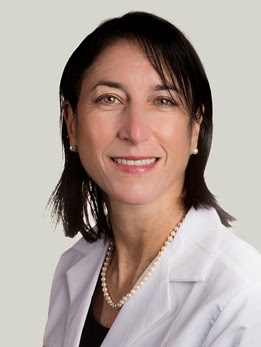 Talia B Baker合作论文数Department of Surgery, University of Chicago1
 Caicedo Juan Carlos合作论文数Northwestern Univ1Kulik Laura M合作论文数1Dietch Zachary C合作论文数1Schlick Cary Jo合作论文数1
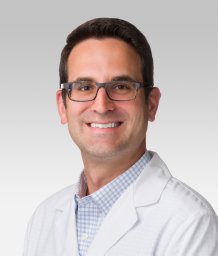 Boike Justin R合作论文数University of Illinois at Chicago1
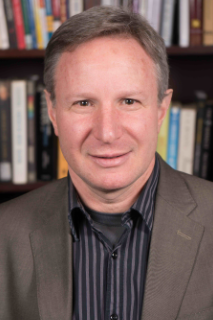 Andrew Michael Gordon合作论文数Department of Biobehavioral Sciences, Teachers College, Columbia University1
 Hasan B. Alam合作论文数Department of Surgery, Northwestern University Feinberg School of Medicine;Northwestern Memorial Hospital1
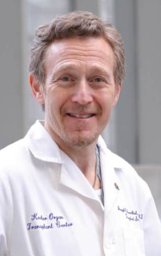 Joseph R. Leventhal合作论文数Department of Surgery, University of Minnesota1




