Existing mass spectrometric assays used for sensitive and specific measurements of target proteins across multiple samples, such as selected/multiple reaction monitoring (SRM/MRM) or parallel reaction monitoring (PRM), are peptide-based methods for bottom-up proteomics. Here, we describe an approach based on the principle of PRM for the measurement of intact proteoforms by targeted top-down proteomics, termed proteoform reaction monitoring (PfRM). We explore the ability of our method to circumvent traditional limitations of top-down proteomics, such as sensitivity and reproducibility. We also introduce a new software program, Proteoform Finder (part of ProSight Native), specifically designed for the easy analysis of PfRM data. PfRM was initially benchmarked by quantifying three standard proteins. The linearity of the assay was shown over almost 3 orders of magnitude in the femtomole range, with limits of detection and quantification in the low femtomolar range. We later applied our multiplexed PfRM assay to complex samples to quantify biomarker candidates in peripheral blood mononuclear cells (PBMCs) from liver-transplanted patients, suggesting their possible translational applications. These results demonstrate that PfRM has the potential to contribute to the accurate quantification of protein biomarkers for diagnostic purposes and to improve our understanding of disease etiology at the proteoform level.
Human cytomegalovirus (HCMV) is an opportunistic pathogen that infects most of the population. The complex 236 kbp genome encodes more than 170 open reading frames, whose expression is temporally regulated by both viral transcriptional regulators and cellular factors that control chromatin and transcription. Here, we have used state of the art genomic technologies to investigate the viral transcriptome in conjunction with 2 key transcriptional regulators: Pol II and H3K27Ac. Although it is well known that the major immediate early (IE) proteins activate early gene expression through both direct and indirect interactions, and that histone modifications play an important role in regulating viral gene expression, the role of the IE proteins in modulating viral chromatin is not fully understood. To address this question, we have used a virus engineered for conditional expression of the IE proteins combined with RNA and Chromatin immunoprecipitation (ChIP) analyses to assess the role of these proteins in modulating both viral chromatin and gene expression. Our results show that (i) there is an enhancer-like element in OriLyt that is extraordinarily enriched in H3K27Ac; (ii) in addition to activation of viral gene expression, the IE proteins play a critical role in recruitment of Pol II and H3K27Ac to this element. IMPORTANCE HCMV is an important human pathogen associated with complications in transplant patients and birth defects. The complex program of viral gene expression is regulated by both viral proteins and host factors. Here, we have investigated the role of the immediate early proteins in regulating the viral epigenome. Our results show that the viral immediate early proteins bring about an enormous enrichment of H3K27Ac marks at the OriLyt RNA4.9 promoter, concomitant with an increase in RNA4.9 expression. This epigenetic characteristic adds importantly to the view that OriLyt has structural and functional characteristics of a strong enhancer that, we now discover, is regulated by IE proteins.
High-grade portal vein thrombosis (PVT) is often considered to be a technically challenging scenario for liver transplantation (LT) and in some centers a relative contraindication. This study compares patients with chronic obliterative PVT who underwent portal vein recanalization-transjugular intrahepatic portosystemic shunt (PVR-TIPS) and subsequent LT to those with partial nonocclusive PVT who underwent LT without an intervention. This institutional review board-approved study analyzed 49 patients with cirrhosis with PVT from 2000 to 2020 at our institution. Patients were divided into two groups, those that received PVR-TIPS due to anticipated surgical challenges from chronic obliterative PVT and those who did not because of partial PVT. Demographic data and long-term outcomes were compared. A total of 35 patients received PVR-TIPS while 14 did not, with all receiving LT. Patients with PVR-TIPS had a higher Yerdel score and frequency of cavernoma than those that did not. PVR-TIPS was effective in decreasing portosystemic gradient (16 down to 8 mm HG; p < 0.05). Both groups allowed for end-to-end anastomoses in >90% of cases. However, veno-veno bypass was used significantly more in patients who did not receive PVR-TIPS. Additionally, patients without PVR-TIPS required significantly more intraoperative red blood cells. Overall survival was not different between groups. PVR-TIPS demonstrated efficacy in resolving PVT and allowed for end-to-end portal vein anastomoses. PVR-TIPS is a viable treatment option for chronic obliterative PVT with or without cavernoma that simplifies the surgical aspects of LT.
BACKGROUND:Noninvasive biomarkers distinguishing early immune activation before acute rejection (AR) could more objectively inform immunosuppression management in liver transplant recipients (LTRs). We previously reported a genomic profile distinguishing LTR with AR versus stable graft function. This current study includes key phenotypes with other causes of graft dysfunction and uses a novel random forest approach to augment the specificity of predicting and diagnosing AR. METHODS:Gene expression results in LTRs with AR versus non-AR (combination of other causes of graft dysfunction and normal function) were analyzed from single and multicenter cohorts. A 70:30 approach (61 ARs; 162 non-ARs) was used for training and testing sets. Microarray data were normalized using a LT-specific vector. RESULTS:Random forest modeling on the training set generated a 59-probe classifier distinguishing AR versus non-AR (area under the curve 0.83; accuracy 0.78, sensitivity 0.70, specificity 0.81, positive predictive value 0.54, negative predictive value [NPV] 0.89; F-score 0.61). Using a locked threshold, the classifier performed well on the testing set (accuracy 0.72, sensitivity 0.67, specificity 0.73, positive predictive value 0.48, NPV 0.86; F-score 0.56). Probability scores increased in samples preceding AR versus non-AR, when liver function tests were normal, and decreased following AR treatment (P < 0.001). Ingenuity pathway analysis of the genes revealed a high percentage related to immune responses and liver injury. CONCLUSIONS:We have developed a blood-based biologically relevant biomarker that can be detected before AR-associated graft injury distinct from LTR never developing AR. Given its high NPV ("rule out AR"), the biomarker has the potential to inform precision-guided immunosuppression minimization in LTRs.
To evaluate hepatocellular carcinoma (HCC) treatment allocation, deviation from BCLC first-treatment recommendation, and outcomes following multidisciplinary, individualized approach. Treatment-naïve HCC discussed at multidisciplinary tumor board (MDT) between 2010 and 2013 were included to allow minimum 5 years of follow-up. MDT first-treatment recommendation (resection, transplant, ablation, transarterial radioembolization (Y90), transarterial chemoembolization, sorafenib, palliation) was documented, as were subsequent treatments. Overall survival (OS) analyses were performed on an intention-to-treat (ITT) basis, stratified by BCLC stage. Three hundred and twenty-one patients were treated in the 4-year period. Median age was 62 years, predominantly male (73%), hepatitis C (41%), and Y90 initial treatment (52%). There was a 76% rate of BCLC-discordant first-treatment. Median OS was not reached (57% alive at 10 years), 51.0 months, 25.4 months and 13.4 months for BCLC stages A, B, C and D, respectively. Deviation from BCLC guidelines was very common when individualized, MDT treatment recommendations were made. This approach yielded expected OS in BCLC A, and exceeded general guideline expectations for BCLC B, C and D. These results suggest that while guidelines are helpful, implementing a more personalized approach that incorporates center expertise, patient-specific characteristics, and the known multi-directional treatment allocation process, improves patient outcomes.
Donor-derived cell-free DNA (dd-cfDNA) has been evaluated as a rejection marker in organ transplantation. This study sought to assess the utility of dd-cfDNA to diagnose graft injury in liver transplant recipients (LTR) and as a predictive biomarker prior to different causes of graft dysfunction. Plasma from single and multicenter LTR cohorts was analyzed for dd-cfDNA. Phenotypes of treated biopsy-proven acute rejection (AR, N = 57), normal function (TX, N = 94), and acute dysfunction no rejection (ADNR; N = 68) were divided into training and test sets. In the training set, dd-cfDNA was significantly different between AR versus TX (AUC 0.95, 5.3% cutoff) and AR versus ADNR (AUC 0.71, 20.4% cutoff). Using these cutoffs in the test set, the accuracy and NPV were 87% and 100% (AR vs. TX) and 66.7% and 87.8% (AR vs. ADNR). Blood samples collected serially from LTR demonstrated incremental elevations in dd-cfDNA prior to the onset of graft dysfunction (AR > ADNR), but not in TX. Dd-cfDNA also decreased following treatment of rejection. In conclusion, the serial elevation of dd-cfDNA identifies pre-clinical graft injury in the context of normal liver function tests and is greatest in rejection. This biomarker may help detect early signs of graft injury and rejection to inform LTR management strategies.
Human cytomegalovirus (HCMV) is an important human pathogen in immunocompromised hosts and developing fetuses. Current antiviral therapies are limited by toxicity and emergence of resistant strains.
Background: Several studies report a high prevalence of non-adherence to prescribed immunosuppressive (IS) medications among kidney transplant recipients (KTRs), yet few interventions have been effective for helping patients sustain appropriate post-transplant adherence. We describe a multifaceted, evidence-based, medication adherence monitoring strategy (?TAKE IT?) that leverages available transplant center resources to identify potential medication non-adherence and other concerns earlier to prevent complications that could result from inadequate IS adherence.& nbsp; Methods: The TAKE IT strategy includes: 1) medication adherence mobile application; 2) routine, online patient self-reported adherence assessments; 3) care alert notifications via the electronic health record (EHR) directed to transplant coordinators; 4) quarterly adherence reports to monitor IS values and summarize adherence trends; 5) deployment of adherence support tools tailored to specific adherence concerns. To test the TAKE IT intervention, we will conduct a two-arm, patient-randomized controlled trial at two large, diverse transplant centers (Northwestern University, Mayo Clinic, AZ) with planned recruitment of 450 KTRs (n = 225 per site) within 2 years of transplantation and 2 years of follow-up. Study assessments will take place at baseline, 6 weeks, 6, 12, 18 and 24 months. The primary effectiveness outcome is medication adherence via pill count, secondary outcomes include self-reported adherence and clinical outcomes. Process outcomes and cost-effectiveness will also be examined.& nbsp; Conclusion: The TAKE IT trial presents an innovative approach to monitoring and optimizing medication adherence among a population taking complex medication regimens. This trial seeks to evaluate the effectiveness and feasibility of this strategy compared to usual care.
Background and objectives Subclinical acute rejection is associated with poor outcomes in kidney transplant recipients. As an alternative to surveillance biopsies, noninvasive screening has been established with a blood gene expression profile. Donor-derived cellfree DNA (cfDNA) has been used to detect rejection in patients with allograft dysfunction but not tested extensively in stable patients. We hypothesized that we could complement noninvasive diagnostic performance for subclinical rejection by combining a donor-derived cfDNA and a gene expression profile assay. Design, setting, participants, & measurements We performed a post hoc analysis of simultaneous blood gene expression profile and donor-derived cfDNA assays in 428 samples paired with surveillance biopsies from 208 subjects enrolled in an observational clinical trial (Clinical Trials in Organ Transplantation-08). Assay results were analyzed as binary variables, and then, their continuous scores were combined using logistic regression. The performance of each assay alone and in combination was compared. Results For diagnosing subclinical rejection, the gene expression profile demonstrated a negative predictive value of 82%, a positive predictive value of 47%, a balanced accuracy of 64%, and an area under the receiver operating curve of 0.75. The donor-derived cfDNA assay showed similar negative predictive value (84%), positive predictive value (56%), balanced accuracy (68%), and area under the receiver operating curve (0.72). When both assays were negative, negative predictive value increased to 88%. When both assays were positive, positive predictive value increased to 81%. Combining assays using multivariable logistic regression, area under the receiver operating curve was 0.81, significantly higher than the gene expression profile ( P <0.001) or donor-derived cfDNA alone ( P =0.006). Notably, when cases were separated on the basis of rejection type, the gene expression profile was significantly better at detecting cellular rejection (area under the receiver operating curve, 0.80 versus 0.62; P =0.001), whereas the donor-derived cfDNA was significantly better at detecting antibody-mediated rejection (area under the receiver operating curve, 0.84 versus 0.71; P =0.003). Conclusions A combination of blood-based biomarkers can improve detection and provide less invasive monitoring for subclinical rejection. In this study, the gene expression profile detected more cellular rejection, whereas donor-derived cfDNA detected more antibody-mediated rejection.
PURPOSE:Arteriovenous malformations (AVMs) are typically congenital in origin, but acquired types, such as dural arteriovenous fistula (AVF), have been described. This study aimed to describe the diagnosis and endovascular treatment of acquired hepatic arterial-portal venous (HA-PV) malformations.MATERIALS AND METHODS:A retrospective review of suspected acquired HA-PV malformations from 9/2011 to 2/2018 was performed. Eight patients (1M:7F, average age 62) with HA-PV malformations were identified. Four (50%) patients had a history of liver transplant. All HA-PV malformations were Yakes type IIIA (multiple inflow arteries with a single vein outflow and with the nidus located within the vein wall). In all cases, computed tomography angiography/magnetic resonance angiography was unable to distinguish AVMs from AVFs, and a wrong diagnosis was made in each instance.RESULTS:Review of pre-procedural Doppler ultrasounds in all cases demonstrated arterialization of portal vein waveforms. Review of pre-procedural cross-sectional (CT/MR) imaging in all of these cases demonstrates a network of arteries around the portal vein with early portal vein filling in every instance. Attempts to close the shunts via arterial inflow embolization but without venous nidus occlusion were performed and were unsuccessful in five out of eight (62.5%) cases. All curative therapies were via embolization of the outflow vein (segmental or lobar portal vein). Technical success was seen in seven of eight cases (87.5%), while one patient is planned to receive additional nidal vein embolization. Liver function was preserved after treatment without worsening of bilirubin or albumin levels.CONCLUSION:The diagnosis of an acquired HA-PV malformation can guide curative endovascular treatment by embolization of the portal vein outflow.
Cytomegalovirus (CMV) is a β-herpesvirus that establishes lifelong latency in infected hosts. Following transplantation of a latently infected organ, reactivation can occur and consists of a spectrum of clinically apparent syndromes from mild symptoms to tissue-invasive, resulting in both direct and indirect sequelae. Before the advent of effective antiviral agents, the primary treatment was reduction in immunosuppression (IS). While antiviral agents provide effective prophylaxis, there are several important caveats associated with their use, including drug toxicity and resistance. The traditional view attributes CMV reactivation and the ensuing clinical disease primarily to IS, either intrinsic to disease-related immune compromise or from the extrinsic administration of IS agents. However, previous data from both animal models and human subjects showed that inflammatory signals could induce upregulation of latent viral gene expression. New data demonstrate that ischemia/reperfusion is necessary and sufficient to induce CMV reactivation following murine transplantation of a latently infected graft. In this article, we review a growing body of evidence that suggests that reactivation of both human CMV and murine CMV is first triggered by molecular events that activate CMV gene expression and lytic infection and viral dissemination are then facilitated by IS. The initial activation of viral gene expression may be mediated by oxidative stress, DNA damage, or inflammatory cytokines, and these factors may act synergistically. New therapeutic approaches are needed to capture this complex array of targets.
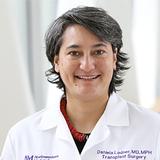 Daniela P Ladner合作论文数Division of Organ Transplantation, Department of Surgery, Feinberg School of Medicine, Northwestern University;Department of Medical Social Sciences, Feinberg School of Medicine, Northwestern University;National Institute of Diabetes and Digestive and Kidney Diseases, National Institutes of Health;Northwestern Medicine93
 John J Friedewald合作论文数Nephrology and Hypertension, Department of Medicine, Feinberg School of Medicine, Northwestern University92
 Kulik Laura M合作论文数69
 Joseph R. Leventhal合作论文数Department of Surgery, University of Minnesota66Levitsky Josh合作论文数63
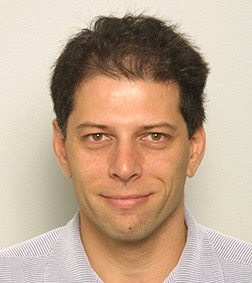 Riad Salem合作论文数Department of Radiology, Feinberg School of Medicine, Northwestern University;Division of Hematology and Oncology, Department of Medicine, Feinberg School of Medicine, Northwestern University55Dixon B. Kaufman合作论文数54
 Talia B Baker合作论文数Department of Surgery, University of Chicago52
 Anton I Skaro合作论文数47
 Robert J Lewandowski合作论文数Hematology and Oncologys, Department of Medicine, Feinberg School of Medicine, Northwestern University46
 Mary F. Mulcahy合作论文数Division of Hematology and Oncology, Department of Medicine, Feinberg School of Medicine, Northwestern University42
 Ahsun Riaz合作论文数Department of Radiology, Feinberg School of Medicine, Northwestern University36Mary Hummel合作论文数34Skaro Anton I合作论文数31
 Alan Koffron合作论文数University of Cincinnati;Northwestern Memorial Hospital;Northwestern Memorial Hospital, University of Cincinnati30
 Jonathan P Fryer合作论文数Department of Surgery, Feinberg School of Medicine, Northwestern University29
 Lihui Zhao合作论文数Department of Preventive Medicine, Feinberg School of Medicine, Northwestern University29S. Kurian合作论文数27
 Lorenzo Gallon合作论文数Nephrology and Hypertension, Department of Medicine, Feinberg School of Medicine, Northwestern University27Holl Jane L合作论文数27Frank P. Stuart合作论文数27J Fryer合作论文数26Shixian Yan合作论文数25C. Jay合作论文数Med Ctr Blvd, Wake Forest Sch Med24
 Vadim Lyuksemburg合作论文数22
 Anat Roitberg-Tambur合作论文数Department of Surgery, Feinberg School of Medicine, Northwestern Univeristy22
 Robert K Ryu合作论文数21AJ Koffron合作论文数20JP Fryer合作论文数20D. Salomon合作论文数20
 Frank H Miller合作论文数Department of Radiology, Feinberg School of Medicine, Northwestern University20
 Daniel R Ganger合作论文数Gastroenterology and Hepatology, Department of Medicine, Feinberg School of Medicine, Northwestern University20Frank P Stuart合作论文数20
 Reed A. Omary合作论文数Department of Biomedical Engineering, Vanderbilt University;Department of Radiology, Vanderbilt University Medical Center;School of Medicine, Vanderbilt University19
 Sunil M. Kurian合作论文数Department of Molecular and Experimental Medicine, The Scripps Research Institute;Transplant Genomics Collaborative Group, The Scripps Research Institute;The Scripps Research Institute, The Scripps Research Institute19
 Robert M. Merion合作论文数Department of Surgery, University of Michigan18
 Caicedo Juan Carlos合作论文数Northwestern Univ17
 Zheng J Zhang合作论文数Department of Surgery, Feinberg School of Medicine, Northwestern University16
 James M Mathew合作论文数Department of Microbiology-Immunology, Feinberg School of Medicine, Northwestern University16
 Al B Benson合作论文数Division of Hematology and Oncology, Department of Medicine, Feinberg School of Medicine, Northwestern University;Robert H. Lurie Comprehensive Cancer Center, Feinberg School of Medicine, Northwestern University16Raymond Kang合作论文数16Juan C. Caicedo合作论文数15
 Daniel R Salomon合作论文数15T. Baker合作论文数14
 Lisa M McElroy合作论文数Department of Population Health Sciences, Duke University School of Medicine14
 Manoj Kandpal合作论文数Center for Clinical and Translational Science, The Rockefeller University14
 Donna M Woods合作论文数Feinberg School of Medicine, Northwestern University14Kexin Guo合作论文数Biostat Collaborat Ctr, Northwestern Univ13




