Old Wallow is an underexplored, hyper-arid coastal desert in Antarctica’s Vestfold Hills. Situated near an elephant seal wallow, we examined how stochastic nutrient inputs from the seal wallow affect soil communities amid environmental changes along a spatially explicit sampling transect. We hypothesized that nutrient levels would be elevated due to proximity to the seal wallow, influencing community distributions. While the soil bacterial and eukaryotic communities at the phylum level were similar to other terrestrial environments, analysis at class and family levels revealed a dominance of unclassified taxa that are often linked to marine environments. Elevated nutrient concentrations (NO3−, SO42−, SO3) were found at Old Wallow, with conductivity and Cl− levels up to 10-fold higher at the lowest elevation soils, correlating with significantly (p < 0.05) higher abundances of halophilic (Halomonadaceace) and uncultivated lineages (Ca Actinomarinales, unclassified Bacillariophyta and unclassified Opisthonkonta). An improved Gradient Forest model was used to quantify microbial responses to 26 soil gradients at OW, revealing variable responses to environmental predictors and identifying critical environmental thresholds or drivers of community turnover. Major tipping points were projected for eukaryotes with SO42−, pH, and SO3, and for bacteria with moisture, Na2O, and Cl−. Thus, the Old Wallow ecosystem is primarily shaped by salt, sulphate, and moisture and is dominated by uncultivated taxa, which may be sensitive to environmental changes once critical tipping points are reached. This study provides critical baseline data for future regional monitoring under threats of environmental change.
Hydrocarbon contaminated soils resulting from human activities pose a risk to the natural environment, including in the Arctic and Antarctic. Engineered biopiles constructed at Casey Station, Antarctica, have proven to be an effective strategy for remediating hydrocarbon contaminated soils, with active ex-situ remediation resulting in significant reductions in hydrocarbons, even in the extreme Antarctic climate. However, the use of urea-based fertilisers, whilst providing a nitrogen source for bioremediation, has also altered the natural soil chemistry leading to increases in pH, ammonium and nitrite. Monitoring of the urea amended biopiles identified rising levels of nitrite to be of particular interest, which misaligns with the long term goal of reducing contaminant levels and returning soil communities to a ‘healthy’ state.Here, we combine amplicon sequencing, microfluidic qPCR on field samples and laboratory soil microcosms to assess the impact of persistent nitrite accumulation (up to 60 months) on nitrifier abundances observed within the Antarctic biopiles. Differential inhibition of ammonia oxidizing bacteria (AOB) and nitrite oxidizing bacteria (NOB) Nitrobacter and Nitrospira in the cold, urea treated, alkaline soils (pH 8.1) was associated with extensive nitrite accumulation (76 ± 57 mg N/kg at 60 months). When the ratio of Nitrospira:AOB dropped below ∼1:1, Nitrobacter was completely inhibited or absent from the biopiles, and nitrite accumulated. Laboratory soil microcosms (incubated at 7 °C and 15 °C for 9 weeks) reproduced the pattern of nitrite accumulation in urea fertilized soil at the lower temperature, consistent with our longer-term observations from the Antarctic biopiles, and with other temperature-controlled microcosm studies. Diammonium phosphate amended soil did not exhibit nitrite accumulation, and could be a suitable alternative biostimulant to avoid excessive nitrite build-up.
The ice-free McMurdo Dry Valleys of Antarctica are dominated by nutrient-poor mineral soil and rocky outcrops. The principal habitat for microorganisms is within rocks (endolithic). In this environment, microorganisms are provided with protection against sub-zero temperatures, rapid thermal fluctuations, extreme dryness, and ultraviolet and solar radiation. Endolithic communities include lichen, algae, fungi, and a diverse array of bacteria. Chloroflexota is among the most abundant bacterial phyla present in these communities. Among the Chloroflexota are four novel classes of bacteria, here named Candidatus Spiritibacteria class. nov. (=UBA5177), Candidatus Martimicrobia class. nov. (=UBA4733), Candidatus Tarhunnaeia class. nov. (=UBA6077), and Candidatus Uliximicrobia class. nov. (=UBA2235). We retrieved 17 high-quality metagenome-assembled genomes (MAGs) that represent these four classes. Based on genome predictions, all these bacteria are inferred to be aerobic heterotrophs that encode enzymes for the catabolism of diverse sugars. These and other organic substrates are likely derived from lichen, algae, and fungi, as metabolites (including photosynthate), cell wall components, and extracellular matrix components. The majority of MAGs encode the capacity for trace gas oxidation using high-affinity uptake hydrogenases, which could provide energy and metabolic water required for survival and persistence. Furthermore, some MAGs encode the capacity to couple the energy generated from H2 and CO oxidation to support carbon fixation (atmospheric chemosynthesis). All encode mechanisms for the detoxification and efflux of heavy metals. Certain MAGs encode features that indicate possible interactions with other organisms, such as Tc-type toxin complexes, hemolysins, and macroglobulins.IMPORTANCEThe ice-free McMurdo Dry Valleys of Antarctica are the coldest and most hyperarid desert on Earth. It is, therefore, the closest analog to the surface of the planet Mars. Bacteria and other microorganisms survive by inhabiting airspaces within rocks (endolithic). We identify four novel classes of phylum Chloroflexota, and, based on interrogation of 17 metagenome-assembled genomes, we predict specific metabolic and physiological adaptations that facilitate the survival of these bacteria in this harsh environment-including oxidation of trace gases and the utilization of nutrients (including sugars) derived from lichen, algae, and fungi. We propose that such adaptations allow these endolithic bacteria to eke out an existence in this cold and extremely dry habitat.
Overgeneralization and a lack of baseline data for microorganisms in high-latitude environments have restricted the understanding of the microbial response to climate change, which is needed to establish Antarctic conservation frameworks. To bridge this gap, we examined over 17,000 sequence variants of bacteria and microeukarya across the hyperarid Vestfold Hills and Windmill Islands regions of eastern Antarctica. Using an extended gradient forest model, we quantified multispecies response to variations along 79 edaphic gradients to explore the effects of change and wind-driven dispersal on community dynamics under projected warming trends. We also analyzed a second set of soil community data from the Windmill Islands to test our predictions of major environmental tipping points. Soil moisture was the most robust predictor for shaping the regional soil microbiome; the highest rates of compositional turnover occurred at 10-12% soil moisture threshold for photoautotrophs, such as Cyanobacteria, Chlorophyta, and Ochrophyta. Dust profiles revealed a high dispersal propensity for Chlamydomonas, a microalga, and higher biomass was detected at trafficked research stations. This could signal the potential for algal blooms and increased nonendemic species dispersal as human activities increase in the region. Predicted increases in moisture availability on the Windmill Islands were accompanied by high photoautotroph abundances. Abundances of rare oligotrophic taxa, such as Eremiobacterota and Candidatus Dormibacterota, which play a crucial role in atmospheric chemosynthesis, declined over time. That photosynthetic taxa increased as soil moisture increased under a warming scenario suggests the potential for competition between primary production strategies and thus a more biotically driven ecosystem should the climate become milder. Better understanding of environmental triggers will aid conservation efforts, and it is crucial that long-term monitoring of our study sites be established for the protection of Antarctic desert ecosystems. Furthermore, the successful implementation of an improved gradient forest model presents an exciting opportunity to broaden its use on microbial systems globally.
Antimicrobial resistance is an escalating health crisis requiring urgent action. Most antimicrobials are natural products (NPs) sourced from Actinomycetota , particularly the Streptomyces . Underexplored and extreme environments are predicted to harbour novel microorganisms with the capacity to synthesise unique metabolites. Herring Island is a barren and rocky cold desert in East Antarctica, remote from anthropogenic impact. We aimed to recover rare and cold-adapted NP-producing bacteria, by employing two culturing methods which mimic the natural environment: direct soil culturing and the soil substrate membrane system. First, we analysed 16S rRNA gene amplicon sequencing data from 18 Herring Island soils and selected the soil sample with the highest Actinomycetota relative abundance (78%) for culturing experiments. We isolated 166 strains across three phyla, including novel and rare strains, with 94% of strains belonging to the Actinomycetota . These strains encompassed thirty-five ‘species’ groups, 18 of which were composed of Streptomyces strains. We screened representative strains for genes which encode polyketide synthases and non-ribosomal peptide synthetases, indicating that 69% have the capacity to synthesise polyketide and non-ribosomal peptide NPs. Fourteen Streptomyces strains displayed antimicrobial activity against selected bacterial and yeast pathogens using an in situ assay. Our results confirm that the cold-adapted bacteria of the harsh East Antarctic deserts are worthy targets in the search for bioactive compounds.
Cold desert soil microbiomes thrive despite severe moisture and nutrient limitations. In Eastern Antarctic soils, bacterial primary production is supported by trace gas oxidation and the light-independent RuBisCO form IE. This study aims to determine if atmospheric chemosynthesis is widespread within Antarctic, Arctic and Tibetan cold deserts, to identify the breadth of trace gas chemosynthetic taxa and to further characterize the genetic determinants of this process. H 2 oxidation was ubiquitous, far exceeding rates reported to fulfill the maintenance needs of similarly structured edaphic microbiomes. Atmospheric chemosynthesis occurred globally, contributing significantly ( p < 0.05) to carbon fixation in Antarctica and the high Arctic. Taxonomic and functional analyses were performed upon 18 cold desert metagenomes, 230 dereplicated medium-to-high-quality derived metagenome-assembled genomes (MAGs) and an additional 24,080 publicly available genomes. Hydrogenotrophic and carboxydotrophic growth markers were widespread. RuBisCO IE was discovered to co-occur alongside trace gas oxidation enzymes in representative Chloroflexota , Firmicutes , Deinococcota and Verrucomicrobiota genomes. We identify a novel group of high-affinity [NiFe]-hydrogenases, group 1m, through phylogenetics, gene structure analysis and homology modeling, and reveal substantial genetic diversity within RuBisCO form IE ( rbcL1E ), and high-affinity 1h and 1l [NiFe]-hydrogenase groups. We conclude that atmospheric chemosynthesis is a globally-distributed phenomenon, extending throughout cold deserts, with significant implications for the global carbon cycle and bacterial survival within environmental reservoirs.
Microorganisms are key to sustaining core ecosystem processes across terrestrial Antarctica but they are rarely considered in conservation frameworks. Whilst greater advocacy has been made towards the inclusion of microbial data in this context, there is still a need for better tools to quantify multispecies responses to environmental change. Here, we extend the scope of Gradient Forest modelling beyond macroorganisms and small datasets to the comprehensive polar soil microbiome encompassing >17, 000 sequence variants for bacteria, micro-eukarya and archaea throughout the hyperarid Vestfold Hills of Eastern Antarctica. Quantification of microbial diversity against 79 physiochemical variables revealed that whilst rank-order importance differed, predictors were broadly consistent between domains, with greatest sharing occurring between bacteria and micro-eukarya. Moisture was identified as the most robust predictor for shaping the regional soil microbiome, with highest compositional turnover or “splits” occurring within the 10 – 12 % moisture content range. Often the most responsive taxa were rarer lineages of bacteria and micro-eukarya with phototrophic and nutrient-cycling capacities such as Cyanobacteria (up to 61.81 % predictive capacity), Chlorophyta (62.17 %) and Ochrophyta (57.81 %). These taxa groups are thus at greater risk of biodiversity loss or gain to projected climate trajectories, which will inevitably disturb current ecosystem dynamics. Better understanding of these threshold tipping points will positively aid conservation efforts across Eastern Antarctica. Furthermore, the successful implementation of an improved Gradient Forest model also presents an exciting opportunity to broaden its use on microbial systems globally.
 Belinda Ferrari合作论文数School of Biotechnology and Biomolecular Sciences, Faculty of Science, The University of New South Wales7
 Angelique Ray合作论文数4
 Nicole Benaud合作论文数Sch Biotechnol & Biomol Sci, UNSW4
 Eden Zhang合作论文数Sch Biotechnol & Biomol Sci, UNSW Sydney4
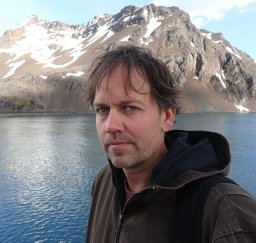 Aleks Terauds合作论文数University of Tasmania4
 Sin Yin Wong合作论文数3Kate T Montgomery合作论文数2
 Daniel Wilkins合作论文数2
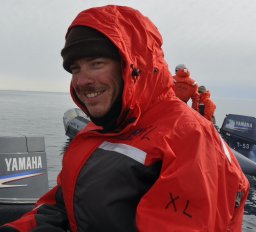 Paul Czechowski合作论文数Max Planck Institute for Evolutionary Anthropology, Leipzig, Germany2Greg Hince合作论文数1
 Sean K Bay合作论文数School of Biological Sciences, Monash University1
 Claudia Coleine合作论文数Dept Ecol & Biol Sci, Univ Tuscia1
 Hon Lun Wong合作论文数School of Biotechnology and Biomolecular Sciences, The University of New South Wales1
 Pok Man Leung合作论文数Monash Univ, Sch Biol Sci, Clayton, Vic, Australia1
 Phil Hugenholtz合作论文数Australian Centre for Ecogenomics, School of Chemistry and Molecular Biosciences, Faculty of Science, University of Queensland1
 Sally Crane合作论文数School of Biotechnology and Biomolecular Sciences, UNSW Sydney1Josie van Dorst合作论文数School of Biotechnology and Biomolecular Sciences, UNSW Australia1
 Albanese Davide合作论文数Computational Biology Department, Research and Innovation Centre1
 Tim Spedding合作论文数Terrestrial and Nearshore Ecosystems, Australian Antarctic Division1
 Mukan Ji (计慕侃)合作论文数Center for the Pan-third Pole Environment, Lanzhou University1
 Zaugg Julian合作论文数School of Chemistry and Molecular Biosciences, The University of Queensland1
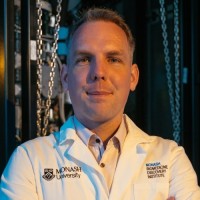 Chris Greening合作论文数Department of Microbiology, Monash University1
 Timothy Williams合作论文数National Heart & Lung Institute, Faculty of Medicine, Imperial College London1
 Claudio Donati合作论文数Novartis Vaccines and Diagnostics1
 Michelle Allen合作论文数1
 Weidong Kong (孔维栋)合作论文数College of Life Sciences, Capital Normal University1
 Mark M. Tanaka合作论文数School of Biotechnology & Biomolecular Sciences, Faculty of Science, The University of New South Wales1Mark Raven合作论文数Centre for Australian Forensic Soil Science;Private Bag No;Centre for Australian Forensic Soil Science1
 Don Cowan合作论文数Centre for Microbial Ecology and Genomics, University of Pretoria;Genomics Research Institute, University of Pretoria1
 Laura Selbmann合作论文数Dipartimento Di Scienze Ecologiche E Biologiche, University of Tuscia1




