Objective Multiple endocrine neoplasia type 2A (MEN2A), is associated with pheochromocytoma and medullary carcinoma of the thyroid. Congenital heart disease (CHD) patients may develop Eisenmenger syndrome (ES) as age advances, which leads to an increase in perioperative complications when non-cardiac surgery is performed. In patients with ES, multiple organs are affected due to chronic cyanosis, collaterals, platelet dysfunction, and alterations in coagulation. The risks of surgery in patients with ES vary according to the nature, complexity, and urgency of the procedure (emergency cardiac surgery versus routine abdominal surgery versus dental procedures). We hereby present a clinical case of a patient with ES undergoing two major non-cardiac surgeries. The complete procedure was explained to the patient, and informed consent was obtained. Design and method A 44-year-old male with a body weight of 45 kg was posted for bilateral adrenal mass excision and total thyroidectomy. The patient had been diagnosed with CHD and pulmonary hypertension for 11 years. The echocardiogram revealed a large peri membranous ventricular septal defect (16 mm), with bidirectional shunting, dilated main pulmonary artery, and right pulmonary artery thrombus with pulmonary artery hypertension (right ventricular systolic pressure of 136 mmHg). The anesthetic plan included an epidural catheter at the T10-11 region and 0.5 mg of morphine in the epidural space followed by General anesthesia (GA). Results and conclusions The patient underwent GA with muscle relaxation. IV inj. sildenafil 10 mg was administered to manage shunt fraction. The patient had hemodynamic fluctuations during surgical manipulations of adrenal tumors, and they were managed by titration of infusion of injection (inj.) nitroglycerine [5-20 µg minimum (min)] initially followed by inj. nitroprusside (0.5-10 µg kg-1 min-1), in the final stages of tumor excision. Noradrenaline infusion (0.01-0.3 µg kg-1 min-1) and Inj. hydrocortisone (200 mg 24 h) infusion was initiated and titrated after persistent hypotension following bilateral adrenalectomy, The patient was extubated the day after surgery. The patient was kept on intermittent NIV support, multiple blood transfusion, tab tadalafil 20 mg, tab Ambrisentan 5 mg OD, inj. unfractionated heparin (UFH) IV 5000 units TDS, and tab furosemide/amiloride (5/40).The patient was gradually weaned off oxygen support and successfully transitioned to the ward on room air.Conclusion: Perioperative management of Eisenmenger syndrome requires a multidisciplinary, goal-directed approach. Postoperative anemia correction is critical, as higher hemoglobin levels help counter chronic hypoxemia. Point-of-care ultrasound, intermittent NIV, and awake proning assist in managing refractory hypoxia. This case highlights the challenges and strategies in safely conducting two major non-cardiac surgeries in an adult ES patient during a single operative session.
Background:Patients undergoing craniotomy are at high risk for postoperative nausea and vomiting (PONV) despite the use of prophylactic antiemetics. We hypothesized that a single preoperative oral dose of amisulpride as part of a multimodal antiemetic regimen would decrease the incidence of PONV in patients undergoing craniotomy for intracranial tumor surgery. Methods:Adult patients scheduled for elective craniotomy requiring general anesthesia were enrolled and randomized to receive either oral amisulpride 25 mg or placebo 2 hours before surgery in addition to our institution's usual antiemetic regimen. The primary outcome of the study was the incidence of nausea and/or vomiting during the first 24 hours postoperatively. Secondary outcomes included severity of nausea, use of rescue antiemetic medications, and treatment-related adverse events. Results:A total of 100 patients were included in the analysis. More patients in the amisulpride group had no episodes of nausea (90% vs. 40%; P<0.001) and no episodes of vomiting (94% vs. 46%; P<0.001) compared with the placebo group. The severity of nausea was lower in the amisulpride group than in the control group in the first 4 hours after surgery (P<0.05), and fewer patients receiving amisulpride required rescue antiemetics (P<0.001). The incidence of treatment-related adverse events was similar between groups. Conclusions:A single preoperative oral dose of amisulpride 25 mg as a component of a multimodal antiemetic regimen decreased the incidence and severity of PONV in patients undergoing craniotomy for intracranial tumor surgery, with no adverse effects.
BACKGROUND:In December 2019, COVID-19 emerged in China and spread rapidly throughout the world, including India. So far, India has witnessed three spells of the disease, termed the first, second, and third waves; although the first two waves were significant in terms of severity, mortality, and need for respiratory support, the third wave had no significant impact and most people recovered without being admitted to the hospital. The present study aimed to discuss the clinical demographic characteristics and in-hospital outcomes of COVID-19 patients and their comparisons between the first and second waves. METHODS:This was a retrospective, single-center study, comprising data collected regarding demographic, epidemiological, and outcomes of COVID-19 patients admitted to a tertiary care facility in north India. Patient death or requirement of respiratory support was considered as patient outcomes. RESULTS:Of 3563 COVID-19 patients, 2459 comprised the first wave and 1104, the second wave. There was a significantly higher age, increased proportion of female gender, clinical symptoms, ventilator, and non-invasive ventilation (NIV) support, as well as patients' mortality in the second wave, whereas the distribution of the comorbidities was statistically equal between the first and second waves. CONCLUSIONS:The second wave of COVID-19 was more devastating in terms of the severity of the disease, the need for respiratory support, and mortality in the patients. Poor outcomes were associated with the presence of any one comorbidity and the absence of vaccination in the patients.
Background Internal Carotid Artery (ICA) bifurcation aneurysms are relatively an uncommon entity. These aneurysm contributes less than 5% of the total intracranial aneurysms in the available literature. They are noticed in relatively younger population and their surgical management poses challenges due to close relation to the terminal branches and perforators in the adjoining area. The present retrospective observational study aims to describe the clinical and radiological nuances in the management of ICA bifurcation aneurysms. Methodology: All the operated cases of aneurysmal subarachnoid hemorrhage (SAH) managed between January 2017 to December 2023 were included. The clinico-radiological scan, including their three-dimensional computerized tomography (3-D CT) of cerebral angiogram was recorded. The intraoperative details of these patients were collected from the neurosurgery operative records. The patients' follow up details were obtained either by the outpatient department or by telephone. Results A total of 33 patients were analysed with a mean age of 44.9 ± 16.5 yrs years. Sudden severe headache and vomiting were the most common presentation. The superomedial orientation 14 (42.4%) was the most common projection of the aneurysm fundus. 27 patients (81.8%) have good outcome (mRS:0–2), six patient (18.2%) had bad outcome (mRS:3–6) and there was no procedure related mortality in this study. The mean follow-up duration was 24.5 ± 4.5 months (range: 8 months to 82 months). Conclusions ICA bifurcation aneurysm are challenging subset of intracranial aneurysms and it requires a detailed neuroanatomical knowledge and 3-dimensional orientation of the ICA anatomy before successful clipping of these aneurysms.
Malignant hyperthermia (MH) is a rare, potentially fatal genetic disorder characterized by an unexplained elevation of expired carbon dioxide despite increased minute ventilation, muscle rigidity, and rhabdomyolysis, hyperthermia, tachycardia, acidosis, and hyperkalemia. It can be triggered by many pharmacological agents such as potent inhalation agents (halothane/ isoflurane/ sevoflurane/ desflurane), the depolarizing muscle relaxant (succinylcholine), and extreme physiological conditions such as vigorous exercise and working excessively in a hot and dry environment. Prompt and early recognition of the condition and rapid initiation of treatment measures are necessary to salvage the patient. Since MH is commonly encountered in the operating room or early postoperative period, anesthetists and surgeons need to keep themselves updated regarding the same. This review article aims to summarize our understanding of MH's pathophysiology, current diagnostics, management, and treatment strategies, along with a brief review of literature of published cases in Indian Subcontinent.
Gupta, Devendra MBBS, MD, PDCC; Verma, Ruchi MBBS, MD, PDCC; Gupta, Pragya MBBS, MD, PDCC; Gupta, Anubha MBBS, MD Author Information
Introduction:Transsphenoidal pituitary adenoma surgery (TSS) was commonly associated with water and electrolyte disturbances (WEDs) in the postoperative period, which could lead to prolonged hospital stay, readmission and is rarely life threatening. The present study aimed to investigate the prevalence and predictive factors of WEDs following TSS. Methods:Fifty-eight patients with pituitary adenoma were prospectively studied for the occurrence of WEDs. Patients were checked at 6 weeks postoperatively for persistence of diabetes insipidus and new-onset hormone deficiencies or recovery. Multivariate regression was applied to determine predictive factors for the occurrence of WEDs. Results:A total of 58 patients underwent TSS (median age: 43 years, 66% male). In the immediate postoperative period, 16 (27.6%) had transient diabetes insipidus (DI), two (3%) had transient DI followed by syndrome of inappropriate antidiuretic hormone (SIADH), five (8.6%) had isolated SIADH, five (8.6%) had persistent DI and only one patient had a triple-phase response. At 6 weeks, five (11%) patients continued to have persistent DI. In multivariate analysis, apoplexy and duration of surgery were predictive of DI occurrence. Recovery rate at 6 weeks was 11.1%, 13% and 9.3% for cortisol, thyroid and gonad axis, respectively. New-onset hormone deficiencies at 6 weeks were 5.6%, 5.6% and 7.4% for cortisol, thyroid and gonad axis, respectively. Conclusions:WEDs remain an important concern post-TSS. Timely follow-up should always be integral part of postoperative care for early diagnosis of new hormone deficiencies and avoiding unnecessary treatment in those with recovered axis.
Objective Appropriate fluid management in neurosurgery is critical due to the risk of secondary brain injury. Determination of volume status is challenging with static variables being unreliable. Goal-directed fluid therapy with dynamic variables allows reliable determination of fluid responsiveness and promises better outcomes. We aimed to compare the intraoperative fluid requirement between conventional central venous pressure (CVP)-guided and pulse pressure variance (PPV)-guided fluid management in supratentorial tumor surgeries. Materials and Methods This prospective, randomized, double-blind, single-center trial was conducted with 72 adults undergoing supratentorial tumor surgery in a supine position. Patients were divided into two groups of 36 patients each receiving CVP- and PPV-guided fluid therapy. The CVP-guided group received boluses to target CVP greater than 8 mm Hg along with hourly replacement of intraoperative losses and maintenance fluids. The PPV-guided group received boluses to target PPV less than 13% in addition to maintenance fluids. Total intraoperative fluids administered and the incidence of hypotension was recorded along with the brain relaxation score. Postoperatively, serum lactate levels, periorbital and conjunctival edema, as well as postoperative nausea and vomiting were assessed. Statistical Analyses All statistical analyses were performed with Statistical Package for Social Sciences, version-20 (SPSS-20, IBM, Chicago, Illinois, United States). To compare the means between the two groups (CVP vs. PPV), independent samples t -test was used for normal distribution data and Mann-Whitney U test for nonnormal distribution data. The chi-square test or Fischer's exact test was used for categorical variables. Results The CVP group received significantly more intraoperative fluids than the PPV group (4,340 ± 1,010 vs. 3,540 ± 740 mL, p < 0.01). Incidence of hypotension was lower in the PPV group (4 [11.1%] vs. 0 [0%], p = 0.04). Brain relaxation scores, serum lactate levels, periorbital and conjunctival edema, and incidence of postoperative nausea and vomiting were comparable between the groups. Conclusion The requirement for intraoperative fluids was less in PPV-guided fluid management with better hemodynamic stability, adequate brain conditions, and no compromise of perfusion.
The COVID-19 pandemic has led to a surge of mental health disturbances and the subsequent use of various mind-body therapies. Although evidence supports the benefits of yoga for mental health in a variety of disease states, information on its effects among healthcare workers during the COVID-19 epidemic is scarce. Therefore, this study evaluated and compared the efficacy of relaxation to music and yoga nidra on the mental health of frontline healthcare workers during the pandemic. This open-label randomized trial was conducted at a Level III COVID-19 care center. In the Relaxation-to-Music Group, participants received deep relaxation music, whereas those in the Yoga Nidra Group performed yoga nidra practices; both interventions were delivered through a YouTube platform and were to be done daily for 30 minutes during the healthcare workers' 2-week duty periods. The primary outcomes were measured using scores of the Patient Health Questionnaire (PHQ)-9, Generalized Anxiety Disorder (GAD)-7 scale, and Insomnia Severity Index (ISI) at the end of the duty period. A total of 79 healthcare workers were randomly divided into two groups: (1) Relaxation-to-Music (n = 40) and (2) Yoga Nidra (n = 39). Demographics; clinical characteristics; and PHQ-9, GAD-7, and ISI scores of the two groups were comparable at baseline. In the Yoga Nidra Group, PHQ-9 scores decreased significantly (5.17 ± 4.25 to 3.03 ± 2.40, p = 0.002) compared to the Relaxation-to-Music Group (5.68 ± 4.73 to 4.34 ± 2.90, p = 0.064). Similarly, GAD-7 scores decreased significantly in the Yoga Nidra Group (4.93 ± 3.27 to 2.33 ± 2.56, p < 0.001) compared to the Relaxation-to-Music Group (4.84 ± 3.94 to 4.03 ± 3.56, p = 0.123). ISI scores also decreased significantly in the Yoga Nidra Group (6.10 ± 3.53 to 3.03 ± 2.88, p < 0.001) compared to the Relaxation-to-Music Group (6.09 ± 5.37 to 5.93 ± 5.95, p = 0.828). In this study, yoga nidra practice was more helpful than relaxation to music in reducing depression, anxiety, and insomnia among frontline COVID-19 healthcare workers during their duty periods.
Introduction Adrenaline-soaked wicks are often employed to decongest nasal mucosa during transsphenoidal pituitary surgeries to ensure proper hemostasis and visibility of the operating field. Considerable debate exists regarding the optimum concentration of adrenaline that strikes a balance between hemostasis as well as the hemodynamic side effects of adrenaline. This study assessed cardiac indices like cardiac output and cardiac index using a FloTrac Vigileo cardiac output monitor to compare two different concentrations of adrenaline used for topical instillation. Materials and Methods 60 adult patients undergoing transsphenoidal pituitary surgery were randomly assigned to receive cotton wicks soaked in adrenaline solution (either 1:100,000 or 1:200,000) for nasal decongestion. Following a standardized anesthetic regime, a FloTrac Vigileo cardiac output monitor was attached with the invasive arterial line for precise monitoring and recording of cardiac indices (cardiac output and cardiac index). Additionally, quality of surgical field (as reported by the operating surgeon) blood loss, incidences of adverse hemodynamic events, and rescue drug usage were recorded. Results No difference in cardiac outputs and cardiac indexes of the patients was observed during baseline to 55 minutes and at 80 minutes and onward, whereas difference rose to statistical significance at the time points of 60 minutes and 70 minutes ( p < 0.05). Other parameters like stroke volume, stroke volume variation, and hemodynamic parameters were similar. Quality of the surgical fields (as reported by the surgeon), intraoperative bleeding, incidences of adverse effects, and frequency of rescue drugs usage were similar. Conclusion Instillation of 1:100,000 dilution of adrenaline solution compared with 1:200,000 for nasal decongestion is associated with significant rise in cardiac output and cardiac index at 60 and 70 minutes of the surgery with similar blood loss and hemodynamic variables. Therefore, the lower concentration of adrenaline can be recommended for usage during transsphenoidal pituitary surgeries.
Background & objectives:The association between hyperglycaemia at admission, diabetes mellitus (DM) status and mortality in hospitalized SARS-CoV-2 infected patients is not clear. The purpose of this study was to determine the relationship between DM, at-admission hyperglycaemia and 28 day mortality in patients admitted with moderate-severe SARS-CoV-2 infection requiring intensive care. Methods:All consecutive moderate-to-severe patients with SARS-CoV-2 infection admitted to the intensive care units (ICUs) over six months were enrolled in this single-centre, retrospective study. The predicators for 28 day mortality were analysed from the independent variables including DM status and hyperglycaemia at-admission. Results:Four hundred and fifty two patients with SARS-CoV-2 were admitted to the ICU, with a mean age of 58.5±13.4 yr, 78.5 per cent being male, HbA1c of 7.2 per cent (6.3-8.8) and 63.7 per cent having DM. Overall, 28 day mortality was 48.9 per cent. In univariate analysis, mortality in diabetes patients was comparable with non-diabetes (47.9 vs. 50.6%, P=0.58), while it was significantly higher in hyperglycaemic group (60.4 vs. 35.8%, P<0.001). In multivariate Cox regression analysis, after adjusting for age, sex and comorbidities, hyperglycaemia at-admission was an independent risk factor of mortality [hazard ratio (HR) 1.45, 95% confidence interval (CI) (1.06-1.99), P<0.05]. Interpretation & conclusions:This study showed that the presence of hyperglycaemia at-admission in critically ill SARS-CoV-2 patients was an independent predictor of 28 day mortality. However, the findings may be susceptible to unmeasured confounding, and more research from prospective studies is required.
Background: Long-lasting physical, cognitive, and mental health sequelae including depression and anxiety are common in intensive care unit (ICU) survivors. Aim: This study was aimed to assess the immediate and medium-term mental health sequelae - depression and anxiety among coronavirus disease-2019 (COVID-19) ICU survivors. Methods:The COVID-19 ICU Survivors of a tertiary level ICU were recruited into this study from 1 July 2020 to 31 October 2020. Willing participants were circulated with an electronic questionnaire. It consisted of demographics and questionnaires related to COVID-19 disease, comorbidities, and a patient health questionnaire (PHQ-9) scale for depression, and generalized anxiety disorder (GAD-7) scale for anxiety. Responses were collected at the time of discharge. Follow-up was done at 2 weeks and 6 months. Results: Among the 133 COVID-19 ICU survivors contacted, 91 survivors submitted the baseline data at the time of discharge. Fourteen and another 11 survivors were lost to follow-up at 2 weeks and at 6 months. The median age was 52.75 and 68.1% (n = 62/91) were male. The median PHQ-9 and GAD-7 scores showed a statistically significant decrease at 2 weeks and a non-significant decrease at 6 months compared to baseline scores. The GAD-7 score was the same or worse between baselines to 2 weeks, but it reduced between baseline to 6 months for all variables and their subgroups. Conclusion:This study revealed a high prevalence of anxiety and depression in the immediate post-discharge period. These findings suggest the need for better mental rehabilitation strategies to deal with the well-being of critically ill survivors in future pandemics.
Background: Patients undergoing surgery often demonstrate coagulopathy. Usually, this derangement in coagulation is assessed by the laboratory based evaluation of blood samples. However, collection of samples, their transportation to the lab, and the analyses can result in several errors and as such these tests may not be representative of the complete coagulation process. In our study, we compared the lab coagulation parameters with the point of care TEG indices and attempted to compare the outcome prediction of our patients based on the TEG indices and the various practiced ICU scores. Methods: A prospective, observational study was conducted between May 2014 and May 2015. Fifty adult patients who had undergone noncardiac surgery and had developed new onset 2 or more than 2 system involvement in the postoperative period were enrolled in the study. They were sampled simultaneously for lab coagulation parameters (PT, APTT, INR, fibrinogen, and platelet count) and TEG on days 1, 3, and 5 post admission. Results: There were significant differences between TEG and lab coagulation parameters on day 1 of the study 1 (P = 0.004) but not on days 3 and 5. On days 1 and 3 of our study, the ICU scores (SOFA and APACHE II) were significantly higher in the group with deranged TEG parameters (P = 0.003, 0.02). The patient subpopulation with deranged TEG parameters had significantly higher mortality at median survival time (P = 0.014). Such a difference was not found in patients with higher ICU scores or deranged lab coagulation times. We constructed a ROC curve and arrived at a cutoff value of the reaction time to predict the median survival day mortality. Conclusions: The agreement between TEG and conventional lab parameters remains poor but the TEG parameters seem to be more deranged in sicker patients. As the relationship between the overall severity of illness and derangement in the hemostatic system has been well explored in medical literature, TEG may be a more appropriate modality in such patients.
Background Most of the reported risk score models for coronavirus disease 2019 (COVID-19) mortality are based on the levels of inflammatory markers, comorbidities or various treatment modalities, and there is a paucity of risk score models based on clinical symptoms and comorbidities. Methods To address this need, age, clinical symptoms and comorbidities were used to develop a COVID-19 scoring system (CSS) for early prediction of mortality in severe COVID-19 patients. The CSS was developed with scores ranging from 0 to 9. A higher score indicates higher risk with good discrimination quality presented by Mann Whitney U test and area under receiver operating characteristic curve (AUROC). Results Patient age of >= 60 y, cough, breathlessness, diabetes and any other comorbidity (with or without diabetes) are significant and independent risk factors for non-survival among COVID-19 patients. The CSS showed good sensitivity and specificity (i.e. 74.1% and 78.5% at CSS >= 5, respectively), with an overall diagnostic accuracy of 82.8%, which was close to the diagnostic accuracy detected in the validation cohort (81.9%). In the validation cohort, high (8-9), medium (5-7) and low (0-4) CSS groups had 54.80%, 28.60% and 6.5% observed mortality, respectively, which was very close to the predicted mortality (62.40%, 27.60% and 5.2%, respectively, by scoring cohort). Conclusions The CSS shows a positive relationship between a higher score and proportion of mortality and, as its validation showed, it is useful for the prediction of risk of mortality in COVID-19 patients at an early stage, so that referral for triage and admission can be predetermined even before admission to hospital.
Background: Laparoscopic cholecystectomy (LC) is associated with moderate-to-severe pain in immediate postoperative period. Some patients even suffer from prolonged pain long after surgery. Aims: The aim of present study is to determine the efficacy of ultrasound-guided bilateral erector spinae plane block (ESPB) in patients undergoing LC, time to ambulation after surgery, and incidence of prolonged pain up to 6 months later. Settings and Design: This was a double-blinded prospective randomized controlled trial. Materials and Methods: Eighty-five adults posted for elective LC were randomized to receive bilateral ESPB at T7 level with either 20 mL of 0.375% ropivacaine or 20 mL normal saline. Postoperative static and dynamic pain score as per the visual analog scale (VAS), intraoperative requirement of fentanyl, postoperative use of diclofenac, time to ambulation after surgery, and presence of any pain after surgery were noted. Statistical Analysis: Independent t-test and Mann–Whitney U-test were used for quantitative data, while Chi-square test was used for comparing qualitative data. Results: Static and dynamic VAS scores were significantly lower in ESPB group (P < 0.05). Intraoperative fentanyl requirement (165 ± 30.72 – ESPB, 180.95 ± 29.12 – controls, P = 0.020) and number of patients requiring diclofenac (28/42 – ESPB, 37/42 – controls, P = 0.019) were lower, while number of patients ambulating by 4 hours (20/42 – ESPB, 9/42 – control, P = 0.012) were higher in ESPB group. Patients suffering from pain at 1 week (22/42 – ESPB and 34/42 – control, P = 0.005) and 1 month (9/42 – ESPB and 13/42 – control, P = 0.207) were lower in ESPB group. Conclusion: ESPB provides effective analgesia and early ambulation after LC. The benefit extends to 1 week thereafter.
 Prabhat K Singh合作论文数26Haldar Rudrashish合作论文数24Anil Kumar Agarwal合作论文数GB Pant Hospital & MAM College21Shashi Srivastava合作论文数20
 Uttam Singh合作论文数Department of Biostatistics, Sanjay Gandhi Post Graduate Institute of Medical Sciences20
 Anil Agarwal合作论文数Luc14
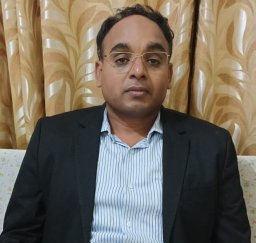 Prabhakar Mishra合作论文数Department of Community Medicine, MMIMSR13
 Ruchi Verma合作论文数12
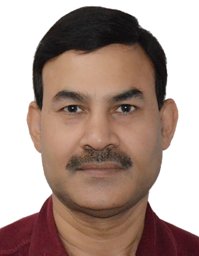 Sushil P Ambesh合作论文数Department of Anaesthesiology and Critical Care Medicine, Sanjay Gandhi Postgraduate Institute of Medical Sciences7Mehdi Raza合作论文数7S Dhiraaj合作论文数6
 Prabhat Kumar Singh合作论文数5
 Sanjay Dhiraaj合作论文数5PARNANDI BHASKAR RAO合作论文数5
 Ankur Khandelwal合作论文数Department of Mechanical Engineering, Indian Institute of Technology Delhi5
 Shantanu Pande合作论文数Department of Cardiovascular and Thoracic Surgery, Sanjay Gandhi Postgraduate Institute of Medical Sciences4
 Manish Tandon合作论文数4
 Mohan Gurjar合作论文数Department of Critical Care Medicine, Sanjay Gandhi Post Graduate Institute of Medical Science (SGPGIMS), Lucknow, UP 226014, India4
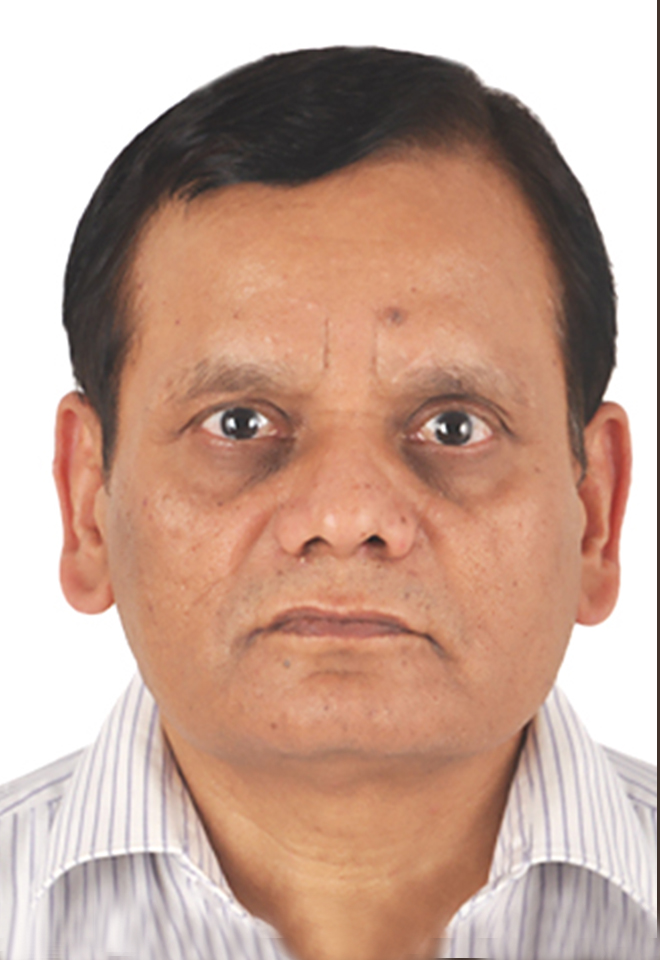 Chandra Kant Pandey合作论文数Institute of Liver and Biliary Sciences, New Delhi4
 Surendra Singh Gautam合作论文数Banaras Hindu Univ, Inst Sci, Dept Math, Varanasi 221005, Uttar Pradesh, India3Gaurav Misra合作论文数3
 Amit Rastogi合作论文数Sanjay Gandhi Postgrad Inst Med Sci, Anaesthesiol3
 Zia Hashim合作论文数Department of Pulmonary Medicine, Sanjay Gandhi Postgraduate Institute of Medical Sciences3
 Jaiswal Awadhesh Kumar合作论文数Sanjay Gandhi Post Graduate Institute of Medical Sciences3
 Nath Alok合作论文数3
 Tanmoy Ghatak合作论文数Department of Critical Care Medicine, Sanjay Gandhi Post Graduate Institute of Medical Sciences3
 Singh Ratender K合作论文数Department of Critical Care Medicine, Sanjay Gandhi Post Graduate Institute of Medical Sciences3
 Kaushal Ashutosh合作论文数3
 Om Prakash Sanjeev合作论文数Department of Anesthesiology &Critical Care Medicine, Indira Gandhi Institute of Medical Sciences;Department of Anesthesiology & Critical Care Medicine, Indira Gandhi Institute of Medical Sciences3Afzal Azim合作论文数3
 Sujeet Kumar Singh Gautam合作论文数3
 Sandeep Sahu合作论文数Department of Anaesthesia, GSVM Medical College3
 Sanjay Behari合作论文数Department of Neurosurgery, Sanjay Gandhi Postgraduate Institute of Medical Sciences3
 Prabhat Tewari合作论文数3sanjay dhiraj合作论文数2Pragya Gupta合作论文数2Anubha Gupta合作论文数2G Yadav合作论文数2
 Ved Prakash Maurya合作论文数2Janani Gopal合作论文数2
 Dona Saha合作论文数Department of Anaestehsiology, Burdwan Medical College2
 Siddharth Rai合作论文数2
 Neha Singh合作论文数2
 Ghanshyam Yadav合作论文数2
 Surendra Kumar Agarwal合作论文数2Aarti Agarwal合作论文数2Naz Anjum合作论文数2
 Anubhav Bansal合作论文数2
 Sandeep Khuba合作论文数2




