BACKGROUND:Myocardial injury is common after off-pump coronary artery bypass grafting (OPCABG). Statins exert cardioprotection against ischemia/reperfusion injury through diverse pathways. We aimed to assess whether preoperative high-dose statin therapy enhances cardioprotection against ischemia/reperfusion injury in chronic statin users undergoing OPCABG. METHODS:In this parallel-group non-randomized observational study, patients receiving chronic statin therapy for more than 30 days were included, regardless of the type or dosage of statin used. Patients were assigned either to a rosuvastatin-loaded group (single dose of 40 mg, administered orally seven days before surgery) or to a comparator control group without any loading. Cardiac biomarkers, including troponin I (TnI), creatine kinase-MB (CK-MB), and N-terminal pro B-type natriuretic peptide (NT-proBNP), were assessed preoperatively and at 8, 24, and 48 hours after surgery. Global left ventricular strains (circumferential (GCS), longitudinal (GLS), and radial (GRS)) were evaluated preoperatively and at 48 hours and 30 days postoperatively. RESULTS:In this exploratory analysis, the loaded group showed significantly lower postoperative cardiac biomarker levels at all time points. All global left ventricular strains (GLS, GCS, and GRS) declined 48 hours post-surgery, but were significantly better in the loaded group. Global strains recovered until 30 days post-surgery, with higher recovery seen in the loaded group. Postoperative atrial fibrillation (AF) occurred less frequently in the loaded group (8% versus 24%, p = 0.001). On multivariable analysis, 48-hour GCS independently predicted poor postoperative left ventricular ejection fraction (LVEF) (≤50%) at 30 days. Receiver operating characteristic (ROC) analysis identified 48-hour GRS < 26.5% as the best predictor of poor postoperative LVEF (≤50%) at 30 days, with 89.5% sensitivity and 71.0% specificity. CONCLUSION:Preoperative high-dose rosuvastatin confers significant cardioprotection in chronic statin users undergoing OPCABG, as reflected by reduced biomarker release, enhanced myocardial strain recovery, and lower incidence of atrial fibrillation. The observed association between statin loading and improved myocardial performance warrants confirmation in larger prospective studies.
Cardiac masses in neonates are rare and most often benign tumours such as rhabdomyomas, fibromas or teratomas. Rarely, infectious lesions like infective endocarditis can present as intracardiac masses which can be considered as differential diagnosis of cardiac tumours especially in preterm neonates with prior invasive procedures or prolonged neonatal intensive care unit stay. Intracardiac masses mimic tumours on imaging leading to diagnostic challenges but histopathology remains the gold standard which was proved in our case. We present a case of a preterm neonate who was operated on for posterior urethral valve and later developed an intracardiac mass which was excised later. Early echocardiography screening and histopathological confirmation are essential for timely diagnosis and management of cardiac masses.
Background:Analysing temporal strain changes in right ventricular (RV) and left ventricular (LV) walls post-atrial septal defect (ASD) closure is of clinical importance. Aims:We aimed to evaluate acute/short-term changes in RV/LV wall deformation after ASD closure using two-dimensional speckle tracking echocardiography (2D-STE). Methods:A total of 43 patients with ASD and 20 controls had echocardiograms before and after ASD closure. Results:Of the 43 patients with secundum ASD (mean age 27.37 years), 48.8% were closed surgically, while 51.2% underwent device closure. At baseline, LV global longitudinal strain (GLS; 2-chamber view GLS: 16.95% vs 20.73%; p=0.0001, apical long-axis view GLS 16.48% vs 20.90%; p=0.0001, 4-chamber view GLS 16.93% vs 21.56%; p=0.0001, average GLS 16.75% vs 21.31%; p=0.0001) and RV GLS (19.22% vs 24.27%; p=0.0001) were significantly lower in the patients with ASD compared to controls. After closure, the average LV GLS rapidly improved at 24 hours from baseline (16.75% to 17.28%; p=0.004), with sustained increases at 1 and 3 months (18.16% and 19.40%; p=0.001). The mean RV GLS also improved at all serial timepoints (baseline, 24 hrs, 1 month, and 3 months) with values of 19.22%, 19.85%, 20.70%, and 22.23%, respectively (p=0.0001). As compared to surgery, LV GLS and RV GLS were much better in the device group (average LV GLS at 24 hrs, 1 month, and 3 months: 16.54% vs 17.98%, 17.34% vs 18.92%, and 18.80% vs 19.96%, respectively; mean RV GLS at 24 hrs, 1, and 3 months: 17.83% vs 21.78%, 18.73% vs 22.58%, and 20.70% vs 23.70%, respectively). Conclusions:This GLS study demonstrates significant reverse remodelling of both the RV and LV after ASD closure. Device closure was associated with superior strain rate recovery compared to surgery at the 3-month midterm follow-up.
Objective primary objective is to assess Static and dynamic pain using mean VAS score in in patients undergoing robotic- assisted and minimally invasive coronary artery bypass surgeries. Design and method This is a prospective observational study, 70 patients were enrolled in the study, finally 31 patients were analysed in each of the two groups, using a computer-generated block randomization method. The sample size was estimated using the software PASS-16.Adult patients (18 to 75 years) of either sex ASA status II and III with New York Heart Association grading I and II, scheduled for Robotic-assisted and minimally invasive coronary artery bypass surgeries under general anaesthesia were included. Patients were assigned to groups A and B in the survey via randomization. General anaesthesia with endotracheal intubation was induced utilizing a uniform protocol in all the patients. One-lung ventilation was achieved using a Bronchial blocker or a double-lumen tube. At the end of surgery but before the transfer of the patient to the ICU, one group of patients was receiving an ESP catheter at vertebra T5 under ultrasound guidance. Group A - Intravenous PCA with IV fentanyl via patient-controlled analgesia device. Group B - Patients received a 20 mL mixture of 0.5% ropivacaine with a bolus, followed by an infusion of 0.2% ropivacaine at the rate of 8 mL/h in the postoperative period along with Intravenous PCA with IV fentanyl via patient-controlled analgesia device. Results and conclusions At 6 hours, the Group A reported significantly higher mean VAS scores (2.81±0.65) compared to the Group B (2.45±0.72), with a highly significant p value of 0.047. This significant reduction in static pain persisted at 12 hours (Group A 2.03 ± 0.55 vs Group B 1.74 ± 0.58 , p = 0.046) and 24 hours (Group A 1.94 ± 0.51 vs Group B 1.61 ± 0.56 , p = 0.021). By 48 hours, both groups showed a reduction in pain with mean VAS scores (2 ± 0.63 in Group A vs 1.65 ± 0.55 in Group B), and the difference was statistically significant (p = 0.022). Dynamic pain scores (during movement or deep inspiration) between both the groups at 6, 12, 24, and 48 hours were assessed postoperatively using the Visual Analogue Scale (VAS). At 6 hours, the Group A had significantly higher dynamic pain scores 3.42±0.56 compared to the Group B 2.73±1.46, with a p value of 0.018. This trend of superior pain control in the Group B continued at 12 hours- (Group A 2.97 ± 0.55 vs Group B 2.48 ± 0.89 , p = 0.012) , at 24 hours (Group A 2.9 ± 0.47 vs Group B 2.52 ± 0.57 , p = 0.005), and 48 hours, (Group A 2.23 ± 0.67 vs Group B 1.84 ± 0.64 ), with significant difference (p = 0.013).This study highlights the efficacy and safety of ESP block as an effective component of multimodal analgesia in patients undergoing robotic-assisted and minimally invasive direct coronary artery bypass surgeries.
Objective The study aims to compare the efficacy and speed of lung ultrasonography (LUSG) with chest auscultation (CA) for confirming bilateral air entry after endotracheal intubation with a single lumen endotracheal tube, particularly at two different tidal volumes (TV), conventional and low TV, in adult cardiac surgical patients. Design and method This double-blind, prospective, randomized crossover study included 100 adult patients undergoing elective cardiac surgery under general anesthesia with endotracheal intubation in a tertiary care teaching hospital. Patients were divided into two groups and assessed in supine position with both CA and LUSG at baseline during spontaneous breathing at resting TV and post-intubation at both TV, 7 ml/kg or 10 ml/kg of predicted body weight. In group 1, 7 ml/kg TV was first used, followed by 10 ml/kg, while in group 2, the sequence was reversed. The study was conducted by three anesthesiologists and a technician, with defined roles and blinded to each other. Statistical analysis included descriptive and inferential methods. Results and conclusions The distribution of age, body mass index, and predicted body weight was similar in both groups. There were more females in Group 1. The study found that CA was generally more rapid than LUSG in detecting air entry, particularly in mechanically ventilated patients at both TVs. Time taken for CA at 7 ml/kg TV was significantly more than at 10 ml/kg in group 2, however, still being less than LUSG. CA showed lesser efficacy in detecting air entry compared to baseline spontaneous breathing scores at 7 ml/kg TV in both groups. LUSG showed comparable efficacy with CA in group 1 while significantly less efficacy than CA in group 2 in detecting air entry at both TVs. LUSG detected significantly better air entry at four check points at 10 ml/kg TV compared to baseline values at spontaneous breathing in both groups. There was no significant correlation between the time taken and the scores achieved for both techniques, suggesting that increased observation time did not necessarily lead to improved scores. The distribution of scores was different on the left and right sides, with gender distribution influencing the results.In conclusion, lung ultrasonography (LUSG) emerges as a valuable tool for detecting air entry by pleural sliding in cardiac surgical patients, particularly in those ventilated with low tidal volume. While chest auscultation (CA) remains rapid and cost-effective, LUSG provides an alternative method, albeit more time-consuming. In mechanically ventilated patients, auscultation at 10 ml/kg TV was faster and more efficacious than lung ultrasonography in detecting air entry in four-point auscultation. At 7 ml/kg TV, both techniques were equally efficacious, but LUSG was more time-consuming. The findings underscore the importance of considering patient factors, tidal volume settings, availability of time, and necessary equipment when choosing between CA and LUSG for air entry confirmation post-endotracheal intubation in cardiac surgery. Further research is needed to explore the implications of gender differences and differential air entry on the left and right sides, as noted in this study.
Adverse drug reaction by definition can be an unpleasant response due to a drug use that can adversely affect a person and may call for either treatment or withdrawal of the medication. We found classical dystonia in a young girl who presented with reduced systolic left ventricular function, had cardiac surgery, and was prescribed sacubitril/valsartan combination for reversal of remodeling of the heart. The dystonia did not reoccur after stoppage of this combination. Although being an effective drug for heart failure with reduced ejection fraction, newer indications will need further assessment for the different dose regimen and adverse drug reactions.
Introduction Cardioplegia (CP) is integral to myocardial protection during cardiac surgery. Two standard cardioplegic solutions viz. Del Nido solution (DNS) and St Thomas solution (STS) are widely used in cardiac surgeries. The DNS is a single-dose CP that offers superior myocardial protection in adults, and studies have claimed myocardial injury in STS patients. The elevated circulatory level of citric acid cycle intermediate, succinate is a metabolic hallmark of ischemia. Its rapid oxidation after reperfusion causes ischemia-reperfusion (IR) injury through mitochondrial reactive oxygen species production. Succinate has been identified as an early marker of IR injury through blood plasma/serum-based clinical metabolomics studies. The primary objective of the study was metabolomic profiling of succinate from the coronary sinus and venous blood. Methods Two blood samples each were obtained from coronary sinus (CS) & venous reservoir from patients before the application of aortic cross-clamp and after the release of aortic cross-clamp from 22 patients divided into two groups. The blood-serum metabolic profiles were measured by 800 MHz NMR spectrometer and compared using univariate statistical analysis methods. The study also compared the two groups’ cardiopulmonary bypass variables and left ventricle functions. Result DNS leads to increased serum levels of succinate in the coronary sinus blood after the reperfusion compared to STS. The results of our study are consistent with a previous study that found DNS administration (90 minutes) increases the inflammatory response in the myocardium. Conclusion NMR-based serum metabolomics revealed significantly increased circulatory succinate in coronary sinus blood of patients administered with DNS cardioplegia in comparison to STS cardioplegia. URL- https://ctri.nic.in/Clinicaltrials/login.php .
ABSTRACT:Mediastinal masses pose one of the great challenges for any anesthesiologist during airway maintenance, underlining the need to devise a well-formulated plan to avoid perioperative complications. As a general rule, such patients are managed with spontaneous ventilation without the use of muscle relaxants and awake intubation. We report a case of a 66-year-old male with severe dyspnea, having a very large invasive anterior mediastinal mass, causing left lung collapse for urgent debulking surgery. The tracheobronchial compromise was ruled out using three-dimensional reconstruction on computed tomography imaging (virtual bronchoscopy) and that helped in using general anesthesia with muscle relaxation for subsequent endotracheal intubation and surgery.
Background and Aims: Correctly holding the endotracheal tube (ETT) is essential for successful tracheal intubation. The study’s primary objective was to compare the between-the-fingers grip with the conventional pen-holding grip regarding the number of attempts required for orotracheal intubation and usage of external aids. Methods: Three hundred patients undergoing elective surgeries under general anaesthesia were randomised according to the method to hold the ETT to Group C (conventional grip) and Group M (modified, between-the-fingers grip) during oro-tracheal intubation. A designated anaesthetist blinded to the groups performed laryngoscopy in all the patients, and difficult Cormack-Lehane grade 3b and 4 (n = 24) were excluded. Then, the group was revealed to the anaesthetist, and intubation was done accordingly; the number of attempts, use of backward upward rightward pressure (BURP), and time taken were noted. The sample size was estimated using the software G*Power version 3.1.9.2. Statistical Package for Social Sciences, version 23 (SPSS-23, IBM, Chicago, USA) was used for data analysis. Results: Single-attempt intubation was comparable between the groups (99.3% versus 97.2%, P = 0.197). In contrast, the external assistance as BURP (0.75% versus 6.99%, P = 0.009) and the time taken for intubation (P = 0.008) were reduced in group M significantly. Conclusion: The between-the-fingers grip seems as effective as the standard grip to hold the ETT during intubation. However, it proved to be better as it can reduce the requirement for external assistance in BURP.
Introduction Data on pre-operative statin loading for patients undergoing valve replacement (VR) and its effects on global and regional strain are not well described. We studied the effect of rosuvastatin 40 mg in 50 patients of rheumatic valvular heart disease undergoing VR (34 MVR,11 DVR, 5 AVR) on speckle strain parameters and release kinetics of cardiac biomarkers. (TnI, CK-MB and BNP). Methods Patients received a loading dose rosuvastatin (40 mg initiated 7 days before surgery; statin loaded group; SL) or no statins (non-loaded group, NL). TnI, CK-MB and BNP were measured at baseline and at 8, 24, and 48 hours postoperatively. 2D echocardiography for global LV (longitudinal, GLS, circumferential, GCS and radial, GRS) strain was done preoperatively, @ 48 hours and 30 days post surgery. Primary outcome was to assess the effect of high dose statin loading on global LV strain patterns. Results Following VR, there was decline in mean GLS, mean GCS and mean GRS at 48 hours in both SL and NL groups. At 48 hours, the mean GLS (-10.9 + 2.1% vs -10.2 + 2.0%), mean GCS (-10.8 + 2.1% vs -9.9 + 2.1%), and mean GRS (16.5 + 4.8% vs 15.9 + 4.6%) were comparable (although slightly higher) in the SL vs NL groups. However % decline in each strain was significantly lesser in SL groups (% change mean GLS 35.8 vs 38.8%, mean GCS 34.0% vs 44.1% and mean GRS 45.7% vs 52.6% respectively). At 30 days post surgery, there was an increase in all global LV strains (GLS, GCS, and GRS) in both the groups. Significantly higher improvement (vs 48 hour values) was noted in SL as compared to NL group for GLS (-15.9+2% vs -12.6+1.6%; p<0.01), GCS (-15.1+2.9% vs -13.0+2.4%; p<0.01) and GRS (22.1+6.8% vs 19.3+6.5%; p=0.03) at 30 days post surgery. All three cardiac biomarkers (Trop I, CKMB, NT pro BNP) increased significantly following surgery in both groups. For all three biomarkers, values remained consistently lower in the SL group vs NL group at 8, 24 and 48 hours. The mean delta troponin-I, the mean delta CKMB, mean delta NTPBNP (change from baseline to peak level) was significantly lower in the SL group (p<0.05). Mean hospital stay , mean ICU stay and mean ventilator duration were significantly shorter in the SL group. Pearson’s correlation test analysis revealed that baseline and 48 hours strain parameters significantly correlated with post-operative LVEF. Multivariate logistic regression analysis demonstrated that only baseline GCS and GLS at 48 hours were found to be independent for predicting postoperative LVEF. In the ROC analysis Baseline GLS <14% and 48 hr GLS <9.0% best predicted post operative 30 day LVEF < 50% Conclusion Use of a high dose of rosuvastatin prior to isolated valve replacement surgery may be “cardioprotective” in terms of favourable effect on the global strain parameters and release kinetics of different biomarkers. These parameters may also be used as prognostic predictors and optimal timing of operation in this patient population. Conflict of Interest None declared
Background: Despite successful mitral valve replacement (MVR), many patients remain in AF. Flecainide can be useful in these patients but has not been used because of underlying structural heart disease.Methods: We assessed oral flecainide for conversion and maintenance of SR in 25 patients of chronic rheumatic AF following MVR (age 34.4 yrs, mean AF duration: 3.6 yrs). Non-converters underwent DC cardioversion at 24 h and 4 weeks. Patients received flecainide and bb/diltiazem at discharge.Results: Single oral dose of Flecainide achieved SR in 6/25 (24%) while 19/25 achieved SR after DCC; at 24 h 21/25 (84%) were in SR. With mean flecainide dose (93.10 +/- 9.40 mg), successful maintenance of SR at 6 months was seen in 16/23 (69.5%). No significant changes in PR interval, QRS duration or QTc were noted; flecainide was well tolerated. Patients in SR had significantly better functional status, QOL scores and higher LA strain at 6 months (25.25 vs 17.43%, p < .0001). Baseline LA diameter <= 61 mm predicted SR at 6 months (sensitivity/specificity 93.7% and 85.71%) while the values for AF duration <= 4 years and LA strain > 21% for predicting SR were 87.5/71.43% and 100/85.71% respectively.Conclusion: Oral flecainide was safe and effective in post MVR rheumatic AF patients; maintenance of SR was achieved in 76% of initial converters and 64% of overall population, with better LA strain values. More studies are needed to validate these results.(c) 2023 Published by Elsevier, a division of RELX India, Pvt. Ltd on behalf of Cardiological Society of India. This is an open access article under the CC BY-NC-ND license (http://creativecommons.org/licenses/bync-nd/4.0/).
To study the effect of rosuvastatin 40 mg (initiated 7 days prior to surgery) in patients undergoing valve replacement (VR) for rheumatic mitral valve disease on left ventricular (LV) strain and biomarker release kinetics. In this randomized study, cardiac biomarkers viz. troponin I (TnI), Creatine kinase MB (CK-MB), N-terminal pro B-type natriuretic peptide (NTPBNP) were measured before surgery; and 8, 24 and 48 h postoperatively. Global LV (circumferential, global circumferential strain (GCS); longitudinal, GLS; radial, global radial strain (GRS)) strains were measured preoperatively; and 48 h and 30 days postoperatively. Following VR, Global Longitudinal Strain (GLS), Global Circumferential Strain (GCS) and Global Radial Strain (GRS) declined at 48 h in both statin loaded (SL) and non loaded (NL) groups. The
Serratus Anterior fascial plane (SAP) block is a high-volume interfascial plane block that has been used in adult patients in cardiac surgery with good postoperative pain relief. We report a case of a 9 year old female child who underwent ostium secundum atrial septum defect closure and was given bilateral SAP block. The patient was extubated within 4 hours of surgery and was pain free in the postoperative period without the use of any opioids.
BACKGROUND:Left Atril Appendage(LAA) is one of the most contractile structure of the heart. Elevated Left atrial pressure (LAP) can change the flow profile in and out of LAA. There is little data on the effect of LAP on LAA flow velocities for patients in sinus rhythm, and it's not properly known that by evaluation of LAA flow spectra and its velocities, the LAP can be predicted. We tried to find the relationship between LAA flow velocities and LAP, with the premise that LAA flow velocities can be used as a surrogate for measuring LAP, by obtaining a regression equation in this prospective observational study. METHODS:In forty patients with normal systolic and diastolic heart function undergoing elective off pump coronary artery bypass (OPCAB) under general anaesthesia, TEE based LAA flow velocities were measured and simultaneous direct measurements of LAP was done by the surgeon. We also studied the relation between the ratio of early mitral inflow velocity (E) and mitral lateral annular early diastolic velocity (E'), that is, (E/E') in all patients. RESULTS:We found significant correlation between E/E' and LAP (r = 0.424, p = 0.024) however there was no significant correlation between LAA flow velocities and LAP. CONCLUSION:LAA flow profile can not be used under anaesthesia to evaluate LAP however E/E' shows a strong correlation with directly measured LAP.
Various drugs, including anesthetic agents, can cause parosmia in the perioperative period. There are reported cases of patients with alterations of smell and taste due to local anesthetics, nerve damage, or as a side effect of general anesthesia. We present a case of a 58-year-old male who developed parosmia and dysgeusia in the postoperative period after radical nephrectomy and inferior vena cava thrombectomy. The anesthetics used were fentanyl and propofol for general anesthesia and ropivacaine for epidural analgesia. Clinical examination did not reveal any pathology.
Background: Pulmonary regurgitation is imminent after transannular patch (TAP). We analyze the long-term performance of untreated autologous pericardium (UAP) as valve substitute at pulmonary position in patients requiring TAP. Material and Methods: This cross-sectional study include patients operated between 2007 and 2012 (n = 92). A sample of 19 patients was selected for this study which had a follow-up of more than 3 years. This includes patients with no TAP (n = 4) and with TAP and valve substitute, a monocusp (n = 11) or a tricuspid valve (n = 4) at neopulmonary annulus. Patients underwent echocardiography for assessment of right ventricle function and 18 fluoro-deoxyglucose PET CT scan for measurements of valve substitute at neopulmonary annulus. The target to blood ratio (TBR) of uptake of glucose by monocusp was measured at the cooptation edge of the neopulmonary valve. Results: The median age of the patients is 14 (9 – 37). RV function is preserved (TAPSE 18.9 (10.6 – 22.8)) at a mean follow-up of 4 years (3-9). The measurements of monocusp shows a shrinkage in height of the cusp by 35.5% (70% – 1.0%) and length by 7% (-44% - +104%). There was less shrinkage observed in patients below 15 years of age. The TBR of monocusp was 0.945 (0.17 – 3.35) with a strong correlation between the TBR values of aortic valve leaflet and monocusp leaflet of same patient. Conclusion: The UAP is functional and successful as a valve substitute at neo pulmonary annulus at long-term follow-up. It has resisted calcification and has shown uptake of glucose in physiological limits.
Intraoperative trans-esophageal echocardiography (TEE) is an important monitoring and diagnostic tool used during surgery for the repair of congenital heart lesions. Its ability to be used intraoperatively before and after cardiac repair makes it a unique tool. Although it is generally a safe procedure, due to the relatively large size and rigid nature of TEE probes airway complications, inadvertent extubation and insertion failures have been reported to occur predominantly in smaller patients (mean weight <7.15 kg). We would like to describe a case of complete correction of Tetralogy of Fallot in which intraoperative TEE resulted in right main bronchus compression.
 Shantanu Pande合作论文数Department of Cardiovascular and Thoracic Surgery, Sanjay Gandhi Postgraduate Institute of Medical Sciences29
 Surendra Kumar Agarwal合作论文数25
 Aditya Kapoor合作论文数12
 Gauranga Majumdar合作论文数Department of Cardio-vascular and Thoracic Surgery, Sanjay Gandhi Postgraduate Institute of Medical Sciences10
 Dixit Aanchal合作论文数8
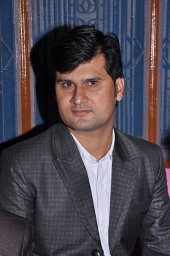 Sudeep Kumar合作论文数7Chandra Bipin合作论文数7
 Naveen Garg合作论文数6Satyendra Tewari合作论文数6
 Amit Rastogi合作论文数Sanjay Gandhi Postgrad Inst Med Sci, Anaesthesiol4Shashank Tripathi合作论文数4
 Rashmi Soori合作论文数Anaesthesiology and critical care, Hegde Medical Academy4
 Roopali Khanna合作论文数4Manjula Murari合作论文数3
 Seema Sharma合作论文数3Inderpaul Birdi合作论文数3
 Sujeet Kumar合作论文数Dept Pathol, Sanjay Gandhi Post Grad Inst Med Sci3
 Ankit Sahu合作论文数3
 Vinita Agrawal合作论文数3
 Devendra Gupta合作论文数Departments of * Anesthesia;Graduate Institute of Medical Sciences, Post;Post Graduate Institute of Medical Sciences, Departments of * Anesthesia3Amitabh Arya合作论文数2Anand Mammen合作论文数2
 Kushal Hajela合作论文数2
 Sunil Kumar合作论文数2
 Akhilesh Pahade合作论文数SRMS IMS, Department of Anesthesia2
 Poonam Malhotra Kapoor合作论文数Department of Cardiac Anaesthesia, All India Institute of Medical Sciences2
 Soni Neetu合作论文数2Tempe Deepak K合作论文数2
 Archana Sinha合作论文数2
 Shahrul Hashim合作论文数Faculty of Medicine Building, University of Malaya2
 Mithilesh Kumar合作论文数2Basu Rahul合作论文数2Nath Soumya S合作论文数Department of Anaesthesiology, Sahara Hospital2
 Puneet Goyal合作论文数2Yatin Mehta合作论文数2
 Anil Mandhani合作论文数Department of Urology and Renal Transplantation, Sanjay Gandhi Post Graduate Institute of Medical Sciences2
 Isha Tyagi合作论文数2
 Pallavi Aga合作论文数2Pramod K. Mittal合作论文数Cardiac Sciences Centre, Sanjay Gandhi Postgraduate Institute2
 Muralidhar Kanchi合作论文数Department of Anaesthesiology and Intensive Care, Narayana Hrudayalaya2Nitin Modi合作论文数1Sudhi Agarwal合作论文数1Arash Kashfi合作论文数1
 Harshit Khare合作论文数1Kate Pointon合作论文数1Kamlesh Raut合作论文数1Pulkit Malhotra合作论文数1Supaksh Mahindru合作论文数1




