BACKGROUND:Current guidelines include left ventricular end-systolic diameter (LVESD) as a threshold criterion for operative intervention in degenerative mitral regurgitation (DMR). We examined a contemporary mitral repair cohort to determine when LVESD served as the operative trigger and whether preoperative left ventricular end-diastolic diameter (LVEDD) was associated with early postoperative outcomes. METHODS:We analyzed DMR patients who underwent mitral valve repair (2021-2024) at a single center. Left ventricular dimensions were obtained from echocardiographic reports at preoperative consultation, before discharge, and at postdischarge follow-up when available through the electronic medical record. Associations between preoperative dimensions and clinical outcomes were evaluated by multivariable logistic regression. RESULTS:Of 364 patients, 82% (n = 300) met class I criteria and 18% (n = 64) met class IIa criteria. Only 15% (n = 54) had LVESD ≥4 cm; 1.4% (n = 5) met class I indications based on LVESD. However, 35% (n = 126) met sex-specific LVEDD thresholds for ventricular enlargement (women: ≥5.3 cm; men: ≥5.9 cm). Preoperative LVEDD was independently associated with 30-day readmission (odds ratio, 3.19; 95% CI, 1.56-6.70; P = .0018) and new-onset sustained atrial fibrillation (odds ratio, 2.41; 95% CI, 1.03-5.73; P = .04), unlike LVESD. Of class IIa patients, 16 of 64 (25%) had elevated LVEDD with lower discharge LVEF and higher 30-day cardiac-related readmission. CONCLUSIONS:In this contemporary DMR cohort, preoperative LVESD rarely served as the sole operative trigger. LVEDD was more frequently elevated and independently associated with early adverse outcomes, supporting its role as a complementary marker of remodeling for further study.
BACKGROUND:The safety of internal thoracic artery (ITA) grafting in patients undergoing coronary artery bypass grafting (CABG) with prior mediastinal radiation remains controversial due to concerns regarding compromised sternal perfusion and radiation-induced injury. This study evaluated whether prior mediastinal radiation is associated with adverse perioperative outcomes in patients undergoing CABG with ITA grafting. METHODS:We conducted a retrospective cohort study using the Maryland Cardiac Surgery Quality Initiative (MCSQI) database. A total of 29 206 patients who underwent CABG with ITA use between 1 July 2011 and 31 March 2023 were analysed. Patients with and without prior mediastinal radiation were propensity-matched (1:10) using the nearest neighbour method. The primary outcome was the composite of operative mortality and deep sternal wound infection (DSWI). Secondary outcomes included other infectious complications, major morbidities, postoperative hospital length of stay, and 30-day readmission. RESULTS:Among 29 206 patients, 294 (1%) had a history of mediastinal radiation. Patients with prior radiation were older (median (IQR) 70 (60-75) vs 66 (59-73) years, p<0.001), more frequently female (66% vs 25%, p<0.001) and had a higher prevalence of chronic lung disease (31% vs 19%, p<0.001). After propensity matching, no significant differences were observed in the primary composite outcome (2% vs 3%, p=0.53) or in secondary outcomes. CONCLUSIONS:In this large retrospective cohort, prior mediastinal radiation was not associated with an increased risk of perioperative adverse events in patients undergoing CABG receiving ITA grafts. These findings demonstrate no evidence of safety concerns with the use of ITA grafting in patients with prior radiation and challenge the practice of excluding these patients from arterial revascularisation strategies.
Background: This study evaluated contemporary trends in the racial and gender compositions of integrated (I6) and traditional fellowship programs, examining associations between demographic shifts and match rates. Methods: Data from the National Residency Matching Program and Accreditation Council for Graduate Medical Education (2011-2022) were analyzed to assess trends in match rates and demographics of I6 and traditional fellowship programs. Time series analyses (Mann-Kendall test, Bayesian trend analysis, autoregressive integrated moving average models) evaluated shifts in racial and gender composition; Dirichlet regression assessed associations between match rate variations and demographic trends. Results: I6 programs showed significant increases in Asian/Pacific Islander (7.5% to 20.7%), Hispanic (0% to 7.8%), and Black trainees (0% to 5.9%) from 2011 to 2022, with White trainees declining from 77.5% to 44.9%. Traditional fellowships had stable racial composition. Women trainees increased significantly in both pathways, with inflection points in 2015 and 2020, and are projected to reach 50% by 2035 (I6) and 2046 (traditional). Match rates fell for traditional fellowships (98% to 63%) with notable declines in 2014 (92% to 73%) and 2021 (72% to 59%) but rose for I6 (25% to 42%). The percentage of women applicants remains lower in traditional fellowships compared with I6. Conclusions: During the last decade, I6 programs have become more racially diverse, whereas traditional fellowships have maintained stable racial compositions. Women are increasingly represented in both. Despite positive trends, ongoing awareness and targeted efforts to enhance access to both integrated and traditional training pathways remain critical for increasing the diversity of the cardiothoracic surgery trainee pool.
Objective: Heparin-induced thrombocytopenia (HIT) after cardiac surgery may lead to greater morbidity and mortality than predicted preoperatively. The aim of this study is to assess long-term outcomes of patients surviving HIT after cardiac surgery. Methods: Single-institution, retrospective study of adult patients who underwent cardiac surgery between 2011 and 2023 and developed HIT postoperatively. The institutional Society of Thoracic Surgeons database and electronic medical record were integrated with longitudinal data from phone questionnaires. HIT was defined by combined clinical (4Ts score) and serologic manifestations: a platelet decrease >50% from preoperative baseline, a high optical density positive heparin-PF4 antibody test, and a positive serotonin release assay. Results: We identified 88 of 11,658 patients (0.8%) with HIT after cardiac surgery. The majority were male (74%), white (73.8%), and with a mean age of 65.6 +/- 11.6 years. Seventy-seven (87.5%) survived to discharge, had a 4Ts score of 5 [4-6], and 58 (75.3%) were discharged on oral anticoagulation, with only 22 (28.6%) receiving treatment for the past 3 months, for a median of 1.3 [0.8-4.5] years. Median length of stay was 24 [17-35] days and length of follow-up was 4.6 [0.3-12] years. Readmission occurred in 70.1% (n =54) of patients, with an average of 3 [1-6] readmissions/patient. Causes of death during follow-up included cardiac (n =7, 24.1%), infectious (n = 6, 20.7%), or neurologic events (n =5, 17.3). Tenyear survival probability was 48%. Conclusions: Patients who develop HIT after cardiac surgery have an overall poor prognosis even after hospital discharge. In addition to prolonged hospitalization, patients experience further complications leading to frequent early readmissions and elevated mortality in the long-term. (JTCVS Open 2025;23:190-8)
Objective New-onset postoperative atrial fibrillation (POAF) after coronary artery bypass grafting (CABG) is common. Additional information regarding long-term clinical and financial outcomes is important. This statewide analysis compares periprocedural and long-term outcomes between patients with and without POAF. Methods Data on patients who underwent isolated CABG from 2013 to 2021 without atrial fibrillation (AF) history from a statewide Society of Thoracic Surgeons database (N = 18,377) were merged with the state health services database. Patients with POAF (n = 4656) were compared with those without POAF (n = 13,721). Outcomes were incidence and cost of readmissions, examined with χ2 tests and regressions. Results The incidence of POAF was 25% (male = 26% vs female = 24%, P = .002). Patients with POAF had worse risk-adjusted outcomes, more often were discharged on oral anticoagulation (29% vs 7%, P < .001), and incurred greater procedural cost ($52K vs $46K, P < .001). The POAF group had a greater incidence of readmissions for AF (12% vs 3%, P < .001), heart failure (HF) (15% vs 10%, P < .001), and major bleeding (2.4% vs 1.6%, P = .001) but not ischemic stroke (5% vs 4%, P = .100). After risk adjustment, POAF remained at greater risk for AF, HF, and major bleeding readmissions. The proportion of patients’ readmission costs associated with AF (11% vs 3%, P < .001), HF (12% vs 9%, P < .001), and major bleeding (2.1% vs 1.4%, P = .009) was greater for patients with POAF but not ischemic stroke (4% vs 4%, P = .591). Conclusions POAF remains common after CABG, with greater cost and risk-adjusted morbidity reported. Follow-up data reveal a significant number of patients continue to be impacted by AF. This study suggests targeted discharge planning and surveillance for patients with POAF to improve long-term outcomes and reduce cost of complications.
BACKGROUND:In an effort to enhance recovery after cardiac surgery, intraoperative extubation has been targeted as possibly beneficial. This multicenter cohort study aimed to assess this by evaluating the outcomes of operating room (OR) extubation versus extubation within 6 hours of intensive care unit (ICU) arrival (early ICU extubation). Furthermore, we assessed time to ICU extubation and mortality and morbidity. METHODS:Patients undergoing on-pump cardiac surgery across 79 hospitals between 2011 and 2020 were included to (1) compare outcomes among OR extubation and early ICU extubation patients and (2) assess time to overall ICU extubation and outcomes. RESULTS:The overall study cohort comprised 163,982 patients, including 95,982 patients (OR extubation: n = 2529 [2.6%] and early ICU extubation: n = 93,453 [97.4%]) who underwent comparison of OR with early ICU extubation. After overlap weighting, patients with OR extubation had longer OR times (5.6 vs 5.1 hours, P < . 0001) and greater rates of reintubation (5.2% vs 2.9%, P = .003), prolonged ventilation (3% vs 2%, P = .021), reoperation for bleeding (1.5% vs 0.7%, P < .01), pneumonia (1.9% vs 1.1%, P < .006), and greater in-hospital mortality on multivariable regression (odds ratio, 1.34, P < .001). Patients with OR extubation at centers with low OR extubation rates (<10%, n = 60) had greater mortality (odds ratio, 1.6, P = .001). Beyond 22 hours of postoperative ICU ventilation, the risk of morbidity and mortality increased significantly. CONCLUSIONS:Few patients who undergo cardiac surgery are extubated in the OR, which is associated with no clinical benefit and with increased morbidity. Cardiac surgery programs should reconsider OR extubation after cardiopulmonary bypass. In addition, increased intubation time, in particular >22 hours, is associated with an increase in adverse outcomes.
BACKGROUNDArterial switch operation (ASO) has supplanted physiologic repairs for transposition of the great arteries and related anomalies. As survival rates have increased, so has the potential need for cardiac reoperations to address ASO-related complications arising later in life.METHODSThe STS-CHSD (2010-2021) was reviewed to assess prevalence and types of cardiac reoperations among patients aged ≥10 years with prior ASO for TGA or DORV/TGA-type. A hierarchical stratification designating 13 Procedure Categories was established a priori by investigators. Each eligible surgical hospitalization was assigned to the single highest applicable hierarchical category. Outcomes were compared across Procedure Categories, excluding hospitalizations limited to pacemaker-only and/or mechanical circulatory support-only procedures. Variation over the study period in relative proportions of Left Heart vs Non-Left Heart Procedure Category encounters was assessed.RESULTSThere were 698 cardiac surgical hospitalizations among patients aged 10-35 years at 100 centers. The most common Left Heart Procedure Categories were Aortic Valve procedures (n=146), Aortic Root procedures (n=117), and Coronary Artery procedures (n=40). Of 619 hospitalizations eligible for outcomes analysis, Major Complications occurred in 11% (67/619). Discharge mortality was 2.3% (14/619). Year-by-year analysis of surgical hospitalizations reveals substantial growth in numbers for the aggregate of all Procedure Categories. Growth in relative proportions of Left Heart vs Non-Left Heart Procedures was significant, p=0.0029 (Cochran-Armitage trend test).CONCLUSIONSThis largest multicenter study of post-ASO reoperations beyond early childhood documents year-over-year growth in total reoperations. Recently, left heart procedures had the highest rate of rise. These observations have implications for counseling, surveillance, and management.
Teamwork in the OR is essential for the safe delivery of care. Creation of well-practiced teams will enhance the delivery of cost-effective care as well. This chapter provides insight into the workings of surgical teams with practical recommendations for team success.
INTRODUCTION:Prior investigations assessing the impact of race/ethnicity on outcomes after mitral valve (MV) surgery have reported conflicting findings. This analysis aimed to examine the association between race/ethnicity and operative presentation and outcomes of patients undergoing MV and tricuspid valve (TV) surgery. METHODS:We retrospectively analyzed 5984 patients (2730 female, median age 63 y) who underwent MV (n = 4,534, 76%), TV (n = 474, 8%) or both MV and TV (n = 976, 16%) surgery in a statewide collaborative from 2012 to 2021. The influence of race/ethnicity on preoperative characteristics, MV and TV repair rates, and postoperative outcomes was assessed for White (n = 4,244, 71%), Black (n = 1,271, 21%), Hispanic (n = 144, 2%), Asian (n = 171, 3%), and mixed/other race (n = 154, 3%) patients. RESULTS:Black patients, compared to White patients, had higher Society of Thoracic Surgeons predicted risk of morbidity/mortality (24.5% versus 13.1%; P < 0.001) and more comorbid conditions. Compared to White patients, Black and Hispanic patients were less likely to undergo an elective procedure (White 71%, Black 55%, Hispanic 58%; P < 0.001). Degenerative MV disease was more prevalent in White patients (White 62%, Black 41%, Hispanic 43%, Asian 51%, mixed/other 45%; P < 0.05), while rheumatic disease was more prevalent in non-White patients (Asian 28%, Hispanic 26%, mixed/other 25%, Black 17%, White 10%;P < 0.05). After multivariable adjustment, repair rates and adverse postoperative outcomes, including mortality, did not differ by racial/ethnic group. CONCLUSIONS:Patient race/ethnicity is associated with a higher burden of comorbidities at operative presentation and MV disease etiology. Strategies to improve early detection of valvular heart disease and timely referral for surgery may improve outcomes.
Objective: Risk factors for severe postoperative bleeding after cardiac surgery remain multiple and incompletely elucidated. We evaluated the impact of intraoperative blood product transfusions, intravenous fluid administration, and persistently low core body temperature (CBT) at intensive care unit arrival on risk of perioperative bleeding leading to reexploration. Methods: We retrospectively queried our tertiary care center's Society of Thoracic Surgeons Institutional Database for all index, on-pump, adult cardiac surgery patients between July 2016 and September 2022. Intraoperative fluid (crystalloid and colloid) and blood product administrations, as well as perioperative CBT data, were harvested from electronic medical records. Linear and nonlinear mixed models, treating surgeon as a random effect to account for inter-surgeon practice differences, were used to assess the association between above factors and reexploration for bleeding. Results: Of 4037 patients, 151 (3.7%) underwent reexploration for bleeding. Reexplored patients experienced remarkably greater postoperative morbidity (23% vs 6%, P < .001) and 30-day mortality (14% vs 2%, P < .001). In linear models, progressively increasing IV crystalloid administration (adjusted odds ratio, 1.11, 95% confidence interval, 1.03-1.19) and decreasing CBT on intensive care unit arrival (adjusted odds ratio, 1.20; 95% confidence interval, 1.05-1.37) were associated with greater risk of bleeding leading to reexploration. Nonlinear analysis revealed increasing risk after similar to 6 L of crystalloid administration and a U-shaped relationship between CBT and reexploration risk. Intraoperative blood product transfusion of any kind was not associated with reexploration. Conclusions: We found evidence of both dilution- and hypothermia-related effects associated with perioperative bleeding leading to reexploration in cardiac surgery. Interventions targeting modification of such risk factors may decrease the rate this complication.
BACKGROUND:Transcatheter aortic valve replacement (TAVR) is an increasingly used but relatively expensive procedure with substantial associated readmission rates. It is unknown how cost-constrictive payment reform measures, such as Maryland's All Payer Model, impact TAVR utilization given its relative expense. This study investigated the impact of Maryland's All Payer Model on TAVR utilization and readmissions among Maryland Medicare beneficiaries.METHODS:This was a quasi-experimental investigation of Maryland Medicare patients undergoing TAVR between 2012 and 2018. New Jersey data were used for comparison. Longitudinal interrupted time series analyses were used to study TAVR utilization and difference-in-differences analyses were used to investigate post-TAVR readmissions.RESULTS:During the first year of payment reform (2014), TAVR utilization among Maryland Medicare beneficiaries dropped by 8% (95% confidence interval [CI]: -9.2% to -7.1%; p < 0.001), with no concomitant change in TAVR utilization in New Jersey (0.2%, 95% CI: 0%-1%, p = 0.09). Longitudinally, however, the All Payer Model did not impact TAVR utilization in Maryland compared to New Jersey. Difference-in-differences analyses demonstrated that implementation of the All Payer Model was not associated with significantly greater declines in 30-day post-TAVR readmissions in Maryland versus New Jersey (-2.1%; 95% CI: -5.2% to 0.9%; p =0.1).CONCLUSIONS:Maryland's All Payer Model resulted in an immediate decline in TAVR utilization, likely a result of hospitals adjusting to global budgeting. However, beyond this transition period, this cost-constrictive reform measure did not limit Maryland TAVR utilization. In addition, the All Payer Model did not reduce post-TAVR 30-day readmissions. These findings may help inform expansion of globally budgeted healthcare payment structures.
OBJECTIVE:The study aims were to evaluate current blood transfusion practice in cardiac surgical patients and to explore associations between preoperative anemia, body mass index (BMI), red blood cell (RBC) mass, and allogeneic transfusion.DESIGN:Multicenter retrospective study.SETTING:Academic and non-academic centers.PARTICIPANTS AND INTERVENTIONS:After Institutional Review Board approval, 26,499 patients who underwent coronary artery bypass grafting ± valve replacement/repair between 2011 and 2019 were included from the Maryland Cardiac Surgery Quality Initiative database. Patients were stratified into BMI categories (<25, 25 to <30, and ≥30 kg/m2), and a multivariable logistic regression model was fit to determine if preoperative hematocrit, BMI, and RBC mass were associated independently with allogeneic transfusion.RESULTS:Preoperative anemia was found in 55.4%, and any transfusion was administered to 49.3% of the entire cohort. Females and older patients had lower BMI and RBC mass. Increased RBC and cryoprecipitate transfusions occurred more frequently after surgery in the lower BMI group. After adjustments, increased transfusion was associated with a BMI <25 relative to a BMI ≥30 at an odds ratio (OR) of 1.26 (95% confidence interval [CI]: 1.08-1.39). For each 1% increase in preoperative hematocrit, transfusion was decreased by 9% (OR: 0.91; 95% CI: 0.90-0.92). For every 500 mL increase in RBC mass, there was a 43% reduction of transfusion (OR: 0.57; 95% CI: 0.55-0.58).CONCLUSIONS:Transfusion probability modeling based on calculated RBC mass eliminated sex differences in transfusion risk based on preoperative hematocrit, and may better delineate which patients may benefit from more rigorous perioperative blood conservation strategy.
BACKGROUND:Despite supportive evidence and guidelines, the use of multiple arterial grafts (MAGs) in coronary artery bypass grafting remains low. We sought to determine surgeon perception of personal MAG use and compare this with actual MAG use. METHODS:We conducted a statewide surgeon survey of MAG use, presence of a hospital MAG protocol, and barriers for MAG use, with a response rate of 78% (n = 25). Surgeon survey responses were compared with actual Society of Thoracic Surgeons patient data from January 1, 2017, to December 31, 2020 using χ2 or Fisher's exact tests. RESULTS:Of 5299 patients who had first-time, nonemergent, isolated coronary artery bypass grafting (≥2 grafts) by responding surgeons, 16% received MAG (n = 825). MAG use in patients whose surgeons self-designated as "routine" MAG users was 21% vs 7% for "nonroutine" users. Surgeons with a hospital protocol for MAG use utilized MAG more often (18% vs 14%, P = .001). Surgeons who were unconvinced by the data on the benefits of MAGs used MAGs in 11% vs 22% in surgeons who were convinced. MAG use increased over time, particularly from before to after the survey (13.1% vs 30.5%, P < .001). CONCLUSIONS:Although MAG use increased over time, barriers to routine use remain. In surgeons who reported routine use, only 21% of their patients received MAGs. Hospital protocols, education, and increased awareness may reduce barriers to use and encourage evidence-based clinical practice.
OBJECTIVE:Preoperative anemia is prevalent in cardiac surgery and independently associated with increased risk for short-term and long-term mortality. The purpose of this study was to examine the effect of preoperative hematocrit (Hct) on outcomes in cardiac surgical patients and whether the effect is comparable across levels of Society of Thoracic Surgeons Predicted Risk of Mortality (STS PROM). METHODS:The study consisted of adult, isolated coronary artery bypass grafting (CABG) or single-valve surgical patients in a statewide registry from 2011 to 2022 (N = 29,828). Regressions were used to assess effect of preoperative Hct on STS-defined major morbidity/mortality including the interaction of Hct and STS PROM as continuous variables. RESULTS:Median age was 66 years (58-73 years), STS PROM was 1.02% (0.58%-1.99%), and preoperative Hct was 39.5% (35.8%-42.8%). The sample consisted of 78% isolated CABG (n = 23,261), 10% isolated mitral valve repair/replacement (n = 3119), 12% isolated aortic valve replacement (n = 3448), and 29% were female (n = 8646). Multivariable analyses found that greater Hct was associated with reduced risk of STS-defined morbidity/mortality (odds ratio, 0.96; P < .001). These effects for Hct persisted even after adjustment for intraoperative blood transfusion. The interaction of Hct and STS PROM was significant for morbidity/mortality (odds ratio, 1.01; P < .001). There was a stronger association between Hct levels and morbidity/mortality risk in the patients with the lowest STS risk compared with patients with the greatest STS risk. CONCLUSIONS:Patients with lower risk had a greater association between preoperative Hct and major morbidity and mortality compared with patients with greater risk. Preoperative anemia management is essential across all risk groups for improved outcomes.
OBJECTIVE:Atrial fibrillation (AF), if left untreated, is associated with increased intermediate and long-term morbidity/mortality. Surgical treatment for AF is lacking standardization in patient selection and lesion set, despite clear support from multi-society guidelines. The aim of this study was to analyze a statewide cardiac surgery registry to establish whether or not there is an association between center volume and type of index procedure with performance of surgical ablation (SA) for AF, the lesion set chosen, and ablation technology used.METHODS:Adult, first-time, nonemergency patients with preoperative AF between 2014 and 2022 excluding standalone SA procedures from a statewide registry of Society of Thoracic Surgeons data were included (N = 4320). AF treatment variability by hospital volume (ordered from smallest to largest) and surgery type were examined with χ2 analyses. Hospital-level Spearman correlations compared hospital volume with proportion of AF patients treated with SA.RESULTS:Overall, 37% of patients with AF were ablated at the time of surgery (63% of mitral procedures, 26% of non-mitrals) and 15% had left atrial appendage management only. There was a significant temporal trend of increasing performance of SA for AF over time (Cochran-Armitage = 27.8; P < .001). Hospital cardiac surgery volume did not correlate with the proportion of AF patients treated with SA (rs = 0.19; P = .603) with a rate of SA below the state average for academic centers. Of cases with SA (n = 1582), only 43% had a biatrial lesion set. Procedures that involved mitral surgery were more likely to include a biatrial lesion set (χ2 = 392.3; P < .001) for both paroxysmal and persistent AF. Similarly, ablation technology use was variable by type of concomitant operation (χ2 = 219.0; P < .001) such that radiofrequency energy was more likely to be used in non-mitral procedures.CONCLUSIONS:These results indicate an increase in adoption of SA for AF over time. No association between greater hospital volume or academic status and performance of SA for AF was established. Similar to national data, the type of index procedure remains the most consistent factor in the decision to perform SA with a disconnect between AF pathophysiology and decision making on the type of SA performed. This analysis demonstrates a gap between evidence-based guidelines and real-world practice, highlighting an opportunity to confer the benefits of concomitant SA to more patients.
Objective: We aimed to learn the causal determinants of postoperative length of stay in cardiac surgery patients undergoing isolated coronary artery bypass grafting or aortic valve replacement surgery. Methods: For patients undergoing isolated coronary artery bypass grafting or isolated aortic valve replacement surgeries between 2011 and 2016, we used causal graphical modeling on electronic health record data. The Fast Causal Inference (FCI) algorithm from the Tetrad software was used on data to estimate a Partial Ancestral Graph (PAG) depicting direct and indirect causes of postoperative length of stay, given background clinical knowledge. Then, we used the latent variable intervention-calculus when the directed acyclic graph is absent (Ly-IDA) algorithm to estimate strengths of causal effects of interest. Finally, we ran a linear regression for postoperative length of stay to contrast statistical associations with what was learned by our causal analysis. Results: In our cohort of 2610 patients, the mean postoperative length of stay was 219 hours compared with the Society of Thoracic Surgeons 2016 national mean postoperative length of stay of approximately 168 hours. Most variables that clinicians believe to be predictors of postoperative length of stay were found to be causes, but some were direct (eg, age, diabetes, hematocrit, total operating time, and postoperative complications), and others were indirect (including gender, race, and operating surgeon). The strongest average causal effects on postoperative length of stay were exhibited by preoperative dialysis (209 hours); neuro-, pulmonary-, and infection-related postoperative complications (315 hours, 89 hours, and 131 hours, respectively); reintubation (61 hours); extubation in operating room (-47 hours); and total operating room duration (48 hours). Linear regression coefficients diverged from causal effects in magnitude (eg, dialysis) and direction (eg, crossclamp time). Conclusions: By using retrospective electronic health record data and background clinical knowledge, causal graphical modeling retrieved direct and indirect causes of postoperative length of stay and their relative strengths. These insights will be useful in designing clinical protocols and targeting improvements in patient management.
BACKGROUND The decision to perform transfusion is common but varies among centers and surgeons. This study looked at variables associated with red blood cell (RBC) transfusion in a statewide database. The study aimed to understand discrepancies in transfusion rates among hospitals and to establish whether the hospital itself was a significant variable in transfusion, independent of variables known to affect transfusion in patients undergoing cardiac surgical procedures.METHODS The Maryland Cardiac Surgery Quality Initiative is a consortium of centers in the state. Patients undergoing isolated coronary artery bypass grafting from January 2018 to June 2020 from 10 centers in Maryland were included. Multivariable logistic regression was used to determine probability of RBC transfusion with covariates, including age, preoperative hemoglobin value, The Society of Thoracic Surgeons predicted risk of mortality, emergency status, pre-operative adenosine diphosphate receptor blocker use, sex, body mass index, and off-pump status.RESULTS A total of 5343 patients were included and had an overall RBC transfusion rate of 30.3% (range, 11.3%-55.8%). There was significant variability in the incidence of RBC transfusion among hospitals (chi(2) = 604.7; P < .001). After covariate adjustment, a significant effect of hospital on transfusion remained (Wald = 547.3; P < .001). Hospital variation in RBC transfusion was not correlated with hospital variation in median age (P = .467), hemoglobin (P 0 855), The Society of Thoracic Surgeons predicted risk of mortality (P = .855), or sex (P = .726).CONCLUSIONS In a statewide analysis, wide variability in transfusion rates was observed, with hospital-specific management strongly associated with RBC transfusion. This study suggests that RBC transfusion may be affected by the culture and practices of an institution independent of clinical and demographic variables.
BACKGROUND Against the background of earlier studies, recent patterns in surgical management of tetralogy of Fallot (TOF) were assessed.METHODS A retrospective review of The Society of Thoracic Surgeons (STS) Congenital Database (2010-2020) was performed on patients aged <18 years with TOF or pulmonary stenosis and primary procedure TOF surgical repair or palliation. Procedural frequencies were examined by epoch. Demographics, clinical variables, and outcomes were compared between the initial palliation and primary repair groups. Among those operated on at 0 to 60 days of age, variation in palliation rates across hospitals was assessed.RESULTS The 12,157 operations included 11,307 repairs (93.0%) and 850 palliations (7.0%); 68.5% of all palliations were modified Blalock-Taussig-Thomas shunts. Of 1105 operations on neonates, 45.4% (502) were palliations. Among neonates, palliations declined from 49.0% (331 of 675) in epoch 1 (2010-2015) to 39.8% (171 of 430) in epoch 2 (2016-2020; P 1/4 .0026). Overall, the most prevalent repair technique (5196 of 11,307; 46.0%) was ventriculotomy with transanular patch, which was also used in 520 of 894 (58.2%) of repairs after previous cardiac operations. Patients undergoing initial palliation demonstrated more preoperative STS risk factors (50.1% vs 24.3% respectively; P < .0001) and more major morbidity and mortality than patients undergoing primary repair (21.2% vs 7.46%; P < .0001). In the 0-to 60-day age group, risk factor-adjusted palliation rates across centers varied considerably, with 32 of 99 centers per-forming significantly more or significantly fewer palliations than predicted on the basis of their case mix.CONCLUSIONS Surgical palliation rates have decreased across all age groups despite increasing prevalence of risk factors. Ventriculotomy with transanular patch remains the most prevalent repair type. The considerable center-level variation in rates of palliation was not completely explained by case mix. (Ann Thorac Surg 2023;116:768-77) (c) 2023 by The Society of Thoracic Surgeons. Published by Elsevier Inc.
Objective: Coronary artery bypass grafting is associated with significant interhospi-tal variability in charges. Drivers of hospital charge variability remain elusive. We identified modifiable factors associated with statewide interhospital variability in hospital charges for coronary artery bypass grafting.Methods: Charge data were used as a surrogate for cost. Society of Thoracic Sur-geons data from Maryland institutions and charge data from the Maryland Health Care Commission were linked to characterize interhospital charge variability for coronary artery bypass grafting. Multivariable linear regression was used to identify perioperative factors independently related to coronary artery bypass grafting charges. Of the factors independently associated with charges, we analyzed which factors varied between hospitals. Results: A total of 10,337 patients underwent isolated coronary artery bypass graft-ing at 9 Maryland hospitals from 2012 to 2016, of whom 7532 patients were available for analyses. Mean normalized charges for isolated coronary artery bypass grafting varied significantly among hospitals, ranging from $30,000 to $57,000 (P < .001). Longer preoperative length of stay, operating room time, and major postoperative morbidity including stroke, renal failure, prolonged ventilation, reoperation, and deep sternal wound infection were associated with greater hospital charges. Inci-dence of major postoperative events, except stroke and deep sternal wound infec-tion, was variable between hospitals. In a univariate linear regression model, patient risk profile only accounted for approximately 10% of statistical variance in charges.Conclusions: There is significant charge variability for coronary artery bypass graft-ing among hospitals within the same state. By targeting variation in preoperative length of stay, operating room time, postoperative renal failure, prolonged ventila-tion, and reoperation, cardiac surgery programs can realize cost savings while improving quality of care for this resource-intense patient population. (J Thorac Cardiovasc Surg 2023;165:764-72)
 Whitman Glenn J合作论文数20
 Fonner Clifford E合作论文数ARMUS Corporation;Virginia Cardiac Surgery Quality Initiative;ARMUS Corporation, Virginia Cardiac Surgery Quality Initiative19
 Rawn Salenger合作论文数18
 Stefano Schena合作论文数Division of Cardiac Surgery, Johns Hopkins University17
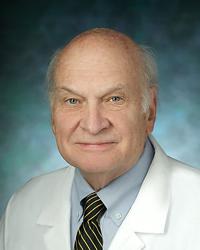 Duke Edward Cameron合作论文数Massachusetts General Hospital;School of Medicine, Johns Hopkins University16
 Luca Vricella合作论文数Division of Cardiac Surgery;Johns Hopkins Hospital;Division of Cardiac Surgery, Johns Hopkins Hospital16Sari D. Holmes合作论文数14Niv Ad合作论文数12
 Jennifer S. Lawton合作论文数Johns Hopkins University12
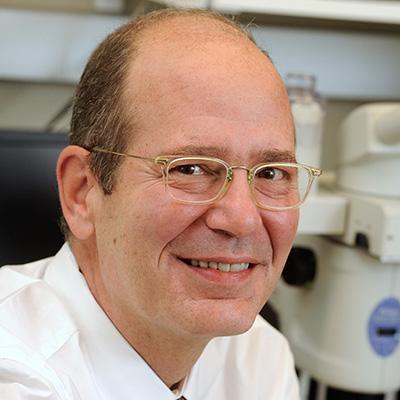 Harry (Hal) Dietz合作论文数Department of Molecular Biology and Genetics, School of Medicine, Johns Hopkins University;Howard Hughes Medical Institute11Vincent L. Gott合作论文数11
 Bradley S Taylor合作论文数Division of Cardiac Surgery, University of Maryland Medical Center10Joseph K. Canner合作论文数10
 Nishant Dhirendra Patel合作论文数Dept of Surgery, The Johns Hopkins University School of Medicine10Eric W. Etchill合作论文数9
 William A. Baumgartner合作论文数The Johns Hopkins University School of Medicine8James S. Gammie合作论文数8
 Todd C. Crawford合作论文数7
 Michael Mazzeffi合作论文数Department of Anesthesiology, University of Maryland7McMillan Kristen Nelson合作论文数School of Medicine, Johns Hopkins University6
 J. Trent Magruder合作论文数Johns Hopkins Bayview Medical Center, Johns Hopkins University School of Medicine6Chin Siang Ong合作论文数Yong Loo Lin School of Medicine, National University of Singapore6Joseph DiNatale合作论文数5Marc Sussman合作论文数5
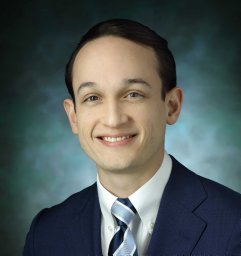 Alejandro Suarez-Pierre合作论文数Department of Surgery, University of Colorado School of Medicine5
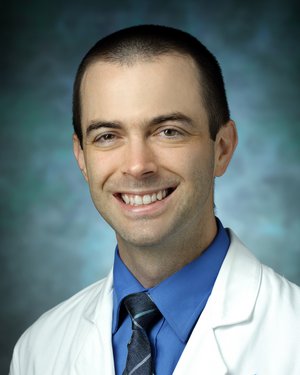 Thomas Stephen Metkus Jr.合作论文数School of Medicine, Johns Hopkins University5
 John V Conte合作论文数Johns Hopkins School of Medicine;Geisinger Health System;Penn State University5Thomas L. Matthew合作论文数5
 Eric S Weiss合作论文数5Mehrdad Ghoreishi合作论文数4Torin P. Fitton合作论文数4
 Kristen Brown合作论文数School of Nursing, Johns Hopkins University4Narutoshi Hibino合作论文数Department of Surgery, The University of Chicago4Nwakanma Lois U合作论文数4Zhou Xun合作论文数4Jason A. Williams合作论文数4Marshall L Jacobs合作论文数3Christopher Kwon合作论文数3Jay G. Shake合作论文数3Thomas Matthew合作论文数3Jennifer Bobbitt合作论文数3Kathleen C. Clement合作论文数3
 Alice L Zhou合作论文数Division of Cardiac Surgery, Johns Hopkins Hospital3Benjamin L Shou合作论文数3
 Jeffrey P Jacobs合作论文数Department of Surgery, College of Medicine, University of Florida Health;Congenital Heart Center, College of Medicine, University of Florida Health;Shands Children's Hospital, University of Florida Health3David J. Caparrelli合作论文数3
 Robert Higgins合作论文数3Elena Blasco-Colmenares合作论文数3
 Peter Greene合作论文数3




