BACKGROUND:COVID-19-related critical and acute illness is associated with an increased risk of venous thromboembolism (VTE). These evidence-based recommendations of the American Society of Hematology (ASH) are intended to support patients, clinicians, and other health care professionals in decisions about using anticoagulation for thromboprophylaxis for patients with COVID-19-related critical illness; patients with COVID-19-related acute illness; and those being discharged from the hospital, who do not have suspected or confirmed VTE. METHODS:ASH formed a multidisciplinary panel, including patient representatives. The Michael G. DeGroote Cochrane Canada and MacGRADE Centres at McMaster University supported guideline development, including performing systematic reviews (up to June 2023). The panel prioritized clinical questions and outcomes according to their importance for clinicians and patients. The panel used the Grading of Recommendations Assessment, Development, and Evaluation (GRADE) approach to assess certainty in the evidence and make recommendations. RESULTS:This is an executive summary of 3 updated recommendations that have been published, which concludes the living phase of the guidelines. For patients with COVID-19-related critical illness, the panel issued conditional recommendations suggesting (a) prophylactic-intensity over therapeutic-intensity anticoagulation and (b) prophylactic-intensity over intermediate-intensity anticoagulation. For patients with COVID-19-related acute illness, conditional recommendations were suggested (a) prophylactic-intensity over intermediate-intensity anticoagulation, and (b) therapeutic-intensity over prophylactic-intensity anticoagulation. The panel issued a conditional recommendation suggesting against the use of postdischarge anticoagulant thromboprophylaxis. CONCLUSIONS:These conditional recommendations were made based on low or very low certainty in the evidence, underscoring the need for additional, high-quality, randomized controlled trials for patients with COVID-19.
Objective: Heparin-induced thrombocytopenia (HIT) after cardiac surgery may lead to greater morbidity and mortality than predicted preoperatively. The aim of this study is to assess long-term outcomes of patients surviving HIT after cardiac surgery. Methods: Single-institution, retrospective study of adult patients who underwent cardiac surgery between 2011 and 2023 and developed HIT postoperatively. The institutional Society of Thoracic Surgeons database and electronic medical record were integrated with longitudinal data from phone questionnaires. HIT was defined by combined clinical (4Ts score) and serologic manifestations: a platelet decrease >50% from preoperative baseline, a high optical density positive heparin-PF4 antibody test, and a positive serotonin release assay. Results: We identified 88 of 11,658 patients (0.8%) with HIT after cardiac surgery. The majority were male (74%), white (73.8%), and with a mean age of 65.6 +/- 11.6 years. Seventy-seven (87.5%) survived to discharge, had a 4Ts score of 5 [4-6], and 58 (75.3%) were discharged on oral anticoagulation, with only 22 (28.6%) receiving treatment for the past 3 months, for a median of 1.3 [0.8-4.5] years. Median length of stay was 24 [17-35] days and length of follow-up was 4.6 [0.3-12] years. Readmission occurred in 70.1% (n =54) of patients, with an average of 3 [1-6] readmissions/patient. Causes of death during follow-up included cardiac (n =7, 24.1%), infectious (n = 6, 20.7%), or neurologic events (n =5, 17.3). Tenyear survival probability was 48%. Conclusions: Patients who develop HIT after cardiac surgery have an overall poor prognosis even after hospital discharge. In addition to prolonged hospitalization, patients experience further complications leading to frequent early readmissions and elevated mortality in the long-term. (JTCVS Open 2025;23:190-8)
Background: Therapeutic intensity unfractionated heparin (UFH) infusions require titration to target a therapeutic activated partial thromboplastin time (aPTT) or UFH anti-Xa. At The Johns Hopkins Hospital (JHH) and Johns Hopkins Bayview Medical Center (JHBMC), a computerized nurse-managed UFH calculator was built into the electronic health record (EHR) to improve adherence to institutional nomograms. Objective: This study evaluated the impact of implementation of an EHR-embedded UFH calculator on nurse-managed UFH nomogram adherence. Methods: A retrospective, observational cohort study was conducted at 2 institutions within one health system. Patients admitted to adult services who received nurse-managed UFH for at least 4 consecutive hours were included. Patients admitted between March 2019 and March 2021 constituted the pre-implementation cohort and patients admitted August 2021 through August 2023 were included in the post-implementation cohort. The primary outcomes were nurse-managed UFH nomogram adherence, management of critical aPTT results, and therapeutic aPTT achievement. Results: A total of 2128 patients were included in the pre-implementation cohort and 2517 in the post-implementation cohort. The mean age was 61 for both the pre- and post-implementation cohorts. The post-implementation cohort experienced an increase in adherence to initial bolus dose recommendations when compared with the pre-implementation cohort (85.9% vs 92%, P < 0.001) as well as increased adherence to correct initial infusion doses (80.8% vs 95.9%, P < 0.001). Infusion dose adjustment error rates were reduced in the post-implementation cohort (4.9% vs 1.5%, P < 0.001). Fewer patients experienced nomogram nonadherence errors in the post-implementation cohort (20.2% vs 5.3%, P < 0.001). Critical aPTT nomogram adherence improved after calculator implementation for resumption at the recommended dose (72.4% vs 94.0%, P < 0.001). However, the time to therapeutic aPTT achievement was similar between pre-implementation and post-implementation cohorts. Conclusion and Relevance: A stewardship initiative to implement an EHR-embedded nurse-managed UFH calculator significantly increased adherence to nomogram-recommended initial doses and dose adjustments.
Background: Venous thromboembolism (VTE) occurs in up to 8% of patients with cancer and is associated with increased morbidity and mortality (Van Es et al., 2020). While the Khorana risk assessment model (RAM) has demonstrated efficacy in VTE risk stratification to identify patients with cancer who may benefit from primary VTE prophylaxis, its validity is limited to the ambulatory setting (Overvad et al., 2022). The primary objective of this study is to compare the performance of the Khorana, Padua, and IMPROVE-VTE RAMs for determining VTE risk in hospitalized medical oncology patients. Methods: This was a single-center, retrospective analysis on the performance of the Khorana, Padua, and IMPROVE-VTE RAMs in patients ≥ 18 years of age with a cancer diagnosis admitted to a medical oncology service or intensive care unit at The Johns Hopkins Hospital in Baltimore, MD. Patients prescribed anticoagulation prior to admission were excluded. Our primary outcomes were the sensitivity and specificity of each scoring tool using the validated cutoffs. The validated cutoffs were defined as ≥ 2 for IMPROVE-VTE, ≥ 4 for Padua, and ≥ 2 for Khorana. Results: This study included 788 patients with a median age of 64 years. The most common primary cancer types included pancreatic (9.9%), sarcoma (9.5%), lung (8.5%), colorectal (8.5%), breast (7.9%), head and neck (7.8%), and CNS lymphoma (7.3%). Prophylaxis was prescribed upon admission for 75.4% of patients. A total of 42 VTE events occurred (5.3%); including pulmonary embolism (45.3%) and lower extremity deep vein thrombosis [DVT] (35.7%). All 42 patients that experienced a VTE event were classified as high risk for VTE by the IMPROVE-VTE RAM. The Padua RAM and the Khorana RAM appropriately identified 78.5% and 33.3% of patients who experienced a VTE event as high risk for the development of a VTE, respectively. Finally, the IMPROVE-VTE, Padua, and Khorana RAMs provided 100%, 78.0%, and 33.3% sensitivity and 0%, 26.8%, and 60.9% specificity, respectively. Conclusions: Overall, the Khorana RAM demonstrated poor sensitivity and would not be beneficial for use in the inpatient medical oncology setting. The Padua RAM provided the best sensitivity but still leaves a chance of one in five patients being misidentified as low risk for VTE. Finally, the IMPROVE-VTE RAM was unable to distinguish patients who are at low risk for the development of VTE. This model is consistent with the NCCN and ASCO guidelines that recommend universal prophylaxis for hospitalized patients with cancer. However, this approach may expose low-risk patients to the bleeding risk associated with pharmacologic VTE prophylaxis. Overall, these results suggest the need for a better RAM in hospitalized patients with cancer to appropriately distinguish between high versus low VTE risk.
Background: Venous thromboembolism (VTE) is the fifth leading cause of pregnancy-related mortality in the United States. Thromboprophylaxis is recommended for those at highest risk (>2% antepartum and >1% postpartum), but practice patterns vary. We aimed to describe thromboprophylaxis practices and outcomes among pregnant women cared for at Johns Hopkins Health System. Methods: We performed an observational, retrospective cohort study of consecutive pregnant patients treated with pharmacologic thromboprophylaxis at Johns Hopkins Health System from 2011 to 2022. Patients anticoagulated for other indications, including recurrent miscarriage, were excluded. Those with obstetric antiphospholipid antibody syndrome were included given high risk for thrombosis. VTE and bleeding events were identified by chart review. The primary efficacy outcome was imaging-confirmed VTE. The primary safety outcome was major bleeding using ISTH obstetric criteria. Results: A total of 169 pregnancies were included in our analysis resulting in 158 (93.5%) deliveries including 157 (92.9%) live births and 127 (75.1%) full term births. Median maternal age was 33 years (IQR 29-36). Median BMI was 31.5 kg/m2 (IQR 27.4-36.6). Eighty-six (50.9%) women were non-Hispanic White, 62 (36.7%) were non-Hispanic Black, 12 (7.1%) were Hispanic, and 5 (3.0%) were Asian. Caesarean delivery occurred in 75 (44.4%) pregnancies. The primary indication for thromboprophylaxis was a history of VTE in 134 (79.3%) pregnancies, of which 93 (69.4%) were provoked by hormonal therapy or pregnancy. The second most common indication was high-risk thrombophilia [27 (15.9%) of pregnancies]. Sixteen (9.5%) pregnancies were already on anticoagulation. Median gestational age at enoxaparin thromboprophylaxis initiation was 9 weeks (IQR 7-12). The majority started prophylactic intensity (101, 59.8%) followed by intermediate (37, 21.9%) or therapeutic intensity dosing (31, 18.3%). Of 158 deliveries, 117 (74.1%) were switched to unfractionated heparin (UFH) at approximately 36 weeks gestation. Postpartum, 151 of 158 (95.6%) were prescribed enoxaparin. Postpartum dosing was predominantly prophylactic intensity (91, 57.6%), followed by intermediate (32, 20.3%) or therapeutic intensity dosing (35, 22.2%). Two (1.2%) antepartum and 7 (4.4%) postpartum VTE events occurred. All (100%) of the antepartum VTE events and 6 (85.7%) of the postpartum VTE events occurred in pregnancies with history of VTE. Four (57.1%) of the postpartum VTE events occurred after caesarean section deliveries, 2 (28.6%) occurred after vaginal delivery, and 1 (14.3%) occurred after fetal loss. One postpartum VTE event occurred on postpartum day 1 prior to thromboprophylaxis reinitiation. Otherwise, postpartum VTE events occurred at a median of 14 days (IQR 2-21) after delivery. Postpartum VTE events occurred in 5 (5.5%), 0 (0%), and 1 (2.9%) of pregnancies prescribed prophylactic, intermediate, and therapeutic intensity dosing respectively. Neuraxial anesthesia was administered in 127 deliveries (80.4%). There were no epidural-related bleeding events. One (0.6%) antepartum and 9 (5.7%) postpartum major bleeds occurred. Eight (89%) of 9 postpartum major bleeds occurred within 24 hours of delivery, and of those 8 early major bleeds, 7 (87.5%) had concurrent obstetric reasons for major bleeding including uterine atony and retained placenta. Seven (77.8%) of the postpartum major bleeds occurred in those with caesarean deliveries. Reversal of anticoagulation was not used in any of the major bleed events. Conclusion: In our retrospective cohort of 169 pregnancies at risk for VTE, thromboprophylaxis was associated with a low prevalence of antepartum major bleeding and thrombosis. VTE tended to occur in the postpartum setting among those with a prior history of VTE. There was high utilization of epidural anesthesia despite antepartum anticoagulation. Postpartum hemorrhage most often occurred within the first 24 hours of delivery, in those with caesarean deliveries, and in those with concomitant obstetrical reasons for major bleeding. Our data provides additional real-world evidence in a diverse cohort that thromboprophylaxis during pregnancy is well-tolerated and does not preclude use of neuraxial anesthesia. Analysis is ongoing on the clinical outcomes of those pregnancies on UFH and those on enoxaparin in late gestation and prior to delivery.
ImportanceAcute kidney injury (AKI) is a common complication during hospitalization and is associated with adverse outcomes.ObjectiveTo evaluate whether diagnostic and therapeutic recommendations sent by a kidney action team through the electronic health record improve outcomes among patients hospitalized with AKI compared with usual care.Design, Setting, and ParticipantsRandomized clinical trial conducted at 7 hospitals in 2 health systems: in New Haven, Bridgeport, New London, and Waterbury, Connecticut, and Westerly, Rhode Island; and in Baltimore, Maryland. Hospitalized patients with AKI were randomized between October 29, 2021, and February 8, 2024. Final follow-up occurred February 22, 2024.InterventionAn alert about AKI was sent to the kidney action team, consisting of a study physician and study pharmacist, which sent personalized recommendations through the electronic health record in 5 major categories (diagnostic testing, volume, potassium, acid base, and medications) within 1 hour of AKI detection. The note was immediately visible to anyone with access to the electronic health record. Randomization to the intervention or usual care occurred after the recommendations were generated, but the note was only delivered to clinicians of patients randomized to the intervention group.Main Outcomes and MeasuresThe primary outcome was a composite outcome consisting of AKI progression to a higher stage of AKI, dialysis, or mortality occurring while the patient remained hospitalized and within 14 days from randomization.ResultsOf the 4003 patients randomized (median age, 72 years [IQR, 61-81 years), 1874 (47%) were female and 931 (23%) were Black patients. The kidney action team made 14 539 recommendations, with a median of 3 (IQR, 2-5) per patient. The primary outcome occurred in 19.8% of the intervention group and in 18.4% in the usual care group (difference, 1.4%, 95% CI, −1.1% to 3.8,% P = .28). Of 6 secondary outcomes, only 1 secondary outcome, rates of recommendation implementation, significantly differed between the 2 groups: 2459 of 7270 recommendations (33.8%) were implemented in the intervention group and 1766 of 7269 undelivered recommendations (24.3%) were implemented in the usual care group within 24 hours (difference, 9.5%; 95% CI, 8.1% to 11.0%).Conclusions and RelevanceAmong patients hospitalized with AKI, recommendations from a kidney action team did not significantly reduce the composite outcome of worsening AKI stage, dialysis, or mortality, despite a higher rate of recommendation implementation in the intervention group than in the usual care group.Trial RegistrationClinicalTrials.gov Identifier: NCT04040296
Background An antithrombotic stewardship program was implemented to reduce IV DTI use and increase fondaparinux and direct oral anticoagulant (DOAC) use for suspected or confirmed Heparin-induced thrombocytopenia (HIT). Objectives This study evaluated the impact of an antithrombotic stewardship program on IV DTI utilization in patients with HIT. Methods A retrospective analysis of adults receiving IV DTIs or fondaparinux from July 2016 to July 2017 (pre-stewardship) and October 2017 to July 2019 (post-stewardship) was conducted. Results The median duration of IV DTI administration was not significantly different in HIT-negative patients between the pre- and post-stewardship cohorts (1.6 days (25th percentile (p25), 75th percentile (p75): .5, 3.3) vs 1.7 days (p25, p75: .9, 3.9), P = .31). The median duration of IV DTI administration in HIT-positive patients was 9.9 days (p25, p75: 7.6, 21.0) pre-stewardship and 7.3 days (p25, p75: 4.8, 16.5) post-stewardship (P = .18). For HIT-positive patients, the time from HIT diagnosis to discharge was 12.8 days (p25, p75: 8.9, 24.9) and 9.2 days (p25, p75: 4.0, 18.1) in the pre- and post-stewardship cohorts, respectively (P = .07). Fondaparinux and DOAC prescribing rates were 40.7% and 62.2% in the pre- and post-stewardship cohorts, respectively (P = .09). The percentage of patients with no contraindications to IV DTI alternatives receiving these agents increased from 31.2% to 78.6% (P = .01) following stewardship implementation. Conclusions Intravenous DTI alternative utilization increased significantly after stewardship implementation. Stewardship implementation was associated with a non-statistically significant trend towards decreased IV DTI utilization and decreased length of stay for HIT-positive patients.
Background: Acquired Hemophilia A (AHA) is a rare bleeding disorder caused by neutralizing autoantibodies to factor VIII (FVIII). Treatment of AHA involves immunosuppression to eliminate the autoantibody and hemostatic management involving bypassing agents (BPAs). While the use of BPAs, including activated prothrombin complex concentrate (aPCC) and recombinant activated factor VII (rFVIIa), is primarily derived from studies of congenital hemophilia with inhibitors, registry studies of AHA have also demonstrated the efficacy of rVIIa ( Baudo et al., Blood, 2012) and aPCC ( Borg et al., Haemophilia, 2015) ( Zanon et al., Br J Haem 2019) in this population. Given the changing treatment landscape, low incidence of AHA, and high morbidity and mortality associated with the disease, our study aims to describe a single institution's experience with treating AHA. Methods: We retrospectively reviewed the records of adult patients diagnosed with AHA at a single academic medical center between January 1, 2019, and June 30, 2023. Results: Eleven patients were treated for 13 distinct episodes of AHA, with one patient admitted for three discrete episodes of AHA with responses to therapy followed by relapses once lost to follow-up. The patients were predominantly white (63.7%, n=7) and female (63.7%, n=7), with a median age of 74 years and weight of 87 kg on admission (Table 1). One patient (9.1%) had concomitant autoimmune disease. No patients presented peripartum or with active malignancy, liver disease, or a family history of bleeding disorders. The median FVIII level on admission was 1% (IQR=1%, 3.5%), with a median anti-FVIII antibody titer of 27 BU (IQR=4.5 BU, 47 BU). Given mild bleeding presentation, Patient 2 was treated as an outpatient with immunosuppression only. All patients received aPCC as the first-line BPA. Patient 5 developed uncontrolled bleeding from an arterial line despite receiving aPCC and was transitioned to rFVIIa for two days before resuming aPCC once hemostasis was achieved. The median duration of aPCC therapy was eight days. The use of aPCC (FEIBA) instead of rFVIIa (NovoSeven) as the first-line BPA led to total estimated cost avoidance of $13.5 million (calculated using average wholesale price). No patients had thrombotic events after the diagnosis of AHA. Six episodes (46.1%) were treated with prednisone and rituximab. Six episodes (46.1%) were treated with prednisone and oral cyclophosphamide. One episode (7.7%) was treated initially with prednisone and cyclophosphamide but was eventually transitioned to rituximab following a lack of response and bleeding complications after two weeks. This patient was also subsequently treated with emicizumab for five months until FVIII activity was recovered. P neumocystis jirovic i i pneumonia prophylaxis was prescribed in eight episodes (61.5%), and antiviral prophylaxis was prescribed in one episode (7.7%). No infections were noted during the follow-up period, other than two documented cases of COVID-19, one of which required admission. The median time to achieve FVIII >50% was 5.1 weeks, with a median of 8.6 months of follow-up (Figure 1). Patient 11 relapsed twice, as described in Table 1. No other patient relapsed during the follow-up period. No patient deaths occurred during the follow-up period. Conclusions: We describe 13 episodes of AHA successfully treated at a single academic medical center between 2019 and 2023. aPCC was the first-line BPA administered in all patients, with significant cost savings relative to rFVIIa. Immunosuppression, including prednisone and either cyclophosphamide or rituximab, was used to successfully eliminate autoantibodies in all patients. One patient received emicizumab for ongoing hemostatic control until achieving improvement in FVIII activity. No significant infections, thrombotic events, or deaths were noted in this cohort.
Venous thromboembolism (VTE) is a complication of hospitalization but not all patients are at high risk. VTE risk assessment models have been developed to identify patients whose risk is sufficient to warrant pharmacologic thromboprophylaxis. To ensure all patients are risk assessed upon admission, we implemented a mandatory risk assessment tool embedded in admission order sets in our electronic health record (EHR) system. We hypothesized that the accuracy of these risk assessments was variable. We performed a retrospective cohort study of patients discharged from the Johns Hopkins Hospital medicine service between January 1 st-December 31 st 2019. The cohort consisted of consecutive patients classified into normal, intermediate or low mobility groups using the Johns Hopkins Highest Level of Mobility score. Using a standardized chart review algorithm, elements of the Padua and Improve risk scores were determined using the admission note and the JH-HLM scores for mobility assessment. We report the results of the Padua score comparison. Provider risk assessments, VTE prophylaxis orders, symptomatic VTE, major bleeding (ISTH criteria) and deaths were determined by chart review. We measured concordance between provider risk factors identified and those identified on retrospective chart review. Statistical analyses were done using Chi-squared or Fisher's exact test and were performed using Stata v.18. The cohort consist of 2992 patients with a median age of 58 (Interquartile range (IQR) 45-70). Characteristics of the cohort are in Table 1. The median provider Padua score was 1 (IQR 0,3) compared with 2 (IQR 1,5) for chart review. Providers identified 2480 patients (82.9%) as being low risk compared with 1882 (62.9%) upon chart review (P<0.001). Differences in risk factor assessments are presented in Figure 1. Concordance rates between providers and chart review were high (93.6%-99.6%) for all risk factors except obesity (87.5%), heart failure (76.4%), reduced mobility (72.5%) and acute infection (66.1%).(Figure 1) Thirty-six VTE (27 DVT, 9 PE; 1.2%) occurred during the hospital stay and sixty-one (44 DVT;17 PE; 2.2%) within 3 months. Among patients who suffered an in-hospital VTE, providers assessed 29 (80.6%) as low risk compared with 13 (36.1%) by chart review. Fourteen patients (48.3%) were not prescribed prophylaxis. Forty-seven of 61 patients (77.0%) who developed VTE within 3 months were classified as low risk by providers compared with 26 (42.6%) among chart reviewers. Twenty-five (41.0%) were not prescribed prophylaxis. 727 of 2480 (29.3%) patients risk assessed as low risk by providers were assessed as being at high risk upon chart review. 707 of 2480 (28.5%) low risk patients were not prescribed prophylaxis. 157 of these 707 (22.2%) would have been prescribed prophylaxis based upon chart review. Among these 157 patients, 7 VTE occurred during the hospital stay and 11 events occurred within 3 months. Major bleeding occurred during prophylaxis in 4 patients (0.17%). Underestimation of VTE risk is common in hospitalized medically-ill patients. Development of improved EHR VTE risk assessment tools that assist the provider in identifying patient risk factors could improve VTE prevention and reduce hospital-associated VTE.
Objective: Bivalirudin is an intravenous direct thrombin inhibitor with weight-based dosing. Bivalirudin is typically dosed based on actual body weight, but the most appropriate dosing weight for obese patients is unclear. The purpose of this study was to determine whether bivalirudin dosing requirements differ between obese and non-obese patients, stratified by renal function. Methods: This multicenter retrospective cohort study was conducted at two academic medical centers and evaluated adult patients receiving bivalirudin from July 1, 2016-November 1, 2021. Patients were excluded if they met any of the following criteria: received bivalirudin in a procedural area only, intradermally (non-IV), or with prophylactic intention; required extracorporeal membrane oxygenation (ECMO), baseline aPTT above 40 seconds; or had missing data. For patients with multiple bivalirudin treatment episodes, only the first was included. Obesity was defined as body mass index > 30 kg/m2 as per World Health Organization criteria. A therapeutic activated partial thromboplastin time was defined according to the institutional standard of 50 to 65.9 seconds. Results: The bivalirudin dose resulting in the first therapeutic aPTT was not significantly different between obese patients and non-obese patients stratified by renal function. In the CrCl ≥ 60 mL/min cohort, obese patients required a median dose of 0.15 mg/kg/hr (IQR 0.13, 0.19) compared to 0.17 mg/kg/hr (IQR 0.14, 0.28) for non-obese patients, p=0.064. In the CrCl 30-59 mL/min cohort, obese patients required a median dose of 0.13 mg/kg/hr (IQR 0.08, 0.14) compared to 0.15 mg/kg/hr (IQR 0.12, 0.24) for non-obese patients, p=0.078. In the CrCl < 30 mL/min, iHD, or CVVHD cohort, obese patients required a median dose of 0.06 mg/kg/hr (IQR p75 0.03, 0.13) compared to 0.05 mg/kg/hr (IQR 0.03, 0.09) for non-obese patients, p=0.681). The time to first therapeutic aPTT on bivalirudin was significantly longer in non-obese patients (17.2 hrs) compared to obese patients (9 hrs) in the CrCl > 60 mL/min cohort (p=0.013). The time to first aPTT value above 50 seconds was also significantly longer in non-obese patients (16.9 hrs) compared to obese patients (6.4 hrs) in the CrCl ≥ 60 mL/min cohort (p<0.001). Conclusion: Bivalirudin doses resulting in the first therapeutic aPTT value were not significantly different between obese and non-obese patients regardless of renal function category, but there was a trend towards lower dosing requirements in obese patients with CrCl > 60 mL/min compared to non-obese patients in this category. The time to achievement of the first therapeutic aPTT value was significantly longer in non-obese patients with CrCl > 60 mL/min, and this population may benefit from a higher bivalirudin starting dose.
BACKGROUND:COVID-19-related acute illness is associated with an increased risk of venous thromboembolism (VTE).OBJECTIVE:These evidence-based guidelines of the American Society of Hematology (ASH) are intended to support patients, clinicians, and other health care professionals in decisions about the use of anticoagulation for thromboprophylaxis in patients with COVID-19 who do not have confirmed or suspected VTE.METHODS:ASH formed a multidisciplinary guideline panel, including 3 patient representatives, and applied strategies to minimize potential bias from conflicts of interest. The McMaster University GRADE Centre supported the guideline development process, including performing systematic evidence reviews (up to March 2021). The panel prioritized clinical questions and outcomes according to their importance for clinicians and patients. The panel used the grading of recommendations assessment, development, and evaluation (GRADE) approach to assess evidence and make recommendations, which were subject to public comment.RESULTS:The panel agreed on 1 additional recommendation. The panel issued a conditional recommendation against the use of outpatient anticoagulant prophylaxis in patients with COVID-19 who are discharged from the hospital and who do not have suspected or confirmed VTE or another indication for anticoagulation.CONCLUSIONS:This recommendation was based on very low certainty in the evidence, underscoring the need for high-quality randomized controlled trials assessing the role of postdischarge thromboprophylaxis. Other key research priorities include better evidence on assessing risk of thrombosis and bleeding outcomes in patients with COVID-19 after hospital discharge.
Objective: To review the pharmacology, dosing and administration, safety, clinical efficacy, and role of eptacog beta in the treatment of congenital hemophilia with inhibitors. Data Sources: A literature search of PubMed (1966 to August 2021) was conducted using the keywords eptacog beta, recombinant FVII, and hemophilia. Study Selection and Data Extraction: All relevant published articles and prescribing information on eptacog beta for the treatment of congenital hemophilia with inhibitors were reviewed. Data Synthesis: Eptacog beta is a novel recombinant activated factor VII (rVIIa) product that demonstrated efficacy in controlling bleeding and associated pain in patients with hemophilia A or B with inhibitors. Eptacog beta has limited Food and Drug Administration-approved and off-label indications compared with other bypassing agents (BPAs; activated prothrombin complex concentrates [aPCC; eptacog alfa]). Eptacog beta costs less than eptacog alfa, but still more than aPCCs. Relevance to Patient Care and Clinical Practice: This review provides insight into the role of eptacog beta for treatment of congenital hemophilia with inhibitors and reviews important health system formulary considerations for available BPAs. Conclusions: Eptacog beta is more cost-effective than eptacog alfa and, as such, may become the preferred rVIIa formulary product. However, eptacog alfa availability remains necessary for the treatment of disorders where eptacog beta has limited data. aPCC should remain the first-line BPA for the treatment of bleeding in patients with inhibitors with no contraindications to use because of its equivocal efficacy and safety and in light of the magnitude of cost savings associated with this strategy.
BACKGROUND:COVID-19-related critical illness is associated with an increased risk of venous thromboembolism (VTE). OBJECTIVE:These evidence-based guidelines of the American Society of Hematology (ASH) are intended to support patients, clinicians, and other health care professionals in decisions about the use of anticoagulation for patients with COVID-19. METHODS:ASH formed a multidisciplinary guideline panel, including 3 patient representatives, and applied strategies to minimize potential bias from conflicts of interest. The McMaster University Grading of Recommendations Assessment, Development and Evaluation (GRADE) Centre supported the guideline development process, including performing systematic evidence reviews (up to January 2022). The panel prioritized clinical questions and outcomes according to their importance for clinicians and patients. The panel used the GRADE approach to assess evidence and make recommendations, which were subject to public comment. This is an update to guidelines published in February 2021 and May 2021 as part of the living phase of these guidelines. RESULTS:The panel made 1 additional recommendation: a conditional recommendation for the use of prophylactic-intensity over therapeutic-intensity anticoagulation for patients with COVID-19-related critical illness who do not have suspected or confirmed VTE. The panel emphasized the need for an individualized assessment of thrombotic and bleeding risk. CONCLUSIONS:This conditional recommendation was based on very low certainty in the evidence, underscoring the need for additional, high-quality, randomized controlled trials comparing different intensities of anticoagulation for patients with COVID-19-related critical illness.
Hemostatic and antithrombotic agents are high-risk medications associated with high cost. The importance of anticoagulation stewardship has been recently highlighted by national organizations, but hemostatic stewardship programs remain underutilized. Several established hemostatic and/or antithrombotic stewardship programs have demonstrated a significant impact on the quality and cost of care provided to patients receiving these therapies. This review provides a comprehensive toolkit for development and implementation of combined hemostatic and antithrombotic stewardship programs.
The 4Ts and HIT-Expert Probability (HEP) scoring tools for heparin-induced thrombocytopenia (HIT) have not been validated in cardiac surgery patients, and the reported sensitivity and specificity of the Post-Cardiopulmonary Bypass (CPB) scoring tool vary widely in the 2 available analyses. It remains unclear which of the available scoring tools most accurately predicts HIT in this population. Forty-nine HIT-positive patients who underwent on-pump cardiac surgery within a 6-year period were loosely matched to 98 HIT-negative patients in a 1:2 case-control design. The 4Ts, HEP, and CPB scores were calculated for each patient. Sensitivity and specificity of each tool were calculated using standard cut-offs. The Youden method was utilized to determine optimal cut-offs within receiver operating characteristic (ROC) curves of each score, after which sensitivities and specificities were recalculated. Using standard cut-offs, the sensitivities for the CPB, HEP, and 4Ts scores were 100%, 93.9%, and 69.4%, respectively. Specificities were 51%, 49%, and 71.4%, respectively. The AUC of the scoring tool ROC curves were 0.961 for the CPB score, 0.773 for the HEP score, and 0.805 for the 4Ts score. Using the Youden method-derived optimal cut-off of ≥3 points on the CPB score, sensitivity remained 100% with improved specificity to 88.9%. The CPB score is the preferred HIT clinical scoring tool in adult cardiac surgery patients, whereas the 4Ts score performed less effectively. A cut-off of ≥ 3 points on the CPB score could increase specificity while preserving high sensitivity, which should be validated in a prospective evaluation.
Terminal complement inhibition is the standard of care for atypical hemolytic uremic syndrome (aHUS). The optimal duration of complement inhibition is unknown, although indefinite therapy is common. Here, we present the outcomes of a physician-directed eculizumab discontinuation and monitoring protocol in a prospective cohort of 31 patients that started eculizumab for acute aHUS (and without a history of renal transplant). Twenty-five (80.6%) discontinued eculizumab therapy after a median duration on therapy of 2.37 (interquartile range: 1.06, 9.70) months. Eighteen patients discontinued per protocol and 7 because of nonadherence. Of these, 5 (20%) relapsed; however, relapse rate was higher in the case of nonadherence (42.8%) vs clinician-directed discontinuation and monitoring (11.1%). Four of 5 patients who relapsed were successfully retreated without a decline in renal function. One patient died because of recurrent aHUS and hypertensive emergency in the setting of nonadherence. Nonadherence to therapy (odds ratio, 8.25; 95% confidence interval, 1.02-66.19; P = .047) was associated with relapse, whereas the presence of complement gene variants (odds ratio, 1.39; 95% confidence interval, 0.39-4.87; P = .598) was not significantly associated with relapse. Relapse occurred in 40% (2 of 5) with a CFH or MCP variant, 33.3% (2 of 6) with other complement variants, and 0% (0 of 6) with no variants (P = .217). There was no decline in mean glomerular filtration rate from the date of stopping eculizumab until end of follow-up. In summary, eculizumab discontinuation with close monitoring is safe in most patients, with low rates of aHUS relapse and effective salvage with eculizumab retreatment in the event of recurrence.
Abstract Background: Sickle cell disease (SCD) and cystic fibrosis (CF) are associated with an increased risk of venous thromboembolism (VTE). VTE prophylaxis non-administration is a risk factor for VTE. Since many patients with SCD or CF experience frequent hospitalizations, we hypothesized that missed doses of VTE prophylaxis may be common in these populations. The purpose of this study was to characterize VTE prophylaxis non-administration among patients with SCD or CF compared to medically ill patients without SCD or CF. Methods: We conducted a single-center retrospective cohort study of patient admissions from July 1 st, 2016 to December 31 st, 2019 who were prescribed at least 2 doses of pharmacologic VTE prophylaxis. Three adult inpatient cohorts were defined: patients with SCD, patients with CF, and medically ill patients without SCD or CF. We excluded patients on pediatric and surgical units, and excluded doses received while in intensive care units or prescribed as once doses. The primary outcome was the proportion of missed doses of VTE prophylaxis by cohort. Secondary outcomes included the proportion of patients who missed at least one dose by cohort, the proportion of missed doses by medication and frequency, and the proportion of missed doses in patients with more than one admission during the study period. Multivariable logistic regression was used to identify characteristics associated with non-administration. Results: The 13,316 subjects included 246 with SCD, 89 with CF, and 12,981 medically ill. Subjects with SCD and CF were younger than medically ill patients [median (IQR) age 31 (16) and 30 (11) years, respectively versus 58 (24) years, p<0.01]. A higher number of SCD and CF patients had multiple hospital admissions than medically ill patients (52.5% and 73.0%, respectively vs. 21.8%, p<0.01). VTE prophylaxis dose non-administration overall and by prescribed regimen are shown in Table 1. During the study period, 95,697 doses were prescribed; 32.7% were not administered in the SCD cohort, 61.8% in the CF cohort, and 19.7% in the medically ill cohort (p<0.01). In the multivariable logistic regression, SCD diagnosis [odds ratio (OR) 1.73, 95% confidence interval (CI) 1.29-2.32], CF diagnosis (OR 4.64, 95% CI 2.98-7.21), age < 30 years (OR 2.29, 95% CI 1.98-2.63), and multiple admissions (OR 1.13, 95% CI 1.01-1.26) were associated with non-administration of one or more doses. Black race (OR 0.86, 95% CI 0.78-0.95) and receiving a once daily prophylaxis regimen (OR 0.76, 95% CI 0.69-0.84) were associated with reduced odds of missing a dose. Patients with SCD, patients with CF, and younger patients missed greater proportions of their individually prescribed doses (Table 2). Conclusion: Patients with SCD or CF missed a larger proportion of pharmacologic VTE prophylaxis compared to medically ill patients. Factors independently associated with increased odds of non-administration include age < 30 years and multiple hospital admissions. Black race and once daily administration were associated with decreased odds of non-administration. These findings suggest that targeted education or once-daily dosing may improve VTE prevention in high-risk lifelong disorders such as SCD and CF. Figure 1 Figure 1. Disclosures Naik: Rigel: Research Funding. Lanzkron: GBT: Research Funding; Shire: Research Funding; Novo Nordisk: Consultancy; Teva: Current holder of individual stocks in a privately-held company; Pfizer: Current holder of individual stocks in a privately-held company; Imara: Research Funding; CSL Behring: Research Funding; Novartis: Research Funding; Bluebird Bio: Consultancy. Dane: Sanofi Genzyme: Honoraria; Janssen: Honoraria; Alexion: Honoraria.
 Michael Blake Streiff合作论文数Special Coagulation Laboratory, The Johns Hopkins Hospital;Department of Medicine, The Johns Hopkins Hospital;Department of Pathology, Johns Hopkins Hospital;Comprehensive Hemophilia Treatment Center, The Johns Hopkins Hospital;Armstrong Institute for Patient Safety and Quality, The Johns Hopkins Hospital22
 Lindsley John P合作论文数18Shanbhag Satish P合作论文数Division of Hematology, Department of Medicine.10Jennifer C Yui合作论文数8Naik Rakhi P合作论文数8Jessica Crow合作论文数7
 Shruti Chaturvedi合作论文数Department of Otolaryngology-Head and Neck Surgery, School of Medicine, Johns Hopkins University7
 Jessica Chasler合作论文数Johns Hopkins Univ Hosp5
 Alison R. Moliterno合作论文数School of Medicine Ross Research, Johns Hopkins University5David Diuguid合作论文数4Ashok Pai合作论文数4Karla Solo合作论文数Dept Hlth Res Methods Evidence & Impact, McMaster Univ4
 Mary Boulos合作论文数Michael G DeGroote Sch Med, McMaster Univ4
 Pantep Angchaisuksiri合作论文数Bangkok International Hemophilia Training Center, Mahidol University4
 Rami Z Morsi合作论文数Department of Neurology, University of Chicago4Eric Tseng合作论文数Department of Medicine, Temerty Faculty of Medicine, University of Toronto;St. Michael’s Hospital, Unity Health Toronto4
 Maria Teresa DeSancho合作论文数Joan and Sanford I. Weill Department of Medicine, Weill Cornell Medicine, Cornell University4
 Alfred Lee合作论文数Yale School of Medicine, Yale University4
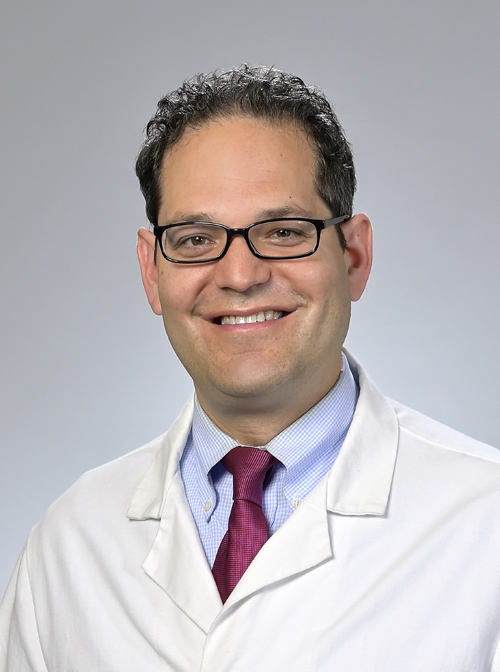 Adam C. Cuker合作论文数Division of Hematology and Oncology, Department of Medicine, Perelman School of Medicine, University of Pennsylvania4
 Elie Akl合作论文数Department of Internal Medicine, American University of Beirut;Department of Epidemiology and Population Health, American University of Beirut;Clinical Epidemiology Unit, Clinical Research Institute, American University of Beirut4
 Holger Schunemann合作论文数Departments of Health Research Methods, Evidence, and Impact, McMaster University;Humanitas University4
 Nieuwlaat Robby合作论文数Department of Health Research Methods, Evidence, and Impact, McMaster University4Neumann Ignacio合作论文数Health Sciences Centre, McMaster University;Biostatistics4Braunstein Evan M合作论文数Department of Genetics, Albert Einstein College of Medicine4
 Erik Klok合作论文数Department of Medicine - Thrombosis and Hemostasis, Leiden University Medical Center;Faculteit Geneeskunde, Leiden University4
 Romina Brignardello合作论文数McMaster University4
 Robert A. Brodsky合作论文数School of Medicine, Johns Hopkins University;Heart and Vascular Institute, Johns Hopkins University;Sidney Kimmel Comprehensive Cancer Center, Johns Hopkins University4
 Kristen M Sanfilippo合作论文数Department of Medicine and Epidemiology, University of Pittsburgh4Marc Righini合作论文数Department de Medecine, Universite de Geneve4
 Reem A. Mustafa合作论文数Evidence-Based Practice and Impact Center, University of Kansas Medical Center4
 Wiercioch Wojtek合作论文数4
 Griffin Daniel O合作论文数4
 Deborah Siegal合作论文数Department of Medicine, University of Ottawa;School of Epidemiology and Public Health, University of Ottawa;Ottawa Hospital Research Institute4
 Adrienne Stevens合作论文数Cancer Care Ontario Program in Evidence-Based Care, McMaster University4Kamshad Touri合作论文数3Harshvardhan Upreti合作论文数3Mike Skara合作论文数3Clifton Blair合作论文数3
 Rana Charide合作论文数3Karin Dearness合作论文数3Finn Schünemann合作论文数3
 Razan Mansour合作论文数Div Nephrol & Hypertens, Univ Kansas3Andrea Darzi合作论文数HSC-2C, McMaster Univ3
 Luis Enrique Colunga Lozano合作论文数3
 Gian Paolo Morgano合作论文数Department of Health Research Methods, Evidence, and Impact, McMaster University3
 Thomas Kickler合作论文数School of Medicine, Johns Hopkins University3Terrell Deirdra R合作论文数3Whitman Glenn J合作论文数3
 Lau Brandyn D合作论文数Div Acute Care Surg, Johns Hopkins Univ3




