Sexual reproduction in angiosperms requires the production and delivery of two male gametes by a three-celled haploid male gametophyte. This demands synchronized gene expression in a short developmental window to ensure double fertilization and seed set. While transcriptomic changes in developing pollen are known for Arabidopsis, no studies have integrated RNA and proteomic data in this model. Further, the role of alternative splicing has not been fully addressed, yet post-transcriptional and post-translational regulation may have a key role in gene expression dynamics during microgametogenesis. We have refined and substantially updated global transcriptomic and proteomic changes in developing pollen for two Arabidopsis accessions. Despite the superiority of RNA-seq over microarray-based platforms, we demonstrate high reproducibility and comparability. We identify thousands of long non-coding RNAs as potential regulators of pollen development, hundreds of changes in alternative splicing and provide insight into mRNA translation rate and storage in developing pollen. Our analysis delivers an integrated perspective of gene expression dynamics in developing Arabidopsis pollen and a foundation for studying the role of alternative splicing in this model.
Turnip yellows virus (TuYV) is aphid-transmitted and causes considerable yield losses in oilseed rape (OSR, Brassica napus, genome: AACC) and vegetable brassicas. Insecticide control of the aphid vector is limited due to insecticide resistance and the banning of the most effective active ingredients in the EU. There is only one source of TuYV resistance in current commercial OSR varieties, which has been mapped to a single dominant quantitative trait locus (QTL) on chromosome A04. We report the identification, characterisation, and mapping of TuYV resistance in the diploid progenitor species of OSR, Brassica rapa (genome: AA), and Brassica oleracea (genome: CC). Phenotyping of F1 populations, produced from within-species crosses between resistant and susceptible individuals, revealed the resistances were quantitative and partially dominant. QTL mapping of segregating backcross populations showed that the B. rapa resistance was controlled by at least two additive QTLs, one on chromosome A02 and the other on chromosome A06. Together, they explained 40.3% of the phenotypic variation. In B. oleracea, a single QTL on chromosome C05 explained 22.1% of the phenotypic variation. The TuYV resistance QTLs detected in this study are different from those in the extant commercial resistant varieties. To exploit these resistances, an allotetraploid (genome: AACC) plant line was resynthesised from the interspecific cross between the TuYV-resistant B. rapa and B. oleracea lines. Flow cytometry confirmed that plantlets regenerated from the interspecific cross had both A and C genomes and were mixoploid. To stabilise ploidy, a fertile plantlet was self-pollinated to produce seed that had the desired resynthesised, allotetraploid genome AACC. Phenotyping of the resynthesised plants confirmed their resistance to TuYV. Genotyping with resistance-linked markers identified during the mapping in the progenitors confirmed the presence of all TuYV resistance QTLs from B. rapa and B. oleracea. This is the first report of TuYV resistance mapped in the Brassica C genome and of an allotetraploid AACC line possessing dual resistance to TuYV originating from both of its progenitors. The introgression into OSR can now be accelerated, utilising marker-assisted selection, and this may reduce selection pressure for TuYV isolates that are able to overcome existing sources of resistance to TuYV.
The evolution of plant organs, including leaves, stems, roots, and flowers, mediated the explosive radiation of land plants, which shaped the biosphere and allowed the establishment of terrestrial animal life. Furthermore, the fertilization products of angiosperms, seeds serve as the basis for most of our food. The evolution of organs and immobile gametes required the coordinated acquisition of novel gene functions, the co-option of existing genes, and the development of novel regulatory programs. However, our knowledge of these events is limited, as no large-scale analyses of genomic and transcriptomic data have been performed for land plants. To remedy this, we have generated gene expression atlases for various organs and gametes of 10 plant species comprising bryophytes, vascular plants, gymnosperms, and flowering plants. Comparative analysis of the atlases identified hundreds of organ- and gamete-specific gene families and revealed that most of the specific transcriptomes are significantly conserved. Interestingly, the appearance of organ-specific gene families does not coincide with the corresponding organ’s appearance, suggesting that co-option of existing genes is the main mechanism for evolving new organs. In contrast to female gametes, male gametes showed a high number and conservation of specific genes, suggesting that male reproduction is highly specialized. The expression atlas capturing pollen development revealed numerous transcription factors and kinases essential for pollen biogenesis and function. To provide easy access to the expression atlases and these comparative analyses, we provide an online database, www.evorepro.plant.tools, that allows the exploration of expression profiles, organ-specific genes, phylogenetic trees, co-expression networks, and others.
The reproductive adaptations of land plants have played a key role in their terrestrial colonization and radiation. This encompasses mechanisms used for the production, dispersal and union of gametes to support sexual reproduction. The production of small motile male gametes and larger immotile female gametes (oogamy) in specialized multicellular gametangia evolved in the charophyte algae, the closest extant relatives of land plants. Reliance on water and motile male gametes for sexual reproduction was retained by bryophytes and basal vascular plants, but was overcome in seed plants by the dispersal of pollen and the guided delivery of non-motile sperm to the female gametes. Here we discuss the evolutionary history of male gametogenesis in streptophytes (green plants) and the underlying developmental biology, including recent advances in bryophyte and angiosperm models. We conclude with a perspective on research trends that promise to deliver a deeper understanding of the evolutionary and developmental mechanisms of male gametogenesis in plants.
Partially dominant resistance to Turnip yellows virus associated with one major QTL was identified in the natural allotetraploid oilseed rape cultivar Yudal. Turnip yellows virus (TuYV) is transmitted by the peach-potato aphid (Myzus persicae) and causes severe yield losses in commercial oilseed rape crops (Brassica napus). There is currently only one genetic resource for resistance to TuYV available in brassica, which was identified in the re-synthesised B. napus line ‘R54’. In our study, 27 mostly homozygous B. napus accessions, either doubled-haploid (DH) or inbred lines, representing a diverse subset of the B. napus genepool, were screened for TuYV resistance/susceptibility. Partial resistance to TuYV was identified in the Korean spring oilseed rape, B. napus variety Yudal, whilst the dwarf French winter oilseed rape line Darmor-bzh was susceptible. QTL mapping using the established Darmor-bzh × Yudal DH mapping population (DYDH) revealed one major QTL explaining 36% and 18% of the phenotypic variation in two independent experiments. A DYDH line was crossed to Yudal, and reciprocal backcross (BC1) populations from the F1 with either the susceptible or resistant parent revealed the dominant inheritance of the TuYV resistance. The QTL on ChrA04 was verified in the segregating BC1 population. A second minor QTL on ChrC05 was identified in one of the two DYDH experiments, and it was not observed in the BC1 population. The TuYV resistance QTL in ‘R54’ is within the QTL interval on Chr A04 of Yudal; however, the markers co-segregating with the ‘R54’ resistance are not conserved in Yudal, suggesting an independent origin of the TuYV resistances. This is the first report of the QTL mapping of TuYV resistance in natural B. napus.
Evolutionary mechanisms underlying innovation of cell types have remained largely unclear. In multicellular eukaryotes, the evolutionary molecular origin of sperm differentiation is unknown in most lineages. Here, we report that in algal ancestors of land plants, changes in the DNA-binding domain of the ancestor of the MYB transcription factor DUO1 enabled the recognition of a new cis-regulatory element. This event led to the differentiation of motile sperm. After neo-functionalization, DUO1 acquired sperm lineage-specific expression in the common ancestor of land plants. Subsequently the downstream network of DUO1 was rewired leading to sperm with distinct morphologies. Conjugating green algae, a sister group of land plants, accumulated mutations in the DNA-binding domain of DUO1 and lost sperm differentiation. Our findings suggest that the emergence of DUO1 was the defining event in the evolution of sperm differentiation and the varied modes of sexual reproduction in the land plant lineage.
Signaling pathways regulated by heterotrimeric G-proteins exist in all eukaryotes. The regulator of G-protein signaling (RGS) proteins are key interactors and critical modulators of the Gα protein of the heterotrimer. However, while G-proteins are widespread in plants, RGS proteins have been reported to be missing from the entire monocot lineage, with two exceptions. A single amino acid substitution-based adaptive coevolution of the Gα:RGS proteins was proposed to enable the loss of RGS in monocots. We used a combination of evolutionary and biochemical analyses and homology modeling of the Gα and RGS proteins to address their expansion and its potential effects on the G-protein cycle in plants. Our results show that RGS proteins are widely distributed in the monocot lineage, despite their frequent loss. There is no support for the adaptive coevolution of the Gα:RGS protein pair based on single amino acid substitutions. RGS proteins interact with, and affect the activity of, Gα proteins from species with or without endogenous RGS. This cross-functional compatibility expands between the metazoan and plant kingdoms, illustrating striking conservation of their interaction interface. We propose that additional proteins or alternative mechanisms may exist which compensate for the loss of RGS in certain plant species.
In this study, we report the functional characterization of heterotrimeric G-proteins from a nonvascular plant, the moss Physcomitrella patens. In plants, G-proteins have been characterized from only a few angiosperms to date, where their involvement has been shown during regulation of multiple signaling and developmental pathways affecting overall plant fitness. In addition to its unparalleled evolutionary position in the plant lineages, the P. patens genome also codes for a unique assortment of G-protein components, which includes two copies of Gb and Gg genes, but no canonical Ga. Instead, a single gene encoding an extra-large Ga (XLG) protein exists in the P. patens genome. Here, we demonstrate that in P. patens the canonical Ga is biochemically and functionally replaced by an XLG protein, which works in the same genetic pathway as one of the Gb proteins to control its development. Furthermore, the specific G-protein subunits in P. patens are essential for its life cycle completion. Deletion of the genomic locus of PpXLG or PpGb2 results in smaller, slower growing gametophores. Normal reproductive structures develop on these gametophores, but they are unable to form any sporophyte, the only diploid stage in the moss life cycle. Finally, the mutant phenotypes of DPpXLG and DPpGb2 can be complemented by the homologous genes from Arabidopsis, AtXLG2 and AtAGB1, respectively, suggesting an overall conservation of their function throughout the plant evolution.
Heterotrimeric G-proteins (G-proteins, hereafter) are important signaling components in all eukaryotes. The absence of these proteins in the sequenced genomes of Chlorophycean green algae has raised questions about their evolutionary origin and prevalence in the plant lineage. The existence of G-proteins has often been correlated with the acquisition of embryophytic life-cycle and/or terrestrial habitats of plants which occurred around 450 million years ago. Our discovery of functional G-proteins in Chara braunii, a representative of the Charophycean green algae, establishes the existence of this conserved signaling pathway in the most basal plants and dates it even further back to 1–1.5 billion years ago. We have now identified the sequence homologs of G-proteins in additional algal families and propose that green algae represent a model system for one of the most basal forms of G-protein signaling known to exist to date. Given the possible differences that exist between plant and metazoan G-protein signaling mechanisms, such basal organisms will serve as important resources to trace the evolutionary origin of proposed mechanistic differences between the systems as well as their plant-specific functions.
Heterotrimeric G-proteins (G-proteins, hereafter) are important signaling components in all eukaryotes. The absence of these proteins in the sequenced genomes of Chlorophycean green algae has raised questions about their evolutionary origin and prevalence in the plant lineage. The existence of G-proteins has often been correlated with the acquisition of embryophytic life-cycle and/or terrestrial habitats of plants which occurred around 450 million years ago. Our discovery of functional G-proteins in Chara braunii, a representative of the Charophycean green algae, establishes the existence of this conserved signaling pathway in the most basal plants and dates it even further back to 1-1.5 billion years ago. We have now identified the sequence homologs of G-proteins in additional algal families and propose that green algae represent a model system for one of the most basal forms of G-protein signaling known to exist to date. Given the possible differences that exist between plant and metazoan G-protein signaling mechanisms, such basal organisms will serve as important resources to trace the evolutionary origin of proposed mechanistic differences between the systems as well as their plant-specific functions.
Heterotrimeric G-proteins are important signaling intermediates in all eukaryotes. These proteins link signal perception by a cell surface localized receptor to the downstream effectors of a given signaling pathways. The minimal core of the heterotrimeric G-protein complex consists of Gα, Gβ, and Gγ subunits, the G protein coupled receptor (GPCR) and the regulator of G-protein signaling (RGS) proteins. Signal transduction by heterotrimeric G-proteins is controlled by the distinct biochemical activities of Gα protein, which binds and hydrolyses GTP. Evaluation of the rate of GTP binding, the rate of GTP hydrolysis, and the rate of GTP/GDP exchange on Gα protein are required to better understand the mechanistic aspects of heterotrimeric G-protein signaling, which remains significantly limited for the plant G-proteins. Here we describe the optimized methods for measurement of the distinct biochemical activities of the Arabidopsis Gα protein.
The lack of heterotrimeric G-protein homologs in the sequenced genomes of green algae has led to the hypothesis that, in plants, this signaling mechanism coevolved with the embryophytic life cycle and the acquisition of terrestrial habitat. Given the large evolutionary gap that exists between the chlorophyte green algae and most basal land plants, the bryophytes, we evaluated the presence of this signaling complex in a charophyte green alga, Chara braunii, proposed to be the closest living relative of land plants. The C. braunii genome encodes for the entire G-protein complex, the Gα, Gβ, and Gγ subunits, and the REGULATOR OF G-PROTEIN SIGNALING (RGS) protein. The biochemical properties of these proteins and their cross-species functionality show that they are functional homologs of canonical G-proteins. The subunit-specific interactions between CbGα and CbGβ, CbGβ and CbGγ, and CbGα and CbRGS are also conserved, establishing the existence of functional G-protein complex-based signaling mechanisms in green algae.
The transcription factor NF-Y consists of the three subunits A, B and C, which are encoded in Arabidopsis in large gene families. The multiplicity of the genes implies that NF-Y may act in diverse combinations of each subunit for the transcriptional control. We aimed to assign a function in stress response and plant development to NF-YC subunits by analyzing the expression of NF-Y genes and exploitation of nf-y mutants. Among the subunit family, NF-YC2 showed the strongest inducibility towards oxidative stress, e.g. photodynamic, light, oxidative, heat and drought stress. A tobacco NF-YC homologous gene was found to be inducible by photooxidative stress generated by an accumulation of the tetrapyrrole metabolite, coproporphyrin. Despite the stress induction, an Arabidopsis nf-yc2 mutant and NF-YC2 overexpressors did not show phenotypical differences compared to wild-type seedlings in response to photooxidative stress. This can be explained by the compensatory potential of other members of the NF-YC family. However, NF-YC2 overexpression leads to an early flowering phenotype that is correlated with increased FLOWERING LOCUS T-transcript levels. It is proposed that NF-YC2 functions in floral induction and is a candidate gene among the NF-Y family for the transcriptional activation upon oxidative stress.
The eukaryotic transcription factor NF-Y consists of three subunits (A, B, and C), which are encoded in Arabidopsis thaliana in multigene families consisting of 10, 13, and 13 genes, respectively. In principle, all potential combinations of the subunits are possible for the assembly of the heterotrimeric complex. We aimed at assessing the probability of each subunit to participate in the assembly of NF-Y. The evaluation of physical interactions among all members of the NF-Y subunit families indicate a strong requirement for NF-YB/NF-YC heterodimerization before the entire complex can be accomplished. By means of a modified yeast two-hybrid system assembly of all three subunits to a heterotrimeric complex was demonstrated. Using GFP fusion constructs, NF-YA and NF-YC localization in the nucleus was demonstrated, while NF-YB is solely imported into the nucleus as a NF-YC-associated heterodimer NF-YC. This piggyback transport of the two Arabidopsis subunits differs from the import of the NF-Y heterotrimer of heterotrophic organisms. Based on a peptide structure model of the histone-fold-motifs, disulfide bonding among intramolecular conserved cysteine residues of NF-YB, which is responsible for the redox-regulated assembly of NF-YB and NF-YC in human and Aspergillus nidulans, can be excluded for Arabidopsis NF-YB.
 Sona Pandey合作论文数Department of Biology, Pennsylvania State University6
 David Twell合作论文数UiT The Arctic University of Norway;Department of Biological Sciences, Korea Advanced Institute of Science and Technology;Department of Experimental Botany, Radboud University;Plant Gene Expression Center, University of California, Berkeley;French National Centre for Scientific Research;Universitat Zurich;Department of Genetics, University of Leicester;Charles University in Prague;Cardiff University;Temasek Life Sciences Laboratory4
 Shannon F Greer合作论文数2
 Michael Borg合作论文数Univ Leicester, Dept Biol, Leicester LE1 7RH, Leics, England2
 Swarup Roy Choudhury合作论文数Department of Botany, Bose Institute2
 Tomokazu Kawashima合作论文数Austrian Academy of Sciences, Gregor Mendel Institute2
 Dave Edwards合作论文数School of Biological Sciences, University of Western Australia;Institute of Agriculture, University of Western Australia2
 Bernhard Grimm合作论文数Institut Fur Biologie, Humboldt-Universitat Zu Berlin;Department of Plant Physiology, Humboldt-Universitat Zu Berlin;Department of Biolog, Humboldt-Universitat Zu Berlin2
 Ann-Cathrin Lindner合作论文数2
 Frédéric Berger合作论文数Gregor Mendel Institute, Austrian Academy of Sciences, Vienna BioCenter2Tomoaki Nishiyama合作论文数National Institute for Basic Biology2
 David Honys合作论文数Institute of Experimental Botany2
 John Walsh合作论文数University of Warwick2
 Graham Teakle合作论文数Warwick Crop Centre, School of Life Sciences, The University of Warwick2
 Jörg D. Becker合作论文数Centro de Biologia de Desenvolvimento, Instituto Gulbenkian de Ciencia2
 Jacqueline Batley合作论文数School of Biological Sciences, The University of Western Australia;Institute of Agriculture, The University of Western Australia;Oceans Institute, The University of Western Australia2
 Guy Barker合作论文数School of Life Sciences, Faculty of Science, Engineering and Medicine, The University of Warwick2Lenka Steinbachová合作论文数2Hidetoshi Sakayama合作论文数2Vasilis Gegas合作论文数1Georgia K Mitrousia合作论文数1Jacob Goldberg合作论文数1Kan Kunimoto合作论文数1Taisuke Togawa合作论文数1
 Lawrence Bramham合作论文数Sch Life Sci, Univ Warwick1
 Bozena Klodova合作论文数1
 Chandra Shekhar Misra合作论文数1
 Irene Lopez-Vidriero合作论文数CSIC, Ctr Nacl Biotecnol, Genom Unit, E-28049 Madrid, Spain1Yuki Tomita合作论文数1Mingmin Zhao合作论文数1
 Sonia Gomes Pereira合作论文数University of Geneva1
 Sean Montgomery合作论文数Department of Botany, University of British Columbia, 6270 University Boulevard, British Columbia, V6T 1Z4, Canada1Zbyněk Zdráhal合作论文数Masaryk Univ, Cent European Inst Technol, Kamenice 5, Brno 62500, Czech Republic1
 Marek Mutwil合作论文数School of Biological Sciences, College of Science, Nanyang Technological University1
 Pierre-Francois Perroud合作论文数1
 Michael R. McKain合作论文数Department of Biological Sciences, Barefield College of Arts & Sciences, The University of Alabama1
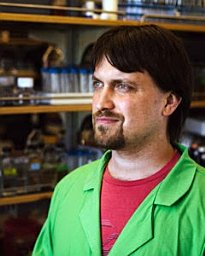 Corey S. Westfall合作论文数Dept Biol, Washington Univ St Louis1
 Takashi Araki (荒木崇)合作论文数Laboratory of Plant Developmental Biology, Division of Integrated Life Science, Graduate School of Biostudies, Kyoto University;Faculty of Liberal Arts, The Open University of Japan1Schramm Peter合作论文数1Adams Robert合作论文数1Voigt Andrea合作论文数1Wu Yanfang合作论文数1
 Lee Soon Goo合作论文数Dept Biol, Washington Univ1
 Walley Peter Glen合作论文数School of Life Sciences, The University of Warwick1
 Jose Manuel Franco-Zorrilla合作论文数Centro Nacional de Biotecnología, Consejo Superior de Investigaciones Científicas (CSIC),1Osakabe Akihisa合作论文数Struct Biol Lab, Waseda Univ1
 Harkess Alex合作论文数Department of Plant Biology, University of Georgia.1
 Thomas Dresselhaus合作论文数Department of Cell Biology and Plant Biochemistry, University of Regensburg, Germany1Ferrari Camilla合作论文数Aging Research Center, Karolinska Institutet and Stockholm University;Department of Neuroscience, Psychology, Drug Research and Child Health (NEUROFARBA),, University of Florence;Karolinska Institutet and Stockholm University, University of Florence1




