The study aimed to assess the taxonomic diversity and composition of gut microbiota in Arkhangelsk residents, Northwestern Russia, with varying metabolic statuses. A population-based cross-sectional "Know Your Heart" study (2015-2017, participants aged 35-69 years) included a health examination and gut microbiota analysis ( n = 685). Participants were divided into four metabolic phenotypes: metabolically healthy non-obese (MHN), metabolically unhealthy non-obese (MUN), metabolically healthy obese (MHO), and metabolically unhealthy obese (MUO). Analyses were performed using RStudio software (v.4.2.0) with the vegan and phyloseq packages (v.1.42.0) for microbiota analysis. The sample was distributed across phenotypes as follows: MHN (47.6%), MUN (22.1%), MHO (10.4%), and MUO (19.9%). Beta-diversity analysis revealed significant differences in overall microbiome composition between MUO and MHN participants, while alpha-diversity did not differ significantly across phenotypes. The MHN group was characterized by a higher abundance of beneficial commensals such as Christensenellaceae R-7 group, Ruminococcaceae UCG-005, and Eubacterium xylanophilum group, which are taxa previously associated with metabolic health and longevity. In contrast, the MUO group showed an increased abundance of Streptococcus salivarius and Negativibacillus, taxa linked to gut dysbiosis and metabolic disorders. Blautia spp. emerged as a major hub in the microbiota of obese participants, consistent with its reported association with visceral fat. In conclusion, microbial composition was similar in obese participants despite metabolic dysfunction, whereas unidirectional taxonomic shifts were observed in those with metabolic dysfunction alone. The differences in the predominance of microbial taxa across metabolic phenotypes suggest that these taxa have a role in the development of metabolic disorders and obesity.
Microbiome annotation based on metagenomic data is primarily conducted using two global approaches: alignment-based approach (AL) and de novo approach (DN). This study aimed to evaluate the limitations of each approach, explore correlations between their results, and assess the equivalence of findings derived from different methodologies when analyzing the same dataset. Shotgun metagenomic sequencing data from 346 fecal samples, collected longitudinally within individuals in Arkhangelsk, Northwestern Russia, were analyzed. Each of the 173 participants provided two samples, one during 2015-2017 and another in 2022. The alterations in the microbiota associated with BMI served as a critical variable for facilitating the comparisons between the AL and DN. Exploratory analyses, including PERMANOVA, alpha diversity and beta diversity, revealed no significant differences between the two approaches. However, differential abundance analysis based on the AL yielded more statistically significant results, with the DN producing only a subset of these findings. An analysis of the metagenome-assembled genomes (MAGs) of bacteria that were differentially abundant revealed that one group of MAGs of Alistipes onderdonkii encodes the enzyme 2,5-diketo-D-gluconate reductase A. Using AL and DN together offers complementary functional insights, as the methods produce partially overlapping results. The novel enzyme finding suggests a potential role in metabolic pathways and underscores the value of integrative metagenomic analysis.
CyVerse, the largest publicly-funded open-source research cyberinfrastructure for life sciences, has played a crucial role in advancing data-driven research since the 2010s. As the technology landscape evolved with the emergence of cloud computing platforms, machine learning and artificial intelligence (AI) applications, CyVerse has enabled access by providing interfaces, Software as a Service (SaaS), and cloud-native Infrastructure as Code (IaC) to leverage new technologies. CyVerse services enable researchers to integrate institutional and private computational resources, custom software, perform analyses, and publish data in accordance with open science principles. Over the past 13 years, CyVerse has registered more than 124,000 verified accounts from 160 countries and was used for over 1,600 peer-reviewed publications. Since 2011, 45,000 students and researchers have been trained to use CyVerse. The platform has been replicated and deployed in three countries outside the US, with additional private deployments on commercial clouds for US government agencies and multinational corporations. In this manuscript, we present a strategic blueprint for creating and managing SaaS cyberinfrastructure and IaC as free and open-source software.
The SARS-CoV-2 pandemic is a big challenge for humanity. The COVID-19 severity differs significantly from patient to patient, and it is important to study the factors protecting from severe forms of the disease. Respiratory microbiota may influence the patient's susceptibility to infection and disease severity due to its ability to modulate the immune system response of the host organism. This data article describes the microbiome dataset from the upper respiratory tract of SARS-CoV-2 positive patients from Russia. This dataset reports the microbial community profile of 335 human nasopharyngeal swabs collected between 2020-05 and 2021-03 during the first and the second epidemic waves. Samples were collected from both inpatients and outpatients in 4 cities of the Russian Federation (Moscow, Kazan, Irkutsk, Nizhny Novgorod) and sequenced using the 16S rRNA gene amplicon sequencing of V3-V4 region. Data contains information about the patient such as age, sex, hospitalization status, percent of damaged lung tissue, oxygen saturation (SpO2), respiratory rate, need for supplemental oxygen, chest computer tomography severity score, SARS-CoV-2 lineage, and also information about smoking and comorbidities. The amplicon sequencing data were deposited at NCBI SRA as BioProject PRJNA751478.
The emerging sector of offshore kelp aquaculture represents an opportunity to produce biofuel feedstock to help meet growing energy demand. Giant kelp represents an attractive aquaculture crop due to its rapid growth and production, however precision farming over large scales is required to make this crop economically viable. These demands necessitate high frequency monitoring to ensure outplant success, maximum production, and optimum quality of harvested biomass, while the long distance from shore and large necessary scales of production makes in person monitoring impractical. Remote sensing offers a practical monitoring solution and nascent imaging technologies could be leveraged to provide daily products of the kelp canopy and subsurface structures over unprecedented spatial scales. Here, we evaluate the efficacy of remote sensing from satellites and aerial and underwater autonomous vehicles as potential monitoring platforms for offshore kelp aquaculture farms. Decadal-scale analyses of the Southern California Bight showed that high offshore summertime cloud cover restricts the ability of satellite sensors to provide high frequency direct monitoring of these farms. By contrast, daily monitoring of offshore farms using sensors mounted to aerial and underwater drones seems promising. Small Unoccupied Aircraft Systems (sUAS) carrying lightweight optical sensors can provide estimates of canopy area, density, and tissue nitrogen content on the time and space scales necessary for observing changes in this highly dynamic species. Underwater color imagery can be rapidly classified using deep learning models to identify kelp outplants on a longline farm and high acoustic returns of kelp pneumatocysts from side scan sonar imagery signal an ability to monitor the subsurface development of kelp fronds. Current sensing technologies can be used to develop additional machine learning and spectral algorithms to monitor outplant health and canopy macromolecular content, however future developments in vehicle and infrastructure technologies are necessary to reduce costs and transcend operational limitations for continuous deployment in an offshore setting.
Comparative genomics studies may be used to acquire new knowledge regarding genome architecture, which defines the rules for combining sets of genes in the genome of living organisms. Hundreds of thousands of prokaryotic genomes have been sequenced and assembled. However, computational tools capable of simultaneously comparing large numbers of genomes are lacking. We developed the Genome Complexity Browser, a tool that allows the visualization of gene contexts, in a graph-based format, and the quantification of variability for different segments of a genome. The graph-based visualization allows the inspection of changes in gene contents and neighborhoods across hundreds of genomes, simultaneously, which may facilitate the identification of conserved and variable segments of operons or the estimation of the overall variability associated with a particular genome locus. We introduced a measure called complexity, to quantify genome variability. Intraspecies and interspecies comparisons revealed that regions with high complexity values tended to be located in areas that are conserved across different strains and species.
RNA is an attractive biopolymer for engineering self-assembling materials suitable for biomedical applications. Previously, programmable hexameric RNA rings were developed for the controlled delivery of up to six different functionalities. To increase the potential for functionalization with little impact on nanoparticle topology, we introduce gaps into the double-stranded regions of the RNA rings. Molecular dynamic simulations are used to assess the dynamic behavior and the changes in the flexibility of novel designs. The changes suggested by simulations, however, cannot be clearly confirmed by the conventional techniques such as nondenaturing polyacrylamide gel electrophoresis (native-PAGE) and dynamic light scattering (DLS). Also, an in vitro analysis in primary cultures of human peripheral blood mononuclear cells does not reveal any discrepancy in the immunological recognition of new assemblies. To address these deficiencies, we introduce a computer-assisted quantification strategy. This strategy is based on an algorithmic atomic force microscopy (AFM)-resolved deformation analysis of the RNA nanoparticles studied on a mica/air interface. We validate this computational method by manual image analysis and fitting it to the simulation-predicted results. The presented nanoparticle modification strategy and subsequent AFM-based analysis are anticipated to provide a broad spectrum approach for the future development of nucleic acid-based nanotechnology.
Author(s): Trigkakis, D; Todorovic, S; Preece, J; Meier, A; Elser, J; Jaiswal, P; Kvilekval, K; Fedorov, D; Manjunath, BS | Editor(s): Jaiswal, Pankaj; Cooper, Laurel; Haendel, Melissa A; Mungall, Christopher J
Images and video play a major role in scientific discoveries. Significant new advances in imaging science over the past two decades have resulted in new devices and technologies that are able to probe the world at nanoscales to planetary scales. These instruments generate massive amounts of multimodal imaging data. In addition to the raw imaging data, these instruments capture additional critical information—the metadata—that include the imaging context. Further, the experimental conditions are often added manually to such metadata that describe processes that are not implicit in the instrumentation metadata. Despite these technological advances in imaging sciences, resources for curation, distribution, sharing, and analysis of such data at scale are still lacking. Robust image analysis workflows have the potential to transform image-based sciences such as biology, ecology, remote sensing, materials science, and medical imaging. In this context, this chapter presents BisQue, a novel eco-system where scientific image analysis methods can be discovered, tested, verified, refined, and shared among users on a shared, cloud-based infrastructure. The vision of BisQue is to enable large-scale, data-driven scientific explorations. The following sections will discuss the core requirements of such an architecture, challenges in developing and deploying the methods, and will conclude with an application to image recognition using deep learning.
Logistical and financial limitations of underwater operations are inherent in marine science, including biodiversity observation. Imagery is a promising way to address these challenges, but the diversity of organisms thwarts simple automated analysis. Recent developments in computer vision methods, such as convolutional neural networks (CNN), are promising for automated classification, detection and segmentation tasks but are typically computationally expensive and require extensive training on large datasets. Therefore, harnessing distributed computation, large storage and human annotations of diverse marine datasets is crucial for effective application of these methods. BisQue is a cloud-based system for management, annotation, visualization, analysis and data mining of complex multi-dimensional underwater and remote sensing imagery and associated data. It is designed to hide the complexity of distributed storage, large computational clusters, diversity of data formats and heterogeneous computational environments behind a user friendly web-based interface. BisQue is built around an idea of flexible and hierarchical annotations defined by the user. Such textual and graphical annotations can describe captured attributes and the relationships between data elements. Annotations are powerful enough to describe cells in fluorescent 4D images, fish species in underwater videos and kelp beds in aerial imagery. We are developing a deep learning service for automated image classification. The service allows training various models with a single click, validating their performance and providing several modes of classification: point …
Author(s): Fedorov, Dmitry; Kvilekval, Kristian, G; Miller, Robert, J; Doheny, Brandon; Simpson, Sarah; Manjunath, BS | Abstract: Logistical and financial limitations of underwater operations are inherent in marine science, including biodiversity observation. Imagery is a promising way to address these challenges, but the diversity of organisms thwarts simple automated analysis. Recent developments in computer vision methods, such as convolutional neural networks (CNN), are promising for automated classification and detection tasks but are typically very computationally expensive and require extensive training on large datasets. Therefore, managing and connecting distributed computation, large storage and human annotations of diverse marine datasets is crucial for effective application of these methods. BisQue is a cloud-based system for management, annotation, visualization, analysis and data mining of underwater and remote sensing imagery and associated data. Designed to hide the complexity of distributed storage, large computational clusters, diversity of data formats and inhomogeneous computational environments behind a user friendly web-based interface, BisQue is built around an idea of flexible and hierarchical annotations defined by the user. Such textual and graphical annotations can describe captured attributes and the relationships between data elements. Annotations are powerful enough to describe cells in fluorescent 4D images, fish species in underwater videos and kelp beds in aerial imagery. Presently we are developing BisQue-based analysis modules for automated identification of benthic marine organisms. Recent experiments with drop-out and CNN based classification of several thousand annotated underwater images demonstrated an overall accuracy above 70% for the 15 best performing species and above 85% for the top 5 species. Based on these promising results, we have extended bisque with a CNN-based classification system allowing continuous training on user-provided data.
Author(s): Preece, Justin; Elser, Justin; Jaiswal, Pankaj; Kvilekval, Kristian; Fedorov, Dmitry; Manjunath, BS; Kitchen, Ryan; Xu, Xu; Trigkakis, Dmitrios; Todorovic, Sinisa; Carbon, Seth | Editor(s): Jaiswal, Pankaj; Hoehndorf, Robert; Arighi, Cecilia N; Meier, Austin
ADS Classic is now deprecated. It will be completely retired in October 2019. Please redirect your searches to the new ADS modern form or the classic form. More info can be found on our blog.
Coastal marine ecosystems are highly productive and diverse, but biodiversity of underwater habitats is poorly described due to logistical and financial limitations of diving and submersible operations. Imagery is a promising way to address this challenge, but the complexity of diverse organisms thwarts simple automated analysis. We consider the problem of automated annotation of complex communities of sessile marine invertebrates and macroalgae in order to automate percent coverage estimation. We propose an efficient fusion technique amongst diverse classifiers based on the idea of "dropout" in machine learning. We use dropout technique to weight each classifier implicitly and for each specie we optimize the region of interest (ROI) for highest accuracy. The preliminary results are promising and show 20% increase in average accuracy (over 30 species) when compared with the best base performance of Random Forest classifiers. The data set along with human "ground truth" annotations are available to the public.
In this research we propose a combined cell matching and image alignment method for tracking cells based on their nuclear locations in 3D fluorescent Confocal Laser Scanning Microscopy (CLSM) image sequences. We then apply it to study the cell division pattern in the developing sepal of the small plant Arabidopsis thaliana. The method is based on geometric hashing and inherits its invariance to rotation, translation and scale. The method consists of three steps. In the first step the centroids of nuclei are detected using a previously developed cell detection algorithm, reducing the CLSM volumes to 3D point clouds, wherein every point represents a nuclear centroid with an associated confidence level. In the second step centroids between images are matched in two phases. First geometric hashing is used to find an initial set of centroid matches, then using the initial matches a dense matching is obtained through a novel iterative point matching algorithm. In the last step centroid matches are used to estimate transformations and register all input images to a common frame. Our algorithm has successfully aligned 12 volumes encompassing 72 hours data set and matched 258 nuclear lifelines.
Biological image databases have quickly replaced the personal media collections of individual scientists. Such databases permit objective comparisons, benchmarking, and data-driven science. As these collections have grown using advanced (and automated) imaging tools and microscopes, scientists need high-throughput large-scale statistical analysis of the data. Traditional databases and standalone analysis tools are not suited for image-based scientific endeavors due to subjectivity, non-uniformity and uncertainty of the primary data and their analyses. This paper describes our image-database platform Bisque, which combines flexible data structuring, uncertain data management and high-throughput analysis. In particular, we examine: (i) Management of scientific images and metadata for experimental science where the data model may change from experiment to experiment; (ii) Providing easy provisioning for high-throughput and large-scale image analysis using cluster/cloud resources; (iii) Strategies for managing uncertainty in measurement and analysis so that important aspects of the data are not prematurely filtered. 1 Challenges for Bioimage Researchers Current research in biology is increasingly dependent on conceptual and quantitative approaches from information sciences, ranging from theory through models to computational tools [6]. Ready availability of new microscopes and imaging techniques has produced vast amounts of multi-dimensional images and metadata. The introduction of new models, measurements, and methods has produced a wealth of data using image-based evidence [24]. Two notable examples of image-based studies are cellular Alzheimer’s studies and plant genetics. In a recent Alzheimer’s study, the ability to reliably detect nuclei in three dimensions was critical to quantitative analysis [25]. The use of nuclei detection also finds use in a wide range of applications such as the accurate determination of how an organism is perturbed by genetic mutations, treatment with drugs, or by injury. Additionally, nuclei centroid locations can be used for further analysis, such as cell membrane segmentation or to initialize and validate computational models of cells and their patterns. In the plant domain, technologies for quantifying plant development are underdeveloped relative to technologies for studying and altering genomes. As a result, information about plant gene function inherent in mutant phenotypes or natural genetic variation remains hidden. For example, plant scientists are trying to uncover gene function by studying seedling growth and development using high throughput image analysis [19]. In both cases, researchers dependent on images as experimental evidence face the daunting task of managing, analyzing and sharing images in addition to gaining and providing access to analysis methods and results [1]. In Copyright 2012 IEEE. Personal use of this material is permitted. However, permission to reprint/republish this material for advertising or promotional purposes or for creating new collective works for resale or redistribution to servers or lists, or to reuse any copyrighted component of this work in other works must be obtained from the IEEE. Bulletin of the IEEE Computer Society Technical Committee on Data Engineering
Continental margins are dynamic, heterogeneous settings that can include canyons, seamounts, and banks. Two of the largest canyons in the world, Zhemchug and Pribilof, cut into the edge of the continental shelf in the southeastern Bering Sea. Here currents and upwelling interact to produce a highly productive area, termed the Green Belt, that supports an abundance of fishes and squids as well as birds and marine mammals. We show that in some areas the floor of these canyons harbors high densities of gorgonian and pennatulacean corals and sponges, likely due to enhanced surface productivity, benthic currents and seafloor topography. Rockfishes, including the commercially important Pacific ocean perch, Sebastes alutus, were associated with corals and sponges as well as with isolated boulders. Sculpins, poachers and pleuronectid flounders were also associated with corals in Pribilof Canyon, where corals were most abundant. Fishes likely use corals and sponges as sources of vertical relief, which may harbor prey as well as provide shelter from predators. Boulders may be equivalent habitat in this regard, but are sparse in the canyons, strongly suggesting that biogenic structure is important fish habitat. Evidence of disturbance to the benthos from fishing activities was observed in these remote canyons. Bottom trawling and other benthic fishing gear has been shown to damage corals and sponges that may be very slow to recover from such disturbance. Regulation of these destructive practices is key to conservation of benthic habitats in these canyons and the ecosystem services they provide.
Alzheimer's disease is a major cause of dementia for which treatments remain unsatisfactory. Cyclin-dependent kinase 5 (CDK5) is a relevant kinase that has been hypothesized to contribute to the tau pathology. Several classes of chemical inhibitors for CDK5 have been developed, but they generally lack the specificity to distinguish among various ATP-dependent kinases. Therefore, the efficacy of these compounds when tested in animal models cannot definitively be attributed to an effect on CDK5. However, RNA interference (RNAi) targeting of CDK5 is specific and can be used to validate CDK5 as a possible treatment target. We delivered a CDK5 RNAi by lentiviral or adenoassociated viral vectors and analyzed the results in vitro and in vivo. Silencing of CDK5 reduces the phosphorylation of tau in primary neuronal cultures and in the brain of wild-type C57BL/6 mice. Furthermore, the knockdown of CDK5 strongly decreased the number of neurofibrillary tangles in the hippocampi of triple-transgenic mice (3×Tg-AD mice). Our data suggest that this downregulation may be attributable to the reduction of the CDK5 availability in the tissue, without affecting the CDK5 kinase activity. In summary, our findings validate CDK5 as a reasonable therapeutic target for ameliorating tau pathology.
Motivation: Advances in the field of microscopy have brought about the need for better image management and analysis solutions. Novel imaging techniques have created vast stores of images and metadata that are difficult to organize, search, process and analyze. These tasks are further complicated by conflicting and proprietary image and metadata formats, that impede analyzing and sharing of images and any associated data. These obstacles have resulted in research resources being locked away in digital media and file cabinets. Current image management systems do not address the pressing needs of researchers who must quantify image data on a regular basis.Results: We present Bisque, a web-based platform specifically designed to provide researchers with organizational and quantitative analysis tools for 5D image data. Users can extend Bisque with both data model and analysis extensions in order to adapt the system to local needs. Bisque's extensibility stems from two core concepts: flexible metadata facility and an open web-based architecture. Together these empower researchers to create, develop and share novel bioimage analyses. Several case studies using Bisque with specific applications are presented as an indication of how users can expect to extend Bisque for their own purposes.
Background: We present a biosegmentation benchmark that includes infrastructure, datasets with associated ground truth, and validation methods for biological image analysis. The primary motivation for creating this resource comes from the fact that it is very difficult, if not impossible, for an end-user to choose from a wide range of segmentation methods available in the literature for a particular bioimaging problem. No single algorithm is likely to be equally effective on diverse set of images and each method has its own strengths and limitations. We hope that our benchmark resource would be of considerable help to both the bioimaging researchers looking for novel image processing methods and image processing researchers exploring application of their methods to biology.Results: Our benchmark consists of different classes of images and ground truth data, ranging in scale from subcellular, cellular to tissue level, each of which pose their own set of challenges to image analysis. The associated ground truth data can be used to evaluate the effectiveness of different methods, to improve methods and to compare results. Standard evaluation methods and some analysis tools are integrated into a database framework that is available online at http://bioimage.ucsb.edu/biosegmentation/.Conclusion: This online benchmark will facilitate integration and comparison of image analysis methods for bioimages. While the primary focus is on biological images, we believe that the dataset and infrastructure will be of interest to researchers and developers working with biological image analysis, image segmentation and object tracking in general.
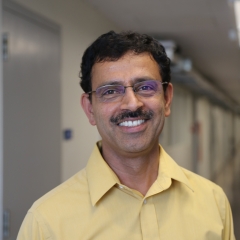 B.S. Manjunath合作论文数Center for Bio-image Informatics, University of California, Santa Barbara;Vision Research Lab, University of California, Santa Barbara;Center for Multimodal Big Data Science and Healthcare, University of California, Santa Barbara;Department of Electrical and Computer Engineering, The Robert Mehrabian College of Engineering, University of California, Santa Barbara24
 Kristian Gustav Kvilekval合作论文数11
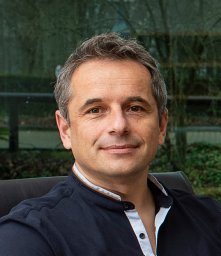 Boguslaw Obara合作论文数Strata Mechanics Research Institute, Polish Academy of Sciences7
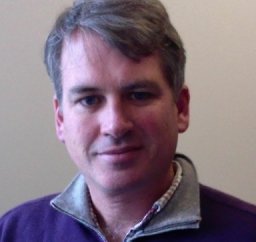 Miller Robert J合作论文数Marine Science Institute, University of California5
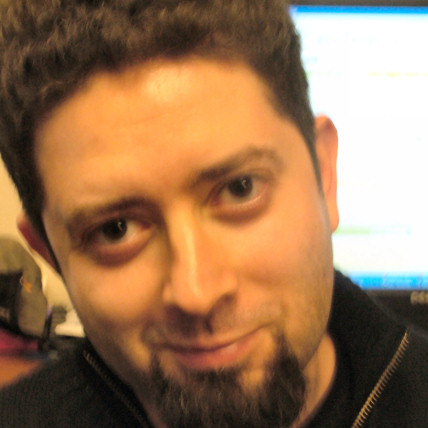 Baris Sumengen合作论文数Electrical and Computer Engineering Department
University of California at Santa Barbara4
Baris Sumengen合作论文数Electrical and Computer Engineering Department
University of California at Santa Barbara4 Charles S. Kenney合作论文数4
 S Abraham Sampson合作论文数3Brandon Doheny合作论文数3
 Vadim M. Govorun合作论文数Federal Research and Clinical Center of Physical-Chemical Medicine of Federal Medical Biological Agency3Jiyun Byun合作论文数3
 Ambuj K Singh合作论文数Department of Computer Science, University of California, Santa Barbara;Acelot, Inc.3Rinat Vereshchagin合作论文数2
 Pankaj Jaiswal合作论文数Dept Bot & Plant Pathol, Oregon State Univ2
 Elena Ilina合作论文数Fed Res & Clin Ctr Phys Chem Med, Moscow, Russia2
 Alex Manolov合作论文数2
 Steven K. Fisher合作论文数the Department of Biological Sciences, University of California2
 Nirav Merchant合作论文数Data Science Institute, University of Arizona2Justin Elser合作论文数Physics Department;Oregon State University2
 Leila Maria Garcia Fonseca合作论文数Instituto Nacional de;Pesquisas Espaciais;Instituto Nacional de|Pesquisas Espaciais2
 Justin Preece合作论文数2
 Sinisa Todorovic合作论文数College of Engineering, Oregon State University2
 Andrew David Lyle Nelson合作论文数1Vasily Lazarev合作论文数1
 David Micklos合作论文数Dolan DNA Learning Center, Cold Spring Harbor Laboratory1
 Konstantin Kolontarev合作论文数1Maxim D. Morozov合作论文数1Paul Sarando合作论文数1Sameer Sajja合作论文数1
 Daria Boldyreva合作论文数1
 Austin Meier合作论文数1Irina Shirokova合作论文数1Alla Petrova合作论文数1Nadezhda A. Kolyshkina合作论文数1Vladimir Veselovsky合作论文数1Sarah Roberts合作论文数1Alexander V Pavlenko合作论文数1Alexander Samoilov合作论文数1Gp Lewis合作论文数1Michele Cosi合作论文数1Alexander Rumyantsev合作论文数1Sergey Rumyantsev合作论文数1Mariah Wall合作论文数1Jeremy Frady合作论文数1Julia Galeeva合作论文数1Mary Margaret Sprinkle合作论文数1Raushaniya F. Gaifullina合作论文数1Ekaterina Moskaleva合作论文数1Dimitrios Trigkakis合作论文数1
 Amir Rahimi合作论文数1




