In order to achieve conservation objectives and preserve the biodiversity of the Southern Ocean, a variety of ecosystems must be protected. This holds especially true for the benthic communities of this region that are characteristically mosaic in their spatial distributions. As such, disparate communities cannot be comprehensively assessed by a single blanket methodology. Herein, evidence appropriate to the diverse characteristics of the communities encountered during a submarine expedition demonstrates the particular vulnerability of four sites that exemplify VMEs as defined by the Commission for the Conservation of Antarctic Marine Living Resources (CCAMLR) and the UN’s Fisheries and Agriculture Organization (FAO). Three sites are identified as VMEs based on highly significant abundances of indicator taxa. A fourth is identified based on a high density of cold-water coral taxa, many of which were not observed in abundance at the sites that were triggered as vulnerable by a significantly high abundance of all indicator taxa. The VME at this latter site was richly diverse in coral taxa, many of which are considered particularly vulnerable to climate change, as well as critical for their potential for genuine blue carbon sequestration. As of November, 2018, all four sites are now registered with CCAMLR as VMEs and thus, are afforded protection from all bottom fishing activities. However, if consideration isn’t given to the composition and/or diversity of VME indicator taxa present, in addition to overall abundance/density, some of the most vulnerable communities are left at risk. A blanket threshold for all VME taxa adhered to in fisheries management of the Southern Ocean, and other high seas areas, is grossly insufficient. Without taking a more precautionary approach to identifying and protecting VMEs, CCAMLR will not be able to meet its conservation objectives and may even be putting Antarctic fisheries at risk.
Independent onboard monitoring of fishing activities is important in an era of marine animal overexploitation and declining fish populations. Fisheries observers have traditionally filled this role to varying capacities. Their work is critical to fisheries managers because observers collect data on, for example, catch composition, discard and by-catch policy compliance, and transshipment activities - data that would otherwise be unreliable if collected from other sources. However, fisheries observers have been subject to human rights and safety violations, including intimidation and assault, and many observers have even disappeared from their vessel assignments. In some cases, remote electronic monitoring (REM) has been deployed to complement or substitute for human observers. This study is the first comparison of existing at-sea compliance monitoring and observer programs for 17 Regional Fisheries Management Organizations (RFMOs), the main institutions that currently exist to manage and conserve fish on the high seas or straddling high seas boundaries. Currently only three RFMOs mandate 100% observer coverage on fishing vessels, and no RFMOs mandate 100% at-sea monitoring coverage using REM. Moreover, no RFMOs mandate full transparency of either human observer or REM data. In addition, no RFMOs include regulations to sufficiently ensure the protection of fisheries observer rights and safety, and only four RFMOs mandate a specific process in the event that an observer disappears or dies. RFMOs are well positioned to mandate comprehensive, independent, and transparent monitoring coverage onboard fishing vessels by utilizing a complementary approach of human observers and REM. This would help ensure better management of fisheries as well as better protection of marine ecosystems and human rights at sea.
Here we provide a broad overview of the Great Amazon Reef System (GARS) based on the first-ever video surveys of the region. This footage supports four major hypotheses: (1) the GARS area may be six times larger than previously suggested (up to 56,000 km(2)); (2) the GARS may extend deeper than previously suggested (up to 220 m); (3) the GARS is composed of a greater complexity and diversity of habitats than previously recognized (e.g., reef platforms, reef walls, rhodolith beds, and sponge bottoms); and (4) the GARS represents a useful system to test whether a deep corridor connects the Caribbean Sea to the Southwest Atlantic Ocean. We also call attention to the urgent need to adopt precautionary conservation measures to protect the region in the face of increasing threats from extractive oil and gas practices. With less than 5% of the potential area of the GARS surveyed so far, more research will be required to inform a systematic conservation planning approach and determine how best to establish a network of marine protected areas. Such planning will be required to reconcile extractive activities with effective biodiversity conservation in the GARS.
One way that illegal, unreported, and unregulated (IUU) fish catch is laundered into the seafood market is through transshipments at-sea. This practice, which often occurs on the high seas (the areas of ocean beyond national jurisdiction), allows vessels fishing illegally to evade most monitoring and enforcement measures, offload their cargo, and resume fishing without returning to port. At the same time, transshipment at-sea can facilitate trafficking and exploitation of workers who are trapped and abused on fishing vessels. This study gives an overview of high seas transshipment as well as evaluates transshipment at-sea regulations across 17 Regional Fisheries Management Organizations (RFMOs), which are responsible for regulating fisheries on the high seas. Transshipment at-sea regulations have become increasingly strict in most RFMOs since the late 1990s. However, only five RFMOs have mandated a partial ban, and only a single RFMO, the South East Atlantic Fisheries Organization (SEAFO), has mandated a total ban on transshipment at-sea. A total ban on transshipment at-sea across all RFMOs would support the ability of oversight and enforcement agencies to detect and prevent IUU fishing and also likely reduce human trafficking and forced labor on the high seas.
The speed and scale of human impacts on marine species, such as climate change and exploitation for international markets, coupled with a poor regulatory regime and lack of enforcement, make it especially difficult to protect marine species beyond areas of national jurisdiction. Yet as the number of multilateral treaties continues to grow, the declining state of the world's oceans suggest that these treaties are largely failing to fulfill their missions and achieve meaningful protection. Here, an analysis of all multilateral treaties governing activities related to oceans is provided. A range of issues is examined including efficacy, geographic and taxonomic distribution, and other factors that facilitate or inhibit conservation. Since 1882, 103 countries have signed 265 multilateral treaties related to the management of marine resources. The majority of treaties (51%) deal with fisheries, 30% deal with pollution, 4% marine mammals and 15% deal with other topics. In terms of factors that may predict efficacy, 65% of marine treaties have secretariats, 50% have scientific mandates, and 13% have enforcement mechanisms; only 9% have all three. Given the context of the United Nations General Assembly's new commitment to manage human activity and its impact on common resources on the high seas, it is important to understand the strengths and weaknesses – individually and cumulatively - of existing binding marine agreements.
Submarine canyons have been shown to positively influence pelagic and benthic biodiversity and ecosystem function. In the eastern Bering Sea, several immense canyons lie under the highly productive “green belt” along the continental slope. Two of these, Pribilof and Zhemchug canyons, are the focus of current conservation interest. We used a maximum entropy modeling approach to evaluate the importance of these two canyons, as well as canyons in general, as habitat for gorgonian (alcyonacean) corals, pennatulacean corals, and sponges, in an area comprising most of the eastern Bering Sea slope and outer shelf. These invertebrates create physical structure that is a preferred habitat for many mobile species, including commercially important fish and invertebrates. We show that Pribilof canyon is a hotspot of structure-forming invertebrate habitat, containing over 50% of estimated high-quality gorgonian habitat and 45% of sponge habitat, despite making up only 1.7% of the total study area. The amount of quality habitat for gorgonians and sponges varied in other canyons, but canyons overall contained more high-quality habitat for structure-forming invertebrates compared to other slope areas. Bottom trawling effort was not well correlated with habitat quality for structure-forming invertebrates, and bottom-contact fishing effort in general, including longlining and trawling, was not particularly concentrated in the canyons examined. These results suggest that if conserving gorgonian coral habitat is a management goal, canyons, particularly Pribilof Canyon, may be a prime location to do this without excessive impact on fisheries.
The Marine Stewardship Council (MSC) was created as a conservation tool - intended to provide "the best environmental choice in seafood" to consumers and to create positive incentives that would improve the status and management of fisheries. During its 15 years, the MSC, which has an annual budget of close to US$20 million, has attached its logo to more than 170 fisheries. These certifications have not occurred without protest. Despite high costs and difficult procedures, conservation organizations and other groups have filed and paid for 19 formal objections to MSC fisheries certifications. Only one objection has been upheld such that the fishery was not certified. Here, we collate and summarize these objections and the major concerns as they relate to the MSC's three main principles: sustainability of the target fish stock, low impacts on the ecosystem, and effective, responsive management. An analysis of the formal objections indicates that the MSC's principles for sustainable fishing are too lenient and discretionary, and allow for overly generous interpretation by third-party certifiers and adjudicators, which means that the MSC label may be misleading both consumers and conservation funders. (C) 2013 Elsevier Ltd. All rights reserved.
The various national and regional regulatory requirements for seafood provide critical guidance for its harvest and sale. DNA analysis can often help industry to meet these requirements, both for local sale and for exporting products, and regulators to enforce them. When specific regulations are not in place, regulations from other regions may be helpful in developing guidelines. This chapter contrasts the more thorough regulations of the European Union with the frameworks in place in South Africa, a developing nation. It also discusses the changing state of seafood regulations in the United States, one of the world's largest consumers of seafood, and how these regulations may impact global seafood sales. The integration, or potential integration, of DNA analysis is reviewed, including benefits and barriers from a regulatory perspective.
Continental margins are dynamic, heterogeneous settings that can include canyons, seamounts, and banks. Two of the largest canyons in the world, Zhemchug and Pribilof, cut into the edge of the continental shelf in the southeastern Bering Sea. Here currents and upwelling interact to produce a highly productive area, termed the Green Belt, that supports an abundance of fishes and squids as well as birds and marine mammals. We show that in some areas the floor of these canyons harbors high densities of gorgonian and pennatulacean corals and sponges, likely due to enhanced surface productivity, benthic currents and seafloor topography. Rockfishes, including the commercially important Pacific ocean perch, Sebastes alutus, were associated with corals and sponges as well as with isolated boulders. Sculpins, poachers and pleuronectid flounders were also associated with corals in Pribilof Canyon, where corals were most abundant. Fishes likely use corals and sponges as sources of vertical relief, which may harbor prey as well as provide shelter from predators. Boulders may be equivalent habitat in this regard, but are sparse in the canyons, strongly suggesting that biogenic structure is important fish habitat. Evidence of disturbance to the benthos from fishing activities was observed in these remote canyons. Bottom trawling and other benthic fishing gear has been shown to damage corals and sponges that may be very slow to recover from such disturbance. Regulation of these destructive practices is key to conservation of benthic habitats in these canyons and the ecosystem services they provide.
Over the past decade conservation groups have put considerable effort into educating consumers and changing patterns of household consumption. Many groups aiming to reduce overfishing and encourage sustainable fishing practices have turned to new market-based tools, including consumer awareness campaigns and seafood certification schemes (e.g. the Marine Stewardship Council) that have been well received by the fishing and fish marketing industries and by the public in many western countries. Here, we review difficulties that may impede further progress, such as consumer confusion, lack of traceability and a lack of demonstrably improved conservation status for the fish that are meant to be protected. Despite these issues, market-based initiatives may have a place in fisheries conservation in raising awareness among consumers and in encouraging suppliers to adopt better practices. We also present several additional avenues for market-based conservation measures that may strengthen or complement Current initiatives, such as working higher in the demand chain, connecting seafood security to climate change via life cycle analysis, diverting small fish away from the fishmeal industry into human food markets, and the elimination of fisheries subsidies. Finally, as was done with greenhouse gas emissions, scientists, conservation groups and governments should set seafood consumption targets.
Overthepastdecadeconservationgroupshaveput considerable effort into educating consumers and chang- ing patterns of household consumption. Many groups aim- ing to reduce overfishing and encourage sustainable fishing practices have turned to new market-based tools, including consumer awareness campaigns and seafood certification schemes (e.g. the Marine Stewardship Council) that have been well received by the fishing and fish marketing in- dustries and by the public in many western countries. Here, wereviewdifficultiesthatmayimpedefurtherprogress,such as consumer confusion, lack of traceability and a lack of demonstrably improved conservation status for the fish that are meant to be protected. Despite these issues, market- based initiatives may have a place in fisheries conservation in raising awareness among consumers and in encouraging suppliers to adopt better practices. We also present several additional avenues for market-based conservation measures that may strengthen or complement current initiatives, such as working higher in the demand chain, connecting seafood security to climate change via life cycle analysis, diverting small fish away from the fishmeal industry into human food markets,andtheeliminationoffisheriessubsidies.Finally,as
The Bering Sea is predominantly a shallow sea, with a massive shelf mostly shallower than 100 m. Pribilof Canyon and Zhemchug Canyon, two of the largest submarine canyons in the world, were explored in August 2007, by the Greenpeace vessel “Esperanza”, with manned submersibles and a remotely operated vehicle (ROV) to depths of 1000 m. Specimens were collected with hydraulic manipulators operated by the pilots of the submersibles or with the ROV. Once on deck the specimens were transferred to ethanol. Pribilof Canyon is 426 km long and 1800 m deep, while Zhemchug Canyon is even larger and reaches depths of more than 2600 m (Normark and Carlson 2003). Here we describe a new species of Aaptos and compare it with representative congeners. The genus Aaptos was erected by Gray (1867) for Aaptos aaptos, described by Schmidt (1864) as Ancorina aaptos. Today, Aaptos is placed in Suberitidae Schmidt, 1870 and contains 21 species (Van Soest et al. 2005). For a more detailed historical review of the family and genus we refer to the publications of Kelly-Borges & Bergquist (1994) and to Van Soest (2002). According to Van Soest (2002), Aaptos is separated from other Suberitidae by its spherical or lobate growth forms, and by the presence of a strictly radial skeleton that contains characteristic strongyloxeas. The type species was described from the Mediterranean Sea (Algeria) and was then reported from many other areas of the world. These subsequent records likely represent additional undescribed species of Aaptos (Van Soest, 2002).
Stony corals of Pompano Ledge, First Reef, Broward County, Florida were sampled in situ using a new reef assessment method. The circular-radial method was used to assess the effectiveness of mooring buoys in reducing damage to reefs. Data will be part of a long-term monitoring study of·buoy impacts. The parameter of recent injury was used to provide preliminary information on buoy effectiveness. Results were as follows: approximately 6% of the study area was covered by stony corals, with an average of 3 colonies per square meter. Diversity based on abundance (H'n) was 1 .7, and diversity based on relative coverage (H'c) was 1.1. Evenness based on abundance (J'n) was nearly .8, and evenness based on relative coverage (J' c) was .5. Approximately 6% of all colonies surveyed were observed under the shelter of ledges or overhangs. An average of 2% of colonies were observed to be recently injured in the Winter, compared with 6% in the Summer. Twenty-nine species of scleractinian corals were observed, 26 of which were present in sample areas. Montastrea cavernosa dominated stony coral coverage, and Siderastrea spp. and M. cavernosa were the most abundant. Mooring buoys appear to be an effective management tool for minimizing damage to corals on Pompano Ledge. The percentage of corals that had been recently injured was lower in the buoyed site (p = .082) even though the buoyed site was more heavily visited by both boats and divers . Future studies will be able to further assess buoy impacts by noting any changes in coral population parameters. The buoys have only been in place two years, so it will be interesting to see if the coral communities of the two sites begin to diverge in the future .
Summary: Attached please find the results of the analyses of the four samples of menhaden-derived products (one fish meal and three fish oil samples) which were tested at the laboratories of CEFAS (Centre for Environment, Fisheries and Aquaculture Science) at Burnham on Crouch in the UK. Sample code Sample description MI06020 fish meal MI06022 slightly refined fish oil MI06021 highly refined fish oil MI06023 fish oil dietary supplement capsules The samples were tested for a range of polychlorinated biphenyls (PCBs), polybrominated diphenyl ethers (PBDEs) and the organochlorine pesticides dieldrin, hexachlorobenzene (HCB), DDT and its metabolites and two isomers (alpha & gamma) of hexachlorocyclohexane (HCH). All three of the menhaden oil products tested, including the dietary supplements, contained a range of PCBs, PBDEs and residues of the pesticides DDT and dieldrin. To our knowledge, the current study provides the first data on PCB contamination in oil derived from menhaden. At 0.195 ppm, the PCB levels in the dietary supplements (sum of all 25 congeners analysed), when referenced to the EPA screening values for fish tissue (0.02 ppm, assuming fish consumption of 12g/day), indicate an acceptable level of consumption for this fish oil of less than 2 capsules per day, even though concentrations fall below the long-standing FDA limit of 2 ppm (based on all congeners present in commercial mixtures). In this context, it is worth noting that Omega recommends a dose of "1-2 capsules with a meal up to 3 times daily or as directed by a healthcare professional".
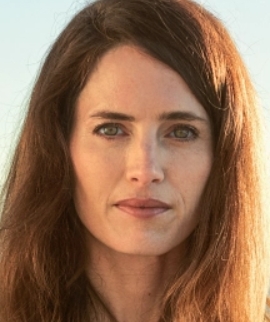 Jennifer Jacquet合作论文数Department of Environmental Science and Policy, Rosenstiel School of Marine, Atmospheric, and Earth Sciences, University of Miami8
 rodolfo werner合作论文数3Claire Christian合作论文数3
 Megan Bailey合作论文数3Christopher Ewell合作论文数3
 Claire Nouvian合作论文数3Michael A Levine合作论文数Trace Inorgan Dept, RTI Int3
 Paul K. Dayton (Paul Dayton)合作论文数Integrative Oceanography Division, Scripps Institution of Oceanography, UC San Diego3
 Enriqueta Velarde合作论文数Instituto de Biolog;noma de Mexico, Universidad Nacional Autd;Instituto de Biolog, Universidad Nacional Autdnoma de Mexico3
 David Ainley合作论文数H. T. Harvey & Associates3Jordan Nikoloyuk合作论文数3
 Nathan Pelletier合作论文数Faculty of Management, The University of British Columbia2
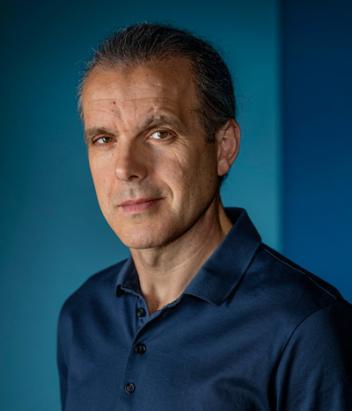 Enric Sala合作论文数National Geographic Society2
 Miller Robert J合作论文数Marine Science Institute, University of California2Patricia Majluf合作论文数2
 Rashid Sumaila合作论文数Institute for the Oceans and Fisheries, Faculty of Science, The University of British Columbia;School of Public Policy and Global Affairs, The University of British Columbia2Robert P. Stone合作论文数2
 Daniel Pauly合作论文数Institute for the Oceans and Fisheries, University of British Columbia;Department of Zoology, Faculty of Science, University of British Columbia2susanne j lockhart合作论文数1Fabiano Thompson合作论文数1Samantha Snowden合作论文数1Nilo Davila合作论文数1
 Carlos Eduardo Rezende合作论文数1
 Claudia Omachi合作论文数1
 Ronaldo Francini Filho合作论文数Instituto de Estudos Avançados, Universidade de São Paulo;Centro de Biologia Marinha, Universidade de São Paulo1
 Dalal Al-Abdulrazzak合作论文数1
 Nils E. Asp合作论文数1
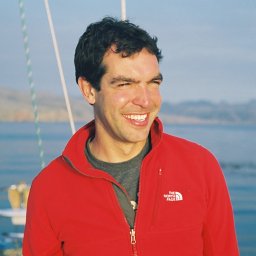 Dmitry Fedorov合作论文数Image Processing Division;National Institute for Space Research;bDept . of Electrical and Computer Engineering;Dept . of Electrical and Computer Engineering, National Institute for Space Research1Helmut Lehnert合作论文数1
 Eduardo Siegle合作论文数Instituto Oceanográfico, Universidade de São Paulo1
 Tony J. Pitcher (Tony Pitcher)合作论文数Institute for the Oceans and Fisheries, Department of Zoology, Faculty of Science, The University of British Columbia1Sherman Lai合作论文数1
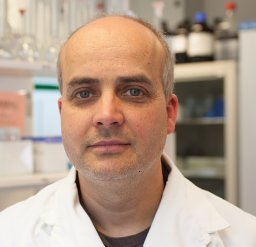 David Santillo合作论文数Greenpeace Research Laboratories;University of Exeter;Greenpeace Research Laboratories, University of Exeter1Loren Mcclenachan合作论文数Department of Biological Science;Florida State University;Department of Mathematics;University of California San Diego;Florida State University, University of California San Diego1Sarika Cullis-Suzuki合作论文数1
 Dana D Miller合作论文数1
 Cristiane C.Thompson合作论文数Instituto de Biologia, Universidade Federal do Rio de Janeiro1
 Grantly R. Galland合作论文数Scripps Institution of Oceanography, University of California San Diego1




