3D shape anomaly detection is a crucial task for industrial inspection and geometric analysis. Existing deep learning approaches typically learn representations of normal shapes and identify anomalies via out-of-distribution feature separation or decoder-based reconstruction. They often fail to generalize across diverse anomaly types and scales, such as global geometric errors (e.g., planar shifts, surface misalignments), and are sensitive to noisy or incomplete local points during training. To address these limitations, we propose a hierarchical point–patch anomaly scoring network that jointly models regional part features and local point features for robust anomaly reasoning. An adaptive patchification module integrates self-supervised decomposition to capture complex structural deviations. Beyond evaluations on public benchmarks (Anomaly-ShapeNet and Real3D-AD), we release an industrial test set with real CAD models exhibiting planar, angular, and structural defects. Experiments on public and industrial datasets show superior AUC-ROC and AUC-PR performance, including over 50\% point-level improvement on the new industrial anomaly type and average object-level gains of 7\% on Real3D-AD and 4\% on Anomaly-ShapeNet, demonstrating strong robustness and generalization.
Training-free motion customization imposes motion patterns from reference videos onto video generators through test-time computation. Most existing methods target full diffusion models, requiring many denoising steps and high computational cost. With the rise of efficient distilled models, a natural question arises: can test-time motion customization be applied directly to distilled generators with their accelerated sampling and efficiency gains? However, our analysis reveals that existing training-free techniques fail on distilled models. Distillation fundamentally alters the denoising dynamics that prior test-time guidance relies on, and the large denoising steps of distilled generators discard the dense intermediate states that score guidance requires, rendering existing motion control strategies incompatible with fast generation. To address this limitation, we propose MotionEcho, a novel training-free test-time distillation framework that enables motion customization for distilled video generators. The key idea is to correct the student model's sampling trajectory with restricted usage of a high-quality diffusion teacher at inference time. Teacher supervises the student's denoising by re-noising the student's endpoint onto its dense trajectory to form a motion-aligned clean endpoint, then interpolating it with the student's, while an adaptive scheduling mechanism determines when and how much teacher guidance is needed. As a result, MotionEcho restores generative trajectories for distilled video generators via lightweight, adaptive test-time teacher guidance, enabling accurate motion control without compromising generation efficiency. Extensive experiments on multiple distilled video generation models demonstrate that our method significantly improves motion fidelity and visual quality while retaining the efficiency advantages of distilled generation.
Diffusion models achieve state-of-the-art performance but often fail to generate outputs that align with human preferences and intentions, resulting in images with poor aesthetic quality and semantic inconsistencies. Existing alignment methods present a difficult trade-off: fine-tuning approaches suffer from loss of diversity with reward over-optimization, while test-time scaling methods introduce significant computational overhead and tend to under-optimize. To address these limitations, we propose HyperAlign, a novel framework that trains a hypernetwork for efficient and effective test-time alignment. Instead of modifying latent states, HyperAlign dynamically generates low-rank adaptation weights to modulate the diffusion model's generation operators. This allows the denoising trajectory to be adaptively adjusted based on input latents, timesteps and prompts for reward-conditioned alignment. We introduce multiple variants of HyperAlign that differ in how frequently the hypernetwork is applied, balancing between performance and efficiency. Furthermore, we optimize the hypernetwork using a reward score objective regularized with preference data to reduce reward hacking. We evaluate HyperAlign on multiple extended generative paradigms, including Stable Diffusion and FLUX. It significantly outperforms existing fine-tuning and test-time scaling baselines in enhancing semantic consistency and visual appeal.
Continual learning (CL) with large pre-trained models is challenged by task interference and catastrophic forgetting. Existing LoRA-based Mixture-of-Experts (MoE) methods mitigate forgetting by adding new task-specific adapters and freezing old ones, but often suffer from redundancy, interference, and ambiguous routing due to coarse-grained experts and routing. Coarse-grained experts (i.e., full LoRA adapters with large rank) encode low-specialty information. Newly added experts often duplicate or conflict with existing ones, causing redundancy and interference. Their low specialization further confuses the router, accelerating routing degradation and forgetting as experts accumulate. In this work, we propose MoRAM (Mixture of Rank-1 Associative Memory). Grounded in the view that weight matrices function as linear associative memories, MoRAM achieves CL as gradual incrementing of atomic rank-1 memory experts. Each rank-1 adapter acts as a fine-grained MoE expert or an associative memory unit. By viewing rank-1 adapters as key–value pairs, we eliminate explicit routers in MoE-LoRA, using a self-activation mechanism where each memory atom evaluates its own relevance via its intrinsic key. This transforms the adaptation process into robust, content-addressable retrieval. Extensive experiments on CLIP and LLMs demonstrate that \ours significantly outperforms state-of-the-art baselines, achieving superior plasticity-stability trade-offs, improving generalization while mitigating forgetting.
Large language models (LLMs) increasingly improve their reasoning at test time via additional computation, yet most existing works treat each problem in isolation. When problems arrive sequentially, accumulating reusable experience across them can further improve performance. Existing memory-based methods either store whole-solution templates that generalize poorly to novel problems or use heuristic step-level selection that is not optimized for final-answer correctness. Learning selection policies requires large-scale training data and fixed action spaces, making such approaches unsuitable for test-time settings where memory expands incrementally and only limited supervision is available. We propose MILES (Modular Instruction Memory with LEarnable Selection for self-improving LLM reasoning), a framework that dynamically expands step-wise memory and applies correctness-optimized memory composition under realistic test-time constraints. MILES maintains modular memory units consisting of asymmetric pairs of sub-goal embeddings and sub-instructions, each associated with a learnable selection head. This memory structure enables a coarse-to-fine retrieval mechanism: The coarse level enables memory expansion and collects supervision for training selection heads from confident samples, while the fine stage applies learned selection heads to rerank coarse-level candidates and guide reasoning for uncertain samples. MILES consistently matches or outperforms prior methods while achieving superior accuracy-efficiency tradeoffs. Extensive experiments demonstrate its effectiveness, robustness, and transferability.
Predicting the existence and type of links (edges) between nodes in a multi-relational graph is key for applications from social interaction prediction to knowledge relationship identification. Enhancing local features with relevant global information is crucial for accurate link prediction, yet it remains challenging. We address this by modeling the relationship between node pairs as node influence. That is, whether the node influence can be propagated and what type of influence is propagated indicates where and what type the edge is, which will be the most relevant local and global information to predict the edges. To this end, we extend the Susceptible-Infectious-Recovered (SIR) epidemic model to capture the influence propagation of nodes on a large scale through sub-graph structures. Subsequently, these sub-graphs are compressed using virtual edges, thereby substantially reducing the computation associated with utilizing the global graph structure. Finally, we propose the Influential Graph Neural Predictor, referred to as IGNP,1 a link prediction framework guided by influence propagation. Extensive experiments demonstrate the superiority of the proposed method, which outperforms strong baselines by a large margin on the widely used and real-world datasets.
Motion transfer has emerged as a promising direction for controllable video generation, yet existing methods largely focus on single-object scenarios and struggle when multiple objects require distinct motion patterns. In this work, we present FlexiMMT, the first implicit image-to-video (I2V) motion transfer framework that explicitly enables multi-object, multi-motion transfer. Given a static multi-object image and multiple reference videos, FlexiMMT independently extracts motion representations and accurately assigns them to different objects, supporting flexible recombination and arbitrary motion-to-object mappings. To address the core challenge of cross-object motion entanglement, we introduce a Motion Decoupled Mask Attention Mechanism that uses object-specific masks to constrain attention, ensuring that motion and text tokens only influence their designated regions. We further propose a Differentiated Mask Propagation Mechanism that derives object-specific masks directly from diffusion attention and progressively propagates them across frames efficiently. Extensive experiments demonstrate that FlexiMMT achieves precise, compositional, and state-of-the-art performance in I2V-based multi-object multi-motion transfer. All code, models, and benchmarks will be publicly available.
Internet of Things (IoT) applications generate vast amounts of Correlated Time Series (CTS) data that often contain missing values and require imputation. Existing methods emphasize accuracy but often lack adaptability to changing IoT environments: they are vulnerable to sensor failures, cannot selectively impute only incomplete sensors, and use static architectures that do not adapt to resource availability. To address these limitations, we propose AdaCTSi, an adaptive CTS imputer for changing environments. AdaCTSi combines a One-shot Temporal Convolutional Network with a Learned Time-Sensor Index Table to extract and decouple complex spatio-temporal features into sensor-wise embeddings, enabling adaptation to varying sensor subsets. Sparse Spatial Attention efficiently extracts dynamic spatial correlations, while Correlation-Weighted Sensor Selection selects informative sensors to provide sufficient spatial context. Experiments with twelve baseline methods, three adaptability scenarios, and five benchmark datasets covering traffic, air quality, and trajectory data show that AdaCTSi reduces MAE by an average of 33.1% relative to the strongest baseline on each dataset. A single trained model supports sensor-subset and resource-adaptive inference, and its modest memory footprint enables deployment on commodity computing devices, including MCUs.
Recent empirical evidence shows that LLM representations encode human-interpretable concepts. Nevertheless, the mechanisms by which these representations emerge remain largely unexplored. To shed further light on this, we introduce a novel generative model that generates tokens on the basis of such concepts formulated as latent discrete variables. Under mild conditions, even when the mapping from the latent space to the observed space is non-invertible, we establish rigorous identifiability result: the representations learned by LLMs through next-token prediction can be approximately modeled as the logarithm of the posterior probabilities of these latent discrete concepts given input context, up to an invertible linear transformation. This theoretical finding: 1) provides evidence that LLMs capture essential underlying generative factors, 2) offers a unified and principled perspective for understanding the linear representation hypothesis, and 3) motivates a theoretically grounded approach for evaluating sparse autoencoders. Empirically, we validate our theoretical results through evaluations on both simulation data and the Pythia, Llama, and DeepSeek model families.
Directed Acyclic Graphs (DAGs) are a standard tool in causal modeling, but their suitability for capturing the complexity of large-scale multimodal data is questionable. In practice, real-world multimodal datasets are often collected from heterogeneous generative processes that do not conform to a single DAG. Instead, they may involve multiple, and even opposing, DAG structures with inverse causal directions. To address this gap, in this work, we first propose a novel latent partial causal model tailored for multimodal data representation learning, featuring two latent coupled variables parts connected by an undirected edge, to represent the transfer of knowledge across modalities. Under specific statistical assumptions, we establish an identifiability result, demonstrating that representations learned by MultiModal Contrastive Learning (MMCL) correspond to the latent coupled variables up to a trivial transformation. This result deepens our understanding of the why MMCL works, highlights its potential for representation disentanglement, and expands the utility of pre-trained models like CLIP. Synthetic experiments confirm the robustness of our findings, even when the assumptions are partially violated. Most importantly, experiments on a pre-trained CLIP model embodies disentangled representations, enabling few-shot learning and improving domain generalization across diverse real-world datasets. Together, these contributions push the boundaries of MMCL, both in theory and in practical applications.
Large Language Models (LLMs) have achieved significant progress in language understanding and reasoning. Evaluating and analyzing their logical reasoning abilities has therefore become essential. However, existing datasets and benchmarks are often limited to overly simplistic, unnatural, or contextually constrained examples. In response to the growing demand, we introduce SMARTYPAT-BENCH, a challenging, naturally expressed, and systematically labeled benchmark derived from real-world high-quality Reddit posts containing subtle logical fallacies. Unlike existing datasets and benchmarks, it provides more detailed annotations of logical fallacies and features more diverse data. To further scale up the study and address the limitations of manual data collection and labeling, such as fallacy-type imbalance and labor-intensive annotation, we introduce SMARTYPAT, an automated framework powered by logic programming-based oracles. SMARTYPAT utilizes Prolog rules to systematically generate logically fallacious statements, which are then refined into fluent natural language sentences by LLMs, ensuring precise fallacy rep- resentation. Extensive evaluation demonstrates that SMARTYPAT produces fallacies comparable in subtlety and quality to human-generated content and significantly outperforms baseline methods. Finally, experiments reveal insights into LLM capabilities, highlighting that while excessive reasoning steps hinder fallacy detection accuracy, structured reasoning enhances fallacy categorization performance.
Graph neural networks (GNNs) excel at aggregating neighbor information for classification, yet their performance is hindered by graph structural entanglement, where spurious correlations from semantically irrelevant neighbors contaminate node embeddings. This challenge is most acute for nodes near class boundaries in the embedding space, where amplified structural noise blurs decision boundaries and destabilizes predictions. Existing robust GNN methods largely treat all nodes uniformly, ignoring boundary vulnerabilities. In this paper, to improve classification performance, we tackle graph structural disentanglement by identifying boundary-region entanglement as the primary bottleneck and propose Boundary Embedding Shaping (BES), an adaptive contrastive learning GNN plug-in module that selectively suppresses spurious structural noise at decision boundaries with minimal model parameter perturbation. Extensive experiments demonstrate that BES consistently improves boundary discrimination and outperforms existing leading methods. Notably, BES boosts GCN performance by an average of 3.3% in node classification (up to 5.0% on WikiCS) and achieves superior accuracy in link prediction with gains most pronounced for boundary nodes.
Multimodal Continual Instruction Tuning aims to continually enhance Large Vision-Language Models by learning from new data without forgetting previously acquired knowledge. Mixture-of-Experts (MoE) architectures support this by adding new experts and expanding routers while keeping existing ones frozen. However, despite expert isolation, they still suffer from forgetting due to router drifting, where old-task tokens are mistakenly attracted to newly added experts, leading to performance degradation, \ie, forgetting. We propose a dynamic MoE approach with drift-aware token assignment to regularize router drifting and mitigate forgetting. We analyze the failure mode and identify its link to how different token types are assigned during training. In particular, tokens with ambiguous assignments between old and new experts tend to cause problems, although some can still be benign or even beneficial.Motivated by this, our proposed LLaVA-DyMoE incrementally expands the MoE and learns with a two-fold regularization strategy that regularizes token assignment and dispatching by representing token types through their routing scores, reducing router drift. Our drift-aware token assignment guidance provides conditional guidance for ambiguous tokens to preserve old patterns, complemented by a pair of synergistic routing losses that enforce separation and promote new expert specialization. Extensive experiments demonstrate that our LLaVA-DyMoE outperforms baselines, achieving over a 7\% increase in average accuracy and a 12\% reduction in forgetting by mitigating this router-drift–induced forgetting.
The task of causal representation learning aims to uncover latent higher-level causal variables that affect lower-level observations. Identifying the true latent causal variables from observed data, while allowing instantaneous causal relations among latent variables, remains a challenge, however. To this end, we start with the analysis of three intrinsic indeterminacies in identifying latent variables from observations: transitivity, permutation indeterminacy, and scaling indeterminacy. We find that transitivity acts as a key role in impeding the identifiability of latent causal variables. To address the unidentifiable issue due to transitivity, we introduce a novel identifiability condition where the underlying latent causal model satisfies a linear-Gaussian model, in which the causal coefficients and the distribution of Gaussian noise are modulated by an additional observed variable. Under certain assumptions, including the existence of a reference condition under which latent causal influences vanish, we can show that the latent causal variables can be identified up to trivial permutation and scaling, and that partial identifiability results can still be obtained when this reference condition is violated for a subset of latent variables. Furthermore, based on these theoretical results, we propose a novel method, termed Structural caUsAl Variational autoEncoder (SuaVE), which directly learns causal representations and causal relationships among them, together with the mapping from the latent causal variables to the observed ones. Experimental results on synthetic and real data demonstrate the identifiability and consistency results and the efficacy of SuaVE in learning causal representations.
Long-term conversational memory requires retrieving evidence scattered across multiple sessions, yet single-pass retrieval fails on temporal and multi-hop questions. Existing iterative methods refine queries via generated content or document-level signals, but none explicitly diagnoses the evidence gap, namely what is missing from the accumulated retrieval set, leaving query refinement untargeted. We present EviMem, combining IRIS (Iterative Retrieval via Insufficiency Signals), a closed-loop framework that detects evidence gaps through sufficiency evaluation, diagnoses what is missing, and drives targeted query refinement, with LaceMem (Layered Architecture for Conversational Evidence Memory), a coarse-to-fine memory hierarchy supporting fine-grained gap diagnosis. On LoCoMo, EviMem improves Judge Accuracy over MIRIX on temporal (73.3
Developing human understandable interpretation of large language models (LLMs) becomes increasingly critical for their deployment in essential domains. Mechanistic interpretability seeks to mitigate the issues through extracts human-interpretable process and concepts from LLMs' activations. Sparse autoencoders (SAEs) have emerged as a popular approach for extracting interpretable and monosemantic concepts by decomposing the LLM internal representations into a dictionary. Despite their empirical progress, SAEs suffer from a fundamental theoretical ambiguity: the well-defined correspondence between LLM representations and human-interpretable concepts remains unclear. This lack of theoretical grounding gives rise to several methodological challenges, including difficulties in principled method design and evaluation criteria. In this work, we show that, under mild assumptions, LLM representations can be approximated as a {linear mixture} of the log-posteriors over concepts given the input context, through the lens of a latent variable model where concepts are treated as latent variables. This motivates a principled framework for concept extraction, namely Concept Component Analysis (ConCA), which aims to recover the log-posterior of each concept from LLM representations through a {unsupervised} linear unmixing process. We explore a specific variant, termed sparse ConCA, which leverages a sparsity prior to address the inherent ill-posedness of the unmixing problem. We implement 12 sparse ConCA variants and demonstrate their ability to extract meaningful concepts across multiple LLMs, offering theory-backed advantages over SAEs.
Adapting pre-trained LiDAR segmentation models to dynamic domain shifts during testing is of paramount importance for the safety of autonomous driving. Most existing methods neglect the influence of domain changes and point density in continual test-time adaption (CTTA), relying on backpropagation and large batch sizes for stability. We approach this problem with three insights: 1) Point clouds at different distances usually have different densities resulting in distribution disparities; 2) The feature distribution of different domains varies, and domain-aware parameters can alleviate domain gaps; 3) Features are highly correlated and make segmentation of different labels confusing. To this end, this work presents D3CTTA, an online backpropagation-free framework for 3D continual test-time adaption for LiDAR segmentation. D3CTTA consists of a distance-aware prototype learning module to integrate LiDAR-based geometry prior and a domain-dependent decorrelation module to reduce feature correlations among different domains and different categories. Extensive experiments on three benchmarks showcase that our method achieves a state-of-the-art performance compared to both backpropagation-based methods and backpropagation-free methods. Code is available at https://github.com/ZhaoJichun1/D3CTTA.
Text-to-image diffusion model alignment is critical for improving the alignment between the generated images and human preferences. While training-based methods are constrained by high computational costs and dataset requirements, training-free alignment methods remain underexplored and are often limited by inaccurate guidance. We propose a plug-and-play training-free alignment method, DyMO, for aligning the generated images and human preferences during inference. Apart from text-aware human preference scores, we introduce a semantic alignment objective for enhancing the semantic alignment in the early stages of diffusion, relying on the fact that the attention maps are effective reflections of the semantics in noisy images. We propose dynamic scheduling of multiple objectives and intermediate recurrent steps to reflect the requirements at different steps. Experiments with diverse pre-trained diffusion models and metrics demonstrate the effectiveness and robustness of the proposed method. The project page: dymo.github.io.
Personalized text-to-image diffusion models have grown popular for their ability to efficiently acquire a new concept from user-defined text descriptions and a few images. However, in the real world, a user may wish to personalize a model on multiple concepts but one at a time, with no access to the data from previous concepts due to storage/privacy concerns. When faced with this continual learning (CL) setup, most personalization methods fail to find a balance between acquiring new concepts and retaining previous ones -- a challenge that *continual personalization* (CP) aims to solve. Inspired by the successful CL methods that rely on class-specific information for regularization, we resort to the inherent class-conditioned density estimates, also known as *diffusion classifier* (DC) scores, for CP of text-to-image diffusion models. Namely, we propose using DC scores for regularizing the parameter-space and function-space of text-to-image diffusion models.Using several diverse evaluation setups, datasets, and metrics, we show that our proposed regularization-based CP methods outperform the state-of-the-art C-LoRA, and other baselines. Finally, by operating in the replay-free CL setup and on low-rank adapters, our method incurs zero storage and parameter overhead, respectively, over the state-of-the-art.
Continual learning (CL) aims to continually accumulate knowledge from a non-stationary data stream without catastrophic forgetting of learned knowledge, requiring a balance between stability and adaptability. Relying on the generalizable representation in pre-trained models (PTMs), PTM-based CL methods perform effective continual adaptation on downstream tasks by adding learnable adapters or prompts upon the frozen PTMs. However, many existing PTM-based CL methods use restricted adaptation on a fixed set of these modules to avoid forgetting, suffering from limited CL ability. Periodically adding task-specific modules results in linear model growth rate and impaired knowledge reuse. We propose Self-Expansion of pre-trained models with Modularized Adaptation (SEMA), a novel approach to enhance the control of stability-plasticity balance in PTM-based CL. SEMA automatically decides to reuse or add adapter modules on demand in CL, depending on whether significant distribution shift that cannot be handled is detected at different representation levels. We design modular adapter consisting of a functional adapter and a representation descriptor. The representation descriptors are trained as a distribution shift indicator and used to trigger self-expansion signals. For better composing the adapters, an expandable weighting router is learned jointly for mixture of adapter outputs. SEMA enables better knowledge reuse and sub-linear expansion rate. Extensive experiments demonstrate the effectiveness of the proposed self-expansion method, achieving state-of-the-art performance compared to PTM-based CL methods without memory rehearsal. Code is available at https://github.com/huiyiwang01/SEMA-CL.
 Javen Qinfeng Shi合作论文数43
 Anton Van Den Hengel合作论文数School of Computer Science, The University of Adelaide30
 Yanning Zhang (张艳宁)合作论文数School of Computer Science, Northwestern Polytechnical University27
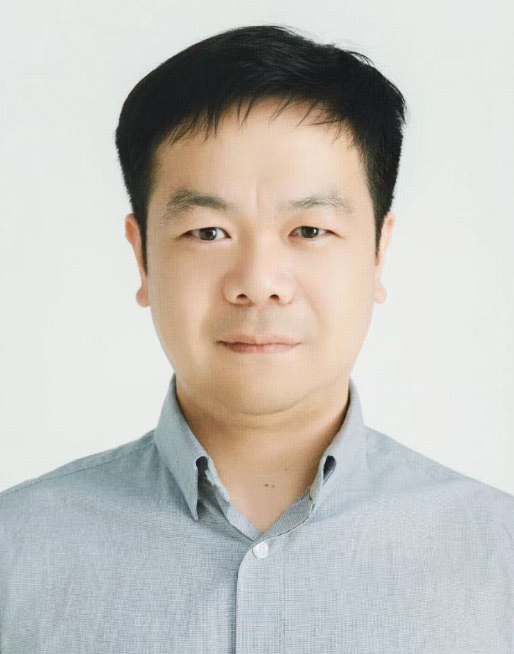 Yuhang Liu合作论文数Australian Institute for Machine Learning, Adelaide University;School of Computer Science and Information Technology, College of Engineering and Information Technology, Adelaide University20
 Zhen Zhang合作论文数School of Computer Science, University of Adelaide17
 Qingsen Yan (闫庆森)合作论文数School of Computer Science, Northwestern Polytechnical University13
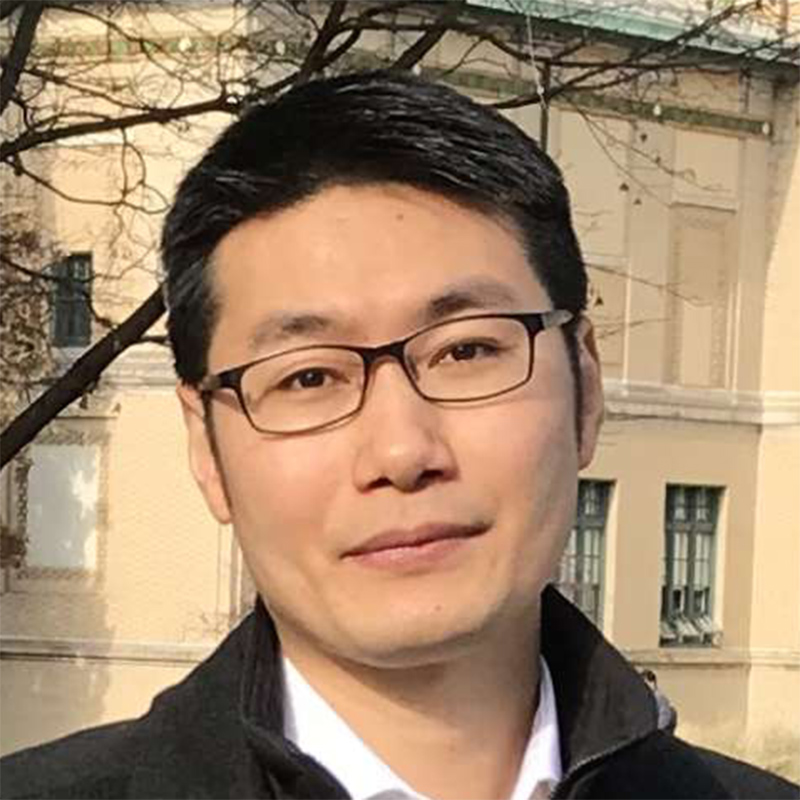 Kun Zhang合作论文数Department of Philosophy, Dietrich College of Humanities and Social Sciences, Carnegie Mellon University;Center for Integrative Artificial Intelligence, Mohamed bin Zayed University of Artificial Intelligence10
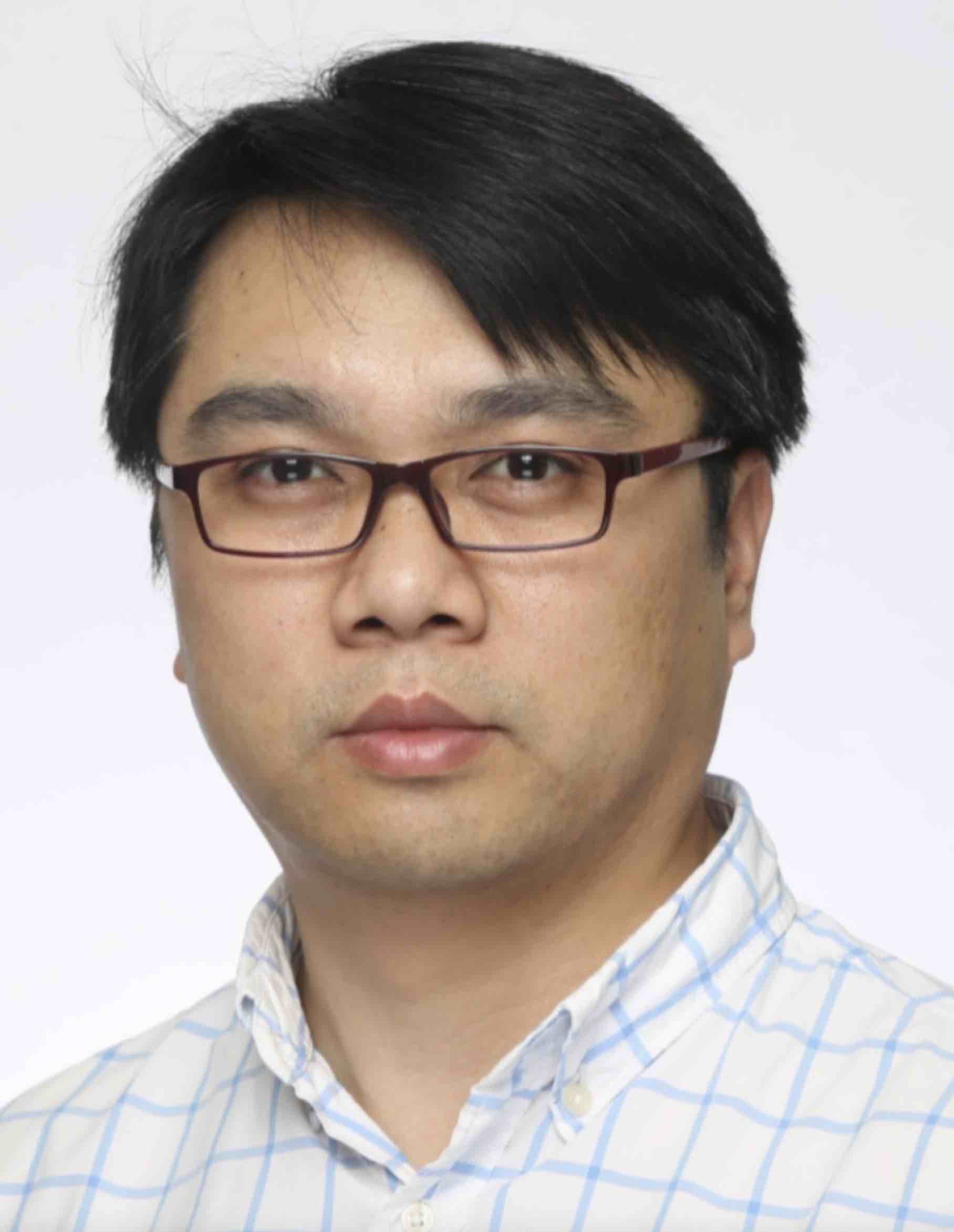 Chunhua Shen (沈春华)合作论文数College of Computer Science and Technology, Zhejiang University10
 Lina Yao (姚丽娜)合作论文数School of Computer Science and Engineering, The University of New South Wales;CSIRO’s Data61;Macquarie University10
 Mingming Gong (宫明明)合作论文数School of Mathematics and Statistics, The University of Melbourne10
 Jinqiu Sun (孙瑾秋)合作论文数School of Astronautics, Northwestern Polytechnical University9
 Biwei Huang合作论文数Halicioğlu Data Science Institute, University of California, San Diego9
 Haodong Lu合作论文数School of Computer Science and Engineering, University of New South Wales8
 Xinyu Zhang合作论文数Tongji University8
 Lingqiao Liu合作论文数School of Computer Science, The University of Adelaide;School of Computer and Mathematical Sciences, Faculty of Sciences, Engineering and Technology, The University of Adelaide8
 Mingkui Tan (谭明奎)合作论文数School of Software Engineering, South China University of Technology7
 Yu Zhu (朱宇)合作论文数School of Computer Science, Northwestern Polytechnical University5
 Saurav Jha合作论文数University of New South Wales Sydney4
 Rui Li合作论文数Northwestern Polytechnical University4
 Lei Zhang (张磊)合作论文数School of Computer Science, Northwestern Polytechnical University4
 Zhenhong Sun合作论文数School of Photovoltaic and Renewable Energy Engineering, University of New South Wales4
 Haisen Li (李海森)合作论文数College of Underwater Acoustic Engineering, Harbin Engineering University4
 Ian Reid合作论文数School of Computer Science, University of Adelaide;Australian Institute for Machine Learning4
 Kristen Moore合作论文数Network for Bodily Integrity of Women4
 Chongyang Zhao合作论文数University of New South Wales3
 Bo Wang (王博)合作论文数Institute of Medical Equipment Science and Engineering, Huazhong University of Science and Technology3
 Erdun Gao合作论文数Responsible AI Research Centre, Adelaide University;Australian Institute for Machine Learning, Adelaide University;School of Mathematical Sciences, Adelaide University;CSIRO3
 Zidu Yin合作论文数Yunnan Univ, Kunming, Yunnan, Peoples R China3
 Junyan Wang合作论文数University of New South Wales3
 Zheng You (尤政)合作论文数Huazhong University of Science and Technology3
 Wenyong Dong (董文永)合作论文数School of Computer Science, Wuhan University3
 Ehsan Abbasnejad合作论文数Australian Institute for Machine Learning, University of Adelaide3Ruilin Tong合作论文数School of Computer Science and Engineering, University of New South Wales2Chun Jason Xue合作论文数2Shen Jianhu合作论文数2
 Wei Zhao合作论文数2Weiye Chen合作论文数2Yinglong Wang合作论文数2
 Shaobo Dang合作论文数2
 Hailan Ma合作论文数Nanjing Univ, Sch Management & Engn, Dept Control & Syst Engn, Nanjing 210093, Jiangsu, Peoples R China2
 Dehua Xie合作论文数Univ Elect Sci & Technol China, Chengdu, Sichuan, Peoples R China2Fengze Han (韩丰泽)合作论文数Technical University of Munich2
 Kourosh Khoshelham合作论文数Department of Infrastructure Engineering, School of Electrical, Mechanical and Infrastructure Engineering, Faculty of Engineering and Information Technology, University of Melbourne2
 Yuankai Qi (齐元凯)合作论文数Australian Institute for Machine Learning, University of Adelaide;School of Computing, Faculty of Science and Engineering, Macqurie University2
 Mark D. McDonnell合作论文数University of South Australia;Athlete's AI;Consilium Technology Pty Ltd;University of Adelaide2Chuan Luo (罗川)合作论文数2
 Jiewei Cao合作论文数Bosch China2Jie Yang合作论文数Life-Ener. Res. Dept. of Nanjing, Life-Ener. Res. Dept. of Nanjing2
 Dingwen Zhang (张鼎文)合作论文数School of Automation, Northwestern Polytechnical University2




