Audio-driven talking-head generation can be viewed through a cybernetic lens: a rich, time-varying speech signal drives a multi-degree-of-freedom facial system, shaping lip motion, articulation strength, and expressive dynamics. Most recent neural parametric methods achieve impressive realism but use entangled audio embeddings in one control pathway, limiting fine-grained control in low-data regimes. To address this, we propose the Shape-Scale-Stylize paradigm, which decomposes speech into complementary cues: phoneme-aligned visemes to shape lip motion, a Hilbert-transform-based amplitude envelope to scale mouth opening, and wav2vec features to stylize identity-specific facial dynamics. We connect these three audio pathways to the interpretable motion latent space of LivePortrait and train a flow-matching model to generate residual expression trajectories, enabling a more decoupled mapping from audio cues to facial degrees of freedom. Experiments on HDTF show more disentangled and plausible lip motion than recent audio-driven baselines, while remaining lightweight and data-efficient.
Achieving unit fidelity in quantum state preparation is often impossible in the presence of environmental decoherence. While continuous monitoring and feedback control can improve fidelity, perfect state preparation remains elusive in many scenarios. Inspired by quantum speed limits, we derive a fundamental bound on the steady-state average fidelity achievable via continuous monitoring and feedback control. This bound depends only on the unconditional Lindblad dynamics, the Hamiltonian variance, and the target state. We also adapt the bound to the case of Markovian feedback strategies. We then focus on preparing Dicke states in an atomic ensemble subject to collective damping and dispersive coupling. By imposing additional constraints on control Hamiltonians and monitoring strategies, we derive tighter fidelity bounds. Finally, we propose specific control strategies and validate them using reinforcement learning. Benchmarking their performance against our theoretical bounds highlights the relevance and usefulness of these bounds in characterizing quantum feedback control strategies.
Quantum metrology utilizes quantum resources to enhance the precision of parameter estimation. A central objective is to maximize the Quantum Fisher information (QFI), which determines the ultimate estimation precision based on the Cramer-Rao bound. In this work, we formulate QFI optimization as an optimal control problem and apply Pontryagin's Minimum Principle (PMP) to derive the optimal control protocol. We show that when the control amplitude is constrained below a certain threshold, the optimal solution reduces to a constant control. This strategy enables the QFI to scale quadratically with the total evolution time T, thereby improving estimation precision with longer probe durations.
Quantum state tomography is a core task in quantum system identification. Real experimental conditions often deviate from nominal designs, introducing errors in both the measurement devices and the Hamiltonian governing the system's dynamics. In this paper, we investigate the robustness of quantum state tomography against such perturbations in both static and dynamic settings using linear regression estimation. We derive explicit bounds that quantify how bounded errors in the measurement devices and the Hamiltonian affect the mean squared error (MSE) upper bound in each scenario. Numerical simulations for qubit systems illustrate how these bounds scale with resources.
The advancement of quantum technologies depends on the ability to create and manipulate increasingly complex quantum systems, with critical applications in quantum computation, quantum simulation and quantum sensing. These developments present substantial challenges in efficient control, calibration and verification of quantum systems. Machine learning methods have emerged as powerful tools owing to their remarkable capability to learn from data, and have thus been extensively utilized for various quantum tasks. This paper reviews several significant topics at the intersection of machine learning and quantum estimation and control. Specifically, we discuss neural network-based approaches for quantum state estimation, gradient-based methods for quantum optimal control, evolutionary computation for learning control of quantum systems, machine learning techniques for quantum robust control and reinforcement learning for adaptive quantum control.
The development of quantum technologies relies on creating and manipulating quantum systems of increasing complexity, with key applications in computation, simulation, and sensing. This poses severe challenges in efficient control, calibration, and validation of quantum states and their dynamics. Machine learning methods have emerged as powerful tools owing to their remarkable capability to learn from data, and thus have been extensively utilized for different quantum tasks. This paper reviews several significant topics related to machine learning-aided quantum estimation and control. In particular, we discuss neural networks-based learning for quantum state estimation, gradient-based learning for optimal control of quantum systems, evolutionary computation for learning control of quantum systems, machine learning for quantum robust control, and reinforcement learning for quantum control. This review provides a brief background of key concepts recurring across many of these approaches with special emphasis on neural networks, evolutionary computation, and reinforcement learning.
Quantum state tomography (QST) is the process of reconstructing the state of a quantum system (mathematically described as a density matrix) through a series of different measurements, which can be solved by learning a parameterized function to translate experimentally measured statistics into physical density matrices. However, the specific structure of quantum measurements for characterizing a quantum state has been neglected in previous work. In this article, we explore the similarity between highly structured sentences in natural language and intrinsically structured measurements in QST. To fully leverage the intrinsic quantum characteristics involved in QST, we design a quantum-aware transformer (QAT) model to capture the complex relationship between measured frequencies and density matrices. In particular, we query quantum operators in the architecture to facilitate informative representations of quantum data and integrate the Bures distance into the loss function to evaluate quantum state fidelity, thereby enabling the reconstruction of quantum states from measured data with high fidelity. Extensive simulations and experiments (on IBM quantum computers) demonstrate the superiority of the QAT in reconstructing quantum states with favorable robustness against experimental noise.
Due to its property of not requiring prior knowledge of the environment, reinforcement learning (RL) has significant potential for solving quantum control problems. In this work, we investigate the effectiveness of continuous control policies based on deep deterministic policy gradient. To achieve good control of quantum systems with high fidelity, we propose an auxiliary task-based deep RL (AT-DRL) for quantum control. In particular, we design an auxiliary task to predict the fidelity value, sharing partial parameters with the main network (from the main RL task). The auxiliary task learns synchronously with the main task, allowing one to extract intrinsic features of the environment, thus aiding the agent to achieve the desired state with high fidelity. To further enhance the control performance, we also design a guided reward function based on the fidelity of quantum states that enables gradual fidelity improvement. Numerical simulations demonstrate that the proposed AT-DRL can provide a good solution to the exploration of quantum dynamics. It not only achieves high task fidelities but also demonstrates fast learning rates. Moreover, AT-DRL has great potential in designing control pulses that achieve effective quantum state preparation.
Quantum state tomography (QST) is the process of reconstructing the complete state of a quantum system (mathematically described as a density matrix) through a series of different measurements. These measurements are performed on a number of identical copies of the quantum system, with outcomes gathered as frequencies. QST aims to recover the density matrix and the corresponding properties of the quantum state from the measured frequencies. Although an informationally complete set of measurements can specify quantum state accurately in an ideal scenario with a large number of identical copies, both measurements and identical copies are restricted and imperfect in practical scenarios, making QST highly ill-posed. The conventional QST methods usually assume adequate or accurate measured frequencies or rely on manually designed regularizers to handle the ill-posed reconstruction problem, suffering from limited applications in realistic scenarios. Recent advances in deep neural networks (DNNs) led to the emergence of deep learning (DL) in QST. However, existing DL-based QST approaches often employ generic DNN models that are not optimized for imperfect conditions of QST. In this paper, we propose a transformer-based autoencoder architecture tailored for QST with imperfect measurement data. Our method leverages a transformer-based encoder to extract an informative latent representation (ILR) from imperfect measurement data and employs a decoder to predict the quantum states based on the ILR. We anticipate that the high-dimensional ILR will capture more comprehensive information about quantum states. To achieve this, we conduct pre-training of the encoder using a pretext task that involves reconstructing high-quality frequencies from measured frequencies. Extensive simulations and experiments demonstrate the remarkable ability of the ILR in dealing with imperfect measurement data in QST.
One of the fundamental tasks in quantum information theory is quantum data compression, which can be realized via quantum autoencoders that first compress quantum states to low-dimensional ones and then recover to the original ones with a reference state. When taking a pure reference state, there exists an upper bound for the encoding fidelity, which limits the compression of states with high entropy. To overcome the entropy inconsistency, we allow the reference state to be a mixed state and propose a cost function that combines the encoding fidelity and the quantum mutual information. We consider the reference states to be a mixture of maximally mixed states and pure states and propose three strategies for setting the ratio of mixedness. Numerical simulations of different states and experimental implementations on IBM quantum computers illustrate the effectiveness of our approach.
Quantum state tomography (QST) aiming at reconstructing the density matrix of a quantum state plays an important role in various emerging quantum technologies. Recognizing the challenges posed by imperfect measurement data, we develop a unified neural network(NN)-based approach for QST under constrained measurement scenarios, including limited measurement copies, incomplete measurements, and noisy measurements. Through comprehensive comparison with other estimation methods, we demonstrate that our method improves the estimation accuracy in scenarios with limited measurement resources, showcasing notable robustness in noisy measurement settings. These findings highlight the capability of NNs to enhance QST with constrained measurements.
Diffusion models have shown remarkable prowess in text-to-image synthesis and editing, yet they often stumble when tasked with interpreting complex prompts that describe multiple entities with specific attributes and interrelations. The generated images often contain inconsistent multi-entity representation (IMR), reflected as inaccurate presentations of the multiple entities and their attributes. Although providing spatial layout guidance improves the multi-entity generation quality in existing works, it is still challenging to handle the leakage attributes and avoid unnatural characteristics. To address the IMR challenge, we first conduct in-depth analyses of the diffusion process and attention operation, revealing that the IMR challenges largely stem from the process of cross-attention mechanisms. According to the analyses, we introduce the entity guidance generation mechanism, which maintains the integrity of the original diffusion model parameters by integrating plug-in networks. Our work advances the stable diffusion model by segmenting comprehensive prompts into distinct entity-specific prompts with bounding boxes, enabling a transition from multi-entity to single-entity generation in cross-attention layers. More importantly, we introduce entity-centric cross-attention layers that focus on individual entities to preserve their uniqueness and accuracy, alongside global entity alignment layers that refine cross-attention maps using multi-entity priors for precise positioning and attribute accuracy. Additionally, a linear attenuation module is integrated to progressively reduce the influence of these layers during inference, preventing oversaturation and preserving generation fidelity. Our comprehensive experiments demonstrate that this entity guidance generation enhances existing text-to-image models in generating detailed, multi-entity images. Code is available at https://github.com/chaos-sun/eggen.git.
Deep reinforcement learning (DRL) has been recognized as an efficient technique to design optimal strategies for different complex systems without prior knowledge of the control landscape. To achieve a fast and precise control for quantum systems, we propose a novel DRL approach by constructing a curriculum consisting of a set of intermediate tasks defined by fidelity thresholds, where the tasks among a curriculum can be statically determined before the learning process or dynamically generated during the learning process. By transferring knowledge between two successive tasks and sequencing tasks according to their difficulties, the proposed curriculum-based DRL (CDRL) method enables the agent to focus on easy tasks in the early stage, then move onto difficult tasks, and eventually approaches the final task. Numerical comparison with the traditional methods [gradient method (GD), genetic algorithm (GA), and several other DRL methods] demonstrates that CDRL exhibits improved control performance for quantum systems and also provides an efficient way to identify optimal strategies with few control pulses.
Quantum process tomography is an essential task for characterizing the dynamics of quantum systems and achieving precise quantum control. In this work, we propose a machine learning-based quantum process tomography method to reconstruct the Choi matrices of quantum channels from the measurements of the output states. Numerical results demonstrate that the proposed method exhibits a significant potential to achieve accurate reconstruction of different quantum channels.
Designing highly accurate and robust controls for quantum unitary operations is vital for practical quantum computation. In this paper, we demonstrate that the robustness of quantum gate controls can be enhanced by optimizing the sampling-based infidelity variance, which is formulated as a multi-objective optimization task to achieve high robustness while maintaining high gate fidelity. A two-step approach that first optimizes the average fidelity and then turns to the infidelity variance is proposed, where two modified differential evolution (DE) algorithms, i.e., mixed-guided-strategy DE (MGSDE) and multi-objective mixed-strategy DE (MOMSDE), are designed to search fields for the two steps of robust quantum gate control, respectively. Both MGSDE and MOMSDE adopt the mixed strategy, and in particular, MGSDE adopts a guided mutation scheme to accelerate the convergence, and MOMSDE uses an optimal buffer to explore the Pareto front. Numerical results demonstrate that the proposed approach enhances the control robustness and provides an efficient in-situ learning paradigm to tackle the disturbance problem for the control design of quantum gates.
Reinforcement learning has been intensively applied to tackle complex quantum control problems owing to its adaptability in dynamic environments. However, commonly used reinforcement learning algorithms are restricted to selecting actions from a discrete action space, which may result in inaccurate control. In order to surpass this constraint, we propose an improved continuous reinforcement learning algorithm that can generate control policies in a continuous action space, enabling precise control of quantum systems. Moreover, a guided reward function design method is proposed to guide the learning process toward higher fidelity. Numerical results demonstrate that the proposed continuous reinforcement learning algorithm with a guided reward function can capably prepare states on one-qubit and two-qubit systems.
Quantum autoencoders which aim at compressing quantum information in a low-dimensional latent space lie in the heart of automatic data compression in the field of quantum information. In this paper, we establish an upper bound of the compression rate for a given quantum autoencoder and present a learning control approach for training the autoencoder to achieve the maximal compression rate. The upper bound of the compression rate is theoretically proven using eigen-decomposition and matrix differentiation, which is determined by the eigenvalues of the density matrix representation of the input states. Numerical results on 2-qubit and 3-qubit systems are presented to demonstrate how to train the quantum autoencoder to achieve the theoretically maximal compression, and the training performance using different machine learning algorithms is compared. Experimental results of a quantum autoencoder using quantum optical systems are illustrated for compressing two 2-qubit states into two 1-qubit states.
Quantum detector tomography is a fundamental technique for calibrating quantum devices and thus lay foundations for quantum information processing tasks. In this work, we propose a quantum detector tomography method that employs deep neural networks to reconstruct quantum detectors from a set of probe states with high efficiency. Numerical results demonstrate that the proposed method exhibits a significant potential to estimate phase-insensitive detectors.
In this article, a novel training paradigm inspired by quantum computation is proposed for deep reinforcement learning (DRL) with experience replay. In contrast to the traditional experience replay mechanism in DRL, the proposed DRL with quantum-inspired experience replay (DRL-QER) adaptively chooses experiences from the replay buffer according to the complexity and the replayed times of each experience (also called transition), to achieve a balance between exploration and exploitation. In DRL-QER, transitions are first formulated in quantum representations and then the preparation operation and depreciation operation are performed on the transitions. In this process, the preparation operation reflects the relationship between the temporal-difference errors (TD-errors) and the importance of the experiences, while the depreciation operation is taken into account to ensure the diversity of the transitions. The experimental results on Atari 2600 games show that DRL-QER outperforms state-of-the-art algorithms, such as DRL-PER and DCRL on most of these games with improved training efficiency and is also applicable to such memory-based DRL approaches as double network and dueling network.
—Quantum state tomography aiming at reconstruct- ing the density matrix of a quantum state plays an important role in various emerging quantum technologies. Inspired by the intuition that machine learning has favorable robustness and generalization, we propose a deep neural networks based quantum state tomography (DNN-QST) approach, that can be applied to three cases, including few measurement copies and incomplete measurements as well as noisy measurements. Numerical results demonstrate that DNN-QST exhibits a great potential to achieve high fidelity for quantum state tomography with limited measurement resources and can achieve improved estimation when tomographic measurements suffer from noise. In addition, the results for 2-qubit states from quantum optical devices demonstrate the generalization of DNN-QST and its robustness against possible error in the experimental devices.
 Daoyi Dong合作论文数School of Engineering and Information Technology, University of New South Wales, Canberra26
 Chunlin Chen (陈春林)合作论文数School of Management and Engineering, Nanjing University14
 Ian Petersen合作论文数School of Engineering, College of Engineering, Computing and Cybernetics, Australian National University6
 Herschel A. Rabitz合作论文数Princeton Materials Institute, Princeton University6
 Zhenhong Sun合作论文数School of Photovoltaic and Renewable Energy Engineering, University of New South Wales4
 Guoyong Xiang (项国勇)合作论文数Chinese Academy of Sciences;University of Science and Technology of China4
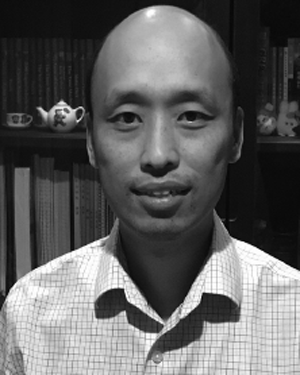
 Chang-Jiang Huang合作论文数3
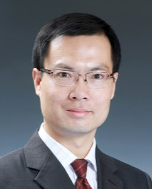
 Xing Xi (奚兴)合作论文数3
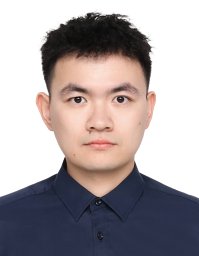
 Re-Bing Wu (吴热冰)合作论文数Department of Automation, Tsinghua University3Shouliang Hu合作论文数2
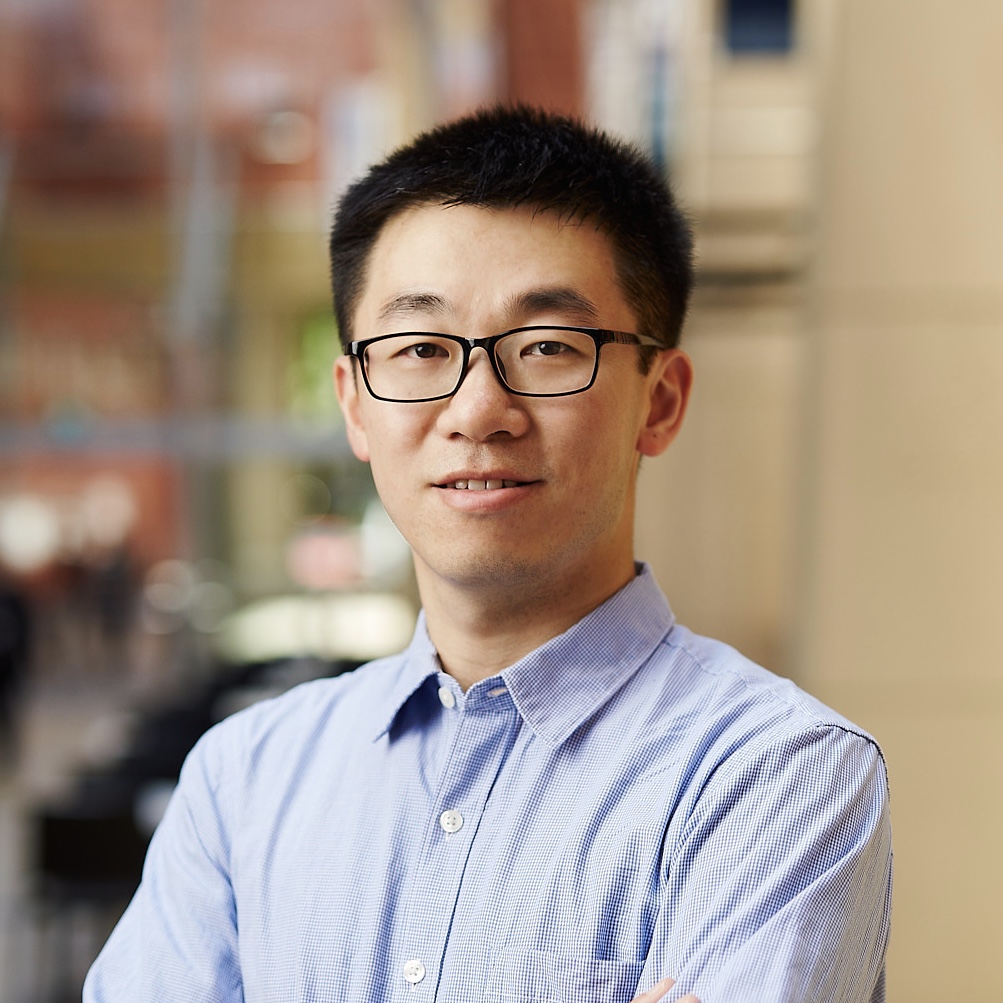
 Shuixin Xiao合作论文数2
 Dong Gong合作论文数School of Computer Science and Engineering, The University of New South Wales;Australian Institute for Machine Learning, The University of Adelaide2
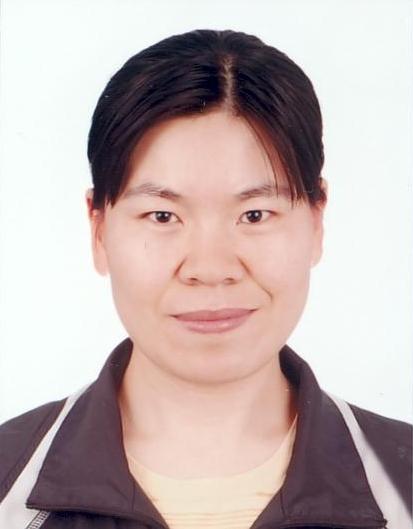 Zhixin Liu (刘志新)合作论文数中国科学院数学与系统科学研究院2
 Bo Qi (齐波)合作论文数University of Chinese Academy of Sciences;Academy of Mathematics and Systems Science, Chinese Academy of Sciences2
 Zhangqing Zhu (朱张青)合作论文数School of Management & Engineering, Nanjing University2
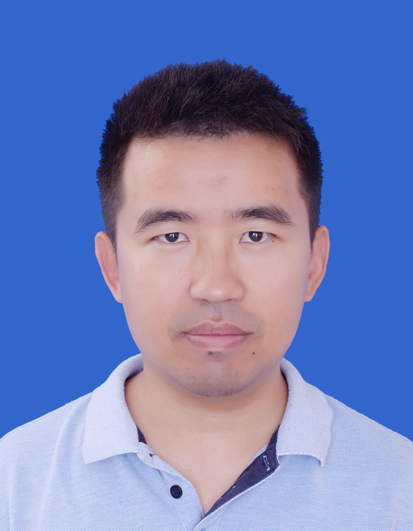 Chuancun Shu (束传存)合作论文数School of Physics and Electroics, Central South University2
 Sen Kuang (匡森)合作论文数Department of Automation, School of Information Science and Technology, University of Science and Technology of China2
 Xudong Xu (徐旭东)合作论文数Shanghai Artificial Intelligence Laboratory1
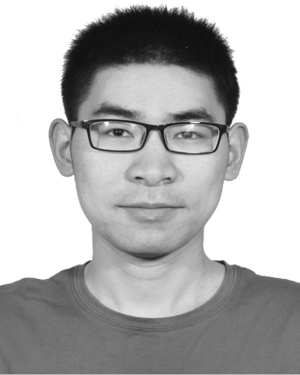 Qing Wei合作论文数1
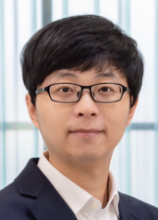 Chengzhi Wu合作论文数Vision and Fusion Laboratory, Institut für Anthropomatik und Robotik, Karlsruhe Institue of Technology1
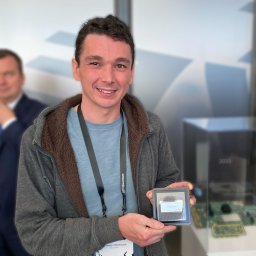 Gary J. Mooney合作论文数Sch Phys, Univ Melbourne1
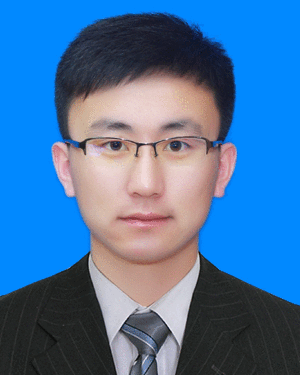 Haixu Yu合作论文数1Jun-Feng Tang合作论文数Univ Sci & Technol China, CAS Key Lab Quantum Informat, Hefei 230026, Peoples R China1
 Zhiyu Tan合作论文数Alibaba group1
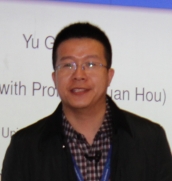 Yu Guo (郭钰)合作论文数Institute of Quantum Information Science, Shanxi Datong University;Shanxi Datong University1Jiangchao Chen合作论文数1Yingying Sun合作论文数1
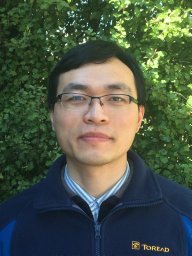 Yuanlong Wang合作论文数School of Engineering and Information Technology, University of New South Wales1
 Hao Li (李昊)合作论文数Artificial Intelligence Innovation and Incubation (AI³) Institute, Fudan University1
 Junyan Wang合作论文数University of New South Wales1
 Lloyd Hollenberg合作论文数Division of Science, University of Melbourne;Australian Institute of Physics, University of Melbourne1
 Steven X. Ding合作论文数Institute of Automatic Control and Complex Systems, Faculty of Engineering, University of Duisburg-Essen1
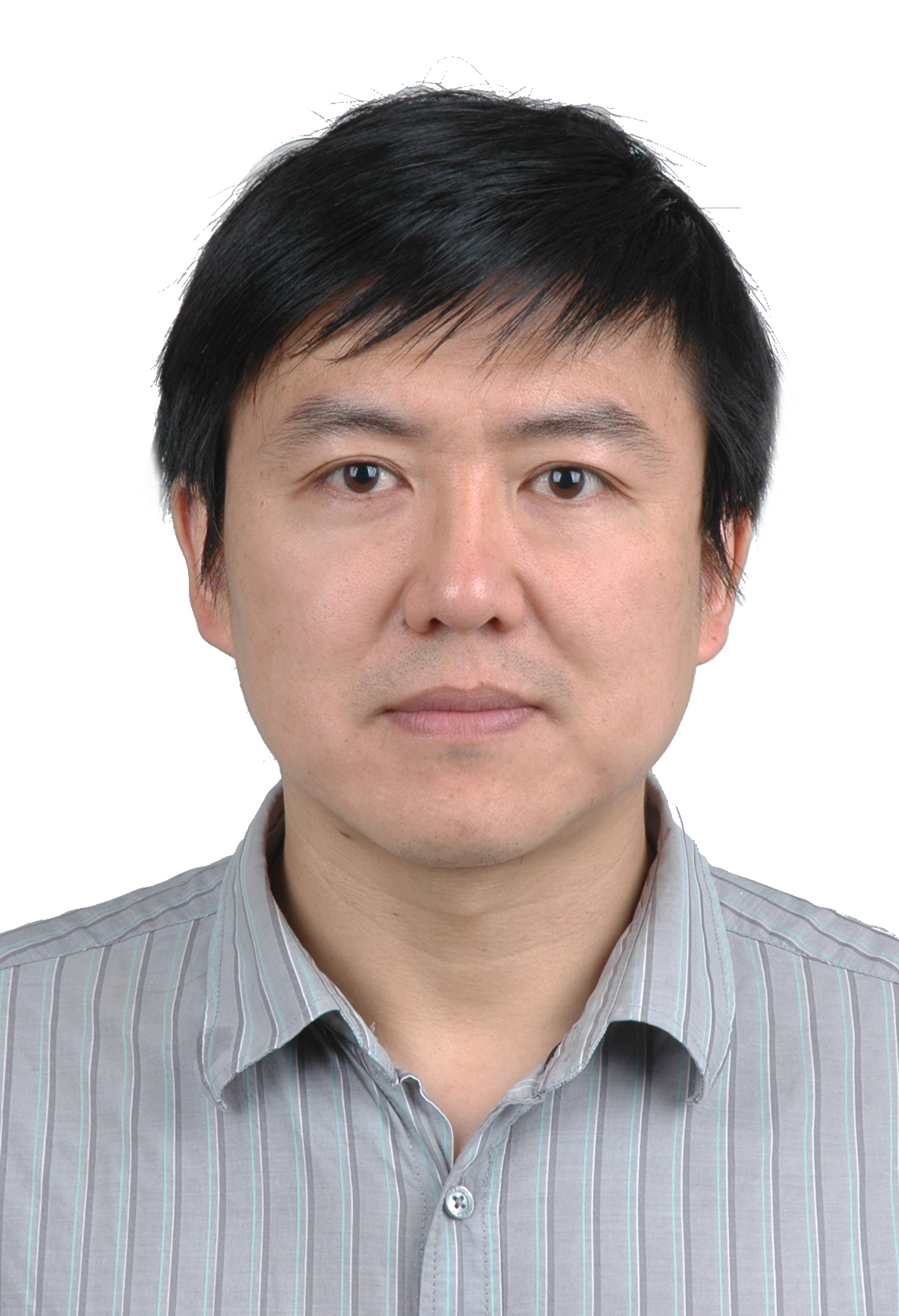 Chuan-Feng Li (李传锋)合作论文数University of Science and Technology of China;Key Laboratory of Quantum Information, Chinese Academy of Sciences1
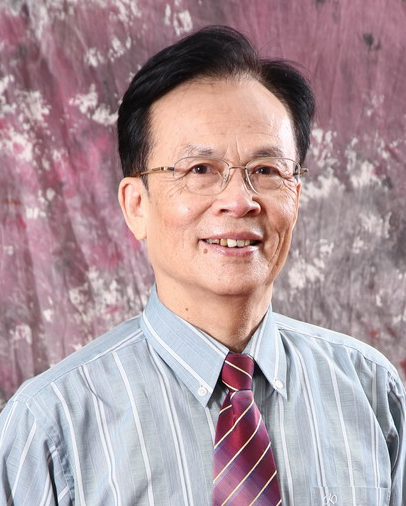 Guangcan Guo (郭光灿)合作论文数School of Physical Sciences, University of Science and Technology of China;Key Lab of Quantum Information, Chinese Academy of Sciences, University of Science and Technology of China1
 Marco G. Genoni合作论文数Dipartimento di Fisica;Universita di Milano;Dipartimento di Fisica, Universita di Milano1




