Ketjulähettitoiminta on Pirkanmaan sairaanhoitopiirin ja terveyskeskusten täydennyskoulutus- ja yhteistyömuoto. Terveyskeskusten työntekijät eli ketjulähetit työskentelevät erikoissairaanhoidossa viikon ajan etukäteen suunnitellun ohjelman mukaisesti. Tutkimuksen tarkoituksena oli selvittää onko ketjulähettijaksolla opittuja asioita käsitelty omassa terveyskeskuksessa ketjulähettijakson jälkeen ja ovatko ketjulähetit muuttaneet toimintaansa ketjulähettijakson perusteella. Kyselylomakkeet lähetettiin kaikille vuosina 2006–2011 ketjulähettijaksolla käyneille (n = 177) sekä terveyskeskusten johdolle ja koulutusvastaaville (n = 31). Aineiston analyysimenetelminä käytettiin frekvenssijakaumia, ristiintaulukointia, logistista regressioanalyysiä sekä aineistolähtöistä ryhmittelyä teemakokonaisuuksien alle. Ketjulähettijaksot vaikuttivat ketjulähetin omassa työssään tekemiin muutoksiin. Eniten muutettiin työtapoja, potilaan ohjausta, hoitoa tukevia työyhteisön käytäntöjä sekä oman työn arvostusta. Terveyskeskuksissa ketjulähettijaksolla opittuja asioita käsiteltiin satunnaisesti. Ketjulähettijaksoja voisi hyödyntää nykyistä tehokkaammin yksilön osaamisen kehittämisen lisäksi työyhteisön ja koko organisaation toiminnan kehittämisessä. Tässä on haaste terveyskeskusten johtamiselle.
OBJECTIVE:To explore views and attitudes among general practitioners (GPs) and researchers in the field of general practice towards problems and challenges related to treatment of patients with multimorbidity.SETTING:A workshop entitled Patients with multimorbidity in general practice held during the Nordic Congress of General Practice in Tampere, Finland, 2013.SUBJECTS:A total of 180 GPs and researchers.DESIGN:Data for this summary report originate from audio-recorded, transcribed verbatim plenary discussions as well as 76 short questionnaires answered by attendees during the workshop. The data were analysed using framework analysis.RESULTS:(i) Complex care pathways and clinical guidelines developed for single diseases were identified as very challenging when handling patients with multimorbidity; (ii) insufficient cooperation between the professionals involved in the care of multimorbid patients underlined the GPs' impression of a fragmented health care system; (iii) GPs found it challenging to establish a good dialogue and prioritize problems with patients within the timeframe of a normal consultation; (iv) the future role of the GP was discussed in relation to diminishing health inequality, and current payment systems were criticized for not matching the treatment patterns of patients with multimorbidity.CONCLUSION:The participants supported the development of a future research strategy to improve the treatment of patients with multimorbidity. Four main areas were identified, which need to be investigated further to improve care for this steadily growing patient group.
Background Continuity of care is an essential aspect of quality in general practice. This study is the first systematic follow-up of Finnish primary care patients’ assessments with regard to personal continuity of care. Aim To ascertain whether patient-reported longitudinal personal continuity of care is related to patient characteristics and their consultation experiences, and how this had changed over the study period. Design and setting A 15-year follow-up questionnaire survey that took place at Tampere University Hospital catchment area, Finland. Method The survey was conducted among patients attending health centres in the Tampere University Hospital catchment area from 1998 until 2013. From a sample of 363 464 patients, a total of 157 549 responded. The responses of patients who had visited a doctor during the survey weeks (n = 97 468) were analysed. Continuity of care was assessed by asking the question: ‘When visiting the health centre, do you usually see the same doctor?’; patients could answer ‘yes’ or ‘no’. Results Approximately half of the responders had met the same doctor when visiting the healthcare centre. Personal continuity of care decreased by 15 percentage points (from 66% to 51%) during the study years. The sense of continuity was linked to several patients’ experiences of the consultation. The most prominent factor contributing to the sense of continuity of care was having a doctor who was specifically appointed (odds ratio 7.28, 95% confidence interval = 6.65 to 7.96). Conclusion Continuity of care was proven to enhance the experienced quality of primary care. Patients felt that continuity of care was best realised when they could consult a doctor who had been specifically appointed to them. Despite efforts of the authorities, over the past 15 years patient-reported continuity of care has declined in Finland.
BACKGROUND:The aim here was to explore trends in patient satisfaction with primary health care and its accessibility and continuity, and to explore whether through reforms and improvements some of the essential goals had been achieved over a 14-year period of time in Finland.METHODS:Nine questionnaire surveys were conducted over a period of 14 years among patients attending within one week in the 65 health centres in the Tampere University Hospital catchment area. A total of 147,394 responded out of a sample of 333,648 patients. The response rate varied yearly from 53% to 37%.RESULTS:Patient satisfaction with care in Finnish health centres decreased by nearly 9 percentage units from 1998 to 2011. The fall-off was most marked in the age-group over 64 years. There was a 20 percentage unit's reduction in ease of access as reported by patients. Respondents also reported that the continuity of care had deteriorated.CONCLUSIONS:Despite major reforms in Finnish health care policy, patients seem to be less satisfied. Our findings challenge both Finnish authorities and GPs to improve the accessibility and continuity of care in primary health services.
The Chain Messenger system was developed as a cooperation project between the Pirkanmaa hospital district and nine health centres. Workers from health centres, in other words the Chain Messengers, worked for one week in the special health care according to a programme that was designed beforehand. The purpose of the study was to clarify if know-how and cooperation can be developed by means of the Chain Messenger system. The Chain Messengers filled in the questionnaires both before the period (n = 225) and after the period (n = 220). The contact persons who were named in the special health care were sent the questionnaires when the operation started in 2006 (n = 56) and in the autumn 2007 (n = 44). The Chain Messengers updated their knowledge and skills and enhanced readiness for examining, treating and directing patients. Becoming acquainted with other workers’ functions and creating networks improved cooperation. The period also changed attitudes towards work. The contact persons in the special health care emphasized the improvement of cooperation. The Chain Messenger system offers a concrete tool for developing know-how and cooperation. The challenge is utilising of the received experiences in the work community.
 Kari Mattila合作论文数University of Tampere6Raivio Risto合作论文数3Irma Virjo合作论文数3
 Tora Grauers Willadsen合作论文数Department of Public Health, Faculty of Health and Medical Sciences, University of Copenhagen1
 Susanne Reventlow合作论文数Department of Public Health, Faculty of Health and Medical Sciences, University of Copenhagen1
 Elisabeth Søndergaard合作论文数1
 Margret Olafia Tomasdottir合作论文数1
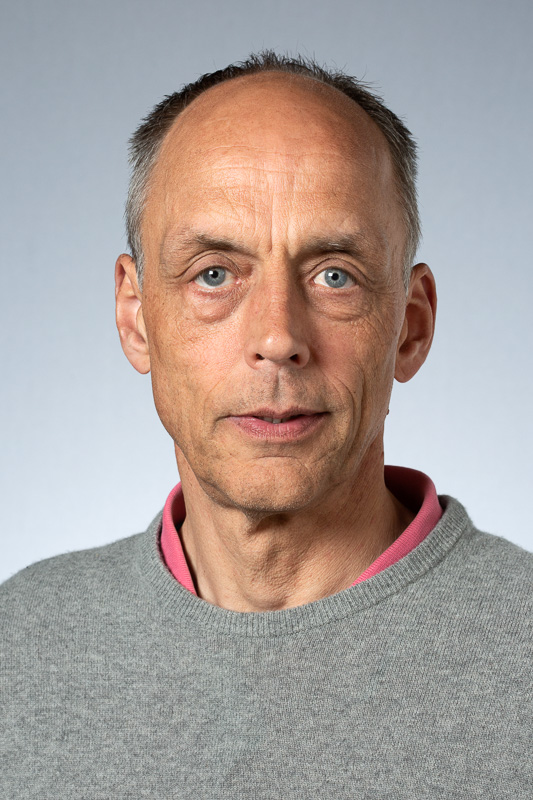 Mogens Vestergaard合作论文数Department of Animal Science, Aarhus University1
 Ann Dorrit Guassora合作论文数1Lars Borgquist合作论文数1Anni Peura合作论文数1
 Niels de Fine Olivarius合作论文数1Pekka Virtanen合作论文数1




