Hypothermic machine perfusion (HMP) has surged in popularity for donor kidney preservation. Continuous HMP (cHMP) has shown clear benefits over static cold storage (SCS), whereas randomized trials on short-duration end-ischemic-HMP (eiHMP) have not. We assessed whether HMP modulates injury from increasing cold-preservation time (CPT) and analyzed the impact of HMP on short- and long-term outcomes, using Organ Procurement and Transplantation Network data (OPTN; 2010-2024) on single-kidney-transplant recipients (n = 137 835). Multivariable nonlinear (restricted cubic spline) regression with interaction terms was used. Median CPT was long (17.3 hours; interquartile range, 12.0-22.9), especially in the eiHMP cohort (median, 23.0 hours; interquartile range, 17.3-30.5). HMP was associated with significant reductions in delayed graft function (cHMP: adjusted odds ratio [aOR], 0.484; 95% confidence interval [CI], 0.467-0.501; eiHMP: aOR, 0.459; 95% CI, 0.435-0.485; and transport-only-HMP: aOR, 0.535; 95% CI, 0.512-0.558) and length of stay. Interaction analyses revealed that HMP mitigated the negative effect of increasing CPT compared with SCS. cHMP showed benefit across all CPTs, whereas eiHMP was beneficial only at longer CPTs. HMP was also associated with improved 5-year graft and patient survival. In conclusion, HMP reduces the negative impact of each additional hour of CPT. Therefore, the treatment effect is not fixed and increases as CPT increases, likely explaining the lack of benefit in trials of short-duration eiHMP. The association with improved 5-year graft survival and mortality provides IDEAL (idea, development, exploration, assessment, and long-term follow-up) stage 4 evidence. This study addressed questions beyond the reach of randomized trials but of clear clinical relevance.
With the US Food and Drug Administration clearance of clinical trials of kidney xenotransplantation (XTx) in living humans, understanding the recipient experience is critical. Semistructured interviews with the 3 living XTx recipients identified core domains of the recipient's experience, including quality of life (QoL), fears about XTx, and health care team communication and support. Transcribed interviews were analyzed by 2 qualitative researchers using an inductive thematic approach and were mapped onto the Warwick Patient Experience Model, a validated framework to assess key aspects of patient satisfaction with the health care experience. All 3 recipients (a 53-year-old female, a 66-year-old male, and a 54-year-old male) described a restoration of hope, contrasted with their poor QoL on dialysis. They emphasized that access to XTx and graft survival requires confidence and commitment between recipients and health care teams. XTx recipients use dialysis as a point of reference when describing changes in their posttransplant QoL and seem well-situated to handle the possibility of graft failure. These insights may aid in the creation of decision aids and educational materials tailored to the specific needs of XTx recipients.
KEY POINTS:Myosteatosis was associated with a higher risk of all-cause graft loss and mortality within the US cohort. Myosteatosis did not show an higher risk of death censored graft loss at both centers. Sarcopenia was not associated with a higher risk of all-cause graft loss or mortality. BACKGROUND:Sarcopenia and myosteatosis are indicators of abnormal body composition (BC). Computed tomography (CT) imaging has proven to be an accurate modality for BC quantification in kidney transplantation (KT). We tested whether pre-KT CT-based BC was associated with both all-cause graft loss (ACGL) and mortality among adult recipients from two centers (Johns Hopkins Hospital [JHH] and University Medical Center Groningen [UMCG]). METHODS:Patients who underwent a KT between 2003 and 2020 were followed for a median (interquartile range) follow-up of 6.4 (4.6–8.5) years at JHH and 6.3 (5.1–7.5) years at UMCG. Cox proportional hazard models were used to estimate the associations of BC with ACGL/mortality. Fine and Gray regression analysis was performed to assess the association between BC and death-censored graft loss. Before KT, 49% of recipients had sarcopenia and 66% had myosteatosis. RESULTS:In total, 608 patients were included from JHH ( N =294) and UMCG ( N =314). Sarcopenia was not associated with post-KT outcomes. Myosteatosis was associated with a higher risk of ACGL (adjusted hazard ratio, 1.78; 95% confidence interval, 1.08 to 2.93) and mortality (adjusted hazard ratio, 2.35; 95% confidence interval, 1.27 to 4.33) at JHH but showed no significant association at UMCG after adjusting for confounders. Myosteatosis did not show a significant association with death-censored graft loss at both centers. CONCLUSIONS:Myosteatosis ascertained from existing CT scans could help identify recipients at higher risk for ACGL who may benefit most from prehabilitation.
Safeguarding patients from emerging infectious diseases demands strategies that prioritise patient well-being and protection. Immunobridging is an established trial methodology which has been increasingly employed to ensure patient protection and provide clinicians with swift access to vaccines. It uses immunological markers to infer the effectiveness of a new drug through a surrogate measure of efficacy. Recently, this method has also been employed to authorise novel drugs, such as COVID-19 vaccines, and this article explores the concepts behind immunobridging trials, their advantages, issues, and significance in the context of COVID-19 and other infectious diseases. Our goal is to improve awareness among clinicians, patient groups, regulators, and health leaders of the opportunities and issues of immunobridging, so that fewer patients are left without protection from infectious diseases, particularly from major pathogens that may emerge.
Background. Since February 2020, exception points have been allocated equivalent to the median model for end-stage liver disease at transplant within 250 nautical miles of the transplant center (MMaT/250). We compared transplant rate and waitlist mortality for hepatocellular carcinoma (HCC) exception, non-HCC exception, and non-exception candidates to determine whether MMaT/250 advantages (or disadvantages) exception candidates. Methods. Using Scientific Registry of Transplant Recipients data, we identified 23 686 adult, first-time, active, deceased donor liver transplant (DDLT) candidates between February 4, 2020, and February 3, 2022. We compared DDLT rates using Cox regression, and waitlist mortality/dropout using competing risks regression in non-exception versus HCC versus non-HCC candidates. Results. Within 24 mo of study entry, 58.4% of non-exception candidates received DDLT, compared with 57.8% for HCC candidates and 70.5% for non-HCC candidates. After adjustment, HCC candidates had 27% lower DDLT rate (adjusted hazard ratio = 0.680.730.77) compared with non-exception candidates. However, waitlist mortality for HCC was comparable to non-exception candidates (adjusted subhazard ratio [asHR] = 0.931.031.15). Non-HCC candidates with pulmonary complications of cirrhosis or cholangiocarcinoma had substantially higher risk of waitlist mortality compared with non-exception candidates (asHR = 1.271.702.29 for pulmonary complications of cirrhosis, 1.352.043.07 for cholangiocarcinoma). The same was not true of non-HCC candidates with exceptions for other reasons (asHR = 0.540.881.44). Conclusions. Under MMaT/250, HCC, and non-exception candidates have comparable risks of dying before receiving liver transplant, despite lower transplant rates for HCC. However, non-HCC candidates with pulmonary complications of cirrhosis or cholangiocarcinoma have substantially higher risk of dying before receiving liver transplant; these candidates may merit increased allocation priority.
Background: Brazil has a large public transplant program, but it remains unclear if the kidney waitlist criteria effectively allocate organs. This study aimed to investigate whether gender, ethnicity, clinical characteristics, and Brazilian regions affect the chance of deceased donor kidney transplant (DDKT). Methods: We conducted a retrospective cohort study using the National Transplant System/Brazil database, which included all patients on the kidney transplant waitlist from January 2012 to December 2022, followed until May 2023. The primary outcome assessed was the chance of DDKT, measured using subdistribution hazard and cause-specific hazard models (subdistribution hazard ratio [sHR]). Results: We analyzed 118 617 waitlisted patients over a 10-year study period. Male patients had an sHR of 1.07 ([95% CI: 1.05-1.10], p < 0.001), indicating a higher chance of DDTK. Patients of mixed race and Yellow/Indigenous ethnicity had lower rates of receiving a transplant compared to Caucasian patients, with sHR of 0.97 (95% CI: 0.95-1) and 0.89 (95% CI: 0.95-1), respectively. Patients from the South region had the highest chance of DDKT, followed by those from the Midwest and Northeast, compared to patients from the Southeast, with sHR of 2.53 (95% CI: 2.47-2.61), 1.21 (95% CI: 1.16-1.27), and 1.10 (95% CI: 1.07-1.13), respectively. The North region had the lowest chance of DDTK, sHR of 0.29 (95% CI: 0.27-0.31). Conclusion: We found that women and racial minorities faced disadvantages in kidney transplantation. Additionally, we observed regional disparities, with the North region having the lowest chance of DDKT and longer times on dialysis before being waitlisted. In contrast, patients in the South regions had a chance of DDKT and shorter times on dialysis before being waitlisted. It is urgent to implement approaches to enhance transplant capacity in the North region and address race and gender disparities in transplantation.
 Allan B. Massie合作论文数Department of Surgery, Grossman School of Medicine, New York University;Department of Population Health, Grossman School of Medicine, New York University;Department of Surgery, Johns Hopkins School of Medicine;Center for Surgical and Transplant Applied Research Quantitative Core, New York University46
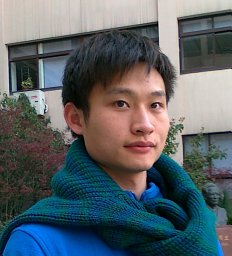 Luo Xun合作论文数Department of Surgery, Johns Hopkins University School of Medicine14
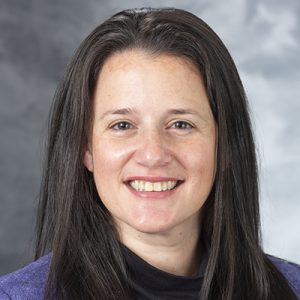 Jacqueline Garonzik Wang合作论文数Department of Surgery, School of Medicine and Public Health, University of Wisconsin13
 Henderson Macey合作论文数NYU Langone Health;NYU Grossman School of Medicine11
 Sunjae Bae合作论文数9Allan Massie合作论文数9Niraj M Desai合作论文数7
 Kyle Jackson合作论文数7
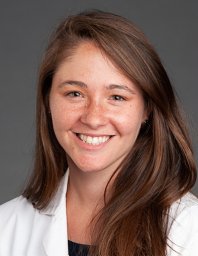 Jennifer Lauren Alejo合作论文数7Jennifer Motter合作论文数the Department of Surgery, The Johns Hopkins University School of Medicine;Imaging Biomarkers and Computer-Aided Diagnosis Laboratory, National Institutes of Health Clinical Center;and Department of Epidemiology, The Johns Hopkins Bloomberg School of Public Health6
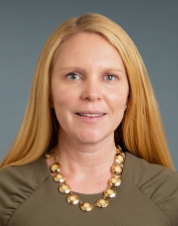 Mara A. McAdams Demarco合作论文数Johns Hopkins University;Department of Surgery, Grossman School of Medicine, NYU;Department of Population Health, Grossman School of Medicine, NYU6
 Sandra R Dibrito合作论文数Department of Surgery, The Johns Hopkins University6
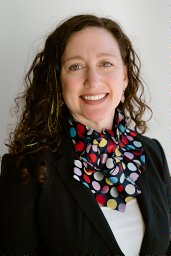 Sommer E Gentry合作论文数NYU Grossman School of Medicine6
 Fawaz Al Ammary合作论文数6Jacqueline Wang合作论文数5
 Alvin G. Thomas合作论文数Center for Surgical and Transplant Applied Research, Grossman School of Medicine, New York University5
 Kucirka Lauren M合作论文数Dept Surg, Johns Hopkins Univ5Saad K Anjum合作论文数4Courtenay M Holscher合作论文数4The Johns Hopkins Medical Institutions4Madeleine M Waldram合作论文数4Elizabeth King合作论文数4
 Tanveen Ishaque合作论文数Department of Surgery, The Johns Hopkins University School of Medicine4
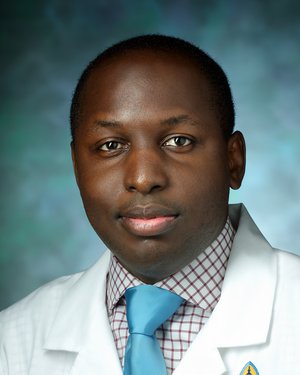 Abimereki D. Muzaale合作论文数Department of Otolaryngology-Head and Neck Surgery, School of Medicine, Johns Hopkins University4Lonze Bonnie E合作论文数Dept Surg, Johns Hopkins Med Inst4Robin K. Avery合作论文数4Daniel C. Brennan合作论文数4Teresa Po-Yu Chiang合作论文数3Teresa Chiang合作论文数3Suhani Patel合作论文数3Luckmini Liyanage合作论文数3Amrita Saha合作论文数Rotman School of Management, University of Toronto3Jaime Glorioso合作论文数3
 William Werbel合作论文数3Jeffrey Stern合作论文数Transplant Inst, NYU Langone Hlth3Yifan Yu合作论文数3Samantha E Halpern合作论文数3
 Aaron A. R. Tobian合作论文数Epidemiology, Bloomberg School of Public Health, Johns Hopkins University3
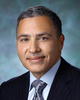 Benjamin Philosophe合作论文数Department of Otolaryngology-Head and Neck Surgery, School of Medicine, Johns Hopkins University3
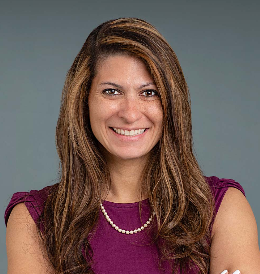 Macey L. Levan合作论文数Department of Surgery, Grossman School of Medicine, New York University;Center for Surgical and Transplant Applied Research Qualitative Core, NYU Langone Health3
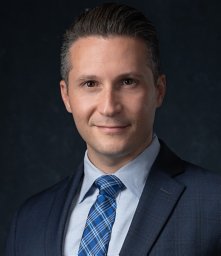 Boyarsky Brian J合作论文数Department of Surgery, Johns Hopkins University School of Medicine3
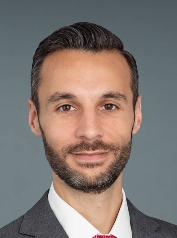 Babak J. Orandi合作论文数Department of Surgery, School of Medicine, NYU Langone Health;Department of Medicine, School of Medicine, NYU Langone Health3Zhou Sheng合作论文数3
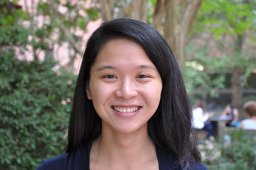 Poon Anna K合作论文数The Welch Center for Prevention, Epidemiology, and Clinical Research, The Johns Hopkins Bloomberg School of Public Health3Christine Durand合作论文数3
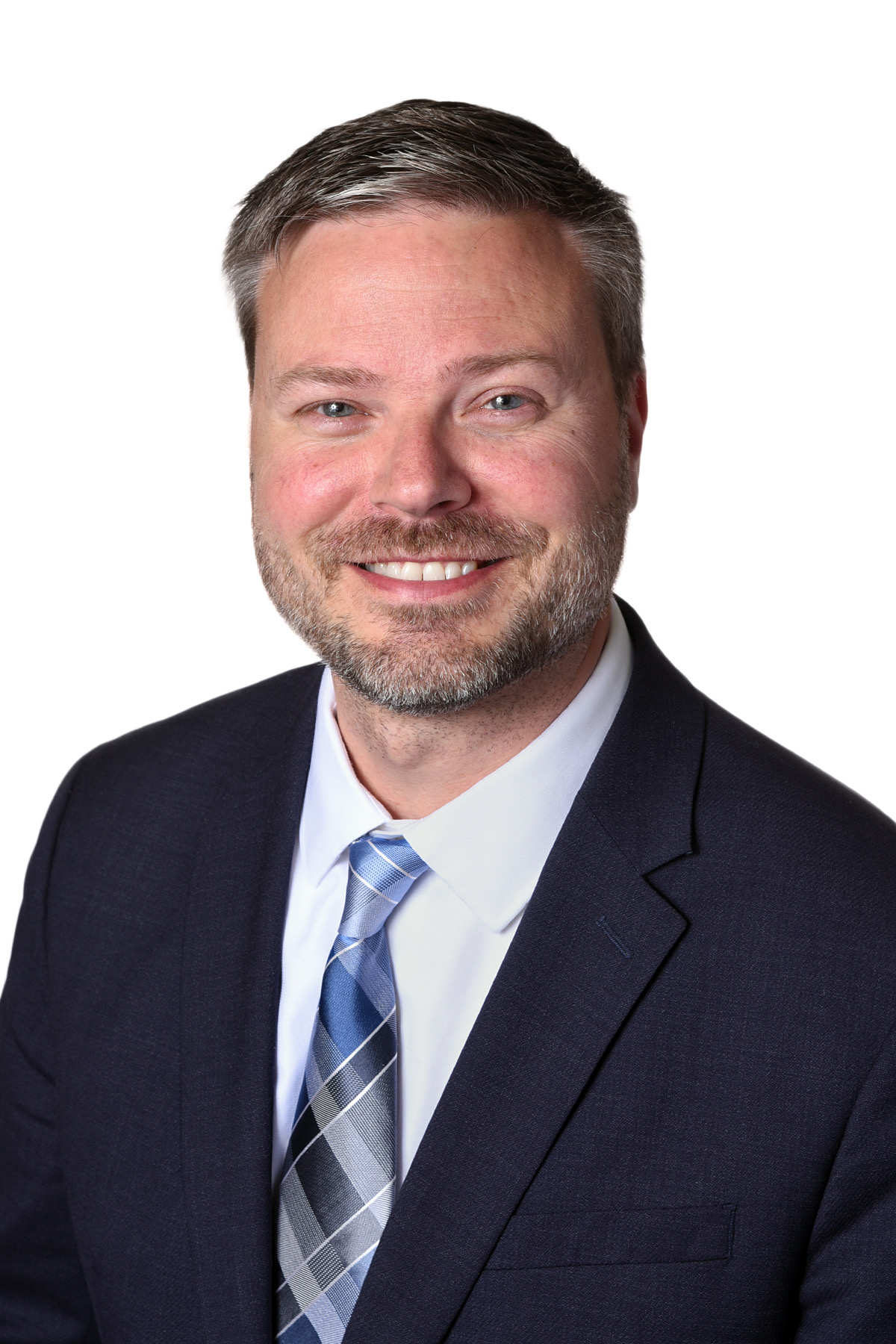 Jon Snyder合作论文数University of Minnesota Medical School;Hennepin Healthcare Research Institute;Scientific Registry of Transplant Recipients3
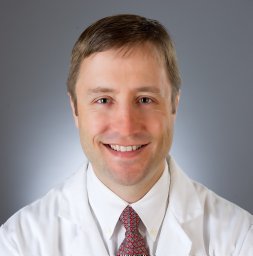 Adam Griesemer合作论文数Department of Molecular Biology, Pharmacology, Washington University School of Medicine3
 Andrew Cameron合作论文数School of Physics and Astronomy, University of St Andrews3Kelly Terlizzi合作论文数2Shane E Ottman合作论文数2




