The limited understanding of transporter substrate spectra constrains our ability to interpret cell and membrane function, highlighting the need for methods that enable transporter deorphanization and characterization of promiscuous transport activities. Here, we present a Xenopus oocyte-based platform for unbiased transporter substrate discovery. Oocytes expressing heterologous solute carrier proteins (SLC) were incubated in human blood serum, a chemically complex metabolite library containing thousands of endogenous metabolites and xenobiotics, followed by paired untargeted LC-MS/MS profiling of intracellular extracts and surrounding medium to capture metabolite exchange events. Across the five human SLC transporters, viz. SLC10A2, SLC10A6, SLC13A2, SLC16A10, and SLC46A1, metabolite exchange signatures were detected, and automated feature annotation was refined by manual chromatographic peak inspection. The workflow recovered known substrates of SLC10A2 and SLC16A10 and identified additional transported metabolites with MS/MS confirmation. This method provides a scalable framework for transporter substrate profiling and prioritization of candidates for targeted validation.
Blood can clot into anomalous, fibrinolysis-resistant forms that arise from prothrombotic seeding areas, including damaged cellular debris and membrane-derived surfaces, giving rise to what we have termed fibrinaloid microclot complexes (colloquially: microclots). Their proteolytic resistance is due in part to the fact that they are amyloid in nature, and they can also entrap inhibitors of proteolysis. They consist of a variety of proteins besides the expected fibrin, and are highly enriched for other amyloidogenic proteins (in contrast to normal clots, whose proteome largely reflects the soluble plasma proteome). They also contain DNA in the form of neutrophil extracellular traps (NETs). Importantly, fibrinaloid microclot complexes are heterogeneous structures comprising multiple phenotypic forms, including those that nucleate and grow on cellular debris such as damaged membranes, microparticles, and immune-derived material. We consider that these debris-associated complexes can act as catalytic scaffolds that recruit fibrin(ogen) and inflammatory molecules, thereby amplifying amyloidogenic transformation and prothrombotic activity. Fibrinaloid microclot complexes have been reported in a widening range of chronic inflammatory and thrombo-inflammatory diseases in which they have been sought, and are highly enriched for amyloidogenic proteins. Additionally, the thrombi extracted from ischaemic stroke also contain proteins in an amyloid form. One mechanism that explains how such macroclots can form and block arteries larger than any leading to them is that this occurs via the accretion of microclots that already contain amyloid. We here show that these microclots exhibit a classical ‘apple-green’ birefringence when stained with the dye Congo red. It is now important to determine whether inhibiting amyloid-forming clot transitions has therapeutic value.
Cellular senescence is a well-established biological phenomenon in eukaryotes. It involves DNA damage, telomere shortening, a senescence-associated secretory phenotype (SASP), and the inability of cells to replicate. It is associated with ageing, and also with oxidative stress. Given the importance of oxidative stress in pre-eclampsia, there is considerable evidence, that we review, that senescence plays an important role in both normal placental development and in the development of both early-and late-term pre-eclampsia. Autophagy is capable of delaying or even reversing the development of senescence, and certain small molecules such as sulforaphane and spermidine can stimulate autophagy, including via the redox-sensitive transcription factor Nrf2. Ergothioneine is a thiohistidine antioxidant that is protective against a variety of cardiovascular and other diseases. Ergothioneine also interacts with Nrf2, and pre-eclampsia occurs far less frequently in individuals with higher plasma ergothioneine levels. Together, these elements provide a self-consistent, molecular and systems biology explanation for at least one mechanism by which ergothioneine may be protective against pre-eclampsia.
Membrane transporters play crucial roles in metabolite exchange, cellular communication, and metabolic homeostasis and are attractive targets in metabolic engineering for the development of microbial cell factories. While transporter engineering has proven effective in enhancing nutrient uptake, improving product secretion, and optimizing metabolic flux, its broader application is limited by incomplete knowledge of membrane transport systems and the sometimes high promiscuity of transporters, often resulting in unpredictable outcomes. This review provides an overview of recent progress in transporter engineering and characterization methods, highlighting their potential to enhance the production of bio-based chemicals.
We analyse the effectiveness of differential evolution hyperparameters in large-scale search problems, i.e. those with very many variables or vector elements, using a novel objective function that is easily calculated from the vector/string itself. The objective function is simply the sum of the differences between adjacent elements. For both binary and real-valued elements whose smallest and largest values are min and max in a vector of length N, the value of the objective function ranges between 0 and (N-1) × (max-min) and can thus easily be normalised if desired. This provides for a conveniently rugged landscape. Using this we assess how effectively search varies with both the values of fixed hyperparameters for Differential Evolution and the string length. String length, population size and generations for computational iterations have been studied. Finally, a neural network is trained by systematically varying three hyper-parameters, viz population (NP), mutation factor (F) and crossover rate (CR), and two output target variables are collected (a) median and (b) maximum cost function values from 10-trial experiments. This neural system is then tested on an extended range of data points generated by varying the three parameters on a finer scale to predict both median and maximum function costs. The results obtained from the machine learning model have been validated with actual runs using Pearson’s coefficient to justify the reliability to motivate the use of machine learning techniques over grid search for hyper-parameter search for numerical optimisation algorithms. The performance has also been compared with SMAC3 and OPTUNA in addition to grid search and random search.
'Blood stasis' (syndrome) (BSS) is a fundamental concept in Traditional Chinese Medicine (TCM), where it is known as Xue Yu (). Similar concepts exist in Traditional Korean Medicine ('Eohyul') and in Japanese Kampo medicine (Oketsu). Blood stasis is considered to underpin a large variety of inflammatory diseases, though an exact equivalent in Western systems medicine is yet to be described. Some time ago we discovered that blood can clot into an anomalous amyloid form, creating what we have referred to as fibrinaloid microclots. These microclots occur in a great many chronic, inflammatory diseases are comparatively resistant to fibrinolysis, and thus have the ability to block microcapillaries and hence lower oxygen transfer to tissues, with multiple pathological consequences. We here develop the idea that it is precisely the fibrinaloid microclots that relate to, and are largely mechanistically responsible for, the traditional concept of blood stasis (a term also used by Virchow). First, the diseases known to be associated with microclots are all associated with blood stasis. Secondly, by blocking red blood cell transport, fibrinaloid microclots provide a simple mechanistic explanation for the physical slowing down ('stasis') of blood flow. Thirdly, Chinese herbal medicine formulae proposed to treat these diseases, especially Xue Fu Zhu Yu and its derivatives, are known mechanistically to be anticoagulatory and anti-inflammatory, consistent with the idea that they are actually helping to lower the levels of fibrinaloid microclots, plausibly in part by blocking catalysis of the polymerization of fibrinogen into an amyloid form. We rehearse some of the known actions of the constituent herbs of Xue Fu Zhu Yu and specific bioactive molecules that they contain. Consequently, such herbal formulations (and some of their components), which are comparatively little known to Western science and medicine, would seem to offer the opportunity to provide novel, safe, and useful treatments for chronic inflammatory diseases that display fibrinaloid microclots, including Myalgic Encephalopathy/Chronic Fatigue Syndrome, long COVID, and even ischemic stroke.
Background and Purpose: Long COVID is a complex multisystemic disease state, which represents a huge economic and health burden worldwide. Hypercoagulation and the formation of fibrinaloid microclots have been proposed as an underlying pathology, which may underpin a wide variety of presenting symptoms, via reduced blood flow and cellular energy production. Postexertional malaise (PEM) is common and exercise therapy should not be recommended without addressing the underlying pathology. Case Presentation: Patient was female, 43, with Long COVID for 21 months characterized primarily by extreme fatigue, exercise intolerance, PEM, cognitive dysfunction, and postural orthostatic tachycardia syndrome. She was unable to work or leave the house unless for essential medical appointments. Before her initial severe acute respiratory syndrome coronavirus 2 infection, she had no prior health conditions or comorbidities, a body mass index of 20.8, and engaged in regular vigorous exercise. Intervention: This case report describes a patient treated with enoxaparin, a low molecular weight heparin, at 20 mg per day subcutaneously, with assessment at 8 weeks. Outcomes: The patient's function and quality of life improved markedly, as reported subjectively, and with objective measurements at 8 weeks. Levels of activity improved markedly with no adverse events. The severity of PEM decreased dramatically, and postural orthostatic tachycardia syndrome was better controlled. The FUNCAP score, used to measure functional capacity, increased from 3.3 (moderately affected) to 5.07 (mildly affected) after treatment. Discussion: It is recommended that this treatment should be further investigated to elucidate the role of enoxaparin in addressing underlying pathology in Long COVID, including hypercoagulation and microclots.
Amyloidogenic proteins play a central role in a range of pathological conditions, yet their presence in thrombi has only recently been recognized. Whether computational prediction tools can identify amyloid- forming potential in thrombus proteomes remains unclear. AmyloGram is a computational tool that estimates amyloid-forming potential based on n-gram sequence encoding and random forest classification. Using AmyloGram, we analyzed 204 proteins in UniProt that were tagged by humans as amyloidogenic. We then applied the same approach to proteins identified in thrombi retrieved using mechanical thrombectomy from patients with cardioembolic and atherothrombotic stroke. In addition, we used AmyloGram to analyze the amyloidogenicity of 83,567 canonical human protein sequences. Among the UniProt-annotated 'amyloid' set, nearly all proteins received AmyloGram scores above 0.7, including 23 of the 24 human proteins. Even the lowest-scoring human protein, lysozyme (scoring 0.675), is known to form amyloid under certain conditions. In thrombi from both stroke subtypes in four different studies, all detected proteins (with a single exception) had AmyloGram scores above 0.7, suggesting a high likelihood of amyloid content. A majority of unannotated proteins also achieve AmyloGram scores exceeding 0.7. AmyloGram reliably identifies known amyloid-forming proteins and reveals that stroke thrombi are enriched for proteins with high amyloidogenic potential. These findings support the hypothesis that thrombus formation in stroke involves amyloid-related mechanisms and warrant further investigation using histological and functional validation.
Clozapine is an antipsychotic drug whose accumulation in white cells can sometimes prove toxic; understanding the transporters and alleles responsible is thus highly desirable. We used a strategy in which a yeast (Saccharomyces cerevisiae) CRISPR-Cas9 knock-out library was exposed to cytotoxic concentrations of clozapine to determine those transporters whose absence made it more resistant; we also recognised the structural similarity of the fluorescent dye safranin O (also known as safranin T) to clozapine, allowing it to be used as a surrogate marker. Strains lacking the mitochondrial ABC transporter MDL1 (encoded by YLR188W) showed substantial resistance to clozapine. MDL1 overexpression also conferred extra sensitivity to clozapine and admitted a massive increase in the cellular and mitochondrial uptake of safranin O, as determined using flow cytometry and microscopically. Yeast lacking mitochondria showed no such unusual accumulation. Mitochondrial MDL1 is thus the main means of accumulation of clozapine in S. cerevisiae. The closest human homologue of S. cerevisiae MDL1 is ABCB10.
Transport systems play a pivotal role in bacterial physiology and represent potential targets for medical and biotechnological applications. However, even in well-studied organisms like Escherichia coli, a notable proportion of transporters, exceeding as many as 30%, remain classified as orphans due to their lack of known substrates. This study leveraged high-resolution LC-MS-based untargeted metabolomics to identify candidate substrates for these orphan transporters. Human serum, including a diverse array of biologically relevant molecules, served as an unbiased source for substrate exposure. The analysis encompassed 26 paired transporter mutant contrasts (i.e., knockout vs. overexpression), compared with the wild type, revealing distinct patterns of substrate uptake and excretion across various mutants. The convergence of candidate substrates across mutant scenarios provided robust validation, shedding light on novel transporter-substrate relationships, including those involving yeaV, hsrA, ydjE, and yddA. Furthermore, several substrates were contingent upon the specific mutants employed. This investigation underscores the utility of untargeted metabolomics for substrate identification in the absence of prior knowledge and lays the groundwork for subsequent validation experiments, holding significant implications for both medical and biotechnological advancements.
In classical amyloidoses, amyloid fibres form through the nucleation and accretion of protein monomers, with protofibrils and fibrils exhibiting a cross-β motif of parallel or antiparallel β-sheets oriented perpendicular to the fibre direction. These protofibrils and fibrils can intertwine to form mature amyloid fibres. Similar phenomena can occur in blood from individuals with circulating inflammatory molecules (and also some originating from viruses and bacteria). Such pathological clotting can result in an anomalous amyloid form termed fibrinaloid microclots. Previous proteomic analyses of these microclots have shown the presence of non-fibrin(ogen) proteins, suggesting a more complex mechanism than simple entrapment. We thus provide evidence against such a simple entrapment model, noting that clot pores are too large and centrifugation would have removed weakly bound proteins. Instead, we explore whether co-aggregation into amyloid fibres may involve axial (multiple proteins within the same fibril), lateral (single-protein fibrils contributing to a fibre), or both types of integration. Our analysis of proteomic data from fibrinaloid microclots in different diseases shows no significant quantitative overlap with the normal plasma proteome and no correlation between plasma protein abundance and their presence in fibrinaloid microclots. Notably, abundant plasma proteins like α-2-macroglobulin, fibronectin, and transthyretin are absent from microclots, while less abundant proteins such as adiponectin, periostin, and von Willebrand factor are well represented. Using bioinformatic tools, including AmyloGram and AnuPP, we found that proteins entrapped in fibrinaloid microclots exhibit high amyloidogenic tendencies, suggesting their integration as cross-β elements into amyloid structures. This integration likely contributes to the microclots’ resistance to proteolysis. Our findings underscore the role of cross-seeding in fibrinaloid microclot formation and highlight the need for further investigation into their structural properties and implications in thrombotic and amyloid diseases. These insights provide a foundation for developing novel diagnostic and therapeutic strategies targeting amyloidogenic cross-seeding in blood clotting disorders.
Myalgic Encephalomyelitis/Chronic Fatigue Syndrome (ME/CFS) is a chronic, debilitating disease characterised by a wide range of symptoms that severely impact all aspects of life. Despite its significant prevalence, ME/CFS remains one of the most understudied and misunderstood conditions in modern medicine. ME/CFS lacks standardised diagnostic criteria owing to variations in both inclusion and exclusion criteria across different diagnostic guidelines, and furthermore, there are currently no effective treatments available. Moving beyond the traditional fragmented perspectives that have limited our understanding and management of the disease, our analysis of current information on ME/CFS represents a significant paradigm shift by synthesising the disease's multifactorial origins into a cohesive model. We discuss how ME/CFS emerges from an intricate web of genetic vulnerabilities and environmental triggers, notably viral infections, leading to a complex series of pathological responses including immune dysregulation, chronic inflammation, gut dysbiosis, and metabolic disturbances. This comprehensive model not only advances our understanding of ME/CFS's pathophysiology but also opens new avenues for research and potential therapeutic strategies. By integrating these disparate elements, our work emphasises the necessity of a holistic approach to diagnosing, researching, and treating ME/CFS, urging the scientific community to reconsider the disease's complexity and the multifaceted approach required for its study and management.
Aromatic compounds are used in pharmaceutical, food, textile and other industries. Increased demand has sparked interest in exploring biotechnological approaches for their sustainable production as an alternative to chemical synthesis from petrochemicals or plant extraction. These aromatic products may be toxic to microorganisms, which complicates their production in cell factories. In this study, we analysed the toxicity of multiple aromatic compounds in common production hosts. Next, we screened a subset of toxic aromatics, namely 2-phenylethanol, 4-tyrosol, benzyl alcohol, berberine and vanillin, against transporter deletion libraries in Escherichia coli and Saccharomyces cerevisiae. We identified multiple transporter deletions that modulate the tolerance of the cells towards these compounds. Lastly, we engineered transporters responsible for 2-phenylethanol tolerance in yeast and showed improved 2-phenylethanol bioconversion from L-phenylalanine, with deletions of YIA6, PTR2 or MCH4 genes improving titre by 8-12% and specific yield by 38-57%. Our findings provide insights into transporters as targets for improving the production of aromatic compounds in microbial cell factories.
Long coronavirus disease 2019 (COVID-19)-a postacute consequence of severe acute respiratory syndrome coronavirus 2 infection-manifests with a broad spectrum of relapsing and remitting or persistent symptoms as well as varied levels of organ damage, which may be asymptomatic or present as acute events such as heart attacks or strokes and recurrent infections, hinting at complex underlying pathogenic mechanisms. Central to these symptoms is vascular dysfunction rooted in thrombotic endothelialitis. We review the scientific evidence that widespread endothelial dysfunction (ED) leads to chronic symptomatology. We briefly examine the molecular pathways contributing to endothelial pathology and provide a detailed analysis of how these cellular processes underpin the clinical picture. Noninvasive diagnostic techniques, such as flow-mediated dilation and peripheral arterial tonometry, are evaluated for their utility in identifying ED. We then explore mechanistic, cellular-targeted therapeutic interventions for their potential in treating ED. Overall, we emphasize the critical role of cellular health in managing Long COVID and highlight the need for early intervention to prevent long-term vascular and cellular dysfunction.
The exchange of small molecules between the cell and the environment happens through transporter proteins. Besides nutrients and native metabolic products, xenobiotic molecules are also transported, however it is not well understood which transporters are involved. In this study, by combining exo-metabolome screening in yeast with transporter characterization in Xenopus oocytes, we mapped the activity of 30 yeast transporters toward six small non-toxic substrates. Firstly, using LC-MS, we determined 385 compounds from a chemical library that were imported and exported by S. cerevisiae. Of the 385 compounds transported by yeast, we selected six compounds (viz. sn-glycero-3-phosphocholine, 2,5-furandicarboxylic acid, 2-methylpyrazine, cefadroxil, acrylic acid, 2-benzoxazolol) for characterization against 30 S. cerevisiae xenobiotic transport proteins expressed in Xenopus oocytes. The compounds were selected to represent a diverse set of chemicals with a broad interest in applied microbiology. Twenty transporters showed activity toward one or more of the compounds. The tested transporter proteins were mostly promiscuous in equilibrative transport (i.e., facilitated diffusion). The compounds 2,5-furandicarboxylic acid, 2-methylpyrazine, cefadroxil, and sn-glycero-3-phosphocholine were transported equilibratively by transporters that could transport up to three of the compounds. In contrast, the compounds acrylic acid and 2-benzoxazolol, were strictly transported by dedicated transporters. The prevalence of promiscuous equilibrative transporters of non-native substrates has significant implications for strain development in biotechnology and offers an explanation as to why transporter engineering has been a challenge in metabolic engineering. The method described here can be generally applied to study the transport of other small non-toxic molecules. The yeast transporter library is available at AddGene (ID 79999).
Two-stage (e.g. light-dark) phosphorylation experiments showed that there is a stored 'high-energy' intermediate linking electron transport and phosphorylation. Large, artificial electrochemical proton gradients (protonmotive forces or pmfs) can also drive phosphorylation, a fact seen as strongly supportive of the chemiosmotic coupling hypothesis that a pmf is the 'high-energy' intermediate. However, in such experiments there is an experimental threshold (pmf >170 mV, equivalent to Delta pH similar to 2.8) below which no phosphorylation is in fact observed, and 220 mV are required to recreate in vivo rates. This leads to the correct question, which is then whether those values of the pmf generated by electron transport are large enough. Even the lower ones as required for any phosphorylation (leave alone those required to explain in vivo rates) are below the threshold [1, 2], whether measured directly with microelectrodes or via the use of membrane-permeant ions and/or acids/bases (which are always transporter substrates [3], so all such measurements are in fact artefactual). The single case that seemed large enough (220 mV) is now admitted to be a diffusion potential artefact [4]. Many other observables (inadequate bulk H+ in 'O-2-pulse'-type experiments, alkaliphilic bacteria, dual-inhibitor titrations, uncoupler-binding proteins, etc.) are consistent with the view that values of the pmf, and especially of Delta psi, are actually very low. A protet-based charge separation model [2], a protonic version analogous to how energy may be stored in devices called electrets, provides a high-energy intermediate that can explain the entire literature, including the very striking demonstration [5] that close proximity is required between electron transport and ATP synthase complexes for energy coupling between them to allow phosphorylation to occur. A chief purpose of this article is thus to summarise the extensive and self-consistent literature, much of which is of some antiquity and rarely considered by modern researchers, despite its clear message of the inadequacy of chemiosmotic coupling to explain these phenomena.
Atrial fibrillation (AF) is a comorbidity of a variety of other chronic, inflammatory diseases for which fibrinaloid microclots are a known accompaniment (and in some cases, a cause, with a mechanistic basis). Clots are, of course, a well-known consequence of atrial fibrillation. We here ask the question whether the fibrinaloid microclots seen in plasma or serum may in fact also be a cause of (or contributor to) the development of AF. We consider known ‘risk factors’ for AF, and in particular, exogenous stimuli such as infection and air pollution by particulates, both of which are known to cause AF. The external accompaniments of both bacterial (lipopolysaccharide and lipoteichoic acids) and viral (SARS-CoV-2 spike protein) infections are known to stimulate fibrinaloid microclots when added in vitro, and fibrinaloid microclots, as with other amyloid proteins, can be cytotoxic, both by inducing hypoxia/reperfusion and by other means. Strokes and thromboembolisms are also common consequences of AF. Consequently, taking a systems approach, we review the considerable evidence in detail, which leads us to suggest that it is likely that microclots may well have an aetiological role in the development of AF. This has significant mechanistic and therapeutic implications.
Kynurenic acid (KYNA) is an antioxidant degradation product of tryptophan that has been shown to have a variety of cytoprotective, neuroprotective and neuronal signalling properties. However, mammalian transporters and receptors display micromolar binding constants; these are consistent with its typically micromolar tissue concentrations but far above its serum/plasma concentration (normally tens of nanomolar), suggesting large gaps in our knowledge of its transport and mechanisms of action, in that the main influx transporters characterized to date are equilibrative, not concentrative. In addition, it is a substrate of a known anion efflux pump (ABCC4), whose in vivo activity is largely unknown. Exogeneous addition of L-tryptophan or L-kynurenine leads to the production of KYNA but also to that of many other co-metabolites (including some such as 3-hydroxy-L-kynurenine and quinolinic acid that may be toxic). With the exception of chestnut honey, KYNA exists at relatively low levels in natural foodstuffs. However, its bioavailability is reasonable, and as the terminal element of an irreversible reaction of most tryptophan degradation pathways, it might be added exogenously without disturbing upstream metabolism significantly. Many examples, which we review, show that it has valuable bioactivity. Given the above, we review its potential utility as a nutraceutical, finding it significantly worthy of further study and development.
 Warwick Dunn合作论文数Institute of Systems, Molecular and Integrative Biology, Department of Biochemistry and Systems Biology, Faculty of Health & Life Sciences, University of Liverpool;School of Biosciences, University of Birmingham;Mass Spectrometry for Phenome Centre, University of Birmingham61
 David Broadhurst合作论文数Centre for Integrative Metabolomics & Computational Biology, Edith Cowan University49
 Roy Goodacre合作论文数Institute of Systems, Molecular and Integrative Biology, Faculty of Health and Life Sciences, University of Liverpool49
 Resia Pretorius合作论文数Department of Physiological Sciences, Faculty of Science, Stellenbosch University42
 Steve Oliver合作论文数Department of Biochemistry, University of Cambridge;Cambridge Systems Biology Centre, University of Cambridge42
 Neil Swainston合作论文数School of Chemistry, and Manchester Interdisciplinary Biocentre, University of Manchester40
 Louise Kenny合作论文数26
 Steve O'Hagan合作论文数Dept Chem, Univ Manchester25
 Marie Brown合作论文数21
 Pedro Mendes合作论文数Center for Cell Analysis and Modeling, UConn Health20
 Philip J. Day合作论文数Faculty of Biology, University of Manchester19
 Joshua Knowles合作论文数School of Computer Science, University of Birmingham;Schlumberger Cambridge Research Limited19Jem J. Rowland合作论文数19Philip N. Baker合作论文数19
 Hazel Marie Davey合作论文数Institute of Biological Sciences;University of Wales;Institute of Biological Sciences, University of Wales18Arseny S. Kaprelyants合作论文数17
 Andrew Currin合作论文数15David S. Broomhead合作论文数Department of Mathematics;University of Manchester;Institute of Science;Institute of Science, University of Manchester14Paul D. Dobson合作论文数Department of Biomolecular Sciences, UMIST14Andrew M. Woodward合作论文数14
 Irena Spasic合作论文数School of Computer Science & Informatics, Cardiff University14
 Irina Borodina合作论文数13
 Norman W. Paton合作论文数School of Computer Science, University of Manchester13
 Kieran Smallbone合作论文数The University of Manchester12
 Mick D. Brown合作论文数11
 Catherine L. Winder合作论文数School of Chemistry, The University of Manchester11C. L. Davey合作论文数10
 Marina Wright Muelas合作论文数Dept Biochem & Syst Biol, Univ Liverpool10Michael R H White合作论文数10J. G. Morris合作论文数10
 Chris Davey合作论文数10
 Pinar Pir合作论文数United Kingdom10Galina V. Mukamolova合作论文数Bakh Institute of Biochemistry;Russian Academy of Sciences;Leninskii prospekt;Bakh Institute of Biochemistry, Russian Academy of Sciences10
 Alexander Heazell合作论文数Lydia Becker Institute of Immunology and Inflammation, School of Biological Sciences, The University of Manchester;Division of Developmental Biology and Medicine, The University of Manchester9
 Bester Janette合作论文数Faculty of Health Sciences, University of Pretoria9Simon J. Gaskell合作论文数9
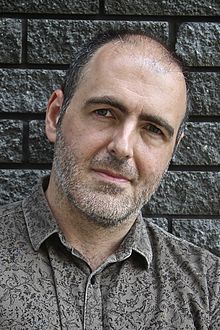 Stephen Pettifer合作论文数Department of Computer Science, The University of Manchester9Naglis Malys合作论文数Kaunas Univ Technol, Fac Chem Technol, Bioproc Res Ctr, Radvilenu Pl 19, LT-50254 Kaunas, Lithuania.9
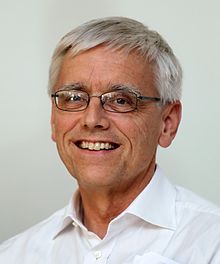 H.V. (Hans) Westerhoff合作论文数Swammerdam Institute for Life Sciences, Faculty of Science, University of Amsterdam8
 Nigel S. Scrutton合作论文数Manchester Institute of Biotechnology, FSE Research Institutes, Faculty of Science and Engineering, University of Manchester;Department of Chemistry, School of Natural Sciences, Faculty of Science and Engineering, University of Manchester8Begley Paul合作论文数8Michael K. Winson合作论文数Institute of Biological Sciences, University of Wales8
 Evangelos Simeonidis合作论文数Centre for Process Systems Engineering, University College London8
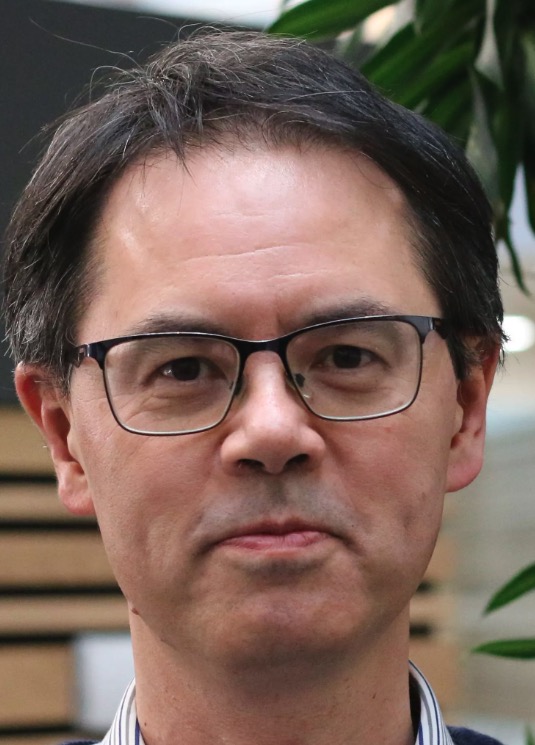 David Wedge合作论文数Cancer Genomics and Data Science at the Manchester Cancer Research Centre, University of Manchester8Lachlan J Munro合作论文数7Steven A van der Hoek合作论文数7Kathleen M. Carroll合作论文数7Janet Taylor合作论文数7




