We developed a pan-cancer patient-derived organoid (PDO) platform comprising 220 PDOs from 191 patients across 15 cancer types to advance functional precision oncology. Comprehensive characterization demonstrated high fidelity to parent tumors, with 93% histopathology concordance, 80% median genomic concordance for driver mutations, and a 0.85 median gene expression correlation. Expression profiles remained largely stable over 10 passages, ensuring reproducibility for long-term screening. Clonality analysis showed that 85% of dominant tumor clones were preserved, with genomic concordance directly reflecting clonal similarity. Even PDOs with lower concordance retained key oncogenic drivers, validating their utility as disease models. Functional assays revealed that 58% of PDOs from patients ineligible for US Food and Drug Administration-approved poly(adenosine 5 '-diphosphate-ribose) polymerase inhibitors were sensitive to talazoparib, linked to DNA damage repair alterations. Furthermore, combination screens identified agents that overcome resistance, particularly in TP53-mutant models. Our platform enables the investigation of targeted therapies and molecular drivers of drug sensitivity, providing translational insights for personalized treatment beyond current biomarker guidelines.
Background Sarcomatoid carcinoma of the bladder is a rare and aggressive biphasic malignant neoplasm, representing approximately 0.1-0.3% of all bladder cancers. It is characterized by the coexistence of malignant epithelial and mesenchymal components. Its poor prognosis and limited systemic treatment options underscore the need for improved molecular characterization. Case presentation A 75-year-old male with chronic cystitis and squamous metaplasia of the bladder presented with acute urinary obstruction caused by a large bladder mass. Histopathological evaluation revealed a biphasic tumor with rhabdomyosarcomatous and adenocarcinomatous components. Following radical cystoprostatectomy (pT2a pN0 cM0), whole-exome sequencing (WES) using the EXaCT-1 pipeline identified amplification of the 19q13 locus, including copy-number gains in AKT2 and ERCC2. Nine months postoperatively, the patient developed metastatic recurrence. Conclusions This case contributes to the molecular characterization of bladder sarcomatoid carcinoma through WES. The 19q13 amplification with AKT2 and ERCC2 copy-number gains represents a hypothesis-generating finding that warrants further investigation in larger cohorts.
Purpose:We sought to determine whether combining prostate health index (Phi) with urinary prostate cancer antigen 3 (PCA3) and TMPRSS2:ERG (T2:ERG) could improve selection of men for prostate biopsy. These biomarkers have been validated in prostate cancer (PCa) detection separately, but their combination has not previously been developed. Materials and Methods:Prebiopsy blood and post-digital rectal examination urine specimens were assayed to predict subsequent biopsy outcomes from training and validation cohorts (1073 participants across 11 academic centers). Clinical algorithms for combining Phi and PCA3-T2:ERG to predict Grade Group ≥ 2 (GG ≥ 2) PCa were formulated using the training cohort (N = 512). Prediction rules and hypotheses were locked before validation using biopsy-naïve men from the NCI Early Detection Research Network urinary PCA3 trial (N = 561). Rules were compared in weighted sum of specificity and sensitivity with weights specified a priori, and P values were obtained through bootstrap in the validation study. Results:Primary validation analysis showed that Phi combined with urinary PCA3 outperformed Phi alone (P = .002). Furthermore, serum Phi combined with urinary PCA3-T2:ERG outperformed urinary PCA3-T2:ERG in each of the 3 algorithms reflecting different potential clinical workflows: (1) serum Phi and urine PCA3-T2:ERG tested simultaneously, either exceeding its own threshold (P = .04); (2) urine PCA3-T2:ERG first and those in the grey zone resolved by subsequent serum Phi (P = .03); and (3) serum Phi first and those in the grey zone resolved by subsequent urine PCA3-T2:ERG (P = .002). Conclusions:Combining serum Phi with urinary PCA3 RNA alone or together with urinary T2:ERG RNA, simultaneously or sequentially, improves selection of men for initial prostate biopsy and represents an avenue to improve early detection of aggressive PCa.
We developed a tumor-matched, pan-cancer patient-derived organoid (PDO) platform comprising 220 PDOs from 190 patients across 15 cancer types to advance functional precision oncology. Our comprehensively characterized PDOs showed 93% histopathology concordance, 80% median genomic concordance for driver mutations, and a 0.85 median gene expression correlation with parent tumors. Gene expression in PDOs remained stable across ≥ 10 passages, supporting reproducibility for long-term drug screening. Even PDOs with low genomic concordance retained oncogenic drivers, supporting their use as disease models. Clonality analysis revealed that 85% of PDOs preserved dominant tumor clones. Higher genomic concordance was associated with greater clonal similarity, while lower genomic concordance was associated with clonal divergence. Functional assays showed that 58% of PDOs from a subset of patients ineligible for FDA-approved PARP inhibitors responded to Talazoparib, with sensitivity linked to alterations in DNA damage repair. Combination screens revealed drugs that effectively overcame resistance, especially in TP53-mutant PDOs. In summary, our platform supports investigation of targeted therapies, identification of molecular features linked to drug sensitivity, and translational discovery, offering insights into personalized cancer treatment beyond current biomarker guidelines. ### Competing Interest Statement H.N.G. is currently an employee at The Ohio State University, OH.V.B. is consultant with Allergan PLC and Applied Medical, M.D.G. is currently an employee at New York University, NY, holds equity in Faeth Therapeutics and Skye Biosciences, reports consulting or advisory roles with Almac Discovery, Genentech Inc., Faeth Therapeutics, Scorpion Therapeutics, and Skye Biosciences, has received honoraria from Pfizer Inc., and holds patents, royalties, and other intellectual property with Weill Cornell Medicine and Faeth Therapeutics. P.J.S. and K.H. are currently employees at Northwell Health, NY. J.H.Z. is a paid consultant for Kiehls, Hoth Therapeutics, and AmorePacific. E.C. holds an advisory role with AstraZeneca. M.D. is currently an employee at Morehouse School of Medicine, GA. P.M.K. is currently an employee at City of Hope, CA. J. Marti is currently an employee at Englewood Health, NJ. J.T.N. is currently an employee at Convergent Therapeutics, Inc. has received honoraria from Pfizer, reports consulting roles with AIQ Solutions, Pfizer, Bayer, and NexCure, and has received travel support from Pfizer and Digital Science Press. C.N.S. has received funds from Astellas Pharma, AstraZeneca, Bayer, Bristol-Myers Squibb/Medarex, Foundation Medicine, Genzyme, Gilead, Merck, MSD, Pfizer, Janssen, Roche, Medscape, UroToday, and Tolmar. B.M.F. serves as an Advisory/Scientific Board Member for the Bladder Cancer Advocacy Network, Inc., has received honoraria from Guardant Health, Inc. and UroToday, and has received research funding from Lilly. O.E. is a cofounder and equity holder in Volastra Therapeutics and OneThree Biotech; an equity holder and Scientific Advisory Board member for Owkin, Freenome, Genetic Intelligence, Acuamark DX, Harmonic Discovery, and Pionyr Immunotherapeutics; and an equity holder, SAB member, and consultant for Champions Oncology. O.E. has received research funding from Eli Lilly, Janssen (J&J), Sanofi, AstraZeneca, and Volastra Therapeutics. M.L.M. is currently an employee at Altos Labs, CA. The remaining authors have declared no competing interest.
INTRODUCTION:The OPTIMA II phase 2b study (NCT03558503) treated patients with low-grade intermediate-risk non-muscle invasive bladder cancer (LG-IR-NMIBC) with UGN-102, a reverse thermal hydrogel containing mitomycin. Efficacy and safety results have been reported for the 12-month parent study; here, we report 5-year follow-up data. PATIENTS AND METHODS:Patients who participated in the OPTIMA II study and achieved a complete response (CR) after 6 weekly doses of UGN-102 were followed for up to 9 months after initial CR. Those with CR at study completion were eligible to enroll in a further long-term follow-up (LTFU) study, during which there were no protocol-specified interventions/treatments, protocol-specified visits, or evaluations. Supervising physicians provided semiannual updates on patients' disease status. Duration of response (DoR) was calculated using the Kaplan-Meier method. RESULTS:Of the 41 patients achieving a CR at 3 months, 25 remained in CR at 12 months and 17 entered LTFU. For the 41 patients achieving a CR at 3 months the median Kaplan-Meier estimate of DoR was 24.2 months (95% confidence interval [CI], 9.72-42.09), with a median follow-up time of 35.8 months (95% CI, 10.78-60.98). For the 17 patients in the LTFU study the median DoR was 42.1 months (95% CI, 24.18-not estimable [NE]), with a median follow-up of 50.40 months (95% CI, 26.97-NE), CONCLUSION: These results demonstrate that treatment with UGN-102 results in clinically meaningful, and highly durable response in patients with LG-IR-NMIBC. UGN-102 may offer a promising non-surgical alternative to transurethral resection of bladder cancer (TURBT) for LG-IR-NMIBC patients.
4520 Background: Up to 40% of MIBC patients are ineligible to receive standard neoadjuvant cisplatin-based chemotherapy creating a significant unmet need. Based on our prior findings of frequent cell cycle alterations, we conducted the first window-of-opportunity, investigator-initiated trial of the CDK4/6 inhibitor abemaciclib (abema) followed by radical cystectomy (RC) in MIBC (NCT03837821). Methods: Eligibility was MIBC appropriate for RC and cisplatin-ineligibility or refusal. Planned treatment was abema (200mg BID PO) for 4-8 weeks prior to RC. We planned to enroll 20 patients (accounting for 20% attrition). 16 evaluable patients provided 80% power to detect 0.75 effect size (α = 0.05, r = 0.5 between pairs). Whole-exome (WES) and RNA sequencing of pre- and post-abema tissues and serial evaluation of ctDNA WES were performed on Caris Life Sciences' platform. Results: 20 patients received abema for a median of 36 days. Median age was 73, 16/20 were males, and 5/20 had cT4. 3 didn't undergo RC, and 1 withdrew consent. Abema resulted in pathologic complete response in 18.8% (3/16) and downstaging in 31.3% (5/16). No unexpected safety signals were detected. Grade 3 abema-related adverse events included anemia (4/20), abdominal pain (1/20) and diarrhea (1/20). Imaging Mass Cytometry of pre- and post-abema tissues showed a significant reduction in RB1 phosphorylation after abema confirming on-target activity. Variant allele frequency of somatic mutations significantly decreased after abema by 20.5% (p = 0.04), confirming its role in decreasing tumor burden. Serial ctDNA showed a significant reduction in tumor fraction (TF) following abema by 28.6%. Post-TURBT pre-abema TF increased but rapidly decreased within 2 weeks of abema (19.36%), confirming TF reduction was driven by abema not TURBT. Patients with CCND1 amplification had the most significant decrease in TF (63.8%) highlighting CCND1 as a potential response biomarker. Abema significantly downregulated MKI67, CCNA2, and PCNA proliferation markers with log-fold changes of -1.2, -0.7, and -0.6. Gene set enrichment analysis showed significant downregulation of E2F targets and G1/S transition pathways. Patients who achieved pathologic downstaging had significant decrease in E2F pathway activity (-1.6 vs. -0.4, p = 0.01) confirming that abema suppressed E2F-dependent cell proliferation. Interestingly, abema significantly inhibited homologous recombination repair of double-strand DNA break (DSBs) (FDR = 0.001), particularly TOPBP1 and RAD51. Conclusions: This first trial of short-term preoperative abema in MIBC demonstrated promising efficacy and tolerability while modulating cell cycle-dependent pathways. Our findings support future trials investigating sequential abema with antibody-drug conjugates such as enfortumab vedotin, where abema's effects on DSBs repair augment treatment response. Clinical trial information: NCT03837821 .
Abstract Intravesical therapies have been the mainstay of bladder cancer (BC) management; however, their efficacy is limited by toxicities, recurrences, and supply shortages. Consequently, many patients are recommended cystectomy, which is fraught with complications. Thus, bladder-sparing treatments present a major, unmet clinical need. Chimeric antigen receptor (CAR) T cell therapy, wherein T cells are engineered to express an artificial receptor to a target, is an immunotherapeutic approach with efficacy in hematologic malignancies. Similar success in solid tumors has been hindered by a lack of suitable targets, reduced T cell infiltration/activity, and toxicities, including on-target off-tumor effects and cytokine release syndromes. To overcome these limitations, locoregional delivery of CAR T cells is being investigated. Yet, to date, no studies have examined their potential as intravesical therapies. In this study, we used BC transcriptomics data to identify CAR targets which met criteria of high BC expression and minimal pan-tissue expression. We identified MUC16, a surface-bound glycoprotein, as a top candidate from this pipeline. Using MUC16 as a proof-of-principle target for BC-directed CAR T cell therapies, we designed second-generation CARs based on scFv derived from the anti-MUC16 antibody 3a5 (3a5-28z) and MUC16’s natural-ligand mesothelin (MSLN-28z) which were fused to CD28 co-stimulatory domains and CD3z chains of the T cell receptor. Using human BC lines expressing different MUC16 levels, we show MSLN-28z more effectively lyses MUC16+, but not MUC16-, cells than compared to 3a5-28z CAR T cells. Using gain- and loss-of-function studies in vitro, we show MUC16 is necessary and sufficient for MSLN-28z cytotoxicity and polyfunctionality, which requires signaling through CD28-CD3z endodomains. When delivered intravesically to orthotopic HT-1376 tumor bearing NSG mice, MSLN-28z CAR T cells confer superior tumor control in comparison to systemic intravenous adoptive transfers, which correlates with increased intratumoral T cell infiltrates. Despite this antitumoral effect, intravesical adoptive transfer in NSG mice results in limited systemic engraftment. To test the consequences of systemic escape after intravesical adoptive transfer, we corroborated these findings using the TRP-1 TCR autoimmune model, where intravenous adoptive transfer of TRP-1 T cells caused fur depigmentation within 30 days, whereas no mouse given the equivalent dose intravesically developed this toxicity. Similarly, using syngeneic MB49 BC cells modified to overexpress CD19, intravesical adoptive transfer of mCD19 CAR T cells significantly extends the survival of MB49-CD19 tumor-bearing C57BL/6 mice but does not result in peripheral B cell aplasia seen with intravenous transfers. Together, our findings substantiate MUC16 as a targetable antigen in BC and validate MSLN-based CAR T cells as an intravesical BCa therapy, with broad applicability to other target antigens and intravesical adoptive cell therapy platforms. Citation Format: Parwiz Abrahimi, Jonathan F Khan, Alyssa Duren-Lubanski, Winson Cai, Yacine Marouf, Nan Chen, Daniel Hirschhorn, Renata Mammone, Jacob Tallmann, Alejandra Vela-Moreno, Mohamad Hamieh, Bishoy Faltas, Hikmat Al-Ahmadie, Olivier Elemento, Benjamin D Hopkins, Douglas S Scherr, Renier J Brentjens, Jedd D Wolchok, Taha Merghoub. Intravesical CAR T Cell Therapy for Bladder Cancer Demonstrates Potent Antitumor Responses with Minimal Systemic Escape [abstract]. In: Proceedings of the AACR IO Conference: Discovery and Innovation in Cancer Immunology: Revolutionizing Treatment through Immunotherapy; 2025 Feb 23-26; Los Angeles, CA. Philadelphia (PA): AACR; Cancer Immunol Res 2025;13(2 Suppl):Abstract nr B006.
BACKGROUND AND OBJECTIVE:Some patients undergoing prostatectomy develop biochemical recurrence or have persistently detectable prostate-specific antigen level. Salvage radiotherapy (RT), delivered over ≥4 wk, is a current standard of care. Our objective was to demonstrate that salvage RT delivered in a five-fraction stereotactic body radiotherapy (SBRT) regimen does not significantly increase patient-reported genitourinary (GU) and gastrointestinal (GI) symptoms compared with a 20-fraction regimen (HYPO). METHODS:In this randomized noninferiority study, 137 patients were randomized 1:1 to salvage RT with 32.5 Gy in five fractions or 55 Gy in 20 fractions. We report acute changes in Expanded Prostate Cancer Index Composite (EPIC) scores and Common Terminology Criteria for Adverse Events at 3 and 6 mo. KEY FINDINGS AND LIMITATIONS:The difference in the changes in EPIC GU scores between SBRT and HYPO was 3.3 (95% confidence interval [CI], -8.53, 1.93), indicating a lack of a clinically meaningful difference. The difference in the changes in EPIC GI scores between SBRT and HYPO was 1.16 (95% CI, -5.15, 7.46), indicating a lack of a clinically meaningful difference. CONCLUSIONS AND CLINICAL IMPLICATIONS:Salvage RT delivered in five fractions was not associated with a significantly worse decline in patient-reported GU or GI toxicities at 3 or 6 mo. Further follow-up is necessary to monitor for potential differences in late toxicity and patient-reported outcomes.
INTRODUCTION:Women diagnosed with bladder cancer (BCa) are more likely to die of their disease as compared with men. Historical data suggest that this difference is in part due to delayed diagnosis, as the initial symptoms of BCa are often attributed to other causes, including UTI. Whether efforts to address this disparity have resulted in improvements in time to diagnosis in women is unknown. METHODS:We used the Merative MarketScan database to identify men and women diagnosed with BCa from January 2012 to December 2021 who had documented hematuria or UTI within the preceding year. The primary end point was time to BCa diagnosis following initial diagnosis of hematuria or UTI. RESULTS:A total of 12,667 patients with hematuria and 2350 patients with UTIs were included in our study. The median time to diagnosis was similar for women compared with men when the presenting diagnosis was hematuria (35.0 days, IQR: 14.0-79.8 vs 33.0 days, IQR: 14.0-69.0, P = .005) and longer when the presenting diagnosis was a UTI (82.0 days, IQR: 29.0-180.0 vs 63.0 days, IQR: 18.8-156.0, P < .001). Women presenting with hematuria were more likely to receive a subsequent diagnosis of UTI (28% vs 18%, P < .001) before BCa diagnosis. Men were less likely to experience delays in diagnosis of > 3 months (odds ratio 0.83, 95% CI: 0.79-0.91). CONCLUSIONS:Women continue to experience delays in BCa diagnosis, especially following diagnosis with a UTI. Our findings suggest that this disparity is driven largely by clinical suspicion of UTI.
 Shahrokh F. Shariat合作论文数Department of Urology, Medical University of Vienna, Vienna General Hospital;University of Texas Southwestern Medical Center;Weill Cornell Medicine, Cornell University165
 Pierre Karakiewicz合作论文数Department of Surgery, Universite de Montreal;Cancer Prognostics and Health Outcomes Unit, CHUM99
 Yair Lotan合作论文数Department of Urology, The University of Texas Southwestern Medical Center91
 Evanguelos Xylinas合作论文数Department of Urology, Bichat-Claude Bernard Hospital, Assistance Publique – Hôpitaux de Paris, Paris University75
 Michael Rink合作论文数66Jay D. Raman合作论文数62
 Brian D. Robinson合作论文数Weill Cornell Medical College, Cornell University;NewYork-Presbyterian Hospital59M. Manninger合作论文数56
 Bashir Al Hussein Al Awamlh合作论文数Department of Urology, New York Presbyterian Hospital/Weill Cornell Medicine53
 Eugene K. Cha合作论文数Memorial Sloan Kettering Cancer Center52
 Giacomo Novara合作论文数Dipartimento di Scienze Chirurgiche Oncologiche e Gastroenterologiche, Università di Padova48
 Christopher Barbieri合作论文数Graduate School of Medical Sciences, Weill Cornell Medical College46Shoag Jonathan E合作论文数43
 Padraic O'Malley合作论文数New York University Langone Medical Center43
 Scott T. Tagawa合作论文数NewYork-Presbyterian Hospital;Weill Cornell Medical College, Cornell University41
 Harun Fajkovic合作论文数41
 Andreas Zirlik合作论文数University of Freiburg41
 Luis Kluth合作论文数39
 Francesco Montorsi合作论文数Department of Urology, San Raffaele Hospital;Vita-Salute San Raffaele University of Milan38
 David Zweiker合作论文数38
 Richard Lee合作论文数Department of Urology, Weill Cornell Medical College;Department of Population Health Sciences, Weill Cornell Medical College38
 Armin Pycha合作论文数38
 Felix KH Chun合作论文数University Hospital Frankfurt;Department of Urology, University Medical Center Hamburg-Eppendorf37
 Jim C. Hu合作论文数Department of Urology, Weill Cornell Medical College, Cornell University;NewYork-Presbyterian Hospital36
 Alon Z. Weizer合作论文数Division of Urology, Department of Surgery, Duke University Medical Center36
 Casey K Ng合作论文数35
 Patrick Lewicki合作论文数Department of Urology, NewYork-Presbyterian Hospital32Lee Richstone合作论文数New Hyde Park32
 Christian Seitz合作论文数30
 Francesca Khani合作论文数Pathology and Laboratory Medicine, Weill Cornell Medicine, Cornell University29
 David A. Green合作论文数Department of Urology, Weill Cornell Medicine, Cornell University28
 Morgan Rouprêt合作论文数Sorbonne University;Hôpitaux de Paris28
 Stephen A. Boorjian合作论文数Department of Urology, Mayo Clinic28David M Golombos合作论文数27Vitaly Margulis合作论文数Dallas27
 Benjamin Taylor合作论文数Department of Urology, New York Presbyterian Hospital26
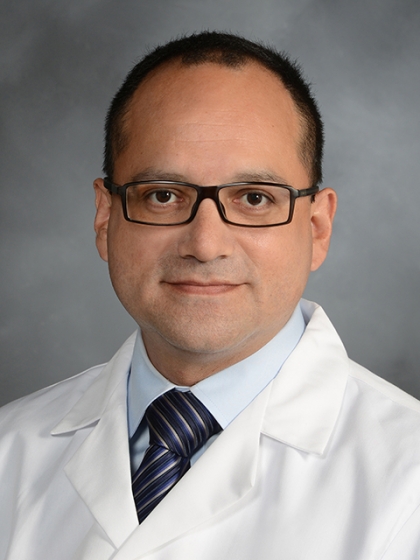 Juan Miguel Mosquera合作论文数Department of Pathology and Laboratory Medicine, Weill Cornell Medical College, Cornell University;New York-Presbyterian Hospital25
 Wassim Kassouf合作论文数Department of Surgery (Urology), McGill University25Nguyen Daniel P合作论文数25Peter Lercher合作论文数25U. Rohrer合作论文数24
 Mark Rubin合作论文数Department for BioMedical Research, Faculty of Medicine, University of Bern;Bern Center for Precision Medicine, University of Bern24
 Michael O Woods合作论文数Mem Univ Newfoundland, Discipline Genet, St John, NF, Canada23
 Koon Ho Rha (罗君镐)合作论文数Department of Urology, Yonsei University Medical School;Severance Hospital23Thomas F. Chromecki合作论文数23Richard Zigeuner合作论文数22
 Hans-Martin Fritsche合作论文数Urologie im DEZ22
 Alberto Briganti合作论文数Faculty of Medicine, Vita-Salute San Raffaele University;Department of Urology, IRCCS San Raffaele Hospital21
 Mesut Remzi合作论文数Department of Urology, Medical University of Vienna21




