To evaluate long-term catheter-free spontaneous voiding after surgery for benign prostatic enlargement (BPE) among patients presenting with an indwelling urethral catheter (IUC), using age-matched patients undergoing surgery for lower urinary tract symptoms (LUTS) without a catheter as a clinical reference group. We retrospectively analyzed 481 patients treated for BPE at our center between January 2017 and March 2019 using open or endoscopic surgical techniques. Of 143 patients referred with an IUC, 143 age-matched patients operated on for LUTS alone were selected as a clinical reference group (total n = 286). Telephone follow-up was performed in late 2021 after a median of 2.5 years (IQR 637–1140 days). Patients with IUC had larger prostates, higher preoperative post-void residual volumes, and more positive urine cultures than patients with LUTS alone. Early postoperative retention was numerically more frequent in the IUC group, while long-term catheter dependence was 4
Minimally invasive surgical therapies (MIST) for benign prostatic hyperplasia (BPH) have an advantage over other treatment options as they preserve sexual function and may be performed even in frail patients, often under local anesthesia. However, risks of clinical failure after such procedures may be considerably higher compared to standard modalities, making it important to assess the feasibility of repeat MIST in cases requiring retreatment. A literature review was conducted in 2 databases, PubMed (Medline) and Google Scholar, with the following search query: (Aquablation OR PUL OR iTIND OR PAE OR Rezum) AND retreatment. The review only included articles that presented reoperation type (repeat MIST or conventional procedures) and its rate after MIST. Data was extracted and summarized in a tabular form. Repeat MIST as a form of retreatment is technically feasible and has been reported for all modalities except iTIND (temporary implantable nitinol device) owing to the limited number of clinical trials. However, literature is sparse with detailed information about type of retreatment procedures and their outcomes, and reported rates of retreatment are low and variable: from 0
Background A bladder diverticulum is a source of infections, urinary stones, and malignancy. Until recent years, patients suffering from large obstructive prostate and diverticulum were treated with open surgery, which also allowed diverticulectomy. The transition to a closed approach has led to diverticulum preservation. The clinical implications of this preservation strategy have not been sufficiently studied. Materials and methods A retrospective comparison was made between holmium laser enucleation of the prostate (HoLEP) patients with a diverticulum (≥2 cm) and HoLEP patients without any diverticulum. For each patient with a diverticulum, two patients without a diverticulum who were operated on around the same time were matched (1:2). Patients operated on until March 2022 were included to allow for a relatively long follow-up period. Results Out of 602 HoLEP patients, 32 (5%) had a diverticulum ≥2 cm, and they were matched with 64 patients without a diverticulum. The median diverticulum size was 37 mm (interquartile range: 25, 51). A comparison of preoperative data between the two groups revealed no significant differences. Two patients with a diverticulum required a temporary urinary catheter at discharge, but there were no significant differences in surgical, perioperative, or postoperative measures between the two groups, except for a clinically insignificant difference in residual urine volume. With a median follow-up of 3.3 years (interquartile range: 2.5, 4.5), no patient required or was referred for diverticulectomy. Conclusions HoLEP is an effective treatment method for patients with bladder outlet obstruction and concomitant bladder diverticulum. By effectively relieving the bladder outlet obstruction, HoLEP can avoid the need for more invasive surgical interventions.
INTRODUCTION:The OPTIMA II phase 2b study (NCT03558503) treated patients with low-grade intermediate-risk non-muscle invasive bladder cancer (LG-IR-NMIBC) with UGN-102, a reverse thermal hydrogel containing mitomycin. Efficacy and safety results have been reported for the 12-month parent study; here, we report 5-year follow-up data. PATIENTS AND METHODS:Patients who participated in the OPTIMA II study and achieved a complete response (CR) after 6 weekly doses of UGN-102 were followed for up to 9 months after initial CR. Those with CR at study completion were eligible to enroll in a further long-term follow-up (LTFU) study, during which there were no protocol-specified interventions/treatments, protocol-specified visits, or evaluations. Supervising physicians provided semiannual updates on patients' disease status. Duration of response (DoR) was calculated using the Kaplan-Meier method. RESULTS:Of the 41 patients achieving a CR at 3 months, 25 remained in CR at 12 months and 17 entered LTFU. For the 41 patients achieving a CR at 3 months the median Kaplan-Meier estimate of DoR was 24.2 months (95% confidence interval [CI], 9.72-42.09), with a median follow-up time of 35.8 months (95% CI, 10.78-60.98). For the 17 patients in the LTFU study the median DoR was 42.1 months (95% CI, 24.18-not estimable [NE]), with a median follow-up of 50.40 months (95% CI, 26.97-NE), CONCLUSION: These results demonstrate that treatment with UGN-102 results in clinically meaningful, and highly durable response in patients with LG-IR-NMIBC. UGN-102 may offer a promising non-surgical alternative to transurethral resection of bladder cancer (TURBT) for LG-IR-NMIBC patients.
Background: Calcium oxalate (CaOx) stones have a lower recurrence rate compared with other stone types. However, their high prevalence results in a substantial clinical and economic burden. Calcium oxalate monohydrate (COM) and dihydrate (COD) are the main CaOx stone subtypes. The clinical significance of the presence of COM or COD is not certain. This study aims to evaluate the surgical recurrence rates and metabolic profiles of different CaOx stone subtypes. Patients and Methods: A retrospective analysis of surgically treated patients with an available stone composition analysis performed between 2013 and 2022 in a large health care provider database. Data were analyzed for as much as 5 years from the initial surgery. Demographic, metabolic, and surgical characteristics were collected. Stones were classified based on their dominant component (>50%). Patients with COM stones were compared with those with COD stones. Results: The study cohort included 16,091 patients with stone analysis. Of these, 13,018 (80.9%) had CaOx stones, classified into COM (10,891; 83.7%) and COD (2127; 16.3%) groups. Compared with COM patients, COD patients were significantly younger (p < 0.01) and had fewer comorbidities. COD patients exhibited significantly higher urine calcium levels (242 mg/day vs 156 mg/day, p < 0.01) and lower citrate levels (377 mg/day vs 402 mg/day, p = 0.03). Conversely, COM patients had higher sodium excretion (161 mg/day vs 144 mg/day, p < 0.01). The 5-year surgical recurrence rate was 47% higher in COD patients compared with COM patients (14.3% vs 9.8%; hazard ratio (HR) = 1.53, 95% confidence interval: 1.33-1.76, p < 0.001). Additionally, COD patients required more repeat surgeries on average (1.45 vs 1.34, p = 0.04). A dominant COD composition was a significant predictor for 5-year surgical recurrence (HR = 1.69, 1.38-2.07, p < 0.001). Conclusions: CaOx stone subtypes exhibit distinct metabolic characteristics and surgical recurrence rates. COD patients are more likely to experience surgical stone recurrence. Therefore, patients with a dominant COD stone composition may require a more comprehensive metabolic workup and closer follow-up.
Kidney stones have a recurrence risk of 30–50
INTRODUCTION:Patients with severe Factor XI deficiency face unique challenges during urological procedures due to an elevated risk of bleeding, balanced against the use of tranexamic acid (TXA), which may form blood clots. Given the limitations associated with plasma-based treatment, there have been reports of successful and safe off-label use of recombinant activated Factor VII (rFVIIa) in combination with TXA in general surgery. AIM:Report our experience with this approach in urological surgeries involving tissues with heightened fibrinolytic activity. METHODS:A retrospective case series analysed seven patients with severe FXI deficiency who underwent seven urological procedures. Five patients were classified as bleeders, and two developed antibodies to FXI following prior exposure to plasma. The use of off-label rFVIIa was approved by our institutional authorities. Patients received TXA 1 g four times daily for 7-10 days, and a single dose of 10-15 mcg/kg of rFVIIa at the end of surgery (based on previous thrombin generation studies). Patients were connected to a continuous irrigation system postoperatively and monitored for urinary bleeding. RESULTS:All procedures were performed without significant bleeding complications, except for one patient who remained on aspirin therapy and experienced manageable bleeding. None of the patients required discontinuation of TXA due to blood clots, nor did they require blood transfusions or additional doses of rFVIIa. No thrombotic complications were observed. CONCLUSION:Combination of low-dose rFVIIa with TXA is a feasible and attractive option for patients undergoing urologic procedures. Further implications of this protocol should be implemented in clinical practice.
Uric acid stones (UAS) can be treated non-invasively by oral chemolysis. However, it is crucial to identify individuals who are most likely to benefit from this approach, specifically, patients with pure UAS. The aim of this study was to develop a nomogram that can differentiate between pure and mixed UAS. A retrospective analysis of demographic, clinical and stone composition data of patients with a predominant UAS composition (≥ 50
Purpose: To compare long-term results following ureteroscopic stone fragmentation and removal versus stone dusting. Methods: We conducted a retrospective analysis of patients who underwent ureteroscopy for renal calculi at two high-volume tertiary centres between 2012 and 2013, therefore allowing long-term follow-up. The surgeons differed in their technique, some performing dusting for the most part and the others fragmentation. Inclusion criteria were stone free at the first follow-up and the sole use of laser lithotripsy is either by dusting or by fragmentation. Operative and post-operative data as well as re-treatment rates were compared between the groups. Stone-free rates and long-term stone recurrence rates were analysed by a single radiologist blinded to the treatment technique. Results: Between 2012 and 2013, 669 ureteroscopies were performed at both centres. The study group included 100 patients, which met the inclusion criteria, equally distributed between dusting and fragmentation. The cumulative stone diameter in patients treated with dusting was significantly larger (12.7 mm versus 17 mm, p = 0.006). Operative time was shorter in patients treated with dusting (56 minutes versus 47.2 minutes, p = 0.6). The mean follow-up was 58.9 (standard deviation (SD) 17.2) and 69.4 (SD 13.8) months for the fragmentation and dusting-treated patients, respectively( p = 0.06). The long-term recurrence rate in the fragmentation group was 22% compared to 38% in the dusting group ( p = 0 .08). Most of the patients in the dusting group required a repeat ureteroscopy during their follow-up (28% versus 6%, p = 0.003). A multivariable logistic regression analysis revealed that the fragmentation was not associated with a lower stone recurrence rate when compared to dusting (OR 0.6, 95% CI 0.199-1.810, p = 0.3). Conclusions: The recurrence rate of renal stones was not significantly influenced by the choice of surgical techniques. However, dusting was associated with a greater need for repeat ureteroscopy than fragmentation with removal. Level of evidence: Not applicable
INTRODUCTION:The workload for benign prostatic hyperplasia (BPH) surgery is expected to rise with an increase in life expectancy and a growing population. Surgical modalities for BPH have evolved, shifting toward minimally invasive transurethral procedures. This study aimed to investigate the trends in BPH surgical procedures across medical centers in Israel. METHODS:Data from seven academic medical centers in Israel from 2010 to 2022 were analyzed. Procedures included open prostatectomy, transurethral prostatectomy (TURP), holmium laser enucleation of the prostate (HoLEP), and photovaporization of the prostate (PVP). Statistical analyses were employed, including t tests, ANOVA, and ARIMA models. RESULTS:Over 12 years, 13,478 BPH procedures were performed. TURP was the most common (72%), followed by open surgery (12%), HoLEP (12%), and PVP (3%). Annual procedures increased by approximately 5% each year, with a cumulative surge of 63% cases by 2022. The average patient's age remained stable. TURP and HoLEP showed continual growth, while open surgery declined. HoLEP exhibited a shorter length of hospital stay compared to other modalities. Predictive models suggest open prostatectomy will cease within 2 years, while TURP and HoLEP will continue to rise. CONCLUSION:This study highlights a significant increase in BPH surgical procedures over time, with a notable preference for TURP and HoLEP. The findings emphasize the importance of size-independent techniques like HoLEP for optimal healthcare management in the future.
Objective: To compare the perioperative outcomes of supine and prone percutaneous nephrolithotomy (PCNL). Methods: A retrospective search of a tertiary medical center database yielded 517 patients who underwent supine (n = 91) or prone (n = 426) PCNL between September 2015 and July 2020. Data on demographics, baseline clinical parameters, and stone burden were included as predictors in a logistic regression model, generating a set of propensity scores. Seventy patients after supine PCNL were propensity score-matched 1:1 with patients after prone PCNL and compared for operative time, perioperative complications, system complexity, and stone-free rate. Results: We found that the operative time was significantly shorter in the supine PCNL group than in the prone PCNL group (85.5 ± 25.2 min vs. 96.4 ± 25.8 min, respectively; p = 0.012). The majority of both groups had low-grade (I–II) complexity systems (85.6% and 88.6%, respectively), with no significant difference among all grade groups (p = 0.749). There were no significant differences between the supine and prone PCNL groups in terms of the overall perioperative complication rate (8.6% vs. 4.3%, respectively; p = 0.301) or stone-free rate (74.3 vs. 65.7%, respectively; p = 0.356), while the rate of blood transfusion was significantly higher in the supine group (p = 0.023). Conclusions: In our study, we used propensity score matching to compare patients who underwent PCNL in the supine or prone position, adjusting for selection bias. Supine PCNL was associated with a shorter operative time but a higher blood transfusion rate, with no differences in the overall complication and stone-free rates.
Objective: This study aimed to describe the effects of the various climate parameters on emergency room (ER) visits due to acute urinary retention (AUR). Patients and methods: This was a single-center retrospective analysis of the ER data of visits due to AUR in males and females between 2010 and 2017. We incorporated ER registries with data from the national meteorological service. Using multivariable logistic regression analyses, we assessed associations between climate parameters and the incidence of AUR. Results: A total of 1917 patients were admitted to the ER due to AUR during the study period, of whom 1706 (89%) were males and211 (11%) were females. Most AURs occurred in patients >70 years of age, with males on average being older than women (72.8 vs. 70.1 years old, p=0.01). Multivariable logistic regression analyses demonstrated that females had more AURs than men (odds ratio (OR)=1.3, 95% confidence interval (CI) 1.1–1.9, p=0.04) in spring. In all seasons except winter, a higher maximal temperature was associated with an increased risk of AUR, while in winter, a lower temperature was associated with an increased risk (OR=0.654, 95% CI 0.602–0.711, p<0.0001). Additionally, the following were associated with an increased AUR risk: increased wind speed and lower heat index during the spring, increased precipitation and a lower heat index during the autumn, and a higher heat index in the winter. Conclusions: Our data suggest that weather parameters might be associated with an increased AUR incidence in a Mediterranean coastline area, with maximal ambient temperature, wind speed, heat index, and precipitation playing a potential role. Level of evidence: 6.
 David Lifshitz合作论文数18
 Jack Baniel合作论文数14
 Richard S. Foster合作论文数Department of Urology, Indiana University School of Medicine8
 David Margel合作论文数Toronto8
 Alexander Sankin合作论文数7
 William C. Huang合作论文数Department of Urology, Grossman School of Medicine, New York University7
 Douglas S Scherr合作论文数Weill Cornell Medical College, Cornell University7
 Mark P. Schoenberg合作论文数James Buchanan Brady Urological Institute, Johns Hopkins Hospital7K Kent Chevli合作论文数6Andrew Trainer合作论文数6
 Ofer Yossepowitch合作论文数School of Continuing Medical Education, Tel Aviv University;Department of Surgery, Sackler Faculty of Medicine, Tel Aviv State University;Urology Department, Medical Oncology Service Center, Rabin Center, Beilinson Hospital6Saltzstein Daniel R合作论文数6
 Boris Friedman合作论文数6Jay D. Raman合作论文数6
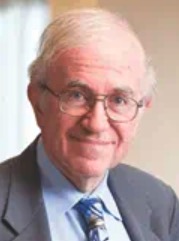 Lawrence Einhorn合作论文数Department of Medicine, Indiana University School of Medicine6Dmitry Enikeev合作论文数5Andrew Meads合作论文数5
 Neal Shore合作论文数Carolina Urologic Research Center, Atlantic Urology Clinics5
 Goldberg Hanan合作论文数The Institute of Urology, Tel Aviv University5Richard D'Anna合作论文数4Michael Verni合作论文数4Elyse Seltzer合作论文数4
 Jennifer Linehan合作论文数4Nimrod Gabai合作论文数4Steven Kester合作论文数4Arnold Cinman合作论文数4
 Dor Golomb合作论文数Sackler Fac Med, Tel Aviv Univ4David Morris合作论文数4
 Brian Hu合作论文数4Richard Bihrle合作论文数4
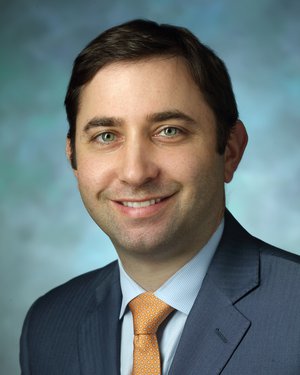 Max Kates合作论文数Division of Urologic Oncology, Brady Urological Institute, School of Medicine, Johns Hopkins University4Stephen D.W. Beck合作论文数4Karim Chamie合作论文数4Pinhas M Livne合作论文数4
 Abd Elhalim Darawsha合作论文数3Angela Smith合作论文数3
 Shay Golan合作论文数3
 Liang Cheng合作论文数Department of Surgery, Warren Alpert Medical School of Brown University;Department of Pathology and Laboratory Medicine, Warren Alpert Medical School of Brown University3Mary J. Brames合作论文数3
 Mark D Tyson合作论文数3DA Lifshitz合作论文数2Marc Lubin合作论文数2Lawrence Karsch合作论文数2Paz Lotan合作论文数2Daniel Kedar合作论文数2
 Shlomi Tapiero合作论文数2
 Chen Shenhar合作论文数Dept Urol, Rabin Med Ctr2
 Thomas M. Ulbright合作论文数School of Medicine, Indiana University2
 Perl Leor合作论文数Department of Medicine, Meir Medical Center2




