During the 2024-25 winter season, a universal immunization campaign with nirsevimab was implemented in a region of Italy to prevent respiratory syncytial virus (RSV) infection among infants <12 months of age. We assessed its effects using regional syndromic surveil-lance data on emergency department visits (EDVs) and hospitalizations for lower respiratory tract infections and RSV infections. We estimated expected burden using an interrupted time series analysis, based on historical trends, and observed values with predictions. Children 1-5 years of age, not eligible for immunization, served as a comparison group. Among infants, EDVs for acute low-er respiratory tract infections decreased by 42.7% and hospitalizations decreased by 46.5%, whereas EDVs for RSV infection decreased by 49.3% and hospitalizations decreased by 55.0%. No reductions were observed in children 1-5 years of age, confirming ongoing RSV circulation. Our findings support the effectiveness of universal nirsevimab immunization in reducing severe RSV-related outcomes among infants.
Background/Objectives: Hematopoietic cell transplantation (HCT) is a curative treatment for various hematological diseases but can lead to complications which increase malnutrition risk, particularly in allogeneic transplantation patients. This study evaluates the nutritional status evolution of patients undergoing HCT during hospitalization and follow-up. Methods: This retrospective observational study included 365 patients, divided into two groups: 134 underwent allogeneic HCT, while 231 underwent autologous transplantation or CAR-T therapy. Nutritional status was evaluated using Body Mass Index (BMI), Malnutrition Universal Screening Tool (MUST), and Global Leadership Initiative on Malnutrition (GLIM) criteria at four-time points: hospital admission, discharge, two-week follow-up, and one-month follow-up. Non-relapse-related complications were assessed based on hospital readmissions and reports during follow-up visits. Results: Patients experienced significant nutritional deterioration, with decreases in Body Mass Index (BMI) (p < 0.001) and increases in Malnutrition Universal Screening Tool (MUST) (p < 0.001) and Global Leadership Initiative on Malnutrition (GLIM) scores (p < 0.001), particularly among allogeneic transplant recipients (p = 0.025). Severe malnutrition or high malnutrition risk at discharge correlated with increased hospital readmissions during the follow-up (p = 0.024). Conclusions: The observed decline in nutritional status and its associated complications highlight the necessity of multidisciplinary interventions, such as nutritional prehabilitation programs and nutritional support protocols, to enhance clinical outcomes and reduce complications in HCT patients.
Background/Aim: Nutritional management in neurosurgical patients with brain neoplasms is critical, as optimal nutritional status is potentially associated with improved clinical outcomes. This systematic review aimed to analyze the impact of pre- and postoperative nutritional assessment and effect of prepost interventions on the clinical outcomes. Methods: A systematic review was conducted using the PubMed, Cochrane Library, Embase, and CINAHL databases, complemented by a search of grey literature. Study quality was assessed using the Joanna Briggs Institute framework, and the certainty of evidence was graded according to the Oxford Centre for Evidence-Based Medicine levels. Results: Fourteen studies, encompassing a total of 11,224 adult patients with brain neoplasms, were included. Many of these studies were retrospective, had small sample sizes, and examined diverse nutritional protocols. Preoperative nutritional status assessment, including clinical parameters such as albumin (p < 0.001), Controlling Nutritional Status score (p = 0.001), and Prognostic Nutritional Index (p < 0.010), combined with postoperative oral nutritional supplements (p < 0.001), was significantly associated with postoperative clinical outcomes. Additionally, personalized nutritional counseling contributed to a reduction in complications and facilitated more effective functional recovery. Conclusions: Nutritional care is vital in managing neurosurgical patients with brain neoplasms, reducing complications and enhancing postoperative recovery and overall clinical outcomes. A multidisciplinary team is key to optimal outcomes. Future research should aim to standardize protocols for broader applicability.
COVID-19 vaccines have revolutionized prevention and clinical management by reducing disease severity and mortality. However, their long-term impact on hospitalization is unclear. This retrospective study assessed whether vaccination status, timing, and number of vaccine doses influence the risk of hospitalization and COVID-19 pneumonia in a large cohort in Italy, several years after initial vaccine rollout. From 1 October 2023, to 2 February 2024, at Humanitas Research Hospital (Milan) and two affiliates, we recorded age, sex, comorbidities, vaccination status (number of doses and time since last dose), admission type (urgent vs. elective), and pneumonia diagnosis. Baseline health was quantified by the Charlson Comorbidity Index. Among 16,034 admissions (14,874 patients), vaccination data were available for 5743 cases: 40.8% were in the emergency setting and 59.2% were elective. Patients presented with pneumonia in 6.8% of cases. Laboratory results confirmed COVID-19 pneumonia occurred in 43.7% of pneumonia cases, with a 16.9% mortality. Patients with no vaccine dose had a higher proportion of COVID-19 pneumonia, while COVID-19 pneumonia rates were lower in individuals who had received more vaccine doses. There were no significant differences in COVID-19 pneumonia risk by timing of last vaccination. Moreover, hospitalized unvaccinated patients had overall more frequent emergency admissions (57.3%), while patients with three or more doses had about a ~40% emergency admission rate. COVID-19 positivity during hospitalization was highest in unvaccinated patients (90.7%) and declined with vaccination status. Vaccinated patients, especially those with multiple doses, had significantly lower COVID-19 pneumonia rates and emergency admissions. These findings suggest a possible protective effect of vaccination in modifying the clinical presentation and severity of illness among those who are hospitalized and support continued vaccination efforts for high-risk groups to reduce severe adverse outcomes.
Introduction Given the limited number of patients in Latin America who have received a booster dose against the COVID-19, it remains crucial to comprehend the effectiveness of different vaccine combinations as boosters in real-world scenarios. This study aimed to assess the real-life efficacy of seven different vaccine schemes against COVID-19, including BNT162b2, ChAdOx1-S, Gam-COVID-Vac, and CoronaVac as primary schemes with either BNT162b2 or ChAdOx1-S as booster vaccines.Methods In this multicentric longitudinal observational study, participants from Mexico and Argentina were followed for infection and SARS-CoV-2 Spike 1-2 IgG antibodies during their primary vaccination course and for 185 days after the booster dose.Results A total of 491 patients were included, and the booster dose led to an overall increase in the humoral response for all groups. Patients who received BNT162b2 exhibited the highest antibody levels after the third dose, while those with primary Gam-COVID-Vac maintained a higher level of antibodies after six months. Infection both before vaccination and after the booster dose, and Gam-COVIDVac + BNT162b2 combination correlated with higher antibody titers.Discussion The sole predictor of infection in the six-month follow-up was a prior COVID-19 infection before the vaccination scheme, which decreased the risk of infection, and all booster vaccine combinations conveyed the same amount of protection.
Infections are a leading cause of morbidity and death among patients with end-stage kidney disease. Based on data of from the United States Renal Data System, infection accounted for approximately 20% percent of all deaths in 2021. In the same year, infection contributed for 0.38 admissions per person-year in this population with a similar impact of that showed by cardiovascular diseases[ 1 U.S.R.D. System, 2023 Annual Data Report, 2023. https://usrds-adr.niddk.nih.gov/2023. (Accessed February, 19th 2024). Google Scholar ]. In comparison with the general population, patients receiving hemodialysis have historically exhibited higher mortality caused by sepsis [ 2 Sarnak M.J. Jaber B.L. Kidney international. 2000; 58: 1758-1764 Abstract Full Text Full Text PDF PubMed Google Scholar ]. Despite improvements in infection prevention and control, recent data from Australia and New Zealand show that infection-related mortality for patients undergoing hemodialysis was 163 per 10,000 person-years in the period 2006-2018, with a 5-year cumulative incidence of infection-related death of 0.046 (95% CI, 0.043-0.048) for those who commenced dialysis between 2006-2018[ 3 Chong C.H. Au E.H. Davies C.E. Jaure A. Howell M. Lim W.H. Craig J.C. Teixeira-Pinto A. Wong G. American journal of kidney diseases : the official journal of the National Kidney Foundation. 2023; 82: 597-607 Abstract Full Text Full Text PDF PubMed Scopus (1) Google Scholar ].
PURPOSE:Movement restrictions and assistive devices have traditionally been recommended to prevent hip dislocation after total hip arthroplasty (THA). Considering the advancements in THA surgery, a review of treatment recommendations is worthwhile. The aim of this study was to investigate whether unrestricted protocol (without movement restrictions and assistive devices) should be recommended for THA patients. METHODS:A multiprofessional panel used the GRADE-Adolopment to develop the present recommendations, following the GIN-McMaster-Guideline-Development-Tool. We selected guideline topic and target audience, formulated clinical questions and prioritised outcomes. For the first question, a source guideline was identified and adoloped, whereas the second question required a de-novo recommendation. Therefore, the GRADE-Evidence-Profile and the Evidence-to-Decision framework were completed. Finally, the panel discussed and formulated the final recommendations. RESULTS:Hip dislocation was defined as critical outcome. No between-groups differences in the early dislocation rates were found: without movement restrictions, 1623 patients, RR 0.44 (CI95 0.16-1.20); without assistive devices, 4426 patients, RR 0.75 (CI95 0.52-1.08). Finally, considering small desirable health effects and trivial undesirable health effects of the intervention, we integrated two "conditional-recommendations" in favour of an unrestricted protocol. CONCLUSION:Through GRADE-adolopment approach new recommendations to provide an evidence-based guidance after THA have been formulated.
The COVID-19 pandemic had a profound global impact, characterized by a high fatality rate and the emergence of enduring consequences known as Long COVID. Our study sought to determine the prevalence of Long COVID syndrome within a population of Northeastern Mexico, correlating it with patients' comorbidities, number of COVID-19 reinfection, and vaccination status. Employing an observational cross-sectional approach, we administered a comprehensive questionnaire covering medical history, demographics, vaccination status, COVID-related symptoms, and treatment. Our participant cohort included 807 patients, with an average age of 41.5 (SD 13.6) years, and women accounting 59.3% of the cohort. The follow-up was 488 (IQR 456) days. One hundred sixty-eight subjects (20.9%) met Long COVID criteria. Long COVID-19 was more prevalent when subjects had reinfections (p = 0.02) and less frequent when they had a complete vaccination scheme (p = 0.05). Through logistic regression, we found that male gender (OR 0.5, p ≤ 0.001), blood types of AB− (OR 0.48, p = 0.003) and O− (OR 0.27, p ≤ 0.001) in comparison with A+ and two doses of vaccines (OR 0.5, p = 006) to be protective factors against Long COVID; while higher BMI (OR 1.04, p = 0.005) was a risk factor. We saw that the prevalence of Long COVID was different within vaccinated patients and specific blood types, while being female and a higher BMI were associated with an increased risk of having long-COVID.
Background: Nutritional interventions play a critical role in bone marrow transplant (BMT) patients. This review evaluates the effectiveness of nutritional strategies in mitigating post-transplant malnutrition and improving clinical outcomes. Methods: A systematic review was conducted using PubMed, CINAHL, Cochrane Library, and Embase. The search terms included “bone marrow transplant”, “malnutrition”, and “preoperative nutritional interventions”. The quality of studies and risk of bias were assessed using the JBI framework, while evidence certainty was evaluated with the Oxford OCEBM. Results: Six studies were included (n = 3545 screened). The studies demonstrated predominantly high methodological quality and a low risk of bias, although heterogeneity in the treatments investigated and small sample sizes limited the evidence. Nutritional interventions significantly increased energy intake (26 vs. 24 kcal/kg/day, p = 0.038) and improved body weight (25% vs. 9%) with protein supplementation. Clinical complications decreased, including severe acute graft-versus-host disease (17.1% vs. 43.4%, p = 0.001) and pneumonia (27.6% vs. 52.7%, p = 0.002). The length of hospital stay (27 vs. 32 days, p = 0.006) and the need for parenteral nutrition (53% vs. 62%, p = 0.03) were also reduced. Overall survival improved with ≥50% adherence to prescribed TGF-beta2 intake (33 vs. 25.1 months, p = 0.03). Conclusions: Nutritional prehabilitation shows promise in improving BMT outcomes. Standardized nutritional programs could optimize care, although limitations in current evidence are clearly present. Larger randomized studies are needed to confirm findings and refine pre-transplant protocols.
To monitor SARS-CoV-2 diffusion, we measured anti-Spike S1/S2 IgGs in the serum of nearly 4000 workers employed in several healthcare facilities for one year. We found that the antibody response persists at least over 8 months in symptomatic subjects, particularly in individuals with anosmia/dysgeusia. Moreover, analyzing a smaller cohort (124 healthcare employees of which 57 had a previous history of SARS-CoV-2 exposure) vaccinated with two doses of Comirnaty vaccine, we observed that in symptomatic subjects previously exposed to SARS-CoV-2 one dose vaccine was sufficient to stimulate very high levels of antibodies, suggesting that these subjects should take only one dose of vaccine.
Italy was the first country in Europe to be hit by the Severe Acute Respiratory Syndrome Coronavirus 2. Little research has been conducted to understand the economic impact of providing care for SARS-CoV-2 patients during the pandemic. Our study aims to quantify the incremental healthcare costs for hospitalizations associated to being discharged before or after the first SARS-CoV-2 case was notified in Italy, and to a positive or negative SARS-CoV-2 notified infection. We used data on hospitalizations for 9 different diagnosis related groups at a large Italian Research Hospital with discharge date between 1st January, 2018 and 31st December 2021. The median overall costs for a hospitalization increased from 2410EUR (IQR: 1588-3828) before the start of the pandemic, to 2645EUR (IQR: 1885-4028) and 3834EUR (IQR: 2463-6413) during the pandemic, respectively for patients SARS-CoV-2 negative and positive patients. Interestingly, according to results of a generalized linear model, the highest increases in the average costs sustained for SARS-CoV-2 positive patients with respect to patients discharged before the pandemic was found among those with diagnoses unrelated to COVID-19, i.e. kidney and urinary tract infections with CC (59.71%), intracranial hemorrhage or cerebral infarction (53.33), and pulmonary edema and respiratory failure (47.47%). Our study highlights the economic burden during the COVID-19 pandemic on the hospital system in Italy based on individual patient data. These results contribute to the to the debate around the efficiency of the healthcare services provision during a pandemic.
In an observational study, we analyzed 1293 healthcare workers previously infected with severe acute respiratory syndrome coronavirus 2 (SARS-CoV-2), of which 34.1% developed postacute sequelae of SARS-CoV-2 infection (also known as long COVID). Using a multivariate logistic regression model, we demonstrate that the likelihood of developing long COVID in infected individuals rises with the increasing of duration of infection and that 3 doses of the BNT162b2 vaccine are protective, even during the Omicron wave.
This record contains raw data related to article “Association between duration of SARS-CoV-2 positivity and long COVID " In an observational study, we analyzed 1,293 healthcare workers previously infected with SARS-CoV-2, of which 34.1% developed long COVID. Using a multivariate logistic regression model, we demonstrate that the likelihood of developing long COVID in infected individuals rises with the increasing of duration of infection and that three doses of the BNT162b2 vaccine are protective, even during the Omicron wave. In this observational study, approved by the Institutional Review Board of Humanitas Research Hospital, we recruited 4,354 individuals working in Humanitas healthcare facilities from March 2020 to April 2022. they completed a survey including demographics, comorbidities, vaccination status and questions about their SARS-CoV-2 history: date of infection and positivity duration; SARS-CoV-2 related symptoms at the time of infection and their duration. We defined ‘long COVID’ as the condition when at least one symptom lasted for more than 4 weeks following the first COVID-19 infection.
Abstract In an observational study, we analyzed 1293 healthcare workers previously infected with severe acute respiratory syndrome coronavirus 2 (SARS-CoV-2), of which 34.1% developed postacute sequelae of SARS-CoV-2 infection (also known as long COVID). Using a multivariate logistic regression model, we demonstrate that the likelihood of developing long COVID in infected individuals rises with the increasing of duration of infection and that 3 doses of the BNT162b2 vaccine are protective, even during the Omicron wave.
The anti-SARS-CoV-2 vaccination has probably been the most effective tool for preventing the infection and negative outcomes of the COVID-19 disease, and therefore for interrupting the pandemic state. The first licensed SARS-CoV-2 vaccine was BNT162b2, an mRNA vaccine that has been widely used since the earliest stages of the global vaccination campaign. Since the beginning of the vaccination campaign, some cases of suspected allergic reactions to BNT162b2 have been described. Epidemiological data, however, have provided reassuring results of an extremely low prevalence of these hypersensitivity reactions to anti-SARS-CoV-2 vaccines. In this article, we describe the results of a survey carried out through the use of a questionnaire, administered to all the health personnel of our university hospital after the first two doses of the BNT162b2 vaccine, which investigated the development of adverse reactions after a vaccination. We analyzed the responses of 3112 subjects subjected to the first dose of the vaccine; among these, 1.8% developed symptoms compatible with allergic reactions and 0.9% with clinical manifestations of possible anaphylaxis. Only 10.3% of the subjects who had allergic reactions after the first injection experienced similar reactions after the second dose and none of them experienced anaphylaxis. In conclusion, the anti-SARS-CoV-2 vaccination is rarely associated with severe allergic reactions and the second dose of vaccine is safe for this group of patients.
 Walter Ricciardi合作论文数Dipartimento Di Scienze Della Vita E Sanità Pubblica, Faculty of Medicine and Surgery, Università Cattolica Del Sacro Cuore24
 Maria Rescigno合作论文数Humanitas University;Mucosal Immunology and Microbiota Lab, Humanitas Research Hospital24
 Alberto Mantovani合作论文数Istituto Clinico Humanitas, Humanitas University;William Harvey Research Institute, Queen Mary University22
 Chiara Pozzi合作论文数Department of Clinical and Biological Sciences;S. Luigi Hospital;University of Turin;S. Luigi Hospital, University of Turin22
 Riccardo Levi合作论文数IRCCS Humanitas Research Hospital13
 Antonio Voza合作论文数13
 Poscia Andrea合作论文数10Filiberto Maria Severi合作论文数10N Nante合作论文数9Michele Lagioia合作论文数9
 Caterina Bocchi合作论文数9
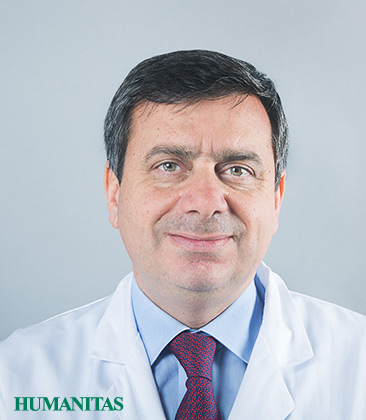 Gianluigi Condorelli合作论文数Department of Cardiovascular Diseases, Humanitas Research Hospital;Post-Graduate School of Cardiology, Humanitas University9
 Felice Petraglia合作论文数Dipartimento di Scienze Biomediche Sperimentali e Cliniche, Università degli Studi di Firenze9Alessio Aghemo合作论文数9
 Michele Ciccarelli合作论文数7Giovanni Angelotti合作论文数IRCCS Humanitas Research Hospital7
 Victor Savevski合作论文数Artificial Intelligence Ctr, IRCCS Humanitas Res Hosp7
 Riccardo Barbieri合作论文数Polytechnic University of Milan,Department of Electronics, Information and Bioengineering7Salvatore Badalamenti合作论文数7
 Giulio Stefanini合作论文数Humanitas University7Angela Ceribelli合作论文数7
 Maurizio Cecconi合作论文数Biomedical Sciences Department, School of Anaesthesia, Humanitas University7Leonardo Ubaldi合作论文数6Riccardo Sarti合作论文数6
 Maximiliano Mollura合作论文数DEIB, Politecnico di Milano6Antonio Desai合作论文数6Francesco Gilardi合作论文数6
 Furia Giuseppe合作论文数Department of Public Health, Università Cattolica del Sacro Cuore6
 Carlo Selmi合作论文数Humanitas University6Valentina Di Gregori合作论文数6
 Maria De Santis合作论文数Humanitas6
 Ana Lleo合作论文数5Massimo Castoldi合作论文数5Luca Germagnoli合作论文数5
 Francesca Motta合作论文数5
 Sandri Maria Teresa合作论文数Centro Cardiologico Monzino;Laboratory Medicine Division, European Institute of Oncology5Carlotta Boni合作论文数5Chiara De Waure合作论文数Institute of Hygiene, Catholic University of the Sacred Heart5
 Gabriele Messina合作论文数Department of Public Health, University of Siena5
 Paola Camia合作论文数4
 Daniela Cattani合作论文数4Beatrice Mazzoleni合作论文数4Veronica Meoni合作论文数4
 Ilaria my合作论文数4
 Stefano Mancin合作论文数4Fasulo V.合作论文数4
 Bianca Oresta合作论文数4
 Massimo Volpe合作论文数Dipartimento di Medicina Clinica e Molecolare, Facoltà di Medicina e Psicologia, Università di Roma “Sapienza”4Specchia Maria Lucia合作论文数4




