In the present decade and beyond, now 51 years after the last Apollo landing, the NASA Artemis human exploration program will offer abundant opportunities for heliophysics investigations from, by, and of the Moon from the vantage points of the lunar orbit and the surface. The Lunar Solar Occultation Explorer (LunaSOX) concept uses the lunar limb to occult the solar disk for high-resolution coronal observations at hourly, daily, to biweekly cadences from spacecraft either in the lunar orbit or at the surface. A 0.2 m diameter solar telescope in orbit with white light and narrow-band visible filters would provide arcsecond spectroscopic imaging of the low-to-high corona (1–10 R☉) with an upper limit of 10 –12 B☉ on the local scattered light background from lunar atmospheric dust, as compared to 10 –9 B☉ for Earth ground-based solar eclipse observations looking up through the atmosphere at totality. For eclipse observations from and by the Moon, there would be no significant atmospheric disturbances that otherwise limit seeing to arcsec resolution from Earth’s surface. The present eccentric orbits of the ARTEMIS P1 and P2 spacecraft are used as models for a 1 × 10 Rm orbit of LunaSOX to compute the times of solar eclipse intervals, up to 2 hours in duration between the east and west solar hemispheres at a daily cadence for coronal observations at 1–16 R☉ when the orbital aposelene is in anti-sunward directions. In a low-altitude circular orbit and from the surface, the observational cadences would, respectively, be hourly and biweekly. LunaSOX satellites also carrying in situ space environment instruments could integrate into a network of orbital platforms for space weather monitoring and communications relay to far-side surface lander and permanent base sites, e.g., for low-frequency radio cosmology and detection of exoplanet magnetospheres.
Europa is the closest and probably the most promising target to search for extant life in the Solar System, based on complementary evidence that it may fulfil the key criteria for habitability: the Galileo discovery of a sub-surface ocean; the many indications that the ice shell is active and may be partly permeable to transfer of chemical species, biomolecules and elementary forms of life; the identification of candidate thermal and chemical energy sources necessary to drive a metabolic activity near the ocean floor. In this article we are proposing that ESA collaborates with NASA to design and fly jointly an ambitious and exciting planetary mission, which we call the Joint Europa Mission (JEM), to reach two objectives: perform a full characterization of Europa's habitability with the capabilities of a Europa orbiter, and search for bio-signatures in the environment of Europa (surface, subsurface and exosphere) by the combination of an orbiter and a lander. JEM can build on the advanced understanding of this system which the missions preceding JEM will provide: Juno, JUICE and Europa Clipper, and on the Europa lander concept currently designed by NASA (Maize, report to OPAG, 2019). We propose the following overarching goals for our Joint Europa Mission (JEM): Understand Europa as a complex system responding to Jupiter system forcing, characterize the habitability of its potential biosphere, and search for life at its surface and in its sub-surface and exosphere. We address these goals by a combination of five Priority Scientific Objectives, each with focused measurement objectives providing detailed constraints on the science payloads and on the platforms used by the mission. The JEM observation strategy will combine three types of scientific measurement sequences: measurements on a high-latitude, low-altitude Europan orbit; in-situ measurements to be performed at the surface, using a soft lander; and measurements during the final descent to Europa's surface. The implementation of these three observation sequences will rest on the combination of two science platforms: a soft lander to perform all scientific measurements at the surface and sub-surface at a selected landing site, and an orbiter to perform the orbital survey and descent sequences. We describe a science payload for the lander and orbiter that will meet our science objectives. We propose an innovative distribution of roles for NASA and ESA; while NASA would provide an SLS launcher, the lander stack and most of the mission operations, ESA would provide the carrier-orbiter-relay platform and a stand-alone astrobiology module for the characterization of life at Europa's surface: the Astrobiology We Laboratory (AWL). Following this approach, JEM will be a major exciting joint venture to the outer Solar System of NASA and ESA, working together toward one of the most exciting scientific endeavours of the 21st century: to search for life beyond our own planet.
We discuss the formation of aerosols within Titan's thermosphere-ionosphere and the different chemical pathways. Negative ion measurements by the Cassini Plasma Spectrometer (CAPS) Electron Spectrometer (ELS) give evidence for formation of unsaturated anion carbon chains, while positive ion measurements of the Cassini Ion Neutral Mass Spectrometer (INMS) indicate formation of more aromatic cation hydrocarbons. There is presently no direct observational evidence for large neutral molecule growth in Titan's thermosphere-ionosphere. The hydrocarbon cations are expected to form Polycyclic Aromatic Hydrocarbons (PAH), those with the addition of nitrogen being called PAHNs. We theorize anion carbon chains can eventually become long enough to fold into fullerene C60,70 carbon shells, of various charge states. Based on laboratory data the fullerenes can trap incoming O+ magnetospheric ions that have relatively high energy collisions with the fullerenes and, once trapped, protect the oxygen atom from Titan's reducing thermosphere-ionosphere. The fullerenes can form into larger onion fullerenes and condense into larger embryo aerosols (i.e., m/q > 10,000 amu/q anions as observed by CAPS/ELS) eventually falling onto Titan's surface and precipitating to the bottom of its hydrocarbon lakes. Molecule production composed of H, C, N is known to occur in Titan's atmosphere with energy input from the magnetosphere, solar UV, and deep-penetrating irradiation from galactic cosmic rays (GCR). Space radiation effects by GCR irradiation of Titan's surface and lakes can lead to the manufacture of exobiological molecules with oxygen as the new ingredient. We have developed a model of galactic cosmic ray irradiation of Titan's atmosphere, surface, subsurface and bottoms of Titan lakes. GCR would provide further energy for processing of the aerosols into more complex organic forms such as tholins and precursor molecules for amino acids. A second process called hydrolysis then converts the precursor molecules into amino acids. Hydrolysis is provided via meteor impacts with size >10 km and cryovolcanism both which can produce liquid water on Titan's surface for episodic periods > several 100 to 1000 years. Our model shows that GCR secondary particles can penetrate ~ 100 m below the ice surface (including the bottom of Titan's less dense hydrocarbon lakes ~ 150 m depths) and produce chemically significant dosages over very long timescales ~ 450 Myrs. The GCR model is combined with laboratory data from experiments in which dry methyl ices were irradiated to doses producing prebiotic amino acids such as glycine. The model calculations show glycine can form to ~ 2.5 ppb levels near the surface after ~ 450 Myrs of GCR proton irradiation and potentially to 5 ppb if heavy-ion GCRs up through Fe are included. If such molecules were detected, this would not only confirm this model but indicate that life forms different from ours may not be required.
AbstractWe present white light images of the Sun's corona acquired during the total Solar Eclipses on August 21, 2017 in mountains north of Boise Idaho USA and on July 2, 2019 south of Copiapo Chile. In both cases the viewing was excellent, altitudes ∼ 1200 m and relative humidity ∼ 10. We used an Orion equatorial reflecting telescope with 203 mm diameter aperture and 1000 mm focal length for f4.9 optics. A computer-controlled Canon EOS Rebel T3i digital camera was used. We plan to use our 2019 eclipse images for analysis since the Sun is near solar minimum so 2D steady state MHD equations can be used. We present a plan to process the images and convert them into a 2D empirical model of electron density and magnetic field in radial distance and co-latitude, from which 2D maps of flow velocity, effective temperature and effective heat flux can be computed.
Ring systems around magnetized planets are expected to have varied interactions with the magnetic fields, hot plasma, and energetic particles of the associated magnetospheres. In our solar system all the giant planets, Jupiter to Neptune, have magnetospheres with embedded rings. Each ring system and its associated moons have strong interactions with their radiation environments (the most intense of which is at Jupiter). Such interactions both erode diffuse rings (such as the E ring of Saturn) and supply plasma and energetic particles to the magnetosphere and its radiation belts. Compositional and structural measurements of rings are enabled by these interactions, such as the information obtained by detection of the secondary neutron and gamma-ray emissions produced by galactic cosmic ray (GCR) interactions with the rings. It is also notable that Earth has both a magnetosphere with radiation belts, and an artificial ring system of satellites and debris, that continuously interact. Konradi (1988) even projected that the high energy trapped protons of the inner Van Allen Belt should now be experiencing significant depletion by this interaction, and we will later discuss the possible evidence for this. Magnetized exoplanets with rings would have similar interactions.
Cassini discovered a plethora of neutral and ionized molecules in Titan's ionosphere including, surprisingly, anions and negatively charged molecules extending up to 13,800 u q(-1). In this Letter, we forward model the Cassini electron spectrometer response function to this unexpected ionospheric component to achieve an increased mass resolving capability for negatively charged species observed at Titan altitudes of 950-1300 km. We report on detections consistently centered between 25.8 and 26.0 u q(-1) and between 49.0-50.1 u q(-1) which are identified as belonging to the carbon chain anions, CN-/C3N- and/or C2H-/C4H-, in agreement with chemical model predictions. At higher ionospheric altitudes, detections at 73-74 u q(-1) could be attributed to the further carbon chain anions C5N-/C6H- but at lower altitudes and during further encounters extend over a higher mass/charge range. This, as well as further intermediary anions detected at > 100 u, provide the first evidence for efficient anion chemistry in space involving structures other than linear chains. Furthermore, at altitudes below < 1100 km, the low-mass anions (< 150 u q(-1)) were found to deplete at a rate proportional to the growth of the larger molecules, a correlation that indicates the anions are tightly coupled to the growth process. This study adds Titan to an increasing list of astrophysical environments where chain anions have been observed and shows that anion chemistry plays a role in the formation of complex organics within a planetary atmosphere as well as in the interstellar medium.
MAGNETOSPHERES AND MOONS. E. C. Sittler, J. F. Cooper, N. Paschalidis, S. L. Jones, W. L. Brinckerhoff, W. R. Paterson, A. Ali, M. A. Coplan, D. Chornay, S. J. Sturner, M. Benna, F. B. Bateman, D. Fontaine, C. Verdeil, N. Andre, M. Blanc and P. Wurz, NASA Goddard Space Flight Center, 8800 Greenbelt Road, Greenbelt, MD, 20771, USA, Edward.c.sittler@nasa.gov, NASA Goddard Space Flight Center, 8800 Greenbelt Road, Greenbelt, MD, 20771, USA, john.f.cooper@nasa.gov, NASA Goddard Space Flight Center, 8800 Greenbelt Road, Greenbelt, MD, 20771, USA, Nikolaos.paschalidis@nasa.gov, NASA Goddard Space Flight Center, 8800 Greenbelt Road, Greenbelt, MD, 20771, USA, sarah.l.jones@nasa.gov, NASA Goddard Space Flight Center, 8800 Greenbelt Road, Greenbelt, MD, 20771, USA, william.b.brinckerhoff@nasa.gov, NASA Goddard Space Flight Center, 8800 Greenbelt Road, Greenbelt, MD, 20771, USA, william.r.paterson@nasa.gov, Science Systems Applications, Inc., 6301 Ivy Lane, Suite 510, Greenbelt, MD, 20770, University of Maryland, College Park, MD, coplan@umd.edu, University of Maryland, College Park, MD/NASA Goddard Space Flight Center, 8800 Greenbelt Road, Greenbelt, MD, 20771, dennis.j.chornay@nasa.gov, University of Maryland Baltimore County/NASA Goddard Space Flight Center, 8800 Greenbelt Road, Greenbelt, MD, 20771, steven.j.sturner@nasa.gov, University of Maryland Baltimore County/NASA Goddard Space Flight Center, 8800 Greenbelt Road, Greenbelt, MD, 20771, mehdi.benna-1@nasa.gov, National Institute of Technology and Standards, Gaithersburg, MD, USA, fred.bateman@nist.gov, LPP-CNRS Ecole Polytechnique, Route de Saclay, 91128, Palaiseau, FR, Dominique.fontaine@lpp.polytechnique.fr, LPP-CNRS, 4 Place de Jussieu, tour 24-34, 75252, Paris, Cedex, FR, Christophe.verdeil@lpp.polytechnique.fr, IRAP, Center National de la Recherche Scientifique, Toulouse, FR, Nicolas.andre@irap.omp.eu, IRAP, Center National de la Recherche Scientifique, Toulouse, FR, michel.blanc@irap.omp.eu, University of Bern, Physikalisches Institut, Bern, Switzerland, peter.wurz@space.unibe.ch
The interactions between the solar wind and Moon-sized objects are determined by a set of the solar wind parameters and plasma environment of the space objects. The orientation of upstream magnetic field is one of the key factors which determines the formation and structure of bow shock wave/Mach cone or Alfven wing near the obstacle. The study of effects of the direction of the upstream magnetic field on lunar-like plasma environment is the main subject of our investigation in this paper. Photoionization, electron-impact ionization and charge exchange are included in our hybrid model. The computational model includes the self-consistent dynamics of the light (hydrogen (+), helium (+)) and heavy (sodium (+)) pickup ions. The lunar interior is considered as a weakly conducting body. Our previous 2013 lunar work, as reported in this journal, found formation of a triple structure of the Mach cone near the Moon in the case of perpendicular upstream magnetic field. Further advances in modeling now reveal the presence of strong wave activity in the upstream solar wind and plasma wake in the cases of quasiparallel and parallel upstream magnetic fields. However, little wave activity is found for the opposite case with a perpendicular upstream magnetic field. The modeling does not show a formation of the Mach cone in the case of theta(Sub B,U) approximately equal to 0 degrees.
The discovery of carbocations and carbanions by Ion Neutral Mass Spectrometer (INMS) and the Cassini Plasma Spectrometer (CAPS) instruments onboard the Cassini spacecraft in Titan׳s upper atmosphere is truly amazing for astrochemists and astrobiologists. In this paper we identify the reaction mechanisms for the growth of the complex macromolecules observed by the CAPS Ion Beam Spectrometer (IBS) and Electron Spectrometer (ELS). This identification is based on a recently published paper (Ali et al., 2013. Planet. Space Sci. 87, 96) which emphasizes the role of Olah׳s nonclassical carbonium ion chemistry in the synthesis of the organic molecules observed in Titan׳s thermosphere and ionosphere by INMS. The main conclusion of that work was the demonstration of the presence of the cyclopropenyl cation – the simplest Huckel׳s aromatic molecule – and its cyclic methyl derivatives in Titan׳s atmosphere at high altitudes. In this study, we present the transition from simple aromatic molecules to the complex ortho-bridged bi- and tri-cyclic hydrocarbons, e.g., CH2+ mono-substituted naphthalene and phenanthrene, as well as the ortho- and peri-bridged tri-cyclic aromatic ring, e.g., perinaphthenyl cation. These rings could further grow into tetra-cyclic and the higher order ring polymers in Titan׳s upper atmosphere. Contrary to the pre-Cassini observations, the nitrogen chemistry of Titan׳s upper atmosphere is found to be extremely rich. A variety of N-containing hydrocarbons including the N-heterocycles where a CH group in the polycyclic rings mentioned above is replaced by an N atom, e.g., CH2+ substituted derivative of quinoline (benzopyridine), are found to be dominant in Titan׳s upper atmosphere. The mechanisms for the formation of complex molecular anions are discussed as well. It is proposed that many closed-shell complex carbocations after their formation first, in Titan׳s upper atmosphere, undergo the kinetics of electron recombination to form open-shell neutral radicals. These radical species subsequently might form carbanions via radiative electron attachment at low temperatures with thermal electrons. The classic example is the perinaphthenyl anion in Titan׳s upper atmosphere. Therefore, future astronomical observations of selected carbocations and corresponding carbanions are required to settle the key issue of molecular anion chemistry on Titan. Other than earth, Titan is the only planetary body in our solar system that is known to have reservoirs of permanent liquids on its surface. The synthesis of complex biomolecules either by organic catalysis of precipitated solutes “on hydrocarbon solvent” on Titan or through the solvation process indeed started in its upper atmosphere. The most notable examples in Titan׳s prebiotic atmospheric chemistry are conjugated and aromatic polycyclic molecules, N-heterocycles including the presence of imino >CN–H functional group in the carbonium chemistry. Our major conclusion in this paper is that the synthesis of organic compounds in Titan׳s upper atmosphere is a direct consequence of the chemistry of carbocations involving the ion–molecule reactions. The observations of complexity in the organic chemistry on Titan from the Cassini–Huygens mission clearly indicate that Titan is so far the only planetary object in our solar system that will most likely provide an answer to the question of the synthesis of complex biomolecules on the primitive earth and the origin of life.
The Lunar Hydrospheric Explorer (HYDROX) is a 6U CubeSat designed to further confirm the existence of lunar exospheric water, and to determine source processes and surface sites, through ion mass spectrometer measurements of water group (O+, OH+, H2O+) and related ions at energy charge up to 2 keV/e. and mass/charge 1-40amu/e. HYDROX would follow up on the now-concluded exospheric compositional measurements by the Neutral Mass Spectrometer on the NASA LADEE mission and on other remote sensing surface and exospheric measurements (LADEE,LRO, etc.).
The authors regret that Figure 4 of McAndrews et al. (2009) has been found to contain three errors: first, the horizontal scale is slightly mislabeled; second, the vertical scale in the bottom panel (the Alfven travel time) is wrong by a factor of 10; and third, the data plotted in the second panel from the top (the angle between the flow direction and the corotation direction) were incorrect. These errors have been corrected, and Fig. 1 of this corrigendum shows the corrected version. None of the conclusions reached by McAndrews et al. (2009) are affected by these corrections. The only substantive change is that the flow angle (Alpha, second panel; positive values indicate outflow away from Saturn, and negative values indicate inflow) does not reach the large values shown in the original Figure 4 (some apparently exceeding 90°). Rather, very few of the flows deviate by more than ~40° from the corotation direction, validating the statement in McAndrews et al. (2009) that the flows are predominately in the corotational direction, even at large distances from the planet (in agreement with their Figure 3). Fig. 1 also validates the observation that beyond a certain distance (here, ~22 Rs), “only outward motion is observed, and the flow angle increases with radial distance.”
 Robert E. Johnson合作论文数School of Engineering and Applied Science, University of Virginia107
 Andrew Coates合作论文数Department of Space and Climate Physics, Faculty of Maths & Physical Sciences, University College London100
 David T Young合作论文数Southwest Research Institute100
 R. E. Hartle合作论文数85
 John Cooper合作论文数81
 Frank Judson Crary合作论文数Laboratory for Atmospheric and Space Physics, University of Colorado Boulder76H. T. Smith合作论文数53
 Michelle F. Thomsen合作论文数Planetary Science Institute48
 Daniel B. Reisenfeld合作论文数Los Alamos National Laboratory48
 Alexander Lipatov合作论文数48
 Abigail Rymer合作论文数Johns Hopkins Applied Physics Laboratory40
 Karoly Szego合作论文数39
 Nicolas André合作论文数Research Institute in Astrophysics and Planetology, French National Centre for Scientific Research33D. Simpson合作论文数30
 Michele Dougherty合作论文数Department of Physics, Faculty of Natural Sciences, Imperial College London30
 Chris Arridge合作论文数Open Data Services Co-operative29
 Raul a Baragiola合作论文数Laboratory for Atomic and Surface Physics, University of Virginia28
 R. L. Tokar合作论文数28
 David J. McComas合作论文数Department of Astrophysical Sciences, Princeton University23D. Chornay合作论文数23Tw Hill合作论文数21
 William S. Kurth合作论文数Department of Physics and Astronomy, College of Liberal Arts and Sciences, The University of Iowa20H. J. Mcandrews合作论文数19J. D. Richardson合作论文数18M. Shappirio合作论文数17martin burger合作论文数17
 Cesar Bertucci合作论文数Institute for Astronomy and Space Physics, Buenos Aires, Argentina17
 Scott Bolton合作论文数Space Science and Engineering Division, Southwest Research Institute;Artistic Sciences, Inc;Jet Propulsion Laboratory, NASA17
 Krishan Khurana合作论文数Department of Earth, Planetary, and Space Sciences, College of Physical Sciences, University of California;Institute of Geophysics & Planetary Physics, University of California, Los Angeles16
 B. H. Mauk合作论文数15
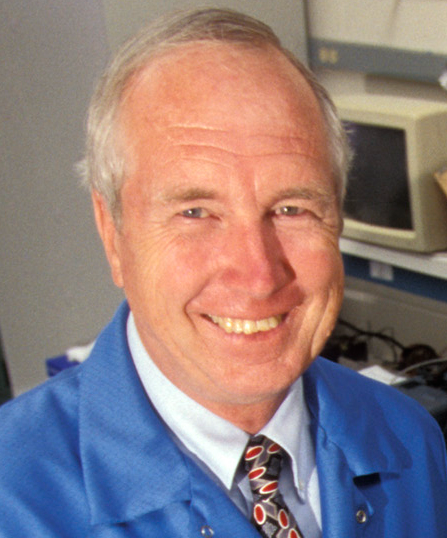 Donald A. Gurnett合作论文数Department of Physics and Astronomy, College of Liberal Arts & Sciences, University of Iowa14Jeanjacques Berthelier合作论文数14
 Madhulika Guhathakurta合作论文数NASA Headquarters Washington D.C.14
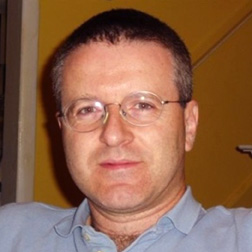 Leon Ofman合作论文数Goddard Space Flight Center, National Aeronautics and Space Administration;Department of Physics, School of Arts and Sciences, The Catholic University of America13
 Christopher Paranicas合作论文数Applied Physics Laboratory, The Johns Hopkins University13
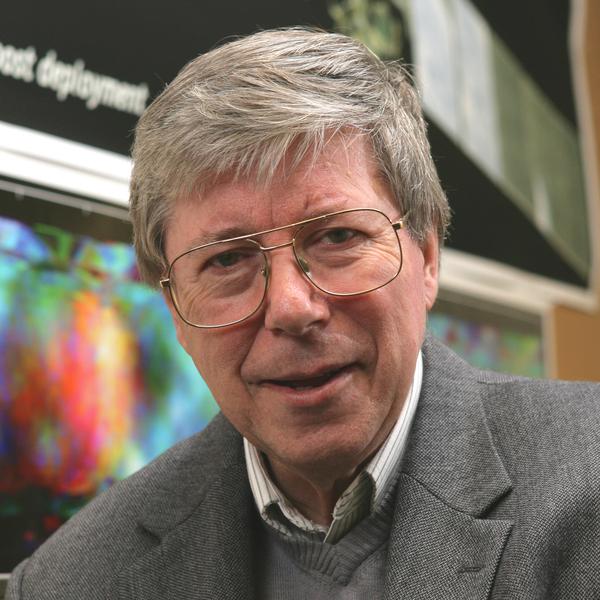 C.T. Russell合作论文数Institute of Geophysics and Planetary Physics, University of California, Los Angeles;Department of Earth, Planetary, and Space Sciences, College of Physical Sciences, University of California, Los Angeles13S.J Sturner合作论文数13Zs. Bebesi合作论文数12G. R. Lewis合作论文数12
 Menelaos Sarantos合作论文数NASA12
 Sylvestre Maurice合作论文数Observatoire Midi-Pyrenees12Timothy a Cassidy合作论文数12J. H. Waite合作论文数11Mark Shappirio合作论文数11M. H. Burger合作论文数10J. Vilppola合作论文数10M. Blanc合作论文数10
 Jack Scudder合作论文数Dept. of Physics and Astronomy, College of Liberal Arts and Sciences, University of Iowa10
 Orenthal Tucker合作论文数Department of Materials Science and Engineering, University of Virginia10




