Abstract Understanding how surface processes shape exosphere formation on airless bodies is limited by how surface properties influence the ejection of volatiles such as Na. Recent studies show that retention and release are sensitive to surface binding energy (SBE), motivating the need for SBE values as a function of mineral type and surface coverage. Currently, Na SBE values are available only for silica at 0 or 1 monolayer (ML) coverage. Here, we present the first SBE distributions at intermediate coverages (0.1–0.75 ML) on silica, along with the first SBE distributions for Na adsorbed on albite and anorthite from 0 to 1 ML. Increasing coverage shifts SBE distributions to lower energies, with mean SBE decreasing even at 0.1 ML. Results demonstrate that SBE depends nonlinearly on coverage and surface composition. We incorporate findings into sputtering models to quantify their impact on yield and energy distributions, highlighting the importance of coverage‐dependent SBEs in exosphere modeling.
The dayside lunar photoelectron sheath generates near-surface electrostatic fields that reflect a fraction of solar wind electrons and accelerate low-energy electrons. As the Moon passes from the solar wind through the magnetosheath and into the magnetotail plasma sheet, electron temperature ( T _e ) and density ( n _e ) can vary by more than 2 orders of magnitude, which leads to large variations of the lunar photoelectron sheath. In order to prepare for a human presence at lunar orbit, this paper quantifies the extremes of T _e and n _e observed by Acceleration, Reconnection, Turbulence and Electrodynamics of the Moon’s Interaction with the Sun (ARTEMIS) extending over an entire solar cycle. A statistical analysis of ARTEMIS P1 data shows that in solar wind, T _e is in the range 1.6–76 eV and n _e is in the range 0.06–103 cm ^−3 . In the magnetotail (including magnetosheath, lobe, and plasma sheet), T _e is in the range 6–1800 eV and n _e is in the range 0.03–20 cm ^−3 (0.03 cm ^−3 is the instrument threshold, so the lowest density is likely smaller than this). These values were sustained for 1 minute such that the entire moon was immersed in plasma with a particular T _e or n _e . The solar wind T _e and n _e do not have a strong correlation with the solar cycle, but in the magnetotail near midnight, the range of T _e and n _e is significantly larger at solar minimum compared to solar maximum.
The collisionless atmospheres of the Moon and Mercury allow for different space weathering processes to occur on their surfaces. During these processes, atoms can be ejected ballistically into the exosphere, a portion of which will eventually return to the surface. These returning atoms can then adsorb on the surface with a binding energy (BE) different than that of the mineral. However, it is unknown how adsorbates sample the different possible binding sites on the surface, or how diffusion can dynamically affect the BEs and eventual desorption process. Here, we conduct molecular dynamics simulations of the adsorption, diffusion, and desorption of sodium (Na) atoms on different silicates relevant to the Moon and Mercury. We consider the effect of crystallinity and temperature on the BE and diffusion behavior of adsorbed Na over time. Results show that Na adsorption strongly depends on the surface mineral composition and the presence of bridging and nonbridging oxygen. Na on silica surfaces had the highest adsorption energy compared to albite and anorthite due to the higher proportion of exposed nonbridging oxygens on the surface. We also observe that the BE increases as the Na atoms are allowed to diffuse and desorb. This suggests that while adsorbates may initially randomly sample different binding sites, with time they will diffuse toward high-BE sites. Finally, our simulations show that with an increase in temperature, there is an increased probability of desorption.
The Moon's surface, lacking an atmosphere, is continually bombarded by high-speed micro-meteoroids, creating a highly porous regolith composed of very fine grains. This regolith's porosity decreases with depth due to compression. Besides creating vapor and melt, micro-meteoroid impacts eject lunar dust, redistributing regolith grains, which can travel ballistically around the Moon. The Lunar Atmosphere and Dust Environment Explorer (LADEE) spacecraft, which orbited the Moon from 2014 to 2015, discovered a permanent asymmetric dust cloud with a higher dust density at dawn compared to that at dusk. In addition, the dust cloud at dawn exhibits an asymmetry with a higher density on the dayside, which is attributed to different populations of impactors with varying orbits. Moreover, the inferred ejecta yield was found to be much smaller than expected. Numerical modeling is useful for studying these phenomena, as current experimental capabilities cannot reproduce the mass and velocity combinations typical of actual micro-meteoroid impacts. This study utilizes the iSALE-2D shock physics code to investigate the ejecta mass yield and velocity distribution caused by typical micro-meteoroid impacts as a function of the lunar regolith's porosity and temperature. Findings suggest that (a) the dust cloud asymmetry at the Moon may have a thermal contribution, (b) the predicted ejecta velocity distribution differs from what is assumed to interpret LADEE measurements, and (c) the ejecta yield could serve as an indirect measurement of the regolith structure.
Our ability to understand the formation of the exospheres of airless bodies such as the Moon and Mercury has been hindered by uncertainties in how surface processes influence exospheric sources. Ejection processes important for exosphere formation rely on the notion that an emitted atom must first overcome an attractive energy with the surface to be ejected into the exosphere (the surface binding energy, SBE). Recent studies have shown that atoms from minerals are more tightly bound than commonly assumed, making it difficult to reconcile how such high volatile concentrations are being observed in the exospheres of airless bodies. Here, we used molecular dynamics modeling to explain the physics underlying the interaction of low-energy returning atoms, initially ejected below the escape energy of the body, with mineral surfaces. Global exosphere models make ill-informed assumptions for these interactions due to a lack of SBEs for adsorbed atoms. Results provide first-of-their-kind SBE distributions for adsorbed atoms and can be used by global models to better understand exosphere formation on airless bodies. We highlight the importance of adsorbate coverage and the atomic arrangement of a surface on the SBE. At low absorbate coverage sodium forms ionic bonds with oxygen, leading to tightly bound adsorbates (SBE ∼6 eV). At 1 ML of coverage the free O is terminated and Na is unable to form strong ionic bonds, leading to loosely bound adsorbates (SBE 1–3 eV). Emission processes from covered surfaces will be far more efficient than those without adsorbates. These improvements will allow for better interpretation of mission data such as from MESSENGER, BepiColombo, LADEE, Europa Clipper, and Artemis.
Upstream of quasi-parallel bow shocks, reflected ions generate ion–ion instabilities. The resulting magnetic fluctuations can advect through the shock and interact with planetary magnetospheres. The amplitude of magnetic fluctuations depends on the strength of the shock, quantified by the Alfvén Mach number ( M _A ), which is the ratio of solar wind velocity to the local Alfvén velocity. With increasing heliocentric distance, the solar wind M _A generally increases, such that Mercury typically experiences a lower M _A ∼ 5 compared to Earth ( M _A ∼ 8), and Mars a slightly higher M _A ∼ 9. Farther out in the solar system, Saturn has even higher M _A (∼10). However, the solar wind flow is highly irregular, and on top of solar cycle variations these values for average M _A at each planet do not capture extreme events. Statistical analysis of OMNIWeb observations from 2015 to 2023 shows that sustained (30 minutes or more) high M _A (30–100) occurs at Earth about once a month. Using a selection of events in the ion foreshock regions of Mercury, Earth, Mars, and Saturn, a linear scaling is calculated for the maximum magnetic fluctuation amplitude as a function of M _A . The resulting slope is ∼0.2. Based on the dominant fluctuation frequency for the largest-amplitude events at each planet, it is found that Mars exists in a special regime where the wave period of the magnetic fluctuations can be similar to or longer than the magnetospheric convection timescale, making Mars more susceptible to space weather effects associated with foreshock fluctuations.
On 24 April 2023, an ICME reached Earth's orbit. The solar wind density dropped to 0.3 amu/cc while the IMF strength was about 25 nT. As a result, the solar wind flow transitions to a sub‐Alfvénic state with an Alfvén Mach number of 0.4. We carry out global magnetohydrodynamic simulations to investigate the responses of Earth's magnetosphere to the ICME ejecta. The results show the formation of Alfvén wings as the solar wind becomes sub‐Alfvénic. Furthermore, the sub‐Alfvénic period was characterized by the dominance of the IMF component, causing the Alfvén wings to extend toward the dawn and dusk flanks. We investigate the global magnetospheric convection of this sub‐ Alfvénic case and find that the overall convection is mediated by the Alfvén wings, while the magnetic field convection in inner magnetosphere is similar to the super‐Alfvénic case.
We provide an overview of our understanding of the dust environment at Mercury and the role that dust plays in shaping the planet's surface and exosphere. Our understanding of the role that dust impacts play in the generation of Mercury's atmosphere has evolved considerably with continued analysis of results from the MErcury Surface, Space ENvironment, GEochemistry, and Ranging (MESSENGER) mission. Recent models have provided evidence for the probable release of refractory species into Mercury's exosphere via impacts. However, there remain significant questions regarding the relative contributions of atoms released via impacts versus other mechanisms (e.g., photon-stimulated desorption) to the overall exospheric budget. We also discuss the state of observational and modeling efforts to constrain the dust environment at Mercury, including sources from the zodiacal cloud, cometary trails, and interstellar dust. We describe the advancements that will be made in our characterization of dust at Mercury with BepiColombo, providing observational constraints on the dust clouds themselves and the role that impacts play in exospheric generation. On Mercury's surface, there remain outstanding questions regarding the role that dust impacts play in the regolith cycling and development. We review how improved modeling efforts to understand grain lifetimes as a function of impactor flux will further our understanding of Mercury's regolith. Finally, there are few constraints on the role of dust impacts on the space weathering of Mercury's surface, particularly the expected chemical, physical, and spectral alterations to the regolith. Here we discuss the importance of laboratory experiments to simulate these processes for the interpretation of data from MESSENGER and BepiColombo.
The release of sodium from regolith was simulated in order to elucidate the physical processes that generate surface-boundary exospheres in the inner solar system. Given the absence of laboratory experiments in relevant powders, a kinetic model used findings from experiments of Electron Stimulated Desorption (ESD) and Photon Stimulated Desorption (PSD) of adsorbates on single crystals to predict the angular distribution of photodesorption products from granular media. The regolith was simulated as a computer-generated sphere packing with grain size distributions selected from Luna and Apollo samples, while the effect of roughness at larger scales was also considered. The predicted angular distribution with this method varied as a function of solar inclination angle. Results were adopted into a global model of the sodium exosphere and compared to measurements from the Moon and Mercury. Results indicate that small deviations of the speed distribution from a Maxwellian suffice to explain the lunar sodium measurements. However, measurements at Mercury appear to indicate a somewhat cooler speed distribution for PSD with a suppressed high-speed tail. We hypothesize that this difference in the sodium speed distribution from PSD between Mercury and the Moon could be attributed to the lower surface abundance of sodium adsorbates at the Moon.
AbstractWe report a rare regime of Earth's magnetosphere interaction with sub‐Alfvénic solar wind in which the windsock‐like magnetosphere transforms into one with Alfvén wings. In the magnetic cloud of a Coronal Mass Ejection (CME) on 24 April 2023, NASA's Magnetospheric Multiscale mission distinguishes the following features: (a) unshocked and accelerated low‐beta CME plasma coming directly against Earth's dayside magnetosphere; (b) dynamical wing filaments representing new channels of magnetic connection between the magnetosphere and foot points of the Sun's erupted flux rope; (c) cold CME ions observed with energized counter‐streaming electrons, evidence of CME plasma captured due to by reconnection between magnetic‐cloud and Alfvén‐wing field lines. The reported measurements advance our knowledge of CME interaction with planetary magnetospheres, and open new opportunities to understand how sub‐Alfvénic plasma flows impact astrophysical bodies such as Mercury, moons of Jupiter, and exoplanets close to their host stars.
AbstractWhen the solar wind speed falls below the local Alfvén speed, the magnetotail transforms into an Alfvén wing configuration. A Grid Agnostic Magnetohydrodynamics for Extended Research Applications (GAMERA) simulation of Earth's magnetosphere using solar wind parameters from the 24 April 2023 sub‐Alfvénic interval is examined to reveal modifications of Dungey‐type magnetotail reconnection during sustained sub‐Alfvénic solar wind. The simulation shows new magnetospheric flux is generated via reconnection between polar cap field lines from the northern and southern hemisphere, similar to Dungey‐type magnetotail reconnection between lobe field lines mapping to opposite hemispheres. The key feature setting the Alfvén wing reconnection apart from the typical Dungey‐type is that the majority of new magnetospheric flux is added to the polar cap at local times 1–3 (21‐23) in the northern (southern) hemisphere. During most of the sub‐Alfvénic interval, reconnection mapping to midnight in the polar cap generates relatively little new magnetospheric flux.
The kinetics of water formation on the lunar surface from impact-driven melts (IM) of meteoroids and recombinative desorption (RD) of solar-wind-implanted regolith grains is assessed. The ratio of water generated from RD:IM is ultimately controlled by the diffusion constant of the implanted defects. Higher diffusion activation energies of hydroxyls (-OH) result in more trapping of the implanted defects and, consequently, higher water production from IM versus RD. At diffusion activation energies >1 eV, water production from RD is negligible and IM is the dominant channel. Our results suggest that RD can be associated with the observed latitude and diurnal dependence but RD and/or micrometeorite IM are not major contributors to the water ice observed within the permanently shadowed regions (PSRs). This suggests that volcanic and/or delivery via large impactors are the more likely major sources of water on the Moon. However, our model generally agrees with the observed latitudinal dependence of the inferred OH/H _2 O and the overall diurnal trend from orbital observations in the infrared. In addition, our results also suggest that micrometeorites are responsible for the high content of molecular water in the glass of regolith grains.
Both ground based magnetometers and ionospheric radars at Earth have frequently detected Ultra Low Frequency (ULF) fluctuations at discrete frequencies extending below one mHz-range. Many dayside solar wind drivers have been convincingly demonstrated as driver mechanisms. In this paper we investigate and propose an additional, nightside generation mechanism of a low frequency magnetic field fluctuation. We propose that the Moon may excite a magnetic field perturbation of the order of 1 nT at discrete frequencies when it travels through the Earth's magnetotail approximate to ${\approx} $4-5 days every month. Our theoretical prediction is supported by a case study of ARTEMIS magnetic field measurements at the lunar orbit in the Earth's magnetotail. ARTEMIS detects statistically significant peaks in magnetic field fluctuation power at frequencies of 0.37-0.47 mHz that are not present in the solar wind.
The Lunar Environment Monitoring Station (LEMS) is an instrument concept funded by NASA’s Development of Advanced Lunar Instrumentation (DALI) Program, and undergoing maturation at NASA's Goddard Space Flight Center. LEMS has been proposed to the NASA's recent call for Payloads and Research Investigations on the Surface of the Moon (PRISM).LEMS is a compact, autonomous, self-sustaining and long-lasting instrument suite that enables in situ, continuous, long-term monitoring of the lunar exosphere and of the most relevant natural and manmade controlling processes (infall of interplanetary dust particles (IDP), influx of solar wind and magnetospheric particles, EUV irradiation, interior outgassing, disturbances by landers and human surface activities). LEMS can be delivered to the surface of the Moon by crewed or robotic missions. Once deployed (on a deck or directly on the surface), LEMS will operate day and night for a nominal duration of 2 years without requiring any additional support or resources from the carrying asset.LEMS integrates a Mass Spectrometer, a Laser Retro-reflector Array, a Lunar Micrometeoroid Monitor, a Lunar Energetic Ion Analyzer, and a 3-axis Seismometer. These sensors will collect concurrent observations that will lead to a comprehensive, time-resolved, and geographically-localized characterization of the composition and dynamics of volatiles gases in the lunar exosphere as a response to variations in solar forcing, IDP flux, seismicity, and known manmade events. Furthermore, owing to its expected longevity, LEMS will also improve upon the success of the Apollo Passive Seismic Experiment (PSE) by providing a new generation of seismological measurements that will address unanswered questions by the PSEs. These questions include the size and state of the lunar core, homogeneity of the mantle, variation in crustal thickness, the mechanism for deep moonquakes, and the relationship between shallow seismicity and the current tectonic state of the lunar crust.With its complementary and integrated multi-sensors and its autonomous concept of operation, LEMS is a science-enabling investigation that combines capabilities, in a single duplicable instrument package. The duplicative nature of the LEMS design enables a network of stations that focuses on exospheric and geophysical measurements at the Moon to become viable options. Finally, the self-sustaining architecture of LEMS provides a model design of future payloads that can take advantage of more commercial or scientific flight opportunities to the Moon while requiring no further support for operation from their carrying assets.
Introduction: The surfaces of airless planetary bodies such as the Moon and Mercury can be subjected to several different emission processes including solar wind induced sputtering, photon stimulated desorption, and micrometeorite impact vaporization (McClintock et al. 2018; Kallio et al. 2019; Wurz et al. 2022). Many of the ejected atoms leave the surface at energies lower than the escape energy of the body and thus return to the surface, hereafter referred as low energy returning atoms (LERAs) (Burger et al. 2014). A portion of these LERAs can then be reaccommodated on the surface at an energy and composition unique from the mineral bulk. However, current global exosphere models are unable to consider the effects of LERAs nor the contribution of emission from the newly formed adsorbed layers. Instead, these models assume emission only from the body’s mineral surface, thus overlooking a potentially important exospheric source. Previous studies have noted the surface binding energy (SBE) of surface atoms as a key parameter affecting the yield and energy distribution of different emission processes. Molecular dynamics (MD) simulations, which use an interatomic potential to simulate processes on the atomistic scale, offer a way to study these interactions without requiring mineral specific user inputs. However, the computational load of MD limits the simulation size and duration. Therefore, MD can be used to derive parameters that can be used in more efficient ejection models(Morrissey et al. 2022). No study has considered the SBE of adsorbates from relevant planetary minerals. Methodology: In this study, we use MD simulations to study the two endmembers of Na coverage onto an SiO2 surface (i.e., 0% and 100% covered). The first case represents when individual Na atoms are adsorbed onto an initially pure SiO2 surface (i.e., without any previous adsorbed atoms). For this case we considered Na onto amorphous and crystalline SiO2. The second case represents when Na atoms have formed an initial monolayer (ML) and are instead adsorbed onto Na atoms, which will be referred to as 100% coverage. For each of these surfaces we adsorb ~400 individual Na atoms (resetting the surface each time) and test their subsequent SBE.Results: Table 1 displays the average SBE results for 0% and 100% coverage scenarios.First, for the 0 % coverage case the SBEs range from ~2-12 eV with a mean value of ~6-7 eV. When the substrate is crystalline, instead of amorphous, is a smaller range of values and a decrease in the median and mean SBE by ~1.5 eV. Therefore, it is possible for adsorbed Na atoms to have significantly lower SBEs than found in crystalline albite (~8 eV), even at 0% coverage. The range of possible SBEs is also highly dependent on the crystallinity of the target, meaning weathered amorphous rims could present opportunities for more loosely bound Na. When coverage increases to a ML there is a distinct drop in the mean SBE (~1 eV) and its range (1-2 eV). We attribute these differences to the unique bond types formed in each case. In the 0% coverage case, it is expected that the adsorbed Na atoms form ionic bonds with the free oxygen atoms on the SiO2 surface which have a high bond strength. At 100 % coverage, there are only Na-Na bonds available to be formed, which are instead metallic and have a comparatively lower bond strength. These results agree with previous experimental work from Yakshinskiy et al. (2000) who found a distinct dependence in desorption temperature with coverage. At low coverage they see very little desorption, at moderate coverage they see peaks corresponding to high and low energy deposition, and at >1 ML coverage they see low energy desorption. Our results use atomistic modelling to demonstrate that the source of this behavior may be the different bond types being formed. In summary, these novel results highlight the key role adsorbed Na may plan on different ejection mechanisms for Mercury. Results suggest that an initial buildup of tightly bound atoms may be necessary before binding with lower energy sites occurs. Once Na-Na bonds are formed there is a significant drop in the SBE, making ejection processes significantly more efficient. Exploring regions on Mercury where sufficient Na may accumulate to terminate surface O bonds could provide valuable insights. Further work is required to determine intermediate coverage scenarios and better understand the effect of coverage on SBE and subsequent SW-induced sputtering yield.
Abstract Mercury's surface undergoes large temperature gradients between day and night, which repeats periodically over the same longitudes due to its 3:2 spin‐orbit resonance. This effect combined with the orbit's eccentricity, creates hot and cold geographic longitudes. The planet is covered with a highly porous regolith, allowing exospheric atoms to diffuse in depth. By using a 1‐D diffusion model, we studied the subsurface precipitation of gas over the cold and hot longitudes to understand gas retention. This work identifies the cold longitudes as favorable regions to form subsurface reservoirs closer to the surface. Moreover, subsurface reservoirs of adsorbates increase two to three times faster over cold longitudes than over hot longitudes, depending on the surface binding energy distribution of the atoms. We suggest that this result may be related to the observation that Mercury's sodium exosphere persists at later local times over the cold pole.
The Moon has a tenuous atmosphere produced by space weathering. The short-lived nature of the atoms surrounding the Moon necessitates continuous replenishment from lunar regolith through mechanisms such as micrometeorite impacts, ion sputtering, and photon-stimulated desorption. Despite advances, previous remote sensing and space mission data have not conclusively disentangled the contributions of these processes. Using high-precision potassium (K) and rubidium (Rb) isotopic analyses of lunar soils from the Apollo missions, our study sheds light on the lunar surface-atmosphere evolution over billions of years. The observed correlation between K and Rb isotopic ratios (δ 87 Rb = 0.17 δ 41 K) indicates that, over long timescales, micrometeorite impact vaporization is the primary source of atoms in the lunar atmosphere.
In the vicinity of Earth's orbit, the typical solar wind Alfvén Mach number exceeds 5, and the super-Alfvénic solar wind drives a conventional magnetosphere configuration. However, at the ejecta phase of an interplanetary coronal mass ejection (ICME) event, the Alfvén Mach number may experience a significant reduction due to the intensified interplanetary magnetic field (IMF) strength and decreased density. On 24 April 2023, an ICME reached Earth's orbit. The solar wind density dropped to as low as 0.3 amu/cc while the IMF strength is about 25 nT. As a result, the solar wind flow transitions to a sub-Alfvénic state with an Alfvén Mach number of 0.4, providing opportunities to investigate the interaction of planetary magnetospheres with low Mach number solar wind. We carry out global simulations to investigate the responses of Earth's magnetosphere to the sub-Alfvénic ICME ejecta. The global magnetohydrodynamic (MHD) simulation results show the formation of Alfvén wings as the solar wind becomes sub-Alfvénic. Furthermore, the sub-Alfvénic period was characterized by the dominance of IMF By component, causing the Alfvén wings to extend towards the dawn and dusk sides. In this paper, we present the structures of the magnetic field, plasma flow, and current system around the Alfvén wings. The global magnetospheric convection under the sub-Alfvénic solar wind condition is discussed in depth. Our results achieve a new level of understanding about the interaction between a magnetized body and sub-Alfvénic upstream conditions, and provide guidance for future observations.
Gas-surface interactions at the Moon, Mercury and other massive planetary bodies constitute, alongside production and escape, an essential element of the physics of their gravitationally bound exospheres. From condensation and accumulation of exospheric species onto the surface in response to diurnal and seasonal changes of surface temperature, to thermal accommodation, diffusion and ultimate escape of these species from the regolith back into space, surface-interactions have a drastic impact on exospheric composition, structure and dynamics. The study of this interaction at planetary bodies combines exospheric modeling and observations with a consideration of fundamental physics and laboratory experimentation in surface science. With a growing body of earth-based and spacecraft observational data, and a renewed focus on lunar missions and exploration, the connection between the exospheres and surfaces of planetary bodies is an area of active and growing research, with advances being made on problems such as topographical and epiregolith thermal effects on volatile cold trapping, among others. In this paper we review current understanding, latest developments, outstanding issues and future directions on the topic of exosphere-surface interactions at the Moon, Mercury and elsewhere.
 Rosemary M. Killen合作论文数75
 James A. Slavin合作论文数Department of Climate and Space Sciences and Engineering, College of Engineering, University of Michigan53
 Bill Mcclintock合作论文数Laboratory for Atmospheric and Space Physics, University of Colorado27
 Sean C. Solomon合作论文数Lamont-Doherty Earth Observatory, Columbia Climate School, Columbia University26
 Brian Anderson合作论文数Johns Hopkins University Applied Physics Laboratory25Mehdi Benna合作论文数Solar System Exploration Division, NASA Goddard Space Flight Center25
 Jim M. Raines合作论文数Department of Climate and Space Sciences and Engineering, College of Engineering, University of Michigan Ann Arbor23
 Thomas H. Zurbuchen合作论文数National Aeronautics and Space Administration23Scott A. Boardsen合作论文数23
 Haje Korth合作论文数Applied Physics Laboratory, The Johns Hopkins University22
 Ralph L. Mcnutt合作论文数The Johns Hopkins University Applied Physics Laboratory21
 Stamatios M. Krimigis合作论文数Applied Physics Laboratory, Johns Hopkins University;Academy of Athens20David Schriver合作论文数20
 Daniel N. Baker合作论文数Laboratory for Atmospheric and Space Physics, College of Engineering and Applied Science, University of Colorado Boulder18
 Ronald Vervack合作论文数Johns Hopkins University Applied Physics Laboratory18
 Diego Janches合作论文数Colorado Research Associates, Northwest Research Associates Inc.18Timothy J. Stubbs合作论文数NASA Goddard Space Flight Center17George C. Ho合作论文数17
 Jasper S. Halekas合作论文数Department of Physics and Astronomy, College of Liberal Arts and Sciences, University of Iowa16Timothy a Cassidy合作论文数14
 John Cooper合作论文数13R. E. Hartle合作论文数13Aimee W. Merkel合作论文数13
 William M. Farrell合作论文数Solar System Exploration Division, NASA/Goddard Space Flight Center13
 E. C. Sittler合作论文数12
 Andrew Poppe合作论文数University of Colorado at Boulder, University of Colorado at Boulder12Petr Pokorný合作论文数11
 George M. Gloeckler合作论文数Department of Climate and Space Sciences and Engineering, College of Engineering, University of Michigan-Ann Arbor11
 Alexander Lipatov合作论文数11
 François Leblanc合作论文数Service d’Aeronomie, CNRS11
 Gregory Delory合作论文数UCB11
 Thomas Orlando合作论文数School of Chemistry and Biochemistry, College of Sciences, Georgia Institute of Technology11P. Travnicek合作论文数10A Potter合作论文数10
 Ann L Sprague合作论文数Lunar and Planetary Laboratory, University of Arizona, Tucson, AZ 85721, USA10M. Benna合作论文数9
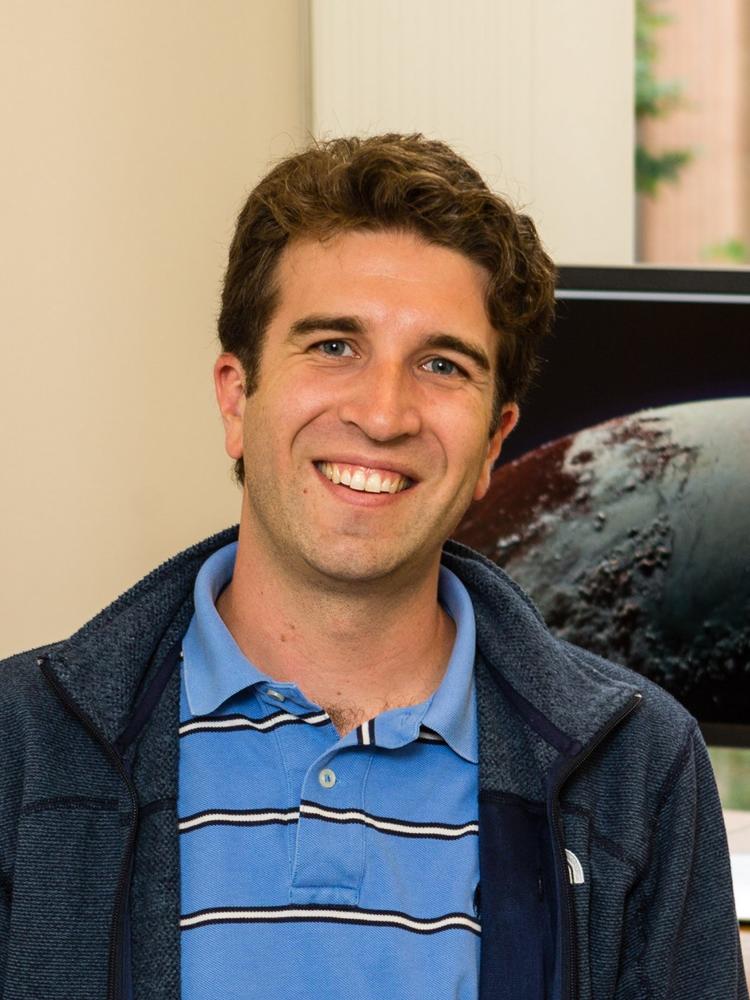 Jamey R. Szalay合作论文数Department of Astrophysical Sciences, Princeton University9
 Daniel J Gershman合作论文数Geospace Physics Laboratory, Goddard Space Flight Center, National Aeronautics and Space Administration9Dana M. Hurley合作论文数The Johns Hopkins University Applied Physics Laboratory9Pavel M. Trávníček合作论文数9D. H. Wooden合作论文数9
 Anna Milillo合作论文数Institute for Space Astrophysics and Planetology, National Institute of Astrophysics;European Space Astronomy Centre9
 Li-Jen Chen合作论文数Heliophysics Science Division, NASA Goddard Space Flight Center8
 Jason L. Mclain合作论文数Department of Chemistry, University of Georgia8
 Robert E. Gold合作论文数8Stanley C. Solomon合作论文数High Altitude Observatory, National Center for Atmospheric Research8A. Colaprete合作论文数7
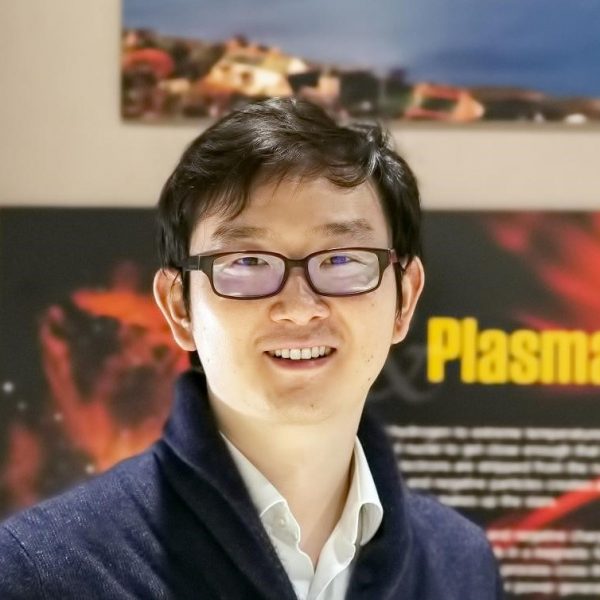 Chuanfei Dong合作论文数Department of Astronomy, Boston University;Discovery Plasma Science Department, Princeton Plasma Physics Laboratory;Department of Astrophysical Sciences, Princeton University7m burger合作论文数7




