Revilleja de Valparaiso (Hortig & uuml;ela, Burgos, Spain) is a Large Flake Acheulean (LFA) lithic assemblage on the Iberian Peninsula that is crucial for understanding the technical traditions on which the European Acheulean in the Early Middle Pleistocene was founded. These lithic industries were discovered in an alluvial deposit that has been dated to 696 +/- 32 ka (MIS 17), using Terrestrial Cosmogenic Nuclides (680 +/- 60 ka) and Electron Spin Resonance on quartz (702 +/- 32 ka), and forms the base of a higher degraded terrace, whose strath is currently preserved at +29-30 m above the River Arlanza (Duero basin). It is a strategic location that conserves a quartzite lithic assemblage with large cutting tools (LCTs) frequently knapped on flakes. Their affinity with LFA traditions and chronology suggests that: 1) around 700 ka, throughout Western Europe, there were populations that developed a heterogeneous Acheulean that subsequently became regionalised (MIS 12); 2) the Acheulean of the Iberian Peninsula with diversified LCTs, frequent use of large flakes to shape handaxes, and possibly cleavers, is earlier than 500 ka, closely related to the LFA and contemporary with North African Acheulean sites; and 3) MIS 19 (790-761 ka) was key in the processes that consolidated western European settlement by groups with heterogeneous technological traditions.
The article presents new archaeological data from the Cave of Altamira from two different perspectives: first, it summarizes the results of a comprehensive study of the rock art of a topographic area of the cave; second, it analyses archaeological evidence spatially linked to the studied Palaeolithic imageries. By contrasting the results of the AMS dating of some of this evidence with the results of our study of the superpositions and the formal characteristics of the associated rock art, we have put forth a discussion on the chronology, sequence and nature of the human interactions with the cave art of this area during the Palaeolithic. This has allowed us to define the different times of creation, use and transit for the cave art, thus producing a biography of the Palaeolithic activities in this decorated area of Altamira.
Cave 338 is a high-altitude prehistoric site located at 2,235 m a. s.l. in the eastern Pyrenees (Queralbs, Girona, NE Iberian Peninsula). Excavated between 2021 and 2023, the site preserves an exceptional and well-stratified archaeological sequence documenting recurrent episodes of human occupation spanning from at least the early 5th millennium cal BC to the late 1st millennium cal BC. Radiocarbon dates indicate that these occupations occurred during several discrete phases separated by intervals of reduced or absent activity. The cave currently represents the highest-altitude prehistoric cave site with sustained occupation currently documented in the Pyrenees. The archaeological record reveals a dense succession of combustion features, abundant faunal and ceramic remains, and an extraordinary assemblage of green mineral fragments, most likely malachite, repeatedly introduced into the cave and processed in situ. This evidence indicates the systematic exploitation of copper-rich minerals in a high-mountain environment from the Late Neolithic to the Bronze Age, providing an unprecedented record for the Pyrenean range and one of the earliest high-altitude contexts of mineral exploitation documented in Europe. The organization of space, the density of combustion features and the nature of the associated activities indicate that Cave 338 was not a marginal or sporadically used shelter, but rather a repeatedly occupied logistical site integrated within structured seasonal mobility systems. These findings challenge prevailing interpretative models that characterize prehistoric occupations above 2,000 m.a.s.l. as ephemeral and low-intensity. Instead, Cave 338 demonstrates that alpine environments could play a central role in long-term prehistoric land-use strategies, particularly in relation to the exploitation of mineral resources. As such, the site provides a key reference framework for understanding high-mountain occupation, resource exploitation and mobility dynamics in the Pyrenees during later prehistory.
Who the first inhabitants of Western Europe were, what their physical characteristics were, and when and where they lived are some of the pending questions in the study of the settlement of Eurasia during the Early Pleistocene epoch. The available palaeoanthropological information from Western Europe is limited and confined to the Iberian Peninsula1,2. Here we present most of the midface of a hominin found at the TE7 level of the Sima del Elefante site (Sierra de Atapuerca, Spain), dated to between 1.4 million and 1.1 million years ago. This fossil (ATE7-1) represents the earliest human face of Western Europe identified thus far. Most of the morphological features of the midface of this hominin are primitive for the Homo clade and they do not display the modern-like aspect exhibited by Homo antecessor found at the neighbouring Gran Dolina site, also in the Sierra de Atapuerca, and dated to between 900,000 and 800,000 years ago3. Furthermore, ATE7-1 is more derived in the nasoalveolar region than the Dmanisi and other roughly contemporaneous hominins. On the basis of the available evidence, it is reasonable to assign the new human remains from TE7 level to Homo aff. erectus. From the archaeological, palaeontological and palaeoanthropological information obtained in the lower levels of the Sima del Elefante and Gran Dolina sites4-8, we suggest a turnover in the human population in Europe at the end of the Early Pleistocene.
Due to its long occupation throughout the Middle Palaeolithic and the abundance of its pyrotechnological evidence, the Abric Romaní rockshelter (Capellades, Barcelona) provides an ideal setting for studying Neanderthal fire use. We conducted an archaeomagnetic study of four hearths from Level R (ca. 60 ky BP). Rock magnetism experiments, including hysteresis loops, and backfield, isothermal remanent magnetisation acquisition and thermo-magnetic curves, were conducted on three specimens per hearth to investigate their magnetic mineralogy. To explore the raw material’s ability to become magnetised, we performed a laboratory-induced partial thermo-remanent magnetisation acquisition in a 50μT field at various increasing temperatures. Our results indicate that the material is predominantly diamagnetic, but contains a small proportion of low coercivity magnetic minerals, likely magnetite. A total of 106 oriented specimens underwent progressive thermal demagnetisation up to 580 °C. Directional results at the specimen level show either a single component or two: one between 250 and 420 °C and another between 300 and 550 °C. Three out of the four hearths yielded normal-polarity archaeomagnetic directions, within the range of secular variation expected for their estimated age; the poor quality of the data prevented any analysis of the remaining structure. These findings suggest that, despite the hearths’ low content in ferromagnetic minerals, they are able to acquire a thermal or thermochemical-remanent magnetisation, accurately recording the Earth’s magnetic field though their high-temperature component. The low-temperature component may reflect a subsequent thermo-chemical or chemical alteration that partially remagnetised the original direction.
There is evidence that communal hunting of bison was a practice that occurred from the Middle Pleistocene to historic times and was also observed among Indigenous Americans. Within the subsistence strategies of Pleistocene humans, communal hunting was part of their range of behaviors. The level TD10.2-BB of the Gran Dolina in the Sierra de Atapuerca preserves a fossil record of this practice, with remains of at least 60 bison of different age classes. This study aims to evaluate the hypothesis that human exploitation of these bison was sustainable. To this end, we analyzed the mortality pattern of bison from TD10.2-BB through dental remains using ternary diagrams and life tables. We also used allometric equations to estimate the mean body mass of the bison population and the potential energy yield they could have provided. Our results suggest a catastrophic mortality profile for the TD10.2-BB bison, with individuals of all age classes and no selective bias toward specific age classes. The life table derived from this profile suggests a growing bison population, indicating that human exploitation could have been sustained without causing a population collapse. Furthermore, our results suggest that bison would provide meat and energy resources to support large groups of humans for several days. While the high protein content of bison carcasses may have limited their full utilization, the availability of other resources in the ecosystem likely facilitated the optimal use of bison.
Gran Dolina Unit TD10 is a sedimentary succession located at the cave entrance depositional environment of the Sierra de Atapuerca multilevel cave complex (Burgos, Spain). Its lithostratigraphic units include four archaeostratigraphic subunits (TD10.1, TD10.2, TD10.3, TD10.4) dating to the Middle Pleistocene, which have been the focus of numerous multidisciplinary studies. This research is based on the examination of large-format thin sections (14 x 6 cm) cut from monolith samples of undisturbed sediments, combined with field descriptions of TD10. We divide unit TD10 in three lithostratigraphic units: TD10a, TD10b and TD10c. Our detailed description and interpretation of the TD10 microfacies classification is guided by facies models and sedimentary process of slope deposits. The primary findings support the identification of distinct sedimentary processes, illustrating the evolution of cave entrance talus scree deposits into stratified slope deposits. Field and microscopic observations of cave entrance deposits are closely integrated with palaeoecological reconstructions, particularly concerning the vanished middle Pleistocene soils of the slopes of Gran Dolina prehistoric site. Additionally, analogies with other archaeological sites and soil formation processes provide insights into palaeosol profiles and the formation processes of the archaeological record. Finally, we discuss and formalize depositional and palaeoenvironmental units, correlating them with marine isotopic stages and substages using Bayesian chronostratigraphic modelling and TD10 palaeosols. Chronological uncertainties arise in TD10b between Bayesian dates and permafrost and (paleo-argillic) brown earths buried horizons, which are correlated with MIS 12 and MIS 11 in north-western Europe. TD10a Bayesian chronology aligns with MIS 9 in agreement with a interglacial palaeosol record. This research emphasizes the complexity of cave entrance stratigraphy and its pivotal role in reconstructing past environments.
The purpose of this paper is to contribute to the body of knowledge (c) 2024 Elsevier Masson SAS. Alle Rechte vorbehalten. on the first human occupations predating MIS 21 in the Atapuerca karst system. These occupations are described in terms of their ecological, cultural and technological context based on the Sima del Elefante and Gran Dolina sites. This paper focuses on the lower units of these sedimentary infills, specifically Unit TE9 of Sima del Elefante and Unit TD4 of Gran Dolina. In addition, evidence of the earliest human settlements in Europe is reviewed and hypotheses about the dynamics and intensity of that settlement are proposed. (c) 2024 Elsevier Masson SAS. All rights reserved.
This paper presents the zooarchaeological, technological, use-wear, and spatial analyses of the earliest sedimentary subunits of TD10 (TD10.3 and TD10.4) of the Gran Dolina site (Sierra de Atapuerca, Burgos, Spain), dated to c. 400 ka. Both units have yielded Acheulean technology, with occupational models characterized by the superimposition of multiple and independent events paired with short, sporadic occupations. Subunits TD10.3 and TD10.4 formed during a period in which the cave was largely reopened after a temporary closure. This period of reopening is evidenced by several blocks that fell from the ceiling and walls. Fifty-seven groups of refits and anthropic conjoins, of which 43 resulted from deliberate hominin activity, confirm the low disturbance of the deposits. Contrary to TD10.4, TD10.3 shows good preservation of faunal remains, although anthropogenic modifications are very scarce. Technologically, both deposits represent well-developed Acheulean assemblages, with high proportions of large-shaped tools and percussive material, which place this area among those that have yielded the most evidence of this type among all the excavated Atapuerca sites. The question of why these subunits contain so many hammerstones, manuports, and large tools associated with faunal remains that have been so scarcely modified is discussed based on data from spatial, technical, and use-wear analyses, which have identified butchery activities, and for the first time in the Pleistocene Atapuerca record, borer elements and possible thrusting stone spear tips. Furthermore, the occupational and technological characteristics of these subunits were compared with other western European archaeological sites, including the nearby site of Galería, with which a broad correlation can be made.
In this paper, we present the site of Valdeprovedo (Sierra de Atapuerca, Burgos), an open-air Paleolithic site. This site is attractive for study and research for three main reasons. First, it is an open-air site with an extraordinarily well-preserved lithic assemblage that corresponds to a very short-lived event. Second, in this small area, refits have been achieved with a high refitting rate, which allows us to reconstruct the action carried out in this place during a specific moment, around 28 ka. And third, this is the first site of this chronology that has been documented in the Sierra de Atapuerca, providing new data on the inland population of the Iberian Peninsula by Upper Paleolithic groups.
OBJECTIVE:This study seeks to contribute to the current understanding of dietary variation in the late Prehistory of the northeastern Iberian Peninsula by examining buccal dental microwear patterns alongside archeological data from the same populations. MATERIALS AND METHODS:Teeth from 84 adult individuals from eight distinct samples spanning the Middle-Late Neolithic to the Middle Bronze Age (Cova de l'Avi, Cova de Can Sadurní, Cova de la Guineu, Cova Foradada, Cova del Trader, Roc de les Orenetes, Cova del Gegant, Cova dels Galls Carboners) were analyzed using optical microscopy to examine buccal dental microwear patterns. RESULTS:The analysis did not reveal clear chronological contrasts in the dietary habits of these samples. Nevertheless, significant differences emerged among the samples, leading to their classification into two distinct sets based on the abrasiveness of the diet informed by the microwear patterns. These findings offer similarities and differences among samples in the Iberian Peninsula, shedding light on the diverse lifestyles of these individuals. DISCUSSION:Integrating our new results with other available proxies points to a multifaceted specialization in dietary patterns among these samples, influenced by factors such as habitat, resource selection, and available technology. By contextualizing the results within the broader context of the Iberian Peninsula, this research discerns shared characteristics and distinctive adaptations in the dietary practices and subsistence strategies of these groups. Ultimately, this study contributes to a deeper understanding of the intricate interplay between culture and environment in shaping human diets throughout late Prehistory.
The Galeria karstic complex, situated within the Atapuerca Multilevel Karst system (Burgos, Spain), records an impressive sedimentary sequence from the Early to Middle Pleistocene period. One of the notable features of this complex is the presence of thick fluvial deposits (waterlain facies), providing a detailed record of the transitional moment between the formation of the middle and lower Atapuerca karst levels. Examining these sediments, barely dated thus far, is crucial for gaining a comprehensive understanding of fluvio-karstic dynamics at the Atapuerca site. In our study, we conducted dating analyses on sediment samples from different areas of the Galeria complex using Electron Spin Resonance (ESR) on quartz grains (4 samples from Covacha de los Zarpazos and 1 from Tres Simas Norte outcrops) and paleomagnetism (12 samples). The aim was to refine the chronological framework of the Galeria complex, providing ages for the formation of these passages. Considering the geological context, our results revealed underestimated Aluminium (Al) ESR ages ranging from 372 +/- 78 to 569 +/- 80 ka in Covacha de los Zarpazos, along with consistent dates of 1184 +/- 120 and 1001 +/- 302 ka in Covacha de los Zarpazos and Tres Simas Central, respectively. Our results agree with previous estimates obtained through luminescence dating methods, indicating Middle Pleistocene ages for the samples. In contrast, reverse polarity estimates disagree with those from radiometric dating methods, except for samples ZAR1501 and TSC1501. Caution should be taken when interpreting these ages, as various geological factors including leaching processes from upper zones, post-sedimentary structures, and lithological variations may indicate alterations in the primitive geochemical composition of the sediment. Consequently, these factors can potentially affect the total Dose rate parameter and introduce uncertainties into the age calculations.
OBJECTIVES:To test a hypothesis on interpersonal violence events during the transition between Chalcolithic and Bronze Age in the Eastern Pyrenees, to contextualize it in Western Europe during that period, and to assess if these marks can be differentiated from secondary funerary treatment. MATERIALS AND METHODS:Metric and non-metric methods were used to estimate the age-at-death and sex of the skeletal remains. Perimortem injuries were observed and analyzed with stereomicroscopy and confocal microscopy. RESULTS:Among the minimum of 51 individuals documented, at least six people showed evidence of perimortem trauma. All age groups and both sexes are represented in the skeletal sample, but those with violent injuries are predominantly males. Twenty-six bones had 49 injuries, 48 of which involved sharp force trauma on postcranial elements, and one example of blunt force trauma on a cranium. The wounds were mostly located on the upper extremities and ribs, anterior and posterior. Several antemortem lesions were also documented in the assemblage. DISCUSSION:The perimortem lesions, together with direct dating, suggest that more than one episode of interpersonal violence took place between the Late Chalcolithic and the Early Bronze Age in northeastern Spain. The features of the sharp force trauma indicate that different weapons were used, including sharp metal objects and lithic projectiles. The Roc de les Orenetes assemblage represents a scenario of recurrent lethal confrontation in a high mountain geographic context, representing the evidence of inferred interpersonal violence located at the highest altitude settings in the Pyrenees, at 1836 meters above sea level.
The extremely rich palaeontological record of the horse family, also known as equids, has provided many examples of macroevolutionary change over the last ~55 Mya. This family is also one of the most documented at the palaeogenomic level, with hundreds of ancient genomes sequenced. While these data have advanced understanding of the domestication history of horses and donkeys, the palaeogenomic record of other equids remains limited. In this study, we have generated genome-wide data for 25 ancient equid specimens spanning over 44 Ky and spread across Anatolia, the Caucasus, Central Asia and Mongolia. Our dataset includes the genomes from two extinct species, the European wild ass, Equus hydruntinus , and the sussemione Equus ovodovi . We document, for the first time, the presence of sussemiones in Mongolia and their survival around ~3.9 Kya, a finding that should be considered when discussing the timing of the first arrival of the domestic horse in the region. We also identify strong spatial differentiation within the historical ecological range of Asian wild asses, Equus hemionus , and incomplete reproductive isolation in several groups yet considered as different species. Finally, we find common selection signatures at ANTXR2 gene in European, Asian and African wild asses. This locus, which encodes a receptor for bacterial toxins, shows no selection signal in E. ovodovi , but a 5.4-kb deletion within intron 7. Whether such genetic modifications played any role in the sussemione extinction remains unknown.
The length of time it takes to experimentally make one-sided choppers, as found in the fossil record, bears a linear relationship to the knapping process of fabricating them. In addition, this temporal frame appears to be related to human heart rates measured as beats per minute, which act as a physiological metronome. We achieved these observations, assuming that any paleolithic one-sided chopper has the information needed to estimate, quantitatively, the number of strikes on it. The experimental data allow us to establish the total timing needed for the standard fabricating of any one-sided chopper. We discuss issues derived from these experimental results, showing the evolution of human neurological abilities from 2.4 million years ago to the Modern period via the duration of time needed for making one chopper to that needed to play a 19th-century music score on a piano. Given that the neuronal and physiological distance between both actions differs by a factor of 6, we propose the concept of “technome” to measure human evolution by using methodological homogeneous metrics applied to these two human technologic objects: the chopper and the piano.
We present new datings and a new anthropological study of Early Neolithic human remains found in Galería del Sílex in 1979. This gallery is part of the Cueva Mayor system in the Sierra de Atapuerca. The human fossils attributed to the Neolithic period correspond to a minimum number of three individuals that have been radiocarbon dated to the last third of the 6th millennium cal BCE. Thus, the fossils from Galería del Sílex are among the oldest Neolithic human remains in the interior of the Iberian Peninsula. The human remains from Galería del Sílex were not found within a domestic context of human occupation of the cave, but rather within two pits (simas) located more than three hundred meters from the ancient entrance. This suggests that Galería del Sílex could have been an area reserved for depositing deceased humans during the Early Neolithic. Given the scarcity of this kind of funerary cave in the Spanish northern plateau during the Early Neolithic, the data from the Galería del Sílex add to our knowledge of human mortuary behavior during this period. In addition to the Galería del Sílex, there are two other well-known Neolithic sites in Sierra de Atapuerca: El Portalón in Cueva Mayor, which was a human occupation site, and Cueva del Mirador, which was used for livestock stabling and exploitation. Considered altogether, the emerging evidence provided by these three sites makes Sierra de Atapuerca increasingly relevant as a source of information about Early Neolithic people from the interior of the Iberian Peninsula.
This work showed that cave sediments are useful for geomorphologic studies and for reconstructing depositional environments. While the cave entrance facies have been extensively studied for their relationship with the fossil and archaeological record, the cave interior facies have received much less attention, although they can provide much information on the geomorphological evolution of the karst. This work presents the stratigraphic and sedimentological study of a section >6 m thick and 10 m long of cave interior sediments of Galeria Complex (Sierra de Atapuerca, Spain). Galeria Complex is a cavity infill of the Sierra de Atapuerca (Spain), composed of three sections filled by at least 30 m of Pleistocene sediments. This sequence is divided into 5 lithostratigraphic units named from bottom to top: GI - GV. GI unit is 19 m thick of interior facies in the base of the Galeria Complex, divided into two sub-unit, GIa and GIb, by the Matuyama-Bruhnes paleomagnetic boundary. GI unit shows an issue with the chronology since has uncoherent between TT-OSL and ESR/U-series and paleomagnetism dates. This work has been done by combining field observation with laboratory sedimentary analysis to characterize the texture and structure of the sediments. Based on these studies, 12 layers and 9 sedimentary facies have been identified. The facies associations indicate a clear separation between GIa and GIb sub-units. GIa subunit is dominated by epiphreatic conditions and represents continuous relativity sedimentation during the Early Pleistocene; meanwhile, GIb shows important erosion events and facies with reworked materials that indicate vadose conditions during the Middle Pleistocene. This environmental change is related to the geomorphological evolution of the Arlanz ' on River. In addition, soft-sediment deformation structures have been described, including faults and low-angle folds. An important leaching process has been identified by the presence of phosphates that could explain the underestimated ages obtained in other works.
ABSTRACTHotel California is part of a network of open‐air Neanderthal sites located in the Sierra de Atapuerca (Burgos, Spain). In this study, we examine the technology of the lithic assemblages recovered from this site's archaeological levels 3 to 7, which are characterised by the use of local raw materials, non‐hierarchical centripetal exploitation systems, systematic production of flakes and few retouched items. This type of expedient technology is repeated throughout the entire sequence, which spans Marine Isotope Stages (MIS) 3 to 4. Through a comparison with the technocomplexes and occupation histories of surrounding sites – including a re‐evaluation of the published chronology for the nearby site of Fuente Mudarra, which is now dated exclusively to MIS 5 – we examine whether the detected pattern is applicable to the rest of the Atapuerca Mousterian record and if this expedient behaviour has equivalents in other sites in the region. Our findings show that the lithic procurement, exploitation and configuration strategies employed at the Sierra de Atapuerca open‐air sites were constant over broad time periods spanning MIS 5 to 3, in contrast to the technological sequences observed at other nearby sites on the Northern Iberian Plateau. The recurrent settlement of these open‐air Neanderthal sites over tens of thousands of years and the consistent use of expedient technologies during different occupation periods is likely attributable to the rich ecological context of the Sierra de Atapuerca environs.
The Acheulean of the southern Iberian Peninsula is markedly similar to the north African Acheulean. However, the characte-ristics of the stone tool assemblages are heterogeneous and represent complex cultural phenomena. From MIS 15, the lithic assemblages in fluvial (Guadiana, Guadalquivir and Guadalete rivers), fluvio-lacustrine (Solana del Zamborino) and karstic (Cueva del A ' ngel, Bolomor, Cueva Negra del ri ' o Qui ' par, Cueva Hora ' and Santa Ana) contexts exhibit analogies and technical differences representative of a phenomenon of multiplicity. Contributing to this phenomenon is the perception of technological stasis or conservatism of the Acheulean technocomplex and the different technical responses articulated by hominins to achieve equivalent results. These equivalences generate the uniformity that allows us to recognise typologies of large cutting tools (LCTs) regardless of the lithic materials used or the organisational structures of the operational sequences. These diversified typologies include handaxes, picks, and cleavers, which maintain a consistent presence despite innovations such as the Levallois flaking method. In some cases, the presence of cleavers and spheroids affects the range of represented typologies. Beneath the uniformity of the handaxes, lie organisational differences in the operational sequences. The changes and differences in the use of flakes to shape handaxes, the representation of cleavers and diversification of shaped-tool typologies all suggest differential cultural beha-viours linked in part to divergent contexts. These aspects indicate that this multiplicity is related to diffusion, adaptation and cultural changes produced at the margins of the conservatism of this technocomplex. Observed changes could indicate inter-group cultural replacements, most of which retained a similar techno-typological diversity to that seen in the north African Acheulean until MIS 5. Cyclical climate change during the Middle Pleistocene affected the Strait of Gibraltar, regulating its function and conditioning the circulation of hominins and affecting cultural interactions between southern Iberian groups.(C) 2022 Elsevier Masson SAS. All rights reserved.
 José María Bermúdez de Castro Risueño合作论文数Centro Nacional de Investigación sobre la Evolución Humana171
 Juan Luis Arsuaga Ferreras合作论文数Departamento de Geodinámica, Estratigrafía y Paleontología, Facultad de Ciencias Geológicas, Universidad Complutense Madrid120
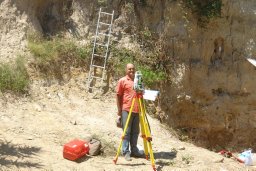 Josep Vallverdu Poch合作论文数Institut Català de Paleoecologia Humana i Evolució Social, URV;Area de Prehistoria, Universitat Rovira i Virgili (URV),;Departamento de Paleobiología, Museo Nacional de Ciencias Naturales (MNCN),;Institut Català de Paleoecologia Humana i Evolució Social, Universitat Rovira i Virgili (URV),65
 Andreu Ollé合作论文数Àrea de Prehistòria, Universitat Rovira i Virgili (Unidad de Investigación Asociada al CSIC),59
 Jordi Rosell Ardevol合作论文数Secció de Genètica, Hospital Son Dureta55
 Marina Mosquera合作论文数50
 Antonio Jesus Rodriguez-Hidalgo合作论文数IPHES, Institut Català de Paleoecologia Humana i Evolució Social (Catalonian Institute of Human Paleoecology and Social Evolution), C/ Marcel.lí Domingo s/n, Campus Sescelades URV (Edifici W3), 43007 Tarragona, Spain47
 Robert Sala Ramos合作论文数47
 Isabel Caceres合作论文数IPHES (Institut Català de Paleoecologia Humana i Evolució Social),, Universtat Rovira i Virgili47xose pedro rodriguez alvarez合作论文数42
 Antoni Canals合作论文数40
 Palmira Saladié Ballesté合作论文数Institut Català de Paleocologia Humana i Evolució Social39
 Ana Isabel Ortega合作论文数Centro Nacional de Investigación sobre Evolución Humana34
 Josep Mª Parés Casanova合作论文数Centro Nacional de Investigacion Sobre La Evolucion Humana33
 Rosa Huguet合作论文数31
 Josep Maria Vergès Bosch合作论文数Institut Catala de Paleoecologia Humana I Evolucié Social30
 Juan Marin Hernando合作论文数Departamento de Prehistoria y Arqueología, Universidad Nacional de Educación a Distancia;Facultad De Geografía E Historia, Universidad Nacional de Educación a Distancia27
 Lucia Bermejo合作论文数Institut UTINAM - UMR CNRS 6213, Université Bourgogne Franche Comté25
 Rosas González Antonio合作论文数Museo Nacional de Ciencias Naturales25Alfredo Pérez-González合作论文数Universidad Complutense Departamento de Geodinámica, Facultad de Geológicas 28040 Madrid Spain25
 Jan van der Made合作论文数Museo Nacional de Ciencias Naturales, Consejo Superior de Investigaciones Científicas25
 Mario Modesto-Mata合作论文数CENIEH Natl Res Ctr Human Evolut24
 Isidoro Campana Lozano合作论文数Centro Nacional de Investigación sobre la Evolución Humana (CENIEH), Paseo Sierra de Atapuerca, 3, 09002, Burgos, Spain.24
 María Martinón-Torres合作论文数Centro Nacional de Investigación sobre la Evolución Humana;Anthropology Department, University College London24
 Ruth Blasco合作论文数Institut Català de Paleoecologia Humana i Evolució Social (IPHES),, Universitat Rovira i Virgili24Manuel Vaquero合作论文数23
 Ignacio Martinez合作论文数23
 Marina Lozano合作论文数Unitat d'Investigació Associada, Àrea de Prehistòria (;Institut d'Estu;Universitat Rovira i Virgili;Institut d'Estu, Universitat Rovira i Virgili23
 Carlos Lorenzo合作论文数Univ Texas Hlth San Antonio22nova barrero martin合作论文数22maria dolores mejias del cosso合作论文数20abel morcillo leon合作论文数20
 Francesc Burjachs Casas合作论文数IPHES(IPHES20
 Gloria Cuenca-Bescos合作论文数Área de Paleontología;Departamento de Ciencias de la Tierra;Universidad de Zaragoza;Departamento de Ciencias de la Tierra, Universidad de Zaragoza20
 Ethel Allue合作论文数18
 Jose Miguel Carretero合作论文数Laboratorio de Evolución Humana, Universidad de Burgos18
 Alfonso Benito Calvo合作论文数Facultad de Ciencias Geológicas, U.C.M.18Carlos Díez合作论文数18paolo donadei合作论文数17
 Rafael Mora Torcal合作论文数Àrea de Prehistòria;Universitat Autònoma de Barcelona;Àrea de Prehistòria, Universitat Autònoma de Barcelona17
 Chacon Maria Gema合作论文数IPHES (Institut Català de Paleoecologia Humana i Evolució Social),, Universitat Rovira i Virgili17Xosé Pedro Rodríguez合作论文数15
 Hugues-Alexandre Blain合作论文数Institut de Paleoecología Humana i Evolució Social (Unitat associada al CSIC),, de la Universitat Rovira i Virgili15Ana Gracia合作论文数Centro de Investigación (UCM-ISCIII) sobre, Evolución y Comportamiento Humanos, c/Sinesio Delgado, 4, 28029 Madrid, Spain15
 López-Polín Lucía合作论文数Institut Català de Paleoecologia Humana i Evolució Social (IPHES), Tarragona, Spain;Facultat de Lletres, Universitat Rovira i Virgili (URV),;Institut Català de Paleoecologia Humana i Evolució Social (IPHES),, Universitat Rovira i Virgili (URV),14
 Isabel Expósito合作论文数IPHES (Institut Català de Paleoecologia Humana i Evolució Social),, Universitat Rovira i Virgili14Victoria Aranda Sánchez合作论文数13francisco javier garcia vadillo合作论文数13Ana María Rabazo Rodríguez合作论文数13




