Importance:Preoperative and perioperative nivolumab improve event-free survival in resectable non-small cell lung cancer. The role of adjuvant nivolumab after upfront surgery is unknown. Objective:To determine whether adjuvant nivolumab improves disease-free survival and overall survival in patients with resected non-small cell lung cancer with any tumor programmed death-ligand 1 (PD-L1) expression and in those with at least 50% PD-L1 expression. Design, Setting, and Participants:This open-label, randomized phase 3 study enrolled participants from May 2016 through September 2019, with median follow-up of 72.6 months at the data cutoff in December 2025. The study was conducted at 378 centers in the US National Clinical Trials Network. Patients were identified through a screening trial. Those with resected tumors at least 4 cm and/or who were lymph node positive (N1/N2) were eligible for inclusion after completion of planned standard adjuvant therapy if the tumor was adenocarcinoma without sensitizing sequence variants in EGFR and ALK or squamous cell carcinoma. Intervention:Patients were randomized in a 1:1 ratio to receive nivolumab 480 mg intravenously every 4 weeks for up to 1 year or standard care observation. Main Outcomes and Measures:Co-primary end points were disease-free survival in the intention-to-treat population and in those with tumoral PD-L1 expression at least 50%. Overall survival was examined if the corresponding test of disease-free survival was statistically significant. Results:A total of 466 patients (median age, 66 years; 241 [52%] male) were assigned to receive nivolumab and 469 (median age, 67 years; 245 [52%] male) to undergo standard care observation. The median duration of follow-up was 72.6 months. The trial was stopped for futility at 75% information. In the intention-to-treat population, median disease-free survival was 71.3 months with nivolumab and 68.8 months with observation (hazard ratio for progression or death, 0.97 [97% CI, 0.79-1.20]; [95% CI, 0.81-1.17]; 1-sided P = .39). In the subset of participants with PD-L1 of at least 50%, median disease-free survival was 89.8 months with nivolumab and 78.5 months with observation (hazard ratio for progression or death, 0.86 [98% CI, 0.55-1.34]; [95% CI, 0.59-1.25]; 1-sided P = .22). Conclusions and Relevance:Adjuvant nivolumab was not associated with improved disease-free survival in patients with resected non-small cell lung cancer without sensitizing EGFR and ALK alterations when given after planned adjuvant chemotherapy and/or radiotherapy. Trial Registration:Clinicaltrials.gov Identifier: NCT02595944.
Preclinical studies have evaluated murine double minue 2 (MDM2) inhibitors as a treatment for adenoid cystic carcinoma (ACC), but clinical trials are lacking. This phase I trial (NCT03781986) assesses the safety and antitumor activity of an oral MDM2 inhibitor, alrizomadlin (APG-115), +/- carboplatin in TP53 wild type unresectable recurrent/metastatic salivary gland cancers (R/M SGC) with a planned 1:1 randomization to carboplatin chemotherapy. The co-primary endpoints are determination of dose-limiting toxicity (DLT) and response rate (RR) for alrizomadlin monotherapy +/- carboplatin. Secondary endpoints include safety, survival, and RR by tumor histology. After enrollment of 4 patients to combination therapy, the trial was modified to a single arm study of alrizomadlin monotherapy due to excess toxicity. 1 DLT was seen in the combination arm, all patients had ≥ G3 treatment related adverse events (TRAE). 37 patients were enrolled to alrizomadlin monotherapy. 3 DLTs were encountered, 67% of patients had ≥ G3 TRAE. The RR was 15% with median progression free survival 10.5 months. These findings demonstrate encouraging tolerability of alrizomadlin monotherapy with antitumor activity in patients with TP53 wild type SGC, especially ACC.
PURPOSE:We report mature outcomes of patients with limited-stage small cell lung cancer randomly assigned to the 61.2 Gy concomitant boost (CB) thoracic radiation therapy (TRT) arm of Cancer and Leukemia Group B (CALGB) 30610/Radiation Therapy Oncology Group (RTOG) 0538. The CB arm was discontinued after planned interim analysis; however, the study provides the largest prospective data set using 61.2 Gy CB TRT. METHODS AND MATERIALS:Eligible patients had limited-stage small cell lung cancer with regional lymph node involvement and Eastern Cooperative Oncology Group performance status 0 to 2. TRT began with either the first or second (of 4 total) cycle of cisplatin-based chemotherapy. Three-dimensional conformal radiation therapy or intensity modulated radiation therapy planning was required. In the initial phase of the trial, patients were randomly assigned with a 1:1:1 allocation to 45 Gy twice daily, 70 Gy once daily, and 61.2 Gy CB TRT. RESULTS:Ninety-three patients were assigned to receive 61.2 Gy CB TRT. After a median follow-up of 115 months for surviving patients, median overall survival and progression-free survival were 32.3 months (95% CI, 20.4-44.8 months) and 15.4 months (95% CI, 10.0-24.0 months), respectively. Five-year overall survival was 28.5% (95% CI, 20.6-39.6). Rates of grade 3 and 4 nonhematologic adverse events were 40.9% and 25%, including 16% dysphagia and 7% severe pulmonary toxicity. CONCLUSIONS:CB TRT outcomes appear similar to contemporaneous trials using 45 Gy twice-daily or high-dose once-daily TRT and compare favorably with prior phase 2 data. Improved outcomes highlight the impact of advances in staging and radiation therapy techniques, although additional factors may have contributed.
PURPOSE:The development of effective radiation therapy (RT)-drug combinations has been slow, largely because early-phase trial designs have mirrored systemic drug development paradigms based on the maximum tolerated dose (MTD). The U.S. Food and Drug Administration's Project Optimus advocates replacing the MTD approach with the identification of an optimum biologically effective dose, integrating both efficacy and tolerability. Applying these principles to RT-drug development could accelerate the establishment of safe and effective combinations. METHODS AND MATERIALS:An international panel of experts examined how Project Optimus principles could be adapted to RT-drug development. We discuss: (1) the legacy of the MTD in RT-drug development; (2) adapting Project Optimus principles to RT-drug trials; (3) key considerations for safety and efficacy assessment; (4) trial design innovations; and (5) future directions for implementation. RESULTS:The panel identified key limitations of the traditional MTD approach, including inadequate capture of delayed and cumulative adverse events and a lack of biological relevance for radiosensitization or immune modulation. The proposed RT-Optimus framework redefines dose-finding objectives to identify the Optimum Radiation Therapy Combination Regimen-the combination of drug dose, schedule, and RT parameters that optimizes tumor control while minimizing normal tissue side effects. Implementation of this approach requires extended windows to assess side effects, incorporation of patient-reported outcomes, intermediate efficacy endpoints (eg, circulating tumor DNA clearance, radiomics), and use of adaptive, model-informed trial designs to efficiently evaluate multiple agents and schedules. CONCLUSIONS:An RT-Optimus framework offers a biologically and ethically grounded pathway to modernize early-phase RT-drug trials. By focusing on the Optimum Radiation Therapy Combination Regimen rather than MTD, and embedding mechanistic, biomarker-informed, and patient-centered endpoints, this approach could improve the efficiency, reproducibility, and clinical relevance of RT-drug development, helping to avoid failures seen in previous RT-drug combinations and ultimately accelerating progress toward safer and more effective multimodality cancer treatments.
Germline pharmacogenetics (PGx) is increasingly used to tailor medication selection/dosing. However, existing systems primarily communicate PGx results to providers, limiting direct patient engagement. To address this, we developed YourPGx Oncology, an innovative patient‐facing portal that delivers multi‐gene PGx results ( CYP2D6 , UGT1A1 , DPYD ) through 33 unique, patient‐friendly summaries. The utility of this tool was prospectively evaluated in an oncology population, where these pharmacogenes impact high‐stakes treatments. Patients enrolled in the PhOCus study (NCT04541381) participated in single‐session evaluations of the tool in‐person or via videoconference, with a pharmacist available for questions and administering pre‐ and post‐surveys that assessed educational impact. Each patient viewed their own previously obtained PGx results. Of 190 eligible patients, 70 responded to solicitations via email, phone, and in‐person, of whom 51 (73%) completed an observed session and completed surveys. Patients spent a median of 13.4 minutes (range 8.1–21.0) navigating YourPGx Oncology. After portal interaction, patients' ability to identify individual efficacy and safety estimates for chemotherapies and pain medications significantly improved, with the proportion accurately recognizing PGx‐informed drug efficacy likelihoods rising from 32% to 72% (Odds Ratio [OR] = 5.8 for the shift from discordant to concordant efficacy knowledge, P < 0.001), and PGx‐related toxicity recognition increasing from 31% to 57% (OR = 3.2, P = 0.01). Our findings show that a customized patient‐facing PGx results portal enhances patient understanding of individual medication efficacy and toxicity likelihoods, highlighting the potential key role of direct‐to‐patient PGx tools to facilitate optimized treatment‐informed care and promote genetically guided shared decision‐making.
6091 Background: Human papillomavirus-associated (HPV+) oropharyngeal carcinoma (OPC) is linked to favorable survival outcomes, prompting efforts to de-intensify treatment strategies. Circulating tumor HPV-DNA (ctHPV-DNA) is a promising biomarker for assessing treatment response and guiding de-escalation strategies. This study evaluates how patient characteristics influence ctHPV-DNA dynamics during neoadjuvant therapy across two de-escalation clinical trials. Methods: Patients with non-metastatic HPV+ OPC enrolled across two trials of neoadjuvant carboplatin/paclitaxel (NCT04572100) or carboplatin/ nab -paclitaxel/nivolumab (OPTIMA II, NCT03107182), with ctHPV-DNA available at baseline and post-neoadjuvant, were eligible. All participants received three cycles of neoadjuvant therapy followed by response-adapted de-escalated locoregional treatment. ctHPV-DNA values (copies per ml plasma) were measured at baseline and after 2-3 cycles of neoadjuvant therapy, and percentage reductions were calculated. We defined “ctHPV-DNA clearance” as ≥ 95% reduction from baseline and compared data distribution between patients who achieved clearance and those who did not using Kruskal-Wallis, Pearson’s χ2, or Fisher’s exact tests. Overall survival (OS) and progression free survival (PFS) probabilities were compared using log-rank test. Results: The study included 84 patients . The mean age was 60.9 years. 93% of patients with neoadjuvant nivolumab/chemotherapy achieved ctHPV-DNA clearance compared to 82% with chemotherapy alone, p =0.298. Patients with T1-T2 tumors (AJCC 8 th edition) were significantly more likely to achieve ctHPV-DNA clearance compared to those with T3-T4 tumors ( p =0.0254). Age, race/ethnicity, smoking history, tumor site (e.g., tonsil), and risk group were not significantly associated with ctHPV-DNA clearance rates. ctHPV-DNA clearance by cycle 2-3 of neoadjuvant therapy predicted radiographic response per RECIST v1.1 ( p =0.001), and significantly improved OS ( p =0.025) and PFS ( p <0.001). Survival outcomes were similar across OPTIMA II and NCT04572100 as previously reported. Conclusions: Earlier T-stage tumors were associated with rapid ctHPV-DNA clearance by cycle 2 with a trend towards higher clearance rate with neoadjuvant nivolumab/chemotherapy. Rapid clearance predicts radiographic response, OS, and PFS, supporting ctHPV-DNA as a useful biomarker for treatment monitoring with neoadjuvant treatment in HPV+ OPC. Clinical trial information: NCT03107182 . ctHPV-DNA % reduction between baseline and follow up at cycle 2-3. ≥ 95% reductionN (%) < 95% reductionN (%) p Age, (mean ± sd) 60.4 ± 10 61.3 ± 8.5 0.656 Gender (Male) 59 (86.8) 9 (13.2) 1 Race (Caucasian) 54 (86) 9 (14) 0.583 Risk (High) 34 (92) 3 (8) 0.309 T1 stage 12 (75) 4 (25) 0.0254 T2 stage 30 (97) 1 (3) T3 stage 8 (89) 1 (11) T4 stage 3 (60) 2 (40) Tumor shrinkage (median %, range) -64.2 (-23, -100) -42 (-14, -71) 0.001
The anti-tumour effect of radiotherapy beyond the treatment field-the abscopal effect-has garnered much interest1. However, the potentially deleterious effect of radiation in promoting metastasis is less well studied. Here we show that radiotherapy induces the expression of the EGFR ligand amphiregulin in tumour cells, which reprogrammes EGFR-expressing myeloid cells toward an immunosuppressive phenotype and reduces phagocytosis. This stimulates distant metastasis growth in human patients and in pre-clinical mouse tumour models. The inhibition of these tumour-promoting factors induced by radiotherapy may represent a novel therapeutic strategy to improve patient outcomes.
Neoadjuvant immunotherapy in human papillomavirus (HPV)–negative locoregionally advanced (LA) head and neck squamous cell carcinoma (HNSCC) appears promising, yet its role in nonsurgical treatment for head and neck cancer remains undefined. Neoadjuvant nivolumab plus chemotherapy followed by response-stratified de-escalated chemoradiation therapy (CRT) in HPV-negative LA stage IVa/b HNSCC may improve treatment efficacy while reducing treatment-related toxic effects. To determine the deep response rate and tolerability of neoadjuvant nivolumab plus chemotherapy followed by response-stratified CRT in nonvirally mediated stage IVa/b HNSCC. In this investigator-initiated phase 2 nonrandomized clinical trial conducted at a single academic center, patients with stage IVa/b (American Joint Committee on Cancer Tumor Classification, 8th edition) HPV-negative LA HNSCC were enrolled between 2019 and 2022. Data were analyzed from February 2023 to January 2024. The DEPEND trial evaluated neoadjuvant nivolumab plus carboplatin and paclitaxel, followed by response-stratified CRT. Patients with 50% or greater reduction per Response Evaluation Criteria in Solid Tumors (RECIST) version 1.1 received de-escalated CRT to 66 Gy with elimination of elective nodal volumes; patients with less than 50% reduction received standard CRT to 70 to 75 Gy. Adjuvant nivolumab was administered for 9 cycles. The primary end point was deep response rate (DRR; 50% or greater shrinkage per RECIST version 1.1) following neoadjuvant nivolumab plus chemotherapy. Secondary end points included progression-free survival (PFS), overall survival (OS), locoregional control, and distant control. Exploratory end points included acute toxic effects in patients who received response-adapted de-escalated CRT. Of 36 included patients, 28 (78%) were male, and the median (range) age was 58.9 (27-77) years. All patients started treatment and were available for analysis. The median (range) follow-up was 20 (13-40) months. The primary end point was met, with a DRR following neoadjuvant nivolumab/chemotherapy of 53% (95% CI, 35-70). The objective response rate was 86% (95% CI, 71-95). A total of 19 received de-escalated CRT and 16 received standard CRT. PFS and OS at 2 years were 66% (95% CI, 34-76) and 73% (95% CI, 52-86), respectively. The most common treatment-emergent adverse events for de-escalated and standard CRT were mucositis (14 of 19 [74%] and 15 of 16 [94%], respectively), radiation dermatitis (13 of 19 [68%] and 14 of 16 [88%], respectively), and dry mouth (7 of 19 [37%] and 10 of 16 [63%], respectively). In this phase 2 nonrandomized clinical trial, neoadjuvant nivolumab/chemotherapy led to deep responses in 53% of patients with HPV-negative LA stage IVa/b HNSCC, and response-adapted de-escalated CRT led to favorable survival with lower acute toxic effects among deep responders. ClinicalTrials.gov Identifier: NCT03944915
PURPOSE:Human papillomavirus-associated (HPV+) oropharyngeal carcinoma is associated with excellent survival, yet treatment drives substantial toxicity. Improved biomarkers are needed to select patients for de-escalated treatment. Circulating tumor HPV DNA (ctHPV-DNA) represents a promising noninvasive biomarker to gauge treatment response and surveil for disease recurrence. PATIENTS AND METHODS:A prospective biomarker clinical trial of response-stratified de-escalation was conducted. Eligible patients with non-metastatic HPV+ oropharyngeal carcinoma received neoadjuvant chemotherapy, followed by risk/response-stratified de-escalation with transoral robotic surgery, de-escalated radiation with or without chemotherapy to 50 Gy, or standard chemoradiation to 70 Gy. Deep response (≥50% tumor shrinkage per RECIST v1.1) qualified patients for de-escalation. ctHPV-DNA was measured using HPV-SEQ in plasma at baseline, during neoadjuvant chemotherapy, radiation, and following treatment. The primary endpoint was the correlation of ctHPV-DNA kinetics and radiographic response. RESULTS:Forty-six eligible patients were enrolled, and 488 ctHPV-DNA samples were analyzed (median 11 per patient). The median follow-up was 30 months, and five recurrences were observed (10.9%). Baseline ctHPV-DNA was detected in 95% of evaluable patients. Rapid early ctHPV-DNA clearance after one cycle of neoadjuvant therapy (≥95% reduction) predicted radiographic deep response (P = 0.04). Detection of ctHPV-DNA 3 months or later after treatment was associated with worse progression-free and overall survival (P < 0.001). Sensitivity, specificity, and positive and negative predictive values of longitudinal ctHPV-DNA were 100%. The longest lead time from positive ctHPV-DNA to detection of recurrent disease was 25 months. CONCLUSIONS:Rapid early clearance of ctHPV-DNA during neoadjuvant therapy demonstrates utility in predicting response to treatment. Detectable ctHPV-DNA following treatment is predictive of both disease recurrence and worse survival.
Detecting human papillomavirus (HPV) status is crucial for treating Head and Neck Squamous Cell Carcinomas (HNSCCs). While p16 immunohistochemistry is the current standard for HPV detection, its moderate sensitivity and complex implementation limit its global utility. The ability to diagnose HPV status in HNSCC has become increasingly critical worldwide, as rising HPV-positive HNSCC rates observed in high-income countries may signal a global trend, and HPV status remains essential for treatment selection. Although hematoxylin and eosin (H&E) stained slides are clinically ubiquitous, artificial intelligence (AI) methods applied to these images have not matched molecular assays’ performance nor provided needed clinical interpretability. Recent advances in vision transformer-based foundation models for computational pathology offer a promising approach to address this unmet need. We analyzed H&E images from 981 HNSCC patients across four datasets: TCGA (n=HPV+ 33/total 401), CPTAC (n=1/109), UCH (n=159/364), and PENN (n=106/106). Fifty percent of the patients were used for validation. Using UNI, a foundation self-supervised learning (SSL) model, we extracted feature vectors from 10x effective magnification tile images across each whole slide. We identified an HPV feature axis using recursive support vector machine and principal component analysis to isolate SSL features that differentiated HPV tumors, then interpreted the relevant histologic features using HistoXGAN to generate synthetic histology images. This approach enabled the isolation of histologic features specific to HPV+ tumors, whereas real histology images contain multiple sources of variation. An expert pathologist validated the biological relevance of the identified HPV-axis features. We developed a predictive model for HPV status by varying the percentages of tiles within each slide required to exceed a binary threshold on the HPV-axis. This model was robust across threshold choices. Our method identified an HPV-axis that robust HPV detection performance (sensitivity 0.83, specificity 0.88) across all datasets (balanced accuracy - TCGA 0.77, CPTAC 0.98, UCH 0.78, PENN 1.00). Using synthetic histology images and pathologist validation, we identified key, morphological features aligning with established HPV-associated histology, including nuclei size, color, and cell borders. Together with our Grundium slide scanning pipeline the time-to-prediction for a slide is less than 3 minutes. Foundation models and synthetic digital pathology enabled HPV detection from histology with accuracy comparable to current diagnostic standards, while providing pathologist-interpretable predictions. This accessible, rapid, and explainable method holds promise for expanding testing of HPV and potentially other molecular features in resource-limited settings. Hanna M. Hieromnimon, Anna Trzcinska, Frank Wen, Frederick M. Howard, James M. Dolezal, Emma Dyer, Sara Kochanny, Jefree Schulte, Cindy Wang, Heather Chen, Jeffrey Chin, Elizabeth Blair, Nishant Agrawal, Ari Rosenberg, Everett Vokes, 1 Rohan Katipally, Aditya Juloori, Evgeny Izumchenko, Mark W. Lingen, Nicole Cipriani, Jalal B. Jalaly, Devraj Basu, Samantha J. Riesenfeld, Alexander T. Pearson. Interpretable HPV detection in head and neck cancer using foundation models and synthetic digital pathology [abstract]. In: Proceedings of the American Association for Cancer Research Annual Meeting 2025; Part 1 (Regular Abstracts); 2025 Apr 25-30; Chicago, IL. Philadelphia (PA): AACR; Cancer Res 2025;85(8_Suppl_1):Abstract nr 2471.
Patients with recurrent/metastatic (r/m) head and neck squamous cell carcinoma (HNSCC) have limited treatment options and a dismal prognosis, especially when their cancer is resistant to standard treatments like anti-programmed cell death protein 1 and platinum-based therapies. Petosemtamab - a human, common light chain, bispecific antibody with enhanced antibody-dependent cellular cytotoxicity targeting epidermal growth factor receptor (EGFR) and leucine-rich repeat-containing G-protein coupled receptor 5 (LGR5) - demonstrated antitumor activity in r/m HNSCC. In many tumor types, including HNSCC, EGFR is an oncogenic driver, while LGR5 is upregulated. LGR5 can potentiate the wingless-type integration site (WNT)/β-catenin signaling pathway in response to ligand binding, stimulating cancer stem cell proliferation and self-renewal. This article describes two registration-intent, open-label, randomized phase III trials evaluating efficacy and safety of petosemtamab. LiGeR-HN1 (NCT06525220) evaluates petosemtamab plus pembrolizumab versus pembrolizumab as first-line therapy for patients with programmed cell death ligand 1-positive r/m HNSCC. LiGeR-HN2 (NCT06496178) evaluates petosemtamab versus investigator's choice of monotherapy (cetuximab, methotrexate, or docetaxel) in patients with previously treated r/m HNSCC. Primary endpoints in both trials are objective response rate per Response Evaluation Criteria in Solid Tumors version 1.1 by blinded independent central review, and overall survival. Both trials are recruiting at the time of publication.Clinical Trial Registration: NCT06525220 and NCT06496178 (ClinicalTrials.gov).
Objectives Human papillomavirus (HPV) influences the pathobiology of Head and Neck Squamous Cell Carcinomas (HSNCCs). While deep learning shows promise in detecting HPV from hematoxylin and eosin (H&E) stained slides, the histologic features utilized remain unclear. This study leverages artificial intelligence (AI) foundation models to characterize histopathologic features associated with HPV presence and objectively describe patterns of variability in the HPV-positive space. Materials and Methods H&E images from 981 HNSCC patients across public and institutional datasets were analyzed. We used UNI, a foundation model based on self-supervised learning (SSL), to map the landscape of HNSCC histology and identify the axes of SSL features that best separate HPV-positive and HPV-negative tumors. To interpret the histologic features that vary across different regions of this landscape, we used HistoXGAN, a pretrained generative adversarial network (GAN), to generate synthetic histology images from SSL features, which a pathologist rigorously assessed. Results Analyzing AI-generated synthetic images found distinctive features of HPV-positive histology, such as smaller, paler, more monomorphic nuclei; purpler, amphophilic cytoplasm; and indistinct cell borders with rounded tumor contours. The SSL feature axes we identified enabled accurate prediction of HPV status from histology, achieving validation sensitivity and specificity of 0.81 and 0.92, respectively. Our analysis subdivided image tiles from HPV-positive histology into three overlapping subtypes: border, inflamed, and stroma. Conclusion Foundation-model-derived synthetic pathology images effectively capture HPV-related histology. Our analysis identifies distinct subtypes within HPV-positive HNSCCs and enables accurate, explainable detection of HPV presence directly from histology, offering a valuable approach for low-resource clinical settings.
Importance:Neoadjuvant immunotherapy in human papillomavirus (HPV)-negative locoregionally advanced (LA) head and neck squamous cell carcinoma (HNSCC) appears promising, yet its role in nonsurgical treatment for head and neck cancer remains undefined. Neoadjuvant nivolumab plus chemotherapy followed by response-stratified de-escalated chemoradiation therapy (CRT) in HPV-negative LA stage IVa/b HNSCC may improve treatment efficacy while reducing treatment-related toxic effects. Objective:To determine the deep response rate and tolerability of neoadjuvant nivolumab plus chemotherapy followed by response-stratified CRT in nonvirally mediated stage IVa/b HNSCC. Design, Setting, and Participants:In this investigator-initiated phase 2 nonrandomized clinical trial conducted at a single academic center, patients with stage IVa/b (American Joint Committee on Cancer Tumor Classification, 8th edition) HPV-negative LA HNSCC were enrolled between 2019 and 2022. Data were analyzed from February 2023 to January 2024. Interventions:The DEPEND trial evaluated neoadjuvant nivolumab plus carboplatin and paclitaxel, followed by response-stratified CRT. Patients with 50% or greater reduction per Response Evaluation Criteria in Solid Tumors (RECIST) version 1.1 received de-escalated CRT to 66 Gy with elimination of elective nodal volumes; patients with less than 50% reduction received standard CRT to 70 to 75 Gy. Adjuvant nivolumab was administered for 9 cycles. Main Outcomes and Measures:The primary end point was deep response rate (DRR; 50% or greater shrinkage per RECIST version 1.1) following neoadjuvant nivolumab plus chemotherapy. Secondary end points included progression-free survival (PFS), overall survival (OS), locoregional control, and distant control. Exploratory end points included acute toxic effects in patients who received response-adapted de-escalated CRT. Results:Of 36 included patients, 28 (78%) were male, and the median (range) age was 58.9 (27-77) years. All patients started treatment and were available for analysis. The median (range) follow-up was 20 (13-40) months. The primary end point was met, with a DRR following neoadjuvant nivolumab/chemotherapy of 53% (95% CI, 35-70). The objective response rate was 86% (95% CI, 71-95). A total of 19 received de-escalated CRT and 16 received standard CRT. PFS and OS at 2 years were 66% (95% CI, 34-76) and 73% (95% CI, 52-86), respectively. The most common treatment-emergent adverse events for de-escalated and standard CRT were mucositis (14 of 19 [74%] and 15 of 16 [94%], respectively), radiation dermatitis (13 of 19 [68%] and 14 of 16 [88%], respectively), and dry mouth (7 of 19 [37%] and 10 of 16 [63%], respectively). Conclusions and Relevance:In this phase 2 nonrandomized clinical trial, neoadjuvant nivolumab/chemotherapy led to deep responses in 53% of patients with HPV-negative LA stage IVa/b HNSCC, and response-adapted de-escalated CRT led to favorable survival with lower acute toxic effects among deep responders. Trial Registration:ClinicalTrials.gov Identifier: NCT03944915.
6068 Background: Human papillomavirus (HPV) positive OPSCC is known to have a favorable prognosis compared to its HPV negative counterparts. It is thus important to limit treatment-related toxicity while preserving functional and survival outcomes. In this pooled study, we report functional and survival outcomes across prospective cohorts treated with chemotherapy-response-adaptive dose and volume de-escalation of radiation. Methods: Patients with non-metastatic HPV positive OPSCC were sequentially treated at an academic center on either an interventional de-escalation trial: OPTIMA 1 (NCT02258659); OPTIMA II (NCT03107182); (NCT04572100 ) or off-protocol in a prospective registry. Eligible patients had N1-3 or T3-4 (AJCC 8 th edition) disease. Very low-risk patients T0-2N0-1 (single lymph node <3cm) were excluded. Patients were stratified as low risk (LR) or high risk (HR) according to T/N stage and smoking history. Following chemotherapy (carboplatin and paclitaxel or nab -paclitaxel) with or without nivolumab, patients received de-escalated treatment with low dose arm (LDA; radiation [RT] alone to 50Gy or transoral robotic surgery), intermediate dose arm (IDA; chemoRT [CRT] to 45-50Gy) or regular dose arm (CRT to 70-75Gy). To analyze functional outcomes, we compared swallowing performance scores (SPS), trismus, percutaneous endoscopic gastrostomy (PEG) tube placement obtained from pre- and post-(C)RT. Comparisons across risk categories and treatment arms using Chi-square, Fisher, and Student t-tests. Survival outcomes were compared using log-rank statistic. Results: Eligible patients (n=242) started treatment between 2014 and 2024: 116 LR and 126 HR patients; 83% received de-escalated treatment (LDA/IDA) and 17% received standard dose (RDA). Post-treatment SPS (p=0.0002) and trismus scores (p=0.0013) was better among de-escalated versus non-de-escalated patients. Lower PEG placement rates were observed among de-escalated patients 33/196 (16.8%) vs 27/39 (69.2%) (p<.0001). With median follow-up of 48 months, no statistically significant differences in overall survival or progression free survival were observed between treatment arms. OS (95.1% (95% CI 90.8%-97.4%) vs 93.7%( 95% CI 77.72%- 98.4%), P=0.185) and PFS (92.2% (95% CI 87.1%-95.2%) vs 90.7% (95% CI 73.9% - 96.9%, p=0.202) were similar in deescalated and non-deescalated patients at 3 years. Low risk individuals also had better OS (97.1% vs 92.1%, p=0.01) and PFS (96.1% vs 88.3%, p=0.004) at three years. Conclusions: Improved functional outcomes including posttreatment swallowing function, trismus, and lower PEG placement rates were observed with chemotherapy-response-adaptive radiation de-escalation with excellent survival in the largest prospective cohort reported to date. Response-adaptive de-escalation warrants further comparative study.
BACKGROUND:Adenoid cystic carcinoma (ACC) is a rare glandular malignancy, commonly originating in salivary glands of the head and neck. Given its protracted growth, ACC is usually diagnosed in advanced stage. Treatment of ACC is limited to surgery and/or adjuvant radiotherapy, which often fails to prevent disease recurrence, and no FDA-approved targeted therapies are currently available. As such, identification of new therapeutic targets specific to ACC is crucial for improved patients' outcomes. METHODS:After thoroughly evaluating the gene expression and signaling patterns characterizing ACC, we applied PandaOmics (an AI-driven software platform for novel therapeutic target discovery) on the unique transcriptomic dataset of 87 primary ACCs. Identifying protein arginine methyl transferase 5 (PRMT5) as a putative candidate with the top-scored druggability, we next determined the applicability of PRMT5 inhibitors (PRT543 and PRT811) using ACC cell lines, organoids, and patient derived xenograft (PDX) models. Molecular changes associated with response to PRMT5 inhibition and anti-proliferative effect of the combination therapy with lenvatinib was then analyzed. RESULTS:Using a comprehensive AI-powered engine for target identification, PRMT5 was predicted among potential therapeutic target candidates for ACC. Here we show that monotherapy with selective PRMT5 inhibitors induced a potent anti-tumor activity across several cellular and animal models of ACC, which was paralleled by downregulation of genes associated with ACC tumorigenesis, including MYB and MYC (the recognized drivers of ACC progression). Furthermore, as a subset of genes targeted by lenvatinib is upregulated in ACC, we demonstrate that addition of lenvatinib enhanced the growth inhibitory effect of PRMT5 blockade in vitro, suggesting a potential clinical benefit for patients expressing lenvatinib favorable molecular profile. CONCLUSION:Taken together, our study underscores the role of PRMT5 in ACC oncogenesis and provides a strong rationale for the clinical development of PRMT5 inhibitors as a targeted monotherapy or combination therapy for treatment of patients with this rare disease, based on the analysis of their underlying molecular profile.
TPS6126 Background: Locoregionally advanced (LA) head and neck cancer (HNC) patients undergoing chemoradiotherapy (CRT) who are ineligible for cisplatin have comparatively poor outcomes, with only ~40% alive at 5 years. There is an urgent unmet need to improve survival in these vulnerable patients with no standard therapeutic approach. Xevinapant, an oral inhibitor of XIAP and cIAP1/2, sensitizes cancer cells to apoptosis. Randomized phase II results in patients eligible for cisplatin combining xevinapant with CRT showed improved locoregional control, manageable toxicity, and promising survival outcomes. (Sun et al. Lancet Oncol. 2020) The current trial aims to extend these benefits to patients ineligible for cisplatin using xevinapant with carboplatin-paclitaxel-based CRT, hypothesizing safety and tolerability in this high-risk group. Methods: This phase I dose escalation/expansion study investigates xevinapant combined with carboplatin and paclitaxel to treat LA HNC in patients ineligible for cisplatin. Key eligibility includes previously untreated LA HNC and specific cisplatin ineligibility criteria, including >=70yo with moderate to severe comorbidity or vulnerability (Geriatric-8 score ≤ 14 and/or CARG score ≥ 30%) or <70yo with severe comorbidity and/or vulnerability, or >=18yo with an absolute contraindication to cisplatin. The treatment regimen comprises escalating doses of oral xevinapant (50-200 mg daily) on days 1-14 of a 21-day cycle for 3 cycles concurrent with CRT and 3 cycles adjuvant, weekly carboplatin AUC 1.5 IV, and paclitaxel 30 mg/m2 IV for 7 doses, and radiotherapy to 70 Gy in standard 2Gy fractions over 7 weeks with primary endpoint of tolerability and recommended phase 2 dose. A Bayesian-modified toxicity probability interval design will identify the maximum tolerated dose (MTD), targeting a 25% dose-limiting toxicity rate, with a sample size of 24 patients in dose-finding. 18 additional patients will be enrolled in the dose-expansion cohort at the MTD, totaling 42 patients. Secondary objectives include safety, response, progression-free, overall survival, and locoregional and distant control. Exploratory aims: in-clinic geriatric evaluations (Katz ADL, Lawton iADL, MMSE), QoL surveys, symptom tracking via smartphone, and wearable-derived steps and sarcopenia assessment. Recruitment began 02/2024. Clinicaltrials.gov ID: NCT06110195. Clinical trial information: NCT06110195 .
 Ezra Cohen合作论文数Tempus Labs, Inc153
 Ralph R. Weichselbaum合作论文数Department of Radiation and Cellular Oncology, The University of Chicago139
 Daniel J. Haraf合作论文数Department of Radiation and Cellular Oncology, The University of Chicago125
 Tanguy Y Seiwert合作论文数113
 Ravi Salgia合作论文数Department of Medical Oncology and Therapeutics Research, City of Hope104
 Elizabeth Astin Blair合作论文数Department of Chemistry, Syracuse University95
 Xiaofei Wang合作论文数Department of Biostatistics and Bioinformatics, Duke University School of Medicine82
 Mark W. Lingen合作论文数Department of Pathology, The University of Chicago76
 Dan J Haraf合作论文数70
 Theodore Karrison合作论文数Department of Public Health Sciences, University of Chicago70Philip C. Hoffman合作论文数70Kevin Stenson合作论文数66
 Nishant Agrawal合作论文数Committee on Cancer Biology, The University of Chicago62
 Mark J. Ratain合作论文数The University of Chicago Medical Center;The University of Chicago60
 Victoria Meucci Villaflor合作论文数Department of Medical Oncology & Therapeutics Research, City of Hope55
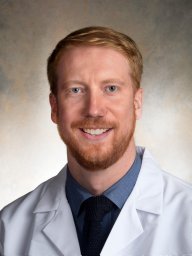 Alexander Pearson合作论文数Department of Biostatistics and Computational Biology, University of Rochester School of Medicine and Dentistry53Aditya Juloori合作论文数Biological Sciences Division, The University of Chicago51Ari Rosenberg合作论文数Department of Medicine, University of Chicago45Ann M Mauer合作论文数45
 Mark R. Green合作论文数Morgan Stanley Smith Barney LLC45
 Thomas Eldridge Stinchcombe合作论文数Department of Medicine, Duke University School of Medicine;Duke Cancer Institute44Hedy L. Kindler合作论文数44
 Mark K Ferguson合作论文数Department of Surgery, University of Chicago42
 David R. Gandara合作论文数Department of Internal Medicine, UC Davis Comprehensive Cancer Center40Zhen Gooi合作论文数Department of Surgery, The University of Chicago38
 Walter M. Stadler合作论文数Department of Medicine, Biological Sciences Division, The University of Chicago38
 Jeffrey Bogart合作论文数State University of New York Upstate Medical University38
 Arun Khattri合作论文数38
 Lydia D Hodgson合作论文数37
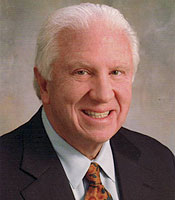 Harvey M. Golomb合作论文数Department of Medicine, University of Chicago37Stenson Kerstin M合作论文数36
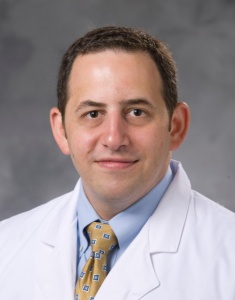 Joseph Kamel Salama合作论文数Department of Radiation Oncology, Duke University School of Medicine35
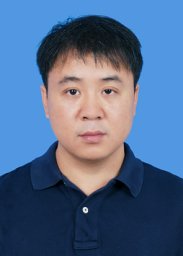 Zhixiang Zuo (左志向)合作论文数Cancer Omics Lab, Cancer Center, Sun Yat-sen University34
 Aliya Husain合作论文数Medical Laboratories, The University of Chicago Medical Center33
 Steven J. Chmura合作论文数Department of Radiation and Cellular Oncology, University of Chicago33
 Nicholas J. Vogelzang合作论文数School of Medicine, University of Nevada32
 Francis P. Worden合作论文数Department of Medical Oncology, Michigan Medicine, University of Michigan32
 Jérôme Fayette合作论文数Cancérologie Médicale, Centre Léon Bérard31
 Pang, Hei Man Herbert (彭希文)合作论文数School of Public Health,The University of Hong Kong31
 Robert Kratzke合作论文数Division of Hematology, Oncology, and Transplantation, Department of Medicine, Medical School, University of Minnesota Twin Cities31Rajani Kanteti合作论文数31Keck Michaela K合作论文数30Dekker Allison合作论文数30Daniel J Haraf合作论文数30Lin Gu合作论文数30R Mick合作论文数29William R. Panje合作论文数29
 Mark F. Kozloff合作论文数The University of Chicago Medicine29
 Evgeny Izumchenko合作论文数Committee on Cancer Biology, The University of Chicago28




