BACKGROUND:Conventional mechanical circulatory support offers limited options for patients with small or restrictive left ventricles. Left atrial inflow (LA-Ao) ventricular assist device (VAD) configuration represents an alternative to conventional apical left ventricular assist device (LVAD). However, outcomes data remain limited. To address this, we evaluated patient characteristics, procedural details, and outcomes of LA-Ao VAD configuration in this population. METHODS:A systematic search was conducted to identify case reports and series of patients with small or restrictive left ventricles who underwent LA-Ao LVAD implantation. A total of 21 reports, representing 27 patients, were included. Patient-level data were extracted for analysis. RESULTS:Thirteen adult and 14 pediatric patients underwent LA-Ao VAD implantation. Median age was 57 [46-62] years in adults and 3.5 [0.8-9] years in children. Hypertrophic cardiomyopathy and restrictive cardiomyopathy were the predominant diagnoses in both adults and children, accounting for 54% (7/13) and 29% (4/14), and 46% (6/13) and 43% (6/14), respectively. Median left ventricular ejection fraction was 44% [39-53] in adults and 45% [36-61] in children, and median left ventricular end-diastolic diameter was 42 [35-42] mm in adults and 33 [29-34] mm in children. The most used devices were HeartWare HVAD (46%, 6/13) in adults, and Berlin Heart (64%, 9/14) in children. Overall pulmonary capillary wedge pressure decreased from 23 [19-27] to 7 [0-9] mmHg (p = 0.02), and cardiac index increased from 2.0 [1.3-2.8] to 3.1 [2.7-3.7] L/min/m2 (p = 0.04). In-hospital mortality included one fatal case (7.7%) in each group. Overall survival was 85% (11/13) in adults at median follow-up of 6.7 [4.4-19.9] months and 86% (12/14) in children at 2.3 [1.2-8.1] months. CONCLUSION:The LA-Ao configuration of VAD is a viable strategy for mechanical circulatory support in patients with small or restrictive left ventricles. It offers effective unloading of the left atrium and improved cardiac index, supporting its role as an alternative to the conventional LVAD approach.
INTRODUCTION:Relationship between changes in cardiac function, functional capacity, and patient-reported health status in heart failure (HF) remains incompletely defined, which may help inform endpoint selection and clarify how distinct clinical domains reflect treatment response. METHODS:This post hoc analysis of the randomized cardiac microcurrent (C-MIC) II trial, which evaluated the efficacy and safety of C-MIC therapy in patients with chronic HF with reduced ejection fraction on optimal guideline-directed medical therapy, included 65 ambulatory patients with non-ischaemic dilated cardiomyopathy, New York Heart Association (NYHA) Class III-IV symptoms, and baseline left ventricular ejection fraction (LVEF) 25-35%. Correlations between changes in Kansas City Cardiomyopathy Questionnaire Overall Summary Score (KCCQ-OSS), 6-minute walk distance (6MWD), core lab-assessed LVEF (primary measure) and site-assessed LVEF, and peak oxygen uptake (peak VO2) were evaluated at 4 weeks, 2 months, 3 months, 4 months, and 6 months using Pearson coefficients with 95% confidence intervals (CI). RESULTS:The mean age was 60.0 ± 9.7 years and baseline LVEF was 29.8 ± 3.3%. Baseline 6MWD was 291.4 ± 61.6 m and KCCQ-OSS was 42.6 ± 22.7. From baseline to 6 months, changes in KCCQ-OSS (n = 63) and 6MWD (n = 61) showed modest correlations with core lab-assessed LVEF (r = 0.39; 95% CI: 0.16-0.58; P = .0015 and r = 0.39; 95% CI: 0.15-0.58; P = .0022, respectively). Changes in KCCQ-OSS and 6MWD correlated strongly (n = 62; r = 0.63; 95% CI: 0.46-0.76; P < .0001). Changes in KCCQ-OSS and 6MWD did not correlate significantly with changes in peak VO2 (P = .06 and P = .30, respectively). Changes in LVEF and peak VO2 (n = 55) demonstrated modest correlation (r = 0.41; 95% CI: 0.16-0.61; P = .002). Baseline correlations with peak VO2 were weak to modest but increased at 6 months for LVEF (n = 59; r = 0.56; 95% CI: 0.35-0.71; P < .0001). CONCLUSION:In advanced HF, improvements in health status and submaximal functional capacity associate modestly with LVEF, while LVEF correlates more closely with peak VO2. Cardiac function, functional capacity, and health status represent related but distinct domains, supporting multidimensional assessment in HF trials.
BACKGROUND AND AIMS:Left ventricular assist device (LVAD) support has been shown to induce the reversal of neurohormonal changes and myocardial recovery. This study aimed to evaluate the prevalence, predictors, and clinical impact of left ventricular (LV) recovery after LVAD implantation using data from the European Registry for Patients with Mechanical Circulatory Support. METHODS:Patients with at least one available left ventricular ejection fraction (LVEF) measurement at both baseline and post-LVAD implantation were enrolled. Left ventricular recovery was classified as 'no recovery' if LVEF increase was <5%, 'mild' if LVEF increased by 5%-15% with peak LVEF <50%, 'intermediate' if LVEF increased by >15% with peak LVEF <50%, and 'full' if LVEF increased by ≥5% with peak LVEF ≥50%. RESULTS:A total of 1550 patients with a median age of 57 (48-64) years were included. LV recovery occurred mostly within the first year, with marginal probabilities of no, mild, intermediate, and full recovery at 4 years being 51% [95% confidence interval (CI) 48-54%), 41% (95% CI 38-43%), 8% (95% CI 7-9%), and 1% (95% CI 0-1%), respectively]. INTERMACS Classes 2, 3, and 4 [compared with Class 1; hazard ratio (HR) .72, .64, and .51, respectively] were associated with a lower hazard of attaining any LV recovery, whereas renin-angiotensin system inhibitor use was associated with a higher hazard of attaining any LV recovery (HR 1.17; 95% CI 1.00-1.37). Each 10% higher LVEF value during follow-up was associated with an estimated 14% lower instantaneous hazard of all-cause mortality (HR .86; 95% credible interval .75-.98). The cumulative incidence of the composite major adverse cardiovascular event endpoint, including cardiovascular death, late right heart failure, and arrhythmia beyond the first year, was lower across higher LV recovery categories defined according to the LVEF value at 1 year (Gray's test, P = .042). CONCLUSIONS:This multicentre European study shows that LV recovery mostly occurs within the first year after LVAD implantation and is associated with better clinical outcomes. Renin-angiotensin system inhibitor use was associated with both any and intermediate/full LV recovery, while combination neurohormonal blockade strategies yielded directionally favourable but imprecise estimates, warranting further study during LVAD support.
PURPOSE:There is a lack of data reviewing the role of predicted cardiac mass ratio (PCMR) in transplant recipients with pulmonary hypertension (PH). In particular, the right ventricular (RV) mass ratio (RVMR) is a component of PCMR not yet studied separately for this purpose. We aimed to review the relationship of PCMR and RVMR with PH in terms of post-transplant overall survival. METHODS:The United Network for Organ-Sharing (UNOS) database was queried for primary heart transplant (HTx) patients from 2004 to 2023. Predicted RVMR was calculated for donors and recipients. A parsimonious multivariable model Cox model was formed for risk adjustment. Covariates with statistically significant relationships to the outcomes were further evaluated with tensor product spline models. RESULTS:A total of 37 904 patients were identified. After risk adjustment, diastolic pulmonary artery pressure (dPAP) was protective (HR 0.993 [0.989-0.997], p = 0.001), whereas increasing systolic pulmonary artery pressures (sPAPs) (HR 1.007 [1.005-1.009], p < 0.001) and diastolic pulmonary gradient (DPG) (HR 1.011 [1.007-1.015], p < 0.001) were associated with increased overall mortality. Increasing RV mass ratio (RVMR) was protective (OR 0.663 [0.589-0.747], p < 0.001)). This was appreciated in a restricted cubic spline analysis as a nonlinear relation was evident with any RVMR less than 1 (p < 0.001). Subsequent tensor product spline models evaluating the complex relationship between RVMR and pulmonary pressures demonstrated increasing relative hazards in patients with PH and smaller RVMR (p < 0.001). CONCLUSION:In HTx patients with PH, RVMR ≥ 1 is significantly associated with a reduced hazard of overall mortality. This indicates RV undersizing may be harmful in the population.
BACKGROUND:In the C-MIC II trial, C-MIC therapy improved outcomes in patients with heart failure (HF) with reduced ejection fraction (HFrEF). We evaluated whether differences in background HF medication adjustments influenced the observed benefits. METHODS:Ambulatory patients with chronic non-ischemic HFrEF receiving guideline-directed medical therapy (GDMT) were enrolled. The primary outcome was change in GDMT and diuretic intensity over 6 months. Treatment effects on left ventricular ejection fraction (LVEF), Kansas City Cardiomyopathy Questionnaire Overall Summary Score (KCCQ-OSS), and 6-minute walk distance (6MWD) were assessed by baseline sodium-glucose cotransporter-2 inhibitor (SGLT2i) use for consistency. RESULTS:Among 65 patients, 25 (39%) had GDMT adjustments (C-MIC device: 44%; control 33%; p= 0.390). GDMT intensity increased in controls (Δ +0.36) but decreased (Δ -0.16; p= 0.100) in C-MIC group. Diuretic intensity decreased in C-MIC group (Δ -0.10) but increased in controls (Δ +0.12; p= 0.200). When stratified by baseline SGLT2i use, C-MIC therapy induced consistent improvements in LVEF (SGLT2i: +6% [95% CI 3-9; p<0.001] vs. without SGLT2i: +4% [95% CI 2-7; p=0.003]), KCCQ-OSS (SGLT2i: +42 points [95% CI 26-58; p<0.001] vs. without SGLT2i: +40 [95% CI 28-51; p<0.001]) and 6MWD (SGLT2i: +150 meters [95% CI 88-212; p<0.001] vs. without SGLT2i: +141 meters (95% CI 63-219; p<0.001]). CONCLUSION:Medication intensity decreased in C-MIC-treated patients but increased in controls, driven primarily by escalation of diuretics, likely reflecting worsening HF. Consistent improvements in LVEF, 6MWD and KCCQ-OSS across SGLT2i subgroups suggest that the observed benefits are independent of background pharmacologic intensification.
The Aeson total artificial heart (TAH) features embedded pressure sensors for flow autoregulation, which can also be used to estimate pressure gradients. In this bridge-to-transplant study, right and left ventricular pressure data and pump output from the TAH were analyzed to estimate transpulmonic resistance (eTPR) every 30 days. Three patients (aged 60, 35, and 54) with preimplant pulmonary vascular resistance of 7.0, 3.2, and 7.1 Wood Units, respectively, were supported by the TAH at pump outputs of 4.5 to 6.5 liter/min. All showed significant eTPR reductions (1.4-1.5 Wood Units) and received donor hearts after 243, 155, and 109 days of support. Two patients underwent successful transplants without complications; one died post transplant from pneumonia and multiorgan failure. The Aeson TAH's eTPR monitoring system offers a promising, noninvasive approach to managing pulmonary hypertension and assessing transplant eligibility in real time. J Heart Lung Transplant 2025;44:1161-1164 (c) 2025 The Authors. Published by Elsevier Inc. on behalf of International Society for Heart and Lung Transplantation. This is an open access article under the CC BY license (http://creativecommons.org/ licenses/by/4.0/).
BACKGROUND:The number of heart allografts obtained from donation after circulatory death (DCD) remains low, especially compared to donation after brain death (DBD). Our study aimed to identify factors associated with the underutilization of hearts in ideal donors. METHODS:Patient-level data were obtained from the United Network for Organ Sharing (UNOS) database for all adult deceased donors who underwent organ procurement and subsequent transplantation between January 2020 and December 2023. "Ideal" DCD donors were analyzed as a separate subset and compared with ideal DBD donors. Transplantation rates, along with associated factors, were assessed. RESULTS:The rate of heart allograft utilization was 6.9% in DCD donors compared to 35.4% among DBD donors (p < 0.001). Subgroup analysis of ideal donors demonstrated that 41% of DCD donors were utilized for heart transplantation compared to 85% of DBD donors (p < 0.001). Multivariable logistic regression analysis for heart utilization demonstrated that interventions, including extracorporeal life support (odds ratio [OR] 7.48, 95% CI 4.72-12.35) and coronary angiography (OR 2.77, 95% CI 1.76-4.39), were independent predictors of utilization. There was no significant association with hypertension (OR 0.75, 95% CI 0.52-1.06), tobacco use (OR 0.71, 95% CI 0.47-1.06), or BMI (OR 0.99, 95% CI 0.97-1.01) in the ideal DCD donor. Regional variation in donor heart utilization rates was observed. CONCLUSION:There remains a significant portion of ideal DCD donors whose hearts remain unutilized. Identifying and addressing factors related to underutilization may improve organ yield.
In the last decade, an increasing number of left ventricular assist devices (LVADs) have been implanted to treat patients with end-stage heart failure. Although LVAD therapy improves hemodynamics and survival, it is also associated with potentially life-threatening complications. A common and significant complication following LVAD implantation is chronic kidney disease (CKD), which is associated with high morbidity and mortality. Despite improvements in kidney function early after LVAD implantation, creatinine levels return to pre-implantation levels or higher in the long term. With the increasing number of LVAD implantations in the last decades, it is essential to focus on LVAD-associated CKD in order to improve the outcomes of LVAD therapy. In addition, identifying potential markers for early diagnosis may optimize perioperative management and prevent disease progression, which may now be the only realistic therapeutic option. This review describes the definition, diagnosis, incidence, pathophysiology, and risk factors for CKD after LVAD implantation. Additionally, future perspectives on the prevention and management of CKD in LVAD patients are discussed.
PURPOSE:Patients with systemic amyloidosis with cardiac involvement require careful selection for heart transplantation (HTx) due to the associated poor outcomes. Large databases do not provide sufficient granularity to allow for differentiation between its major subtypes [light-chain (AL) and transthyretin (ATTR) amyloidosis]. We sought to pool the existing data on amyloidosis patients undergoing HTx, and perform stratified analysis based on its major subtypes. METHODS:Electronic search identified adult patients with amyloidosis undergoing HTx. Cohort-level data for 340 patients from 19 studies were extracted and analyzed. Patients were categorized based on amyloid subtype into AL and ATTR groups. RESULTS:AL amyloidosis was diagnosed at an earlier age compared to ATTR [53 (95 % CI 48; 57) years vs. 63 (55; 71) years, p = 0.03], with greater incidence in the Caucasian population [75 % (60; 87) vs. 39 % (21; 59), p ≤0.01]. Females comprised 33 % (25; 41) of the patients with greater preponderance in AL group [41 % (33; 48) vs. 21 % (8; 36), p = 0.02]. AL patients also had higher involvement of ≥two organs [50 % (29; 70) vs. 15 % (3; 32), p = 0.01]. GI involvement [25 % (6; 50) vs. 0 % (0; 8), p = 0.02], and renal involvement [20 % (8; 34) vs. 0 % (0; 2), p < 0.01] were virtually limited to AL, while ATTR patients had more implantable cardioverter defibrillators placed [64 % (34; 90) vs. 15 % (6; 28), p < 0.01] and trended towards greater incidence of neuropathy [24 % (9; 42) vs. 9 % (2; 19), p = 0.07]. The AL group had a significantly higher incidence of recurrent amyloidosis [16 % (7; 27) vs. 0 % (0; 0), p ≤0.01]. Pooled Kaplan-Meier survival analysis showed worse long-term survival in the AL group (p = 0.02). CONCLUSION:Patients with AL amyloidosis showed more widespread systemic involvement and worse long-term survival after HTx compared to patients with ATTR amyloidosis. Protocols for mitigating the recurrence of AL amyloidosis are needed to improve survival in this high-risk subtype.
BACKGROUND:Development of pericardial effusion in patients with left ventricular assist devices (LVADs) can be detrimental to health outcomes. This study aims to elucidate the prevalence and risk factors for pericardial effusion in patients with LVADs. AIM:To elucidate risk factors associated with the presence of pericardial effusion in patients with LVADs and compare the clinical outcomes of those with and without pericardial effusion. The secondary goal is to determine the incidence of pericardiocentesis and pericardial window placement in patients with LVADs experiencing pericardial effusion. METHODS:Data were obtained from the National Inpatient Sample database between 2016 and 2018. Statistical analysis was performed using Pearson χ 2 test and multivariate logistic regression analysis to determine clinical outcomes of pericardial effusion and to identify variables associated with pericardial effusion in LVAD patients, respectively. RESULTS:The prevalence of LVAD was 9850 (0.01%) among total study patients (n = 98112095). The incidence of pericardial effusion among LVAD patients was 640 (6.5%). The prevalence of liver disease (26.6% vs 17.4%), chronic kidney disease (CKD; 54.6% vs 49.4%), hypothyroidism (21.9% vs 18.1%), congestive heart failure (98.4% vs 96.5%), atrial fibrillation (Afib; 58.59% vs 50.5%), coronary artery disease (CAD; 11.7% vs 4.4%), dyslipidemia (31.3% vs 39.3%), and having undergone percutaneous coronary intervention (PCI; 1.6% vs 0.7%) was higher in the pericardial effusion cohort vs the non-pericardial effusion cohort. Multivariate regression analysis demonstrated that CAD (OR = 2.89) and PCI (OR = 2.2) had the greatest association with pericardial effusion in patients with LVADs. These were followed by liver disease (OR = 1.72), hypothyroidism (OR = 1.2), electrolyte derangement (OR = 1.2), Afib (OR = 1.1), and CKD (OR = 1.05). Among patients with LVADs, the median length of stay (33 days vs 27 days) and hospitalization cost (847525 USD vs 792616 USD) were significantly higher in the pericardial effusion cohort compared to the non-pericardial effusion cohort. There was no significant difference in mortality between cohorts. The prevalence of cardiac tamponade was 109 (17.9% of LVAD patients with pericardial effusion). Ten (9.2% of LVAD patients with cardiac tamponade) patients underwent pericardiocentesis and 44 (40.3%) received a pericardial window. CONCLUSION:This study shows that liver disease, CKD, PCI, hypothyroidism, electrolyte derangement, Afib, and CAD had a significant association with pericardial effusion in LVAD patients. Hospitalization cost and length of stay were higher in the pericardial effusion group, but mortality was the same.
BACKGROUND:We sought to estimate left ventricular assist device use (LVAD) with waitlist and post-transplant survival trends in patients supported on durable LVAD in relation to the UNOS donor heart allocation policy revision. METHODS:Adult patients implanted with HeartMate II LVAD, HeartWare HVAD, or HeartMate 3 LVAD, and listed for isolated heart transplantation between October 18, 2013, and June 16, 2023, were identified in the UNOS database and were stratified into pre- and post-policy revision groups. Patients on temporary circulatory support, right, or biventricular assist devices, total artificial hearts, recipients of donation after circulatory death (DCD) hearts, and those undergoing simultaneous multiorgan transplants were excluded. Waitlist and post-transplant survival were compared between the groups. RESULTS:Policy revision was associated with a decrease in LVAD use both at the time of listing (pre: 28% vs. post: 24.5%, p < 0.01) and at the time of transplant (pre: 45.8% vs. post: 31.7%, p < 0.01). For those listed with an LVAD, more patients eventually underwent transplantation (pre: 89.6% vs. post: 94.3%, p < 0.01) following the policy change. Overall waitlist and post-transplant survival among patients supported on LVAD worsened following the policy change, both showing statistical significance (p < 0.01). CONCLUSION:In the post-policy era, a decline in durable LVAD utilization was observed, along with worse waitlist and post-transplant outcomes among LVAD-supported patients.
BackgroundVeno-pulmonary artery extracorporeal membrane oxygenation (V-P ECMO) is a configuration of extracorporeal life support (ECLS) for patients with isolated or predominantly right ventricular (RV) failure and inadequate gas exchange due to severe respiratory failure. We aimed to systematically review the existing literature to better understand its utilization patterns and associated outcomes.MethodsThe electronic search identified all studies reporting the characteristics and outcomes of V-P ECMO use in adult patients. Patient-level data for 110 patients from 60 case reports and case series were extracted and analyzed.ResultsThe median patient age was 45 [IQR, 32-56] years, and 63% were male. Patients most commonly presented with moderate to severe RV dysfunction (90%), along with acute hypoxic respiratory failure (64%) and severe pulmonary hypertension (23%). On presentation, 85% of patients were placed on ventilatory support for a median duration of 13 [5-32] days. V-P ECMO was initiated in the setting of a primary cardiorespiratory pathology in 75% of cases, and major chest surgery in 25% of cases. A percutaneous dual-lumen cannula was used in 64% of cases, of which 29% required an additional cannula. The median duration of V-P ECMO support was 12 [7-31] days. Overall, 42% of patients recovered, 26% underwent lung transplantation, and 9% underwent heart transplantation. In-hospital mortality was 22%. At a median follow-up time of 81 [44-181] days, overall survival was 75%.ConclusionV-P ECMO can be utilized in place of traditional ECLS strategies with favorable outcomes across various settings.
BackgroundPredicted heart mass (PHM) ratio is a commonly used metric for donor-to-recipient size matching that has been associated with survival after heart transplantation (HTx). PHM represents a sum of two separate statistical models for predicted left ventricular mass (PLVM) and predicted right ventricular mass (PRVM); however, their individual contributions have not been sufficiently studied. We sought to assess the association of donor-to-recipient PLVM (PLVMR) and PRVM ratios (PRVMR) with overall posttransplant survival individually.MethodsAdult heart transplant recipients from 2005 to 2021 were queried from the UNOS database. A three-dimensional tensor product spline model assessed the association of PLVMR and PRVMR with survival simultaneously on a continuous distribution. Subsequently, PLVMR and PRVMR were explored individually using individual restricted cubic spline models.ResultsA total of 25 549 patients were analyzed. Of these, female recipients comprised 26.7% (n = 6818), and the median age was 56 [IQR 46-63] years. In the three-dimensional restricted cubic spline (3D-RCS) model, PLVMR and PRVMR were significantly associated with survival (p value: overall = 0.002, PLVMR = 0.0006, PRVMR = 0.0006, PLVMR*PRVMR = 0.0002). When analyzed with two-dimensional restricted cubic spline (2D-RCS) models, PLVMR was not associated with survival (p = 0.59), while PRVMR retained its significant association (p = 0.04).ConclusionWhile both PLVMR and PRVMR appear to be associated with posttransplant survival, the effect of PRVMR might be disproportionately high as PRVM makes up a much smaller fraction of PHM than PLVM.
BACKGROUND:Heart transplant (HTx) in dystrophy patients has been shown to have a similar survival to cardiomyopathy from other causes, but postoperative rehabilitation remains an issue. This study aimed to review and analyze the reports in the literature to determine whether pre- and post-transplant functional status along with wheelchair dependence in dystrophy patients can influence post-HTx outcomes. RESEARCH DESIGN AND METHODS:Relevant databases were queried for all case reports and case series regarding HTx in patients with dystrophy-associated cardiomyopathy published in the literature. Clinical data were extracted and tabulated. Patient survival was stratified according to preoperative and postoperative functional status, and Kaplan-Meier survival analysis was performed. RESULTS:We identified 22 studies yielding 36 patients with muscular dystrophy who underwent HTx. At baseline, there were three patients who were wheelchair dependent, and 22 patients had a diminished functional status preoperatively. Overall survival did not differ significantly between patients with normal baseline functional status and those with diminished functional status, either before or after transplantation. CONCLUSIONS:Although no significant survival difference was found, diminished functional status, both pre- and post-transplant, appear to be associated with worse survival, highlighting its importance in transplant decision-making.
BACKGROUND:In the United States, the donor heart allocation policy change in October 2018 granted high priority to patients on temporary mechanical circulatory support (MCS), positively influencing their pre-transplant outcomes with reduced waitlist time. However, the impact of this policy change on patients requiring biventricular support remains undetermined. METHODS:We analyzed data from the United Network for Organ Sharing (UNOS) database from May 2013 to March 2024. Patients with biventricular assist devices (BiVADs), including temporary or durable devices, and total artificial hearts (TAHs) were included. The cohort was divided into two groups based on listing: before and after policy change groups. Waitlist and post-transplant survival were compared between both groups. RESULTS:Patients on biventricular support comprised 1.5% (611/39 829) of all waitlisted candidates, and 2.6% (732/28 643) of all isolated heart transplants. There was a significantly lower prevalence of biventricular support after the policy change in both waitlisted candidates (Pre: 2.0% versus Post: 1.2%, p < 0.001) and at the time of transplantation (Pre: 3.1% versus Post: 2.1%, p < 0.001). Following the policy change, there was a significantly lower median waitlist time (Pre: 88 [29-190] days versus Post: 22 [7-69] days, p < 0.001), and a higher proportion of transplanted patients (Pre: 65% versus Post: 85%, p < 0.001). Both waitlist survival (p < 0.001) and post-transplant survival (p = 0.05) improved after the policy change. CONCLUSIONS:The 2018 policy revision was associated with a decline in biventricular support utilization in both waitlisted and transplanted cohorts. This shift corresponded with shorter waitlist durations, more frequent transplants, and better waitlist and post-transplant survival.
Cardiovascular diseases are a significant cause of illness and death worldwide, often resulting in myofibroblast differentiation, pathological remodeling, and fibrosis, characterized by excessive extracellular matrix protein deposition. Treatment options for cardiac fibrosis that can effectively target myofibroblast activation and ECM deposition are limited, necessitating an unmet need for new therapeutic approaches. In recent years, microcurrent therapy has demonstrated promising therapeutic effects, showcasing its translational potential in cardiac care. This study therefore sought to investigate the effects of microcurrent therapy on cardiac myofibroblasts, aiming to unravel its potential as a treatment for cardiac fibrosis and heart failure. The experimental design involved the differentiation of primary rat cardiac fibroblasts into myofibroblasts. Subsequently, these cells were subjected to microcurrent (MC) treatment at 1 and 2 µA/cm2 DC with and without polarity reversal. We then investigated the impact of microcurrent treatment on myofibroblast cell behavior, including protein and gene expression, by performing various assays and analyses comparing them to untreated myofibroblasts and cardiac fibroblasts. The application of microcurrents resulted in distinct transcriptional signatures and improved cellular processes. Gene expression analysis showed alterations in myofibroblast markers, extracellular matrix components, and pro-inflammatory cytokines. These observations show signs of microcurrent-mediated reversal of myofibroblast phenotype, possibly reducing cardiac fibrosis, and providing insights for cardiac tissue repair.
AbstractMacitentan is a dual endothelin receptor antagonist (ERA) approved for treating pulmonary arterial hypertension (PAH). SOPRANO evaluated the efficacy and safety of macitentan versus placebo in pulmonary hypertension (PH) patients after left ventricular assist device (LVAD) implantation. SOPRANO was a phase 2, multicenter, double‐blind, randomized, placebo‐controlled, parallel‐group study. Patients with an LVAD implanted within the prior 90 days who had persistent PH (i.e., mean pulmonary arterial pressure ≥25 mmHg, pulmonary artery wedge pressure [PAWP] ≤18 mmHg, and pulmonary vascular resistance [PVR] >3 Wood units [WU]) were randomized (1:1) to macitentan 10 mg or placebo once daily for 12 weeks. The primary endpoint was change in PVR. Secondary endpoints included change in right‐heart catheterization hemodynamic variables, N‐terminal prohormone of brain natriuretic peptide levels, World Health Organization functional class, and safety/tolerability. Fifty‐seven patients were randomized to macitentan (n = 28) or placebo (n = 29). A statistically significant reduction in PVR from baseline to Week 12 was observed with macitentan versus placebo (placebo‐corrected geometric mean ratio, 0.74; 95% confidence interval, 0.58–0.94; p = .0158). No statistically significant differences were observed in secondary endpoints. In a post‐hoc analysis, 66.7% of patients receiving macitentan achieved PVR <3 WU versus 40.0% receiving placebo (p = .0383). Macitentan was generally well tolerated; adverse events were consistent with those in previous PAH studies with macitentan. In conclusion, macitentan showed promising tolerability and significantly reduced PVR in PH patients with persistently elevated PVR after LVAD implantation. ClinicalTrials. gov identifier: NCT02554903.
 Michael A. Acker合作论文数Surgery Faculty, Perelman School of Medicine, University of Pennsylvania63
 Edo Y. Birati合作论文数Sackler Faculty of Medicine, Tel-Aviv University56
 I. Rajapreyar合作论文数47
 Pavan Atluri合作论文数Surgery Faculty, Perelman School of Medicine, University of Pennsylvania42
 Edward Wilson Grandin合作论文数40Vakhtang Tchantchaleishvili合作论文数39
 Kenneth B. Margulies合作论文数Margulies Laboratory, Perelman School of Medicine, University of Pennsylvania37
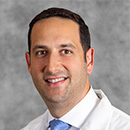 Jeremy Aryeh Mazurek合作论文数Catholic Health35
 Jeffrey Teuteberg合作论文数Division of Cardiovascular Medicine, Department of Medicine, Stanford University;Stanford Cardiovascular Institute, Stanford Medicine29
 Lee R. Goldberg合作论文数Department of Medicine, Perelman School of Medicine, University of Pennsylvania;Penn Cardiovascular Institute, University of Pennsylvania;Penn Medicine Center for Sleep and Circadian Neurobiology, University of Pennsylvania28
 Yevgeniy Brailovsky合作论文数Jefferson Heart Institute, Thomas Jefferson University26
 Howard Todd Massey合作论文数26Joyce Wald合作论文数25John Entwistle合作论文数24Rene Alvarez合作论文数Centers for Disease Control and Prevention, National Center for Infectious Diseases21Hanff Thomas C合作论文数From the Department of Medicine, University of Pennsylvania School of Medicine;Department of Epidemiology, Johns Hopkins Bloomberg School of Public Health;Department of Medicine-Geriatrics, University of Mississippi Medical Center;Department of Radiology, University of Washington Medical Center;Department of Neurology, Mayo Clinic;Department of Ophthalmology and Visual Sciences, University of Wisconsin School of Medicine and Public Health;and Department of Neurology, Johns Hopkins University School of Medicine;University of Wisconsin School of Medicine and Public Health, Johns Hopkins University School of Medicine20J. Wald合作论文数19
 Mark Drazner合作论文数Department of Internal Medicine, UT Southwestern Medical Center18
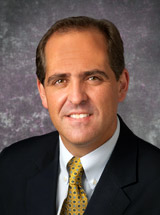 Christian A. Bermudez合作论文数Surgery Faculty, Perelman School of Medicine, University of Pennsylvania17
 Keshava Rajagopal合作论文数Department of Surgery, Duke University17
 Robert L. Kormos合作论文数McGowan Institute for Regenerative Medicine, University of Pittsburgh;University of Pittsburgh Medical Center;Abbott16Mariell Jessup合作论文数16Michael S. Kiernan合作论文数15
 Payman Zamani合作论文数Department of Medicine, Perelman School of Medicine, University of Pennsylvania14
 Jennifer A Cowger合作论文数Henry Ford Health14
 Gaffey Ann C合作论文数Perelman School of Medicine, University of Pennsylvania14
 Michelle M. Kittleson合作论文数Smidt Heart Institute, Cedars-Sinai Medical Center14
 Rene J. Alvarez合作论文数Department of Heart Failure and Transplant, Thomas Jefferson University Hospital14
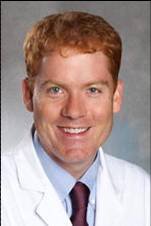 Garrick C. Stewart合作论文数Division of Cardiovascular Medicine, Brigham and Women's Hospital, Boston, MA14Maria Mountis合作论文数14
 James K Kirklin合作论文数Comprehensive Cardiovascular Center, Heersink School of Medicine, University of Alabama at Birmingham13Daniel J. Goldstein合作论文数13
 Maya Guglin合作论文数Cardiology, University of South Florida13
 Danial Ahmad合作论文数12DL Dries合作论文数12
 James N. Kirkpatrick合作论文数Department of Bioethics & Humanities, School of Medicine, University of Washington;Department of Internal Medicine, School of Medicine, University of Washington12
 Kenneth Bedi合作论文数Perelman School of Medicine, Cardiovascular Institute11
 Shah Mahek合作论文数Einstein Medical Center, Einstein Institute for Heart and Vascular Health11
 Jason Han合作论文数11
 Nimesh D. Desai合作论文数Division of Cardiovascular Surgery, Hospital of the University of Pennsylvania;Perelman School of Medicine, University of Pennsylvania;Leonard Davis Institute of Health Economics, University of Pennsylvania11
 Randall Starling合作论文数Kaufman Center for Heart Failure, Cleveland Clinic11Gregory T Gibson合作论文数Icahn School of Medicine at Mount Sinai10
 Joseph G. Rogers合作论文数The Texas Heart Institute;Baylor College of Medicine;Department of Medicine, School of Medicine, Duke University;Duke Clinical Research Institute10
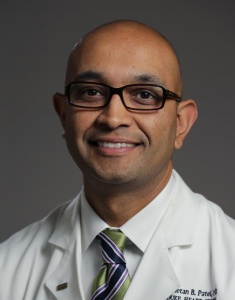 Chetan B. Patel合作论文数Department of Medicine, School of Medicine, Duke University10
 Joseph Woo合作论文数Department of Cardiothoracic Surgery, Stanford University School of Medicine10
 Francis Dominic Pagani合作论文数Frankel Cardiovascular Center, University of Michigan, Ann Arbor10
 Ryan Tedford合作论文数Department of Medicine, College of Medicine, Medical University of South Carolina10C. Bermudez合作论文数10




