Postoperative clinical care is prone to circadian desynchronization that, in turn, may influence health outcomes. We collected 1.8 million data points using 11 remote sensors during preoperative, in-hospital and post-discharge settings in 13 elective cardiac surgery patients. We found that room traffic continued during nighttime with ≥1 visit/h. Sound levels exceeded the recommended 45 dBA threshold (51.9±3.3 versus 48.3±4.2 dBA during nighttime). Brightness dropped at night (89.9±87.7 to 3.7±9.8 lux), but bright light exposures occurred. Ambient room temperature lacked sleep-inducing diurnal variability. Behavioral-physiological rhythms were disrupted (decreased amplitude of heart rate variability; unadjusted-p-value=0.03) and phase-shifted during hospitalization. Time awake during night hours increased from 10.7±7.9% preoperatively to 34.8±29.1% in-hospital (unadjusted p-value=0.0098). Cognitive function scores decreased (26.8±2.8 points preoperatively to 24.7±3.9 points in-hospital) with 31% of patients developing transient mild impairment. These data will inform the design of a controlled trial seeking to modify circadian/diurnal disruptors to enhance patient outcomes.
BACKGROUND:Donation after circulatory death (DCD) has emerged as a strategy to expand the heart donor pool, but its safety in recipients with pulmonary hypertension (PH) remains uncertain. Because PH is a major risk factor for adverse outcomes after heart transplantation, clarifying the impact of DCD donation in this high-risk population is important. METHODS:We analyzed adult primary heart transplant recipients with PH in the United Network for Organ Sharing registry (2019-2024). PH was defined as mean pulmonary artery pressure >20 mm Hg and pulmonary vascular resistance >2 Wood units. Patients were categorized by donor type (DCD vs donation after brain death). The primary end point was 1-year all-cause mortality; secondary outcomes included acute rejection, length of stay, 1-year graft failure, and retransplant. PH severity was classified as mild, moderate, or severe, and effect modification was assessed. RESULTS:Among 6352 recipients with PH, 489 (7.7%) received DCD hearts. DCD donation was not associated with increased 1-year mortality compared with donation after brain death (P = .22). Stratified analyses showed no significant association between donor type and mortality across PH severity strata, with no evidence of effect modification. Secondary outcomes did not differ significantly between groups. CONCLUSIONS:In this national registry analysis, DCD heart transplantation was not associated with increased early or midterm mortality among selected recipients with pulmonary hypertension. These findings suggest that DCD donors do not appear to confer additional risk in recipients with PH and may reasonably be considered in donor selection discussions for this population.
Patients requiring a right ventricular assist device (RVAD) after durable left ventricular assist device (LVAD) surgery have historically worse outcomes than those with isolated LVADs. Preoperative mechanical circulatory support (MCS) with venoarterial extracorporeal membrane oxygenation (ECMO) or micro-axial pumps complicates right heart assessment by altering loading conditions. We examined 1 year outcomes of patients receiving temporary RVADs at the time of durable LVAD. From February 2017 to August 2025, 102 patients were reviewed. Right ventricular assist device decannulation, ventilator liberation, and intensive care unit (ICU) discharge were assessed using Fine-Gray subdistribution analysis with death as a competing risk; 1 year survival was evaluated by Kaplan-Meier analysis. Analysis included 59 planned, 28 unplanned, and 15 delayed RVADs (45 percutaneous, 57 surgical). One year survival was 64.0 ± 6.5% for planned, 50.2 ± 10.3% for unplanned, and 50.3 ± 13.6% for delayed RVAD. Percutaneous and surgical RVAD survival were 60.1 ± 7.5% and 55.1 ± 7.1%. Preoperative MCS was independently associated with improved survival (hazard ratio [HR]: 0.36, confidence interval [CI]: 0.17-0.83), with micro-axial pump showing the strongest association. Preoperative micro-axial support and planned RVAD were associated with improved 1 year survival after durable LVAD surgery; whether this reflects a causal relationship where the preconditioning of the right ventricle improves postoperative outcomes cannot be determined from this retrospective design.
Risk factors (RF) for permanent pacemaker (PPM) placement in cardiac surgery include valvular operations and redo operations. We aim to identify RF for PPM placement prior to discharge (DC) specifically among redo mitral valvular operations, and to analyze outcomes in this population. Our retrospective review considered 943 patients undergoing redo MV operations between 01/2002 and 12/2021, excluding patients experiencing in-hospital death within 48 hours of their operation and patients with existing PPM or implanted cardiac defibrillator (ICD). Patients (n = 742) were categorized based on whether they received a PPM before DC or not. Of the 742 patients analyzed, 47 (6%) had a PPM placed before DC. Logistic regression analysis identified increasing age, increasing severity of MR (OR: 1.9, p < 0.01), bioprosthetic and mechanical valve implantation (OR: 1.9, p = 0.045), sternotomy incision (OR: 0.12, p = 0.04), and simultaneous tricuspid procedure (OR: 1.9, p = 0.06) as predictors of PPM placement. Cox hazards analysis showed advanced age (HR 1.03, p < 0.01), higher NYHA class (HR 1.45, p < 0.01), DM (HR 1.51, p = 0.01), and prior valve replacement (HR 1.43, p < 0.01) are predictors of mortality, while PPM placement before DC was not. In redo MV surgery, RF for PPM include procedural risks that prolong operative time and increase risk of conduction system injury, including simultaneous tricuspid valve procedures, maximally invasive approaches, and valve replacement, as well as poorer preoperative functional status, advanced age, and medical comorbidities. PPM placement before DC was not predictive of mortality, and did not negatively impact survival in long term follow-up.
The coexistence of hypertrophic obstructive cardiomyopathy (HOCM) and aortic stenosis (AS) often requires concomitant septal myectomy and aortic valve replacement (AVR). However, data on outcomes and medical management remain limited. This study investigates the impact of beta-blockers on long-term survival in patients undergoing concomitant septal myectomy and AVR. We conducted a retrospective cohort study of 55 patients with moderate-to-severe AS and HCM who underwent myectomy and AVR at our center from 2007 to 2021. We evaluated baseline characteristics, postoperative data, and survival. Kaplan-Meier and Cox proportional hazards analyses identified predictors of survival. The mean age was 74 ± 8 years and 67
Background Degenerated bioprosthetic mitral valves (MVs) are associated with significant morbidity and health care expenditures. For certain patients, valve-in-valve transcatheter MV replacement (ViV TMVR) has emerged as a promising treatment option due to fewer complications and shorter hospital length of stay when compared with redo surgical MV replacement (redo-SMVR). We constructed a decision-analytic model comparing the cost-effectiveness of ViV TMVR to redo-SMVR for the management of degenerated bioprosthetic valves. Methods Cost-effectiveness was determined by calculating deaths averted and incremental cost-effectiveness ratios (ICERs). Uncertainty was addressed by plotting cost-effectiveness planes and acceptability curves for various willingness-to-pay thresholds. The main outcome was ICERs defined as United States (US) dollars/deaths averted. Results In the base case analysis, the cost associated with ViV TMVR was estimated at $87,724 with a 0.93 probability of survival at 1 month. For the redo-SMVR strategy, the cost was $104,444, and the probability of survival at 1 month was 0.89. Overall, ViV TMVR resulted in savings of $418,001 per death averted (ICER, −$418,001/death averted). In cost-effectiveness acceptability curves, ViV TMVR was cost-effective in 83% to 88% of simulations for a willingness-to-pay threshold ranging from $0 to $100,000. Conclusions ViV TMVR is an effective strategy that may result in significant health care savings for the management of degenerated bioprosthetic valves.
Background Remission From Stage D Heart Failure (RESTAGE-HF) was a multicenter study demonstrating that a selected patient population with left ventricular assist devices (LVADs) could achieve functional recovery and subsequent durable pump explantation. The purpose of our study was to describe the impact of surgical approach to deactivation in this study cohort. Methods The study prospectively enrolled 40 patients with HeartMate II LVAD. Overall, 19 (52.8%) of 36 evaluable patients reached the predefined criteria and underwent LVAD deactivation. Three approaches were used: complete explantation (n = 8), partial explantation (n = 10), and percutaneous decommissioning (n = 1). The primary outcome was survival free from transplantation or LVAD reimplantation. Results Patients with partial explantation had a longer duration of heart failure and a larger posterior wall thickness before ventricular assist device implantation. There were no differences in other preimplantation parameters. Median follow-up was 7.9 years. Median time to deactivation was similar between approaches. Post-LVAD survival free from LVAD reimplantation or transplantation was 90% at 1 year and remained stable after 4 years at 74% for the entire cohort. No significant intergroup differences in 7-year survival were observed (87.5% vs 40%; P = .06). Conclusions This analysis represents the longest follow-up of post-LVAD patients stratified by surgical approach and suggests that select patients can achieve sustained myocardial recovery after LVAD deactivation.
PURPOSE:Valvular heart failure (VHF) accounts for 1-5% of heart transplant listings. Comparative outcomes relative to other heart failure etiologies remain poorly characterized. This study defines the VHF phenotype and compares waitlist and transplant outcomes to other heart failure recipients. METHODS:This retrospective cohort study uses the UNOS thoracic transplant database to analyze adult, first-time, heart-only listings with a diagnosis of heart disease. Patients were grouped by diagnosis as VHF or non-VHF. The primary outcome was waitlist events; post-transplant survival and outcomes were secondary analyses. Subgroup analysis was performed in the post-2018 allocation era. RESULTS:VHF recipients were older (55.3 vs 54.0 years, P = 0.004), more frequently female (36.1% vs 25.0%, P < 0.001), and had higher rates of prior cardiac surgery (P < 0.001) with greater pulmonary vascular burden. At time of listing, VHF recipients had higher ECMO rates (4.9% vs 2.5%, P < 0.001) and lower VAD use (17.3% vs 31.7%, P < 0.001). VHF diagnosis was not independently associated with transplantation rates (SHR 0.979, P = 0.749) but was associated with a 23% higher rate of waitlist death/too sick to transplant (SHR 1.233, P = 0.005). Post-transplant survival was not significantly different between groups (P = 0.812). Post guideline changes, the waitlist mortality difference was attenuated. CONCLUSION:VHF represents a distinct but transplantable phenotype of heart failure. Although VHF patients faced higher waitlist mortality risk, allocation framework revisions attenuated this difference, and post-transplant survival is comparable to non-VHF recipients. Independent predictors of mortality are patient-level risk factors, supporting early referral and optimization as the primary strategy for outcome improvement in this phenotype.
Abstract Traumatic brain injury (TBI) is associated with cardiovascular dysfunction that worsens clinical outcomes, yet the underlying mechanisms are poorly understood. Clinical studies are limited by heterogeneity, highlighting the need for controlled experimental models. Controlled cortical impact (CCI) provides precise control of injury severity, and invasive pressure‐volume (PV) loop analysis allows detailed hemodynamic assessment. Adult male Wistar rats underwent sham operation or mild or severe CCI‐induced TBI. PV‐loop assessment and transthoracic echocardiography were performed at 8 or 24 h after TBI or sham. Serum epinephrine (EPI) and norepinephrine (NE) were quantified by ELISA. At 8 h post‐injury, mild TBI was associated with decreased E ES ( p = 0.013) and increased V 120 ( p = 0.016), accompanied by qualitative global hypokinesis on echocardiography. Severe TBI demonstrated decreased cardiac output ( p = 0.009) and stroke work ( p = 0.006), whereas load‐independent systolic indices were unchanged. At 24 h post‐injury, severe TBI exhibited persistent global cardiac dysfunction. Serum NE and EPI were similar to shams; however, the NE‐to‐EPI ratio was decreased 8 h after mild TBI ( p = 0.042). These findings suggest that TBI is associated with cardiovascular dysfunction that varies with injury severity; however, temporal characterization following mild TBI requires further study. Controlled experimental models provide a valuable platform for elucidating brain‐heart interactions after TBI.
OBJECTIVE:While heart transplantation primarily relies on donors after brain death, the use of donors after circulatory death is increasing to address donor shortages. Although favourable outcomes with donation after circulatory death (DCD) have been reported, its safety in patients bridged with durable mechanical circulatory support (MCS) remains uncertain. DESIGN:Using the United Network for Organ Sharing database, we identified adult recipients supported with durable MCS who underwent isolated primary heart transplantation between 2019 and 2023. Outcomes were compared between recipients of hearts from donors after brain death and donors after circulatory death. RESULTS:Among 14 881 heart transplants, 3681 patients were supported with durable MCS, comprising 3374 (91.7%) recipients from donors after brain death and 307 (8.3%) from donors after circulatory death. Compared with recipients of hearts from donors after brain death, those receiving hearts from donors after circulatory death were more often male, had higher body mass index, lower ABO blood group compatibility, fewer pretransplant infections, less extracorporeal membrane oxygenation use, longer ischaemic times (3.5 vs 5.5 hours, P < .05), and shorter waitlist times (404.4 vs 336.9, P < .05). Survival was similar between groups (90.9% vs 93.2% at 6 months, 89.0% vs 90.2% at 1 year; P = .946). Cause of death and other adverse events were also comparable. CONCLUSIONS:Utilizing DCD donors significantly reduces waitlist duration for patients with durable MCS. Although early post-transplant survival was statistically stable, definitive conclusions regarding survival equivalence involve several limitations. Further larger comparative studies with comprehensive donor characteristics are strictly required to evaluate the safety profile of DCD hearts in this high-risk recipient population.
BACKGROUND:Donation after circulatory death (DCD) heart transplantation has expanded rapidly in the United States, but whether outcomes have evolved during national dissemination remains uncertain. Given the increasing complexity of candidates with advanced heart failure, understanding the stability of outcomes during expansion is clinically important. We evaluated temporal changes by comparing early adoption with later expansion. METHODS:Adult DCD heart transplant recipients in the United Network for Organ Sharing registry (January 2019 to June 2024) were stratified into an early era (2019-2021) and a late era (2022-2024). The primary endpoint was 1-year graft failure. Secondary endpoints included 1-year all-cause mortality, renal-replacement therapy before discharge, and length of stay. A secondary exploratory analysis assessed overall survival up to 2 years. Inverse probability of treatment weighting was applied to adjust for baseline differences. Prespecified subgroup analyses were performed in high-risk recipients, including those with impaired functional status, pulmonary hypertension, and preoperative mechanical circulatory support. RESULTS:Among 1489 recipients (303 early, 1186 late), DCD use increased substantially over time and expanded across a greater number of transplant centers. Unadjusted and inverse probability of treatment weighting-adjusted analyses showed no significant differences between eras in length of stay, renal-replacement therapy, 1-year mortality, retransplantation, or graft failure. Exploratory analyses of overall survival up to 2 years showed no significant difference between groups. Outcomes were consistent across high-risk subgroups. CONCLUSIONS:Early outcomes after DCD heart transplantation remained stable during rapid national expansion despite broader recipient risk profiles, supporting the scalability of this strategy without evidence of outcome deterioration.
Despite the development of novel procurement technologies, an imbalance remains between the demand for and the availability of donor hearts. We aimed to identify donor characteristics predictive of nonutilization of hearts supported by ex vivo perfusion. A national database was used to identify ex vivo perfused hearts before September 30, 2023. Donors were stratified into cohorts of "Used" and "Discarded" based on final allocation. Logistic regressions were developed to identify predictors of nonutilization in both the ex vivo and non-ex vivo perfused hearts. Of 1,393 hearts supported with ex vivo perfusion, 154 (11%) were unused. Unused donors were older and had more diabetes and hypertension (p < 0.05). By multivariable logistic regression, reduced ejection fraction (7.10 [3.19-15.77], p < 0.001), coronary artery disease (6.27 [1.15-34.30], p = 0.034), and advanced age (3.25 [2.02-5.21], p < 0.001) were predictors of discard. Elevated body mass and prolonged ischemic times were only predictive of discard in the non-ex vivo perfused cohort. Among procured donor hearts supported by ex vivo perfusion, poor heart function, and donor comorbidities were identified as predictors of nonutilization. Increased appreciation for the role of these variables on post-transplantation outcomes will allow for the development of cost-effective strategies to expand the donor pool.
BACKGROUND:Hospitals and health systems must balance the demand for transcatheter aortic valve replacement (TAVR) against financial sustainability. Patients may be eligible for both TAVR and surgical aortic valve replacement (SAVR), but financial realities for hospitals may affect differential access to those therapies. We sought to understand the landscape of costs and reimbursement for TAVR and SAVR in the US and to understand the association of procedural reimbursement with receipt of either. METHODS:We included fee-for-service Medicare beneficiaries undergoing isolated TAVR or SAVR in 2016-2019. For each TAVR and SAVR, inpatient revenues and direct costs were calculated at the claim level. The contribution margin (CM) for each TAVR or SAVR was then calculated as total revenues minus total direct costs, which defines the net profit for the procedure for the hospital. Multivariate logistic regressions were used to identify hospital characteristics associated with positive TAVR CMs. Multivariate linear regression was used to assess the relationship between relative volume of TAVR cases and relative differences in TAVR versus SAVR CMs at the hospital level. RESULTS:Of 542 sites, 377 (69.6%) had positive CMs, and 165 (30.4%) had negative CMs for TAVR; 505 (93.2%) had positive CMs for SAVR. Median revenues, costs, and CMs for TAVR decreased between 2016 and 2019. The median (IQR) total CM per hospital for TAVR decreased from $10,574 ($1,331-$22,259) in 2016 to $6,744 ($6,099-$17,511) in 2019 (P < 0.001). Teaching hospital status (aOR 1.77, 95% CI 1.07-2.93) and for-profit status (aOR 3.7, 95% CI 1.8-7.6) were associated with increased odds of positive TAVR CMs relative to nonteaching hospital status and nonprofit status, respectively, in multivariate logistic regression models. The median (IQR) proportion of TAVR of total AVR was 76.67% (69.6%-82.5%) compared with 74.6% (66.9%-80.4%) at hospitals with negative TAVR CMs (P = .04). There was no significant linear relationship between hospital-level difference in median TAVR and SAVR CMs and hospital-level proportion of TAVR of total AVR in multivariate models. CONCLUSIONS:Most hospitals had positive CMs for TAVR and nearly all had positive CMs for SAVR. Positive CMs for TAVR for individual hospitals were associated with a significant increase in the utilization of TAVR. However, the magnitude of difference in TAVR versus SAVR CM was not associated with differential procedural use.
Objective:In the new US heart transplant allocation system, eligible patients can receive hearts from donors beyond a 250-mile radius. The safety of extended travel and its impact on ischemic time are poorly understood. This study examines post-transplantation mortality based on distance between donor and transplant centers. Methods:Adult patients listed as status 1 or 2 for isolated heart transplantation between October 18, 2018, and September 30, 2023, who subsequently received an organ were identified in the United Network for Organ Sharing database. Patients were stratified by donor distance (≤250 or >250 miles). Linear and logistic models analyzed the relationships among 1-year survival, distance, and ischemic time. The 1-year mortality was further characterized by Kaplan-Meier analysis. Results:Of the 5315 patients included in this cohort, 45% received hearts within a 250-mile radius, and 55% received hearts from distances beyond 250 miles. The majority of patients were male and White, and had dilated cardiomyopathy. Assessment of the relationship between distance and ischemic time showed an 18-minute increase for every additional 100 miles of travel. Multivariable logistic regression indicated increased mortality with longer ischemic times, but no difference in survival with increasing distances. Further, on multivariable time-dependent analysis, increasing ischemic time was a predictor of mortality (odds ratio, 1.19 [1.01-1.21]), whereas increased donor distance was not (odds ratio, 0.84 [0.68-1.04]). Conclusions:Distance between donor and transplant center minimally affected ischemic time and showed no impact on post-transplant 1-year survival. Therefore, ischemic time limitations rather than distance cutoffs may be more appropriate for policies regarding heart procurement.
Importance:The Aspirin and Hemocompatibility Events With a Left Ventricular Assist Device in Advanced Heart Failure (ARIES-HM3) study demonstrated that aspirin may be safely eliminated from the antithrombotic regimen after HeartMate 3 (HM3 [Abbott Cardiovascular]) left ventricular assist device (LVAD) implantation. This prespecified analysis explored whether conditions requiring aspirin (prior percutaneous coronary intervention [PCI], coronary artery bypass grafting [CABG], stroke, or peripheral vascular disease [PVD]) would influence outcomes differentially with aspirin avoidance. Objective:To analyze aspirin avoidance on hemocompatibility-related adverse events (HRAEs) at 1 year after implant in patients with a history of CABG, PCI, stroke, or PVD. Design, Setting, and Participants:This was an international, multicenter, prospective, double-blind, placebo-controlled, randomized clinical trial including patients implanted with a de novo HM3 LVAD across 51 centers. Data analysis was conducted from April to July 2024. Interventions:Patients were randomized in a 1:1 ratio to receive aspirin (100 mg per day) or placebo, in addition to a vitamin K antagonist (VKA) targeted to an international normalized ratio of 2 to 3 in both groups. Main Outcomes and Measures:Primary end point (assessed for noninferiority) was a composite of survival free of any nonsurgical (>14 days after implant) HRAEs including stroke, pump thrombosis, bleeding, and arterial peripheral thromboembolism at 12 months. Secondary end points included nonsurgical bleeding, stroke, and pump thrombosis events. Results:Among 589 of 628 patients (mean [SD] age, 57.1 [13.7] years; 456 male [77.4%]) who contributed to the primary end point analysis, a history of PCI, CABG, stroke, or PVD was present in 41% (240 of 589 patients). There was no interaction between the presence of an atherosclerotic vascular condition and effect of aspirin compared with placebo (P for interaction= .23). The preset 10% noninferiority margin was not crossed for the studied subgroup of patients. Thrombotic events were rare, with no differences between aspirin and placebo in patients with and without vascular disease (P for interaction = .77). Aspirin treatment was associated with a higher rate of nonsurgical major bleeding events in the group with prior vascular condition history compared with those without aspirin (rate ratio for placebo compared with aspirin, 0.52; 95% CI, 0.35-0.79). Conclusions and Relevance:Results of this prespecified analysis of the ARIES-HM3 randomized clinical trial demonstrate that in patients with advanced heart failure who have classical indications for antiplatelet therapy use at the time of LVAD implantation, aspirin avoidance was safe and not associated with increased thrombosis risk. Importantly, elimination of aspirin was associated with no increased thrombosis but a reduction in nonsurgical bleeding events in patients with a history of PCI, CABG, stroke, or PVD. Trial registration:ClinicalTrials.gov Identifier: NCT04069156.
Advanced heart failure is associated with accelerated brain atrophy, largely related to chronic cerebral malperfusion. Both heart transplantation (HT) and left ventricular assist device (LVAD) implantation improve vital organ perfusion, but the comparative effect on brain atrophy remains unclear. Given the MR incompatibility of LVADs, we leveraged serial CT imaging in patients who underwent either HT or LVAD implantation. 58 patients were included in this single-center retrospective cohort (23 LVAD; 35 HT). LVAD patients experienced greater brain atrophy (median: 7.1 mL/year; IQR: 0.9-15.7) than transplant patients (median: 0.4 mL/year; IQR: -6.7-13.9), but this difference was non-significant (p=0.09). Temporal atrophy (expansion of the Sylvian fissure) was greater in LVAD patients (median: 0.91 mm/year; IQR: 0.14-2.27) than HT patients (median: 0.10 mm/year; IQR: 0.02-0.55), p=0.005. These observations reveal a need for future work to prospectively quantify brain atrophy after LVAD implantation and HT, while comparing with that of advanced heart failure.
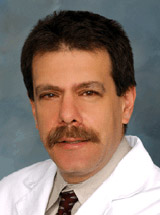 Michael A. Acker合作论文数Surgery Faculty, Perelman School of Medicine, University of Pennsylvania91
 Joseph Woo合作论文数Department of Cardiothoracic Surgery, Stanford University School of Medicine63
 Amit Iyengar合作论文数59
 Jason Han合作论文数58
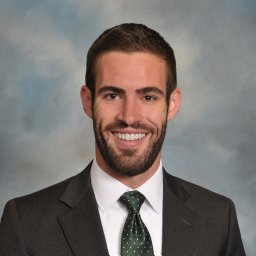 Mark Helmers合作论文数Department of Surgery, University of Pennsylvania;and;Department of Surgery, University of Pennsylvania52Edo Y. Birati合作论文数Sackler Faculty of Medicine, Tel-Aviv University49
 Jesus Eduardo Rame合作论文数42Joyce Wald合作论文数37
 Gaffey Ann C合作论文数Perelman School of Medicine, University of Pennsylvania34
 Macarthur John W合作论文数Department of Cardiothoracic Surgery, Stanford University34
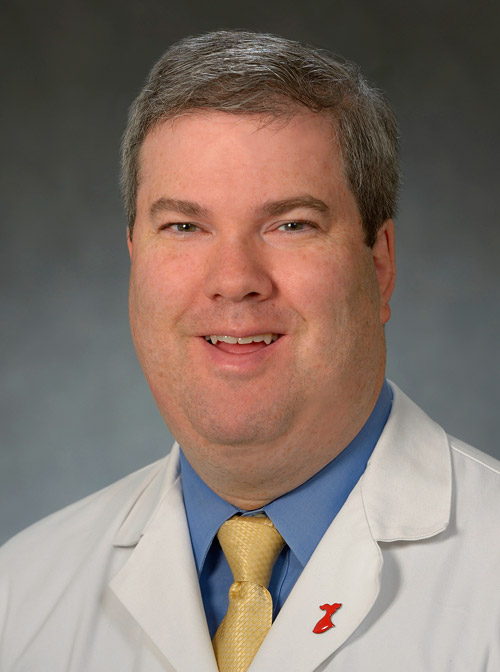 Lee R. Goldberg合作论文数Department of Medicine, Perelman School of Medicine, University of Pennsylvania;Penn Cardiovascular Institute, University of Pennsylvania;Penn Medicine Center for Sleep and Circadian Neurobiology, University of Pennsylvania32
 Jeffrey Cohen合作论文数University of Pennsylvania Department of Surgery32
 Jeremy Aryeh Mazurek合作论文数Catholic Health31
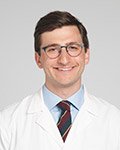 Noah Weingarten合作论文数Cleveland Clin Fdn30
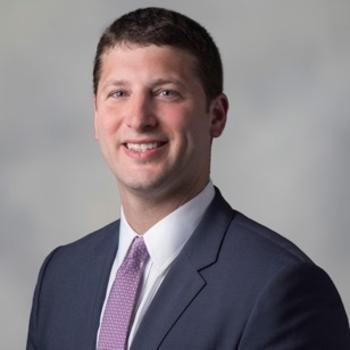 William Hiesinger合作论文数Department of Cardiothoracic Surgery, Stanford University30
 Jennifer Chung合作论文数Department of Surgery, Temerty Faculty of Medicine, University of Toronto29Carol Chen合作论文数26
 Wilson Y. Szeto合作论文数Department of Surgery, Perelman School of Medicine, University of Pennsylvania25
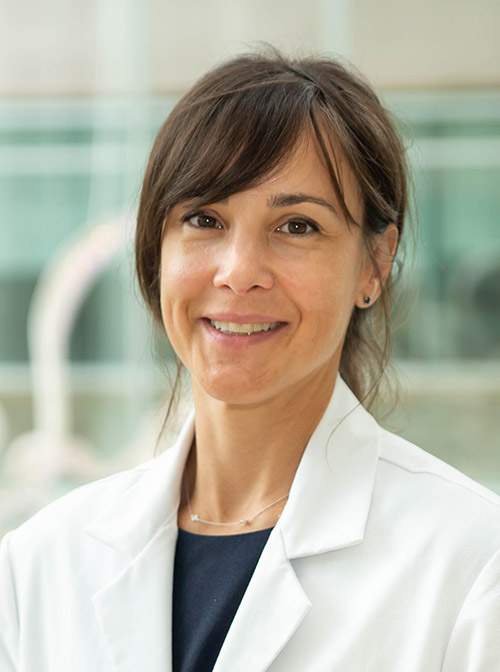 Marisa Cevasco合作论文数Surgery Faculty, Perelman School of Medicine, University of Pennsylvania25
 Trubelja Alen合作论文数Perelman School of Medicine, University of Pennsylvania23
 Alexander S Fairman合作论文数23Hanff Thomas C合作论文数From the Department of Medicine, University of Pennsylvania School of Medicine;Department of Epidemiology, Johns Hopkins Bloomberg School of Public Health;Department of Medicine-Geriatrics, University of Mississippi Medical Center;Department of Radiology, University of Washington Medical Center;Department of Neurology, Mayo Clinic;Department of Ophthalmology and Visual Sciences, University of Wisconsin School of Medicine and Public Health;and Department of Neurology, Johns Hopkins University School of Medicine;University of Wisconsin School of Medicine and Public Health, Johns Hopkins University School of Medicine22
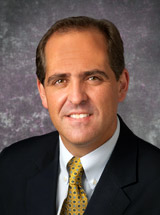 Christian A. Bermudez合作论文数Surgery Faculty, Perelman School of Medicine, University of Pennsylvania21
 Nimesh D. Desai合作论文数Division of Cardiovascular Surgery, Hospital of the University of Pennsylvania;Perelman School of Medicine, University of Pennsylvania;Leonard Davis Institute of Health Economics, University of Pennsylvania20
 Max Shin合作论文数Perelman School of Medicine, University of Pennsylvania;Perelman School of Medicine, University of Pennsylvania19
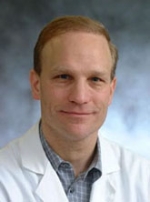 Kenneth B. Margulies合作论文数Margulies Laboratory, Perelman School of Medicine, University of Pennsylvania19Cindy Song合作论文数18
 Arman Kilic合作论文数Heart, Lung, and Esophageal Surgery Institute, University of Pittsburgh Medical Center18
 Yasuhiro Shudo合作论文数Department of Cardiothoracic Surgery, Stanford University School of Medicine18Jessica Howard合作论文数18David Rekhtman合作论文数17Peter Altshuler合作论文数Department of Surgery, University of Pennsylvania17Michael V. Genuardi合作论文数Department of Medicine, Perelman School of Medicine, University of Pennsylvania16
 Francis Dominic Pagani合作论文数Frankel Cardiovascular Center, University of Michigan, Ann Arbor16
 Jason A. Burdick合作论文数Burdick Biomaterials and Biofabrication Laboratory, Department of Chemical and Biological Engineering, College of Engineering and Applied Science, University of Colorado Boulder;BioFrontiers Institute, University of Colorado Boulder16
 William L Patrick合作论文数14
 Edward Wilson Grandin合作论文数14
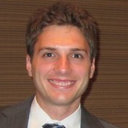 Andrew Goldstone合作论文数Department of Cardiothoracic Surgery, Stanford University School of Medicine;Department of Surgery, University of Pennsylvania School of Medicine;Stanford University School of Medicine, University of Pennsylvania School of Medicine14
 Robert Zhang合作论文数Univ Penn, Carnegie Mellon University13
 Rhondalyn C. McLean合作论文数Department of Medicine, Perelman School of Medicine, University of Pennsylvania13
 Walter Clark Hargrove合作论文数12
 Samuel T. Kim合作论文数Department of Surgery, Hospital at the University of Pennsylvania12John J. Kelly合作论文数Department of Medicine, Perelman School of Medicine, University of Pennsylvania12
 Jacob Thomas Gutsche合作论文数Cardiovascular and Thoracic Section, Department of Anesthesiology and Critical Care, Perelman School of Medicine, University of Pennsylvania12
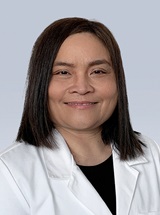 Maria Reila Molina合作论文数Department of Cardiology, Hospital of the University of Pennsylvania12Hung George合作论文数12
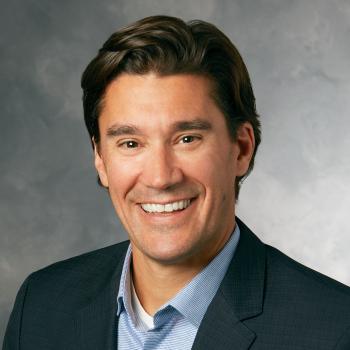 Jeffrey Teuteberg合作论文数Division of Cardiovascular Medicine, Department of Medicine, Stanford University;Stanford Cardiovascular Institute, Stanford Medicine12Mariell Jessup合作论文数11
 Michael Ibrahim合作论文数National Heart & Lung Institute, Imperial College London11




