To present an integrated, evidence-based view of current rhinoplasty practices, emphasizing patient safety, functional preservation, and interdisciplinary collaboration. We reviewed the literature published between 2019 and 2025, including systematic reviews, meta-analyses, and official documents from the International Society of Aesthetic Plastic Surgery (ISAPS) covering functional, structural, and preservation approaches. Studies regarding the pre-, intra-, and postoperative phases were analyzed to identify associations with patient safety and satisfaction. A global shift from reductive techniques to structural and preservation approaches prioritizing anatomical respect and functional integrity was observed. Evidence supports team planning, psychological screening, and standardized protocols applied across the operative pathway to reduce complications. In addition, technological advances have improved predictability and surgical training. Despite advances, substantial variability in techniques and protocols persists, underscoring the need to strengthen a shared culture of safety through standardized perioperative workflows, structured documentation, and validated outcome assessment, rather than standardizing operative techniques. Rhinoplasty should combine esthetic precision with preservation of nasal function and ethical responsibility. Establishing a global culture of safety requires more than protocols; it demands empathy, collaboration, and the surgeon’s active role as a technical and ethical mediator at all stages of care. While not an official ISAPS guideline, this article offers a critical reflection on current evidence and discussions within the ISAPS Patient Safety Committee. This journal requires that authors assign a level of evidence to each article. For a full description of these Evidence-Based Medicine ratings, please refer to the Table of Contents or the online Instructions to Authors www.springer.com/00266 .
Reconstructing the dorsum in revision rhinoplasty remains a complex challenge. Traditional methods such as solid rib grafts and diced cartilage fascia (DCF) grafts present significant limitations, including warping, displacement, and insufficient dorsal definition. First devised in 2017, the SPLF (sandwich of perichondrium-lamina-fascia) graft has now become well-established in the senior author's practice as a refined, versatile, and customizable approach for dorsal reconstruction. This construct integrates seamlessly with native tissues, providing smooth contours, well-defined dorsal aesthetic lines (DAL) and consistent long-term results. Unlike conventional grafting techniques, the SPLF graft allows intraoperative adaptability, offering real-time customization of height, contour and lateral continuity through a multilayered design. In recent years, the SPLF graft as originally described has been progressively refined through variations in lamination thickness, shape and extensions, as well as the implementation of additional laminations and the innovative use of "rib plaster" for enhanced customization. These refinements have further legitimized its role as a cornerstone in revision rhinoplasty, providing surgeons with a predictable, stable and natural-looking solution for dorsal augmentation. Level of evidence: V.
Introduction Secondary rhinoplasty presents complex challenges due to anatomical distortions, scar tissue, and multiple iatrogenic deformities. Objectives & Hypotheses Although a traditional structural approach is the time-honored benchmark against which any other technique should be measured, preservation concepts can be integrated together with structural techniques. Study Design This study is based on a retrospective review of cases. Methods Preservation concepts applicable to secondary rhinoplasty are outlined in detail. A paradigm case highlighting the strategic application of preservation techniques is included. Results Preservation concepts pose an evident advantage in avoiding unnecessary dissection, further destabilization, and overgrafting while maintaining native structures that can be preserved and limiting dead space. Scar tissue can be used advantageously rather than discarded. However, introducing a "preservationist mindset" in revision rhinoplasty needs a refined approach, mastery of diverse techniques, and a flexible operative strategy. Conclusion Preservation concepts can lead to improved outcomes even in secondary rhinoplasty.
The term "Hybrid" has recently come to designate an specific intermediate entity between Preservation and Structural techniques, with the tip being done structural and the dorsum by preservation. This limits the indications to patients who present aesthetically pleasant dorsums, which can thus be fully preserved. In my "modified dorsal split" approach, the dorsum is split anatomically and reshaped appropriately. I preserve the Dorsal Keystone Area while the middle vault is reshaped and adjusted, followed by a cartilaginous push down or a full symmetric or asymmetric let down. Thus, patient indications are significantly expanded.
BACKGROUND:Reconstruction of the dorsum in revision rhinoplasty remains a challenge, requiring the balance of volume, proportion, and long-term stability. Traditional approaches-solid rib grafts or diced cartilage in fascia (DCF)-present limitations such as warping, poor definition, and surface irregularities. METHODS:Since its first application in 2017, the SPLF graft-a layered "sandwich" of perichondrium, rib lamination, and rectus fascia-has been progressively refined by the senior author. This construction is placed as a single unit onto the dorsum. In over 300 cases performed between 2021 and 2024, several variations in the SPLF's dimension, shape, and composition, including the addition of rib plaster, have allowed for high customization and optimization of dorsal contour and definition. RESULTS:The SPLF graft provided consistent dorsal height, smooth contour, and well-defined dorsal aesthetic lines (DALs), with outcomes indistinguishable from the native dorsum. No infections, graft warping, or significant long-term complications were observed in this series. The technique allowed intraoperative customization and demonstrated reliable long-term stability. CONCLUSIONS:The SPLF graft has become the preferred method for dorsal reconstruction in revision rhinoplasty within the senior author's practice, offering a highly adaptable and stable solution that combines structural support and aesthetic finesse. An algorithm for its application is proposed based on this extensive experience. LEVEL OF EVIDENCE IV:This journal requires that authors assign a level of evidence to each article. For a full description of these Evidence-Based Medicine ratings, please refer to the Table of Contents or the online Instructions to Authors www.springer.com/00266 .
Primary or secondary dorsal augmentation rhinoplasty addresses aesthetic and functional issues related to a deficient, under-projected, or depressed nasal dorsum, frequently in middle vault. Traditional treatments often involve costal cartilage grafts, which can result in palpable irregularities and additional morbidity. Implementing dorsal preservation techniques in selected patients may improve predictability and outcomes of dorsal augmentation. We conducted a case series involving 12 patients with saddle nose deformities and significant nasal function impairment. All patients underwent either “push-up” preservation technique or “modified dorsal split extended push-up” technique. The techniques were evaluated for feasibility, safety, and efficacy. Functional outcomes were assessed using the nasal obstruction symptom evaluation (NOSE) scale preoperatively and three months postoperatively. Eight patients underwent “push-up” technique, and four patients required “dorsal split extended push-up” technique due to extensive scarring and mucosal adhesions from previous surgeries. All patients demonstrated significant postoperative improvement in nasal function as indicated by a reduction in NOSE scores (p < 0.05). Aesthetic outcomes showed a naturally augmented and smooth dorsum with no palpable irregularities. Patient satisfaction was rated very high (9 or 10 out of 10) in 10 patients and high (7 or 8 out of 10) in 2 patients. Follow-up was 6 months. “Push-up” preservation technique and its extended variant provide a new surgical alternative for primary and secondary rhinoplasty with costal cartilage. These techniques offer improved and highly predictable aesthetic outcomes of the nasal dorsum with decreased morbidity, demonstrating significant potential for clinical practice and future research. This journal requires that authors assign a level of evidence to each article. For a full description of these Evidence-Based Medicine ratings, please refer to the Table of Contents or the online Instructions to Authors www.springer.com/00266 .
The stabilization of the midvault of the nose is an important facet of rhinoplasty. There are several techniques available to accomplish this. The use of autospreader flaps, and spreader grafts are among the most common techniques used. The availability of septal cartilage, auricular cartilage, and costal cartilage effectively permits the surgeon to use autogenous tissues in the vast majority of cases.
A simple technique is described for obtaining rib plaster by scraping the whitish peripheral portion of residual segments of rib after the perichondrium is removed and appropriate multiple laminations are derived. This putty-like substance tends to conglomerate appropriately because of its high density and has unique properties. It is readily compacted into diced cartilage inserters, smoothly injected, and easy to mold. Rib plaster works well for camouflage of irregularities of the dorsum and tip as well as in mild augmentation. It adds no further cost, and is in adequate supply once a full-thickness rib segment has been harvested for secondary rhinoplasty.
The apparent lack of quadrangular cartilage in Black African noses is commonly observed both from a radiological and clinical point of view. To the best of our knowledge, only a few research papers have been conducted on the facial proportions and structural anatomy of black people of Southern and Eastern Africa. The aim of this retrospective comparative study is a radiological assessment of the total amount of septal quadrangular cartilage by measuring its area in sagittal CT views, in two selected Black South African and Caucasian (CA) samples and the comparison with the literature in our hands. Statistical analysis was conducted, categorical variables are shown as frequencies and percentages, while continuous variables as means and standard deviations. Normal distribution of variables was verified using the Shapiro-Wilk test or by means of skewness and kurtosis values. Differences among unpaired groups were evaluated using the independent Student's t-test for normally distributed data (complemented by the Cohen's d to show the effect size with the following cutoff: d = 0.2, "small" effect size; d = 0.5, "medium" effect size; d = 0.8, "large" effect size) and Mann-Whitney U test in case of non-normal distribution. Statistical significance was defined as p < 0.05 setting the α-error probability at 5%. This study shows that, on average, there is 30% more cartilage available in CA compared with Black African noses and confirms the apparent lack of quadrangular cartilage and in Black African noses which is commonly observed in surgery. The need for an adequate amount of autologous septal cartilage makes cartilage availability a major concern before surgery and being able to preoperative accurately measure the amount of septal cartilage that is available to be harvested for other grafts in the surgery is essential.
Autologous cartilage can be easily and safely harvested as a reliable source of cartilage in rhinoplasty through a small, well-hidden incision. Rib cartilage can be utilized during a primary rhinoplasty when there is insufficient cartilage from the septum or often in revisional nasal surgeries where the initial septal cartilage has previously been used or removed. Rib cartilage carving can be done on a cutting board prior to the beginning of the rhinoplasty in order to allow time for the cartilage to present any warping while it is soaked in saline. Overall autologous rib cartilage is a good source of copious and often good quality cartilage.
BackgroundThe prerequisite of a well-shaped dorsum with proper dorsal aesthetic lines that needs no modifications in its width and symmetry is key to letdown and push-down techniques as classically described. The common current concept is that total preservation of the middle vault is obligatory. This, however, obviously limits the indications, since nasal dorsum with natural aesthetic dorsal lines per se is relatively few. The recent, impressive, revival of letdown and push-down procedures has progressively generated numerous technical variations, but all those essentially still left the middle vault unmodified. The concept of splitting the middle vault and modifying its width and symmetry, while leaving the crucial dorsal (central) and lateral Keystone area intact, represents a new hybrid approach to the nasal dorsum. The structural benefits of classical component separation are combined with the major advantage of preserving the flexible chondro-osseous joint at the keystone junction. Osteotomies and/or osteoplasty can be done as necessary to modify the bony dorsum and at the same time any type of septal deformity can be addressed according to the time-tested L-strut principle, a Cottle septoplasty included. This hybrid approach expands indications beyond those of the conventional push-down/letdown technique, including moderate asymmetries of the bony and cartilaginous dorsum. Although splitting the middle vault along the septal T will also facilitate middle vault reshaping in cases where a full letdown procedure is indicated, this paper will clarity address only those instances where no circumferential osteotomy is done.Methods and MaterialsThe dorsal bony nasal pyramid is always addressed first by rhinosculpture (osteoplasty) with piezoelectric inserts and/or burrs, in combination with different types of osteotomies as needed. This will allow narrowing of the bridge and correction of bony asymmetries. The osseous-cartilaginous connection of the central dorsal keystone area (DKA) is totally preserved. At this point, three main variations are possible: Type 1) preservation of the septal T and push-down by a high-middle septal strip resection, two different variations (1A and 1B) are possible here, Type 2) reduction in width of the septal T-segment and middle vault restoration by spreader flaps without any push-down of the septal T and Type 3) preservation of the septal T and letdown by low strip resection.ConclusionHybrid Dorsal Preservation involves concepts of Structure and Preservation Rhinoplasty. Dorsal and lateral keystone area are preserved, and the middle vault could be modified splitting the septal T in the anatomical plane, expanding patient indications and improve outcomes.Level of Evidence VThis journal requires that authors assign a level of evidence to each article. For a full description of these Evidence-Based Medicine ratings, please refer to the Table of Contents or the online Instructions to Authors www.springer.com/00266.
IntroductionOver the past decade, rhinoplasty has seen an unprecedented evolution in concepts, techniques and tools. New concepts have led to new techniques, prevalently but not exclusively related to preservation rhinoplasty, and the use of new tools has made such techniques easier, more precise and thus better reproducible. Power tools can presently be considered only relatively new, while Piezo has gained great popularity over the last years.Materials and MethodThis article is focused on how power tools (diverse burrs with specific spherical, cylindrical, conical, discoid tips) can be integrated efficiently together with the use of Piezo and its different inserts in a logical and effective manner.DiscussionThis combination should be implemented in a progressive fashion into specific steps of surgery, although, in general, burrs should be used for reshaping and piezo for cutting bone. Specific and notable exceptions to this rule will be mentioned in the paper. Obviously, cost should be considered, but the benefits are evident: heightened control, reduced asymmetries, smoother bony and middle vault contour, and a more precise management of septum and turbinates. We have come to this conclusion following the combined experience of the two centers participating in the study, with over 350 patients over the last three years.ConclusionsThe article focuses on the modified dorsal split preservation hybrid rhinoplasty favored by the senior author, but its principles will easily apply to any structural, preservation, or hybrid rhinoplasty.Level of Evidence VThis journal requires that authors assign a level of evidence to each article. For a full description of these Evidence-Based Medicine ratings, please refer to the Table of Contents or the online Instructions to Authors www.springer.com/00266.
Objective Septoplasty is the most frequently performed ENT surgery to correct nasal septal deviation (NSD). The present study aimed to quantify the effectiveness of septoplasty with or without turbinate surgery according to NOSE questionnaire scores, with the hypothesis that it is able to clinically improve patient‐reported nasal obstructive symptoms in the post‐operative follow‐up. Methods An electronic search was performed on PubMed/MEDLINE, Embase, and Cochrane Library. The primary outcome was the change in NOSE score at 6 months after surgery. It was assessed with the mean difference (MD) between baseline and postoperative results. Results A total of 2577 patients (males: 65.1%, 95% CI: 59.9–70.2) with a mean age of 33.3 years ( n = 1456, 95% CI: 30.4–36.2) were included in this meta‐analysis. The pooled baseline NOSE mean score was 68.1 ( n = 2577, 95% CI: 64.3–71.9). The pooled MD in NOSE score at 6‐months follow‐up compared to baseline was −48.8 ( n = 1730, 95% CI: −54.6 to −42.9). Conclusions Functional septoplasty with or without turbinate surgery shows a critical improvement of obstructive symptoms and quality of life according to the validated NOSE score. Level of Evidence NA Laryngoscope , 133:3237–3246, 2023
Surgical rhinoplasty remains one of the most challenging techniques in plastic surgery and is still one of the most performed facial procedures. The surgical correction of the nose is performed sometimes alone or associated with other facial defect reshaping to achieve a balanced facial result. Nasal defects can be addressed with different surgical accesses, but the main objective is that whenever a rhinoplasty is done, it must address both nasal function and aesthetics. Surgical rhinoplasty is performed almost exclusively under general anesthesia to ensure patient comfort and protection of the airway. However, the surgical maneuvers can result in bleeding, causing secondary complications to upper and lower airways; when the patient is under general anesthesia, we place two nasal swabs deep posteriorly into both upper airways to prevent bleeding into the lower airway areas. The patient has a slight nasal hump and right deviation of the nasal septum.
Aesthetic Surgery Journal 2023, Vol 43(2) NP141–NP142 © The Author(s) 2022. Published by Oxford University Press on behalf of The Aesthetic Society. This is an Open Access article distributed under the terms of the Creative Commons Attribution-NonCommercial License (https://creativecommons.org/licenses/bync/4.0/), which permits non-commercial re-use, distribution, and reproduction in any medium, provided the original work is properly cited. For commercial re-use, please contact journals.permissions@oup.com https://doi.org/10.1093/asj/sjac308 www.aestheticsurgeryjournal.com
Splitting the middle vault on an anatomical plane along the "Septal T" allows a new hybrid perspective on the many modifications of "surface" preservation techniques. The "dorsal split preservation" concept can be applied both to cartilaginous pushdown as well as to full letdown techniques. The dorsal keystone area is maintained, while the middle vault is reshaped. The septum is addressed by conventional L strut septoplasty. Precise direct suture fixation of the high-middle strip is easily accomplished after flexing the osseous-chondral junction at the K area. Specific technical points are described to allow exact and stable configuration of the dorsum.A retrospective analysis on 100 consecutive patients demonstrated aesthetic and functional improvement.
Background: Dorsal augmentation rhinoplasty addresses the aesthetic and functional impairments caused by a deficient nasal dorsum. Augmentation rhinoplasty can be performed using a variety of different surgical techniques and grafting materials that all have distinct advantages and disadvantages. Methods: Grafting materials have unique characteristics, uses, and safety profiles. A detailed overview of various grafting materials and their uses, risks, and benefits is provided. Results: Autologous grafting materials include septal cartilage, auricular cartilage, and costal cartilage. These donor sites can provide various amounts of en bloc or diced cartilage. Alternatively, bone may be used when strong structural stability is required, and soft tissue may be used to fill mild to moderate defects. Homologous grafts (e.g., irradiated and nonirradiated rib) and acellular dermal matrices are alternatives to autologous graft with many similar advantages and no need for an additional surgical site. Lastly, alloplastic implants may be successfully used for dorsal augmentation if both patient and surgeon understand their associated risks. Conclusion: To perform successful dorsal augmentation, surgeons should be familiar with the wide variety of operative approaches and augmentation materials that are currently available and understand their risks, benefits, and uses.
BACKGROUND:The midvalve area is one of the most important anatomical points in rhinoplasty procedures. An additional intervention may be required to ensure there is no narrowing in this region. For this reason, several different techniques are used. Spreader graft technique is the most common of all these methods. T-splay graft technique is an alternative method that can effectively widen the angle of the midvalve. The present study compares the anatomical and functional outcomes of these two methods.METHODS:The study included 60 cases who presented to our clinic for rhinoplasty. The cases were evaluated demographically, anatomically, and functionally, and the acquired data were recorded. All cases were preoperatively administered the Visual Analogue Scale, the Nasal Obstruction Symptom Evaluation scale, and the modified Glatzel mirror test. By randomly selecting the cases, midvalve restoration was performed with a spreader graft in 30 cases and a T-splay graft in 30 cases.RESULTS:A comparison of the Visual Analogue Scale, the Nasal Obstruction Symptom Evaluation scale, and the modified Glatzel mirror test scores revealed that the scores of both groups at postoperative months 3 and 6 were significantly different from the preoperative measurement values.CONCLUSIONS:Although spreader graft technique is a very effective method in midvalve management, we believe that T-splay graft technique may also produce effective outcomes. In addition, the midvalve functions could be better simulated anatomically and functionally with T-splay graft technique. Therefore, we believe that T-splay graft technique is an alternative method that can be safely used in selected cases.LEVEL OF EVIDENCE III:This journal requires that authors assign a level of evidence to each article. For a full description of these Evidence-Based Medicine ratings, please refer to the Table of Contents or the online Instructions to Authors www.springer.com/00266 .
 Francesco Leone合作论文数13Giuseppe Cottone合作论文数11Maria Alessandra Bocchiotti合作论文数11Bernardo Righi合作论文数9Codazzi Denis合作论文数9Marcello Carminati合作论文数6Stefano Bruschi合作论文数5Ortelli Luca合作论文数4Maurizio Verga合作论文数3
 Mario Alessandri Bonetti合作论文数Sch Reconstruct & Aesthet Plast Surg, Univ Milan3Paolo Persichetti合作论文数3Luca Devalle合作论文数3M Carminati合作论文数2Pier Paolo Bonfirraro合作论文数2Fred G Fedok合作论文数2Victor Malfussi合作论文数2Omar Jaber合作论文数2Garyfalia Lekakis合作论文数2Yvette Godwin合作论文数2Werner Heppt合作论文数2
 Martin D Haug合作论文数2Cerkes Nazim合作论文数2
 Rod J. Rohrich合作论文数Dallas Plastic Surgery Institute;Baylor College of Medicine2Luca Ansaloni合作论文数2Paolo Bogetti合作论文数2
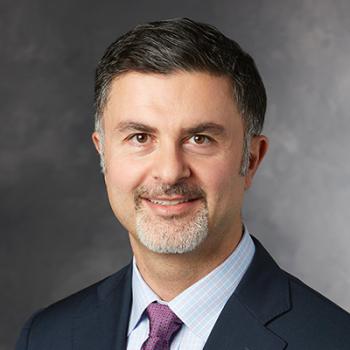 Sam P. Most合作论文数Division of Facial Plastic & Reconstructive Surgery, School of Medicine, Stanford University2Daniela Codazzi合作论文数2Paola Poletti合作论文数2Riccardo F. Mazzola合作论文数2L. Milesi合作论文数1G Pierer合作论文数1Leonardo Ioppolo合作论文数1Privato Fenaroli合作论文数1M Giulii Capponi合作论文数1E Poiasina合作论文数1Gabriela Nita合作论文数1
 Francesco Pisapia合作论文数1Gabriele Mevio合作论文数1Mario Ferraz合作论文数1Riccardo Carbonaro合作论文数1Cibele Madsen Buba合作论文数1Fausto López-Ulloa合作论文数1Laura Milesi合作论文数1Riccardo De Bernardis合作论文数1Waldemar Brandao Penna合作论文数1Tuan Pham合作论文数1
 Cameron McIntosh合作论文数1
 Brandon Alba合作论文数1James P. Bradley合作论文数1




