Abstract Papilledema due to elevated intracranial pressure may indicate life-threatening conditions such as intracranial mass lesions or cerebral sino-venous thrombosis. This bicentric retrospective cohort study evaluated neuroimaging outcomes and clinical predictors in adults presenting with suspected papilledema to emergency departments between 2009 and 2022. Diagnostic outcomes were categorized as confirmed papilledema (due to idiopathic intracranial hypertension, space-occupying lesions, hydrocephalus or secondary intracranial causes) or papilledema ruled out. Clinical features, visual acuity, and frequency of focal neurological deficits were compared between groups. Diagnostic yield and number needed to scan (NNS) for CT and MRI were calculated, and univariable logistic regression was performed to identify predictors of secondary intracranial causes. Among 225 patients (mean age 43.0 ± 16.8 years; 57% female), papilledema was confirmed in 124 (55%), including 44 (35.5%) with secondary intracranial causes. Papilledema was excluded in 73 patients (32.4%). Primary CT and MRI identified secondary pathology in 13.3% (NNS 7.5) and 16.7% (NNS 6) of patients, respectively. Diplopia, nausea/vomiting, and focal neurological deficits were associated with secondary causes but were not consistently present. Secondary intracranial pathology is common in suspected papilledema. Given the limited discriminatory value of clinical features, timely neuroimaging should be performed in the diagnostic evaluation.
Background Acute stroke due to large vessel occlusion (LVO) is a serious complication of cardiac surgery or other cardiac interventions. Little is known about the epidemiological characteristics of affected patients, the temporal relationship between stroke detection and surgery/intervention, the efficacy of mechanical thrombectomy, or the associated clinical outcomes.Methods We retrospectively analyzed the demographic and thrombectomy characteristics and neurological outcomes of patients who underwent mechanical thrombectomy for acute ischemic stroke due to LVO after cardiac surgery/intervention in a large academic heart center.Results From January 2018 to January 2022, a total of 39 patients underwent thrombectomy for acute ischemic stroke with LVO following cardiac surgery/intervention. The median age was 66 years (IQR 57.5-76.0), and 13 patients (33.3%) were female. The highest frequency of thrombectomy for LVO-related stroke was observed after left ventricular assist device (LVAD) surgery (1.9%), followed by coronary artery bypass grafting (CABG) (0.20%), transcatheter aortic valve replacement (0.14%), and heart catheterization (0.04%). Stroke symptoms were detected in a wake-up constellation in 20 of the 39 patients (51.3%). Successful recanalization (TICI 2b/3) was achieved in 83.8% of patients. At three months, 21.2% of patients attained a good functional outcome (modified Rankin scale score 0-2).Conclusions Thrombectomy for LVO stroke was conducted in a small subset of patients after cardiac surgery/intervention. A large proportion of these strokes were detected in a wake-up constellation. Early detection, optimized acute neurological workup, and rapid thrombectomy may result in good functional outcomes. The establishment of a standardized diagnostic and treatment algorithm seems advisable for the optimization of acute stroke treatment in large heart centers.
Purpose Acute stroke from non-terminal internal carotid artery (non-T ICA) occlusions presents with variable symptoms. Although collaterals influence stroke severity, their role in non-T ICA occlusions remains unclear. This study evaluated the safety and efficacy of endovascular therapy (EVT) for isolated non-T ICA occlusions and examined the impact of collateral status. Material and methods Patients treated with EVT for acute isolated non-T ICA occlusion between August 2015 and February 2023 were retrospectively analyzed. Demographic, clinical, imaging, and interventional data were collected. Regression models assessed associations between collateral status and clinical outcomes, symptomatic intracranial hemorrhage (sICH), and in-hospital mortality. Results Fifty-eight patients were included. Median Alberta Stroke Program Early Computed Tomography Score (ASPECTS) and National Institutes of Health Stroke Scale (NIHSS) were 10 (interquartile range [IQR] 8-10) and 13 (IQR 7-18). Successful (modified Thrombolysis in Cerebral Infarction [mTICI] 2b-3) and complete (mTICI 3) reperfusion was achieved in 91% and 85%, respectively. sICH occurred in 5%, and in-hospital mortality was 21%. Excluding patients with pre-stroke disability, 42% achieved modified Rankin Scale (mRS) ≤ 2 at discharge. Good collaterals were associated with higher ASPECTS at discharge (9 vs. 7, p = 0.035) and numerically lower mortality (17% vs. 28%). Complete reperfusion (mTICI 3) was associated with favorable outcomes, with 100% reaching mRS ≤ 2 and ≤ 3 at discharge and 90 days, compared to poorer outcomes after incomplete reperfusion (mTICI 2b/c). Stroke etiology showed no association with collateral status. Conclusions EVT for isolated non-T ICA occlusions is technically effective and appears to be reasonably safe, although clinical outcomes remain modest. Collateral quality was associated with imaging outcomes, while complete reperfusion after distal embolization was associated with better clinical recovery. Collateral assessment and careful management of distal emboli may aid treatment decision-making. The clinical effectiveness of EVT in this setting requires confirmation in controlled trials.
BACKGROUND:The optimal management of isolated posterior cerebral artery occlusion (iPCAO) remains unclear. We investigated whether baseline perfusion imaging parameters are associated with clinical outcomes and whether they modify the association between endovascular therapy (EVT) and outcomes in iPCAO. METHODS:This prespecified secondary analysis of the international, multicenter, observational PLATO (Posterior Cerebral Artery Occlusion) registry (35 centers, 10 countries, 2015-2025) included consecutive adults with unilateral iPCAO and baseline perfusion imaging (computed tomography or magnetic resonance imaging) with reconstructed parameters. The primary end point was an excellent 90-day outcome (modified Rankin Scale score, 0-1). Perfusion parameters included hypoperfusion volume, infarct core volume, and mismatch ratio. The primary analysis used multivariable mixed-effects regression models (center as random effect) to assess associations between perfusion parameters and outcomes, adjusting for age, sex, treatment year, prestroke modified Rankin Scale score, baseline National Institutes of Health Stroke Scale score, diabetes, stroke cause, posterior circulation Acute Stroke Prognosis Early Computed Tomography Score, occlusion site, intravenous thrombolysis, and onset-to-door time. To test whether the association between EVT and outcomes varies according to baseline perfusion parameters, we evaluated treatment-by-perfusion interactions by including interaction terms (treatment×perfusion parameter) in inverse probability of treatment weighting-adjusted models, with results expressed as ratios of odds ratios (ORs). RESULTS:Of 1811 patients with iPCAO, 443 met inclusion criteria (median age, 74 years; 41.8% female). Larger hypoperfusion volume was associated with lower odds of excellent outcome (adjusted OR, 0.72 [95% CI, 0.58-0.89] per 1-unit increase in natural logarithm-transformed volume). No interaction between perfusion parameters and EVT was observed for the primary outcome. However, increasing core volume was associated with a progressively less favorable modified Rankin Scale score shift (ratio of OR, 0.66 [95% CI, 0.48-0.90]; Pinteraction=0.009) and higher mortality (ratio of OR, 1.82 [95% CI, 1.10-3.03]; Pinteraction=0.021) with EVT compared with medical management. Increasing hypoperfusion volume was associated with a higher risk of symptomatic intracranial hemorrhage with EVT (ratio of OR, 10.15 [95% CI, 1.06-96.93]; Pinteraction=0.044). CONCLUSIONS:In iPCAO, perfusion imaging provides independent prognostic information but does not identify patients with potential benefit from EVT and may instead indicate those at higher procedural risk. REGISTRATION:URL: https://osf.io/62mwt; Unique identifier: NCT05291637.
BACKGROUND AND OBJECTIVES:The optimal target blood pressure (BP) during and after mechanical thrombectomy (MT) for acute ischemic stroke remains uncertain. While BP drops during MT are associated with worse outcomes, evidence on postprocedural BP instability is limited. We aimed to assess the impact of BP drops within the first 24 hours after MT on functional outcome. METHODS:Retrospective observational study analyzing data from 2 tertiary stroke centers, gathered between October 2020 and September 2022 within the German Stroke Registry Endovascular Treatment, a national prospective registry of patients receiving MT for ischemic stroke. High-resolution BP data of patients who reached successful recanalization at the end of MT (modified Thrombolysis in Cerebral Infarction [mTICI] ≥2b) were obtained using stroke unit monitoring. BP drops were defined as systolic BP decreases of ≥40 mm Hg occurring within 1 hour during the first 24 hours after groin puncture. Primary outcome was level of disability at 3 months, assessed on the modified Rankin Scale (mRS shift analysis). Secondary outcomes included early neurologic deterioration (defined as an increase of 4 or more points on the National Institutes of Health Stroke Scale (NIHSS) between admission and 24-hour assessment) and death at 3 months. Associations between BP drops and functional outcomes were evaluated using multivariable ordinal and binary logistic regression. RESULTS:Among 300 patients analyzed (median age 77 years [interquartile range (IQR) 65-83], 46.0% female, median admission NIHSS 13 points [IQR 7-17]), 123 patients (41.0%) had at least 1 drop, including 77 patients (62.6%) with 1 drop and 46 patients (37.4%) with 2 or more drops. BP drops were independently associated with worse functional outcome, both in binary (drops vs no drops; adjusted common odds ratio [OR] 1.66 [95% CI 1.02-2.70]) and count-based analysis (adjusted common OR per +1 drop; 1.33 [95% CI 1.05-1.69]). Patients with drops more often had early neurologic deterioration (22.2% vs 13.4%; adjusted OR 2.22 [95% CI 1.03-4.78]). BP drops were not associated with death at 3 months (adjusted OR 1.25, 95% CI 0.66-2.40). DISCUSSION:BP drops within 24 hours after successful MT are associated with worse functional outcome. Targeted measures to prevent or mitigate BP drops should be explored in future studies.
Background: Digital twin technology holds promise for personalized stroke care, but current applications remain fragmented. This systematic review investigates how digital twins are currently utilized in the stroke care continuum. Methods: Following PRISMA guidelines, we conducted a systematic search of PubMed, Web of Science, and the Cochrane Library through April 2025. Studies applying digital twins to acute ischemic stroke care were included. Each study was categorized along the stroke care continuum (pre-stroke, in-hospital, post-stroke) and assessed using a digital twin maturity framework (L0 to L3). We extracted data on clinical intent, modeling approach, validation strategy, study design, population, sample size, and key outcomes to enable structured synthesis. Results: Eight studies met inclusion criteria. Half targeted pre-stroke risk prediction (e.g., modeling atherosclerosis or atrial fibrillation), 2 simulated mechanical thrombectomy, 1 supported prehospital diagnosis, and 1 predicted post-stroke disease progression. Most models remained at maturity levels L1 to L2, lacking real-time updating or workflow integration. Technologies included machine learning ( n = 3), computational fluid dynamics ( n = 3), and hybrid or rule-based approaches ( n = 2). Conclusions: Digital twins in stroke care are promising but remain preclinical. Current models predominantly address pre-stroke risk prediction or procedural simulation, with limited representation of acute decision support or post-stroke monitoring. Clinical integration is constrained by low technological maturity, limited real-world validation, and a lack of interoperability.
Here, we report the case of a 65-year-old man who presented to the emergency department with paresthesia, psychomotor retardation, and dysarthria. Contrast-enhanced brain MRI revealed a solitary, contrast-enhancing mass in the right head of the caudate nucleus with extensive perifocal edema, raising a primary differential diagnosis of glioblastoma versus metastasis, among other possibilities. Prior to surgical removal of the suspected glioblastoma, the patient underwent additional diffusion tensor imaging and research MRI, including multifrequency magnetic resonance elastography (MRE) to generate mechanical property maps of stiffness and tissue viscosity and to potentially differentiate between glioma, brain metastases, and benign masses based on tissue biomechanical properties. MRE revealed abnormally high values of stiffness and viscosity—a mechanical signature known to be associated with brain metastases or meningioma, but not glioblastoma, which typically exhibits soft tissue properties with reduced viscous dissipation. Histopathologic evaluation confirmed MRE by revealing a distant metastasis of squamous cell carcinoma, the primary tumor of which was detected by PET-CT within the right hilus of the lung. This case demonstrates the diagnostic value of the biomechanical properties of brain tumors and raises the prospect of applying MRE as an easy-to-use MRI contrast that can rule out glioma when the suspicious lesion exhibits stiff-viscous material properties.
Idiopathic intracranial hypertension (IIH) primarily affects obese women of reproductive age. However, IIH can also occur in individuals outside this typical demographic, where it is associated with a more severe clinical course and poorer visual outcome. Characteristic features of IIH have been identified on cerebral MRI but have not been systematically studied in atypical patient subgroups. This retrospective cohort study investigated the prevalence of MRI features of IIH across the following subgroups: males, individuals with normal BMI (< 26 kg/m2), and patients diagnosed above the age of 45. The presence of empty sella (ES), posterior globe flattening (PGF), optic nerve sheath distension (ONSD), optic nerve tortuosity (ONT), transverse sinus stenosis (TSS), DWI-hyperintensity of the optic nerve head (ONH) and ONH-contrast enhancement were evaluated on MRI. The relationship between MRI features and the visual prognosis was investigated. The study included 172 patients. ES was most frequent with 87
Abstract About 3–10% of patients with acute ischemic stroke (AIS) have active cancer. Malignancy-associated hypercoagulability (MAH) is an established cause of cancer-associated stroke. Nonbacterial thrombotic endocarditis (NBTE) is a severe manifestation of MAH. However, no prospective study has examined its prevalence and anticoagulation management in AIS. We conducted a prospective observational study at a tertiary center including patients with AIS or transient ischemic attack (TIA) and active malignancy. All patients underwent transthoracic echocardiography, followed by transesophageal echocardiography when indicated. Among 3,491 screened patients, 16 with active cancer and AIS/TIA were included. Eleven (68.8%) showed embolic patterns suggestive of MAH, and 6 (37.5%) had NBTE. NBTE patients numerically more frequently had multiterritory embolic infarctions (100% vs. 60.0%, p = 0.102) and prior ischemic stroke (66.7% vs. 10.0%, p = 0.028). 4/6 were on direct oral anticoagulants (DOACs), while none were on low-molecularweight heparin (LMWH). Under LMWH, vegetations resolved or regressed in 3/4, whereas under DOACs, progression or recurrent embolism occurred in several patients. Twelve-month mortality was high in both MAH (90.9%) and NBTE (83.3%) groups. NBTE was frequently identified in this prospective cohort of patients with cancer-associated stroke and consistently associated with multi-territory embolic infarction. Recognition may enable earlier diagnosis. Larger studies are needed to define optimal anticoagulation strategies.
INTRODUCTION:ICH is a common complication following endovascular therapy (EVT) for ischaemic stroke. While sICH is known to worsen outcomes, the impact of ICH without early neurological deterioration (END), commonly referred to as "asymptomatic" (aICH), remains controversial. This study aimed to assess imaging patterns of aICH and its effect on clinical outcomes. PATIENTS AND METHODS:This study used data from the prospective, multicentre German Stroke Registry-Endovascular Treatment. Bleedings were assessed on follow-up imaging at 24 hours applying the Heidelberg Bleeding Classification. European Cooperative Acute Stroke Study III (ECASS)-III criteria were used to stratify patients into (1) no ICH, (2) aICH and (3) sICH. The primary outcome was functional independence (mRS ≤ 2) at 3 months. Secondary outcomes included mRS shift and 3-month mortality. RESULTS:Among 4834 patients with EVT (median age 76, 51% female, median NIHSS 14), ICH occurred in 13.2% (aICH: 9.7%, sICH: 3.5%). Haemorrhage patterns differed, with sICH being more often parenchymal (48.2% vs 34.6%), multicompartmental (34.1% vs 20.2%) and involving the ventricular system (18.8% vs 7.6%), while aICH were predominantly haemorrhagic transformation (34.6% vs 21.8%). Functional independence at 90 days was reached by 40.0% (no ICH), 25.4% (aICH; adjusted odds ratio [aOR] 0.43 [0.32-0.58]) and 6.5% (sICH; aOR 0.06 [0.03-0.14]), respectively. aICH was associated with worse overall recovery (mRS shift adjusted common OR 0.51 [0.41-0.63]) and higher 90-day mortality (35.5% vs 24.9%; aOR 1.90 [1.44-2.51]), when compared to no ICH. CONCLUSION:ICH after EVT was associated with worse functional recovery and higher mortality, even in the absence of END. Given these results, the term "asymptomatic ICH" warrants reconsideration.
Abstract Reduced fluidity and viscosity have been demonstrated as biomechanical hallmarks of in vivo glioblastoma and are increasingly used as radiological imaging markers by magnetic resonance elastography (MRE). However, the biological origin and consequences of this unusual mechanical behavior remain unclear. Here, we show that two mechanisms which promote collective cell migration are present in patient gliomas and can be detected in vivo by MRE-based cerebral tomoelastography. Vimentin-driven extracellular matrix remodeling and cellular elongation, quantified by automated histological readings and nuclear aspect ratio (AR) measurements, correlate with decreased in-vivo tumor fluidity and viscosity. These observations in patients are supported by experiments in tissue-mimicking actin–vimentin gels, which mechanistically link the soft-solid viscoelastic signature of in vivo glioma to vimentin’s migration-promoting role and to AR-based observations of cellular elongation in unjammed cancer cell clusters. Taken together, our results suggest in-vivo bulk tumor viscosity as a noninvasive biomechanical marker of collective cell migration and invasiveness in brain tumors.
Objective Phenox flow diverters (p64 and its smaller vessel variant p48) represent an established treatment option for intracranial aneurysms. This study evaluates the safety and efficacy of the new generation of these devices with an additional antithrombotic surface coating (HPC).Methods Consecutive patients treated between 2020 and 2023 at three institutions were retrospectively reviewed for aneurysm characteristics, procedural details, complications, and angiographic outcomes.Results Sixty-one patients (mean age 56 years) were treated for 61 aneurysms. The mean aneurysm size was 8.3 +/- 4.9 mm, 12 (19.7%) were ruptured, 16 (26.2%) were recurrent after previous treatment, 10 (16.4%) were located in the posterior circulation, and 7 (11.5%) had nonsaccular morphology. All procedures were technically successful, with a single device sufficient in 60/61 (98%) cases. Delivery problems included device twisting in one case and incomplete proximal opening in another. Additional angioplasty was performed in 3/61 (4.9%) procedures and additional coiling in 4 (6.6%). There were 3 (4.9%) major events (1 thromboembolic ischemic stroke, 1 fatal intracranial hemorrhage, and 1 delayed aneurysm rupture) and 6 (9.8%) minor strokes. Follow up at a mean of 6 months showed complete occlusion in 33/42 (79%) aneurysms, neck remnants in 5 (12%), and aneurysm remnants in 4 (10%).Conclusions The results demonstrate comparable acceptable complication rates and angiographic results of the Phenox HPC, which are similar to other flow diverters. Long-term and comparative studies are needed to evaluate the full potential of these devices.
This study evaluates seven open-source Large Language Models (LLMs) in summarizing radiology reports of acute ischemic stroke patients treated with mechanical thrombectomy and predicting angiography-based outcome measures relevant to post-thrombectomy reperfusion. 2000 mechanical thrombectomy reports (findings and summarizing impression section as gold standard) were split into training set (N = 1900) for model fine-tuning and test set (N = 100). A two-step evaluation was performed: (1) Quantitative analyses of seven LLMs with metrics ROUGE-1, -2, -L, METEOR, BERTScore (F1) and BLEU comparing LLM-generated summaries against gold-standard impressions. (2) Qualitative manual evaluation of the four best-performing models by two radiologists, assessing correctness and completeness across key parameters: outcome-relevant scores, vessel information, occlusion side, number of passes, relevant additional information, hallucinations, and grammar quality. Statistical significance was assessed via a two-tailed, four-sample χ² test, followed by post hoc pairwise χ² comparisons. BioMistral-7b scored highest across most quantitative metrics (ROUGE-1: 0.47, ROUGE-2: 0.30, ROUGE-L: 0.43, METEOR: 0.46, BERTScore (F1): 0.82). Manual evaluation revealed gemma-2-9b most frequently documented pass counts (56 out of 100 cases (56
This study investigates the automation of MRI protocoling, a routine task in radiology, using large language models (LLMs), comparing an open-source (LLama 3.1 405B) and a proprietary model (GPT-4o) with and without retrieval-augmented generation (RAG), a method for incorporating domain-specific knowledge. This retrospective study included MRI studies conducted between January and December 2023, along with institution-specific protocol assignment guidelines. Clinical questions were extracted, and a neuroradiologist established the gold standard protocol. LLMs were tasked with assigning MRI protocols and contrast medium administration with and without RAG. The results were compared to protocols selected by four radiologists. Token-based symmetric accuracy, the Wilcoxon signed-rank test, and the McNemar test were used for evaluation. Data from 100 neuroradiology reports (mean age = 54.2 years ± 18.41, women 50
BackgroundThis multicenter study evaluated the safety and efficacy of coated flow diverters (cFDs) for the treatment of ruptured intracranial aneurysms.MethodsConsecutive patients treated with different cFDs for ruptured aneurysms under tirofiban at eight neurovascular centers between 2016 and 2023 were retrospectively analyzed. The majority of patients were loaded with dual antiplatelet therapy after the treatment. Aneurysm occlusion was determined using the O'Kelly-Marotta (OKM) grading scale. Primary outcome measures were major procedural complications and aneurysmal rebleeding during hospitalization.ResultsThe study included 60 aneurysms (posterior circulation: 28 (47%)) with a mean size of 5.8±4.7 mm. Aneurysm morphology was saccular in 28 (47%), blister-like in 12 (20%), dissecting in 13 (22%), and fusiform in 7 (12%). Technical success was 100% with a mean of 1.1 cFDs implanted per aneurysm. Adjunctive coiling was performed in 11 (18%) aneurysms. Immediate contrast retention was observed in 45 (75%) aneurysms. There was 1 (2%) major procedural complication (a major stroke, eventually leading to death) and no aneurysmal rebleeding. A good outcome (modified Rankin Scale 0–2) was achieved in 40 (67%) patients. At a mean follow-up of 6 months, 27/34 (79%) aneurysms were completely occluded (OKM D), 3/34 (9%) had an entry remnant (OKM C), and 4/34 (12%) had residual filling (OKM A or B). There was 1 (3%) severe in-stent stenosis during follow-up that was treated with balloon angioplasty.ConclusionsTreatment of ruptured aneurysms with cFDs was reasonably safe and efficient and thus represents a valid treatment option, especially for complex cases.
 Georg Bohner合作论文数Department of Neuroradiology, Charité-Universitätsmedizin Berlin54
 Christoph Kabbasch合作论文数Department of Radiology and Neuroradiology, University of Cologne;Department of Neuroradiology, University Hospital of Cologne39
 Franziska Dorn合作论文数Universitätsklinikum Bonn36Thomas Liebig合作论文数31Lukas Goertz合作论文数Department of Neuroradiology, University Hospital of Cologne29
 Matthias Endres合作论文数Department of Neurology with Experimental Neurology, Charite-Universitatsmedizin Berlin28Randolf Klingebiel合作论文数Department of Neuroradiology, Charité Campus Mitte23Marc Schlamann合作论文数Erwin L. Hahn Institute for Magnetic Resonance Imaging, University Duisburg-Essen21
 Christian H Nolte合作论文数20
 Hans-Christian Bauknecht合作论文数17Milena Miszczuk合作论文数15
 Markus Möhlenbruch合作论文数Universitat Heidelberg15
 Marios Psychogios合作论文数Clin Radiol & Nucl Med, Univ Hosp Basel14
 Christoph Riegler合作论文数14
 Lenhard Pennig合作论文数13
 Charlotte S. Weyland合作论文数12
 Volker Maus合作论文数Knappschaftskrankenhaus Bochum Langendeer12
 Lukas Meyer合作论文数11
 Moriz Herzberg合作论文数11
 Cornelius Deuschl合作论文数Department of Diagnostic and Interventional Radiology and Neuroradiology, University Hospital Essen11
 Jan Borggrefe合作论文数Klinik für Radiologie und Neuroradiologie, Universitätsklinikum Schleswig Holstein;Institut und Poliklinik für Diagnostische Radiologie, Uniklinik Köln;Institut und Poliklinik für Diagnostische Radiologie, Universitätsklinikum Schleswig Holstein10
 Uta Hanning合作论文数Department of Clinical Radiology, University of Münster10
 Joao Nuno Ramos合作论文数Hospital Egas Moniz, Centro Hospitalar Lisboa Ocidental9
 João Pedro Marto合作论文数Chobanian & Avedisian School of Medicine, Boston University;Chobanian & Avedisian School of Medicine, Boston University;Chobanian & Avedisian School of Medicine, Boston University;National Hospital Organization, Osaka National Hospital;St Anne's University Hospital, Masaryk University;2nd Department of Neurology (Anna Czlonkowska, M.A.K.), Institute of Psychiatry and Neurology, Warsaw, Poland;University Hospital Brno, Masaryk University;Department of Neurology (O.Y.M.),, Alexandria University;Department of Neurology (H.R.V., K.U.),, Cleveland Clinic;Bordeaux Population Health Research Center, Centre Hospitalier de l'Université de Bordeaux (E.L.),;"Attikon" University Hospital, National and Kapodistrian University of Athens;Ohio Health Riverside Methodist Hospital (A.I.L.);Neurology Department (J.D., Robin Lemmens),, Leuven University Hospital;University of Tennessee Health Science Center;Cooper Neurological Institute (J.E.S., J.W.),, Cooper University Hospital;Rhode Island Hospital, Brown University;Stroke Center (D.A.S.),, Centro Hospitalar Universitário Lisboa Central-CHULC;Institute of Anatomy (D.A.S.),, Universidade de Lisboa;Grady Memorial Hospital, Emory University School of Medicine;University of Oslo, University of Oslo;Departmento de Neurologia, Institute for Neurological Research-FLENI;Stroke Unit (S.D.S.),, Ramos Mejia Hospital;Melbourne Brain Centre at the Royal Melbourne Hospital, University of Melbourne;Alice Ma, Royal North Shore Hospital;Department of Neurophysiology (J.O.T),, Liverpool Hospital;Department of Neurology (M.W.P.),, Liverpool Hospital;Departments of Neurology (Shaloo Singal) and Radiology (L.-A.S.),, Monash Medical Centre;School of Clinical Sciences at Monash Health, Monash University;Department of Neurology (Rodrigo Tomazini Martins),, Mater Hospital;Department of Neurology (Chris Enzinger),, Medical University of Graz;Department of Neurology and Division of Neuroradiology (T.G.),, Medical University of Graz;Department of Neurology (Aminur Rahman),, Sir Salimullah Medical College;Hopital Erasme (T.B., N.L.),;Universitair Ziekenhuis Brussel, Vrije Universiteit Brussel;Department of Neurology (P.V.),, University Hospitals Antwerp;Department of Translational Neuroscience (P.V.),, University of Antwerp;Hospital das Clínicas (A.B.C., I.L.S.),, São Paulo University;Department of Neurology and Interventional Neuroradiology (R.C.T.H.),, Hospital de Base de São José do Rio Preto;Hospital São Carlos, Nossa Senhora da Conceição Hospital;Moinhos de Vento Hospital (D.L.M.C.),;Hospital de Base do Distrito Federal (L.C.R.), Brasilia, Brazil;St. Anna University Hospital;Department of Neurology (Luciana Catanese),, McMaster University;Department of Diagnostic Radiology (E.A.C.),, Dalhousie University;Hotchkiss Brain Institute, University of Calgary;Royal University Hospital (M.E.K., Lissa Peeling),;Sunnybrook Health Sciences Centre, University of Toronto;Hopital Enfant Jesus (Pascale Lavoie),, Centre Hospitalier de l'Université Laval;Toronto Western Hospital (A.P.),, University of Toronto;Neuroradiology Department (R.R.),, Instituto de Neurocirugía Dr. Asenjo;Department of Neurology (H.-S.C.),, General Hospital of Northern Theater Command;Department of Neurology (Y.C., Foshan Sanshui District People's Hospital;Interventional Neuroradiology (X.H., Z.M.),, Beijing Tiantian Hospital;Department of Neurology, Sestre Milosrdnice University Hospital Center;Department of Neurology (Marina Bralic),, Clinical Hospital Center Rijeka;Department of Neurology, Sveti Duh University Hospital - Zagreb;Faculty of Medicine, J.J. Strossmayer University of Osijek;Department of Neurology (A.B.C.-Q.),, Hospital Departamental Universitario del Quindío San Juan de Dios;Department of Neurology (O.E.L.-S.),, Clínica de la Costa;Department of Neurology (Martin Cabal),, Faculty Hospital Ostrava;Department of Neurology (D.T.),, Blansko Hospital;Oblastní Nemocnice Trutnov a.s.;Faculty of Medicine and University Hospital, Charles University;Neurology (H.H.),, Hospital Příbram;Uherskohradišťská Hospital (E.H.),;Department of Neurology, Thomayer University Hospital Prague;Neurocenter (L.J.),, Regional Hospital Liberec;Neurology (Jana Kadlcikova),, Hospital Vyskov;Igor Karpowicz, Regional Hospital Karlovy Vary;Ostrava (L.K.),;Na Homolce Hospital;Third Faculty of Medicine, Charles University and University Hospital Kralovske Vinohrady;Department of Neurology (J.N.E.S.O.),, Krajská zdravotní, a.s.-Hospital Chomutov;Karvina Mining Hospital (H.P.),;Neurology (Martin Reiser, České Budejovice Hospital;Charles University, General University Hospital in Prague;Department of Neurology (V.R.),, University Hospital Plzen;Department of Neurology (O.S.),, Hospital Jihlava;Masaryk University, University Hospital Brno;Oblastni Nemocnice Kladno (L.S.),;Martin Sramek),, Central Military Hospital in Prague;Nemocnice Třinec, Lenka Zakova;Copenhagen University Hospital;Stroke Center (H.K.I., T.C.T.), Rigshospitalet, University of Copenhagen;Zealand University Hospital, University of Copenhagen;El hussein Alzahar University Hospital;Turku University Hospital, Turku University;Department of Radiology (K.A.),, Turku University Hospital;Helsinki University Hospital, University of Helsinki;Stroke Unit, Bayonne Hospital Neurology;Stroke Unit, Libourne Hospital Neurology (Philippe Casenave),;Centre Hospitalier d'Arcachon-Neurologie (Maria Dan),;Stroke Unit, Agen Hospital Neurology (J.-M.F.),;Neuroradiologie Interventionelle (J.-C.G.),, Brest University Hospital;Brest University Hospital;Department of Neurology (C.S.),, Rothschild Foundation Hospital;Lariboisiere Hospital (Peggy Reiner),;Stroke Unit, Bordeaux University Hospital;University Hospital, Goethe University;Department of Neurology, Albertinen Krankenhaus;Department of Neurology and Stroke (Joshua Mbroh, Eberhard-Karls University;Hertie Institute for Clinical Brain Research (Joshua Mbroh, S.P.),, Eberhard-Karls University;Department of Neurology (Simon Nagel),, Klinikum Ludwigshafen;Department of Neurology, Heidelberg University Hospital;Berlin Institute of Health, Charité-Universitätsmedizin Berlin;Klinik und Poliklinik für Neurologie, Universitätsklinikum Hamburg-Eppendorf (Götz Thomalla),;AHEPA University Hospital, Aristotle University of Thessaloniki;Stroke Unit (O.K.),, Metropolitan Hospital;Hospital General San Juan de Dios (J.D.B.G.),;Mazumdar Shaw Medical Center (V.H.), Bangalore, Karnataka, India;Department of Neurology (Bindu Menon),, Apollo Specialty Hospitals Nellore;Sir JJ Hospital, Grant Medical College;Mazumdar Shaw Medical Center (C.P.), Bangalore, Karnataka, India;Sree Chitra Tirunal Institute for Medical Sciences and Technology (P.N.S.),;Faculty of Medicine, Udayana University;Dr. Soetomo General Hospital Surabaya, Universitas Airlangga;School of Medicine, Zanjan University of Medical Sciences;Imam Reza Hospital, Tabriz University of Medical Sciences;Neurology Department (T.A.R., S.I.S.),, Hillel Yaffe Medical Center;Neurointerventional Unit (S.A.K., Levite Ronen),, Shamir Medical Center;Stroke Unit (Maurizio Acampa),, University of Siena;Stroke Center IRCCS Sacro Cuore Don Calabria (A.A.),;Dipartimento di Neuroradiologia Diagnostica e Interventistica Policinico Universitario IRCCS San Martino (Lucio Castellan, C.R.B.), Genova, Italy;Neurology and Stroke Unit (M.L., Michele Romoli), Ospedale Bufalini, Cesena, Italy;Department of Biotechnological and Applied Clinical Sciences, University of L'Aquila;Interventional Neurovascular Unit (Leonardo Renieri),, Careggi University Hospital;Neurological Department (Andrea Salmaggi, Davide Sangalli),, "Alessandro Manzoni" Hospital;Neurologia e Rete Stroke Metropolitana, IRCCS Istituto delle Scienze Neurologiche di Bologna (A.Z.),;Department of Neurosurgery (R.D., Iwate Prefectural Central Hospital;Department of Neurology (H.F.),, Japanese Red Cross Matsue Hospital;Department of Neurosurgery (T.F.),, National Hospital Organization Osaka National Hospital;Department of Endovascular Surgery (K.F.),, Tokyo Medical and Dental University;Department of Neurosurgery (H.I., N.S.),, Kobe City Medical Center General Hospital;NTT Medical Center Tokyo;Department of Neurology (Ryuhei Kono),, Kin-ikyo Chuo Hospital;Shiroyama Hospital (K.M.),;Department of Neurology (Manabu Sakaguchi),, Osaka General Medical Center;Department of Neurology, The Jikei University School of Medicine;Department of Neurology (Kazutaka Sonoda),, Saiseikai Fukuoka General Hospital;Stroke Center (Kenichi Todo),, Osaka University Hospital;Department of Neurology (Fumio Miyashita),, Kagoshima City Hospital;Department of Neurology (N.T.),, Japanese Red Cross Kyoto Daini Hospital;Department of Stroke and Cerebrovascular Diseases (Y.M.),, University of Tsukuba Hospital;Comprehensive Strokology (S.M.),, Fujita Health University School of Medicine;Department of Neurology (N.O.),, Kobe City Medical Center General Hospital;Department of Neurology (Seigo Shindo),, Japanese Red Cross Kummoto Hospital;Osaka Red Cross Hospital (Y.T.),;Department of Neurology (, National Cerebral and Cardiovascular Center;Department of Cerebrovascular Medicine (, National Cerebral and Cardiovascular Center;Stroke Center, Saga Medical Centre Koseikan;Stroke Medicine, Kawasaki Medical School;Department of Neurology and Stroke Treatment, Japanese Red Cross Kyoto Daiichi Hospital;Advanced Brain Research (N.Y.),, Tokushima University;Yokohama Brain and Spine Center (R.Y.),;Department of Stroke Neurology (Yukako Yazawa),, Kohnan Hospital;Toyonaka Municipal Hospital (Y.S.),;Referral and Research Hospital, Kenyatta University Teaching (P.K.W.),;Kangbuk Samsung Hospital, Sungkyunkwan University School of Medicine;College of Medicine, The Catholic University of Korea;Department of Neurology (K.-D.S.),, National Health Insurance Service Ilsan Hospital;Keimyung University, Keimyung University School of Medicine;University Clinic of Neurology, University Ss. Cyril and Methodius-Faculty of Medicine;Hospital Sultan Abdul Halim (Y.C.C.),;Department of Medicine (W.A.W.Z.),, National University of Malaysia;Department of Surgery (A.S.J.),, National University of Malaysia;University Hospital Jose Eleuterio Gonzalez, Universidad Autonoma de Nuevo Leon;Department of Neurology (M.M.-M.),, Hospital de especialidades del Centro Médico Nacional Siglo XXI IMSS;"Nicolae Testemitanu" State University of Medicine and Pharmacy;Emergency Medicine Institute (L.P., S.G.), Chisinau, Republic of Moldova;Medical Centers Amsterdam, Amsterdam University;Departments of Neurology (D.W.J.D.) and Neurology and Radiology (D.H.K.D.-N.),, Erasmus University Medical Center Rotterdam;Wellington Hospital, University of Otago-Wellington;Department of Neurology (T.Y.W.),, Christchurch Hospital;Department of Medical Records (T.T.A.),, Federal Medical Centre;Neurology Unit (A.H.B., K.W.W.),, University of Ilorin;Federal Medical Centre Owerri, Federal Medical Centre;Department of Medicine, (T.A.S.) Federal Medical Center;Akershus University Hospital, University of Oslo;Department of Neurology (E.C.S.),, The Norwegian Air Ambulance Foundation;Ministry of Health, Khoula Hospital;Lahore General Hospital (S.A., U.R.),;Departamento de Neurología (L.R.-K., M.Á.V.),, Hospital Nacional Edgardo Rebagliati Martins;St. Luke's Medical Center (P.M.Y.), Global City, Philippines;St. Luke's Medical Center (J.S.H.D., M.C.P.-F., C.O.C.), Quezon City, Philippines;Specialist Hospital Konskie, Jan Kochanowski University;Clinic of Neurology (Aleksander Debiec, J.S.),, Military Institute of Medicine;Department of Neurology (Malgorzata Dorobek), Central Clinical Hospital of the Ministry of Interior and Administration (M.D.), Warsaw, Poland;Institute of Medical Sciences, University of Opole;the Silesian Medical University in Katowice, Medical University of Silesia in Katowice;1st Department of Neurology (H.S.-J.), Institute of Psychiatry and Neurology, Warsaw, Poland;Department of Neurology in Sandomierz (Piotr Sobolewski),, Jan Kochanowski University in Kielce;Medical College, Rzeszow University;Department of Neurology (J.Z.-T.),, Central Clinical Hospital of the Ministry of Interior;Department of Neurology (J.Z.-T.),, Central Clinical Hospital of the Ministry of Internal Affairs and Administration;Neuroradiology Department-Centr, o Hospitalar de Vila Nova de Gaia/Espinho (A.P.A.),;Neurology Department (Mariana Rocha),, Centro Hospitalar Vila Nova de Gaia/Espinho;Department of Neurology (Pedro Castro),, Centro Hospitalar Universitário de São João;Stroke Unit-Hospital Pedro Hispano (V.T.C., P.V.F.), Matosinhos, Portugal;Stroke Unit, Centro Hospitalar Universitário de Lisboa Central;Medicine Department, Centro Hospitalar Universitário de São João;Hospital de Egas Moniz, Centro Hospitalar Lisboa Ocidental;Hospital de Santa Maria-Centro Hospitalar Lisboa Norte (T.P.M.),;Department of Neurology (Miguel Rodrigues),, Hospital Garcia de Orta;Centro Hospitalar Universitário de São João (M.L.S.),;Bucarest University Emergency Hospital (Adela Dimitriade),;Faculty of Medicine, Transilvania University;Department of Neurology, King Fahad Hospital of the University Imam Abdulrahman bin Faisal University Dammam (M.A.H.),;Raffles Hospital (N.V.),;Department of Neurology (G.K., Faculty Hospital Trnava;Jessenius Medical Faculty (G.K., M.M.),, Commenius University;Department of Neurology (G.K.),, Slovak Medical University;(O.A.-M., F.H.-F.),, Complejo Hospitalario Universitario de Albacete;Interventional Neuroradiology (J.B.),, Hospital Clínic de Barcelona;Comprehensive Stroke Center (A.R.-V.),, Hospital Clínic de Barcelona;Department of Neurology (Unidad de Ictus) (A.C.-C.),, Hospital Universitario Ramón y Cajal;Neurology Department, Hospital Universitario Virgen del Rocío;Hospital Universitario Virgen Macarena & Neurovascular Research Laboratory, Instituto de Biomedicina de Sevilla-IbiS;Department of Neuroradiology (M.J.G.S.),, Hospital Universitario Rey Juan Carlos;Department of Neurology (M.G.R.),, Hospital Universitario Rey Juan Carlos;Institute of Neuroscience and Physiology (K.J., University of Gothenburg;Department of Neurology (K.J., Sahlgrenska University Hospital;Karolinska Institute, Karolinska University;Interventional Neuroradiology (G.B.),, University Hospitals of Geneva;Department of Neurology, Bern University Hospital;Neurocenter (Manuel Bolognese),, Cantonal Hospital of Lucerne;Department of Neurology (E.C.),, University Hospitals of Geneva;Bern University Hospital, University of Bern;Radiology and Nuclear Medicine (G.M.K.),, Cantonal Hospital of Lucerne;University Hospital (E.K.),, University of Zurich;Department of Neurology (C.Y.H.),, Tainan Sin Lau Hospital;Ramathibodi Hospital, Mahidol University;Siriraj Hospital, Mahidol University;Eskisehir Osmangazi University;Florya Medicalpark Stroke Center, Istanbul Aydın University;Cleveland Clinic Abu Dhabi, .I.H., S.J.;Charing Cross Hospital, Imperial College Healthcare NHS Trust;Department of Medicine (K.K.),, Nottingham University Hospitals NHS Trust;Neuroradiology, Nottingham University Hospitals NHS Trust;Barking Havering and Redbridge University Hospitals;Barts Health NHS Trust, Royal London Hospital (K.W.;Liqun Zhang, St George's University Hospital;Valley Hospital Health System (D.A.),, Neurosurgeons of NJ;Amita Health and University of Illinois-Chicago;Inova Fairfax Hospital (Z.B.),;Neuroscience and Stroke Program (K.B., O.O.Z.),, Bon Secours Mercy Health St Vincent Hospital;Chicago Stritch School of Medicine, Loyola University;Inova Fairfax Hospital (S.A.C.),, University of Virginia School of Medicine;Michael Chen, Y.R., Rush University Medical Center;Department of Neurology (Alex Chebl),, Henry Ford Health System;Health Science Center, University of Tennessee;Health Science Center, University of Tennessee;Department of Radiology (Marco Colasurdo),, University of Texas Medical Branch;Neurology, UTHealth McGovern Medical School;School of Medicine, Yale University;Brigham and Women's Hospital (S.D.A., A.A.D.), Boston;Baptist Health Medical Center-Little Rock (S.D., K.B.G.), Little Rock, AR;London Health Sciences Centre, Western University;Massachusetts General Hospital & Brigham and Women's Hospital, Harvard Medical School;Department of Neurology (, Massachusetts General Hospital;Neuroscience Center, SSM Health DePaul Hospital;University of Iowa;Santa Barbara Cottage Hospital;Department of Neurology (U.G.),, Saint Louis University School of Medicine;Department of Neurology (A.K.G., S.L.),, Wake Forest Baptist Medical Center;M.H.G.N.P., A.M.K.),, Wayne State University;College of Human Medicine, Michigan State University;School of Medicine, Emory University;Department of Neurosurgery (P.T.K.),, University of Texas;Health Science Center, Texas Tech University;School of Medicine, Southern Illinois University;Virginia Hospital Center (B.S.K.);Baptist Health Medical Group (M.K.K.),, Baptist Health Lexington;Department of Radiology, University of Massachusetts Medical Center;S.L.-H.C.A.,S.C.R.N., N.E.T.),, Community Memorial Hospital;Vascular and Neurointerventional Services (G.L.),, Saint Louis University;Miami Cardiac & Vascular Institute (I.L.),, Miami Neuroscience Institute;T.G.L., D.M.R.-S.),, Dartmouth Hitchcock Medical Center;Department of Neurology & Neurosurgery (S.S.M.),, ECU Health Medical Center;Medical Center, University of Kansas;West Virginia University;Department of Neurology (H.M., A.B.R.),, SUNY Upstate;Department of Neurology, Medical University of South Carolina;Department of Neurosurgery, University at Buffalo;Department of Neurology (F.N.),, Emory University;Department of Neurology (K.N.),, University of Arkansas for Medical Sciences;Ascension St Johns Medical Center (R.H.R.), Tulsa, OK;Riverside Regional Medical Center (Pankajavalli Ramakrishnan),;Hospital, the University of Pennsylvania;University of Colorado School of Medicine (S.S.O.),;Miami Neuroscience Institute (A.K.S.),;UNC School of Medicine (M.J.W.), North Carolina;University of Utah;Hue Central (H.V.L., Q.V.N.),;T.N.P., T.T.N.),, Da Nang Hospital;H.T.P., M.D.T.),, Bach Mai Hospital;Basel University Hospital, University of Basel;Lausanne University Hospital, University of Lausanne;Department of Neurology (S.O.M.),, Federal University of Rio Grande do Sul;Hospital de Clínicas de Porto Alegre (S.O.M.),;Charles University, University Hospital;Boston University, Cooper University Hospital9
 Thanh Nguyen合作论文数Department of Radiology, Weill Cornell Medicine, Cornell University9Audebert Heinrich J合作论文数9
 Johannes Kaesmacher合作论文数University Institute of Diagnostic and Interventional Neuroradiology, Inselspital, Universitätsspital Bern;Stroke Research Center Bern, University of Bern9
 Mpotsaris Anastasios合作论文数Klinik für Radiologie, Neuroradiologie und interventionelle Therapie, Klinikum Vest9
 Jens Fiehler合作论文数Center for Radiology and Endoscopy, Universitatsklinikum Hamburg-Eppendorf;Department of Neuroradiological diagnostics and intervention, Universitatsklinikum Hamburg-Eppendorf9
 Patrik Michel合作论文数Department of Clinical Neurosciences, Lausanne University Hospital;University of Lausanne9
 Hanna Zimmermann合作论文数8
 Muriel Pflaeging合作论文数8
 Piers Klein合作论文数8
 Mohamad Abdalkader合作论文数Sch Med, Boston Univ8
 Gabriel Broocks合作论文数Department of Diagnostic and Interventional Neuroradiology, University Medical Center Hamburg-Eppendorf8Thomas Liman合作论文数Charité Universitätsmedizin Berlin, Charité Universitätsmedizin Berlin8
 Daniel Behme合作论文数Klinik für Radiologie, Neuroradiologie und Interventionelle Therapie, Klinikum Vest - Knappschaftskrankenhaus Recklinghausen8Danyel Leon A合作论文数8
 Masoud Hesham合作论文数8
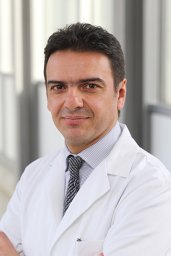 Panagiotis Papanagiotou合作论文数Klinik für Diagnostische und Interventionelle Neuroradiologie, Universitätsklinikum des Saarlandes Homburg8Justus F Kleine合作论文数8Stephan Lowens合作论文数7Ala Jamous合作论文数7
 David Zopfs合作论文数7
 Nuran Abdullayev合作论文数7
 Anil Gopinathan合作论文数Natl Univ Singapore, Natl Univ Hlth Syst7Jelle Demeestere合作论文数Department of Neurology, University Hospitals Leuven7
 Davide Strambo合作论文数Stroke Unit-Department of Neurology and Neurophysiology, San Raffaele Scientific Institute-Institute of Experimental Neurology7
 Susanne Diekmann合作论文数7




