Our previous work has demonstrated efficacy of a new chemical class of the slow γ-aminobutyric acid type A receptor anesthetics that produce minimal effects on breathing and hemodynamics in rats. To advance pre-clinical testing, we screened one member of our class of compounds, KSEB 14 - 01, for mitochondrial toxicity in primary neuronal and astrocyte cultures from mice. Prior to treatment, cell cultures were incubated with: Mitotracker GreenTM to assess mitochondrial density, tetramethylrhodamine ethyl ester to assess mitochondrial membrane potential, dihydroethidium to assess reactive oxygen species (ROS), and 4',6-diamidino-2-phenylindole for cell counting. Cultures were treated with either propofol or KSEB 14 - 01 (dissolved in dimethylsulfoxide) at concentrations of 5, 10, or 30μM. ROS and mitochondrial membrane potential were measured for 6h after which mitochondrial density and cell proliferation were quantified. In parallel experiments, continuous oxygen consumption rates (OCR) were measured during glucose deprivation (GD) in astrocyte cultures. No significant differences were observed in cell count or between treatments. In both neurons and astrocytes, mitochondrial membrane potential was decreased at 6h with 5μM propofol and KSEB 14 - 01 treatment, but remained stable with higher doses of propofol and KSEB 14 - 01. Neuronal ROS generation increased in all groups by 6h but was significantly lower with 10 and 30μM propofol and KSEB 14 - 01. In all treatment groups, astrocyte ROS generation was significantly increased after 6h, with no differences between groups. After 48h GD astrocyte OCR was maintained with all doses of KSEB 14 - 01 and with the highest dose of propofol. In conclusion, this study demonstrates that KSEB 14 - 01 does not exhibit any overt mitochondrial toxicity relative to propofol in either neurons or astrocytes. Future in vivo work is warranted to explore the mechanisms and applications for maintenance of bioenergetic equivalents during cell stress with KSEB 14 - 01.
BACKGROUND:Anesthetics like propofol increase electroencephalography (EEG) power in delta frequencies (0.1-4 Hz), with a decrease of power in bandwidths >30 Hz. Propofol is nonselective for gamma amino butyric acid type A receptor subtypes (GABA A R) as it enhances all 3 GABA A R subtypes (slow, fast, and tonic). Our newly developed anesthetic class selectively targets GABA A R-slow synapses to depress brain responsiveness. We hypothesized that a selective GABA A R-slow agonist, KSEB 01-S2, would produce a different EEG signature compared to the broad-spectrum GABA A R agonist (propofol), and tested this using rat EEG recordings. METHODS:Male rats were studied after Institutional Animal Care and Use Committees (IACUC) approval from the US Army Medical Research Institute of Chemical Defense and the University of Michigan. Rats were anesthetized using isoflurane (3%-5% induction, 1%-3% maintenance) with oxygen at 0.5 to 1.0 L/min. Stainless steel screws were placed in the skull and used to record subcranial cortical EEG signals. After recovery, either propofol or KSEB 01-S2 was administered and effects on EEG signals were analyzed. RESULTS:As previously reported, propofol produced increased power in delta frequencies (0.1-4 Hz) compared to predrug recordings and produced a decrease in EEG power >30 Hz but no significant changes were seen within ±20 seconds of losing the righting reflex. By contrast, KSEB 01-S2 produced a significant increase in theta frequency percent power (median 14.7%, 16.2/13.8, 75/25 confidence interval; to 34.7%, 35/31.8; P < .015) and a significant decrease in low gamma frequency percent power (16.9%, 18.6/15.8; to 5.45%, 5.5/5.39; P < .015) for all rats at ± 20 seconds of loss of consciousness (LOC). Both anesthetics produced a flattening of chaotic attractor plots from nonlinear dynamic analyses, like that produced by volatile and dissociative anesthetics at LOC. CONCLUSIONS:KSEB 01-S2 produced a markedly different EEG pattern, with a selective increase observed in the theta frequency range. KSEB 01-S2 also differs markedly in its activity at the GABA A R-slow receptor subtype, suggesting a possible mechanistic link between receptor subtype specificity and EEG frequency band signatures. Increased theta together with depressed gamma frequencies is interesting because GABA A R slow synapses have previously been suggested to underlie theta frequency oscillations, while fast synapses control gamma activity. These reciprocal effects support a previous model for theta and nested gamma oscillations based on inhibitory connections between GABA A R fast and slow interneurons. Although each anesthetic produced a unique EEG response, propofol and KSEB 01-S2 both increased slow wave activity and flattened chaotic attractor plots at the point of LOC.
Editorial| February 2023 Anesthesia, Coming of Age in the World of Modern In Silico Drug Design Edward J. Bertaccini, M.D. Edward J. Bertaccini, M.D. 1Department of Anesthesiology, Pain and Perioperative Medicine, Stanford University School of Medicine, Stanford, California; and Department of Anesthesiology, Palo Alto VA Health Care System, Palo Alto, California. Search for other works by this author on: This Site PubMed Google Scholar Author and Article Information This editorial accompanies the article on p. 152. This article has a related Infographic on p. A17. Accepted for publication November 14, 2022. Address correspondence to Dr. Bertaccini: Anesthesiology February 2023, Vol. 138, 129–131. https://doi.org/10.1097/ALN.0000000000004445 Connected Content Article: Encapsulation Dynamics of Neuromuscular Blocking Drugs by Sugammadex Infographic: Ring Around the Rocuronium: Sugammadex Encapsulation Explained BIT by BIT Views Icon Views Article contents Figures & tables Video Audio Supplementary Data Peer Review Share Icon Share Facebook Twitter LinkedIn Email Cite Icon Cite Get Permissions Search Site Citation Edward J. Bertaccini; Anesthesia, Coming of Age in the World of Modern In Silico Drug Design. Anesthesiology 2023; 138:129–131 doi: https://doi.org/10.1097/ALN.0000000000004445 Download citation file: Ris (Zotero) Reference Manager EasyBib Bookends Mendeley Papers EndNote RefWorks BibTex toolbar search Search Dropdown Menu toolbar search search input Search input auto suggest filter your search All ContentAll PublicationsAnesthesiology Search Advanced Search Topics: drug design The implementation of modern in silico computational chemistry and molecular modeling in this issue of Anesthesiology by Irani et al.1 demonstrates the value that can be brought to our detailed understanding of pharmaceutical mechanisms at a molecular level and how this correlates with clinical effect. The authors stated three goals for their examination of sugammadex interactions with specific drugs: to examine the molecular dynamics of the encapsulation process of rocuronium and vecuronium by sugammadex; to validate the simulation technique by comparing the simulated binding strengths between sugammadex and 11 other compounds with previously published, experimentally obtained affinity data; and to characterize the patterns of sugammadex low-affinity binding with propofol. They showed the pathway by which rocuronium initially aligns itself before strong binding encapsulation via modes involving both a "head-first" approach and a "tail-first" approach. They showed how forming fewer hydrogen bonds produces a lesser affinity for vecuronium. They... You do not currently have access to this content.
Tethered photoswitches are molecules with two photo-dependent isomeric forms, each with different actions on their biological targets. They include reactive chemical groups capable of covalently binding to their target. Our aim was to develop a beta-subunit-tethered propofol photoswitch (MAP20), as a tool to better study the mechanism of anesthesia through the GABA(A) alpha 1 beta 3 gamma 2 receptor. We used short spacers between the tether (methanethiosulfonate), the photosensitive moiety (azobenzene), and the ligand (propofol), to allow a precise tethering adjacent to the putative propofol binding site at the beta(+)alpha(-) interface of the receptor transmembrane helices (TMs). First, we used molecular modeling to identify possible tethering sites in beta 3TM3 and alpha 1TM1, and then introduced cysteines in the candidate positions. Two mutant subunits [beta 3(M283C) and alpha 1(V227C)] showed photomodulation of GABA responses after incubation with MAP20 and illumination with lights at specific wavelengths. The alpha 1 beta 3(M283C)gamma 2 receptor showed the greatest photomodulation, which decreased as GABA concentration increased. The location of the mutations that produced photomodulation confirmed that the propofol binding site is located in the beta(+)alpha(-) interface close to the extracellular side of the transmembrane helices. Tethering the photoswitch to cysteines introduced in the positions homologous to beta 3M283 in two other subunits (alpha 1W288 and gamma 2L298) also produced photomodulation, which was not entirely reversible, probably reflecting the different nature of each interface. The results are in agreement with a binding site in the beta(+)alpha(-) interface for the anesthetic propofol.
Significance Mechanisms of anesthesia remain obscure. We developed a β-subunit-specific tethered photoswitch containing the widely used anesthetic, propofol, to study the anesthetic mechanisms through γ-aminobutyric acid type A (GABA A ) receptors critical for this drug’s effects. Photoswitches are molecules that shift between two isomeric forms after irradiation with light at a specific wavelength, which would produce different biological outcomes on their targets. Tethered photoswitches possess reactive groups that can covalently bind to their target. We identified several residues in the receptor transmembrane domains that are suitable for tethering. Once bound and after photoirradiation, the propofol moiety of MAP20 swings into its binding site, allowing for light-controlled potentiation of the GABA A receptor expressed in Xenopus laevis oocytes.
The understanding of anesthetic side effects on the heart has been hindered by the lack of sophisticated clinical models. Using micropatterned human-induced pluripotent stem cell-derived cardiomyocytes, we obtained cardiac muscle depressant profiles for propofol, etomidate, and our newly identified anesthetic compound KSEB01-S2. Propofol was the strongest depressant among the 3 compounds tested, exhibiting the largest decrease in contraction velocity, depression rate, and beating frequency. Interestingly, KSEB01-S2 behaved similarly to etomidate, suggesting a better cardiac safety profile. Our results provide a proof-of-concept for using human-induced pluripotent stem cell-derived cardiomyocytes as an in vitro platform for future drug design.
Significance The 4 intravenous anesthetics currently in clinical use are associated with undesirable side effects such as lower blood pressure. These agents are poorly tolerated in young and elderly patients, limiting their use and increasing their risks. Additionally, etomidate, an anesthetic that achieves stable cardiovascular conditions, causes significant adrenal suppression by inhibiting steroid biosynthesis. Even though the exact mechanisms of anesthesia remain unknown, a significant component appears to be mediated by γ-aminobutyric acid type A receptors (GABA A Rs). By targeting an anesthetic binding site in these receptors, we are designing anesthetics with reduced side effects. A unique agent based on this design is now shown to be potent and selective for GABA A -slow receptors and produces anesthesia with minimal hemodynamic side effects.
General anesthetics are thought to allosterically bind and potentiate the inhibitory currents of the GABA(A) receptor through drug-specific binding sites. The physiologically relevant isoform of the GABA(A) receptor is a transmembrane ligand-gated ion channel consisting of five subunits (gamma-alpha-ss-alpha-ss linkage) symmetrically arranged around a central chloride-conducting pore. Although the exact molecular structure of this heteropentameric GABA(A) receptor remains unknown, molecular modeling has allowed significant advancements in understanding anesthetic binding and action. Using the open-channel conformations of the homologous glycine and glutamate-gated chloride receptors as templates, a homology model of the GABA(A) receptor was constructed using the Discovery Studio computational chemistry software suite. Consensus structural alignment of the homology templates allowed for the construction of a three-dimensional heteropentameric GABA(A) receptor model with (gamma(2)-ss 3-alpha 1-ss 3-alpha 1) subunit linkage. An anesthetic binding site was identified within the transmembrane alpha/ss intersubunit space by the convergence of three residues shown to be essential for anesthetic activity in previous studies with mutant mice (ss(3)-N265, ss(3)-M286, alpha(1)-L232). Propofol derivatives docked into this binding site showed log-linear correlation with experimentally derived GABA(A) receptor potentiation (EC50) values, suggesting this binding site may be important for receptor activation. The receptor-based pharmacophore was analyzed with surface maps displaying the predominant anesthetic-protein interactions, revealing an amphiphilic binding cavity incorporating the three residues involved in anesthetic modulation. Quantum mechanics calculations of the bonding patterns found in complementary high-resolution receptor systems further elucidated the complex nature of anesthetic-protein interactions.
Propofol (PFL, 1-hydroxyl-2,6-diisopropylbenzene) is currently used widely as one of the most well-known intravenous anesthetics to relieve surgical suffering, but its mechanism of action is not yet clear. Previous experimental studies have demonstrated that the hydroxyl group of PFL plays a dominant role in the molecular recognition of PFL with receptors that lead to hypnosis. To further explore the mechanism of anesthesia induced by PFL in the present work, the exact binding features and interaction details of PFL with three important proteins, human serum albumin (HSA), the pH-gated ion channel from Gloeobacter violaceus (GLIC), and horse spleen apoferritin (HSAF), were investigated systematically by using a rigorous three-layer ONIOM (M06-2X/6-31+G*:PM6:AMBER) method. Additionally, to further characterize the possible importance of such hydroxyl interactions, a similar set of calculations was carried out on the anesthetically inactive fropofol (FFL, 1-fluoro-2,6-diisopropylbenzene) in which the fluorine was substituted for the hydroxyl. According to the ONIOM calculations, atoms in molecules (AIM) analyses, and electrostatic potential (ESP) analyses, the significance of hydrogen bond, halogen bond, and hydrophobic interactions in promoting proper molecular recognition was revealed. The binding interaction energies of PFL with different proteins were generally larger than FFL and are a significant determinant of their differential anesthetic efficacies. Interestingly, although the hydrogen-bonding effect of the hydroxyl moiety was prominent in propofol, the substitution of the 1-hydroxyl by a fluorine atom did not prevent FFL from binding to the protein via a halogen-bonding interaction. It therefore became clear that multiple specific interactions rather than just hydrogen or halogen bonds must be taken into account to explain the different anesthesia endpoints caused by PFL and FFL. The contributions of key residues in ligand-receptor binding were also quantified, and the calculated results agreed with many available experimental observations. This work will provide complementary insights into the molecular mechanisms of anesthetic action for PFL from a robust theoretical point of view. This will not only assist in interpreting experimental observations but will also help to develop working hypotheses for further experiments and future drug design.
Ligand-gated ion channels (LGICs) convert chemical signaling into ion fluxes through the plasma membrane. They are important targets for drugs such as anesthetics. There are now several LGIC structures available in multiple states, including mammalian channels. However, neither the gating mechanisms nor the different states of these structures is well understood. Here, we present probable gating mechanisms captured with principal component analysis by using available eukaryotic structures. In consensus with previous studies we identified conserved gating motions within the family. The first two components describe quaternary twist and iris-like blooming motions that separate the closed state from open/desensitized ones. A unique open-like state is assigned to the recent cryo-EM structure of GlyR(3JAE), in which the transmembrane domain twists open like an iris. GABAaR(4COF) and GluCl(3RIF) agonist-bound structures are more similar to the partially desensitized state of GlyR(3JAF). The lack of iris-like motion in GABAaR and GluCl is a fundamental difference from the open-like state of GlyR. In order to understand the dynamics of these probable state assignments, we performed several microsecond-long simulations of these channels in presence and absence of agonists. Removal of agonists from the GluCl desensitized state leads to a closed-like state within a microsecond. However, GABAaR is more stable and displays a slower transition towards the closed state. In presence of agonists, simulations of both channels sample conformations similar to the partially desensitized state. Partially desensitized state (3JAF) anesthetic-binding site is quite similar to the open-like state of GlyR. We are currently performing simulations of the open-like state. Using the simulation data on each state as an input, we will map a druggability score to each state assignment. This ensemble study will serve as a guide to future drug discovery studies on LGICs.
Alcohols inhibit γ-aminobutyric acid type A ρ1 receptor function. After introducing mutations in several positions of the second transmembrane helix in ρ1, we studied the effects of ethanol and hexanol on GABA responses using two-electrode voltage clamp electrophysiology in Xenopus laevis oocytes. The 6' mutations produced the following effects on ethanol and hexanol responses: small increase or no change (T6'M), increased inhibition (T6'V), and small potentiation (T6'Y and T6'F). The 5' mutations produced mainly increases in hexanol inhibition. Other mutations produced small (3' and 9') or no changes (2' and L277 in the first transmembrane domain) in alcohol effects. These results suggest an inhibitory alcohol binding site near the 6' position. Homology models of ρ1 receptors based on the X-ray structure of GluCl showed that the 2', 5', 6', and 9' residues were easily accessible from the ion pore, with 5' and 6' residues from neighboring subunits facing each other; L3' and L277 also faced the neighboring subunit. We tested ethanol through octanol on single and double mutated ρ1 receptors [ρ1(I15'S), ρ1(T6'Y), and ρ1(T6'Y,I15'S)] to further characterize the inhibitory alcohol pocket in the wild-type ρ1 receptor. The pocket can only bind relatively short-chain alcohols and is eliminated by introducing Y in the 6' position. Replacing the bulky 15' residue with a smaller side chain introduced a potentiating binding site, more sensitive to long-chain than to short-chain alcohols. In conclusion, the net alcohol effect on the ρ1 receptor is determined by the sum of its actions on inhibitory and potentiating sites.
The innovative Perioperative Surgical Home model aims to optimize the outcomes of surgical patients by leveraging the expertise and leadership of physician anesthesiologists, but there is a paucity of practical examples to follow. Veterans Affairs health care, the largest integrated system in the United States, may be the ideal environment in which to explore this model. We present our experience implementing Perioperative Surgical Home at one tertiary care universityaffiliated Veterans Affairs hospital. This process involved initiating consistent postoperative patient follow-up beyond the postanesthesia care unit, a focus on improving in-hospital acute pain management, creation of an accessible database to track outcomes, developing new clinical pathways, and recruiting additional staff. Today, our Perioperative Surgical Home facilitates communication between various services involved in the care of surgical patients, monitoring of patient outcomes, and continuous process improvement.
INTRODUCTION:Patients who require invasive mechanical ventilation (IMV) often represent a sequence of care between the emergency department (ED) and intensive care unit (ICU). Despite being the most populous state, little information exists to define patterns of IMV use within the state of California.METHODS:We examined data from the masked Patient Discharge Database of California's Office of Statewide Health Planning and Development from 2000-2009. Adult patients who received IMV during their stay were identified using the International Classification of Diseases 9th Revision and Clinical Modification procedure codes (96.70, 96.71, 96.72). Patients were divided into age strata (18-34 yr, 35-64 yr, and >65 yr). Using descriptive statistics and regression analyses, for IMV discharges during the study period, we quantified the number of ED vs. non-ED based admissions; changes in patient characteristics and clinical outcome; evaluated the marginal costs for IMV; determined predictors for prolonged acute mechanical ventilation (PAMV, i.e. IMV>96 hr); and projected the number of IMV discharges and ED-based admissions by year 2020.RESULTS:There were 696,634 IMV discharges available for analysis. From 2000-2009, IMV discharges increased by 2.8%/year: n=60,933 (293/100,000 persons) in 2000 to n=79,868 (328/100,000 persons) in 2009. While ED-based admissions grew by 3.8%/year, non-ED-based admissions remained stable (0%). During 2000-2009, fastest growth was noted for 1) the 35-64 year age strata; 2) Hispanics; 3) patients with non-Medicare public insurance; and 4) patients requiring PAMV. Average total patient cost-adjusted charges per hospital discharge increased by 29% from 2000 (from $42,528 to $60,215 in 2014 dollars) along with increases in the number of patients discharged to home and skilled nursing facilities. Higher marginal costs were noted for younger patients (ages 18-34 yr), non-whites, and publicly insured patients. Some of the strongest predictors for PAMV were age 35-64 years (OR=1.12; 95% CI [1.09-1.14], p<0.05); non-Whites; and non-Medicare public insurance. Our models suggest that by 2020, IMV discharges will grow to n=153,153 (377 IMV discharges/100,000 persons) with 99,095 admitted through the ED.CONCLUSION:Based on sustained growth over the past decade, by the year 2020, we project a further increase to 153,153 IMV discharges with 99,095 admitted through the ED. Given limited ICU bed capacities, ongoing increases in the number and type of IMV patients have the potential to adversely affect California EDs that often admit patients to ICUs.
 James R. Trudell合作论文数53
 Erik Lindahl合作论文数Divisions of Biophysics, Department of Applied Physics, School of Engineering Sciences, KTH Royal Institute of Technology;Department of Biochemistry and Biophysics, Stockholms Universitet26
 Samuel Murail合作论文数Institut Curie, Centre Universitaire10
 R. Adron Harris合作论文数Department of Psychiatry and Behavioral Sciences, Dell Medical School, University of Texas at Austin7M. Frances Davies合作论文数7
 Daryl L Davies合作论文数M.R.C. Blood Pressure Unit, Western Infirmary, Glasgow G11 6NT, United Kingdom7
 Juliana Barr合作论文数CommonSpirit Health;U.S. Department of Veterans Affairs;Society of Critical Care Medicine;VA Palo Alto Health Care System;Department of Anesthesiology, Perioperative and Pain Medicine, School of Medicine, Stanford University6T. Kamibayashi合作论文数6M Maze合作论文数6
 Steven L. Shafer合作论文数Department of Anesthesiology, Perioperative and Pain Medicine, Stanford University School of Medicine5
 Todd H. Wagner合作论文数Department of Health Research and Policy, School of Medicine, Stanford University/Center for Innovation to Implementation, Department of Veterans Affairs, Menlo Park/Health Economics Resource Center, Department of Veterans Affairs, Menlo Park/Center for Primary Care and Outcomes Research, Stanford University/Center for Health Policy, Stanford University5MacIver M Bruce合作论文数5
 Edward R. Mariano合作论文数Department of Anesthesiology, University of California San Diego5Katsumi Harasawa合作论文数5Ronald L. Alkana合作论文数5Seshadri C Mudumbai合作论文数4Alam Jahangir合作论文数4
 Rebecca J Howard合作论文数Science for Life Laboratory, Stockholm University4
 Yoluk Özge合作论文数†Science for Life Laboratory, Stockholm and Uppsala4
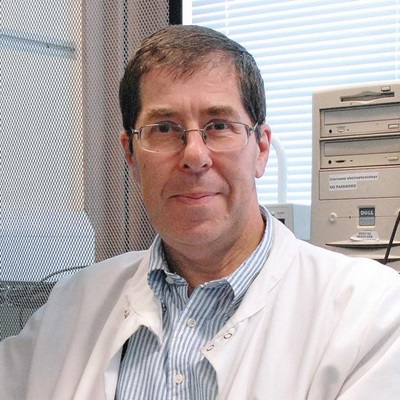 Nick Franks合作论文数Department of Life Sciences, Faculty of Natural Sciences, Imperial College London4
 Björn Wallner合作论文数Stockholm Bioinformatics Center, SCFAB Stockholm University4E Geller合作论文数3
 Cecilia M. Borghese合作论文数Waggoner Center for Alcohol and Addiction Research, The University of Texas at Austin3
 Andrew Jenkins合作论文数3Neil L. Harrison合作论文数3K Takada合作论文数3Titia K. Sixma合作论文数3J??Rgen Bruhn合作论文数3
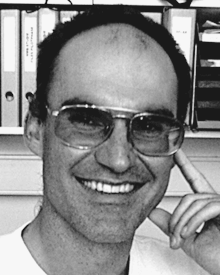 Thomas Bouillon合作论文数3Hua-Yu L. Wang合作论文数2K. Zomorodi合作论文数2Ui S Lee合作论文数2Hilary McCarren合作论文数2Kathryn E. Ondricek合作论文数2
 Creed Stary合作论文数Department of Anesthesiology, Perioperative and Pain Medicine, School of Medicine, Stanford University2
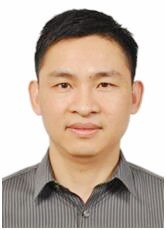 Jianguo Lin (林建国)合作论文数Molecular Imaging Centre, Jiangsu Institute of Nuclear Medicine;School of Pharmacy, Nanjing Medical University2
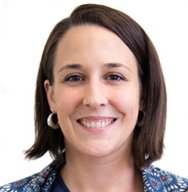 Noelie Cayla合作论文数Stanford Univ2
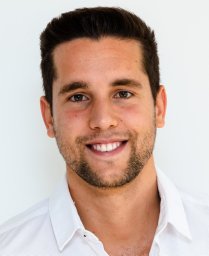 Luka Nicin合作论文数Baxter Lab Stem Cell Biol, Stanford Univ2
 Dinesh Pal合作论文数Medical School, University of Michigan-Ann Arbor2
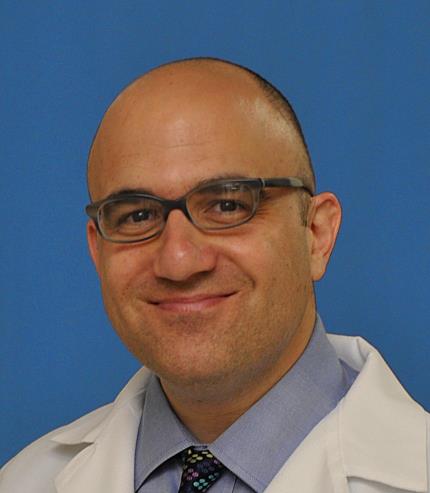 George A. Mashour合作论文数Michigan Neuroscience Institute, University of Michigan2
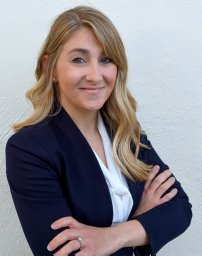 Sarah L. Eagleman合作论文数Department of Neurobiology and Anatomy, University of Texas–Houston Medical School2
 Ruth Cronkite合作论文数Freeman Spogli Institute for International Studies, Stanford University;School of Medicine, Stanford University;Center for Health Care Evaluation, Stanford University;Department of Sociology, Stanford University2Weber Gerhard合作论文数2
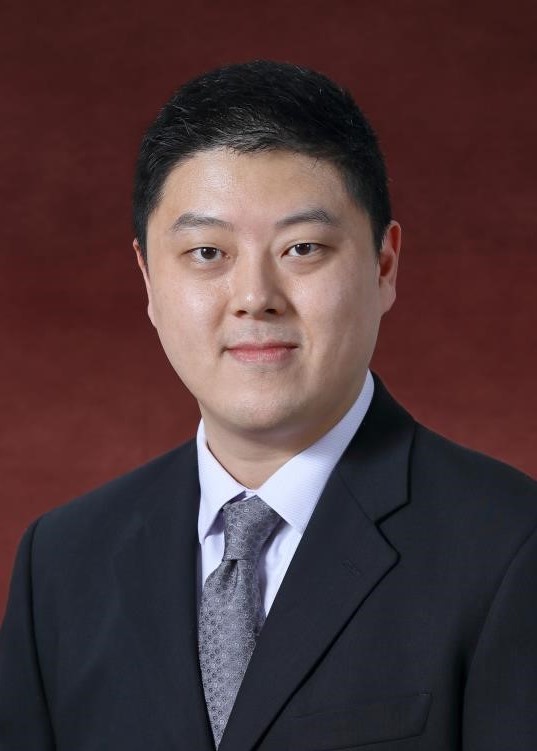 Alex Chia-Yu CHANG (张家毓)合作论文数Shanghai Institute of Precision Medicine, Ninth People’s Hospital, School of Medicine, Shanghai Jiao Tong University2
 Ling Qiu合作论文数College of Information Sciences and Technology, Pennsylvania State University2
 Robert O. Messing合作论文数Department of Neurology, The University of Texas at Austin2
 Douglas L. Brutlag合作论文数Department of Biochemistry, School of Medicine, Stanford University2
 Paul A. Heidenreich合作论文数Department of Medicine, Stanford University;VA's Quality Enhancement Research Initiative, Stanford University2
 Randall S. Stafford合作论文数Stanford Prevention Research Center, Stanford University2




