A radiation workforce of sufficient size and capacity is necessary to meet our nation’s current and future needs for energy production, health care, and other vital areas. Over the long term, workforce shortages have the potential to compromise our nation’s capabilities in these strategic sectors and, if sustained, would result in degradation of economic competitiveness and national security. In 2015,a multidisciplinary team began reviewing a selection of professional radiation workforces in the United States with the goal of developing a resource that would contain information of relevance to employers, policy makers, educational institutions, students contemplating radiation-related careers, and the public. This approach was taken because ionizing radiation is used for a wide array of applications, and these frequently involve multidisciplinary teams. Indeed, the various radiation disciplines comprise a synergistic ecosystem,with many interdependencies,and this motivated us to review disciplines individually, as well as in the context of the larger multidisciplinary ecosystem. The team members were drawn from those professions that are chiefly responsible for the radiation protection of workers, patients, and the public: health physics, medical physics, medicine (including diagnostic radiology, interventional radiology, nuclear medicine, and radiation oncology), nuclear engineering, radiation biology, and radiochemistry and nuclear chemistry. Due to practical considerations, this selection was limited; nonetheless, the authors emphasize the importance of other worker cohorts, including technologists who work in medical radiation therapy and imaging, and radiation epidemiologists and ecologists, who draw on the basic sciences of physics, chemistry, mathematics, and biology and play a significant role in radiation protection. It is hoped that these and other groups will be considered in future works. The methods used to prepare this review included surveying relevant information on each workforce,using data from the literature and other resources, such as information from professional societies. All data were evaluated by teams of subject matter experts, comprised of leaders in each of the respective professions. However, it must be emphasized that some of the professions have few to no means of surveilling their
Medical physics is an applied science, with subspecialties in radiation therapy, imaging, nuclear medical physics, and medical health physics (radiation protection). Examples of applications heavily dependent on medical physics expertise include the delivery of external-beam radiotherapy and radioactive-seed therapy, computed tomography (CT) and magnetic resonance imaging (MRI), and radiation protection of patients, staff, and the general public within the medical environment. In addition, medical physicists play important roles in the discovery, research and development, and translation of new technologies to clinical practice. Predicting the workforce needs for medical physics is challenging because of limited data availability, unpredictable resource allocation processes, and other factors. In-line with other radiation professions considered in special issue, the domestic medical physics workforce is experiencing a wave of retirements of baby boomers and a chronic decline in support for programs that educate and/or train replacement workers.
, medicine, nuclear engineering, radiation biology, and radiation and nuclear chemistry. Chapters 2 through 7 of this special issue review the characteristics of each profession and its workforce, as well as recommending actions to ensure their future adequacy to meet the nation’s needs.
Purpose: The education and training landscape has been profoundly reshaped by the ABR 2012/2014 initiative and the MedPhys Match. This work quantifies these changes and summarizes available reports, surveys, and statistics on education and training. Methods: We evaluate data from CAMPEP-accredited program websites, annual CAMPEP graduate and residency program reports, and surveys on the MedPhys Match and Professional Doctorate degree (DMP). Results: From 2009-2015, the number of graduates from CAMPEP-accredited graduate programs rose from 210 to 332, while CAMPEP-accredited residency positions rose from 60 to 134. We estimate that approximately 60% of graduates of CAMPEP-accredited graduate programs intend to enter clinical practice, however, only 36% of graduates were successful in acquiring a residency position in 2015. The maximum residency placement percentage for a graduate program is 70%, while the median for all programs is only 22%. Overall residency placement percentage for CAMPEP-accredited program graduates from 2011 2015 was approximately 38% and 25% for those with a PhD and MS, respectively. The disparity between the number of clinically oriented graduates and available residency positions is perceived as a significant problem by over 70% of MedPhys Match participants responding to a post-match survey. Approximately 32% of these respondents indicated that prior knowledge of this situation would have changed their decision to pursue graduate education in medical physics. Conclusion: These data reveal a substantial disparity between the number of residency training positions and graduate students interested in these positions, and a substantial variability in residency placement percentage across graduate programs. Comprehensive data regarding current and projected supply and demand within the medical physics workforce are needed for perspective on these numbers. While the long-term effects of changes in the education and training infrastructure are still unclear, available survey data suggest that these changes could negatively affect potential entrants to the profession.
 Dustin A. Gress合作论文数3
 David W Jordan合作论文数Dept. of Nucl. Eng. & Radiol. Sci., Michigan Univ.;c;Dept. of Nucl. Eng. & Radiol. Sci., Michigan Univ.3Melissa C Martin合作论文数3Wayne D Newhauser合作论文数3Michael D. Mills合作论文数3Steven Sutlief合作论文数Department of Radiation Oncology, University of Washington3John D. Auxier合作论文数2Marcelo Vazquez合作论文数2Eric Abelquist合作论文数2Jerry W. Hiatt合作论文数2Caridad Borrás合作论文数2Michael A Noska合作论文数2
 Donald P. Frush合作论文数Department of Radiology, Duke University School of Medicine2
 Gayle E. Woloschak合作论文数International Institute for Nanotechnology, Weinberg College of Arts and Sciences, Northwestern University2
 Theodore S Lawrence合作论文数Department of Radiation Oncology, Medical School, University of Michigan2Bluth Edward I合作论文数2
 Mark Jensen合作论文数Division of Rehabilitation Psychology & Neuropsychology, Department of Rehabilitation Medicine, School of Medicine, University of Washington2
 Lawrence W. Townsend合作论文数Department of Nuclear Engineering, The University of Tennessee, Knoxville2
 Howard Hall合作论文数Institute for Nuclear Security, University of Tennessee, Knoxville;Department of Nuclear Engineering, University of Tennessee, Knoxville;Bredesen Center for Interdisciplinary Research and Graduate Education, University of Tennessee, Knoxville;Consolidated Nuclear Security, LLC2Kronenberg Amy合作论文数2
 Shaheen Dewji合作论文数George W. Woodruff School of Mechanical Engineering, Georgia Institute of Technology;Parker H. Petit Institute for Bioengineering and Bioscience, Georgia Institute of Technology2
 Sergei Y. Tolmachev合作论文数2Pan Hubert Y合作论文数Department of Radiation Oncology, University of Texas MD Anderson Cancer2
 Mikael Nilsson合作论文数2Mitchell S. Anscher合作论文数2
 Roger W. Howell合作论文数Division of Radiation Research, Department of Radiology, Rutgers New Jersey Medical School2
 John W. Poston Sr.合作论文数Department of Nuclear Engineering, College of Engineering, Texas A&M University2
 Ralf Sudowe合作论文数2
 Jeffrey S Willey合作论文数Department of Bioengineering, Clemson University2
 Jacqueline P Williams合作论文数2M. Elizabeth Oates合作论文数2
 Nolan E Hertel合作论文数Georgia Institute of Technology2
 Brian A. Powell合作论文数Dept . of Physics;University at Buffalo;State University of New York;University at Buffalo, State University of New York2Rosemary Wong合作论文数1Kristi R G Hendrickson合作论文数1
 Brian Loughery合作论文数1
 Joann Prisciandaro合作论文数Department of Radiation Oncology, University of Michigan Medical School1
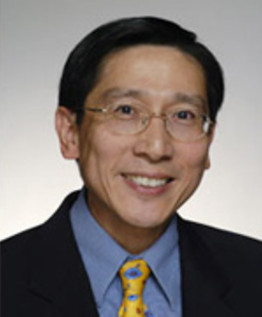 Tom Hei合作论文数Department of Environmental Health Sciences, Columbia University Mailman School of Public Health1
 Geoffrey Ibbott合作论文数Department of Radiation Physics, University of Texas MD Anderson Cancer Center1Tom K. Hei合作论文数1Gary D. Fullerton合作论文数Department of Radiology;University of Texas Health Science Center at San Antonio;Department of Radiology, University of Texas Health Science Center at San Antonio1
 George Starkschall合作论文数University of Texas MD Anderson Cancer Center1Jeanne M. Laberge合作论文数1Brenda G. Clark合作论文数1Jay Burmeister合作论文数1Brian Marples合作论文数1




