The LIBERTY-CD study demonstrated superior efficacy of subcutaneous infliximab-dyyb over placebo for maintenance therapy in patients with Crohn’s disease. This post hoc analysis characterised subgroups of patients with different response levels to subcutaneous infliximab. Group-based trajectory modelling was conducted to deconvolute cohort-level data into individual response trajectories based on longitudinal patient-reported outcomes. Potential predictors of subcutaneous infliximab response were explored using multivariable analyses. Subgroups were compared for clinical, endoscopic, biochemical, and health-related quality of life outcomes; comprehensive disease control (achieving composite endpoints) at week 54; pre-dose serum infliximab levels; and safety. Four distinct subgroups of patients were identified: super-responders (rapid and high sustained improvement); fast responders; slow responders; and limited responders (partial improvement). In multivariable analyses, lower baseline body mass index (p = 0.022) and pre-dose serum infliximab levels ≥ 14 μg/ml at week 10 (p = 0.003) were associated with a super-response. At week 54, super-responders showed the highest rates of clinical remission (80.3
A subset of risankizumab (RZB)-treated patients experience suboptimal or secondary loss of response to standard dosing. We explored factors associated with future RZB dose-optimization, and outcomes of optimization in a multicenter consortium of adults with Crohn’s Disease (CD). Baseline characteristics at time of RZB initiation and subsequent clinical, endoscopic, and biochemical outcomes were collected in a multi-center cohort. Outcomes for dose-optimized RZB were reported as clinical response and remission (based on HBI or PGA when HBI unavailable), endoscopic remission (based on SEMA-CD or absence of ulcers when SEMA-CD not available), and biochemical response. Characteristics were compared between standard and dose-optimized groups using chi-square and two-sample t-tests. Additional models adjusting for age and sex assessed predictors of dose optimization. We identified 309 patients treated with standard dose and 58 for whom dose-optimized RZB was recommended. Of the 58, 29 were excluded from outcomes analysis due to lack of follow-up (n = 19) or insurance denial of dose optimization (n = 10). Demographic information is outlined in Table 1. Baseline characteristics associated with future dose optimization included number of prior advanced therapies (ATs) (OR, 1.29, p < 0.001), prior anti-TNF (OR,4.06; p = 0.022), and prior ustekinumab (UST) use (OR,1.82; p = 0.053) (Table 2). The 29 patients included in the outcome analysis received dose-optimized RZB for primary non-response (n = 2), partial response (n = 23), or secondary loss of response (n = 4) after a median of 321 days (IQR, 234-440) from index RZB start. Median follow-up after dose optimization was 217 days (IQR, 147-331). All patients were AT-exposed (Table 1). Baseline clinical symptoms were present in 27 patients (93.1%), with median HBI of 6.5 (IQR, 6.0-8.0). Active endoscopic disease was observed in 11/12 patients (91.7%) who had baseline endoscopy. Dosing was every 4 weeks in 19 (65.5%), every 6 weeks in 9 (31.0%), and combined IV re-induction plus every 4-weeks in 1 (3.4%) patient. Clinical response and remission was seen in 16 (55.2%) and 12 (41.4%) patients, respectively. A ≥ 50% CRP reduction was seen in 5/12 (41.7%) patients with baseline elevated CRP. Among 7 patients with baseline active endoscopic disease with available follow-up, 3 (42.9%) achieved endoscopic remission. No adverse events were reported. In this multi-center retrospective cohort, prior AT-exposure (especially anti-TNF) was associated with need for RZB dose-optimization. Dose optimization successfully captured clinical response in a significant proportion of patients who experienced partial response or loss of response to RZB. Conflict of interest: Johnson, Amanda: Research grant: Abbvie, Spyre Therapeutics Ramesh, Prajith Raj: None Said, Hyder: No conflict of interest Huang, Katherine: No conflict of interest Devi, Jalpa: none Pekow, Joel R.: CVS Health - Consulting Abbvie, Eli Lilly, Pfizer, Johnson and Johnson - Stocks Alhobayb, Tamara: No conflict of interest Bassmeyer, Blake: No conflict of interest Mohamed, Mouhand: No conflict of interest Shivashankar, Raina: Abbvie and BMS - speaker bureau Janssen and Celltrion - grant for IBD fellowship funding Pfizer - consultant Rathi, Jaya: No conflict of interest Luu, Bryan: No conflict of interest Khan, Abdul: No conflict of interest Loftus, Jr, Edward: Grant: AbbVie, Amgen, Bristol-Myers Squibb, Celgene, Genentech, Gilead, Janssen, Pfizer, Receptos, Robarts Clinical Trials, Takeda, Theravance, UCB. Personal Fees: AbbVie, Allergan, Amgen, Arena, Boehringer Ingelheim, Bristol-Myers Squibb, Calibr, Celgene, Celltrion, Eli Lilly, Genentech, Gilead, Iterative Scopes, Janssen, Ono Pharma, Pfizer, Sun Pharma, Takeda, UCB. Bishu, Shrinivas: None Patel, Anish: speaker: abbvie, J & J, Lilly, BMS, Pfizer, Phathom, Takeda consultant: abbvie Shukla, Richa: Speakers bureau - Abbvie and Lilly Yarur, Andres: Personal Fees: Consultant for Takeda, Pfizer, Roche, Merck, Abbvie, Eli Lilly. Bristol Myers Squibb, Celltrion, Johnson and Johnson. Ungaro, Ryan: Personal Fees: AbbVie, Bristol Myers Squibb, Genentech, Lilly, Pfizer, Janssen, Takeda Deepak, Parakkal: Parakkal Deepak has received research support under a sponsored research agreement unrelated to the data in the abstract from AbbVie, Johnson and Johnson, Sanofi, Merck, Teva, Direct Biologics, Tr1x, Boehringer Ingelheim, Bristol Myers Squibb, Pfizer, Prometheus Biosciences, Takeda Pharmaceuticals, Roche Genentech, Eli Lilly, AstraZeneca, Spyre and Agomab, has received consulting fees from Johnson and Johnson, Abbvie, Merck, Sobi, Celltrion, Fresenius Kabi, Asahi Kasei Pharma, Sandoz and CorEvitas, LLC and has served on the board of the Srategic Alliance for Intercultural Advocacy in GI.
INTRODUCTION:Normalized quality of life represents a crucial long-term treatment goal in Crohn's disease (CD). We evaluated the effect of risankizumab (RZB) vs ustekinumab (UST) on achieving clinically meaningful improvements in patient-reported outcomes in the phase 3b head-to-head SEQUENCE study. METHODS:Adults with moderate-to-severe CD whose previous anti-tumor necrosis factor therapy failed were randomized 1:1 to recommended induction and maintenance doses of RZB or UST. The proportion of patients who achieved Inflammatory Bowel Disease Questionnaire (IBDQ) response, IBDQ remission, and improvements in 36-item short-form health survey physical and mental component summary (physical component summary and mental component summary, respectively) scores was evaluated at weeks 24 and 48. The proportion of patients experiencing improvement in select symptoms of the IBDQ was reported. RESULTS:Analysis included 520 patients (RZB: N = 255; UST: N = 265). At week 24, greater proportions(all P ≤ .01) of RZB- vs UST-treated patients achieved IBDQ response (75.3% vs 64.2%), IBDQ remission (52.5% vs 30.9%), and improvements in 36-item short-form health survey physical component summary (65.9% vs 53.2%). At 24 weeks, lower proportions (all P ≤ .05) of RZB- vs UST-treated patients experienced fatigue (51.4% vs 69.1%), difficulty sleeping (37.7% vs 54.3%), depression (34.1% vs 42.6%), anxiety (34.1% vs 49.8%), and bowel urgency (27.1% vs 40.0%) all of the time to some of the time. Improvements were sustained through week 48. DISCUSSION:RZB was more effective than UST in achieving sustained clinically meaningful patient-reported outcome improvements including IBDQ response and remission, and in reducing frequency of select symptoms of the IBDQ through week 48 among patients with moderate-to-severe CD.
BACKGROUND:The expanding use of biologic and small-molecule therapies for ulcerative colitis (UC) has raised concerns regarding perioperative safety. We conducted a network meta-analysis to compare short-term postoperative complications associated with preoperative exposure to these agents in patients undergoing colorectal surgery. METHODS:We systematically searched PubMed, Web of Science, and the Cochrane Library through September 15, 2025, for cohort studies of adults with UC who were exposed to biologic or small-molecule therapy within 12 weeks prior to surgery. Interventions included biologic therapy, small-molecule therapy, and no biologic or small-molecule therapy (control). The primary outcome was overall postoperative complications at 30 and 90 days. Venous thromboembolism (VTE) was assessed as a key secondary outcome. Random-effects network meta-analysis was performed using risk ratios (RRs) with 95% confidence intervals (CIs). RESULTS:Sixteen retrospective cohort studies involving 3235 patients were included. At 30 days, ustekinumab and tofacitinib were associated with lower overall postoperative complication rates than control (RR: 0.29; 95% CI: 0.09-0.96; and RR: 0.66; 95% CI: 0.46-0.96, respectively). Anti-tumor necrosis factor (TNF) therapy was associated with higher complication rates compared with vedolizumab, ustekinumab, and tofacitinib at 30 days (RR: 1.27; 95% CI: 1.00-1.63; RR: 3.67; 95% CI: 1.12-12.03; and RR: 1.61; 95% CI: 1.14-2.27, respectively). At 90 days, anti-TNF therapy was associated with higher complication rates than control (RR 1.20, 95% CI 1.03-1.40), although the 90-day analysis was based on limited data. VTE rates were similar across treatments at both time points. CONCLUSION:Preoperative ustekinumab and tofacitinib were associated with fewer 30-day postoperative complications than control or anti-TNF therapy, while vedolizumab was associated with fewer complications than anti-TNF therapy. At 90 days, anti-TNF therapy was associated with higher complication rates compared with control. These findings, particularly at 90 days based on limited data, should be interpreted with caution and require confirmation in well-designed prospective studies with rigorous adjustment for confounding factors.
Background and Aims:Primary sclerosing cholangitis (PSC) is an immune-mediated liver disease frequently associated with inflammatory bowel disease (IBD). PSC-IBD represents a distinct phenotype with extensive colitis, right-sided predominance, and elevated colorectal cancer risk. We aimed to evaluate the impact of oral vancomycin on clinical, endoscopic, and histologic findings of IBD and both intestinal and liver biomarkers of these patients. Methods:A retrospective study was performed among patients with PSC-IBD treated with oral vancomycin from January 1992 to August 2024. Data collected included demographics, disease characteristics, prior therapies, vancomycin use and dosing, clinical response, laboratory markers, endoscopic, and histologic activity of the colon. Vancomycin-free survival was estimated using Kaplan-Meier analysis. Results:Among 90 patients (80% ulcerative colitis) included, the median age at PSC diagnosis was 17.4 years. Clinical improvement related to intestinal inflammation was observed in 50%, and 12.2% achieved remission. Endoscopic inactivity increased from 18.8% to 60.3%, and histologic inactivity or mild disease rose from 57.7% to 86.2%. Median change in serum alkaline phosphatase was -48.5 U/L (P = .5681), and median fecal calprotectin decreased from 485 μg/g to 67.7 μg/g. Clinical, endoscopic, and biochemical improvements were observed across low- (≤500 mg/d) and high-dose (>500 mg/d) groups. Five-year vancomycin-free survival was comparable between dose groups. Conclusion:Oral vancomycin was associated with meaningful improvements in clinical, endoscopic, histologic, and biomarker outcomes in intestinal inflammation of patients with PSC-IBD, with durable responses across different doses. These findings support vancomycin as a potential disease-modifying therapy, warranting prospective randomized trials to establish efficacy, optimal dosing, and long-term safety.
Background:Mirikizumab is an anti-IL23p19 antibody that has shown efficacy in treating moderately to severely active Crohn's disease in a phase 2 study. We studied mirikizumab's impact on quality of life in these patients. Methods:Patients (N = 191) were randomized using a 2:1:1:2 allocation across 4 treatment arms (placebo, 200 mg, 600 mg, or 1000 mg mirikizumab, administered intravenously every 4 weeks [week 0, week 4, and week 8]). Patients who received mirikizumab and achieved ≥1-point improvement in Simple Endoscopic Score for Crohn's Disease at week 12 were rerandomized into double-blind maintenance to continue treatment with either intravenous assignment or 300 mg mirikizumab subcutaneous every 4 weeks to week 52. Non-improvers or placebo patients received 1000 mg mirikizumab until week 52. Patients with clinical benefit from the maintenance period received 300 mg subcutaneously to week 104. Quality of life and patient-reported outcomes were evaluated with the Inflammatory Bowel Disease Questionnaire, 36-Item Short-Form Health Survey Mental Component Summary and Physical Component Summary, Patient's Global Rating of Severity, and Abdominal Pain Numeric Rating Scale. Quality of life measures were evaluated up to week 104 and analyzed with a mixed model for repeated measures up to week 12 and descriptively afterward. Results:At week 12, all mirikizumab groups had improved quality of life and patient-reported outcome scores compared to placebo. These improvements were sustained through week 52 and week 104. Conclusions:Treatment with mirikizumab was associated with significantly improved quality of life and patient-reported disease severity sustained through week 104 in patients with moderately-to-severely active Crohn's disease in this phase 2 study (NCT02891226).
 William Sandborn合作论文数Mirador Therapeutics326
 William J. Tremaine合作论文数Mayo Medical School;Mayo Clinic Hospital209
 William S. Harmsen合作论文数Division of Biomedical Statistics and Informatics, Mayo Clinic164
 Darrell S. Pardi合作论文数Division of Gastroenterology and Hepatology, Department of Internal Medicine, Mayo Clinic139
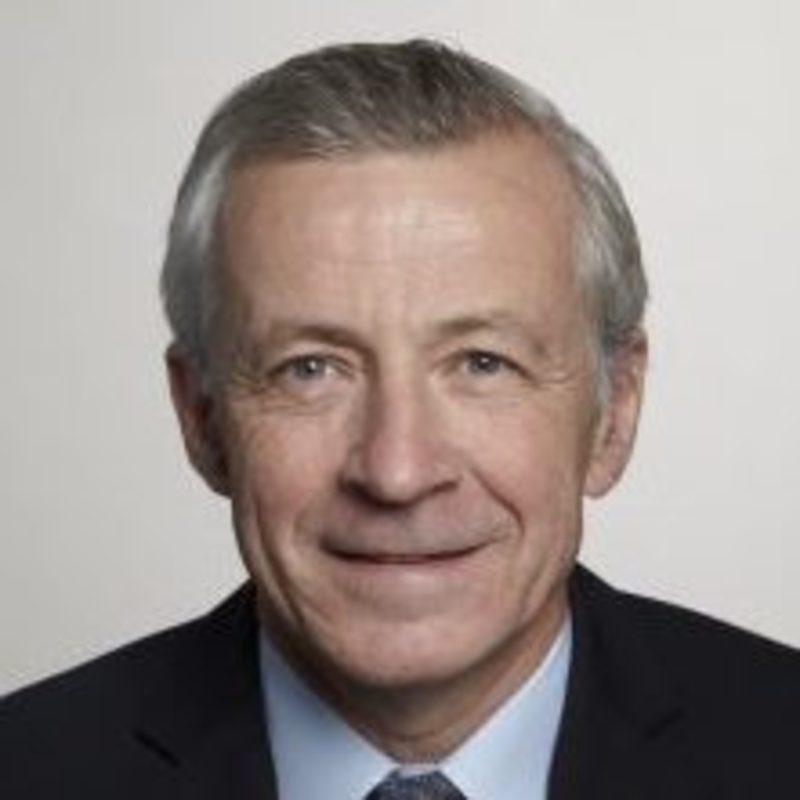 Jean-Frederic Colombel合作论文数Icahn School of Medicine at Mount Sinai134
 Remo Panaccione合作论文数Department of Medicine, Cumming School of Medicine, University of Calgary126
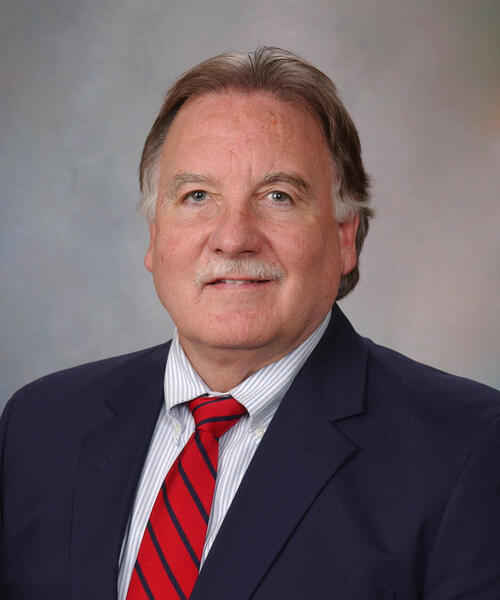 Alan R. Zinsmeister合作论文数Mayo Clinic110David H. Bruining合作论文数109
 Laurent Peyrin-Biroulet合作论文数CHRU De Nancy94
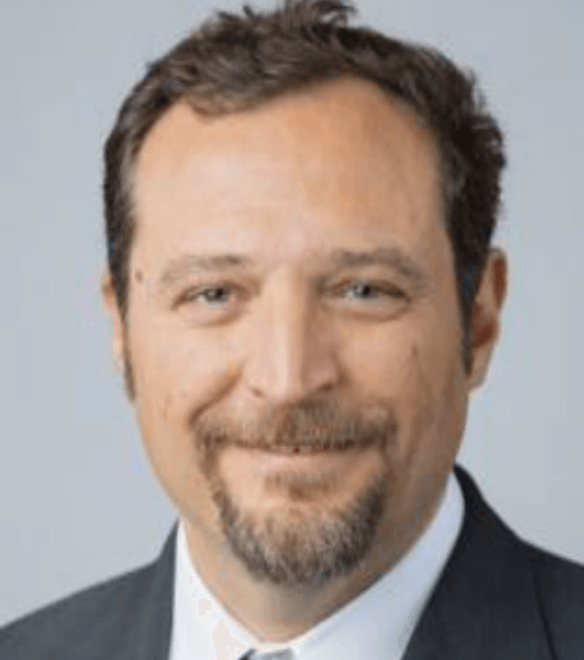 Danese Silvio合作论文数Vita-Salute San Raffaele University;IRCCS Humanitas Research Hospital90
 Bruce E Sands合作论文数Feinstein IBD Clinical Center, Icahn School of Medicine at Mount Sinai;The Mount Sinai Hospital, Icahn School of Medicine at Mount Sinai89Siddharth Singh Rajawat合作论文数Bhim Rao Ambedkar University88
 Sunanda V. Kane合作论文数Department of Gastroenterology and Hepatology, Mayo Clinic83
 Brian Feagan合作论文数Division of Gastroenterology, Schulich School of Medicine & Dentistry, Western University;Robarts Research Institute, Western University;Alimentiv Inc;London Health Sciences Centre78
 Geert D’Haens合作论文数Department of Gastroenterology and Hepatology, Amsterdam University Medical Centers;University of Amsterdam70
 Stefan Schreiber合作论文数Department of Internal Medicine I, University Hospital Schleswig-Holstein;Institute of Clinical Molecular Biology, Kiel University63Raffals Laura E合作论文数62
 Séverine Vermeire合作论文数Department of Chronic Diseases and Metabolism, Faculty of Medicine, KU Leuven62
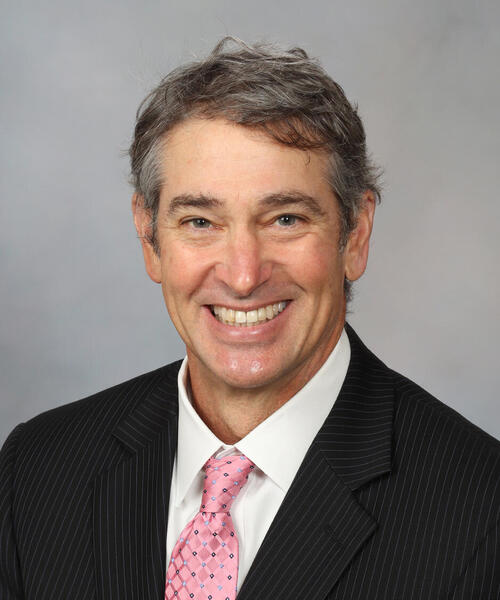 William A. Faubion合作论文数Department of Medicine, Mayo Clinic Rochester55Corey A. Siegel合作论文数54
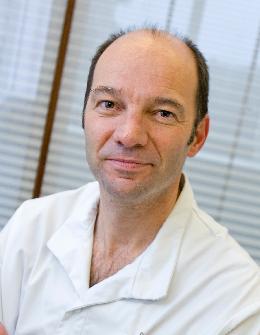 Edouard Louis合作论文数Département des Sciences Cliniques, Faculté de Médecine, University of Liège50
 Joel G. Fletcher合作论文数Department of Radiology, Mayo Clinic49
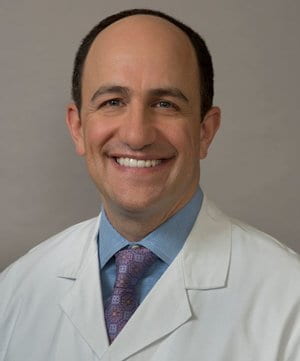 David T. Rubin合作论文数Division of the Biological Sciences, University of Chicago;Digestive Diseases Center, University of Chicago Medicine;MacLean Center for Clinical Medical Ethic;Comprehensive Cancer Center, University of Chicago45
 Walter Reinisch合作论文数Medical University of Vienna45Jingdong Chao合作论文数43
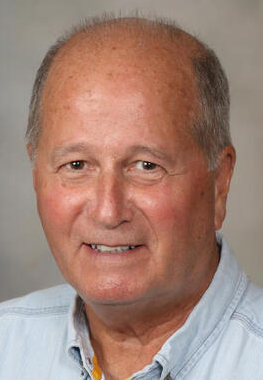 Thomas Smyrk合作论文数Mayo Clinic;Mayo Medical School42
 Julian Panés合作论文数Institut d'investigacions Biomèdiques August Pi i Sunyer, Hospital Clinic de Barcelona;Department of Gastroenterology, Hospital Clinic de Barcelona42
 Gary R. Lichtenstein合作论文数Department of Medicine, Perelman School of Medicine, University of Pennsylvania;Hospital of the University of Pennsylvania41
 Deepak Parakkal合作论文数University of Chicago, North Shore University Health System41
 Sahil Khanna合作论文数Division of Gastroenterology and Hepatology, Mayo Clinic;Department of Internal Medicine, Mayo Clinic39
 Brigid S. Boland合作论文数University of California San Diego School of Medicine;Department of Medicine, University of California San Diego36
 Jeff L. Fidler合作论文数Department of Radiology, Mayo Clinic35
 Satimai Aniwan合作论文数Faculty of Medicine, Chulalongkorn University34
 Parambir S Dulai合作论文数Northwestern Memorial Hospital;Northwestern Medicine Lake Forest Hospital;Center for Human Immunobiology, Feinberg School of Medicine, Northwestern University;Division of Gastroenterology and Hepatology, Department of Medicine, Feinberg School of Medicine, Northwestern University33
 David P. Hudesman合作论文数Department of Medicine, Grossman School of Medicine, New York University32
 Nayantara Coelho-Prabhu合作论文数Departments of Gastroenterology and Hepatology, Mayo Clinic31
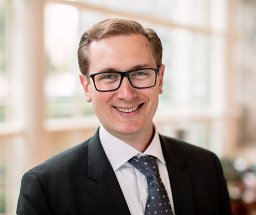 John B. Kisiel合作论文数Department of Internal Medicine, Mayo Clinic College of Medicine31Dana Jeremy Lukin合作论文数Joan and Sanford I. Weill Department of Medicine, Weill Cornell Medicine, Cornell University30Kalabic Jasmina合作论文数29Parvez Mulani合作论文数29
 Ana Paula Lacerda合作论文数AbbVie28
 Marla C Dubinsky合作论文数Trellus Health;Icahn School of Medicine at Mount Sinai;Mount Sinai Kravis Children’s Hospital;Cornerstones Health Inc28Karen Lasch合作论文数27
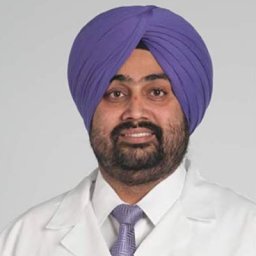 Kochhar Gursimran合作论文数Digestive Disease Institute, Cleveland Clinic26Shmidt Eugenia合作论文数26
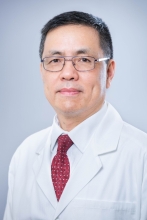 Bo Shen合作论文数Department of Surgery, Columbia University Irving Medical Center;IBD Center, Columbia University Irving Medical Center25Patricia P. Kammer合作论文数25
 Vipul Jairath合作论文数Schulich School of Medicine and Dentistry, Western University;Department of medicine, Western University;Division of Gastroenterology Office, Western University25L. Joseph Melton III合作论文数Department of Quantitative Health Sciences, Mayo Clinic24




