Background:Patients with primary sclerosing cholangitis (PSC) are at risk for developing gallbladder neoplasia (GBN) and biliary neoplasia, including cholangiocarcinoma (CCA), because of chronic inflammation and an underlying field effect. However, the risk of CCA after GBN detection in those with PSC remains poorly understood. We aimed to determine if the incidence of CCA is higher in those with GBN. Methods:We conducted a retrospective review of adult patients with large-duct PSC seen at Mayo Clinic between January 1, 1995, and December 31, 2019. Incidence rates for CCA development were calculated. Cox regression analyses were performed to determine features associated with CCA development beginning at the time of PSC diagnosis. Results:Our study included 1,829 patients with PSC. CCA and GBN developed in 334 (18.26%) and 71 individuals (3.88%), respectively. Among those with GBN, 14 (19.72%) developed CCA. The annual incidence of CCA was nearly twofold higher in patients with GBN (4.34% versus 2.21%). GBN was associated with CCA in an unadjusted analysis (hazard ratio 2.14 [95% CI 1.16-3.94]). When adjusting for other predictors of CCA, an association between GBN and CCA may remain. Conclusions:While few patients with PSC develop GBN, this subgroup is more likely to develop CCA. Consequently, once GBN is detected, clinicians should consider more intensive screening for CCA.
INTRODUCTION:Primary sclerosing cholangitis (PSC) is a chronic cholestatic liver disease without approved medical therapies. We examined the efficacy and safety of oral vancomycin (OV) in those with PSC. METHODS:In this phase 3, 18-month, double-blind, placebo-controlled trial, we randomly assigned adults with PSC and a serum alkaline phosphatase (SAP) greater than 1.5 times the upper limit of normal to placebo or OV with dosages ranging from 125 to 375 mg 4 times daily pending biochemical response. The primary end point was normalization of SAP. RESULTS:Of the 82 patients who underwent randomization, 73 individuals had at least 1 outcome assessment. Individuals who withdrew early were less likely to rate their baseline health as excellent or very good (23.4% vs 54.5%, P < 0.01) despite having similar PSC prognostic features to those who completed the study. SAP normalization rates were similar (5% placebo, 6.7% OV, P = 1.00) after 18 months. Those who received OV had greater reduction in SAP (+1.2% placebo, -21.9% OV, P = 0.03). There were no differences in the changes in either the Mayo PSC risk score (-0.1 placebo, -0.1 OV, P = 0.88) or liver stiffness values (+0.1 kPa placebo, -4.0 kPa OV, P = 0.15). Discoloration of the teeth and tongue was the most common side effect of OV (17.5%). DISCUSSION:OV was not associated with clinically significant reductions in markers of PSC disease severity. Impairments in quality of life may influence patient retention in clinical trials.
Background and Aims:Primary sclerosing cholangitis (PSC) is an immune-mediated liver disease frequently associated with inflammatory bowel disease (IBD). PSC-IBD represents a distinct phenotype with extensive colitis, right-sided predominance, and elevated colorectal cancer risk. We aimed to evaluate the impact of oral vancomycin on clinical, endoscopic, and histologic findings of IBD and both intestinal and liver biomarkers of these patients. Methods:A retrospective study was performed among patients with PSC-IBD treated with oral vancomycin from January 1992 to August 2024. Data collected included demographics, disease characteristics, prior therapies, vancomycin use and dosing, clinical response, laboratory markers, endoscopic, and histologic activity of the colon. Vancomycin-free survival was estimated using Kaplan-Meier analysis. Results:Among 90 patients (80% ulcerative colitis) included, the median age at PSC diagnosis was 17.4 years. Clinical improvement related to intestinal inflammation was observed in 50%, and 12.2% achieved remission. Endoscopic inactivity increased from 18.8% to 60.3%, and histologic inactivity or mild disease rose from 57.7% to 86.2%. Median change in serum alkaline phosphatase was -48.5 U/L (P = .5681), and median fecal calprotectin decreased from 485 μg/g to 67.7 μg/g. Clinical, endoscopic, and biochemical improvements were observed across low- (≤500 mg/d) and high-dose (>500 mg/d) groups. Five-year vancomycin-free survival was comparable between dose groups. Conclusion:Oral vancomycin was associated with meaningful improvements in clinical, endoscopic, histologic, and biomarker outcomes in intestinal inflammation of patients with PSC-IBD, with durable responses across different doses. These findings support vancomycin as a potential disease-modifying therapy, warranting prospective randomized trials to establish efficacy, optimal dosing, and long-term safety.
Primary sclerosing cholangitis (PSC) and primary biliary cholangitis (PBC) are rare, idiopathic, chronic cholestatic liver diseases that respond differently to limited medical therapies and often lead to liver transplantation. We examined the compositional and functional differences in the gut microbiome, mycobiome, and metabolome of these diseases to better understand their impact on pathogenesis and outcomes. Stool sample metagenomes and metabolomes from patients with PSC (n = 245), PBC (n = 280) and matched controls (n = 245 and n = 278, respectively) were analyzed by shotgun sequencing and ultrahigh-resolution mass spectrometry. Comparisons were conducted with covariate-adjusted linear models. The gut microbiomes of patients with PSC and PBC were characterized by reduced diversity and increased abundance of pathobionts and virulence factors, coupled with altered microbial metabolism, including a reduction of short-chain fatty acids and B-vitamins. Untargeted stool metabolomics supported these results. Patients were stratified into groups using their microbial signatures, and each group had distinct patterns of microbiome-related changes. Cox regression analysis revealed that pathogenic microbial species were predictive of hepatic decompensation, whereas beneficial species had a protective effect. Based on previous groundwork and our new results, microbiome-based interventions such as probiotics, short-chain fatty acid supplementation, and phage therapy represent promising therapeutic options for cholestatic liver diseases.
Background and aims: Among those with primary sclerosing cholangitis (PSC), perihilar CCA (pCCA) is often diagnosed at a late-stage and is a leading source of mortality. Detection of pCCA in PSC when curative action can be taken is challenging. Our aim was to create a deep learning model that analyzed magnetic resonance imaging (MRI) to detect early-stage pCCA and compare its diagnostic performance with expert radiologists. Approach and results: We conducted a multicenter, international, retrospective cohort study involving adults with large duct PSC who underwent contrast-enhanced MRI. Senior abdominal radiologists reviewed the images. All patients with pCCA had early-stage cancer and were registered for liver transplantation. We trained a 3D DenseNet-121 model, a form of deep learning, using MRI images and assessed its performance in a separate test cohort. The study included 398 patients (training cohort n=150; test cohort n=248). pCCA was present in 230 individuals (training cohort n=64; test cohort n=166). In the test cohort, the respective performances of the model compared to the radiologists were: sensitivity 87.9% versus 50.0%, p <0.001; specificity 84.1% versus 100.0%, p <0.001; area under receiving operating curve 86.0% versus 75.0%, p <0.001. Even when a mass was absent, the model had a higher sensitivity for pCCA than radiologists (91.6% vs. 50.6%, p <0.001) and maintained good specificity (84.1%). Conclusion: The 3D DenseNet-121 MRI model effectively detects early-stage pCCA in PSC patients. Compared to expert radiologists, the model missed fewer cases of cancer.
Among those with primary sclerosing cholangitis (PSC), perihilar cholangiocarcinoma (pCCA) is often diagnosed at a late stage and is a leading source of mortality. Detection of pCCA in PSC when curative action can be taken is challenging. Our aim was to create a deep learning model that analyzed MRI to detect early-stage pCCA and compare its diagnostic performance with expert radiologists. We conducted a multicenter, international, retrospective cohort study involving adults with large duct PSC who underwent contrast-enhanced MRI. Senior abdominal radiologists reviewed the images. All patients with pCCA had early-stage cancer and were registered for liver transplantation. We trained a 3D DenseNet-121 model, a form of deep learning, using MRI images and assessed its performance in a separate test cohort. The study included 398 patients (training cohort n=150; test cohort n=248). pCCA was present in 230 individuals (training cohort n=64; test cohort n=166). In the test cohort, the respective performances of the model compared to the radiologists were: sensitivity 87.9% versus 50.0%, p <0.001; specificity 84.1% versus 100.0%, p <0.001; area under receiving operating curve 86.0% versus 75.0%, p <0.001. Even when a mass was absent, the model had a higher sensitivity for pCCA than radiologists (91.6% vs. 50.6%, p <0.001) and maintained good specificity (84.1%). The 3D DenseNet-121 MRI model effectively detects early-stage pCCA in PSC patients. Compared to expert radiologists, the model missed fewer cases of cancer.
BACKGROUND & AIMS:Both liver stiffness measurement (LSM) and biochemical response have prognostic significance in patients with primary biliary cholangitis (PBC). However, the frequency and clinical relevance of discordant biochemical and LSM changes remain unclear. We aim to determine the performance of the most recent or current LSM (LSMc) in predicting first hepatic decompensation (HD) in the setting of discordant biochemical and LSM responses. METHODS:In this international, multicenter study, we included patients with at least two reliable LSM performed at least 6 months apart. Patients with prior HD, liver transplantation or hepatocellular carcinoma were excluded. Biochemical response was based on the Paris-II criteria. LSM response was defined as stable or any reduction in LSM. The primary outcome was the occurrence of the first HD. Secondary outcomes were liver transplantation and liver-related death. The influence of LSM on HD was estimated using Cox regression analysis. RESULTS:A total of 1,793 patients with PBC were analyzed. Over a median follow-up of 22 (IQR 12-39) months, 3.3% developed HD. Up to 55% of patients with PBC exhibited discordance between LSM and biochemical response. Among patients with LSM response, achieving Paris-II criteria was associated with a lower risk of HD (hazard ratio [HR] 0.25, 95% CI 0.06-0.97, p <0.044). Among patients with biochemical response, LSM response did not influence the risk of developing HD (HR 0.64, 95% CI 0.21-1.96, p = 0.429). The LSMc >10 kPa strongly predicted HD (HR 14.5, 95% CI 6.9-30.6, p <0.001), irrespective of biochemical response and prior LSM trajectories. CONCLUSIONS:Discordance between LSM and biochemical response is frequent. Most recent or current LSM is the strongest predictor of first liver-related events in patients with PBC, irrespective of prior biochemical response or LSM trajectory. IMPACT AND IMPLICATIONS:Both liver stiffness measurement (LSM) and biochemical response have prognostic significance in patients with primary biliary cholangitis. However, the clinical relevance and how discordant biochemical and LSM changes should be best interpreted remain unclear. In this large international multicenter study, we demonstrated that once the current LSM is known, prior LSM trajectories and biochemical changes did not improve the prediction of liver-related events in patients with primary biliary cholangitis. Our finding addresses a common clinical dilemma in risk-stratifying PBC patients with discordant biochemical and LSM responses. Importantly, the use of the latest LSM value for risk prediction significantly simplifies the use of LSM in clinical decision-making for PBC patients with multiple LSM readings.
Background and Aims: The optimal treatment strategy for de novo perihilar cholangiocarcinoma (pCCA) remains debated. This study compares outcomes between liver transplantation following neoadjuvant chemoradiation (RT+LT) and liver resection (LR), with (LR+VR) and without vascular resection (LR w/o VR). Approach and Results: This single-center, retrospective study included patients with de novo perihilar cholangiocarcinoma treated at the Mayo Clinic Rochester (1993-2023) with curative-intent surgery. Patients underwent either (1) LR, classified as LR+VR or LR w/o VR, or (2) RT+LT following the transplant protocol. Overall survival (OS) and recurrence-free survival were analyzed using as-treated and intention-to-treat approaches, incorporating competing risk analysis and direct matching. In the as-treated analysis, RT+LT showed superior median OS compared with LR w/o VR (78.0 vs. 58.2 mo, p=0.03) and LR+VR (25.8 mo, p<0.001). Considering dropout rates (RT+LT: 41%, LR: 28%), intention-to-treat analysis showed no significant OS difference between LR and RT + LT (31.7 vs. 38.5 mo, p=0.19). In matched as-treated analysis, RT + LT had no significant survival benefit over LR w/o VR (50.6 vs. 140.6 mo, p=0.08) or LR+VR (25.8 mo, p=0.11). Perioperative mortality was 4% (RT+LT), 7% (LR w/o VR), and 8% (LR + VR). Conclusions: Both LR and RT+LT achieve excellent oncological outcomes in selected patients with de novo perihilar cholangiocarcinoma. Key challenges remain dropouts during neoadjuvant therapy in patients planned for LT and high perioperative mortality for patients undergoing LR. OS doubles in patients undergoing LR+VR compared with dropouts, supporting LR+VR as a viable option for patients who are ineligible for LT. Appropriate patient selection is crucial, as those not undergoing surgery suffer from a dismal prognosis.
 Gregory J. Gores合作论文数Division of Gastroenterology and Hepatology, Department of Internal Medicine, Mayo Clinic36
 Lazaridis Konstantinos N合作论文数Div Gastroenterol & Hepatol, Mayo Clin30
 Sudhakar K. Venkatesh合作论文数Department of Radiology, Mayo Clinic25
 Andrea A Gossard合作论文数22
 Keith D. Lindor合作论文数College of Health Solutions, Arizona State University16Aliya Gulamhusein合作论文数Department of Medicine, Temerty Faculty of Medicine, University of Toronto15
 Gideon Hirschfield合作论文数Centre for Liver and Gastrointestinal Research, University of Birmingham15
 Nicholas F. Larusso合作论文数Departments of Gastroenterology and Hepatology, Mayo Clinic;Mayo Clinic Comprehensive Cancer Center15
 Pietro Invernizzi合作论文数S.C. Gastroenterologia13
 Beth J. Atkinson合作论文数Department of Quantitative Health Sciences, School of Medicine, Mayo Clinic13
 Olivier Chazouillères合作论文数Hôpital Saint-Antoine;Assistance Publique-Hopitaux De Paris12
 Christoph Schramm合作论文数11
 Jayant A. Talwalkar合作论文数Transplant Center, Mayo Clinic11Ehud Zigmond合作论文数Liver Unit;Department of Medicine11
 Brian D Juran合作论文数11
 Alan Bonder合作论文数Division of Gastroenterology, Tufts Medical Center11Albert Pares合作论文数11
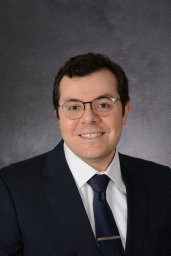 Karim Osman合作论文数Department of Internal Medicine, Lahey Hospital and Medical Center10Erickson Bradley J合作论文数10
 George Dalekos合作论文数Department of Medicine, General University Hospital of Larissa;Research Laboratory of Internal Medicine National Expertise Center, General University Hospital of Larissa;Department of Medicine, University of Thessaly, Medical School;Research Laboratory of Internal Medicine, University of Thessaly, Medical School10Douglas Thorburn合作论文数9
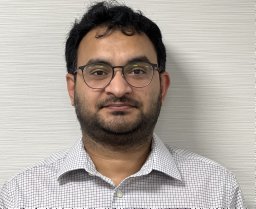 Yashbir Singh合作论文数Radiol, Mayo Clin9
 Marco Carbone合作论文数Chair of Gastroenterology, University of “Tor Vergata”,9Bettina Hansen合作论文数8
 Tony Bruns合作论文数8
 Kris Kowdley合作论文数Liver Institute Northwest;Elson S. Floyd College of Medicine, Washington State University;Velocity Clinical Research, Inc.8William S. Harmsen合作论文数Division of Biomedical Statistics and Informatics, Mayo Clinic8Annarosa Floreani合作论文数Department of Surgical and Gastroenterological Sciences, University of Padova8Julie K. Heimbach合作论文数8Tom H. Karlsen合作论文数8Nora Cazzagon合作论文数8
 Edward V. Loftus, Jr.合作论文数Division of Gastroenterology and Hepatology, Mayo Clinic8Erik M. Schlicht合作论文数8
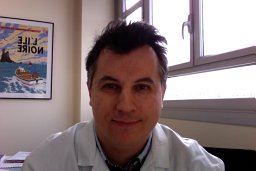 Christophe Corpechot合作论文数INSERMUnité 402, HôpitalSaint-Antoine8Sumera I. Ilyas合作论文数7Eyal Yehezkel合作论文数7
 Adriaan J. Van der Meer合作论文数7Alessandra Zago合作论文数7Christopher L Welle合作论文数7
 Andreas E Kremer合作论文数Dept Med 1, Friedrich Alexander Univ Erlangen Nurnberg7
 Francesco Paolo Russo合作论文数Department of Surgery, Oncology and Gastroenterology, University of Padua7Nevens F合作论文数7
 Francesca Saffioti合作论文数UCL Institute for Liver and Digestive Health, University College London;Royal Free London, NHS Foundation Trust;UCL Institute for Liver and Digestive Health, University College London & Royal Free London7
 Cristoferi Laura合作论文数7Dumortier Jérôme合作论文数7
 Ellina Lytvyak合作论文数7Timucin Taner合作论文数7Davide Roccarina合作论文数7
 Nikolaos K. Gatselis合作论文数Medical School, University of Thessaly7




