Driving cessation in older adults with dementia is associated with reduced independence, social isolation, and accelerated cognitive decline, yet determining fitness to drive remains challenging. This qualitative study explored older adults' attitudes toward driving safety decisions and their preferred responses if informed that they may no longer be safe to drive. Twenty-two older adults, including individuals with mild cognitive impairment (MCI) at risk for dementia and cognitively healthy controls, participated in walking-talking interviews following cognitive and hazard perception screening assessments. Interviews explored participants' views on what should happen next if test results suggested they were unsafe to continue driving. Audio-recorded interviews were transcribed verbatim and analysed using thematic analysis. Six themes and sixteen codes were identified. Participants with MCI demonstrated greater acceptance of driving cessation, and sought confirmatory assessments, whereas healthy control participants prioritised transparency about test results, openness to remediation through lessons or vehicle adaptations, and preservation of independence. These findings highlight the importance of personalised interventions and the potential for non-invasive in-car technologies to support safe driving in individuals with early-stage dementia. This study highlights the value of qualitative methods in understanding the nuanced perspectives of older drivers and informs future strategies for managing driving cessation in cognitively impaired individuals at risk for dementia.
Background: Changes in visual processing have been found to be affected in the early stages of dementia, potentially limiting driving ability. This pilot study investigated the sensitivity and specificity of eye-tracking, visual processing, and dementia screening tests in evaluating driving abilities among older drivers with and without cognitive impairment. Methods: Twenty-three participants aged 65+ years (n = 10 with cognitive impairment, 13 healthy controls) underwent dementia screening assessments including Mini Mental State Examination (MMSE) and Hopkins Verbal Learning Test (HVLT), a Visual Sensitivity Test (VST) and eye-tracking tasks (prosaccade, antisaccade, prospective eye movements) and compared these against a computerised driving-related hazard perception test (HPT) and self-report driving measures. Correlation analyses and ROC curves were used to explore relationships among the outcome measures. Results: Drivers with cognitive impairment did not report different subjective driving performance, but had significantly lower HPT scores, with most scoring below the Driving and Vehicle Licensing Agency (DVLA) requirement for licensure. Eye-tracking data (n = 19) showed that drivers with cognitive impairment exhibited greater prosaccade latency variability. Antisaccade latency and prospective eye movement tests both correlated with self-reported in-vehicle task performance. The VST and HVLT tests strongly correlated with HPT scores and were highly predictive of scoring below the HPT DVLA cut-off scores. Conclusions: The VST and HVLT demonstrated high sensitivity and specificity for screening poor hazard perception performance in older drivers with cognitive impairment. Impaired eye movements correlated with self-reported difficulties in operating in-vehicle tasks, but not with HPT performance. Further research is needed to verify these findings in on-road assessments and with a larger sample size.
Background:The menopausal transition, accompanied by numerous life challenges, is characterised by significant hormonal fluctuations and various symptoms. This study investigates the intricate relationships among perceived stress, resilience, self-efficacy, and social support vs. negative life events and their combined impact on the psychosocial quality of life (QoL) in women across the menopausal transition. Methods:Cross-sectional data were gathered via an anonymous online survey of women aged 40-60 at various stages of the menopausal transition (premenopausal, n = 36; perimenopausal, n = 120; postmenopausal, n = 113), classified using STRAW+10 criteria, resulting in 269 valid responses. The survey included measures for negative life events, perceived stress, social support, resilience, self-efficacy, and menopausal-specific QoL. The study's path model regarded negative life events as an exogenous variable and perceived stress, social support, resilience, self-efficacy, and psychosocial quality of life as endogenous variables, whilst controlling for age and menopausal stage. Results:Negative life events were significantly associated with lower social support (β = -.186) and resilience (β = -.182), higher perceived stress (β = .338), and poorer psychosocial QoL (β = .164). Perceived stress emerged as the strongest predictor of psychosocial QoL (β = .578). Resilience, social support, and self-efficacy were indirectly linked to better psychosocial QoL through their effects on stress reduction. The model explained 47% of the variance in psychosocial QoL and 41% in perceived stress. Conclusion:Perceived stress emerged as the central mediator linking negative life events to psychosocial QoL, with resilience, self-efficacy, and social support as indirect protective factors. Enhancing these modifiable factors through targeted interventions may improve well-being in women across the menopausal transition. Future longitudinal studies are needed to validate these findings.
Introduction The use of digital assistive technologies by and for people living with dementia is promising for supporting social health and advocated as a partial solution to growing prevalence worldwide. A state-of-the-art position paper published in 2017 identified challenges regarding digital assistive technologies, around five themes: development, usability, (cost-)effectiveness, implementation and ethics. This systematic review summarizes progress on the challenges found in 2017, and persisting or emerging challenges. Methods A systematic review of systematic reviews was conducted, focused on studies published after 2016. The inclusion criteria required that the target group included, at least in part, people with dementia living in the community and that the technologies aimed to support social health. For the five themes, literature searches were conducted in Medline, CINAHL, PsycINFO, and Embase databases. Results A total of 112 reviews were included, covering various applications such as smart homes, care robots, exergaming and everyday technologies. No applications of artificial intelligence were included. The challenges included personalization of applications (development); limited use of standardized methods (usability); insufficient quantity and quality of randomized controlled trials (cost-effectiveness); overly high expectations of assistive technologies (implementation); and the need for more equitable access to technologies (ethics). Conclusion Much research has been conducted since the 2017 state of the art position paper. While some challenges identified at that time remain relevant, others have been addressed, and new challenges have emerged. Future research should prioritize emerging artificial intelligence applications; the development of integrated assistive technologies; evaluation using robust methods and meaningful outcomes; and the promotion of more accessible and inclusive technologies.
Background In recent years, the efficacy of various physical exercise programs in enhancing functional fitness among frail older adults has gained recognition. However, limited research has concurrently explored the long-term effects of exercise on brain health, stress biomarkers, and mental well-being. This study aimed to investigate the impact of two distinct chair-based exercise programs on salivary stress hormones and psychological well-being in frail older women over a 28-week period. Methods A total of 140 individuals participated in the enrollment phase, with 84 eligible participants randomly assigned to three groups. Following the intervention, data from 60 participants were analyzed across the multicomponent exercise (MCE, n = 23), elastic band muscle-strength exercise (ESE, n=19), and non-exercise control (CG n=18) groups. Salivary biomarkers of alpha-amylase (α-AMY) Cortisol (COR), alpha-amylase/cortisol ratio, psychological indicators and physical frailty (PF) and functional fitness were assessed pre- and post-intervention. Results Salivary COR levels exhibited a significant time × group interaction, with a moderate increase in MCE, a small decrease in ESE, and a substantial increase in CGne. Salivary α-AMY levels varied significantly over time and by group, with a small decrease in both exercise groups and a moderate increase in CGne. The α-AMY /COR ratio also displayed a significant interaction effect. Additionally, significant improvements were observed in PF compound scores, general self-efficacy, attitudes toward aging, and reductions in perceived stress and depressive symptoms (p < 0.05). Conclusions Notably, the MCE program demonstrated greater benefits than ESE. The observed associations between changes in α-AMY levels, mental well-being, and functional fitness indicators contribute novel evidence on the psychophysiological adaptations to long-term exercise. Importantly, reductions in PF scores correlated with improvements in self-efficacy, attitudes toward aging, and handgrip strength, reinforcing the link between functional fitness, stress regulation, and psychological well-being. These findings emphasize the need for tailored exercise interventions to enhance both physiological resilience and mental health in frail older populations.
Introduction:Menopausal hormone therapy (MHT) is widely used to alleviate menopausal symptoms, but concerns regarding its risks have led many women to seek alternative treatments, such as physical activity, mindfulness, and yoga. While research suggests that these non-pharmaceutical interventions may improve quality of life (QoL), their efficacy remains debated. This study investigates the independent and interactive effects of MHT and exercise on psychosocial QoL and perceived stress in menopausal women. Methods:A cross-sectional online survey recruited 272 women aged 40-60 experiencing menopausal symptoms. Participants reported MHT use and engagement in physical activity, mindfulness, or yoga. Psychosocial QoL was assessed using the Menopause-Specific Quality of Life (MenQoL) scale, and perceived stress was measured using PSS-10. Data were analysed using general linear models and partial correlation analyses. Results:MHT use was significantly associated with poorer psychosocial QoL and worse memory complaints. However, physical activity and yoga were linked to lower perceived stress and better psychosocial QoL. In contrast, mindfulness, as a standalone therapy, was associated with higher perceived stress and depression. No significant interaction effects were observed between MHT and exercise. Conclusion:While MHT remains a common treatment for menopausal symptoms, its association with poorer psychosocial QoL and memory issues suggests a need for personalised approaches. Engaging in physical activity and yoga appears to offer greater mental health benefits, whereas mindfulness alone is associated with worse mental health. Future research should explore the mechanisms underlying these relationships and the long-term effects of MHT and exercise, especially in early and surgical menopausal women.
Ming Jun Kuck and Eef Hogervorst consider the data on the safety and potential cognitive effects in later life of midlife menopausal hormone treatment in women.
INTRODUCTION:Menopausal hormone therapy (MHT), along with the apolipoprotein E (APOE) ε4 allele, has been suggested as a possible risk factor for Alzheimer's disease (AD). However, the relationship between MHT and cerebrospinal fluid (CSF) biomarkers is unknown: we investigated this association, and whether APOE ε4 carrier status moderates it. METHODS:In an observational study of 136 cognitively unimpaired female participants (Mage = 66.0; standard deviation = 6.3), we examined whether MHT use alone or in interaction with APOE ε4 carrier status was associated with CSF levels of phosphorylated tau (p-tau), amyloid beta (Aβ)40, Aβ42, p-tau/Aβ42, and Aβ42/40 ratios. RESULTS:Significant interactions were found between APOE ε4 and MHT use for CSF biomarkers. APOE ε4 carriers who were MHT users showed worse levels of CSF p-tau/Aβ42 and Aβ42/40 ratios than all other users and non-users. DISCUSSION:The presence of both APOE ε4 and MHT may be associated with elevated amyloid deposition and AD pathology in this sample of participants who demonstrated high familial AD risk. HIGHLIGHTS:Significant interactions were found between apolipoprotein E (APOE) ε4 and menopausal hormone therapy (MHT) use for cerebrospinal fluid (CSF) phosphorylated tau (p-tau)/amyloid beta (Aβ)42 and Aβ42/40 ratios. APOE ε4 carriers who were MHT users showed worse levels of CSF biomarkers than non-users and non-carriers, both users and non-users. Younger age at MHT initiation was associated with worse levels of the p-tau/Aβ42 and Aβ42/40 ratios in carriers only. The presence of both APOE ε4 carriage and MHT use may be associated with elevated amyloid deposition and AD pathology. Further studies with larger sample sizes are necessary to confirm the differences observed in the current study.
 Stephan Bandelow合作论文数School of SE and Health, Loughborough University44
 Tri Budi Rahardjo合作论文数Center for Aging Studies, Universitas Indonesia32
 Jelle Jolles合作论文数Adviespraktijk NeuroPsych18
 Wim J Riedel合作论文数Faculty of Psychology and Neuroscience, Maastricht University17
 A David Smith合作论文数Department of Pharmacology, Medical Sciences Division, University of Oxford16
 Guilherme Eustaquio Furtado合作论文数16
 Combrinck Marc合作论文数13
 Victor W. Henderson合作论文数Health Research & Policy Department, Stanford University13
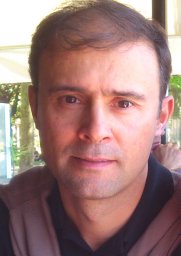 José Pedro Ferreira合作论文数Instituto de Linguística Teórica e Computacional --- ILTEC, Lisbon, Portugal13
 Ana Maria Teixeira合作论文数Univ Coimbra12
 Angela Clifford合作论文数12Martin Orrell合作论文数12Ahmet Begde合作论文数11
 Carol Brayne合作论文数Cambridge Institute of Public Health, University of Cambridge;Australian National University;Queensland Institute of Medical Research;Department of Psychiatry, University of Cambridge10
 Maria Goodwin合作论文数8
 Yvonne Handajani合作论文数School of Medicine and Health Science, Atma Jaya Catholic University of Indonesia8
 Atik Kridawati合作论文数Ctr Family & Ageing Studies, Univ Respati Indonesia8
 Elisabeth Schroeder-Butterfill合作论文数Faculty of Social Sciences, University of Southampton7Jennifer Stock合作论文数6
 Antoninus Hengky合作论文数6
 Yuda Turana合作论文数School of Medicine and Health Science, Atma Jaya Catholic University of Indonesia6
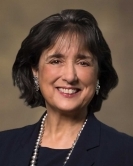 Roberta Diaz Brinton合作论文数Department of Pharmacology, College of Medicine, The University of Arizona;Center for Innovation in Brain Science, The University of Arizona Health Sciences6
 Thomas Wilcockson合作论文数Department of Psychology, London South Bank University6
 David W Maidment合作论文数Medical Research Council Institute of Hearing Research6
 Jeroen A. J. Schmitt合作论文数Nestlé Research Center Nutrition & Health Dept. Lausanne6
 Jordan Elliott-King合作论文数5
 Matheus Uba Chupel合作论文数CIDAF, Univ Coimbra5
 Robert Bennet Gibbs合作论文数Department of Cell Biology and Physiology, School of Medicine, University of Pittsburgh;Department of Pharmaceutical Sciences, School of Pharmacy, University of Pittsburgh5Yates Lauren A合作论文数5
 Rubens Vinicius Letieri合作论文数5
 Lindawati Kusdhany合作论文数5
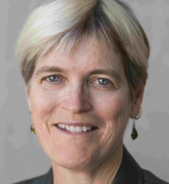 Sue Hignett合作论文数School of Design and Creative Arts, Loughborough University5Philip Kreager合作论文数5
 Charlotte Jais合作论文数4
 Adriana Caldo合作论文数Faculty of Sport Science and Physical Education, University of Coimbra4
 Déborah Oliveira合作论文数School of Medicine, Universidade Federal de São Paulo4Moniz-Cook Esme合作论文数Inst Rehabil, Univ Hull4
 Georgina Charlesworth合作论文数University College London4
 Christopher J. Talbot合作论文数University of Leicester4Yesufu-Udechuku Amina合作论文数4Marc Budge合作论文数4
 Shifu Xiao (肖世富)合作论文数Shanghai Mental Health Center4
 Evi Nurvidya Arifin合作论文数4
 Marcelo Paes de Barros合作论文数Postgraduate Program—Health Science, Cruzeiro do Sul University4Emese Csipke合作论文数4
 Celeste De Jager合作论文数University of Oxford4M M Budge合作论文数3Mira Soni合作论文数3
 Shelina Kassam合作论文数3




