6099 Background: Cachexia is a challenging complication of cancer and its treatment, associated with an increased risk of death. Growth differentiation factor 15 (GDF15) is a known driver of cachexia in lung, pancreatic and colorectal cancer. However, we lack information about GDF15 role and temporal dynamics in patients with head and neck squamous cell carcinoma (HNSCC) receiving curative treatments. Here, we aimed to quantify circulating GDF15 in HNC patients and determine the relationship with indicators of cachexia and other prominent clinical correlates, namely oral mucositis (OM). Methods: Adults diagnosed with HNSCC, scheduled to receive definitive platinum based chemoradiotherapy (CRT), were recruited from four tertiary hospitals in Australia and Italy. Cachexia was determined using a variety of clinical parameters, including weight, grip strength, and upper arm circumference (UAC). OM was assessed using the World Health Organization (WHO) mucositis scale (grade 0-4). GDF15 was quantified in serially-collected serum using a commercial ELISA. All measures were assessed at baseline, week 3, end of treatment (EOT) and 3 months after treatment end. Results: Fifty-nine patients (pts) were enrolled, predominantly male (71%) with a mean age of 64+/-8 years. Main subsite of disease was oropharynx (44 cases, 75%), of whom 68% were HPV positive. Treatment was delivered with definitive intent in 90% of the cases. Median dose of RT was 70 Gy (66-70). At EOT, 77.3% of the pts met the diagnostic criteria for cachexia, with an average weight loss of 8.6% over the course of treatment. This was accompanied by a 7.7% and 5.6% average reduction in grip strength and UAC, respectively. Notably, these reductions continued beyond treatment cessation, with an average baseline weight loss of 9.8% after 3 months. Aligning with these outcomes, serum GDF15 levels were highly elevated following CRT compared to baseline (2.6 fold, P<0.0001), and correlated with reductions in weight (R 2 =0.168, P=0.0002), UAC (R 2 =0.1516, P<0.0001), grip strength (R 2 =0.1332, P<0.0001), as well as OM severity (R 2 =0.1013, P<0.0009). Conclusions: These data reveal that highly elevated GDF15 production correlates with OM and cachexia, providing strong clinical rationale to explore the biological basis of this new symptom cluster, as well as identifying a new clinical cohort that may benefit from GDF15 targeting agents.
The Anorexia-Cachexia Syndrome (ACS) is characterized by loss of appetite and unintentional weight loss.[1] Important clinical outcomes are associated with ACS including increased risk of chemotherapy side effects, decreased survival and quality of life (QOL). Because ACS is driven by complex metabolic derangements and a chronic pro-inflammatory response, weight loss cannot be easily reversed by conventional nutritional supplementation alone. Insufficient intake of calories and protein exacerbate weight loss experienced by patients with ACS, while physical inactivity accelerates muscle wasting. In addition, uncontrolled symptoms such as pain, xerostomia, nausea, early satiety, and depression aggravate poor nutritional intake and are known as nutrition impact symptoms (NIS). [2] Addressing these potentially reversible contributors to ACS requires an interdisciplinary team (IDT) effort including oncologists, palliative medicine and rehabilitation clinicians, dietitians, and psychologists. The composition and leadership of the team depend on institutional support and the patient population being treated, advanced cancer versus peri-operative rehabilitation. Because frail patients may be burdened by frequent visits to multiple healthcare providers and a special skill set is required of the IDT to address ACS.[3] Specialized nutritional rehabilitation clinics are ideally needed to address ACS. The role of the oncologist is to direct cancer treatment and minimize systemic toxicities. The dietitian provides malnutrition screening, measuring calories and protein intake, and offers nutritional counseling. A rehabilitation physician assesses body composition and functional status as well as encourages compliance with exercise. The palliative care provider optimizes symptom management and coordinates care. A psychologist assesses for mood disorders, body image distress, and provides psycho-social support. As more effective anti-cachexia agents are being developed, the IDT could effortlessly incorporate novel interventions [4] into multimodal management. The proposed talk will highlight the management of NIS and the role of an IDT in treating anorexia-cachexia syndrome.
Given the multi-faceted nature of cancer cachexia, a combination of pharmacologic and supportive measures such as exercise and nutrition seems intuitive to most clinicians. Clinical trials have also suggested that a multimodal approach to cancer cachexia (CC) is feasible and potentially effective. However, past trials have been limited by medications that were partially effective or had the potential for serious adverse events such as thromboembolism. We review new agents that have demonstrated efficacy in phase II trials or are involved in multi-center phase III studies. The advent of several recent phase II studies indicate that consistently effective, well-tolerated medications may soon be available for CC. These new agents target several mechanisms involved in CC, including food aversion, catabolism, and decreased anabolism. Several multi-center studies are expected to be actively recruiting this year. If these agents prove to be effective, individualized treatment may be possible, guided by individuals’ phenotype and/or clinical biomarkers. Future research should also determine whether combination therapy (pharmacologic and/or non-pharmacologic) produces additive or synergistic benefits.
What are the perceptions and practices regarding protein energy malnutrition (PEM) screening and assessment for patients with cancer among health professionals working in the cancer setting, and how have these perceptions and practices changed since the COVID-19 pandemic? A repeated cross-sectional study was conducted in 2018 (pre-COVID-19) and 2024 (post-COVID-19) using a study-specific online 24-item questionnaire. Qualified health professionals working as clinicians in the cancer setting were eligible. The survey was disseminated via professional associations internationally. Data were analysed in Stata/MP 18.5. Of N = 282 participants included (n = 197 pre-COVID-19, n = 85 post-COVID-19), most were dietitians (39
The anorexia-cachexia syndrome (ACS) is characterized by loss of appetite and unintentional weight loss. Important clinical outcomes are associated with ACS including increased risk of chemotherapy side effects, decreased survival, and quality of life. Because ACS is driven by complex metabolic mechanisms and a chronic pro-inflammatory response, the weight loss and muscle wasting cannot be reversed by conventional nutritional supplementation alone. However, insufficient intake of calories and protein exacerbate weight loss experienced by patients with ACS, while physical inactivity accelerate muscle wasting. In addition, uncontrolled symptoms, such as pain, mucositis, nausea, early satiety, and depression aggravate poor nutritional intake and are known as nutrition impact symptoms. Addressing these potentially reversible contributors to ACS requires an interdisciplinary team (IDT) effort including oncologists, palliative medicine, rehabilitation clinicians, dietitians, and psychologists. The composition and leadership of the team depends on institutional support and the patient population being treated (eg, advanced cancer vs peri-operative rehabilitation vs geriatric). Because patients may be burdened by frequent visits to multiple healthcare providers and a special skill set is required of the IDT to address ACS-measuring caloric and protein intake, assessing body composition, optimal symptom management, and providing psycho-social support-a specialized clinic would be ideal. As more effective anti-cachexia agents are being developed, nutritional rehabilitation programs and cachexia clinics could facilitate incorporation of novel treatments into multimodal management of ACS. The narrative review highlights the management of nutrition impact symptoms and the potential benefits and challenges of specialized nutrition rehabilitation programs and cachexia clinics.
Cachexia, a syndrome marked by nonintentional weight loss, muscle wasting, functional decline and poor prognosis, affects 50%-80% of cancer patients, severely impacting quality of life, treatment tolerance and survival. A 'Regulatory and Trial Update Workshop' was organized by the Society on Cachexia and Wasting Disorders (SCWD) in December 2024 in Washington, DC, focused on clinical trial endpoints, standards of care and recent advancements. This article provides a summary of the discussions that were held during the first day of the workshop. Despite ongoing research, effective therapies for cachexia remain limited. Existing treatments, such as nutritional supplements, progestins, anti-inflammatories and anabolic agents, have shown mixed results, often improving appetite or lean mass without consistent functional benefits. Common muscle mass measurements, like CT scans of the L3 vertebra, are inadequate as primary endpoints because of biological variability and small effect sizes and because they do not necessarily translate into clinical benefit. Trials continue to face challenges in meeting regulatory requirements, which mandate improvements in both body composition and functional outcomes. Regulatory consensus emphasizes demonstrating clinically meaningful benefits in patient-reported outcomes/physical function and/or morbidity-mortality using validated instruments, adequate safety exposure, recognition that handgrip and weight alone are insufficient, feasibility in advanced disease, consideration of general activity measures, optional but informative body composition data and, for a pan-cancer label, benefits across at least three distinct cancers. Patient-centred endpoints, emphasizing real-life functioning and social participation, are essential as patients prioritize daily activity and independence over isolated physical measures. Clinical trials presented during the meeting included the MENAC trial, which tested a multimodal intervention combining nutrition, exercise, anti-inflammatory drugs and cancer therapy, achieved modest weight stabilization but no significant improvements in muscle mass or activity. In contrast, TCMCB07, an MC-4 receptor antagonist, demonstrated promising results in preclinical and early-phase human studies, showing weight stabilization and improved caloric intake with good tolerability. ART27.13, a dual CB1/CB2 receptor agonist, also demonstrated positive effects in appetite stimulation and weight stabilization. For S-pindolol, which targets appetite and metabolism, Phase IIb/III trials are to be initiated, following an earlier Phase II trial that showed improved muscle mass and muscle strength (hand grip strength). Future treatments must focus on integrating patient-centred goals, therapeutic mechanisms and meaningful clinical outcomes.
Neuroleptic and benzodiazepine medications are often considered for patients with persistent agitated delirium in the last days of life; however, the risk-to-benefit ratio of these medications is ill-defined and benzodiazepine medications have not been compared to placebo. To compare the effect of scheduled haloperidol, lorazepam, haloperidol plus lorazepam, and placebo on patients with advanced cancer and delirium and experiencing restlessness and/or agitation in the palliative care setting. This multicenter randomized clinical trial was conducted at 3 acute palliative care units in Taiwan and the US with patients with advanced cancer experiencing persistent restlessness and/or agitation despite nonpharmacologic therapies and standard-dose haloperidol. Among 245 eligible patients, 111 were enrolled, and 75 received blinded treatments. Participants were randomized in a 1:1:1:1 ratio (stratified by site and Richmond Agitation-Sedation Scale [RASS] score). The study period was from July 16, 2019, to June 8, 2023, with a 30-day follow-up after medication administration. Data analysis was performed from October 10, 2023, to April 11, 2025. Scheduled intravenous haloperidol, lorazepam, haloperidol plus lorazepam, or placebo every 4 hours until discharge, death, or withdrawal from study. Medications in all 4 groups had identical volume and appearance. Change in RASS scores during the first 24 hours. Secondary outcomes included the use of rescue neuroleptics or benzodiazepines for breakthrough restlessness or agitation during the first 24 hours, delirium severity, perceived patient comfort, and adverse events. The primary outcome was assessed in 72 patients (mean [SD] age, 64 [12] years, 42 male [58%]) with a median (IQR) MDAS score of 24 (18-29). The lorazepam group had significantly lower RASS scores than the haloperidol group (mean difference, −2.1; 95% CI, −3.4 to −0.9; P < .001) and the combination group had significantly lower RASS scores than the haloperidol group (−2.0; 95% CI, −3.2 to −0.8; P = .002); however, there was no difference observed between haloperidol and placebo groups (−0.5; 95% CI, −1.7 to 0.7; P = .42) nor between the combination and lorazepam groups (0.2; 95% CI, −1.1 to 1.4; P = .79). The combination and lorazepam groups required fewer rescue medications for breakthrough restlessness or agitation compared to the haloperidol and placebo groups (32%, 37%, 56%, 83%, respectively; P = .006). Adverse events or survival did not differ between groups. The results of this randomized clinical trial indicate that proactive use of scheduled sedatives, particularly lorazepam-based regimens, may reduce persistent restlessness and/or agitation in patients with advanced cancer and delirium in the palliative care setting. Clinicaltrials.gov Identifier: NCT03743649
BACKGROUND:The aim of this systematic review and meta-analysis is to compare the complication rates of enteral nutrition (EN) (oral or tube feeding (TF)) and parenteral nutrition (PN) in patients with any cancer. METHODS:A systematic review of the literature until 2024 was conducted, including randomised controlled trials comparing EN and PN with respect to one or more of four endpoints: (1) infection, (2) nutrition support complications, (3) major complications and (4) mortality. A meta-analysis was conducted to generate summary effect estimates. Analysis was stratified by paediatric (≤21 years old) versus adults (>21 years old) patients. Subgroup analyses were conducted, based on including patients with (vs without) protein-energy malnutrition (PEM) and type of EN. Cumulative meta-analysis and leave-one-out analysis was conducted. Type I error was set at 0.05. RESULTS:49 studies reporting on 6361 patients were included: 41 reported on adults and 8 on children. Among adults, the infection rate was higher for PN compared with EN (risk ratio=1.07, 95% CI: 1.00 to 1.14), with no differences in rates of nutrition support complications, major complications or mortality. Among children, there were no differences in all four endpoints. On cumulative meta-analysis, EN was overall marginally superior to PN for infection, although results fluctuated over time between superiority and no difference. Subgroup analysis found no differences in effects among patients with (vs without) PEM and patients provided with EN options of standard care versus TF. DISCUSSION:From the perspective of complications, EN and PN are equivalent, with EN demonstrating marginal superiority for infection among adults.
Background. Rigorous population-based assessments of the use of specialty palliative care (SPC) in the US are rare. Settings/subjects. This study examined SPC use among cancer patients in a mid-sized metropolitan area in Southeast US. Measurements. In this cancer decedent cohort study, data were acquired and linked from the state-wide cancer registry; state-wide hospital discharge dataset; and local SPC providers. Results. 12,030 individuals with cancer were included in this study; only 2,958 (24.6%) used SPC. Of the 9,072 persons who did not use SPC, 3,877 (42.7%) went only to hospitals that did not offer SPC; and 3,517 (38.8%) went to hospitals that offered SPC but did not use it. About half of SPC recipients (1493; 50.5%) first received SPC in the final 30 days of life, including 768 (26.0%) in the final week of life. Characteristics associated with using SPC use included being in an socio-economic status quintile other than the lowest; being younger; being Black; having a solid (versus hematological) cancer; having a shorter survival with cancer; dying in the latter two years of the study; being from an area of low or complete rurality; having a hospital admission in the final 60 days prior to initiation of PC or death; having more days in hospital; and living within 15 miles of a hospital offering SPC. Conclusions: In this population-based study, only one-quarter of cancer patients used SPC, and for half who did so, it came in the final 30 days of life.
Importance:Neuroleptic and benzodiazepine medications are often considered for patients with persistent agitated delirium in the last days of life; however, the risk-to-benefit ratio of these medications is ill-defined and benzodiazepine medications have not been compared to placebo. Objective:To compare the effect of scheduled haloperidol, lorazepam, haloperidol plus lorazepam, and placebo on patients with advanced cancer and delirium and experiencing restlessness and/or agitation in the palliative care setting. Design, Settings, and Participants:This multicenter randomized clinical trial was conducted at 3 acute palliative care units in Taiwan and the US with patients with advanced cancer experiencing persistent restlessness and/or agitation despite nonpharmacologic therapies and standard-dose haloperidol. Among 245 eligible patients, 111 were enrolled, and 75 received blinded treatments. Participants were randomized in a 1:1:1:1 ratio (stratified by site and Richmond Agitation-Sedation Scale [RASS] score). The study period was from July 16, 2019, to June 8, 2023, with a 30-day follow-up after medication administration. Data analysis was performed from October 10, 2023, to April 11, 2025. Interventions:Scheduled intravenous haloperidol, lorazepam, haloperidol plus lorazepam, or placebo every 4 hours until discharge, death, or withdrawal from study. Medications in all 4 groups had identical volume and appearance. Main Outcomes and Measures:Change in RASS scores during the first 24 hours. Secondary outcomes included the use of rescue neuroleptics or benzodiazepines for breakthrough restlessness or agitation during the first 24 hours, delirium severity, perceived patient comfort, and adverse events. Results:The primary outcome was assessed in 72 patients (mean [SD] age, 64 [12] years, 42 male [58%]) with a median (IQR) MDAS score of 24 (18-29). The lorazepam group had significantly lower RASS scores than the haloperidol group (mean difference, -2.1; 95% CI, -3.4 to -0.9; P < .001) and the combination group had significantly lower RASS scores than the haloperidol group (-2.0; 95% CI, -3.2 to -0.8; P = .002); however, there was no difference observed between haloperidol and placebo groups (-0.5; 95% CI, -1.7 to 0.7; P = .42) nor between the combination and lorazepam groups (0.2; 95% CI, -1.1 to 1.4; P = .79). The combination and lorazepam groups required fewer rescue medications for breakthrough restlessness or agitation compared to the haloperidol and placebo groups (32%, 37%, 56%, 83%, respectively; P = .006). Adverse events or survival did not differ between groups. Conclusions and Relevance:The results of this randomized clinical trial indicate that proactive use of scheduled sedatives, particularly lorazepam-based regimens, may reduce persistent restlessness and/or agitation in patients with advanced cancer and delirium in the palliative care setting. Trial Registration:Clinicaltrials.gov Identifier: NCT03743649.
ABSTRACT Background Patients with advanced cancer are at risk for malnutrition and anorexia‐cachexia syndrome. The study objective was to determine the frequency of these conditions in patients evaluated in an outpatient supportive care clinic (SCC). Methods One hundred patients with cancer were prospectively enrolled to complete a cross‐sectional one‐time survey. We collected patient demographics, cancer diagnosis, weight history and height and Zubrod performance status from electronic health records. Patients completed the Functional Assessment of Anorexia Therapy–Anorexia/Cachexia Subscale (FAACT‐A/CS) questionnaire, the Edmonton Symptom Assessment Scale (ESAS), the Patient‐Generated Subjective Global Assessment–Short Form (PG‐SGA‐SF), the Hospital Anxiety and Depression Scale (HADS) and a Body Image Scale (BIS). A PG‐SGA‐SF cut‐off of ≥ 6 indicated malnutrition risk, and loss of appetite was defined as either ESAS ≥ 3 or FAACT‐ACS ≤ 37. Results Of the 165 patients approached, 100 (61%) completed the survey. The average (SD) age was 61.6 years old (11.5). The majority were female (52%), White (75%) and married (80%). The most common cancers were gastrointestinal (22%) and genitourinary (21%). Sixty‐one per cent (61%) screened positive for risk of malnutrition (PG‐SGA‐SF ≥ 6), anorexia was noted in 60% (ESAS ≥ 3) and 53% (FAACT‐A/CS ≤ 37) of patients, 10% of patients were noted to have a body mass index < 18.5, and 28% had body image dissatisfaction (BIS ≥ 10). Documented > 5% weight loss over the past 6 months was noted in 49%; 61% noted > 10% lifetime weight loss, relative to usual adult body weight or at time of diagnosis. Patients with anorexia (FAACT‐ACS ≤ 37) compared with no anorexia reported significantly higher HADS anxiety score (4.4 vs. 3.2, p = 0.04), depression (5.9 vs. 3.5, p = 0.001), body image distress (BIS 7.2 vs. 4.9, p = 0.03) and worse appetite (ESAS 1.4 vs. 0.6, p = 0.02). Symptoms including depression, anxiety and body image distress were not significantly different between patients with either a history of > 10% lifetime weight loss or > 5% weight loss over 6 months. Conclusions Malnutrition risk was noted in roughly 60% of patients with advanced cancer. Inclusion of patients' body mass index to malnutrition or cachexia criteria resulted in underdiagnosis. Subjective symptoms of anorexia, but not objective weight loss, was significantly associated with anxiety and depression. Routine malnutrition screening with the PG‐SGA‐SF should be incorporated into all outpatient SCC visits and, comparing current weight to documented pre‐illness baseline weight, should be obtained to determine the severity of cachexia.
TPS12138 Background: Fatigue is prevalent in men with cancer, affecting 70-100% of survivors. Fatigue impairs quality of life (QOL), increases caregiver burden, and is associated with reduced lean body mass and sexual dysfunction. Muscle loss, fatigue, sexual dysfunction and depressed mood are common in older males with testosterone deficiency, with or without cancer. Testosterone replacement therapy (TRT) in non–cancer patients improves fatigue, body composition and sexual function. However, despite high prevalence of testosterone deficiency in men with cancer (50-90%), no TRT practice guidelines are available. Older age, chronic inflammation, opioids, megestrol acetate, corticosteroids and some anti-neoplastic therapies are implicated in lowering testosterone. A preliminary (n=29) double blind trial comparing 4 weeks of intramuscular (n=13) TRT to placebo (n=16) in men with advanced cancer reported improvement in fatigue and sexual desire scores. Based on these findings, TRT may mitigate fatigue and related symptoms but requires a large, adequately powered trial. Methods: Randomized, double-blind, placebo-controlled trial of daily transdermal testosterone or placebo gel for 6-months in men ≥55 years, with solid or hematological cancer. Participants with no evidence of disease or receiving anti-neoplastic therapy are eligible if they report fatigue, have low serum testosterone by mass spectrometry <348 ng/dl or free testosterone <70 pg/ml and the interval from last treatment (chemotherapy, radiation therapy, immunotherapy), is ≤60 months. Ineligibility includes prostate cancer, elevated PSA, hematocrit >48% or recent thromboembolism. Sample size is predicated on 1:1 randomization to two arms, stratified by 3 sites and 90% power to detect relevant effects. Assignment of participants to either testosterone or placebo via permuted block design is known to statistician, study pharmacists, and unblinded study physician responsible for dose-adjustment. By December 2024, 150 of planned 230 participants are enrolled. NCT04301765. Primary outcome is change in fatigue by Functional Assessment of Chronic Illness Therapy fatigue scale (FACIT-Fatigue). Secondary outcomes include Harbor-UCLA 7-day Sexual Function Questionnaire including sexual activity and desire. Additional outcomes include questionnaires of erectile function, positive and negative affect scale (PANAS), Brief Assessment Scale determining Caregiver Burden (BASC) and body composition by dual energy X-ray absorptiometry. Physical performance evaluations include maximal leg press strength, 6-minute walk test and actigraphy. Additionally, lived experiences of 60 participants at baseline and 24 weeks are assessed by semi-structured, qualitative phone interviews with men from testosterone and placebo arms. Clinical trial information: NCT04301765 .
A self-reported electronic questionnaire to advocate for a consensus definition of nutrition impact symptoms (NISs) was conducted in a diverse group of international healthcare providers. The questionnaire had 2 components: the definition of NISs and the relevance of each symptom as a NIS. Agreement on the tentative definition and 24 symptoms were evaluated using a seven-point Likert scale. For the factor validity and internal consistency of symptoms, an exploratory factor analysis was employed, and Cronbach's alpha coefficients (Cronbach's alpha) were calculated in each domain. A total of 66 healthcare providers responded. Regarding the tentative definition of NISs, the percentages of the number of participants with agree and strongly agree were 40.9% and 42.4%. Three conceptual groups were extracted as follows: 1) symptoms that interfere with patients' ability to ingest or digest nutrients, 2) symptoms that compromise patients' desire to eat and take nutrients, and 3) symptoms that indirectly compromise patients' food and nutrient intake. The values of Cronbach's alpha were 0.91, 0.92, and 0.87. We proposed a new definition - NISs are symptoms that compromise patients' desire or ability to eat, interfering with their nutritional needs and increasing the risk for malnutrition, loss of lean body mass, and impaired QOL.
BACKGROUND Fatigue is common in patients undergoing radiotherapy (RT) and can significantly impact quality of life. Melatonin, a safe inexpensive natural supplement, may improve symptoms and attenuate the side effects of RT. The purpose of this randomized double-blind placebo-controlled phase III trial was to assess the effects of melatonin for preventing fatigue and other symptoms in patients with breast cancer undergoing RT. METHODS Female early stage or Ductal carcinoma in situ patients with breast cancer ≥18 years of age with Eastern Cooperative Oncology Group (ECOG) performance status <3, hemoglobin ≥9 g/dL, planned for outpatient RT treatment with curative intent, were randomized 1:1 to melatonin 20 mg or placebo, orally, starting the night before RT initiation until 2 weeks post-RT. Randomization was stratified according to treatment duration (<3 weeks, ≥3 weeks) and prior chemotherapy. The primary endpoint was the Functional Assessment of Chronic Illness Therapy-Fatigue (FACIT-Fatigue scale), and secondary endpoints were FACIT-F subscales, Edmonton Symptom Assessment Scale (ESAS), and Patient-Reported Outcomes Measurement Information System (PROMIS) scores obtained at baseline, and 2 and 8 weeks post-RT. A 2-sided ANOVA F-test at a 4.5% significance level for the primary endpoint was used. Secondary analyses were reported using an F-test at a 5% significance level. The goal was to recruit approximately 140 patients with interim analysis planned mid-recruitment. RESULTS Eighty-five patients were screened for eligibility; 79 patients were randomized: 40 to melatonin and 39 to placebo; 78 patients were treated and included in the interim analysis at the mid-recruitment point. Baseline patient characteristics of age, race, and ECOG performance status were similar in both arms. The treatment effect was studied using a longitudinal mixed effects model with the effect of treatment over time (treatment × time) as the primary outcome parameter. The treatment × time for FACIT-Fatigue did not demonstrate statistical significance (P-value .83) in the melatonin group compared to placebo. In addition, secondary analyses of FACIT physical, social, emotional, and functional well-being scores did not demonstrate statistical significance (P-values of .35, .06, .62, and .71, respectively). Total PROMIS scores, collected as secondary outcome reported by patients, did not demonstrate statistically significant change over time either (P-value is .34). The other secondary scale, ESAS, was analyzed for each individual item and found to be nonsignificant, anxiety (P = .56), well-being (.82), drowsiness (.83), lack of appetite (.35), nausea (.79), pain (.50), shortness of breath (.77), sleep (.45), and tiredness (.56). Depression was the only item demonstrating statistical significance with a decrease of 0.01 unit in the placebo group, a change not considered clinically significant. Melatonin was well-tolerated with no grade 3 or 4 adverse events reported. The most common side effects were headache, somnolence, and abdominal pain. No patients died while participating in this study. Two patients died within a year of study completion from breast cancer recurrence. Sixteen patients withdrew prior to study completion for various reasons including adverse events, hospitalizations unrelated to study drug, RT discontinuation, and COVID-19 precautions. CONCLUSIONS In this double-blind placebo-controlled phase III trial, melatonin did not prevent or significantly improve fatigue and other symptoms in patients with early stage breast cancer undergoing RT. The analysis, showing little evidence of an effect, at mid-recruitment, assured early termination of the trial.
Despite a better understanding of the mechanisms causing cancer cachexia (CC) and development of promising pharmacologic and supportive care interventions, CC persists as an underdiagnosed and undertreated condition. CC contributes to fatigue, poor quality of life, functional impairment, increases treatment related toxicity, and reduces survival. The core elements of CC such as weight loss and poor appetite should be identified early. Currently, addressing contributing conditions (hypothyroidism, hypogonadism, and adrenal insufficiency), managing nutrition impact symptoms leading to decreased oral intake (nausea, constipation, dysgeusia, stomatitis, mucositis, pain, fatigue, depressed mood, or anxiety), and the addition of pharmacologic agents when appropriate (progesterone analog, corticosteroids, and olanzapine) is recommended. In Japan, the clinical practice has changed based on the availability of Anamorelin, a ghrelin receptor agonist that improved lean body mass, weight, and appetite-related quality of life (QoL) compared to a placebo, in phase III trials. Other promising therapeutic agents currently in trials include Espindolol, a non-selective β blocker and a monoclonal antibody to GDF-15. In the future, a single therapeutic agent or perhaps multiple medications targeting the various mechanisms of CC may prove to be an effective strategy. Ideally, these medications should be incorporated into a multimodal interdisciplinary approach that includes exercise and nutrition.
Background and Objective: Cancer-related neuropathic pain (CRNP) is often a significant burden on patients’ quality of life. There are limited treatment guidelines for cancer-related neuropathic pain outside of CIPN. Although opioids are considered a third-line treatment option, no consensus exists on which opioid is most effective, either as a single agent or in combination with other medications. Our aim is to review and update the literature for methadone use in CRNP, since the last review was conducted in 2006. Methods: A comprehensive literature search was performed to evaluate the use of methadone in cancer-related neuropathic pain. Articles were identified from PubMed, Google Scholar, and Cochrane Library using the following keywords: “methadone AND cancer pain AND neuropathic pain” and “cancer-related opioid treatment”. Results: Studies were included if they evaluated methadone’s efficacy or safety in neuropathic pain management for patients with cancer. This review focused on randomized controlled trials (RCTs), systematic reviews, meta-analyses, and observational studies published between 2000 and 2024. Studies were excluded if they lacked specific data on cancer-related neuropathic pain or were case reports. Conclusions: The unique mechanisms of action and preliminary clinical trials support methadone’s status as the first opioid to consider for CRNP when non-opioid first-line treatments have failed to alleviate patient symptoms. Methadone can also be considered as a first-line opioid in patients with mixed nociceptive–neuropathic pain and any of the following features: renal dysfunction; administration of opioids through a feeding tube; a lack of financial resources/insurance; and a switch from another high-dose opioid. More research is needed regarding methadone for CRNP and methadone’s preferential use in specific sub-groups of patients.
The following review will highlight the development of anamorelin to treat cancer anorexia-cachexia syndrome (CACS) including the potential benefits, limitations, and future directions. Ghrelin, a 28-amino acid peptide hormone, is secreted by the stomach mucosa and regulates appetite, promotes lipogenesis, increases body weight, improves gastric motility, reduces catabolic wasting and inflammation. Several randomized, double-blind, placebo-controlled clinical trials evaluating anamorelin, a ghrelin agonist, for the treatment of CACS have reported improvement in appetite and body composition including both lean body and fat mass; however, most studies noted no improvement in physical function as assessed by measuring non-dominant hand-grip strength. Common adverse effects of anamorelin include the development of diabetes mellitus, hyperglycemia, and less frequently, hepatic abnormalities and cardiovascular events including conduction abnormalities, hypertension, and ischemic cardiomyopathy. Anamorelin has the potential to stimulate appetite, improve gastric movement, and may have anti-inflammatory effects on patients with CACS. In patients with cancer, studies involving anamorelin combined with other multimodal treatments including nutrition counseling (branched chain amino acids, omega 3 fatty acids, and other nutrients), exercise, treatment of hormonal abnormalities including hypogonadism and hypovitaminosis D, and anti-inflammatory agents are needed. Compliance with multimodality treatment has been a barrier and future studies may need to incorporate motivational counseling to promote adherence.
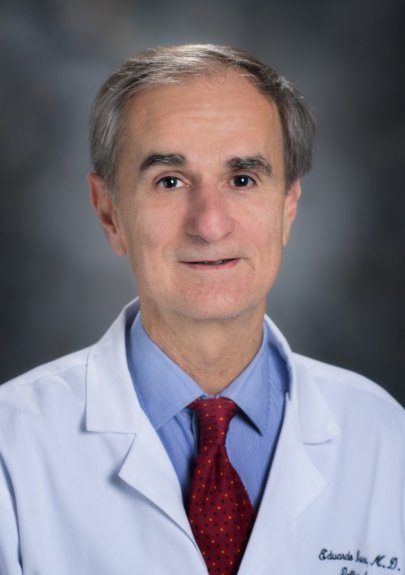 Eduardo Bruera合作论文数Department of Palliative, Rehabilitation and Integrative Medicine, Division of Cancer Medicine, The University of Texas MD Anderson Cancer Center;Department of Supportive Care Center, Division of Cancer Medicine, The University of Texas MD Anderson Cancer Center48
 Rony Dev合作论文数35
 J. Brian Cassel合作论文数Massey Cancer Center, Virginia Commonwealth University29Shalini Dalal合作论文数17
 David SC Hui (許樹昌)合作论文数Department of Medicine & Therapeutics, Faculty of Medicine, The Chinese University of Hong Kong;Stanley Ho Centre for Emerging Infectious Diseases, The Chinese University of Hong Kong;SH Ho Sleep Apnoea Management Center, The Chinese University of Hong Kong;Prince of Wales Hospital15Nevena Skoro合作论文数11Danielle Noreika合作论文数11Hui David合作论文数9Florian Strasser合作论文数8j l palmer合作论文数6
 Naito Tateaki合作论文数Divisions of Thoracic Oncology, Shizuoka Cancer Center6
 Peter May合作论文数6
 Akio Inui (乾明夫)合作论文数Pharmacological Department of Herbal Medicine, Kagoshima University Graduate School of Medical and Dental Sciences;Department of Psychosomatic Medicine, Kagoshima University Graduate School6
 Shana L. Palla合作论文数Department of Biostatistics and Applied Mathematics, University of Texas M.D. Anderson Cancer Center6Jessica Tsukanov合作论文数5
 Tara Albrecht合作论文数School of Nursing, Duke University;Cancer Institute, Duke University;Medical Center North Hospital, Virginia Commonwealth University5
 Sriram Yennurajalingam合作论文数5
 Kathleen Kerr合作论文数Department of Biostatistics, School of Public Health, University of Washington;Summer Institute in Statistics for Clinical and Epidemiological Research, University of Washington5
 Patrick J Coyne合作论文数5Sudeep Pandey合作论文数4Koji Amano合作论文数4
 Malisa Dang合作论文数4Kilgore Kelly合作论文数4Fajardo Julieta合作论文数4Hall Stacy合作论文数4
 Carlos Eduardo Paiva合作论文数Oncological and Hemato-oncological Center, São Paulo State University4
 M. Imad Damaj合作论文数Department of Pharmacology and Toxicology, School of Medicine, Virginia Commonwealth University4
 Charles E Normand合作论文数London School of Hygiene and Tropical Medicine, London, United Kingdom4Suresh Reddy合作论文数4Leanne Yanni合作论文数3Joseph Arthur合作论文数3Adam Khorasanchi合作论文数3Srinidhi Nemani合作论文数3Patricia S Bramati合作论文数3S Lauren Kyte合作论文数3Zhi-Jian Chen合作论文数3Ahsan Azhar合作论文数3
 Wisam Toma合作论文数Medical College of Virginia, Virginia Commonwealth University3Rauenzahn Sherri合作论文数3
 Bagdas Deniz合作论文数Medical College of Virginia, Virginia Commonwealth University;Faculty of Medicine, Uludag University;Virginia Commonwealth University, Uludag University3
 Melissa M Garrido合作论文数Research Enhancement Award Program and Geriatric Research, Education, and Clinical Center, James J Peters Veterans Affairs Medical Center3Chisholm Gary合作论文数3
 Akhila Reddy合作论文数3
 Adam P. Sima合作论文数3
 David A. Gewirtz合作论文数Department of Pharmacology & Toxicology, School of Medicine, Virginia Commonwealth University3
 Mellar Davis合作论文数Geisinger Medical Center3Donna S. Zhukovsky合作论文数3Marvin Omar Delgado-Guay合作论文数3Zohra I. Nooruddin合作论文数3




