INTRODUCTION:The number of cancer survivors - people who have overcome cancer or are living with the disease - is steadily increasing thanks to improved diagnostics and treatment. Studies indicate that many cancer survivors show good functional and quality of life scores in the long term, but comparisons with reference data show that cancer survivors still experience significant physical, psychological, and social impairments compared to the general population, even years after treatment. Cancer survivorship care focuses on developing care services for this issue, which has not been sufficiently addressed to date. Integrative oncology can offer a substantial contribution in the improvement the situation, particularly in light of the combination of evidence-based complementary therapies with conventional treatments, with the goal of enhancing well-being and quality of life, as well as active self-management (including nutrition and exercise in secondary prevention). Common problems experienced by cancer survivors, such as cancer-related fatigue, sleep disorders associated with cancer, and chemotherapy-induced polyneuropathy, can be reduced and the quality of life (QoL) of cancer survivors improved by integrating IO therapy concepts. Interventions from all core disciplines of IO can be used in many areas of survivorship care in a complementary, collaborative, and transparent manner alongside conventional medical treatments.
INTRODUCTION:Integrative oncology (IO) combines conventional cancer medicine with evidence-based complementary procedures, thereby placing special demands on the concept of evidence, research methodology, and the evaluation of care quality. This article highlights key theoretical, methodological, and practical principles. The classic concept of evidence is examined in detail through the three pillars of evidence-based medicine. Complementary research designs such as mixed methods, pragmatic studies, whole-systems approaches, and preference-based designs, are discussed as they offer new perspectives for generating valid and patient-centered evidence. In addition, regulation and practice-oriented quality criteria are presented as well as the current consensus process within the newly founded "Swiss Network for Integrative Oncology" (SNIO), which defines common standards, training structures, and research strategies. These efforts lay the foundation for the ongoing development of the field - toward an IO that is safe, effective, and truly patient-centered.
INTRODUCTION:In Switzerland, a wide range of integrative oncology (IO) treatments is offered by various medical disciplines. A certificate of competence (SIWF: Swiss Institute for Medical Education, allows to bill from basic incurance) can be obtained for five disciplines: anthroposophic medicine (VAOAS), classical homeopathy (SVHA), phytotherapy (SMGP), TCM/acupuncture (ASA), and clinical hypnosis (SMSH). For Mind Body Medicine a CAS can be obtained (SFMBM). Integrative Nursing is an important therapeutic partner in many medical disciplines, with own established education programmes. These seven core disciplines of IO are based on different concepts and traditions, but they also have, at least in part, commonalities such as a multidimensional view of humanity, a focus on salutogenesis, the strengthening of self-efficacy, and the importance of lifestyle factors and individualised therapy. These core disciplines are offered with varying availability at the centres of the Swiss Network for Integrative Oncology (SNIO: www.integrative-oncology.ch), generally accompanying conventional oncological therapies and close, transparent communication with oncology specialists. The SNIO aims to develop quality criteria, coordinating treatment offers, promote network research, and encourage further training in order to enable coordinated and quality-assured care.
Background Cancer cachexia is characterized by severe loss of muscle and fat involving a complex interplay of host-tumor interactions. While much emphasis has been made in understanding the molecular mechanisms associated with cachexia, understanding the heritable component of cachexia remains less explored. The current study aims to identify Copy Number Variants (CNV) as genetic susceptibility determinants for weight loss in patients with cancer cachexia using genome wide association study (GWAS) approach. Methods A total of 174 age-matched patients with esophagogastric or lung cancer were classified as weight losing (>10% weight loss) or weight stable participants (<2% weight loss). DNA was genotyped using Affymetrix SNP 6.0 arrays to profile CNVs. We tested CNVs with >5% frequency in the population for association with weight loss. Pathway analysis was performed using the genes embedded within CNVs. To understand if the CNVs in the present study are also expressed in skeletal muscle of patients with cachexia, we utilized two publicly available human gene expression datasets to infer the relevance of identified genes in the context of cachexia. Results Among the associated CNVs, 5414 CNVs had embedded protein coding genes. Of these, 1583 CNVs were present at >5% frequency. We combined multiple contiguous CNVs within the same genomic region and called them Copy Number Variable Region (CNVR). This led to identifying 896 non-redundant CNV/CNVRs which encompassed 803 protein coding genes. Genes embedded within CNVs were enriched for several pathways implicated in cachexia and muscle wasting including JAK-STAT signaling, Oncostatin M signaling, Wnt signaling and PI3K-Akt signaling. This is the first proof of principle GWAS study to identify CNVs as genetic determinants for cancer cachexia. Further, we show that a subset of CNV/CNVR embedded genes identified in the current study are common with the previously published skeletal muscle gene expression datasets, indicating that expression of CNV/CNVR genes in muscle may have functional consequences in patients with cachexia These genes include CPT1B, SPON1, LOXL1, NFAT5, RBFOX1 and PCSK6 to name a few. Conclusion This is the first proof of principle GWAS study to identify CNVs as genetic determinants for cancer cachexia. The data generated will aid in future replication studies in larger cohorts to account for genetic susceptibility to weight loss in patients with cancer cachexia.
LBA12007 Background: Cancer cachexia arises from the interaction between the host and the tumour, triggering an inflammatory response that leads to weight and appetite loss, diminished physical activity, reduced treatment efficacy and survival. Combining interventions to address inflammation, weight loss, and physical activity is proposed as an effective strategy. Building on a promising pilot study, we conducted the MENAC (Multimodal Exercise Nutrition Anti-inflammatory Cachexia) trial to comprehensively evaluate this approach in patients with lung and pancreatic cancer undergoing systemic anti-cancer treatment (SACT). Methods: MENAC was an investigator-initiated, multicentre, open label, randomised phase 3 trial conducted at 17 sites in 4 countries. Patients with stage III or IV lung or pancreatic cancer receiving SACT with non-curative intent were randomly assigned (1:1) to a multimodal intervention consisting of nutritional counselling plus fish oil containing oral nutritional supplements, physical exercise [endurance and strength] and non-steroidal anti-inflammatory drugs [NSAIDs]) versus standard care. Randomisation was stratified by country, cancer type and stage. Primary Objective: To assess differences between arms in change in body weight. Secondary Objectives: To assess differences in muscle mass (measured by CT L3 technique) and physical activity (assessed through step counts using ActivPAL activity meter) between arms. Assessments were conducted at basline (pre-randomisation) and at endpoint (after 6 weeks). Results: From May 2015 to February 2022, 212 patients were enrolled (105 to multimodal treatment, 107 standard care). Over 6 weeks, weight stabilised in patients assigned to multimodal treatment compared with those assigned to standard care (mean weight change [SD] 0.05 kg [3.8] vs – 0.99 kg [3.2], respectively) with a mean difference in weight change of -1.04, 95 % CI -2.02 to -0.06, p=0.04. There was no conclusive difference in muscle mass (mean change [SD] -6.5cm 2 [ 10.1] vs -6.3cm 2 [11.9], p=0.93) or in mean step counts [SD] (-377.7 [2075] vs -458 [1858], p=0.89). There were 28 and 24 reported SAEs in the intervention and control arm respectively, no SUSARs were reported. Conclusions: A multimodal cachexia intervention stabilised weight compared to standard care at six weeks. There was no difference in physical activity or muscle mass between trial arms. Clinical trial information: NCT02330926 .
BACKGROUND AND OBJECTIVES:Meaning in life (MIL) represent a key topic in palliative care. The aims of this study were to explore (1) the differences in perceived MIL and in the meaning-relevant life areas between a representative sample of the Swiss population and palliative care patients, and (2) to what extent MIL can be considered as a significant predictor of quality of life (QOL). METHODS:A cross-sectional study was conducted separately for the patients (face-to-face interviews) and the general population (telephone survey). MIL was measured with the Schedule for Meaning in Life Evaluation (SMILE) and QOL with a single-item visual analogue scale (0-10). Sociodemographic variables were controlled for in the analyses. RESULTS:206 patients and 1015 participants from the Swiss population completed the protocol. Results indicated high MIL scores in both populations even if the difference was significant (patients 81.9 vs general population 87, p<0.001). Patients were more likely to cite 'family' (OR=1.78), 'social relations' (OR=1.9), 'spirituality and religion' (OR=3.93), 'social commitment' (OR=1.94) and 'growth' (OR=2.07), and less likely to cite 'finances' (OR=0.15) and 'health' (OR=0.21) as MIL-relevant areas. The SMILE scores and MIL areas explained 21.8% of the QOL variance for the patients and 15.1% for the representative sample. CONCLUSIONS:Our data emphasise the importance of MIL as a contributor to QOL in both populations. It highlights the importance of the life areas contributing to MIL, especially social interactions for both populations, and spirituality and areas related to growth in palliative care patients.
Cachexia is a life-threatening disorder affecting an estimated 50-80% of cancer patients. The loss of skeletal muscle mass in patients with cachexia is associated with an increased risk of anticancer treatment toxicity, surgical complications and reduced response. Despite international guidelines, the identification and management of cancer cachexia remains a significant unmet need owing in part to the lack of routine screening for malnutrition and suboptimal integration of nutrition and metabolic care into clinical oncology practice. In June 2020, Sharing Progress in Cancer Care (SPCC) convened a multidisciplinary task force of medical experts and patient advocates to examine the barriers preventing the timely recognition of cancer cachexia, and provide practical recommendations to improve clinical care. This position paper summarises the key points and highlights available resources to support the integration of structured nutrition care pathways.
CONTEXT:The unmet needs of patients with advanced disease are indicative of the patient centredness of healthcare. By tracking unmet needs in clinical practice, palliative interventions are aligned with patient priorities, and clinicians receive support in intervention delivery decisions for patients with overlapping, complex needs.OBJECTIVE:Identify tools used in everyday clinical practice for the purpose of identifying and addressing unmet healthcare needs for patients with advanced disease.METHODS:We conducted PubMed and Cumulative Index of Nursing and Allied Health Literature searches to include studies published between 1 January 2008 and 21 April 2020. Three concepts were used in constructing a search statement: (1) patient need, (2) validated instrument and (3) clinical practice. 2313 citations were reviewed according to predefined eligibility, exclusion and inclusion criteria. Data were collected from 17 tools in order to understand how instruments assess unmet need, who is involved in tool completion, the psychometric validation conducted, the tool's relationship to delivering defined palliative interventions, and the number of palliative care domains covered.RESULTS:The majority of the 17 tools assessed unmet healthcare needs and had been validated. However, most did not link directly to clinical intervention, nor did they facilitate interaction between clinicians and patients to ensure a patient-reported view of unmet needs. Half of the tools reviewed covered ≤3 dimensions of palliative care. Of the 17 tools evaluated, 4 were compared in depth, but all were determined to be insufficient for the specific clinical applications sought in this research.CONCLUSION:A new, validated tool is needed to track unmet healthcare needs and guide interventions for patients with advanced disease.
Анотація.Ці практичні настанови засновані на сучасних наукових настановах ESPEN з харчування онкологічних пацієнтів.Для спрощення використання у клінічній практиці настанови ESPEN було скорочено та переведено в блок-схеми.Практичні настанови призначені для всіх фахівців, зокрема лікарів
BACKGROUND:Palliative care interventions improve quality-of-life for advanced cancer patients and their caregivers. The frequency and quality of service provision could be improved by a clinical tool that helps oncology professionals to assess unmet needs for palliative care interventions and to structure the interventions delivered. This paper aims to answer the following research question: what do oncology professionals and cancer patients view as important elements in a clinical tool for assessing unmet palliative care needs? Based on the feedback from professionals and patients, we developed and refined an intervention-focused clinical tool for use in cancer care.METHODS:This study used a prospective convergent mixed methods design and was carried out at a single tertiary hospital in Switzerland. Healthcare professionals participated in focus groups (n=29) and a Delphi survey (n=73). Patients receiving palliative care were interviewed (n=17). Purposive sampling was used to achieve maximal variation in participant response. Inductive content analysis and descriptive statistics were used to analyze focus group discussions, open-ended survey questions and interview data. Descriptive statistics were used for analyzing quantitative survey items and interviewee characteristics.RESULTS:Focus groups and Delphi surveys showed that seven key palliative care interventions were important to oncology professionals. They also valued a tool that could be used by doctors, nurses, or other professionals. Participants did not agree about the best timepoint for assessment. Two versions of a pilot clinical tool were tested in patient interviews. Interviews highlighted the divergent patient needs that must be accommodated in clinical practice. Patients provided confirmation that a clinical tool would be helpful to them.CONCLUSIONS:This paper reports on research carried out to understand what elements are most important in a tool that helps oncology professionals to identify patients' unmet needs and provide tailored palliative care interventions. This study demonstrated that professionals and patients alike are interested in a clinical tool. Responses from oncology healthcare professionals helped to identify relevant palliative care interventions, and patients provided constructive input used in designing a tool for use in clinical interactions.
Cancer-related fatigue (CRF) is a distressing multidimensional syndrome affecting frequently cancer survivors. Evidenced-based interventions include physical exercise, psychosocial treatment, and mind-body-medicine. We aim to characterize fatigue responders (FR) and non-responders (FnR) to inpatient cancer rehabilitation (ICR). Single ICR clinic cohort study from multimodal, fatigue-tailored rehabilitation program. At admission and discharge BFI (Brief Fatigue Inventory), SIF (Single Item Fatigue), HADS (Hospital Anxiety Depression Scale), ESAS (Edmonton Symptom Assessment Scale), FTSTS (5 Time Sit To Stand), HGS (Hand Grip Strenght) and 6mWT (6 minute Walking Test) were measured. BFI response was defined as ≥25% improved (reduced) BFI sum score, or (in 28 patients with missing BFI) improved SIF score. Baseline characteristics and admission-discharge differences (delta) are compared for FR and FnR by t-test (one-sided p). Of 149 patients (101 female; age 55.3y, 24/88 [min/max]; Lenght of Stay 54 days, 23/87; hematological: 28, breast: 64, GI: 18, Lung: 13, other tumors: 26; 47 with anticancer therapy) 99 were FR, 50 FnR. Admission scores: BFI 42/90; SIF: total 6.0/10, cogn 4.8, emot 3.1, phys 5.4, Sleep 4.6; ESAS: Fatigue 5.9, dizziness 2.5, Anx 3.7, Depr 3.5, Wellb 4.5; HADS-A 7.2/21, HADS-D 6.7, FTSTS 10.8 sec, HGS 25.4 kg, 6mWT 482 m. ICR therapies per week: 0.9 creative, 0.8 psychooncology, 1.5 mind-body, 0.6 nutrition, 0.5 fatigue group, 1.0 endurance). All outcomes improve (delta): FTSTS -3.9 sec, HGS 1.1 kg, 6mWT 73 m, BFI -17.2, SIF: total -2.5, cogn -1.8, emot -1.5, phys -2.7, sleep -1.5; ESAS: fatigue -2.6, dizziness -1.2, Anx -1.9, Depr -2.1, Wellb -2.1, HADS-A -2.3, HADS-D -2.8. FR differed (p <0.05) from FnR only for all SIF, ESAS, and HADS discharge variables, delta of all SIF variables, ESAS-fatigue, -dizziness, -Wellb, and HADS-A, and for creative-therapies per week (p=0.047). Fatigue-tailored, multimodal ICR improves all physical function and subjective outcomes in severely affected survivors. BFI-response is not associated with not improved phsyical function but improved anxiety and creative therapies,.
Aim:The aims of this study were to evaluate the results of the Geriatric 8 (G8) screening in patients aged 75 years and over.Findings: Of 2,294 patients screened, 177 were ≥ 75 years.120 patients (68%) were vulnerable as defined by a G8 score ≤ 14.Vulnerable patients showed worse outcomes than fit patients did.In binary logistic regression modeling, the G8 domains of nutritional intake and health status were predictive of hospitalization and of death, when controlling for all other variables.Message: The G8 screening is applicable and can discriminate between fit and vulnerable patients in oncology.Prospective use in treatment decisions might improve care for geriatric cancer patients.
BACKGROUND:Weighing risks and benefits is currently the primary criterion for decisions regarding systemic anticancer treatment (SACT) in far advanced cancer patients, also in the modern immunotherapy- and molecular-targeted driven oncology. Decision aids rarely include substantially key concepts of early integrated palliative care (PC) and communication science. We compiled decisional factors (DFs) important for guiding the use of SACT with palliative intent (SACT-PI) and explored these DFs regarding their applicability in routine clinical care.PATIENTS AND METHODS:Clinician (participants: n = 28) and patient (n = 15) focus groups were conducted in an integrated oncology and PC setting. Thematic analysis was used to identify DFs. A Delphi survey of clinicians ranked the importance of DFs in routine decision-making. DFs were aligned with elements of the typical decision-making process, resulting in an eight-step guide for making SACT-PI decisions in clinical practice.RESULTS:Eight focus groups revealed 55 DFs relating to established topics like providing information and risk-benefit analysis, as well as to PC topics like patients' attitudes, beliefs, and hopes; patient-physician interaction; and physician attitudes. Agreement on the relative importance was reached for 34 (62%) of 55 DFs, assigned to five elements: patient/family, clinicians/system, patient-clinician-interaction, information/patient education, risk-benefit weighting/actual decision. These themes are embedded in a potential clinically useful SACT-PI Decision Framework, which includes eight steps: assess, educate, verify, reflect, discuss, weigh, pause, and decide.CONCLUSIONS:The SACT-PI Decision Framework integrates subjective patient factors, interpersonal factors, and PC issues into decision-making. Our findings complement existing decision aids and prompt lists by framing DFs in the context of SACT-PI and enforce the decision 'process', not the decision act. Further research is needed to explore the relative importance of DFs in specific patient situations and test structured decision-making processes, such as our SACT-PI Decision Framework, against standard care.
Abstract Background Cancer cachexia (CC) impacts quality of life, physical function, anticancer treatment response, and survival. Inflammation is a prominent pathomechanism of CC. This small‐scale study sets out to investigate the immunomodulatory drug lenalidomide in inflammatory CC in a randomized, double‐blind, placebo‐controlled trial. Methods Patients with advanced solid malignancies, documented weight loss, no or unchanged anticancer treatment, and C‐reactive protein > 30 mg/L were included. In a 2:2:1 randomization, patients received either lenalidomide 25 mg once daily or C‐reactive protein‐guided dose, starting with 5 mg lenalidomide once daily or placebo once a day for 8 weeks. Dose adaption and safety were assessed twice a week. Treatment response was defined as an increase of lean body mass of more than 2% in a lower lumbar computed tomography and an increase in dynamometer‐assessed handgrip strength of 4 kg. Secondary endpoints included adverse events, C‐reactive protein response, nutritional intake, and symptoms. Results Of 24 eligible patients, 16 were included (25% female). At baseline, the mean age was 67 (range 51–88) years, and mean body weight was 64.7 kg (range 39.8–87.2 kg). Five were diagnosed with mesothelioma, two with non‐small‐cell lung cancer, two with renal cell carcinoma, two with neuroendocrine tumours, and five with other malignancies. Mean survival was 43 days. Eleven adverse events (four of which were severe) were recorded with a probable link to study participation. Nine patients completed the study. No participant showed a treatment response. C‐reactive protein‐guided dosing did not result in lower doses of lenalidomide. Lean body mass decreased less in the treatment groups. For the lenalidomide and placebo groups respectively, handgrip strength decreased by 2.3 vs. 5.5 kg, nutritional intake decreased by 249 vs. 32 kcal/day, and C‐reactive protein increased by 35 mg/dL vs. decreased by 17 mg/dL. The study was closed prematurely due to slow accrual and the need for concurrent anticancer treatments. Conclusions No treatment response on muscle mass and muscle strength was observed with lenalidomide. Because of several limiting factors, including low recruitment caused in part by an ambitious study design and concomitant anticancer treatment, this study did not generate adequate data to draw reliable conclusions.
Background: Integration of specialist palliative care (PC) into standard oncology care is recommended. This study investigated how integration at the Cantonal Hospital St. Gallen (KSSG) was manifested 10 years after initial accreditation as a European Society for Medical Oncology (ESMO) Designated Center (ESMO-DC) of Integrated Oncology and Palliative Care. Methods: A chart review covering the years 2006-2009 and 2016 was carried out in patients with an incurable malignancy receiving PC. Visual graphic analysis was utilized to identify patterns of integration of PC into oncology based on the number and nature of medical consultations recorded for both specialties. A follow-up cohort collected 10 years later was analyzed and changes in patterns of integrating specialist PC into oncology were compared. Results: Three hundred and forty-five patients from 2006 to 2009 and 64 patients from 2016 were included into analyses. Four distinct patterns were identified using visual graphic analysis. The 'specialist PC-led pattern' (44.9%) and the 'oncology-led pattern' (20.3%) represent disciplines that took primary responsibility for managing patients, with occasional and limited involvement from other disciplines. Patients in the 'concurrent integrated care pattern' (18.3%) had medical consultations that frequently bounced between specialist PC and oncology. In the 'segmented integrated care pattern' (16.5%), patients had sequences of continuous consultations provided by one discipline before alternating to a stretch of consultations provided by the other specialty. In the 2016 follow-up, while the 'oncology-led pattern' occurred significantly less frequently relative to the 'specialist PC-led pattern' and the 'segmented integrated care pattern', the 'concurrent integrated care pattern' emerged more frequently when compared with the 2006-2009 follow-up. Conclusion: The 'specialist PC-led pattern' was the most prominent pattern in this data. The 2016 follow-up showed that a growing number of patients received a collaborative pattern of care, indicating that integration of specialist PC into standard oncology can manifest as either segmented or concurrent care pathways. Our data suggest a closer, more dynamic and flexible collaboration between oncology and specialist PC early in the disease course of patients with advanced cancer and concurrent with active treatment.
Abstract Background Natural ghrelin, a peptide growth hormone secretagogue, has a therapeutic potential in cachexia. We designed a dose‐finding trial of subcutaneous natural ghrelin to improve nutritional intake (NI) in advanced cancer patients. Methods Advanced cancer patients with cachexia management (symptom management, physiotherapy, nutritional, and psychosocial support) started with ghrelin at 32 μg/kg body weight, followed by 50% dose increases. Patients self‐injected ghrelin twice daily for 4 days followed by a wash‐out period. After reaching the primary endpoint, maximal NI (minimal dose for maximal NI), a maintenance period followed during which patients injected 10 doses of ghrelin per week. Safety parameters, NI, and cachexia outcomes (symptoms, narratives, muscle mass, and strength) were measured over 6 weeks. Results Ten patients with metastatic solid tumours were included, and six (100% male, mean age 61.8 ± 8.5 SD) received ghrelin. Minimal dose for maximal NI was reached in four patients. Three patients reached the end‐of study visit. Ghrelin was well tolerated with variable results on appetite and eating‐related symptoms but a positive effect in the narratives. Mean Functional Assessment of Appetite & Cachexia Therapy score was 6.8 points lower at final measurement compared with baseline, t(5) = 5.98, P < .01. Muscle mass was stable in two patients and increased in one patient, and muscle strength was stable in three patients. Subjective tolerability was high. Patients showed a fluctuating trajectory, and median survival was 88 days (51–412 days). Conclusions Ghrelin was safe in advanced patients with cancer cachexia without dose‐limiting toxicity and well tolerated. The intervention was very complex, and the number of patients included was small. There was a positive effect on nutritional intake and patient narratives.
Parenteral nutrition (PN) is an invasive approach that aims to supply energy and nutrients when food intake in patients with an advanced disease is inadequate to the degree that it impairs quality of life, reduces mobility, enhances fragility, and shortens survival. The use of PN is complicated by serious risks and substantial logistic burdens for the patient and their care providers. Since maintaining body resources and performance is of major importance early in the trajectory but much less so as the patient approaches the end of life, decision-making must take into account the evolution of the underlying illness as well as the prevailing circumstances, prognosis, and goals of care. These decisions require balancing the possible benefits and risks and communicating these considerations with the patient and their caregivers and within the therapeutic team. It is of critical importance to differentiate pure starvation, due to an inability to take in, digest, or absorb nutrients, from cachexia, that is, anorexia and catabolism produced by cancer-associated systemic inflammation. PN is the technique of choice when intestinal failure develops in a patient with an otherwise stable condition, motivated and able to be physically active, and with an expected survival of at least several weeks or months. Supplying PN to patients with a working gut has not been shown reliably to be beneficial and other options for feeding should generally be pursued. In all circumstances, the patient’s consent to nutritional interventions is required. In situations when both tube feeding and PN are options, frequently, patients prefer the intravenous route. Composition, application, and follow-up of PN should follow rigorous procedures. Accepting the inevitability of disease progression, artificial nutrition should always be seen as one tool among others, which may support the patient during some episodes but will lose relevance during the final stages of an incurable disease.
Abstract Background Cancer‐associated weight loss (WL) associates with increased mortality. International consensus suggests that WL is driven by a variable combination of reduced food intake and/or altered metabolism, the latter often represented by the inflammatory biomarker C‐reactive protein (CRP). We aggregated data from Canadian and European research studies to evaluate the associations of reduced food intake and CRP with cancer‐associated WL (primary endpoint) and overall survival (OS, secondary endpoint). Methods The data set included a total of 12,253 patients at risk for cancer‐associated WL. Patient‐reported WL history (% in 6 months) and food intake (normal, moderately, or severely reduced) were measured in all patients; CRP (mg/L) and OS were measured in N = 4960 and N = 9952 patients, respectively. All measures were from a baseline assessment. Clinical variables potentially associated with WL and overall survival (OS) including age, sex, cancer diagnosis, disease stage, and performance status were evaluated using multinomial logistic regression MLR and Cox proportional hazards models, respectively. Results Patients had a mean weight change of −7.3% (±7.1), which was categorized as: ±2.4% (stable weight; 30.4%), 2.5–5.9% (19.7%), 6.0–10.0% (23.2%), 11.0–14.9% (12.0%), ≥15.0% (14.6%). Normal food intake, moderately, and severely reduced food intake occurred in 37.9%, 42.8%, and 19.4%, respectively. In MLR, severe WL (≥15%) (vs. stable weight) was more likely (P < 0.0001) if food intake was moderately [OR 6.28, 95% confidence interval (CI 5.28–7.47)] or severely reduced [OR 18.98 (95% CI 15.30–23.56)]. In subset analysis, adjusted for food intake, CRP was independently associated (P < 0.0001) with ≥15% WL [CRP 10–100 mg/L: OR 2.00, (95% CI 1.58–2.53)] and [CRP > 100 mg/L: OR 2.30 (95% CI 1.62–3.26)]. Diagnosis, stage, and performance status, but not age or sex, were significantly associated with WL. Median OS was 9.9 months (95% CI 9.5–10.3), with median follow‐up of 39.7 months (95% CI 38.8–40.6). Moderately and severely reduced food intake and CRP independently predicted OS (P < 0.0001). Conclusions Modelling WL as the dependent variable is an approach that can help to identify clinical features and biomarkers associated with WL. Here, we identify criterion values for food intake impairment and CRP that may improve the diagnosis and classification of cancer‐associated cachexia.
•This ESMO Clinical Practice Guideline provides key recommendations for managing cancer-related cachexia.•It covers screening, assessment and multimodal management of cancer cachexia.•All recommendations were compiled by a multidisciplinary group of experts.•Recommendations are based on available scientific data and the author's expert opinion.
The appendices were incorrectly numbered in the original article. Please see below correcct appendices.
 Stein Kaasa合作论文数Department of Oncology, Institute of Clinical Medicine, Faculty of Medicine, University of Oslo;Department of Oncology, Oslo University Hospital;Faculty of Medicine, Norwegian University of Science and Technology;European Palliative Care Research Centre, Norwegian University of Science and Technology49
 David Blum合作论文数Norwegian University of Science and Technology (NTNU),, University Hospital in Trondheim41
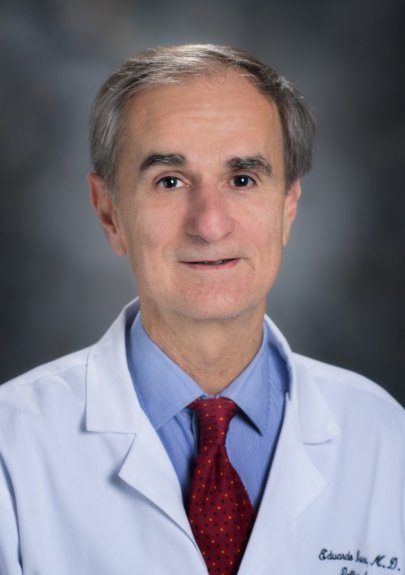 Eduardo Bruera合作论文数Department of Palliative, Rehabilitation and Integrative Medicine, Division of Cancer Medicine, The University of Texas MD Anderson Cancer Center;Department of Supportive Care Center, Division of Cancer Medicine, The University of Texas MD Anderson Cancer Center26
 Vickie Baracos合作论文数Department of Oncology, Faculty of Medicine & Dentistry, University of Alberta25
 Fearon K C H合作论文数20
 Tora Skeidsvoll Solheim合作论文数Faculty of Medicine, Norwegian University of Science and Technology (NTNU),20
 Aurelius Omlin合作论文数Onkozentrum Zürich16
 Nathan I. Cherny合作论文数Shaare Zedek Medical Center16Cerny T合作论文数15j l palmer合作论文数14
 Jann Arends合作论文数Albert Ludwigs Univ Freiburg, Univ Klinikum Freiburg11Peter Fayers合作论文数Institute of Applied Health Sciences, University of Aberdeen;School of Medicine, Medical Sciences & Nutrition, University of Aberdeen11
 Augusto Caraceni合作论文数Università Trondheim in Norvegia;European Center for Palliative Care Research10deWolf-Linder S合作论文数10Dieter Koeberle合作论文数10Jie S Willey合作论文数9
 Balstad Trude R合作论文数Faculty of Medicine, Norwegian University of Science and Technology9Jane B. Hopkinson合作论文数9
 Barry Laird合作论文数Edinburgh Cancer Research Centre, Institute of Genetics and Cancer, College of Medicine & Veterinary Medicine, University of Edinburgh;St Columba’s Hospice;Edinburgh Cancer Centre9
 Egidio Del Fabbro合作论文数8
 Marianne Jensen Hjermstad合作论文数Department of Oncology, Oslo University Hospital8Muscaritoli Maurizio合作论文数7
 Lukas Radbruch合作论文数Klinik für Palliativmedizin, Universitätsklinikum Bonn;Helios Kliniken GmbH7
 Stefan D. Anker合作论文数Charité University;Charité Berlin7
 Akio Inui (乾明夫)合作论文数Pharmacological Department of Herbal Medicine, Kagoshima University Graduate School of Medical and Dental Sciences;Department of Psychosomatic Medicine, Kagoshima University Graduate School7
 Frank Skorpen合作论文数Faculty of medicine, Norwegian University of Science and Technology7Currow David C合作论文数6
 Guro Birgitte Stene合作论文数Department of Neuromedicine and Movement Science, Faculty of Medicine and Health Sciences, Norwegian University of Science and Technology;Centre for Crisis Psychology, University of Bergen6
 Anne-Sophie Darlington合作论文数School of Health Sciences, Faculty of Environmental and Life Sciences, University of Southampton6Oberholzer Rolf合作论文数6
 Alessandro Laviano合作论文数Dipartimento di Medicina Traslazionale e di Precisione, Sapienza Università di Roma6
 Gillessen Sommer Silke合作论文数Ente Ospedaliero Cantonale6
 R. Von Moos合作论文数Kantonsspital Graubünden6
 Sally J Wheelwright合作论文数School of Health Sciences, Faculty of Environmental and Life Sciences, University of Southampton6
 Rolf Oberholzer合作论文数5Monika Renz合作论文数5
 Ioannis Gioulbasanis合作论文数5Hui David合作论文数5de van der Schueren Marian A E合作论文数5
 Asta Bye合作论文数5Pinto Monica合作论文数5
 Christoph Driessen合作论文数Department of Medicine II, University of Tübingen5
 Deborah Fitzsimmons合作论文数5
 Richard Skipworth合作论文数Department of Clinical Surgery, University of Edinburgh5Pal Klepstad合作论文数5Sharon Watanabe合作论文数Palliative Care Program, Edmonton General Hospital5Federico Bozzetti合作论文数5
 Aminah Jatoi合作论文数Comprehensive Cancer Center, Mayo Clinic5
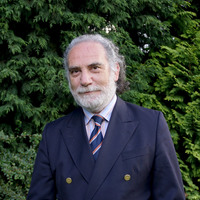 Riccardo Audisio合作论文数University of Liverpool5




