The establishment of memory T cell responses is critical to protection against pathogens and is influenced by the conditions under which memory formation occurs. Iron is an essential micronutrient for multiple immunologic processes and nutritional deficiency is a common problem worldwide. Despite its prevalence, the impact of nutritional iron deficiency on the establishment of memory T cell responses is poorly understood. In this study we investigate the impact of nutritional iron deficiency on the generation, phenotype, and function of memory T cell responses using a murine model of dietary iron modulation in the context of influenza infection. Iron deficient mice have decreased systemic iron levels and develop significant anemia. Increased T cell expression of the transferrin receptor (CD71) is seen in iron deficient mice at baseline. During primary influenza infection, iron deficient mice experience increased weight loss but mount antigen specific T cells responses. Following recovery from infection, influenza specific memory T cells formed under iron deficient conditions are functionally impaired, most notably within the lung. Importantly, the ability to produce interferon γ (IFN-γ) and tumor necrosis factor α (TNF-α) remains impaired in CD8+ T cells despite co-culture with iron replete dendritic cells. These results establish a critical effect of nutritional iron deficiency on T cell memory development and function.
To compare physiologically based serum hepcidin and ferritin thresholds for iron deficiency in adult female and male blood donors, we analysed laboratory results obtained during screening for a blood donor study. In 907 apparently healthy blood donors, we examined the relationships of hepcidin and ferritin with five indicators of the onset of iron-deficient red blood cell production: haemoglobin (Hb), soluble transferrin receptor (sTfR), erythrocyte zinc protoporphyrin (ZPP), reticulocyte haemoglobin content (Retic-Hb) and mean corpuscular volume (MCV). Serum hepcidin and ferritin were correlated (Pearson's r = 0.69, p = <0.001 females; r = 0.65, p < 0.001, males). At lower serum hepcidin and ferritin concentrations, Hb, Retic-Hb and MCV decreased and sTfR and ZPP increased. Using restricted cubic spline models, the hepcidin thresholds for iron deficiency in adult female donors 18-49 years, 50-75 years and all male blood donors 18-75 years old were 13.9, 24.8 and 28.8 μg/L respectively. The corresponding ferritin thresholds were 25.4, 30.7 and 32.5 μg/L respectively. Among blood donors 18-50 years old, serum hepcidin and ferritin thresholds for iron deficiency were lower in women than in men but were similar after 50 years of age. In conclusion, among adult blood donors, serum hepcidin and ferritin thresholds are similarly effective for detecting iron deficiency, especially among women.
Objective:Platelet transfusion thresholds for very low birth weight (VLBW, <1500g) infants vary widely, and the role of bleeding on platelet transfusion thresholds is unknown. Study Design:This observational birth cohort study of VLBW infants born in 7 hospitals across the US examined pre-transfusion platelet counts in infants with and without bleeding who received at least 1 platelet transfusion in the first 3 weeks of life using mixed effect linear regression models. Results:Of the 210 transfused infants, most (76%) had bleeding; intraventricular hemorrhage (IVH) was the most common (61%) bleeding type. Pre-transfusion platelet counts were not different among infants with or without bleeding diagnoses (56.3 vs 58.5×10³/μL, respectively; P=0.7). However, infants with severe IVH had higher platelet counts (68.9×10³/μL) compared to the entire cohort (53.5×10³/μL, P=0.01). Conclusion:Infants with or without bleeding diagnoses had similar pre-transfusion platelet counts; infants with severe IVH had higher pre-transfusion platelet counts.
As the most abundant human cell and the foundation of transfusion medicine, red blood cells (RBCs) offer a unique readout of systemic health, yet they have never been characterized at population scale. We generated a proteome atlas of 13,091 blood donors with multi-omics longitudinal phenotyping, characterizing the influence of demographics and genetic variation on the reproducibility of RBC proteomes across donations. Elastic-net aging clocks captured biological aging with high accuracy and uncovered genetic regulators of ΔAge at FN1, C4/IKZF1, CRAT, PFAS, TRIM58. Across independent cohorts, ΔAge was accelerated in G6PD deficiency, sickle cell trait/disease, and iron deficiency, reversed by iron repletion, and slowed in high-frequency donors, linking molecular aging to brain iron/myelin and cognitive performance. Molecular aging signatures predicted storage, osmotic, and oxidative hemolysis, hemoglobin increments after transfusion, and long-term donor activity over 12-years. These results establish RBC proteomics as a scalable biomarker of aging, donor healthspan, and transfusion outcomes. Abstract Figure: Highlights:RBC proteome atlas of 13,091 donors reveals demographic and genetic programsGenetically encoded RBC aging clocks identify regulators of molecular ΔageMolecular aging features predict hemolysis and transfusion response across cohortsRBC molecular age forecasts long-term donor activity over a 12-year follow-up.
Abstract To understand the impact of blood donor and product characteristics on platelet transfusion outcomes, we linked these variables with recipients of single-unit apheresis-derived platelet products between 1 June 2020 and 31 March 2022. We used multivariable logistic regression to examine associations between donor and product characteristics on posttransfusion platelet counts and 24-hour red blood cell (RBC) transfusion events in 2808 transfusion recipients who received ≥1 platelet transfusions (N = 8207 units). Posttransfusion platelet increments >20 × 109/L and RBC transfusion within 24 hours occurred after 24.9% and 37.7% of platelet transfusion events, respectively. After multivariable adjustment, donor variables, including increasing body mass index (BMI), platelet unit concentration, and elevated severe acute respiratory syndrome coronavirus 2 (SARS-CoV-2) nucleocapsid antibody levels, were associated with increased odds of recipient platelet increments of >20 × 109/L; whereas pathogen reduction, storage in platelet additive solution (PAS), platelet splits, and platelet storage between 5 and 7 days were associated with reduced odds. In parallel, increasing donor BMI and elevated SARS-CoV-2 nucleocapsid antibody levels were associated with lower odds of 24-hour RBC transfusion events. In contrast, pathogen reduction and irradiation were associated with increased odds of RBC transfusion, whereas longer storage, storage in PAS, and platelet unit concentration and splits were not associated with changes in RBC transfusion events. In conclusion, blood donor and product characteristics are predictors of changes in platelet counts and RBC requirements after platelet transfusion. Future studies examining the impact of blood donor and product characteristics on platelet function could be used to optimize platelet transfusion practice.
Importance:Few studies have evaluated whether modifiable aspects of red blood cell (RBC) transfusions are associated with recipient outcomes in very-low-birth-weight (VLBW) infants. Objective:To determine whether blood donor, RBC modifications and storage, or transfusion thresholds and characteristics are associated with serious adverse outcomes in VLBW infants undergoing transfusion. Design, Setting, and Participants:Transfusion in Preterm Infants was a prospective birth cohort study that recruited VLBW infants (<1500 g at birth) between April 1, 2019, and December 31, 2023, at 5 university-affiliated and 3 community birth hospitals in the US. Electronic medical record data linking blood donor and component data to infants were obtained and linked with Vermont Oxford Network outcome data, with additional outcome review by site. The analysis was completed in January 2026. Exposures:RBC transfusion and transfusion characteristics, evaluated up to the first outcome event. Main Outcomes and Measures:The primary outcome was a composite outcome of severe intraventricular hemorrhage (IVH), necrotizing enterocolitis (NEC), late-onset sepsis, severe bronchopulmonary dysplasia (BPD), retinopathy of prematurity, or death (and secondary individual outcomes), with follow-up through 90 days or death. Blood donor characteristics (sex, age, and hemoglobin), anticoagulant preservative solution and/or unit characteristics, transfused volumes, transfusion number, and infants' pretransfusion hemoglobin values were evaluated using multivariable generalized estimating equation regression models to account for correlation within hospital, adjusted for illness severity. Results:The study enrolled 2605 VLBW infants, and 1283 (586 [45.7%] female; 713 [55.6%] <27 weeks' gestational age) received RBC transfusion. Median pretransfusion hemoglobin level was associated with higher odds of the composite outcome (odds ratio [OR] per 1 g/dL increase, 1.15; 95% CI, 1.07-1.25; P < .001). In contrast, use of additive solution (AS)-1 or AS-5 vs the reference of citrate phosphate dextrose adenine or citrate phosphate dextrose as the anticoagulant preservative solution was associated with lower odds of the composite outcome (OR, 0.72; 95% CI, 0.53-0.97; P = .03). There were no significant associations with other examined modifiable factors and the composite outcome. Among secondary outcomes, anticoagulant preservative solution was associated with lower risk of BPD (AS-1 and AS-5, OR, 0.48; 95% CI, 0.33-0.69; AS-3, OR, 0.65; 95% CI, 0.56-0.77) and higher risk of NEC (AS-3, hazard ratio [HR], 5.33; 95% CI, 1.22-23.29). Transfusion dose was associated with higher risk of mortality (HR per 5 mL/kg, 1.25; 95% CI, 1.17-1.35), and donor age was associated with a lower risk of mortality (HR for age ≥60 years, 0.63; 95% CI, 0.44-0.92). Shorter postirradiation storage duration (<1 day) was associated with lower risk of NEC (HR, 0.44; 95% CI, 0.22-0.89). Female donor sex was associated with lower risk of IVH (HR, 0.60; 95% CI, 0.36-0.99). Conclusions and Relevance:In this cohort study of VLBW infants, pretransfusion hemoglobin and anticoagulant preservative solution were associated with a composite of morbidities and mortality, unlike other modifiable blood banking practices. For individual outcomes, select donor and blood banking factors were identified that may be modifiable targets for further evaluation.
BACKGROUND:The implementation of metabolomics-based quality assessment of stored red blood cells (RBCs) has been limited by logistical constraints and the need for sterile, scalable sampling strategies. Sampling RBC segments, routinely used for compatibility testing, offers a practical alternative to direct unit interrogation, but the biochemical equivalence of segments and transfusates has not been systematically evaluated. STUDY DESIGN AND METHODS:We performed semi-targeted metabolomics on 51 paired segments and transfusates collected immediately after transfusion to determine concordance across sampling sources. RESULTS AND DISCUSSION:Of the 250 metabolites detected in both matrices, approximately 70% showed significant positive correlations, spanning glycolytic, redox, lipid, and nucleotide pathways previously implicated in the RBC storage lesion. The top correlated metabolites displayed strong linear relationships independent of storage duration, confirming that segments reliably capture unit-level metabolic phenotypes. These results support the utility of segment-based omics profiling as a scalable, minimally disruptive approach for next-generation precision transfusion medicine.
Severe acute respiratory syndrome coronavirus 2 (SARS-CoV-2) remains a global public health concern. Anti-nucleocapsid (anti-N) serology is a key tool for identifying prior infection and supporting population-level surveillance. This study evaluated the clinical performance of the Elecsys® Anti-SARS-CoV-2 Anti-N immunoassay on the Cobas® e 601/602 immunoassay analyzer using real-world data from patients with polymerase chain reaction (PCR)-confirmed symptomatic SARS-CoV-2 infection. The study aimed to provide data which, along with clinical study data, supported the transition from Emergency Use Authorization of the assay to full clearance in the USA. We conducted a retrospective review of electronic medical records and laboratory information system data from patients who presented to Columbia University Irving Medical Center from March 2020 to March 2021. Eligible participants were symptomatic, unvaccinated individuals with PCR-confirmed SARS-CoV-2 infection who subsequently underwent serologic testing. Serologic results were categorized by days post symptom onset (DPSO): 0–7, 8–14, and ≥ 15 days. To avoid repeated measures, only the first serologic result per patient within each DPSO category was included. The primary endpoint was positive percent agreement (PPA) for nonimmunocompromised individuals tested at ≥ 15 DPSO, with a prespecified acceptance threshold of ≥ 90
BACKGROUND AND OBJECTIVES:Best platelet transfusion practices are unclear across intracranial hemorrhage (ICH) types, given the mortality risk. Reasons for this risk are unknown, but ABO-incompatible platelet transfusions may confer risk in certain populations. We assessed contemporary ICH platelet transfusion practices and whether ABO-incompatible platelet transfusions increase ICH mortality risk. METHODS:Adult patients with spontaneous intracerebral hemorrhage (sICH), traumatic ICH, and aneurysmal subarachnoid hemorrhage hospitalizations between 2019 and 2024 were assessed from a multicenter transfusion network. Relationships of platelet transfusions with 30-day mortality were assessed using logistic regression models adjusting for demographics, ICH type/severity, comorbidities, and other hemorrhage control therapies/transfusions. Among those receiving platelet transfusions, relationships of major ABO-incompatible platelet units with mortality risk were investigated using Cox models adjusting for similar covariates. Analyses were performed across the cohort and stratified by ICH subtype. RESULTS:Among 13 068 patients with ICH, 60% were male individuals, mean age was 66 (±19) years, 23% were from sICH, 69% from traumatic ICH, and 8% from aneurysmal subarachnoid hemorrhage cohorts. Acute platelet transfusions were given to 12% of the patients. Thrombocytopenia (<100 000 platelets/μL) and neurosurgical procedures, seen in 6% and 18% of the patients, respectively, were largest factors for platelet transfusions. In regression analyses, platelet transfusions themselves did not associate with mortality (adjusted hazard ratio [HR]: 1.14 [0.96-1.35]). However, among patients with ICH receiving platelet transfusions, ABO-incompatible units were common (37%) and had dose-dependent relationships with mortality (adjusted HR ≥2 exposures: 1.78 [1.18-2.70]). Stratified analyses revealed that patients with sICH were particularly vulnerable to mortality from even single exposures of ABO-incompatible units (adjusted HR 1 exposure: 1.97 [1.13-3.45]; ≥2 exposures: 2.78 [0.98-7.87]) compared with other ICH subtypes. CONCLUSION:Acute platelet transfusion practice remains prevalent in ICH, and platelet transfusion-related 30-day mortality risk may be influenced by ABO-incompatible platelet units. Clinical trials are needed to assess whether transfusion practice changes in providing ABO-matched platelets can improve outcomes in certain patients with ICH.
OBJECTIVE:To evaluate if hematologic thresholds for red blood cell (RBC) and platelet transfusions changed over time following publication of new evidence from randomized trials in a multicenter cohort of extremely low birth weight (ELBW) infants. STUDY DESIGN:We analyzed data from the National Heart Lung and Blood Institute Recipient Epidemiology and Donor Evaluation Study-IV-Pediatrics study from April 2019 through December 2023. We compared pretransfusion hemoglobin and platelet counts closest to each transfusion within 24 hours by year using linear mixed models and used model interaction terms to determine if trends over time differed by postnatal weeks. RESULTS:We evaluated 981 ELBW infants. For trends in RBC transfusion thresholds, 785 infants (80%) received 5182 RBC transfusions, of which 4835 (93%) had a pretransfusion hemoglobin value. Pretransfusion hemoglobin declined over time (P < .0001), with trends differing by postnatal week (interaction P = .005). The greatest year-over-year decline in pretransfusion hemoglobin was in the third postnatal week or later. For platelet transfusions, 221 infants (23%) received 934 platelet transfusions, of which 900 (96%) had a corresponding pretransfusion platelet count. There was no change in pretransfusion platelet count over time (P = .24). These trends did not differ by postnatal week (interaction P = .14), although pretransfusion platelet counts were lower after the first postnatal week (P < .001). CONCLUSIONS:In this cohort of US centers, we observed declines in pretransfusion hemoglobin but not pretransfusion platelet counts from 2019 to 2023. These findings suggest evidence from recent RBC and platelet transfusion threshold trials may have been differentially translated into clinical practice for ELBW infants.
BACKGROUND:Children undergoing cardiopulmonary bypass (CPB) surgery are vulnerable to bleeding and often require transfusions. Pathogen-reduced (PR) platelets may reduce microbial contamination but are associated with decreased platelet count increments and increased transfusions. We sought to evaluate hemostasis in children undergoing CPB surgery receiving PR platelets vs large-volume delayed sampling (LVDS) platelets. METHODS:We performed a retrospective review of children in a cardiac intensive care unit after CPB surgery from 2020 to 2022. Demographics, operative characteristics, transfusion details, and outcomes were compared. The primary outcome was postoperative chest tube bleeding in the first 24 hours. RESULTS:There were 522 patients enrolled; 47% (243/522) received LVDS platelets and 53% (279/522) received PR platelets. Median (interquartile range) age was 4 (0-29) months. There were no differences in age (P = .499) or The Society of Thoracic Surgeons-European Association for Cardio-Thoracic Surgery congenital heart surgery mortality score (P = .813). There were no differences between platelet groups in postoperative chest tube bleeding at 1 hour (2.9 vs 3.2 mL/kg; P = .179), 2 hours (4.9 vs 5.1 mL/kg; P = .368), 4 hours (7.7 vs 8.1 mL/kg; P = .433), 8 hours (11.9 vs 12.9 mL/kg; P = .610), 12 hours (17.0 vs 17.1 mL/kg; P = .966), or 24 hours (28.0 vs 27.0 mL/kg; P = .536) after surgery. There were also no differences in doses of red blood cells (P = .054), cell salvage (P = .220), plasma (P = .337), or cryoprecipitate (P = .091). CONCLUSIONS:Children who received PR platelets had the same amount of chest tube output and did not require increased transfusions compared with LVDS platelet recipients. In children undergoing CPB surgery, PR platelets appeared to provide adequate hemostasis with further theoretical benefit of reduced microbial contamination.
BACKGROUND:Variability in blood donors, components, and recipients are known to affect transfusion outcomes, yet the combined effects of these factors remains unclear. MATERIALS AND METHODS:The Red Blood Cell - Improving Transfusions for Chronically Transfused Recipients (RBC-IMPACT) study was a multi-center longitudinal study conducted in the United States (US) and Brazil over two years to investigate RBC survival after transfusion (Aim 1) and acute increase in iron post transfusion (Aim 2) (see https://clinicaltrials.gov/study/NCT05255445). The US RBC-IMPACT study included patients with thalassemia and sickle cell disease (SCD) and, in Aim 2 only, children with hematology-oncology diseases with a hypoproliferative bone marrow. In Brazil, the study was conducted within an established SCD cohort. Blood samples were collected immediately before and after RBC transfusion to measure hemoglobin (Hb), hemoglobin A (HbA) in SCD, and markers of iron and hemolysis. Samples were collected two hours post transfusion in a subset of participants receiving primarily single unit transfusions for Aim 2. Transfusate samples were collected from transfused units. Single nucleotide polymorphism array typing of donors and recipients to measure genetic variants including those associated with increased in vitro hemolysis of stored RBCs was conducted. Comprehensive information regarding donors, components and some recipient data were linked to key clinical data extracted from recipients' medical records to assess factors associated with RBC transfusion effectiveness. RESULTS:The outcomes for Aim 1 were RBC survival between successive transfusions, calculated as ΔHbA per day for SCD and by ΔHb per day for thalassemia, and Δbilirubin for both patient groups. The primary outcome for Aim 2 was change in serum iron from before to 2 hours after transfusion. DISCUSSION:This study will be the most detailed and granular evaluation of the predictive variables that may optimize RBC effectiveness and safety in these chronically transfused patient populations.
BACKGROUNDBlood donation increases the risk of iron deficiency, but its effect on brain iron, myelination, and neurocognition remains unclear.METHODSThis ancillary study enrolled 67 iron-deficient blood donors, 19-73 years of age, participating in a double-blind, randomized trial. After donating blood, positive and negative susceptibility were measured using quantitative susceptibility mapping (QSM) MRI to estimate brain iron and myelin levels, respectively. Furthermore, neurocognitive function was evaluated using the NIH Toolbox, and neural network activation patterns were assessed during neurocognitive tasks using functional MRI (fMRI). Donors were randomized to i.v. iron repletion (1 g iron) or placebo, and outcome measures repeated approximately 4 months later.RESULTSIron repletion corrected systemic iron deficiency and led to trends toward increased whole brain iron (P = 0.04) and myelination (P = 0.02), with no change in the placebo group. Although overall cognitive performance did not differ significantly between groups, iron-treated participants showed improved engagement of functional neural networks (e.g., memory pattern activation during speed tasks, P < 0.001). Brain region-specific changes in iron and myelin correlated with cognitive performance: iron in the putamen correlated with working memory scores (P < 0.01), and thalamic myelination correlated with attention and inhibitory control (P < 0.01).CONCLUSIONIron repletion in iron-deficient blood donors may influence brain iron, myelination, and function, with region-specific changes in iron and myelination linked to distinct cognitive domains.REGISTRATIONClinicalTrials.gov NCT02990559FUNDINGThis work was funded by the NIH.
Background: Anemia is a risk factor for worse intracerebral hemorrhage (ICH) outcomes, yet the underlying drivers remain unclear. Though anemia and inflammation are interrelated, it is unknown whether anemia influences inflammatory responses to ICH. We investigated the impact of anemia on inflammatory cell phenotypes seen in murine brains with and without ICH. Methods: Two different models of anemia were generated from 8-week-old, female C57/BL6 mice. The separate cohorts included: 1) chronic anemia model via iron-deficient chow compared to iron replete control diet, and 2) acute anemia model via red blood cell hemolysis using anti-TER119 injection compared to IgG control injection. After confirmation of anemia vs control via modified Drabkin assays, ICH was induced via collagenase injection into the right striatum, and brains and peripheral blood harvested 24 hours after ICH. Separate single cell suspensions were prepared from ICH and non-ICH hemispheres as well as peripheral blood and cells were stained for immunophenotyping using flow cytometry. Similar procedures were performed in mice without ICH. Two-tailed Student's t-tests were performed to compare immune cell populations between anemic vs non-anemic mice. Results: We identified a robust cerebral immune response to ICH in all groups. In the chronic anemia model, infiltrating macrophages and lymphocytes, particularly T cells, were elevated, while helper and gamma-delta T cells were lower in the ICH hemisphere in iron deficient anemic mice compared to iron replete controls (p<0.05). However, in the acute anemia model, only non-parenchymal intracranial macrophages were significantly elevated in the ICH hemisphere in anemic anti-TER119 injected mice compared to IgG injected controls (p<0.05). Notably, we observed a significant increase in infiltrating lymphocytes in the contralateral hemispheres in both acute and chronic models of anemia, compared to non-anemic controls. These findings in the brain were distinct from peripheral blood, where no major differences in immune cell populations were noted. Finally, in anemic mice without ICH, we did not identify a differential cerebral immune response compared to non-anemic controls. Conclusions: Anemia can differentially impact the inflammatory response to ICH in the central nervous system, based on its etiology and chronicity. Further work is required to assess whether anemia modification can abrogate pathologic immune pathways and improve ICH outcomes.
BACKGROUND:Iron deficiency (ID) is the leading cause of anemia, contributes to reduced physical and cognitive performance, and increases the likelihood of red blood cell (RBC) transfusion in surgical patients. Adolescents undergoing scoliosis surgery are not routinely screened for ID, though they are at heightened risk of anemia and other adverse effects. STUDY DESIGN AND METHOD:Patients aged 11-18 years undergoing scoliosis surgery from September 2021 through August 2023 at our institution were approached for participation in a pilot study examining iron and hematologic parameters from the preoperative period through surgical recovery and their association with RBC transfusion. RESULTS:Clinical and laboratory data were obtained from a convenience sample of 46 adolescents (33 females, 13 males), of whom 17.4% (8/46) were anemic and 33.3% (14/42) were iron deficient. ID was more common in female patients (p = .017). RBC transfusions were given in 10.9% (5/46) of patients, more often in those with ID than without (28.6% vs. 3.6%, respectively, p = .018). At a clinic visit several weeks after surgery, 50% (12/24) of patients tested were anemic, while 74% (17/23) had low iron stores. CONCLUSIONS:Findings from this pilot study suggest that ID is present in over 30% of adolescents undergoing scoliosis surgery and is associated with a greater likelihood of receiving an RBC transfusion, while most patients had low iron stores during surgical recovery. Larger studies are needed to confirm the extent to which preoperative ID impacts the likelihood of RBC transfusion and to evaluate the benefit of iron supplementation.
Mature red blood cells (RBCs) lack mitochondria and thus exclusively rely on glycolysis to generate adenosine triphosphate (ATP) during aging in vivo or storage in blood banks. Here, we leveraged 13,029 volunteers from the Recipient Epidemiology and Donor Evaluation Study to identify associations between end-of-storage levels of glycolytic metabolites and donor age, sex, and ancestry-specific genetic polymorphisms in regions encoding phosphofructokinase 1, platelet (detected in mature RBCs); hexokinase 1 (HK1); and ADP-ribosyl cyclase 1 and 2 (CD38/BST1). Gene-metabolite associations were validated in fresh and stored RBCs from 525 Diversity Outbred mice and via multi-omics characterization of 1,929 samples from 643 human RBC units during storage. ATP and hypoxanthine (HYPX) levels-and the genetic traits linked to them-were associated with hemolysis in vitro and in vivo, both in healthy autologous transfusion recipients and in 5,816 critically ill patients receiving heterologous transfusions, suggesting their potential as markers to improve transfusion outcomes.
The establishment of memory T cell responses is critical to protection against pathogens and is influenced by the conditions under which memory formation occurs. Iron is an essential micronutrient for multiple immunologic processes and nutritional deficiency is a common problem worldwide. Despite its prevalence, the impact of nutritional iron deficiency on the establishment of memory T cell responses is not fully understood. In this study we investigate the impact of nutritional iron deficiency on the generation, phenotype, and function of memory T cell responses using a murine model of dietary iron modulation in the context of influenza infection. Iron deficient mice have decreased systemic iron levels and develop significant anemia. Increased T cell expression of the transferrin receptor (CD71) is seen in iron deficient mice at baseline. During primary influenza infection, iron deficient mice experience increased weight loss and phenotypic evidence of impairments in T cell activation. Following recovery from infection, iron deficient mice generate increased influenza specific memory T cells which exhibit impaired ability to produce IFNγ, most notably within the lung. Importantly, the ability to produce IFNγ and TNFα is not recovered by co-culture with iron replete dendritic cells, suggesting a T cell intrinsic alteration in functional memory formation. Altogether, these results isolate a critical effect of nutritional iron deficiency on T cell memory development and function.
 Steven L Spitalnik合作论文数Department of Pathology;Laboratory Medicine;Wistar Institute;University of Pennsylvania;Institute of;Case Western Reserve University;University of Pennsylvania, Case Western Reserve University125
 James Zimring合作论文数Center for Transfusion and Cellular Therapies;Department of Pathology;Laboratory Medicine;Emory University;School of Medicine;School of Medicine, Emory University69
 Richard O. Francis合作论文数47
 Angelo D'Alessandro合作论文数Department of Biochemistry and Molecular Genetics, School of Medicine, University of Colorado35
 Jeanne Hendrickson合作论文数Laboratory Medicine, Yale School of Medicine, Yale University30
 David Roh合作论文数27Bandyopadhyay Sheila合作论文数24Gary M. Brittenham合作论文数24
 Hudson Krystalyn E合作论文数Department of Pathology and Laboratory Medicine, Emory University School of Medicine23Thomas Tiffany合作论文数23Wojczyk Boguslaw S合作论文数21
 La Carpia Francesca合作论文数General Pathology Institute, Università Cattolica del Sacro Cuore20
 Nemkov Travis合作论文数From the ‡Department of Biochemistry and Molecular Genetics, University of Colorado Denver17Elizabeth Stone合作论文数15Beth Shaz合作论文数Department of Pathology, Duke University School of Medicine14
 Mitchell S. Elkind合作论文数Department of Neurology Stroke, College of Physicians and Surgeons, Columbia University;Mailman School of Public Health, Columbia University;New York-Presbyterian Hospital14
 Nareg H. Roubinian合作论文数14Jan Claassen合作论文数14Monika Dzieciatkowska合作论文数13Sachin Agarwal合作论文数13Soojin Park合作论文数12
 Azzurra Cottarelli合作论文数Vagelos College of Physicians and Surgeons (A.C., E.A.H.),, Columbia University11Xiaoyun Fu合作论文数11
 Kleinman, Steven合作论文数Department of Pathology and Laboratory Medicine, Faculty of Medicine, The University of British Columbia;Kleinman Biomedical Research11
 Cassandra D Josephson合作论文数11
 Stuart P. Weisberg合作论文数Vagelos College of Physicians & Surgeons, Columbia University Irving Medical Center10
 Reisz Julie A合作论文数Dept Biochem & Mol Genet, Univ Colorado Denver10R. O. Francis合作论文数9Annie Qiu合作论文数9
 Fernanda Carvalho Poyraz合作论文数Vagelos College of Physicians and Surgeons, Columbia University9
 Goel Ruchika合作论文数Department of Pathology, and Division of Pediatric Hematology, Johns Hopkins University;and.;Department of Pathology, and Division of Pediatric Hematology, Johns Hopkins University9
 Michael P. Busch合作论文数School of Medicine, University of California, San Francisco;Vitalant Research Institute;Blood Systems9
 Kirk Hansen合作论文数Trauma Research Center, Department of Surgery, School of Medicine,University of Colorado Anschutz;University of Colorado Denver;Omix Technologies, Inc.9Eric Mao合作论文数8Zachary C. Bitan合作论文数8Andrew Eisenberger合作论文数8
 Aditya Kumar合作论文数Dept Mat Sci & Engn, Missouri Univ Sci & Technol8Paul W. Buehler合作论文数Department of Pharmaceutics and Pharmacodynamics, The University of Illinois8Donald J. McMahon合作论文数Division of Endocrinolog, Department of Medicine, Columbia University Medical Center8Christopher Y Kim合作论文数7
 Debra A Kessler合作论文数7
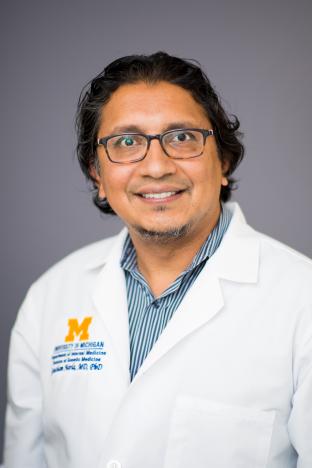 Goutham Narla合作论文数Division of Genetic Medicine, Medical School, University of Michigan7
 Wontakal Sandeep N合作论文数Albert Einstein Coll Med, Dept Cell Biol, Bronx, NY 10461 USA7Prestia Kevin A合作论文数7
 Pascal Amireault合作论文数France Institut National de la Transfusion Sanguine (INTS),, Paris Descartes-Université Sorbonne Paris Cité7
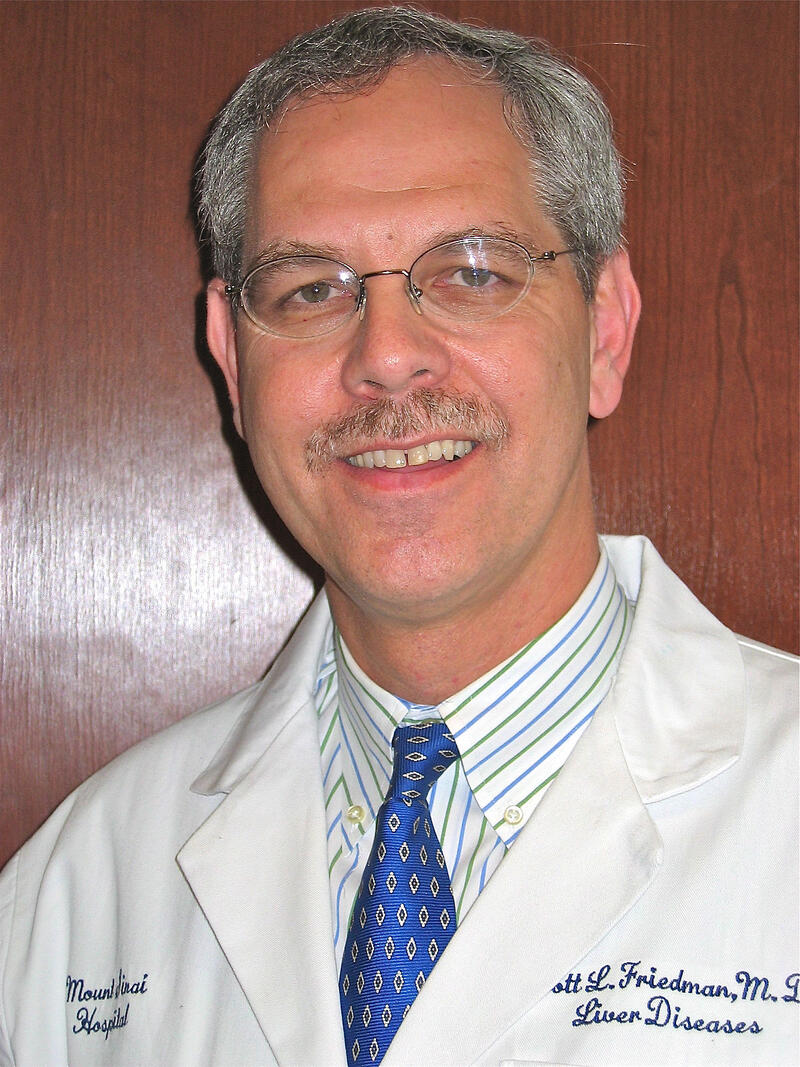 Scott L. Friedman合作论文数Division of Liver Diseases, Mount Sinai School of Medicine7
 Grier P. Page合作论文数RTI International7Alan E. Mast合作论文数7
 Lisa M. Baumann Kreuziger合作论文数Department of Medicine, Mayo Clinic7




