Importance The decision to transfuse a patient with myocardial infarction (MI) and anemia at a higher vs lower hemoglobin threshold must consider the potential benefit of reduced risk of 30-day death or MI and the potential risk of heart failure. Objectives To estimate bayesian posterior risk differences and posterior probabilities that a liberal vs restrictive transfusion strategy is associated with reduced risk of 30-day death or MI and whether the probabilities exceed predefined thresholds. Design, Setting, and Participants The Myocardial Ischemia and Transfusion (MINT) trial recruited adults from April 26, 2017, to April 14, 2023, who were hospitalized with MI and anemia at 144 sites in 6 countries. Statistical analysis was performed from July 31, 2024, to February 18, 2026. Intervention The MINT trial randomized participants to a restrictive (transfuse if hemoglobin is <7 to 8 g/dL) or liberal (maintain hemoglobin at >10 g/dL) transfusion strategy. Main Outcomes and Measures Bayesian posterior risk differences were estimated for 30-day death or MI and for heart failure using 3 prior beliefs regarding the treatment strategies: noninformative, liberal strategy superiority, or restrictive strategy superiority. Results The mean (SD) age of the 3504 participants was 72.1 (11.6) years and 1911 (54.5%) were men. Compared with the restrictive strategy, the risk of 30-day death or MI with the liberal strategy was 1.4% (95% credible interval, −0.8% to 3.5%) to 2.4% (95% credible interval, 0.3%-4.6%) lower, depending on prior beliefs. The probability that the liberal strategy was associated with a lower risk of 30-day death or MI ranged from 89.1% to 98.8%, and the probability that a liberal strategy was associated with at least 1 less death or MI per 100 treated was between 62.7% and 90.4%. Conversely, the risk of heart failure with the liberal strategy was 0.2% (95% credible interval, −1.6% to 1.2%) to 0.6% (95% credible interval, −2.0% to 0.8%) higher compared with the restrictive strategy, depending on prior beliefs. The probability that the liberal strategy was associated with a higher risk of heart failure ranged from 60.6% to 80.0%, and the probability that a liberal strategy was associated with at least 1 more heart failure event per 100 treated was between 13.3% and 29.3%. Conclusions and Relevance This post hoc analysis of a randomized clinical trial of patients with MI and anemia suggests that a liberal transfusion strategy was associated with a lower risk of 30-day death or MI, outweighing the increased risk of heart failure. Consistent with guideline recommendations and according to patients’ values and clinician risk assessment, a liberal transfusion strategy may be reasonable. Trial Registration ClinicalTrials.gov Identifier: NCT02981407
Hemorrhagic shock is a common emergency that accounts for more than 10% of global mortality and up to 40% of trauma-related mortality. The Advanced Trauma Life Support (ATLS) guidelines outline resuscitation strategies in patients with massive hemorrhage based on clinical trial and observational data. Early intervention with fluids and/or blood products is recommended during resuscitation as key to maintaining vascular patency, stabilizing a patient's blood pressure, maintaining tissue oxygenation, and limiting shock. From a transfusion perspective, there is wide heterogeneity in the quality of blood products due to donor and manufacturing variation. The optimal transfusion strategy for massive hemorrhage remains unclear. In silico models of resuscitation may offer a means to evaluate the effectiveness and safety of various resuscitation protocols. Here we describe a stochastic multicompartment model of fluid balance and resuscitation that includes (i) cardiovascular hemodynamics, (ii) body fluid compartments and capillary solute exchange, (iii) the ability to alter hemorrhage, resuscitation, and hemostasis parameters, and (iv) tissue oxygenation and capillary-alveolar gas exchange. Building upon deterministic frameworks, this stochastic model more faithfully reflects the clinical heterogeneity of bleeding patients at a level I trauma center. This allows for a proof of concept in silico trial comparing crystalloids, conventional component therapy (CCT), i.e. red cell, platelet and plasma components, to cold-stored low titer group O whole blood (LTOWB). In an in silico cohort of ATLS class III (>30% and ≤40% blood volume lost) hemorrhage, LTOWB resuscitation reduced the time spent in the critical hemostatic window (platelet count <50×109/L, INR≥2, hemoglobin (Hgb) <8 g/dL and fibrinogen <150 mg/dL) compared with CCT (90.59 vs. 147.62 minutes; p=0.04), with no difference in predicted event-free survival (t = 240 minutes; cardiac < 1.5, fluid overload > 10% or SBP > 150% of the starting SBP, or Hgb < 3.0 g/dL). In a separate cohort of ATLS class IV (>40% blood volume lost) hemorrhage, LTOWB yielded a higher predicted event-free survival (74%) versus the CCT arm (69%, p < 0.01). We demonstrate how this in silico platform can function as a digital twin for hemorrhagic trauma enabling precision transfusion strategies, and in parallel, an operational twin to support blood banks to forecast blood product demand and inform massive transfusion protocols and clinical trial design.
Background Despite wide utilization of automated red blood cell exchange (RBCX) transfusion in adult patients with sickle cell disease (SCD), no consensus or quality efficacy data exist on its use. The Sickle Cell Disease and CardiovAscular Risk- Red cell Exchange (SCD-CARRE) trial tests the hypothesis that an automated chronic RBCX transfusion strategy reduces acute health care encounters and death while improving quality of life and end-organ function (cardiac, pulmonary and renal) in participants with SCD that are at high risk of death. Methods Adult patients with SCD with elevated tricuspid regurgitant jet velocity (TRV) and/or chronic kidney disease were considered to be at high risk of death and were randomly assigned to RBCX plus standard of care vs standard of care alone. Participants assigned to RBCX received 12 months of exchange transfusions to maintain target pretransfusion hemoglobin S% < 30%, post-transfusion hemoglobin S% < 20%, and post-transfusion hemoglobin concentration ≥10 g/dL. All study participants were managed according to NHLBI/ASH/ATS Expert Panel guidelines. The primary endpoint was the number of SCD acute health care encounters or death over 13 months. Secondary endpoints included measures of cardiovascular and renal function, exercise capacity, patient reported outcomes (all collected at baseline, and months 4, 8, and 12), and transfusion-related adverse events (collected monthly). Results Between 2020 and 2025, the SCD-CARRE trial randomized 173 participants at 23 sites across 3 countries. Enrolled participants had mean (SD) age of 45.8 (11.8) years and 54% were female. At baseline, participants had average TRV of 2.8 (0.5) m/s such that 45.9% had a TRV between 2.5 to 2.9 m/sec and 28.1% had a TRV ≥ 3.0 m/sec. The median (Q1, Q3) eGFR in this cohort was 60 (36, 110) mL/min/1.73 m2. The median (Q1, Q3) 6-minute walk test distance was 375 meters (309, 439), the median daily steps were 3,728 (2,187, 5,821), and participants experienced a median (Q1, Q3) of 2 (1, 5) pain episodes in the year prior to randomization. The trial results are pending. Conclusions The SCD-CARRE trial successfully enrolled a cohort of n = 173 adults with SCD. This study highlights a rationale to evaluate the effect of automated chronic RBCX transfusion strategy plus standard of care as compared to standard of care alone in SCD patients at high risk of death with a focus on patient centered outcomes, preservation of cardiovascular function, end-organ complications and death. Trial registration ClinicalTrials.gov, Identifier: NCT04084080, https://clinicaltrials.gov/study/NCT04084080.
Sickle cell disease (SCD) care includes pharmacologic disease-modifying therapies (pDMTs) and chronic blood transfusion therapy (CBT). Using Optum Labs Data Warehouse (2014–2021), we identified individuals with SCD and classified yearly treatment as pDMT only, CBT only, combined pDMT + CBT, or no disease-modifying therapy. Among 4,100 patients, 26
Randomized trials reported no benefit from transfusion of red blood cell (RBC) units stored for shorter durations compared to standard care. However, there was insufficient evidence to exclude harms at extremes of storage age or explore subgroup differences. We therefore performed an individual patient data meta-analysis to determine the effect of fresher vs. older RBC transfusion on 28-day mortality in hospitalized adults. Individual patient data was sought from clinical trials that randomized more than 1000 adult patients. For the meta-analysis, we used a logistic regression model with a trial-specific fixed effect. Four studies provided individual data from 33,549 patients enrolled from March 2009 through December 2016 from 12 countries. After exclusions, 32,959 (98.2%) patients were included in the analysis. Patients received a median (IQR) of 2 (1 – 4) RBC units with a storage duration of 10 (7 – 15) days in the fresh and 23 (16 – 30) days in the older group. Death occurred in 1,446 of 12,236 patients (11.8%) in the fresher and 1,984 of 20,572 patients (9.6%) in the older group (odds ratio 1.06; 95% CI 0.98 to 1.14; p=0.124). No significant subgroup differences were identified. We found an association between receiving one and two or more RBCs ≤7 days and higher mortality (odds ratio 1.18, 95%CI 1.02 to 1.35; p=0.024 and 1.17, 95% CI 1.04 to 1.32; p=0.015, respectively), but not with any RBC ≥35 days. Adjusted analyses confirmed these findings. Our findings support current blood inventory management policies and are applicable to most hospitalized adults.ClinicalTrials.gov: NCT05482737
BackgroundClinical guidelines have concluded that there are insufficient data to provide recommendations for the hemoglobin threshold for the use of red cell transfusion in patients with acute myocardial infarction (MI) and anemia. After the recent publication of the Myocardial Infarction and Transfusion (MINT) trial, we performed an individual patient-level data meta-analysis to evaluate the effect of restrictive versus liberal blood transfusion strategies.MethodsWe conducted searches in major databases. Eligible trials randomly assigned patients with MI and anemia to either a restrictive (i.e., transfusion threshold of 7-8 g/dl) or liberal (i.e., transfusion threshold of 10 g/dl) red cell transfusion strategy. We used individual patient data from each trial. The primary outcome was a composite of 30-day mortality or MI.ResultsWe included 4311 patients from four trials. The primary outcome occurred in 334 patients (15.4%) in the restrictive strategy and 296 patients (13.8%) in the liberal strategy (relative risk [RR] 1.13, 95% confidence interval [CI], 0.97 to 1.30). Death at 30 days occurred in 9.3% of patients in the restrictive strategy and in 8.1% of patients in the liberal strategy (RR 1.15, 95% CI, 0.95 to 1.39). Cardiac death at 30 days occurred in 5.5% of patients in the restrictive strategy and in 3.7% of patients in the liberal strategy (RR 1.47, 95% CI, 1.11 to 1.94). Heart failure (RR 0.89, 95% CI, 0.70 to 1.13) was similar in the transfusion strategies. All-cause mortality at 6 months occurred in 20.5% of patients in the restrictive strategy compared with 19.1% of patients in the liberal strategy (hazard ratio 1.08, 95% CI, 1.05 to 1.11).ConclusionsPooling individual patient data from four trials did not find a definitive difference in our primary composite outcome of MI or death at 30 days. At 6 months, a restrictive transfusion strategy was associated with increased all-cause mortality. (Partially funded by a grant from the U.S. National Heart, Lung, and Blood Institute [R01HL171977].) Among adults with myocardial infarction, targeting a higher transfusion threshold (i.e., transfusion threshold of 10 g/dl) might lead to improved all-cause mortality based on an individual patient meta-analysis of four randomized trials.
Globally, sickle cell disease (SCD) is the most common inherited haemoglobinopathy. The highest burden of SCD is encountered in low- and middle-income countries (LMICs), most of which lack the resources to contend with the disease. There is a marked divide between care for individuals with SCD in high-income countries (HICs) versus LMICs, whereby the few disease-modifying therapies and curative regimens are only accessible to those in HICs. As such, blood transfusion remains central to the emergent treatment and prevention of complications of SCD. However, there are a myriad of related challenges in LMICs, which have impeded efforts to treat patients with SCD effectively. In addition to blood safety and availability, examples that impact SCD specifically include capabilities to detect and/or manage red blood cell alloimmunization, capacity for automated red cell exchange, limited immunohematology, suboptimal quality oversight with a lack of safeguards to prevent transfusion of incompatible blood and limited or absent post-transfusion surveillance to detect and/or manage transfusion-associated adverse events. Consequently, clinical practices that are otherwise regarded as standard of care in HICs remain the exception in LMICs, highlighting disparities in care. A multifaceted approach that prioritizes transfusion support in LMICs is needed to improve care for patients with SCD.
BACKGROUND AND OBJECTIVES:Prophylactic granulocyte transfusions (PGTxs) are controversial. Previous studies faced numerous confounders such as achieving an adequate dose. Pre-emptive or secondary PGTx for persistent, severe pre-transplant infections has rarely been reported for patients undergoing haematopoietic stem cell transplantation (HSCT). Here, we reviewed the feasibility, safety and implementation of high-dose PGTx in high-risk patients undergoing HSCT with a history of persistent, recurrent infections. MATERIALS AND METHODS:We conducted a retrospective review (2018-2021) for all HSCT patients who received high-dose PGTx from donors stimulated with granulocyte colony-stimulating factor and dexamethasone at our tertiary medical centre. PGTx was carried out as secondary prophylaxis to prevent infection recurrence/progression. RESULTS:Seven patients received PGTx during HSCT; 95% of all transfused products contained a dose ≥0.6 × 10⁹/kg. Post-transfusion absolute neutrophil count (ANC) showed an average increase of 5.5 ± 3.7 × 10⁹/L. All PGTxs were well tolerated, with no evident transfusion reactions, adverse effects or human leukocyte antigen alloimmunization. A high overall survival rate (100% at day 30), afebrile rate (85%) and absence of infections were noted. CONCLUSION:Optimized high-dose PGTx resulted in a measurable ANC increase and was well tolerated. Although efficacy and safety remain to be established, we highlight the ability to produce and implement optimized high-dose PGTx for high-risk patients undergoing HSCT.
Background: Adults with sickle cell disease (SCD) experience reduced physical capacity due to anemia and cardiopulmonary complications. Compromised physical functioning and low engagement in daily activities among individuals with SCD can indicate and cause decline in mental and physical health. Monitoring exertion and functioning in real time can give us insight into risk factors for disease outcomes and improve care in this population, enabling better prediction and prevention of disease progression. Limited research has explored wearable technology to assess disease-related biobehavioral symptoms in this population. Our group has shown that wearable data can be used to collect these data and predict outcomes in the hospital setting. Here we sought to evaluate whether remote monitoring of activity, sleep, and physiology is feasible in ambulatory real-world settings, with a high-risk SCD population. We hypothesized that we could remotely collect valid wearable data from ≥80% of SCD patients enrolled in a multisite trial. Methods: We conducted an ancillary study within the SCD-CARRE trial, a 12-month multi-site randomized controlled trial, testing whether monthly RBC exchange transfusion added to usual care reduces SCD-related clinical episodes in high-risk adults. High-risk criteria included: TRV ≥3.0 m/sec, TRV 2.5-2.9 m/sec plus NT-proBNP ≥160 pg/mL, or chronic kidney disease with macroalbuminuria/proteinuria or eGFR <60 mL/min/1.73m². Participants wore Garmin devices continuously for 7-day periods at baseline and follow-up visits at 4, 8, and 12 months. Valid data was defined as ≥3 days with ≥10 hours of device wear per day. Feasibility was operationalized as >80% valid data collection among those with available data. Secondary outcomes included descriptive analysis of activity metrics (step counts, sedentary and active time), sleep parameters (deep, light, REM, awake duration), and heart rate variables (average, minimum, maximum HR), averaged across all valid days available. Results: Of the 173 participants enrolled in SCD-CARRE, 155 (89.6%) had Garmin watch data available, with 18 participants having no data due to device errors, device not placed, or data still pending at time of analysis. Among those with available data, 10 participants (6.5%) had zero valid wear days, while 145 (93.5%) achieved at least one valid wear day. A total of 132 participants (76.3% of enrolled, 85.2% of those with available data) met our primary feasibility criteria. Participants without valid data were more likely to be on intensive disease-modifying therapies, including hydroxyurea (87.8% vs 64.4%, p<0.01) and other agents such as glutamine or P-selectin inhibitors (31.7% vs 15.2%, p=0.03). There were no other differences between groups. Participants with valid wearable data demonstrated excellent device compliance with a mean wear time of 21.5 hours per day (SD 3.7), indicating nearly continuous monitoring. Activity metrics showed mean daily steps of 4,226 (SD 3,337), sedentary time of 18.0 hours (SD 3.9), and active time of 3.5 hours (SD 2.0). Heart rate parameters were within expected ranges with mean values of 80.2 bpm (average), 60.0 bpm (minimum), and 121.9 bpm (maximum). Sleep data were available for 106 participants, showing mean total sleep duration of 6.3 hours (SD 1.9), with light sleep averaging 4.0 hours (SD 1.4) and deep sleep 2.4 hours (SD 1.4). Conclusions: This is the largest study to date to successfully demonstrated feasible wearable data collection adults with SCD in real-world ambulatory settings. Of 155 participants with any data, 85.2% (132) had ³3 days of valid data, comparable to published compliance rates of 80-90% in similar studies. However, 18 participants generated no data, suggesting device distribution, wear, or technical issues. Patients on disease-modifying therapies were more likely to have missing or insufficient data, suggesting greater compliance challenges in those requiring intensive medical management. Mean activity, heart rate, and sleep metrics were within expected ranges and varied significantly across participants. Study limitations included discontinued oxygen saturation monitoring due to unreliable data quality, sleep compliance issues, and device malfunctions. Future studies will examine correlations with clinical outcomes and treatment differences. These findings support feasibility of remote monitoring in SCD populations for both research and clinical care.
BACKGROUND:Donor genetic variation is associated with red blood cell (RBC) storage integrity and post-transfusion recovery. Our previous large-scale genome-wide association study demonstrated that the African G6PD deficient A- variant (rs1050828, Val68Met) is associated with higher oxidative hemolysis after cold storage. Despite a high prevalence of X-linked G6PD mutation in African American population (>10%), blood donors are not routinely screened for G6PD status and its importance in transfusion medicine is relatively understudied. STUDY DESIGN AND METHODS:To further evaluate the functional effects of the G6PD A- mutation, we created a novel mouse model carrying this genetic variant using CRISPR-Cas9. We hypothesize that this humanized G6PD A- variant is associated with reduced G6PD activity with a consequent effect on RBC hemolytic propensity and post-transfusion recovery. RESULTS:G6PD A- RBCs had reduced G6PD protein with ~5% residual enzymatic activity. Significantly increased in vitro hemolysis induced by oxidative stressors was observed in fresh and stored G6PD A- RBCs, along with a lower GSH:GSSG ratio. However, no differences were observed in storage hemolysis, osmotic fragility, mechanical fragility, reticulocytes, and post-transfusion recovery. Interestingly, a 14% reduction of 24-h survival following irradiation was observed in G6PD A- RBCs compared to WT RBCs. Metabolomic assessment of stored G6PD A- RBCs revealed an impaired pentose phosphate pathway (PPP) with increased glycolytic flux, decreasing cellular antioxidant capacity. DISCUSSION:This novel mouse model of the common G6PD A- variant has impaired antioxidant capacity like humans and low G6PD activity may reduce survival of transfused RBCs when irradiation is performed.
BackgroundAfter the transfusion of RhD-positive red blood cell (RBC)-containing products to an RhD-negative woman of childbearing potential (WCP) during trauma resuscitation, there are several events that must occur for that WCP to have a future pregnancy affected by hemolytic disease of the fetus and newborn (HDFN). This study identified and quantitated the frequency of a novel event in the sequence from RhD-positive transfusion during trauma resuscitation to an HDFN outcome, that is, the development of a high titer anti-D among women who were D-alloimmunized.MethodsThe transfusion service records at one maternity hospital were searched to locate all anti-D titers that had been performed on pregnant women between 1996 and 2022. The highest titer score during each pregnancy was recorded for this study. The critical titer threshold at this institution was ≥16. Passive anti-D caused by Rh immunoglobulin were excluded from analysis.ResultsThere were 97 pregnancies in 85 patients who had an immune-stimulated anti-D; in 60 of 97 (62%) pregnancies, the highest titer score was ≥16. There were 12 patients who had titers performed in two pregnancies during the study period; the correlation between the maximum titer in each pregnancy was not statistically significant (Spearman rank correlation r=0.42, p=0.17).ConclusionIn this single center study, 62% of D-alloimmunized pregnant women had a high titer antibody. When considering all of the events that must occur for HDFN to happen, the rate of perinatal mortality was calculated to be 0.04% and the rate of perinatal death or serious adverse event from HDFN was 0.24%.
BACKGROUND:Despite prophylactic platelet transfusions, hypoproliferative thrombocytopenia is associated with bleeding; historical risk factors include hematocrit (HCT) ≤ 25%, activated partial thromboplastin time ≥ 30 s, international normalized ratio ≥ 1.2, and platelets ≤ 5000/μL. METHODS:We performed a post hoc analysis of bleeding outcomes and risk factors in participants with hematologic malignancy and hypoproliferative thrombocytopenia enrolled in the American Trial to Evaluate Tranexamic Acid Therapy in Thrombocytopenia (A-TREAT) and randomized to receive either tranexamic acid (TXA) or placebo. RESULTS:World Health Organization (WHO) grade 2+ bleeding occurred in 46% of 330 participants, with no difference between the TXA (44%) and placebo (47%) groups (p = 0.66). Overall, the most common sites of bleeding were oronasal (18%), skin (17%), gastrointestinal (11%), and genitourinary (11%). Among participants of childbearing potential, 28% experienced vaginal bleeding. Platelets ≤5000/μL and HCT < 21% (after adjusting for severe thrombocytopenia) were independently associated with increased bleeding risk (HR 3.78, 95% CI 2.16-6.61; HR 2.67, 95% CI 1.35-5.27, respectively). Allogeneic stem cell transplant was associated with nonsignificant increased risk of bleeding versus chemotherapy alone (HR 1.34, 95% CI 0.94-1.91). DISCUSSION:The overall rate of WHO grade 2+ bleeding was similar to previous reports, albeit with lower rates of gastrointestinal bleeding. Vaginal bleeding was common in participants of childbearing potential. Platelets ≤5000/μL remained a risk factor for bleeding. Regardless of platelet count, bleeding risk increased with HCT < 21%, suggesting a red blood cell transfusion threshold above 21% should be considered to mitigate bleeding. More investigation is needed on strategies to reduce bleeding in this population.
Objectives:Trauma-induced coagulopathy (TIC) occurs in a subset of severely injured trauma patients. Despite having achieved surgical hemostasis, these individuals can have persistent bleeding, clotting, or both in conjunction with deranged coagulation parameters and typically require transfusion support with plasma, platelets, and/or cryoprecipitate. Due to the multifactorial nature of TIC, targeted interventions usually do not have significant clinical benefits. Therapeutic plasma exchange (TPE) is a non-specific modality of removing and replacing a patient's plasma in a euvolemic manner that can temporarily normalize coagulation parameters and remove deleterious substances, and may be beneficial in such patients with TIC.Methods:In a prospective case series, TPE was performed in severely injured trauma patients diagnosed with TIC and transfusion requirement. These individuals all underwent a series of at least 3 TPE procedures performed once daily with plasma as the exclusive replacement fluid. Demographic, injury, laboratory, TPE, and outcome data were collected and analyzed.Results:In total, 7 patients received 23 TPE procedures. All patients had marked improvements in routine coagulation parameters, platelet counts, a disintegrin and metalloproteinase with a thrombospondin type 1 motif, member 13 (ADAMTS13) activities, inflammatory markers including interleukin-6 concentrations, and organ system injuries after completion of their TPE treatments. All-cause mortality rates at 1 day, 7 days, and 30 days were 0%, 0%, and 43%, respectively, and all patients for whom TPE was initiated within 24 hours after injury survived to the 30-day timepoint. Surgical, critical care, and apheresis nursing personnel who were surveyed were universally positive about the utilization of TPE in this patient population. These procedures were tolerated well with the most common adverse event being laboratory-diagnosed hypocalcemia.Conclusion:TPE is feasible and tolerable in severely injured trauma patients with TIC. However, many questions remain regarding the application of TPE for these critically ill patients including identification of the optimal injured population, ideal time of treatment initiation, appropriate treatment intensity, and concurrent use of adjunctive treatments.Level of evidence:Level V.
BACKGROUND:Granulocyte transfusions for patients with prolonged neutropenia and severe infections has been a controversial practice. Previous studies suggest a benefit of high-dose granulocyte transfusions (≥0.6 × 10⁹/kg), although, until recently, the consistent production of high-dose units has been challenging. Here, we present our experience and results utilizing high-dose granulocyte transfusions at a large, tertiary academic medical center for the treatment of infections in adult, neutropenic patients. STUDY DESIGN/METHODS:A retrospective chart review (2018-2021) was conducted for all patients who received high-dose granulocyte transfusions from donors stimulated with granulocyte colony-stimulating factor (G-CSF) and dexamethasone. Gathered parameters included patient demographics, clinical history, infection status, dose, clinical outcomes, pre- and post-absolute neutrophil count (ANC), and transfusion times including time between granulocyte collection, administration, and posttransfusion ANC count. Gathered parameters were summarized using descriptive statistics, outcomes were assessed utilizing Kaplan-Meier curves/log-rank/regression testing. RESULTS:Totally 28 adult, neutropenic patients refractory to antimicrobial agents and/or G-CSF received a total of 173 granulocyte concentrates. Median ANC increased from 0.7 × 10⁹/L pre-transfusion to 1.6 × 10⁹/L posttransfusion. The mean granulocyte yield was 77.4 × 10⁹ resulting in an average dose per kilogram of 0.90 × 10⁹ ± 0.30 × 10⁹ granulocytes. Composite day 42 survival and microbial response was 42.9% (n = 12/28) without significant adverse reactions. DISCUSSION:Here, we demonstrate the successful and safe implementation of high-dose granulocyte transfusions for neutropenic patients. Given the rapid and consistent production, distribution, and improved granulocyte quality, further investigations to determine the clinical efficacy of G-CSF primed granulocyte transfusions is now possible.
Background: Tranexamic acid (TXA) is an antifibrinolytic agent that reduces bleeding in a multitude of clinical settings from postpartum hemorrhage to trauma. TXA may have clinical effects unrelated to bleeding; plasminogen, the target of TXA, alters immune responses, and TXA appears to decrease the risk of infection in patients undergoing cardiac surgery, as well as joint arthroplasty. Objectives: To address whether TXA alters rates of infection and inflammatory outcomes in patients with hematologic malignancies. Methods: We performed a post hoc analysis of outcomes of patients randomized to receive either TXA or placebo in the double-blinded, multicenter American Trial to Evaluate Tranexamic Acid Therapy in Thrombocytopenia (Clinicaltrials.gov identifier: Results: TXA did not change the overall rate of infections, but the rate of severe infections (Common Toxicology Criteria for Adverse Events grade 3+) was lower in patients who received TXA compared with the placebo group. Patients who experienced grade 3+ infections had higher rates of World Health Organization grade 2+ bleeding and red blood cell transfusion requirements than patients who did not experience a grade 3+ infection, irrespective of treatment group. TXA did not impact other inflammatory outcomes such as mucositis, rash, or graft vs host disease. Conclusion: Patients with hematologic malignancies who received TXA had less severe infections than those who received placebo with no difference in overall rate of infection or other inflammatory outcomes. Further investigation is needed on the impact of TXA on infections in this population.
COVID-19 convalescent plasma (CCP) was one of the first therapies to receive emergency use authorization for management of COVID-19. We assessed the effectiveness of CCP in a propensity-matched analysis, and whether the presence of antibodies in the recipient at the time of treatment or the titer of antibodies in the administered CCP influenced clinical effectiveness. In an inpatient population within a single large health system, a total of 290 CCP patients were matched to 290 controls. While CCP increased titers of anti-SARS-CoV-2 RBD IgG titers post-CCP (p = <0.0001), no differences in 30-day survival were observed between CCP patients and controls in univariate and multivariate analyses. Survival at 30 days was numerically lower in recipients who were seronegative prior to CCP administration, compared to those with low titer and high titer anti-SARS-CoV-2 RBD IgG, respectively, but did not reach statistical significance (56% vs 82% vs 75%, p = 0.16). Patients who received 2 units of high-titer CCP had numerically better survival versus those who received fewer high-titer units, but this was not statistically significant (p = 0.08). CCP did not improve 30-day survival compared to propensity matched controls. Together these data support that CCP therapy provides limited benefit to hospitalized patients with SARS-CoV-2 infection.
The American Trial Using Tranexamic Acid (TXA) in Thrombocytopenia (A-TREAT, NCT02578901) demonstrated no superiority of TXA over placebo in preventing World Health Organization (WHO) grade 2 or higher bleeding in patients with severe thrombocytopenia requiring supportive platelet transfusion following myeloablative therapy for hematologic disorders. In this ancillary study, we sought to determine whether this clinical outcome could be explained on the basis of correlative assays of fibrinolysis. Plasma was collected from A-TREAT participants (n = 115) before the initiation of study drug (baseline) and when TXA was at steady-state trough concentration (follow-up). Global fibrinolysis was measured by 3 assays: euglobulin clot lysis time (ECLT), plasmin generation (PG), and tissue-type plasminogen activator (tPA)-challenged clot lysis time (tPA-CLT). TXA was quantified in follow-up samples by tandem mass spectrometry. Baseline samples did not demonstrate fibrinolytic activation by ECLT or tPA-CLT. Furthermore, neither ECLT nor levels of plasminogen activator inhibitor-1, tPA, plasminogen, alpha2-antiplasmin, or plasmin-antiplasmin complexes were associated with a greater risk of WHO grade 2+ bleeding. TXA trough concentrations were highly variable (range, 0.7-10 mu g/mL) and did not correlate with bleeding severity, despite the fact that plasma TXA levels correlated strongly with pharmacodynamic assessments by PG (Spearman r, -0.78) and tPA-CLT (r, 0.74). We conclude that (1) no evidence of fibrinolytic activation was observed in these patients with thrombocytopenia, (2) trough TXA concentrations varied significantly between patients receiving the same dosing schedule, and (3) tPA-CLT and PG correlated well with TXA drug levels.
The use of blood products to resuscitate injured and massively bleeding patients in the prehospital and early in-hospital phase of the resuscitation is increasing. Using group O red blood cells (RBC) and low titer group O whole blood (LTOWB) avoids an immediate hemolytic reaction from recipient's naturally occurring anti-A and - B, but choosing the RhD type for these products is more nuanced and requires the balancing of product availability and survival benefit against the risk of D-alloimmunization, especially in females of childbearing potential (FCP) due to the possible future occurrence of hemolytic disease of the fetus and newborn (HDFN). Recent models have estimated the risk of fetal/neonatal death from HDFN resulting from D-alloimmunization of an FCP during her trauma resuscitation at between 0-6.5% depending on her age at the time of the transfusion and other societal factors including trauma mortality, her age when she becomes pregnant, frequency of different RHD genotypes in the population, and the probability that the woman will have children with different fathers; this is counterbalanced by an approximately 24% risk of death from hemorrhagic shock. This review will discuss the different models of HDFN outcomes following RhD-positive transfusion as well as the results of recent surveys where the public was asked about their preferences for urgent transfusion in light of the risks of fetal/neonatal adverse events.
Introduction Despite prophylactic platelet transfusions, World Health Organization (WHO) grade ≥ 2 bleeding occurs in 50 to 70% of patients with hematologic malignancies and hypoproliferative thrombocytopenia secondary to therapy and/or underlying disease (Gernsheimer et al, Blood 2022). Anemia (hematocrit, HCT ≤ 25%), coagulopathy (activated partial thromboplastin time ≥ 30s, international normalized ratio ≥ 1.2), and platelet count ≤ 5000/µl were independently associated with increased risk of bleeding in the PLADO (platelet dose) trial of 1272 patients with hypoproliferative thrombocytopenia treated between 2004 to 2007 (Uhl et al, Blood 2017). Updated data on bleeding outcomes and risk of bleeding is lacking. Methods We performed a post-hoc analysis of bleeding outcomes and bleeding risk factors in 330 patients with hematologic malignancy and hypoproliferative thrombocytopenia from therapy and/or underlying disease randomized at 3 institutions to receive either tranexamic acid (TXA) or placebo in the double-blinded, multicenter American Trial to Evaluate Tranexamic Acid Therapy in Thrombocytopenia (A-TREAT) (Gernsheimer et al, Blood 2022). Patients received prophylactic platelet transfusions for a platelet count of ≤ 10,000/µl and WHO grade bleeding was assessed daily for 30 days after a platelet count ≤ 30,000/µl and study drug was started. Study drug was discontinued when platelet count was ≥ 30,000/ul for 46 hours without platelet transfusion support or until a maximum of 30 days after treatment activation, whichever came first. Red blood cell (RBC) transfusion was given according to local standard of care. Cox proportional hazards regression with time-varying covariates was used to assess the association of patient characteristics with the risk of a first major (grade 2+) bleeding event. HCT, platelet count, inpatient vs. outpatient status, steroid treatment, and fever were recorded daily. Patients were censored at the first of time of withdrawal, death, or day 30. Results WHO grade ≥ 2 bleeding occurred in 46% of patients overall with no difference between the TXA and placebo groups (TXA 44% versus placebo 47%, p=0.66). Bleeding rates were highest in allogeneic stem cell transplant patients, followed by chemotherapy, followed by autologous stem cell transplant. Overall bleeding rates by organ system showed oral and nasal (18%), skin (17%), gastrointestinal (11%), and genitourinary (11%) bleeding (Table 1). WHO grade ≥ 2 vaginal bleeding occurred in 28% of patients of childbearing potential despite widespread use of hormonal suppression. In a proportional hazards regression model of time to first bleeding event, undergoing allogeneic stem cell transplant was associated with a non-significant increased hazard of bleeding vs chemotherapy (HR 1.32, 95% CI 0.92-1.89), whereas autologous transplant had significantly lower hazard of bleeding vs chemotherapy (HR 0.39, 95% CI 0.20-0.76) (Table 2). HCT < 21% was associated with increased bleeding risk even after adjusting for severe thrombocytopenia (HR 2.71, 29% CI 1.37, 5.36). Platelet count < 5000/µl was also associated with increased risk (HR 3.33, 95% CI 1.67-6.61). Inpatient status, presence of fever, and age did not significantly impact risk of first bleed. Conclusions The overall rate of WHO grade >2 bleeding was similar to historical literature with lower rates of gastrointestinal bleeding than previously reported (31% in PLADO). Vaginal bleeding was common despite standard use of hormonal suppression in patients of childbearing potential. Platelet count < 5000/µl remains a risk factor for bleeding. Regardless of platelet count, bleeding risk increased with HCT < 21% suggesting a red blood cell transfusion threshold higher than 21% is unlikely to mitigate bleeding. More investigation is needed on strategies to reduce bleeding in this patient population.
 Mark H. Yazer合作论文数Department of Pathology, School of Medicine, University of Pittsburgh;Trauma and Transfusion Medicine Research Center, University of Pittsburgh82
 Kleinman, Steven合作论文数Department of Pathology and Laboratory Medicine, Faculty of Medicine, The University of British Columbia;Kleinman Biomedical Research50
 Murphy Edward L合作论文数35
 Michael P. Busch合作论文数School of Medicine, University of California, San Francisco;Vitalant Research Institute;Blood Systems33M. H. Yazer合作论文数29
 Mark T. Gladwin合作论文数School of Medicine, University of Maryland29
 Jonathan H. Waters合作论文数Department of Anesthesiology and Perioperative Medicine, University of Pittsburgh26Lirong Qu合作论文数26
 Jason L. Sperry合作论文数Department of Surgery, Division of Trauma and General Surgery, University of Pittsburgh Medical Center, Presbyterian Hospital;Department of Critical Care Medicine, University of Pittsburgh25
 Seheult Jansen N合作论文数Department of Medicine Respiratory Research Division, Royal College of Surgeons in Ireland24
 Nareg H. Roubinian合作论文数24Cable Ritchard G合作论文数American Red Cross20
 Philip Norris合作论文数Department of Medicine, University of California, San Francisco;Vitalant Research Institute, University of California, San Francisco;Center for AIDS Research, University of California, San Francisco20Donald Brambilla合作论文数20JE KISS合作论文数19Gottschall Jerome L合作论文数19
 Tamir Kanias合作论文数Blood Systems Research Institute, Vitalant Research Institute19Louis H. Alarcon合作论文数19
 Paul M Ness合作论文数Department of Otolaryngology-Head and Neck Surgery, School of Medicine, Johns Hopkins University18Joseph E. Kiss合作论文数18
 Daryl J. Kor合作论文数Center for Clinical and Translational Science, Mayo Clinic;Department of Anesthesiology and Perioperative Medicine, Mayo Clinic15
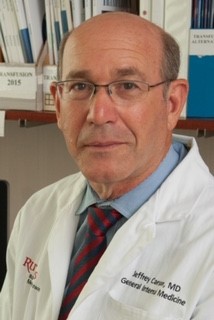 Jeffrey L. Carson合作论文数Department of Medicine, Robert Wood Johnson Medical School, Rutgers University15
 Simone Glynn合作论文数Blood Epidemiology and Clinical Therapeutic Branch, Division of Blood Diseases and Resources, National Heart, Lung, and Blood Institute, National Institutes of Health15
 Philip C. Spinella合作论文数Trauma and Transfusion Medicine Research Center, University of Pittsburgh Medical Center;Department of Surgery, University of Pittsburgh14Jerome Gottschall合作论文数13Christine M Leeper合作论文数13
 Delaney Meghan合作论文数13
 Jay S Raval合作论文数Department of Pathology, University of Pittsburgh;The Institute for Transfusion Medicine;The Institute for Transfusion Medicine, University of Pittsburgh13
 Jeanne Hendrickson合作论文数Laboratory Medicine, Yale School of Medicine, Yale University12
 Roberta Bruhn合作论文数Blood Systems Research Institute11
 Grier P. Page合作论文数RTI International11
 Bryan Ross Spencer合作论文数11
 Albert D. Donnenberg合作论文数McGowan Institute for Regenerative Medicine, University of Pittsburgh;Allegheny Singer Research Institute, Allegheny Healthcare Network11
 Matthew D Neal合作论文数Children’s Hospital of Pittsburgh of UPMC, University of Pittsburgh Medical Center11A. E. Mast合作论文数10
 Janet Lee合作论文数Division of Pulmonary and Critical Care Medicine, John T. Milliken Department of Medicine, School of Medicine, Washington University in St. Louis;Department of Pathology and Immunology, Washington University, St. Louis10
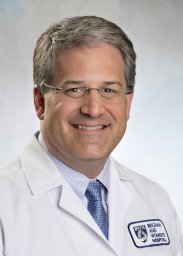 Richard M. Kaufman合作论文数From the Department of Hematology, Walter Reed Army Institute of Research10yanyun wu合作论文数9Matt Westlake合作论文数9
 Whitney R. Steele合作论文数Sci Affairs, Amer Red Cross9Alesia Kaplan合作论文数9
 Ron Strauss合作论文数Department of Pathology, University of Iowa;Department of Pediatrics, University of Iowa9
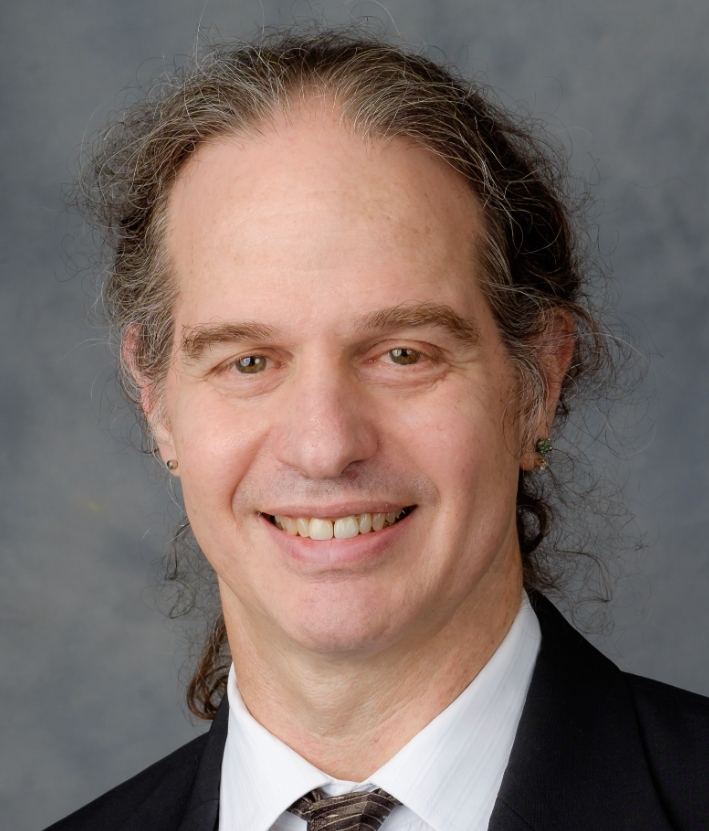 Daniel B. Kim-Shapiro合作论文数Department of Physics, Wake Forest University9M. T. Sullivan合作论文数8R. Kakaiya合作论文数8I Lopez-Plaza合作论文数8Nahed El Kassar合作论文数8Terry Gernsheimer合作论文数8Susan F. Assmann合作论文数8




