Patient-centered care is a way of thinking and doing things that considers patients partners in the development of a healthcare plan designed to meet their specific needs. It involves knowledge of the individual as a person and integrates that knowledge into their plan of care. Patient-centered care is central to the discussion of healthcare at the insurance and hospital-level. The quality of the service is evaluated more deeply from all the healthcare components, including insurance payments. It is the start of a new client- and patient-centered healthcare, which is based on a profound respect for patients and the obligation to care for them in partnership with them. Healthcare has been lacking a strategy to teach patients how to take care of themselves as much as they possibly can. In countries with socialized healthcare, patients don't go to the emergency room unless it is necessary; they have a physician on call instead. This affords more personalized care and avoids patients getting lost in the hospital system. This book advocates the critical role of patients in the health system and the need to encourage healthy living. We need to educate patients on how to be more self-aware, giving them the tools to better understand what they need to do to achieve healthy lifestyles, and the protocols and policies to sustain a better life. Prevention has always been the pinnacle of medical care. It's time to highlight and share this approach with patients and involve them as active participants in their own healthcare. This is the method on which to build the new healthcare for the next century.
Laparoscopic cholecystectomy (LC) is nowadays the procedure of choice for cholecystitis. The intraoperative finding can make this procedure quite tricky such as dense adhesions at calot’s triangle, fibrotic and contracted gallbladder, acutely inflamed or gangrenous gallbladder, cholcystoenteric fistula, etc. There are also risk factors which make laparoscopic surgery difficult like old age, male sex, obesity, previous abdominal surgery, thickened gallbladder wall, distended gallbladder, pericholecystic fluid collection, impacted stone, etc.
1. Abstract Obesity in the Unites States is a plague: more than 35 percent of adults in the U.S. are obese and about 32 percent of children and adolescences in high school are obese. Children pick up the bad habits from their families and continue to follow them throughout their life. Obesity has many health risks which include high blood pressure, diabetes, high cholesterol, heart disease, bone problems, and severe fatigue. The school needs to make sure that the students are getting check-ups from their doctors regarding their health. It is up to the school to provide these students with healthier meals that are going to benefit them nutritionally. With the help of the school making heathy diets and providing good physical activities, every student will have the opportunity to have a healthier life and prevent themselves from being obese. Approaching a change in diet, exercise plan and fighting obesity can seem challenging but it is possible. Building a healthy lifestyle can be challenging but worth it. Finding some motivation within yourself will help you make a difference. Write a plan down and set short and long-term goals and monitor yourself accomplish your goals. Make a change for yourself and you will be able to live a long good healthy fit life. Fitness can promote a strong immune system and influence our susceptibility to illness. 2. Keywords : Calorie Intake; Changing Life Style; Diabetes; Diet; Exercise; Exercise Sets; Help Program; Metabolic Syndrome; Obesity
Introduction: Ventral hernia repair, a challenging procedure.We consider rubber bands, evaluating the strength of bands of differing length and thickness to see how changes in these parameters affect the elastic materials to try to mimic how abdominal muscle get affected by tensile forces.Methods: Four sets of six rubber bands were evaluated: A) thick, medium length, B) thick, longest length, C) thin, medium length and D) thin, short length.Thickness and length of rubber bands were measured using a Vernier caliper.Each rubber band was attached to a string attached to a stabilized paper clip.Increasing weight was applied until each rubber band broke.The maximum weight was converted to maximum tensile strength by dividing the weight in Newton's by the cross sectional error.Effects of width and length upon maximal tensile strength were analyzed by statistical two pair analysis and log gamma regression.Results: Log Gamma regression revealed an interaction between thickness and length; the coefficients for an increase in width by 1 mm (-0.63) and length by 1 cm (-0.53), which decreased maximum strength were countered by a strengthening from a combined increase width by 1 mm and length by 1 cm (0.13).The initial observations showed that a thicker elastic material (red rubber band) holds more weight than a thinner one (yellow) despite similar length (P<0.0001). Discussion:The effects of increasing muscle strength and the circumference of the abdominal wall cannot be considered in isolation.The muscle component of the ventral hernia is one of many variables affecting the abdominal wall.In this paper we focus on that issue understanding the complexity of the pathology.Our goal is to show how stress force act on any material and assuming that they do the same on the human body.We can hypostasize the notion that hernia is secondary to shear forces and because of this repair of the entire abdominal wall therefore is the only solution.
Simple repair of the hernia opening, Ventral Hernia Repair (VHR) has been confronted by a more definitive goal of restoration of abdominal muscular strength and wall function accomplished by mobilizing abdominal wall muscles and closing with inlay mesh, Component Separation Repair (CSR).Our observation was based on the notion that shear forces cause herniation and therefore that is an affliction of the entire abdominal wall, not a localized event.We took that information and we compare a series of VHR patients with a series of CSR patients would provision evidence to improve the relative value of the techniques.Material: Retrospective comparison of 30 consecutive CSR patients and 30 consecutive VHR patients was obtained.All abdominal wall hernia defects were at least 10 cm 2 in size.T tests with unequal variances were used to evaluate differences in means of continuous variables and to estimate 95% confidence intervals of differences. Results:Although CSR patients were older, had higher BMI's and higher ASA scores than did VHR patients, the odds of recurrence for CSR patients were less than for VHR patients (P<0.0001).Differences in respects to ileus and wound complications, while they favored CSR patients, might have been due to chance (P>0.05 for each analysis).In VHR group 11 patients required CSR after 9-24 months, 14 patients have prolonged ileus.In the CSR group two pa-tients were reoperated for removal of midline skin changes, two for severe seromas requiring wash up of the subcutaneous and fascia area and placement of a wound vacuum on top of the mesh. Conclusion:This study supports the notion that a ventral hernia reflects a defect in the abdominal wall not just the point at which the hernia forms.To avoid a point of rupture, we support highly the CSR technique, since hernia is an abdominal disease not just a hole.
BACKGROUND Endoscopic thyroidectomy (ET) precludes the long cervical incision of the open procedure. Although endoscopy is an essential tool taught to almost every surgeon, its effective use with regard to thyroidectomy requires understanding its limitations pertaining to trauma and cancer, as well as an understanding of the advantages and disadvantages of the different endoscopic approaches. The development of an ET center in China is discussed here. METHODS Overall, 235 patients who had undergone attempted ET in Qilu Hospital of Shandong University in China from August 2001 to September 2010 were evaluated. RESULTS Of the 11 men and 224 women on whom the procedure had been attempted, all but seven successfully underwent ET, 145 (63.6%) via a modified anterior chest approach, and 83 (36.4%) via a breast approach. Age ranged from 17 to 52 years, with a mean of 34.5 years. Surgery was limited, in the case of masses, to lesions smaller than 6 cm ultrasonographically. All patients were followed for at least 3 months. The 24 and 48 hours Visual Analog Scale postoperative measurements were low. Complications included four cases of cutaneous emphysema, five seromas, four episodes of anterior chest discomfort, three transient laryngeal nerve palsies, and four episodes of hypocalcemia. The seven procedures that had been converted to an open procedure comprised two patients discovered at frozen section to have poorly differentiated thyroid carcinoma, two with tumors larger than 5 cm, and three with thyroiditis. CONCLUSIONS ET is readily learned, provided the surgeon is competent at both laparoscopic technique and open thyroidectomy. Procedural advantages of an endoscopic approach include superior cosmesis and decreased invasiveness.
That obesity in the USA has reached epidemic proportions is undeniable: one in three American adults is obese. High levels of obesity yield adverse microeconomic and macroeconomic effects, but assessing the viability of bariatric surgery in this respect requires careful consideration of its efficacy, its economic costs, and the benefits of the surgery. Metabolic syndrome is a microcosm of multiple disease states; the diseases that fall under the umbrella of the metabolic syndrome are, like obesity, becoming more prevalent. Epidemic obesity in part reflects inadequate utilization of bariatric surgery and inadequate coordination of efforts by the healthcare system. An integrated delivery network (IDN) is the best current model to achieve healthcare goals for patient subsets that are deemed important. Our overweight population, both with and without the metabolic syndrome, constitutes such a group because of the fraction of the general population they compose, the inherent costs to the healthcare system that their comorbid conditions generate, and the lost productivity to our economy that the treatment of these conditions entail. In this paper, we show a metabolic syndrome service line that will benefit both the individual hospital and the healthcare system. Pathways accepted for bariatric practices can be used, with modification, for the creation of a metabolic syndrome IDN. Implementation of such a system would benefit patients, caregivers, and society.
AIM Haemorrhoids are the most common surgically-treated gastrointestinal disorder. Complications of this surgery are generally non-neoplastic. Because rectal tumours usually present demonstratively during endoscopic examination, it is perhaps tempting to omit histopathologic examination after haemorrhoidectomy, especially in younger patients. METHODS The AA present a case of an early rectal carcinoid discovered after surgical treatment of haemorrhoids in a 27 years old man as an example of why it is essential to send all such specimens in the pathologist. RESULTS The detection of early lesions permits the adequate follow-up necessary to preclude more extensive surgery and eventually to prevent recurrence of tumour. CONCLUSION All tissue resected by haemorrhoidopexy must be sent to the pathology laboratory to protect the life and health of the patient .
 Mitchell S. Wachtel合作论文数Department of Pathology, Texas Tech University Health Sciences Center54
 Maurizio Chiriva-Internati合作论文数27
 Everardo Cobos合作论文数Division of Hematology & Oncology, Texas Tech University Health Sciences Center;Health Sciences Center, Texas Tech University;Kiromic, Inc;Texas Tech University, Texas Tech University19
 Sanyuan Hu (胡三元)合作论文数The First Affiliated Hospital, Shandong First Medical University12
 Fabio Grizzi合作论文数IRCCS Humanitas Research Hospital11Barbara Franceschini合作论文数8
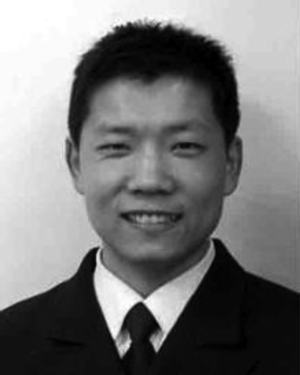 Bo Chen (陈搏)合作论文数6ChongZhong Liu (刘崇忠)合作论文数6Lei Wang合作论文数6Laura Gee合作论文数5
 Bradley Ewing合作论文数Rawls College of Business, Texas Tech University5
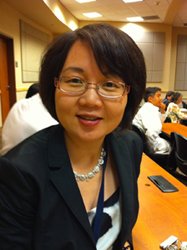 Zhang Yan合作论文数Laura W. Bush Institute for Women's Health, Texas Tech University;Australian Research Centre in Complementary and Integrative Medicine (ARCCIM),, University of Technology, Sydney;Texas Tech University, University of Technology, Sydney5
 W. Martin Kast合作论文数Keck School of Medicine, University of Southern California5
 Guangyong Zhang (张光永)合作论文数First Affiliated Hospital of Shandong First Medical University;Cheeloo College of Medicine, Shandong University;Shandong Provincial Qianfoshan Hospital5
 Marjorie Jenkins合作论文数and the Laura W. Bush Institute for Women's Health and Center for Women's Health and Gender-Based Medicine, Texas Tech University5Ari Halldorsson合作论文数4Bin Jin (靳斌)合作论文数4
 Raffaele Ferrari合作论文数4
 Sharmila Dissanaike合作论文数Department of Surgery, University of Washington4Barnard Barragan合作论文数4Yuefei Yu合作论文数4Susan E. Wozniak合作论文数3Kexin Wang合作论文数Shandong Univ, Qilu Hosp, Dept Gen Surg, Jinan 250012, Shandong, Peoples R China3
 Antonio Di Ieva合作论文数St Michaels Hosp, Univ Toronto3Muzzio Pier Carlo合作论文数3
 Jon A Weidanz合作论文数Boehringer Ingelheim;College of Nursing and Health Innovation, The University of Texas at Arlington3Haleigh Herbert合作论文数3Giorgia Ceva-Grimaldi合作论文数3Nicholas D'Cunha合作论文数3John A. Griswold合作论文数3JA GRISWOLD合作论文数2Susan Wozniak合作论文数2Cai Wei合作论文数2Nicola Dioguardi合作论文数2M. Prabhakar合作论文数2ShiJin Xuan (轩诗进)合作论文数2JinBo Feng (冯进波)合作论文数2LiGuang Zhou (周黎光)合作论文数2Jun Shao (邵军)合作论文数2HaiFeng Zhang (张海峰)合作论文数2
 Giovanni Li Destri合作论文数2
 Stefano Musardo合作论文数2Xu K Tom合作论文数2
 Paolo Gaetani合作论文数Department of Surgery, IRCCS Policlinico S. Matteo2Ronald C. Kennedy合作论文数2Nicoletta Gagliano合作论文数2Mitchell Wacthel合作论文数2Antonio Di Cataldo合作论文数2




