Thymus sp. (L.) encompasses over 500 aromatic species distributed in the Mediterranean area, in dry, rocky environments up to 1800 m above sea level. Plants of Thymus sp. (L.) from the Serpyllum group, growing in five areas of the Pistoia Mountains, were georeferenced and sampled for a chemical characterization of the terpene content. Fresh biomass was collected to distill thyme essential oil, and the derived hydrolate was recovered as byproduct of the process. The antifungal efficacy of the chemically characterized thyme essential oil and hydrolate was evaluated on two fungal biodeteriogens typically affecting paper objects, Alternaria alternata and Cladosporium cladosporioides. High thymol content thyme essential oil (about 75 %) and hydrolate (about 62 %) were obtained from steam distillation and used to perform in vitro tests on paper samples following a noninvasive approach. For both fungi, a significant growth reduction on inoculated Whatman paper was observed with both hydrolate and thyme essential oil. The GC-MS analysis of 94 thyme samples led to the characterization of seven chemotype classes, and a PCA was carried out to investigate the potential impact of different collection sites on the chemotypes variability. These findings highlight the necessity of an accurate selection of the plant material for an optimized production of thyme essential oil and hydrolate with improved antifungal efficacy.
The degradation of cellulose-based materials by fungi represents a menace to the cultural heritage conservation. Carvacrol-based beta-cyclodextrins and cocrystals proved effective antifungal remedies in vitro but their effects on paper structure and properties were not studied. The aim of this study was to investigate possible structural modifications and alterations of the mechanical, optical and chemical properties of artificially aged and unaged Whatman and Kraft paper subjected to the treatment with carvacrol-based beta-ciclodextrins and cocrystals. The pH of the samples did not significantly change after the treatment, as well as no colour-related alterations were detected (1.00<Delta E<2.00). The tensile strength of both Whatman and Kraft paper was not affected by the vapours of carvacrol and spectroscopic analysis (FTIR and XRD) revealed no carvacrol-related damages of paper structure. The antifungal efficacy of the carvacrol-cocrystal was also proved on a book prototype made of Whatman and Kraft paper, kept under 98% of humidity for 28 days, and purposely inoculated with a mix of fungal species (A. alternata, Aspergillus sp. section Nigri, C. cladosporioides, and T. orientale). These results show the applicability of a carvacrol-releasing system, effective as antifungal remedy, and at the same time not harmful to Whatman and Kraft paper, as these materials did not show treatment-induced degradation.
IntroductionAutosomal recessive osteopetrosis (ARO) is a rare genetic disease, characterized by increased bone density due to defective osteoclast function. Most of the cases are due to TCIRG1 gene mutation, leading to severe bone phenotype and death in the first years of life. The standard therapy is the hematopoietic stem cell transplantation (HSCT), but its success is limited by several constraints. Conversely, gene therapy (GT) could minimize the immune-mediated complications of allogeneic HSCT and offer a prompt treatment to these patients.MethodsThe Tcirg1-defective oc/oc mouse model displays a short lifespan and high bone density, closely mirroring the human condition. In this work, we exploited the oc/oc neonate mice to optimize the critical steps for a successful therapy.ResultsFirst, we showed that lentiviral vector GT can revert the osteopetrotic bone phenotype, allowing long-term survival and reducing extramedullary haematopoiesis. Then, we demonstrated that plerixafor-induced mobilization can further increase the high number of HSPCs circulating in peripheral blood, facilitating the collection of adequate numbers of cells for therapeutic purposes. Finally, pre-transplant non-genotoxic conditioning allowed the stable engraftment of HSPCs, albeit at lower level than conventional total body irradiation, and led to long-term survival and correction of bone phenotype, in the absence of acute toxicity.ConclusionThese results will pave the way to the implementation of an effective GT protocol, reducing the transplant-related complication risks in the very young and severely affected ARO patients.
Improving food preservation technologies is a key aspect in the struggle to reduce global food waste, and natural antimicrobial substances, such as essential oil (EO) components represent very promising food preserving agent. However, their intrinsic chemico-physical properties, such as the low melting point, low water solubility and high volatility, pose some practical difficulties in exploiting them for practical applications. Cocrystallization is used to stabilize liquid or volatile EO components providing them whit a crystalline environment, thus improving their potential application as antibacterial agents. Five EO active ingredients (THY = thymol, CAR = carvacrol, EUG = eugenol, CAD = trans-cinnamaldehyde, and VAN = o-vanillin) and two coformers (INA = Isonicotinamide, and HBA = 4-hydroxybenzoic acid) have been combined and the corresponding cocrystals have been studied for their potential inhibiting effect against four food spoilage bacteria (Bacillus thuringiensis, Enterobacter cloacae, Pseudomonas fluorescens, and Serratia marcescens). The structures of the five cocrystals have been used to derive structure-activity relationships in terms of release energy of the active ingredients form the crystalline environment, and a correlation has been derived with the Intermolecular Interaction Energies of the EO molecules. Food preservation technology is key to reduce global food waste. Essential Oil based cocrystals, synthesized via mechanochemical green protocols, represent a very promising alternative as food preserving agents with enhanced effect against food spoilage bacteria. image
Archival documents and artworks stored in libraries frequently undergo degradative processes promoted by the so-called "biodeteriogens" that inhabit these places. A renewed interest in plant-derived products has arisen in those research groups focusing on cultural heritage preservation and looking for new and safe disinfection techniques. In this view, essential oils (EOs) and their volatile organic constituents are very appealing thanks to their versatility of action. A literature survey of the scientific publications involving EOs and/or their major constituents related to the conservation of paper items of cultural heritage interest is presented here, aiming to reveal benefits and limitations of such peculiar plant-derived compounds.
Essential oils (EOs) and oleoresins are complex mixtures mainly made up of terpenes, synthesized by a wide variety of plants. Individual terpenes may show broad-spectrum activity against different plant pathogens, and their combination into EO and oleoresin mixtures enhances plant chemical defense. The interest in EOs has significantly increased due to the trend of using natural products as herbicides, insecticidal and antimicrobial agents. In addition, the use of plant mixtures is an emerging approach to face the problem of antimicrobial resistance in agriculture. This chapter reports guidelines about plant sample collection for the production of EOs and provides protocols to test their activity as antimicrobial agents against bacteria and fungi. It also describes a solvent-free method for the inclusion of EOs into β-cyclodextrins. This type of formulate is prepared to turn liquid EOs into easily manageable water-soluble powders, and to control the release of volatile compounds, aiming to increase EOs' applications in agriculture.
Paper items from historical archives and libraries are frequently colonized by biodeteriogens, the management of which is a major concern. Essential oil Volatile Organic Compounds (VOCs) of thymol, carvacrol and eugenol, with high levels of antimicrobial and insect repellent activity, were stabilized within crystalline networks of β-cyclodextrins and phenazine-based cocrystals, as a new tool for the control of paper-degrading agents. These formulations were obtained via solvent-free methodologies and resulted as easy handling powders, suitable for the treatment of paper items by indirect contact. Their antimicrobial activity was evaluated on the following species isolated from a book depository at Forte Belvedere (Florence, IT): Alternaria alternata, Aspergillus sp., Cladosporium sp., Trichoderma orientale, Metschnikowia sp., and Bacillus sp. Both formulates displayed a significant antimicrobial activity in vitro, with cocrystals showing higher efficacy than β-cyclodextrins. The formulates were also tested against the pest Lasioderma serricorne, towards which the cocrystals entrapping carvacrol and thymol exhibited repellent activity. Overall, the phenazine-carvacrol cocrystal was the best-performing formulate, also giving favourable outcomes in terms of antifungal activity in an on-paper in vitro experiment designed to reproduce on a small-scale the critical conditions of an infested archive. These promising results pave the way towards further experimentations of VOC-based solid formulates, to shed light on such products applicability for the preservation of paper items.
Plants produce considerable amounts of volatile organic compounds (VOCs) with several biological functions, including protection against biotic agents such as viruses and their vectors. In citrus species, these metabolites can be related with their different susceptibility/tolerance toward the Tristeza virus (CTV), one of the main biotic constraints for the citrus industry. The objective of this study was to compare the VOCs pattern from the leaves of a CTV-susceptible citrus variety such as Citrus aurantium and from three CTV-tolerant varieties: Citrus volkameriana, Carrizo citrange, and Forner-Alcaide no. 5. The VOCs emitted were analyzed via the headspace SPME method, while plant metabolites sequestered in the leaves were analyzed by heptane extraction followed by GC-MS. The results indicated that the majority of the VOCs emitted and sequestered in the leaves of the varieties tolerant and susceptible to CTV are constituted mainly by volatile terpenes (VTs) that exhibit strong qualitative/quantitative differences among the profiles of the four citrus species. In detail, the VOC emission indicated different patterns between C. aurantium and C. volkameriana and from both of them in comparison with Forner-Alcaide no. 5 and Carrizo citrange that exhibited more similarities, with the last two characterized by a higher presence of sesquiterpenes. The data obtained from the analysis of the VOCs sequestered in leaf tissues of the CTV-tolerant varieties indicated a higher presence of monoterpenes such as limonene, α-pinene, and p-cymene, known to be the main components of several plant extracts showing deterrent properties toward viruses and insect vectors. As VOC evaluation is a fast and noninvasive measure of phenotypic dynamics, allowing the association of plant phenotypes in accordance to plant disease resistance and/or stress tolerance, the possible implications of such differences in terms of tolerance grade to CTV and/or its related vectors are discussed.
Acrofrontofacionasal dysostosis type 1 (AFFND1) is an extremely rare disorder characterized by several dysmorphic features, skeletal abnormalities and intellectual disability, and described only in seven patients in the literature. A biallelic variant in the Neuroblastoma Amplified Sequence (NBAS) gene was recently identified in two Indian patients with AFFND1. Here we report genetic investigation of AFFND1 in the originally described Brazilian families and the identification of an extremely rare, recessively-inherited, intronic variant in the Phosphatidylinositol Glycan class B (PIGB) gene NC_000015.10 (NM_004855.4): c.795-19T > G) in the affected individuals. The PIGB gene encodes an enzyme involved in the biosynthesis of the glycosylphosphatidylinositol (GPI) anchor, which is required for the post-translational modification of a large variety of proteins, enabling their correct cellular localization and function. Recessive variants in PIGB have previously been reported in individuals with a neurodevelopmental syndrome having partial overlap with AFFND1. In vitro assays demonstrated that the intronic variant leads to exon skipping, suggesting the Brazilian AFFND1 patients may be null for PIGB, in agreement with their severe clinical phenotype. These data increase the number of pathogenic variants in the PIGB gene, place AFFND1 among GPI deficiencies and extend the spectrum of phenotypes associated with GPI biosynthesis defects.
ClC-7 is a chloride-proton antiporter of the CLC protein family. In complex with its accessory protein Ostm-1, ClC-7 localizes to lysosomes and to the osteoclasts' ruffled border, where it plays a critical role in acidifying the resorption lacuna during bone resorption. Gene inactivation in mice causes severe osteopetrosis, neurodegeneration, and lysosomal storage disease. Mutations in the human CLCN7 gene are associated with diverse forms of osteopetrosis. The functional evaluation of ClC-7 variants might be informative with respect to their pathogenicity, but the cellular localization of the protein hampers this analysis. Here we investigated the functional effects of 13 CLCN7 mutations identified in 13 new patients with severe or mild osteopetrosis and a known ADO2 mutation. We mapped the mutated amino acid residues in the homology model of ClC-7 protein, assessed the lysosomal colocalization of ClC-7 mutants and Ostm1 through confocal microscopy, and performed patch-clamp recordings on plasma-membrane-targeted mutant ClC-7. Finally, we analyzed these results together with the patients' clinical features and suggested a correlation between the lack of ClC-7/Ostm1 in lysosomes and severe neurodegeneration. © 2020 American Society for Bone and Mineral Research (ASBMR).
Allogeneic hematopoietic stem cell transplantation is the treatment of choice for autosomal recessive osteopetrosis caused by defects in the TCIRG1 gene. Despite recent progress in conditioning, a relevant number of patients are not eligible for allogeneic stem cell transplantation because of the severity of the disease and significant transplant-related morbidity. We exploited peripheral CD34+ cells, known to circulate at high frequency in the peripheral blood of TCIRG1-deficient patients, as a novel cell source for autologous transplantation of gene corrected cells. Detailed phenotypical analysis showed that circulating CD34+ cells have a cellular composition that resembles bone marrow, supporting their use in gene therapy protocols. Transcriptomic profile revealed enrichment in genes expressed by hematopoietic stem and progenitor cells (HSPCs). To overcome the limit of bone marrow harvest/ HSPC mobilization and serial blood drawings in TCIRG1 patients, we applied UM171-based ex-vivo expansion of HSPCs coupled with lentiviral gene transfer. Circulating CD34+ cells from TCIRG1-defective patients were transduced with a clinically-optimized lentiviral vector (LV) expressing TCIRG1 under the control of phosphoglycerate promoter and expanded ex vivo. Expanded cells maintained long-term engraftment capacity and multi-lineage repopulating potential when transplanted in vivo both in primary and secondary NSG recipients. Moreover, when CD34+ cells were differentiated in vitro, genetically corrected osteoclasts resorbed the bone efficiently. Overall, we provide evidence that expansion of circulating HSPCs coupled to gene therapy can overcome the limit of stem cell harvest in osteopetrotic patients, thus opening the way to future gene-based treatment of skeletal diseases caused by bone marrow fibrosis.
BACKGROUND:Autosomal recessive osteopetrosis is a rare skeletal disorder with increased bone density due to a failure in osteoclast bone resorption. In most cases, the defect is cell-autonomous, and >50% of patients bear mutations in the TCIRG1 gene, encoding for a subunit of the vacuolar proton pump essential for osteoclast resorptive activity. The only cure is hematopoietic stem cell transplantation, which corrects the bone pathology by allowing the formation of donor-derived functional osteoclasts. Therapeutic approaches using patient-derived cells corrected ex vivo through viral transduction or gene editing can be considered, but to date functional rescue cannot be demonstrated in vivo because a relevant animal model for xenotransplant is missing.METHODS:We generated a new mouse model, which we named NSG oc/oc, presenting severe autosomal recessive osteopetrosis owing to the Tcirg1 oc mutation, and profound immunodeficiency caused by the NSG background. We performed neonatal murine bone marrow transplantation and xenotransplantation with human CD34+ cells.RESULTS:We demonstrated that neonatal murine bone marrow transplantation rescued NSG oc/oc mice, in line with previous findings in the oc/oc parental strain and with evidence from clinical practice in humans. Importantly, we also demonstrated human cell chimerism in the bone marrow of NSG oc/oc mice transplanted with human CD34+ cells. The severity and rapid progression of the disease in the mouse model prevented amelioration of the bone pathology; nevertheless, we cannot completely exclude that minor early modifications of the bone tissue might have occurred.CONCLUSION:Our work paves the way to generating an improved xenograft model for in vivo evaluation of functional rescue of patient-derived corrected cells. Further refinement of the newly generated mouse model will allow capitalizing on it for an optimized exploitation in the path to novel cell therapies.
Biallelic variants in neuroblastoma-amplified sequence (NBAS) cause an extremely broad spectrum of phenotypes. Clinical features range from isolated recurrent episodes of liver failure to multisystemic syndrome including short stature, skeletal osteopenia and dysplasia, optic atrophy, and a variable immunological, cutaneous, muscular, and neurological abnormalities. Hemizygous variants in CUL4B cause syndromic X-linked intellectual disability characterized by limitations in intellectual functions, developmental delays in gait, cognitive, and speech functioning, and other features including short stature, dysmorphism, and cerebral malformations. In this study, we report on a 4.5-month-old preterm infant with a complex phenotype mainly characterized by placental-related severe intrauterine growth restriction, post-natal growth failure with spontaneous bone fractures, which led to a suspicion of osteogenesis imperfecta, and lethal bronchopulmonary dysplasia with pulmonary hypertension. Whole exome sequencing identified compound heterozygosity for a known frameshift and a novel missense variant in NBAS and hemizygosity for a known CUL4B nonsense mutation. In vitro functional studies on the novel NBAS missense substitution demonstrated altered Golgi-to-endoplasmic reticulum retrograde vesicular trafficking and reduced collagen secretion, likely explaining part of the patient's phenotype. We also provided a comprehensive overview of the phenotypic features of NBAS and CUL4B deficiency, thus updating the recently emerging NBAS genotype-phenotype correlations. Our findings highlight the power of a genome-first approach for an early diagnosis of complex phenotypes.
The field of bone tissue engineering has been growing over time, implementing strategies to induce bone regeneration in diverse pathological settings. To this end, scaffolds made of different biomaterials are exploited for their osteoinductive, osteoconductive, and osteogenic properties and for the delivery of factors to promote tissue regeneration. This process involves intense physical and molecular interactions between the implanted biomaterial and resident cells in the bone tissue or cells recruited from the periphery to the implanted site. The implanted biomaterials, according to their physicochemical properties, elicit an active response from skeletal cells (osteoclasts, osteoblasts, osteocytes, and their precursors) and, more importantly, from immune cells, including macrophages, neutrophils, dendritic cells, and lymphocytes, and endothelial cells. In this chapter, we will address the cellular events that follow the biomaterial implantation in bone and the challenges in reproducing or tuning the complex tissue microenvironment for successful tissue regeneration.
Searchable abstracts of presentations at key conferences on calcified tissues ISSN 2052-1219 (online)
 Anna Villa合作论文数29
 Cristina Sobacchi合作论文数29Ciro Menale合作论文数University of Turin, University of Turin16
 Paolo Uva合作论文数Istituto di Ricerche di Biologia Molecolare, Merck Research Laboratories10
 Paolo Vezzoni合作论文数9Dario Strina合作论文数8
 Stefano Mantero合作论文数CNR-ITB, Dulbecco Telethon Institute7
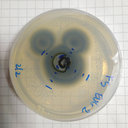 Felicia Menicucci合作论文数6Capo Valentina合作论文数6Andrea Ienco合作论文数6Marco Michelozzi合作论文数6
 Sara Penna合作论文数5Oppo Manuela合作论文数5
 Francesca Ficara合作论文数Department of Pathology, Stanford University School of Medicine5Gabriele Cencetti合作论文数4Monari Marta合作论文数Humanitas Clinical and Research Center4
 Harry C. Blair合作论文数Division of Clinical Chemistry, Section of Laboratory Medicine, Department of Pathology, School of Medicine, University of Pittsburgh;Department of Cell Biology, School of Medicine, University of Pittsburgh4
 Francesca Schena合作论文数Giannina Gaslini Institute4Lorenzo Diomede合作论文数3
 Andrea Angius合作论文数3Elena Fontana合作论文数3Basso Ricci Luca合作论文数San Raffaele Telethon Institute for Gene Therapy (TIGET),, San Raffaele Scientific Institute3Scala Serena合作论文数San Raffaele Telethon Institute for Gene Therapy (TIGET),, San Raffaele University3Crisafulli Laura合作论文数3
 Mario Abinun合作论文数Translational and Clinical Research Institute, Faculty of Medical Sciences, Newcastle University3Lucia Susani合作论文数Istituto di Tecnologie Biomediche Avanzate, Consiglio Nazionale delle Ricerche;Center for Genetics in Medicine, Washington University3
 Marco Erreni合作论文数3Alessandra Pangrazio合作论文数3Irina L. Tourkova合作论文数Department of Pathology, University of Pittsburgh3
 Bernhard Gentner合作论文数Translational Stem Cell and Leukemia Unit, San Raffaele Telethon Institute for Gene Therapy, I.R.C.C.S. Ospedale San Raffaele;Clinical Research Unit, San Raffaele Telethon Institute for Gene Therapy, I.R.C.C.S. Ospedale San Raffaele3Elena Draghici合作论文数3
 Antonella Forlino合作论文数3Aida Raio合作论文数Istituto per la Protezione delle Piante, CNR3Erika Zonari合作论文数San Raffaele-Telethon Institute for Gene Therapy (HSR-TIGET),, San Raffaele Scientific Institute3Carmelo Carlo-Stella合作论文数2Giulia Zuccarini合作论文数2Guido Grappiolo合作论文数2
 Roberto Cusano合作论文数CRS4 NGS Core, Polaris Res Pk2Alessandro Montanelli合作论文数2
 Flavio Faletra合作论文数IRCCS Burlo Garofolo, Inst Maternal & Child Hlth, Trieste, Italy2
 Anna Tampieri合作论文数Institute of Science and Technology for Ceramics2
 Andrea Superti Furga合作论文数Centre Hospitalier Universitaire Vaudois2Traggiai Elisabetta合作论文数2
 Gianmauro Cuccuru合作论文数Center for Advanced Studies, Research and Development in Sardina (CRS4), Pula, Cagliari, Italy. gmauro@crs4.it.2
 Guarino Salvatore合作论文数Dipartimento di Scienze Agrarie e Forestali, Università degli Studi di Palermo;Istituto per la Protezione Sostenibile delle Piante (IPSP), Sesto Fiorentino, Florence, Italy.;Istituto per la Protezione Sostenibile delle Piante (IPSP),, Università degli Studi di Palermo2
 SL Locatelli合作论文数Department of Oncology and Hematology, Humanitas Cancer Center2Matteo Barcella合作论文数Department of Health Sciences and Graduate School of Nephrology, University of Milan2
 Alessia Bacchi合作论文数Chimica Fisica, University of Parma2
 Alessandro Aiuti合作论文数Università Vita-Salute San Raffaele;Pediatric Immunohematology Unit, IRCCS Ospedale San Raffaele;Pediatric Clinical Research Unit, SR-Tiget2




